Bo.lan belongs to Bangkok’s serious Thai dining conversation because it treats balance as structure rather than decoration: sourness, heat, salt, sweetness, bitterness, herbs and texture are meant to sit in tension. With Michelin Guide coverage noting time-honoured recipes, rare regional produce and small-farmer sourcing, it fits the city’s tradition-minded tier rather than the spectacle-driven end of destination dining.
 Discover on Pearl
Pearl is the En Primeur Club membership app — saves, bookings, and concierge access live there. Same editors, same standards.
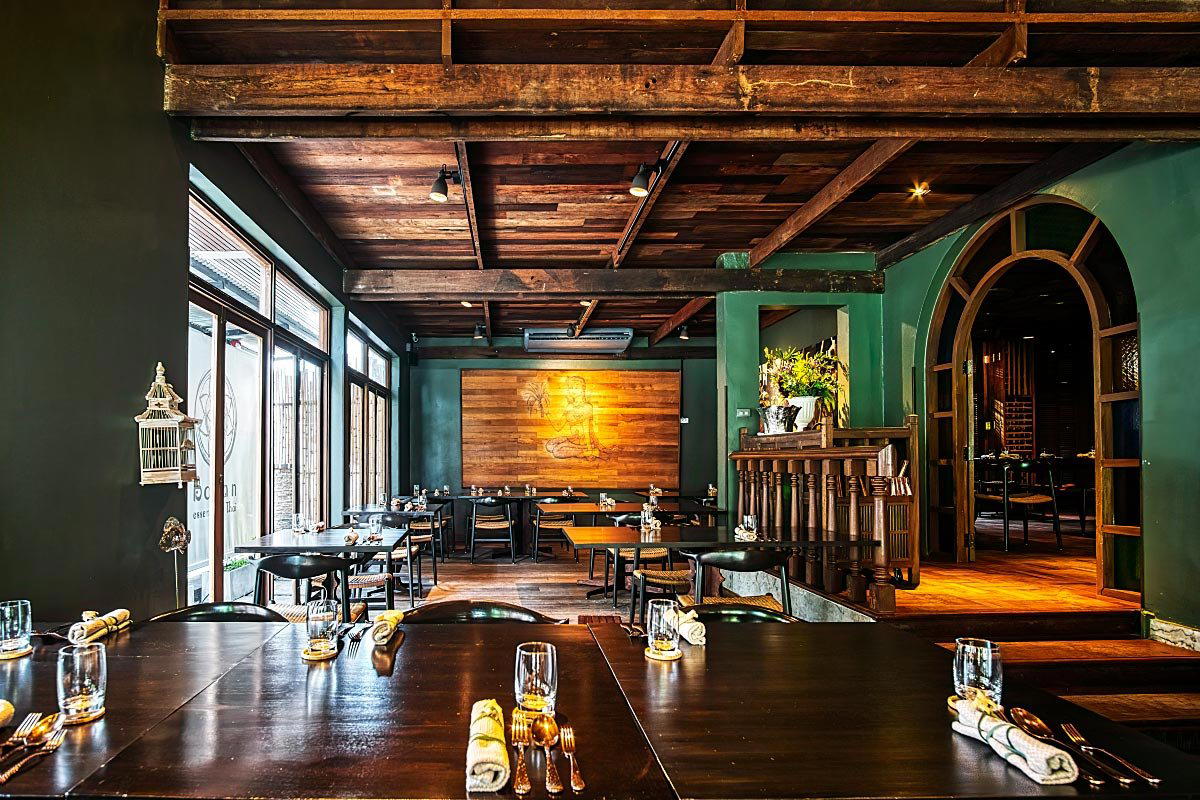
Where Bangkok's Thai dining argument gets serious
Approaching a serious Thai restaurant in Bangkok is rarely about spectacle alone. The more interesting rooms make the city feel quieter for a moment: polished timber, controlled light, the hush of staff movement, then the first sharp signal from the kitchen, usually lime, toasted chilli, fish sauce or herbs cutting through the air. Bo.lan belongs to that Bangkok category where the room is only the beginning. The argument is on the table: Thai cooking is not a sequence of pretty plates, but a system of pressure, balance and correction.
That distinction matters in a city where visitors often arrive with two simplified ideas of Thai food. One is street-food immediacy, built around charcoal smoke, wok heat and plastic-stool speed. The other is luxury tasting-menu theatre, where Thai flavours can be softened for international expectations. The more compelling middle ground treats the four familiar pillars, sweet, sour, salty and spicy, as a grammar rather than a slogan. Bo.lan sits in that conversation with restaurants such as Nahm, Samrub Samrub Thai and Aksorn, where the reader’s question is not simply where to eat, but which version of Thai culinary memory feels persuasive.
Michelin Guide wrote that "The menu is rooted in time-honoured recipes and mindful gastronomy, skilfully using rare regional produce sourced from small farmers"1. That sentence is useful because it places Bo.lan in a specific Bangkok lane: not fusion, not hotel-brunch Thai, not a museum of recipes, but a restaurant using historical forms and regional sourcing as a live operating system. In Thailand, that position carries weight because regional produce is not decorative provenance. It changes acidity, bitterness, texture and aroma, which in turn changes how a curry, relish, salad or soup behaves at the table.
The balance of flavours is the point, not the garnish
Thai food is often reduced abroad to heat, coconut richness or fragrance. Bangkok exposes that reading as thin. The city’s stronger Thai kitchens understand balance as movement: sourness can be bright or fermented, sweetness can round or distract, salt can come from fish sauce, dried seafood or preserved ingredients, and chilli can provide perfume as much as force. A meal built on those principles should not feel polite for long. It should keep asking the palate to recalibrate.
Bo.lan’s editorial relevance comes from that older logic. The restaurant’s Thai identity is not just a cuisine label in a database; it is a commitment to a demanding flavour architecture. In this tier, a dish cannot be judged by luxury ingredients alone. A technically expensive ingredient can make a plate less Thai if it flattens contrast. Conversely, a modest regional vegetable, a fermented component or a bitter herb can carry the shape of the cooking more accurately than imported prestige produce.
This is where Bangkok differs from many international Thai dining markets. Outside Thailand, balance often gets translated into comfort: less funk, less bitterness, less volatility. In Bangkok, the better kitchens can afford to be less apologetic. Chim by Siam Wisdom and Saneh Jaan also sit in the tradition-aware set, though each frames heritage differently. Bo.lan’s strongest case is that balance is not smoothness. It is the controlled friction between ingredients that would be too sharp, too salty or too hot if left alone.
Old utensils, modern discipline
Restaurants built around tradition often face a practical problem: the language of authenticity can become vague. The more convincing version shows up in systems, sourcing and technique rather than nostalgia. Michelin Guide 2018 quoted, "We mostly stick to old school utensils in cooking, but the washing equipment comes from the West.”2. That line says more about contemporary Thai dining than a page of romantic copy. It suggests that heritage cooking and modern hygiene are not opposing camps; they can occupy the same kitchen if the priorities are clear.
For Bangkok diners, that distinction is meaningful. The city has long had food traditions that operate outside Western restaurant formality: markets, family-run shophouses, regional specialists, curry-rice counters, late-night grills. A restaurant such as Bo.lan has to translate parts of that knowledge into a premium dining format without sanding away its edges. The risk is obvious: too much polish can make Thai food read as performance for visitors. Too little structure can make the dining room feel less precise than its pricing or reputation suggests. The narrow lane between those errors is where the city’s serious Thai restaurants compete.
Michelin Guide later described Bo.lan as "a Thai restaurant offering a menu rooted in time-honored recipes and sustainability, skillfully using rare regional produce sourced from small farmers"3. The repetition across Michelin coverage is telling. The external attention is not attached to a single signature dish in the available record, but to a model: time-honoured recipes, sustainability, rare regional produce and small-farmer supply. Those are operating choices, and in Bangkok they help separate tradition-led restaurants from venues using Thai references as surface styling.
Bangkok's comparable set: heritage, archives and regional intelligence
Bangkok now has several kinds of high-interest Thai restaurants. There are archival kitchens that revive written recipes, ingredient-led kitchens that follow local supply, chef-led counters that compress regional knowledge into tasting-menu form, and polished Thai dining rooms that make heritage legible to international guests. Bo.lan belongs near the tradition-and-sourcing end of that map. It is not useful to treat every serious Thai restaurant in the city as interchangeable simply because the cuisine type matches.
Nahm helped international diners take courtly and regional Thai cooking seriously in a fine-dining context. Samrub Samrub Thai has pushed Bangkok’s counter-format Thai conversation toward research, intensity and limited-capacity focus. Aksorn has made printed culinary history part of the dining proposition. Bo.lan’s angle, based on the available record and Michelin language, is closer to a living-system view of Thai cooking: recipes are inherited, but sourcing and kitchen choices decide whether they have force in the present.
That comparison also helps with reader fit. Diners seeking a global fine-dining vocabulary with Thai accents may prefer a different Bangkok table. Diners who want Thai cooking to remain assertive, historically aware and tied to regional agriculture will understand why Bo.lan has remained part of the conversation. The restaurant’s value is not in novelty. It is in how much pressure it places on the idea that flavour balance is a cultural discipline.
"Bo and Dylan prepare traditional but often hard-to-find dishes, such as stir-fried chicken thighs with bamboo shoots, and red curry of pork hock."
, AFAR, 2014Why sourcing changes the flavour equation
Small-farmer sourcing can sound like a generic virtue until it is connected to Thai cooking. In this cuisine, ingredient variation is not a footnote. A lime’s acidity, a chilli’s aroma, a herb’s bitterness, a freshwater ingredient’s texture or a rice variety’s fragrance can alter the balance of a meal. Regional produce gives the kitchen more ways to adjust the four pillars without relying on blunt sweetness, generic heat or heavy seasoning.
That is why sustainability language has sharper implications here than it might in a European bistro context. It is not only about ethics, although ethics matter. It is about access to flavour registers that industrial supply tends to compress. Rare regional produce can bring bitterness, mineral notes, sourness or texture that change how a relish works against rice, how a curry carries heat, or how a salad lands between sharp and savoury. The available Michelin descriptions point directly to that supply chain, which makes it fair to read Bo.lan through agriculture as much as through technique.
For readers building a wider Thailand itinerary, this is also a useful lens beyond Bangkok. PRU in Phuket frames locality through southern Thai produce and island agriculture, while AKKEE in Pak Kret sits just outside the capital’s centre of gravity. Further afield, Mana in Mueang Khon Kaen, The Redbox in Chiang Mai and Kampun Gai Yang in Phra Nakhon Si Ayutthaya show how Thai dining becomes more legible when seen region by region rather than as a single national flavour profile.
What the room is likely to ask of diners
Plan ahead and verify current logistics directly before arranging an evening. That absence of hard logistics is not a reason to treat the meal casually. In Bangkok, restaurants with Michelin Guide attention and a tradition-led Thai format tend to draw both local diners and culinary travellers, especially during peak travel periods from roughly November through February. Advance planning is the sensible move.
Formality is better understood as behavioural rather than ceremonial. Bangkok’s serious Thai dining rooms are not usually about rigid dress codes in the old European sense, unless a venue states one directly. The expectation is composure: arrive on time, avoid treating the meal as a quick stop between bars, and be ready for dishes that may not flatter every palate in the same way. Thai balance can be confrontational. Sour, bitter, salty and spicy elements may arrive with less compromise than visitors expect from Thai restaurants abroad.
Children are a conditional question. Bangkok is an accommodating city in many contexts, but a restaurant of this type is not automatically a family-dining default. If price, pacing or heat tolerance are concerns, families should check directly before committing. Older children who are used to long meals and assertive flavours may be fine; younger children who need quick service or mild food may be better suited to a more flexible Thai restaurant elsewhere in the city.
"“Sourcing locally was always our intention from day one,” says Chef Dylan of Bo.lan,"
, Michelin Guide, 2019How to place Bo.lan in a Bangkok itinerary
Bo.lan makes sense as a Thai-dining anchor rather than a casual add-on. A useful Bangkok itinerary might pair one tradition-led room with one market-focused day, one regional specialist and one contemporary bar evening. That approach gives the city room to contradict itself. Bangkok’s dining strength lies in contrast: a serious restaurant can explain balance with discipline, while a street-side vendor can show speed, repetition and instinct. Neither cancels the other.
Travelers comparing categories should use the wider city guides to avoid building an itinerary from restaurants alone. Bangkok’s drinking culture deserves its own time, from hotel bars to cocktail rooms, and broader trip planning benefits from balancing food with cultural time.
International comparisons can also sharpen the point. Kin Khao, Thai in San Francisco operates in a different market, where Thai flavour must speak across American dining assumptions. L'Orchidée, Thai in Altkirch shows another version of Thai cuisine abroad, shaped by local audience and supply. Bangkok has the advantage of proximity to Thai agricultural networks, culinary memory and everyday eating culture. Bo.lan’s relevance depends on that proximity.
Planning notes for Bo.lan
- Cuisine: Thai, with Michelin Guide coverage emphasizing time-honoured recipes, sustainability and rare regional produce from small farmers.
- City context: Bangkok’s serious Thai dining scene includes heritage restaurants, archival recipe projects, ingredient-led rooms and counter-format tasting menus. Bo.lan sits in the tradition-and-sourcing conversation.
- Booking: Plan ahead and verify directly before arranging transport or pairing the meal with another commitment.
- Price: No current price range is available in the record. Treat it as a serious dining choice rather than a spontaneous low-cost stop, and confirm current menus before committing.
- Dress and atmosphere: No dress code is listed. Smart, comfortable clothing is the safe Bangkok default for a polished Thai dining room.
Peer Set Snapshot
Comparable venues nearby, for context on price, style, and recognition.
| Venue | Cuisine | Price | Awards | Notes |
|---|---|---|---|---|
| Bo.lanThis venue — the venue you are viewing | Thai Fine Dining | $$$$ | , | |
| Jim Thompson, A Thai Restaurant | Modern Thai Fine Dining | $$$$ | , | Prathunam |
| Baan Rim Pa Patong | Royal Thai Cuisine | $$$$ | , | Patong |
| Blue Elephant | Royal Thai Heritage Cuisine | $$$ | , | Bang Rak Khwaeng |
| Sirocco | Mediterranean Fine Dining | $$$$ | , | Khanna Yao |
| Bangkok Bold Kitchen | Bold, regional Thai comfort food | $$ | , | Pathum Wan |


At a Glance
- Sophisticated
- Elegant
- Intimate
- Hidden Gem
- Modern
- Date Night
- Special Occasion
- Group Dining
- Celebration
- Standalone
- Craft Cocktails
- Zero Proof
- Local Sourcing
- Farm To Table
- Zero Waste
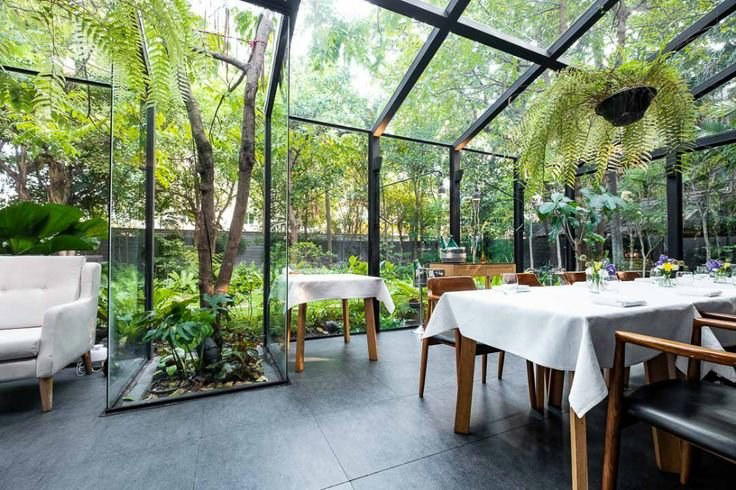
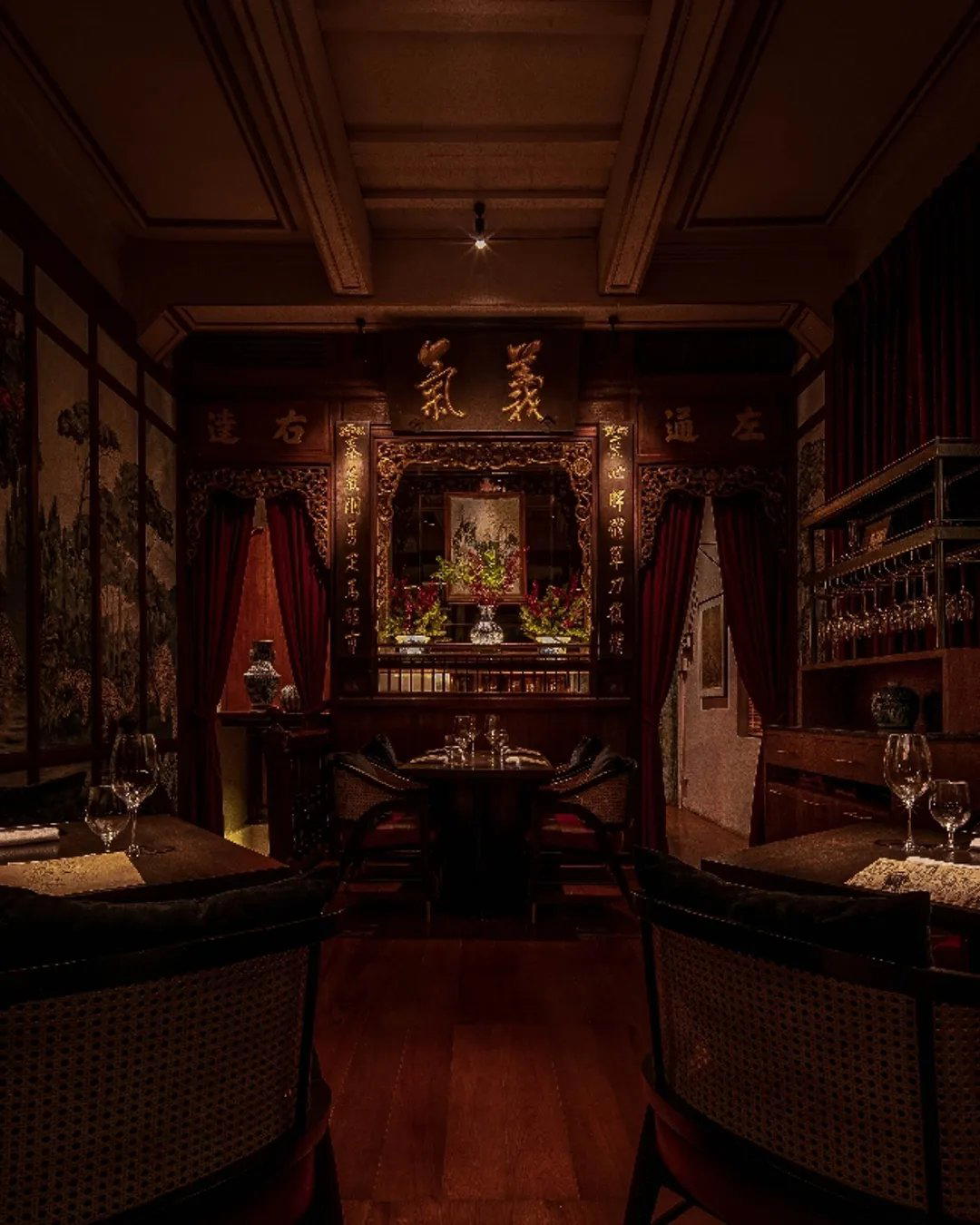
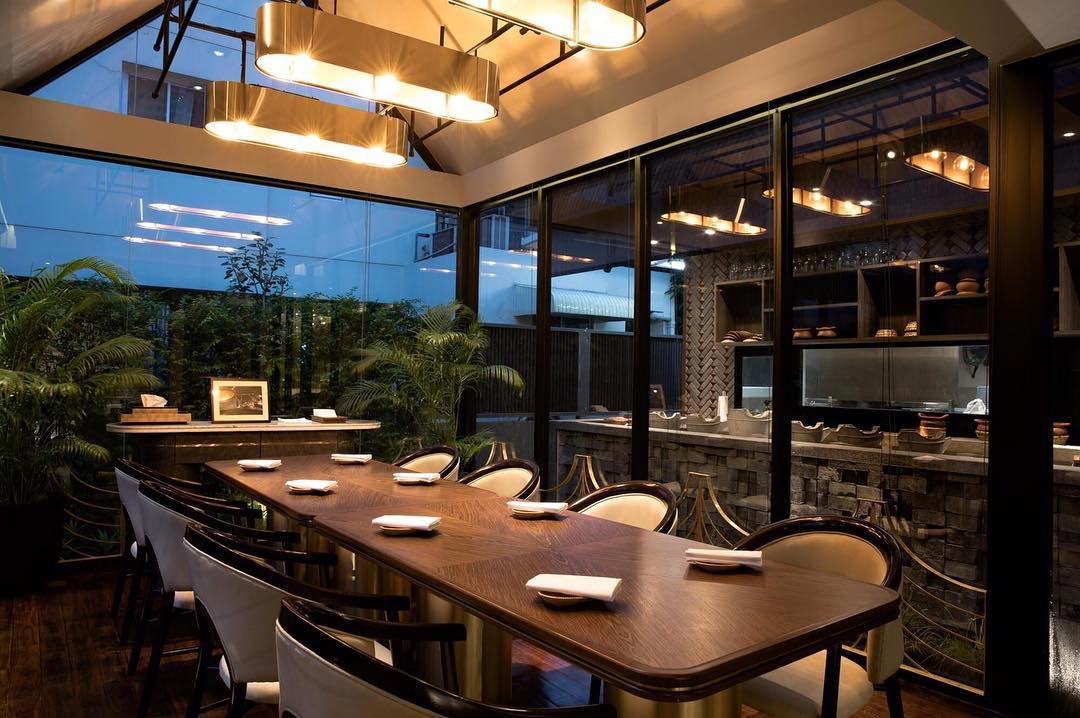
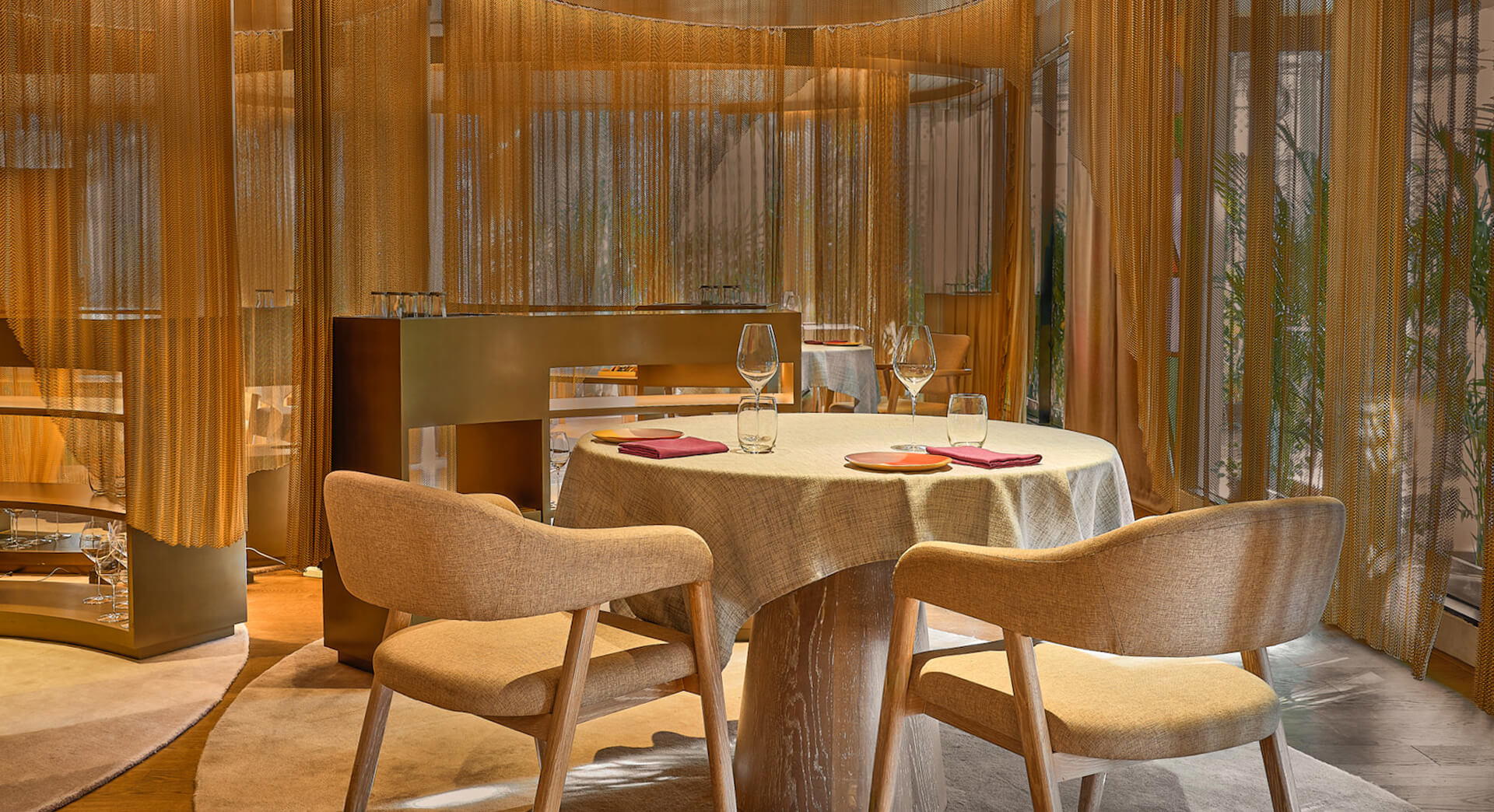
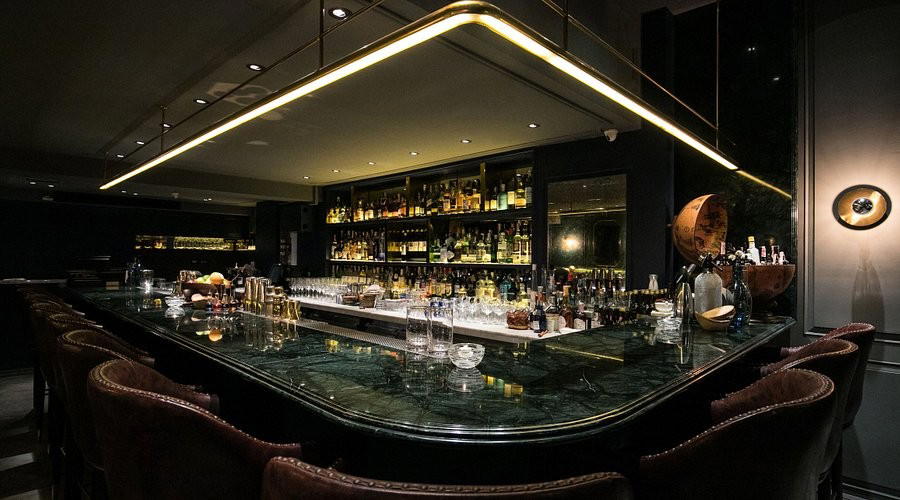
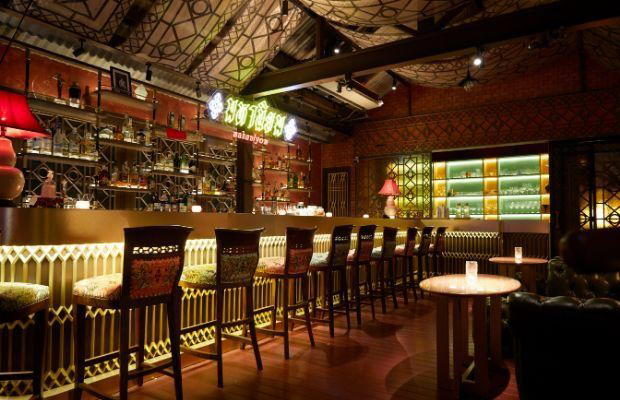
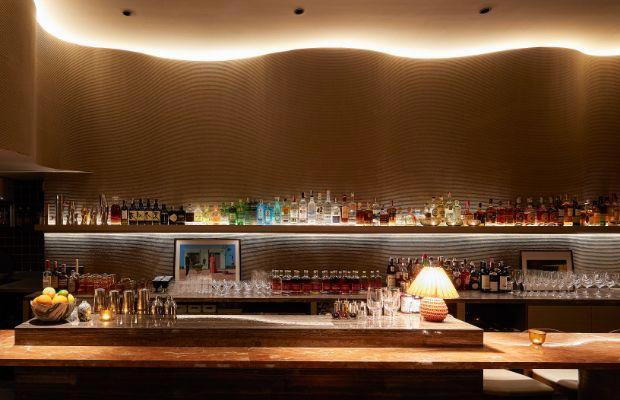
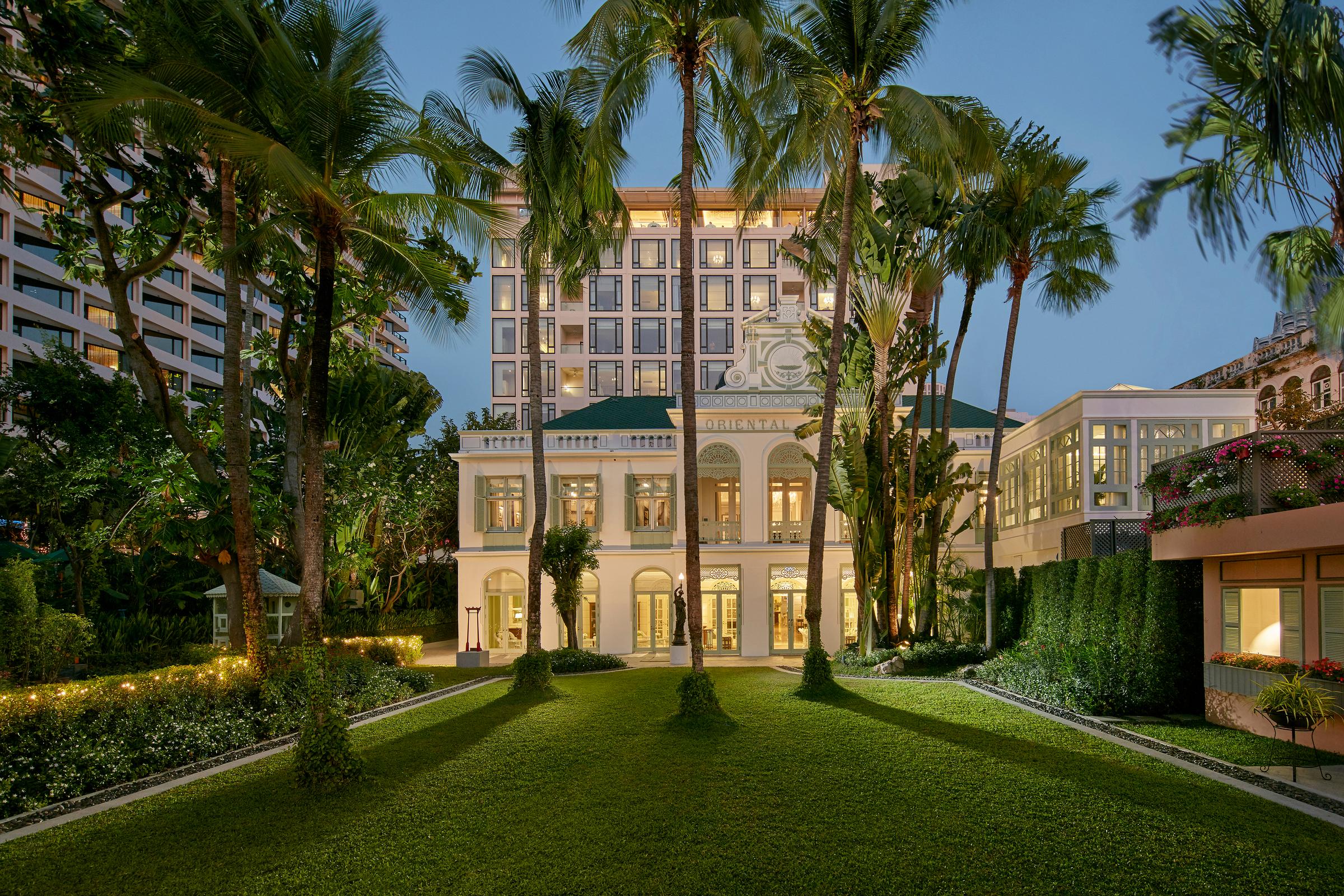
Warm, grounded fine-dining atmosphere that feels between rustic and hip casual, with a serious yet playful presentation style.