
Baan Rim Pa Patong sits in the Thai dining category where restaurant service borrows from street-food memory: heat, sourness, herbs, seafood and wok discipline rather than ceremony alone. Its 2026 Opinionated About Dining Recommended listing gives it a current third-party signal, while Khun Wan’s kitchen keeps the frame close to Thai cooking rather than international tasting-menu theatre.
Pearl is the En Primeur Club membership app — saves, bookings, and concierge access live there. Same editors, same standards.
- Address
- 223 Prabaramee Road Patong, Bangkok, Bangkok, Thailand
- Phone
- +66 92 274 9095
- Website
- baanrimpa.com
 Saves & bookings on Pearl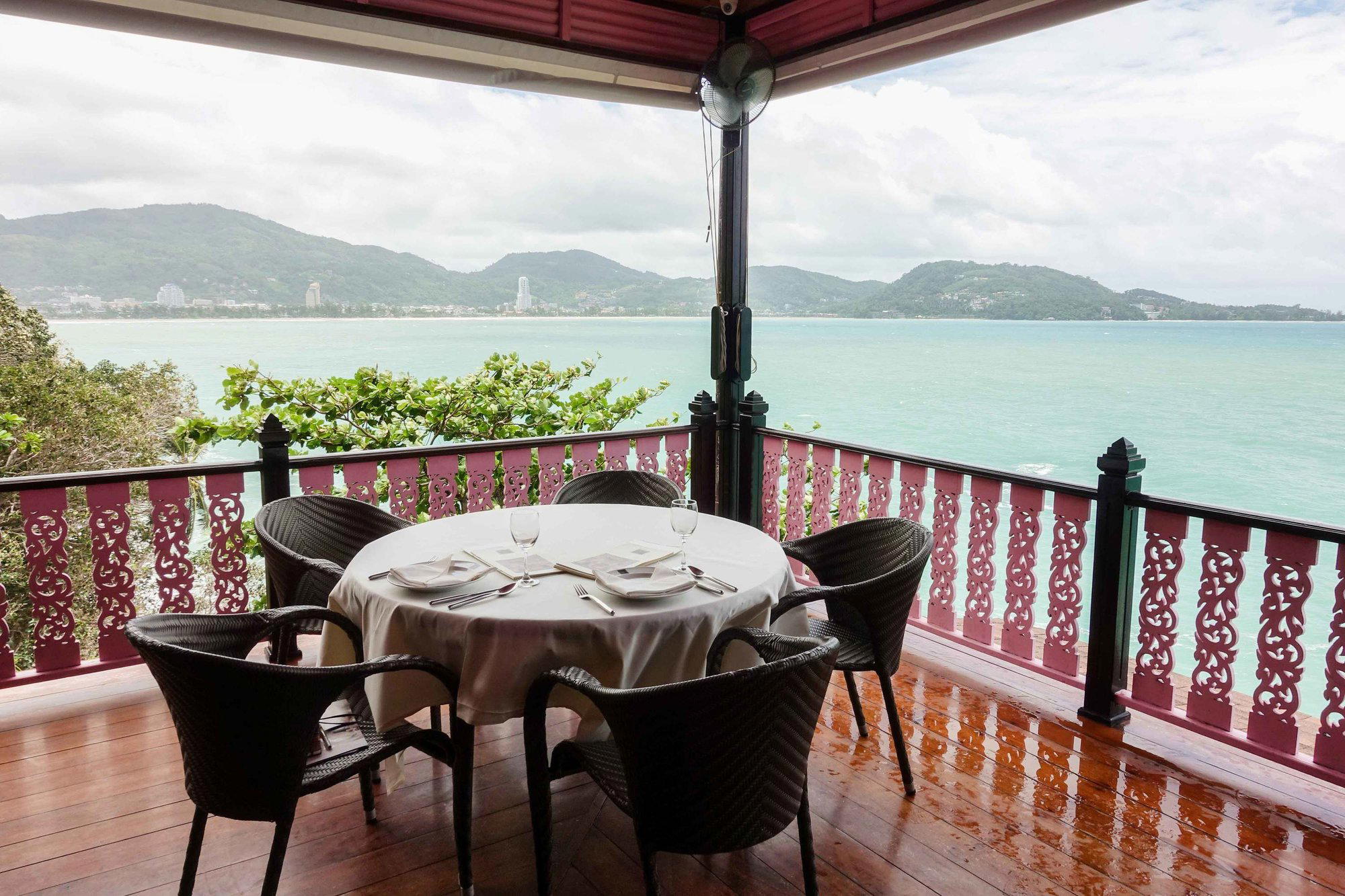
Thai dining is often misread from outside as sweetness, chilli and coconut. The sharper truth is technical: wok smoke, herbs bruised at the last moment, curry pastes built for tension, and sauces where salt, acid, sugar and heat move at once. Baan Rim Pa Patong belongs in that conversation, not as a museum piece, but as a restaurant-format expression of dishes rooted in hawker stalls, family tables and coastal kitchens.
The room matters because this cooking loses force when over-formalised. The better version keeps pace, contrast and generosity intact. Service and plateware can be polished, but if the food forgets the street, it becomes decorative. Read the experience through the gap between Bangkok restaurant expectations and older Thai grammar: purposeful chilli heat, direct seafood handling, herbs for lift, and stir-fries dependent on timing rather than ornament.
Thai restaurant polish built around hawker instincts
Bangkok’s serious Thai dining splits into several lanes. One chases archive cooking, royal recipes and historical menus. Another moves toward tasting-menu structures, translating Thai flavours through international fine-dining rhythm. A third stays closer to the market and street stall, bringing those flavours into a composed dining room. Baan Rim Pa Patong sits near that third lane, where value lies not in invention but in familiar Thai forms handled with restaurant discipline.
That distinction matters for travellers using Bangkok as Thai food education. A meal at Aksorn reads through historical research and cookbook memory, while Baan, Baan Nual, Baan Pee Lek and Baan Ice Restaurant point toward domestic, regional or home-style registers. Baan Rim Pa Patong belongs to the broader Thai table, not the Western tasting-menu template: order across textures, temperatures and intensities, then let the table balance itself.
The street-food soul here is not plastic stools or speed alone. It is technique refined in public: wok stations where seconds matter, curry vendors who understand paste concentration, noodle shops building broth identity over years, and seafood cooks who know when restraint beats complication. Restaurant service changes the frame, but the intelligence remains. Thai food at this level depends on sequence and contrast more than luxury signalling.
Recognition signals a Thai category with range, not a single hierarchy
The 2026 Opinionated About Dining Recommended listing places the restaurant inside a wider Asian restaurant conversation without forcing it into the lane of tasting counters or luxury hotel dining rooms. OAD’s Recommended tier is useful because it catches restaurants serious diners discuss beyond local habit, especially where Michelin, local guides, social media and word-of-mouth often measure different things.
Khun Wan is the named chef, but chef identity functions differently in Thai restaurants of this type. The kitchen lead matters, yet the cooking is accountable to a living canon: curry, salad, grill, soup, stir-fry, rice and seafood all carry expectations predating any individual signature. In Western fine dining, authorship often announces itself through novelty. In Thai cooking, authority is often proven by control: chilli is not loud for its own sake, sourness lands cleanly, and sweetness supports rather than smothers.
That is why restaurant awards need careful reading in Thailand. A recognised Thai restaurant is not automatically stronger because it is more formal, expensive or international in presentation. The better question is whether the kitchen understands the force of dishes born in open markets and family kitchens, then preserves it under restaurant conditions. The restaurant’s award signal is useful because it shows visibility among opinionated diners, while the category rewards cultural fluency as much as polish.
How to frame the meal within a Bangkok itinerary
For a Bangkok dining plan, this kind of Thai restaurant works better as a full-table meal than a trophy stop. Place it against street-food days, market breakfasts and regional Thai meals, not as their substitute. Travellers building a wider itinerary can use Our full Bangkok restaurants guide for the city’s dining spread, then pair it with Our full Bangkok bars guide, Our full Bangkok hotels guide, Our full Bangkok experiences guide and Our full Bangkok wineries guide when the trip needs structure beyond dinner.
The smarter ordering logic is breadth. Thai meals are built for sharing, and the table should cover heat, sourness, herbs, rice, a soup or curry register, and at least one dish driven by high heat or direct seasoning. Without that spread, the cuisine can seem simpler than it is. The same principle applies across Thailand’s casual and regional addresses, from 266/1 Siam Square Soi 3 in Pathum Wan to A Pong Mae Sunee in Phuket, where a narrow order misses the format.
Thailand’s regional map also explains the appeal. Northeastern grilling, central Thai curries, southern heat, Chinese-Thai noodles and Bangkok wok cooking all feed the national restaurant vocabulary. Addresses such as ร้านคัม ชาบู ปิ้งย่าง โคขุนโพนยางคำ in Mueang Khon Kaen, ก๋วยเตี๋ยวหมี่ขิด สาขา ถนนมิตรภาพ อุดร-หนองคาย in Mueang Udon Thani, ก๋วยเตี๋ยวไก่มะระบ้านฉัน in Mueang Nakhon Pathom and สุขใจแลนด์ in Ban Fang show how Thai dining authority is often regional before metropolitan. Even abroad, Thai restaurants such as Ahaan Thai, Thai in Arosa and AIMY, Thai in Munich are judged by how well they preserve that balance of freshness, heat and structure outside Thailand.
The practical editorial verdict is simple: choose the restaurant for Thai cooking in a composed restaurant setting, especially if the plan already includes street stalls and market eating elsewhere. Its value is not in replacing those experiences, but in showing how the same grammar can operate with more formal service and current OAD recognition in 2026.
Reputation & Price
Comparable venues nearby, for context on price, style, and recognition.
| Venue | Cuisine | Price | Notes |
|---|---|---|---|
| Baan Rim Pa PatongThis venue — the venue you are viewing | Patong, Royal Thai Cuisine | $$$$ | Not listed |
| Ore Bangkok | Not listed | $$$$ | Chong Nonsi, Yan Nawa, Modern Thai Ingredient-Based Fine Dining |
| Nara | Siam Square, Authentic Thai Cuisine | $$ | Not listed |
| Charmkrung | Talat Noi, Modern Thai with Natural Wine | $$$ | Not listed |
| Khao Tom Pla Kimpo | Not listed | $$ | Bang Kholaem Khwaeng, Teochew-Style Fish Porridge |
| Erawan Tea Room | Siam Square, Authentic Thai Tea Room | $$$ | Not listed |
Recognition history
Dated appearances from independent guides and award organizations, with the underlying list record or original source where available.
Opinionated About Dining Top Restaurants in Asia Recommended
Opinionated About Dining

At a Glance
- Romantic
- Scenic
- Elegant
- Classic
- Sophisticated
- Well Known
- Date Night
- Business Dinner
- Group Dining
- Celebration
- Special Occasion
- Waterfront
- Live Music
- Wine Cellar
- Panoramic View
- Standalone
- Extensive Wine List
- Craft Cocktails
- Sommelier Led
- Waterfront
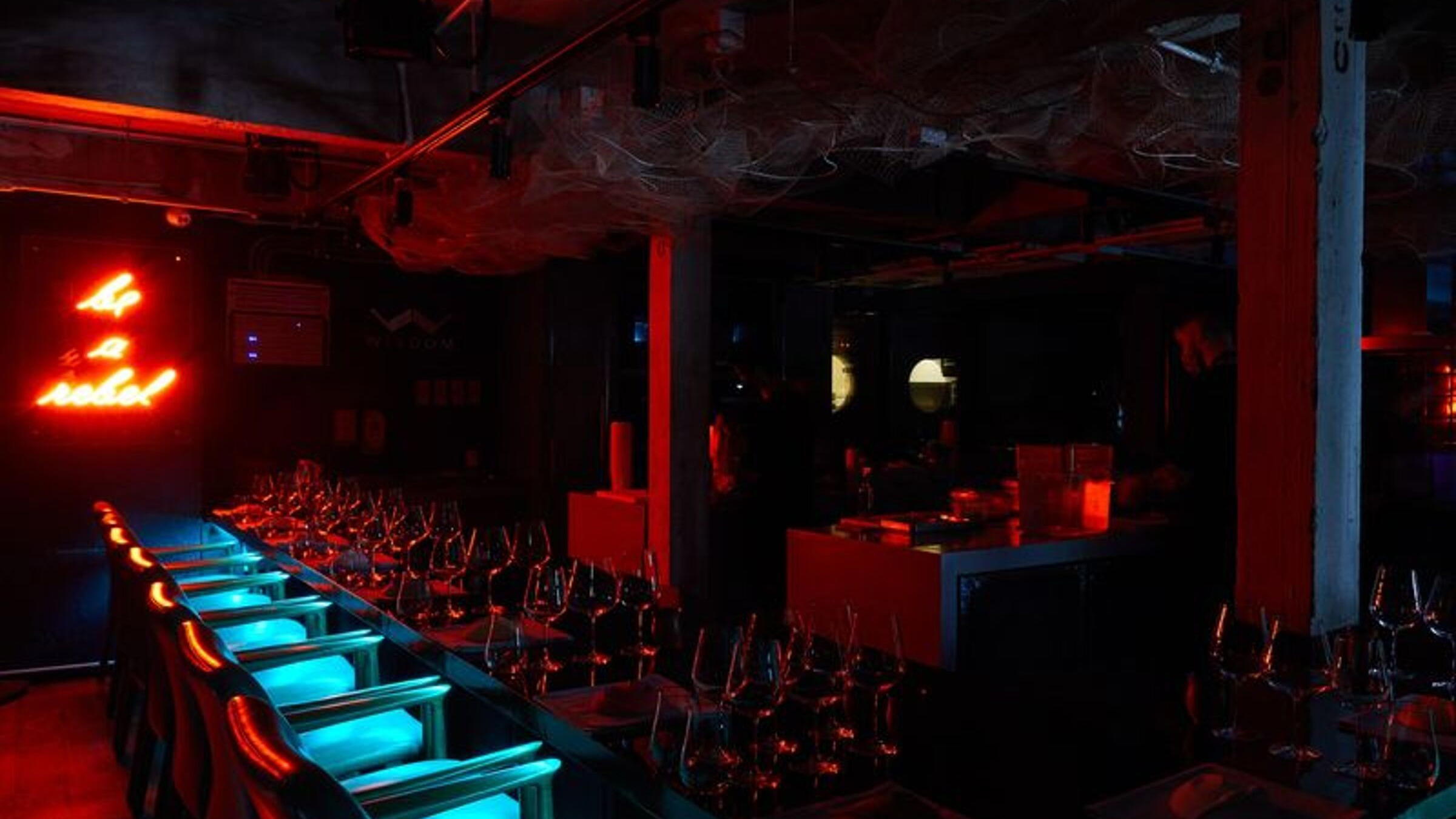
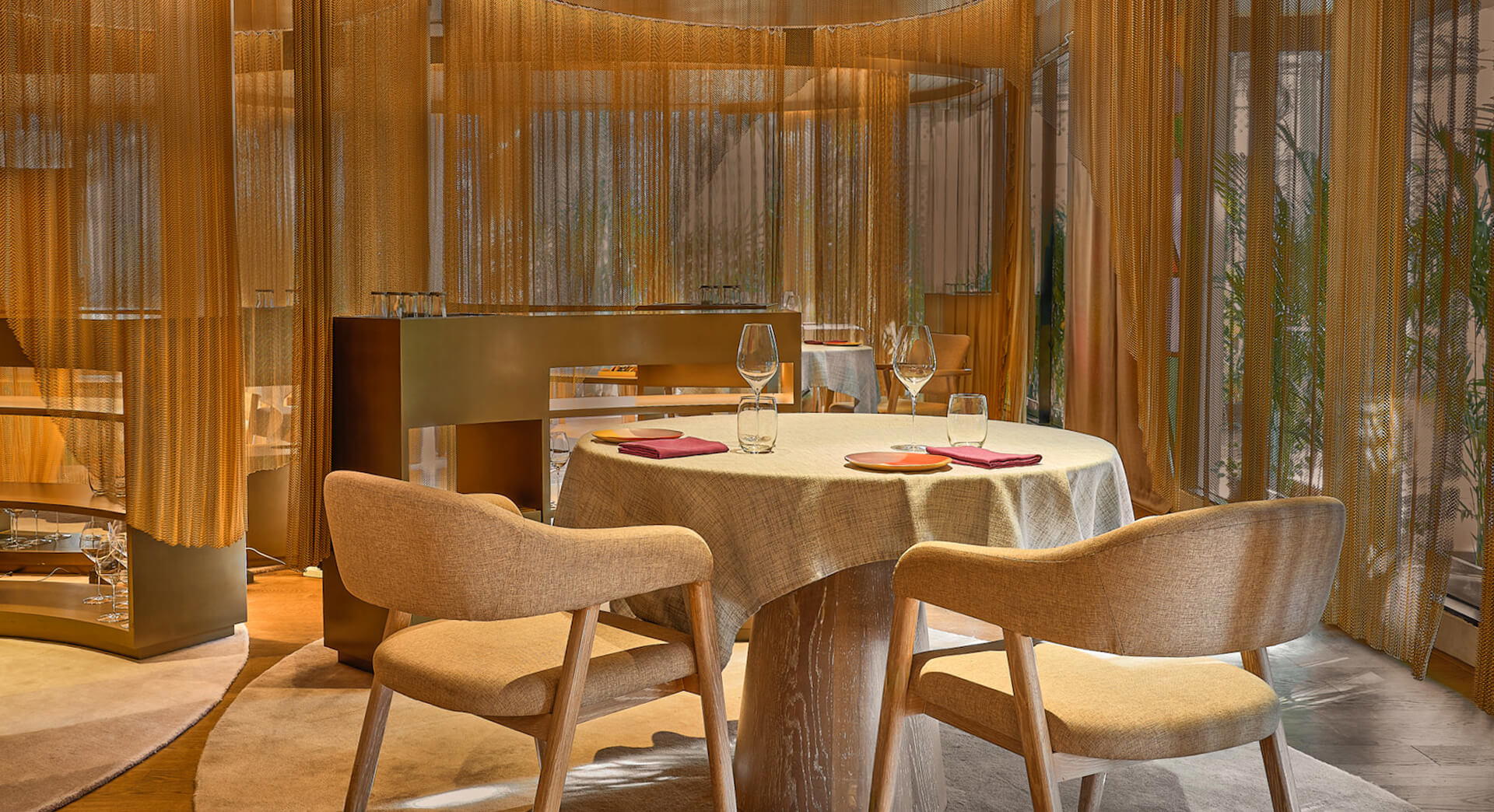
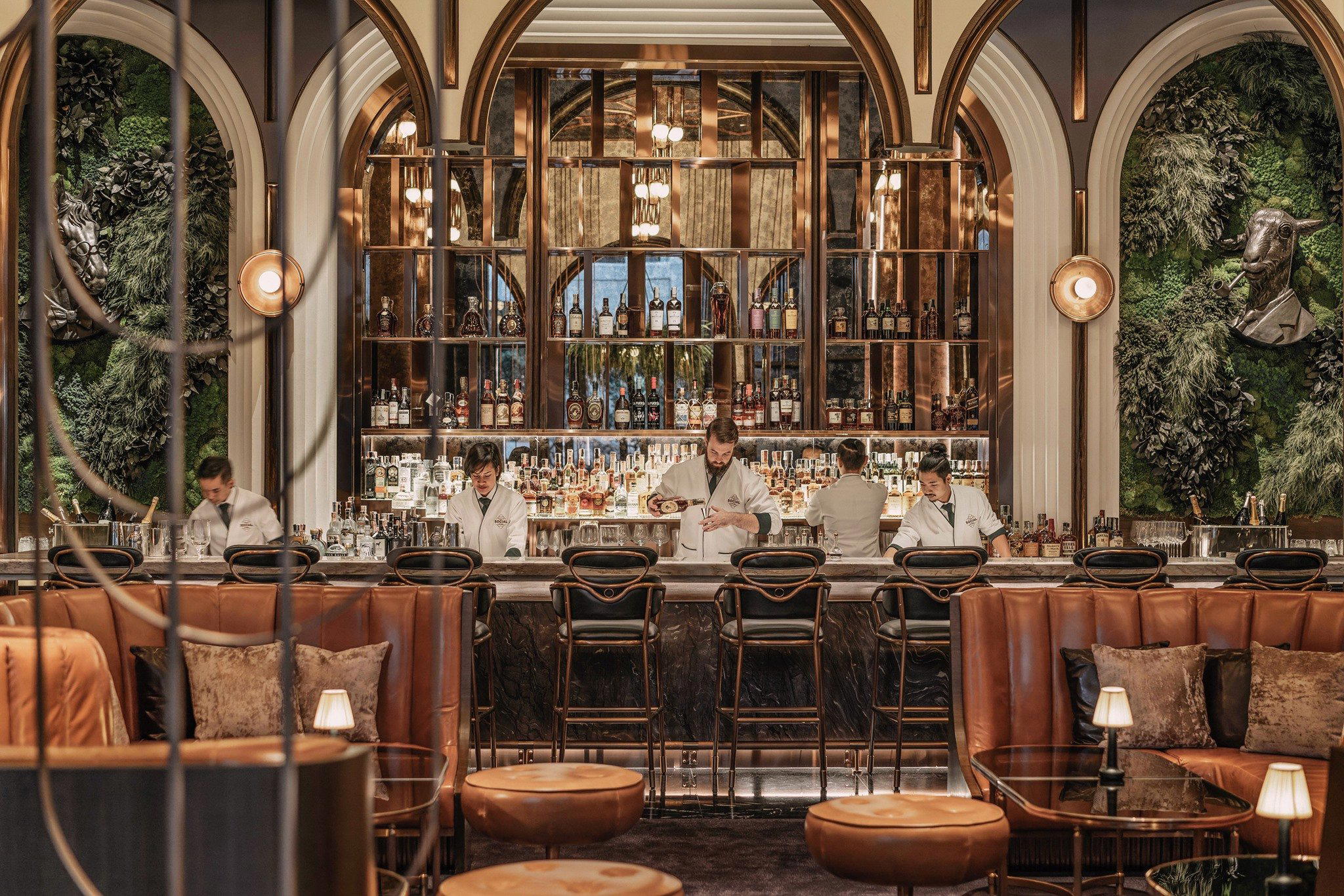
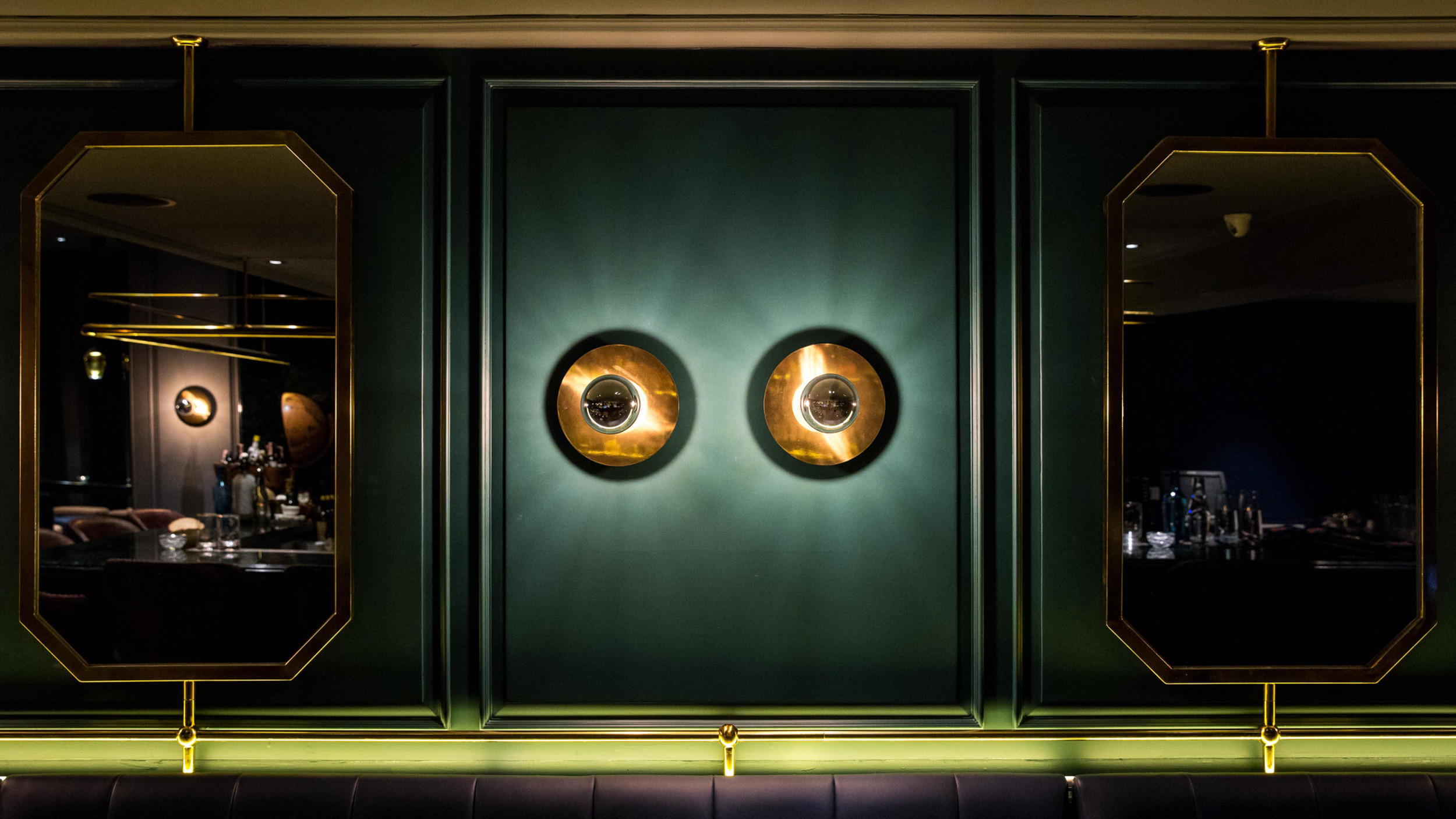
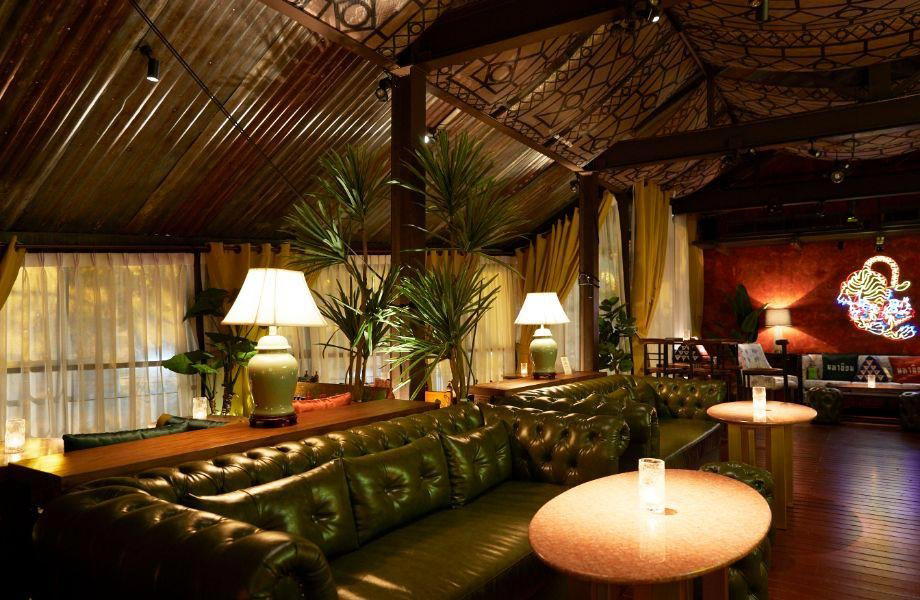
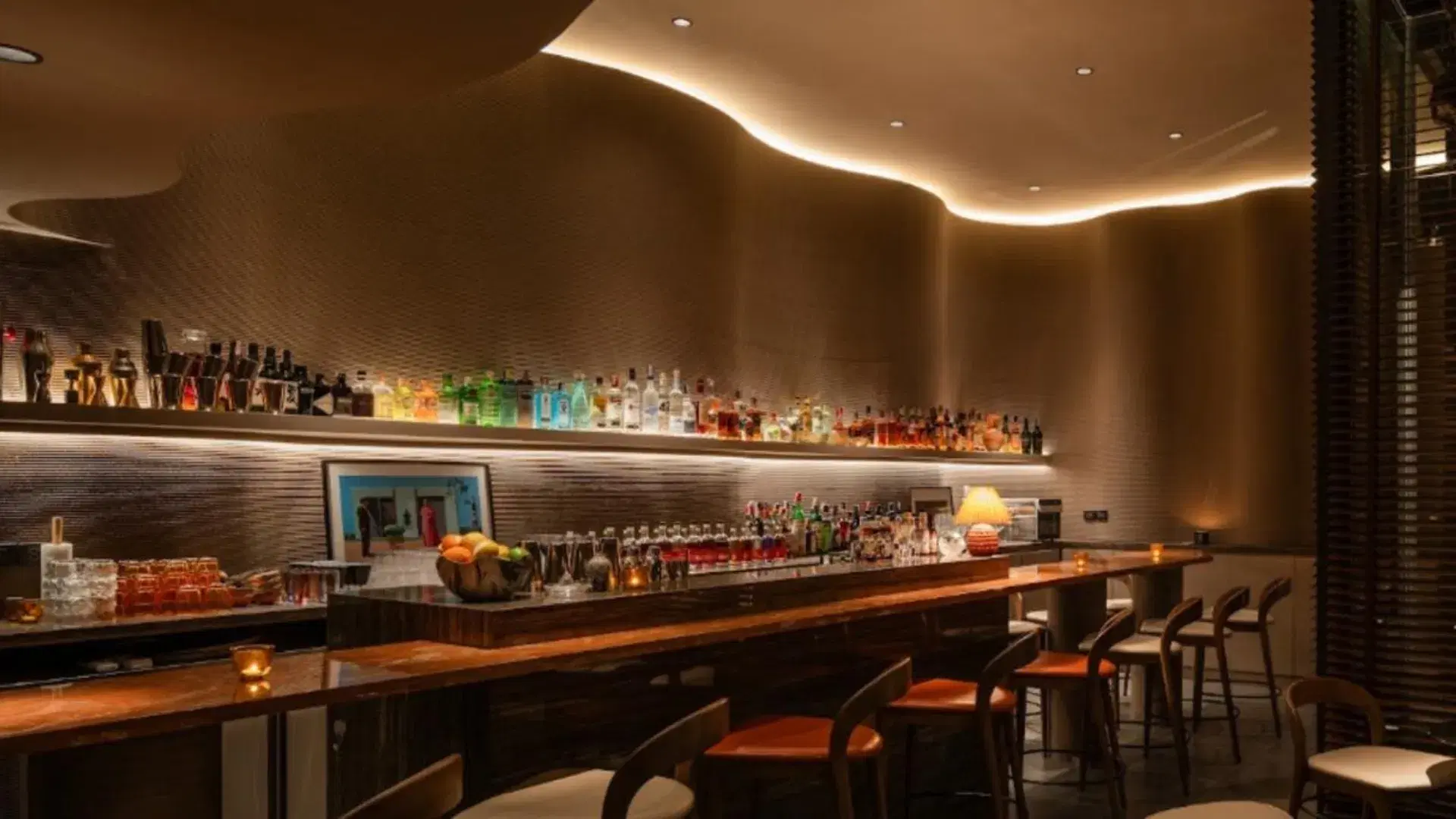
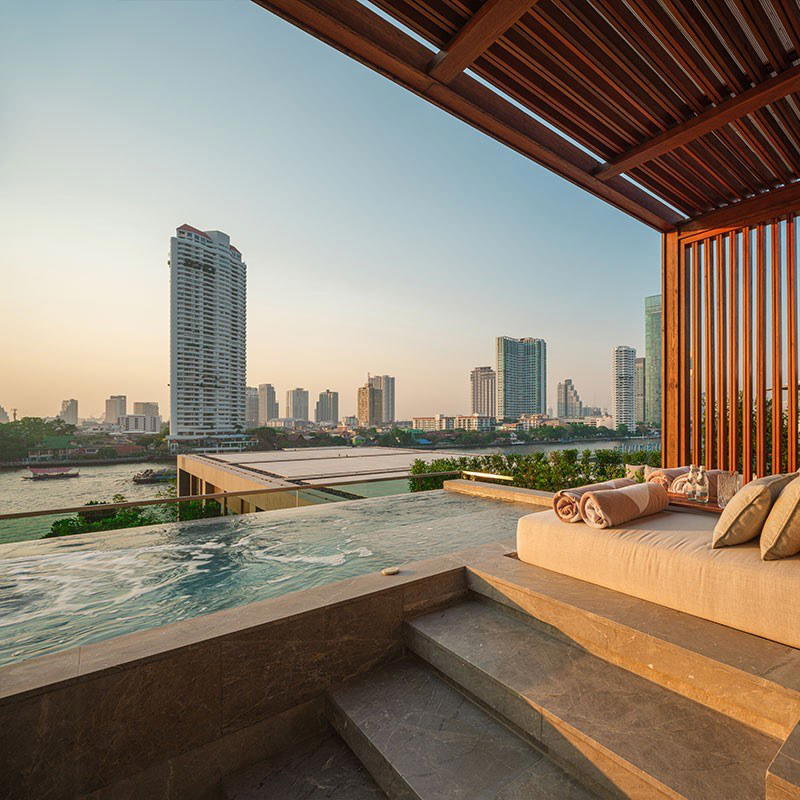
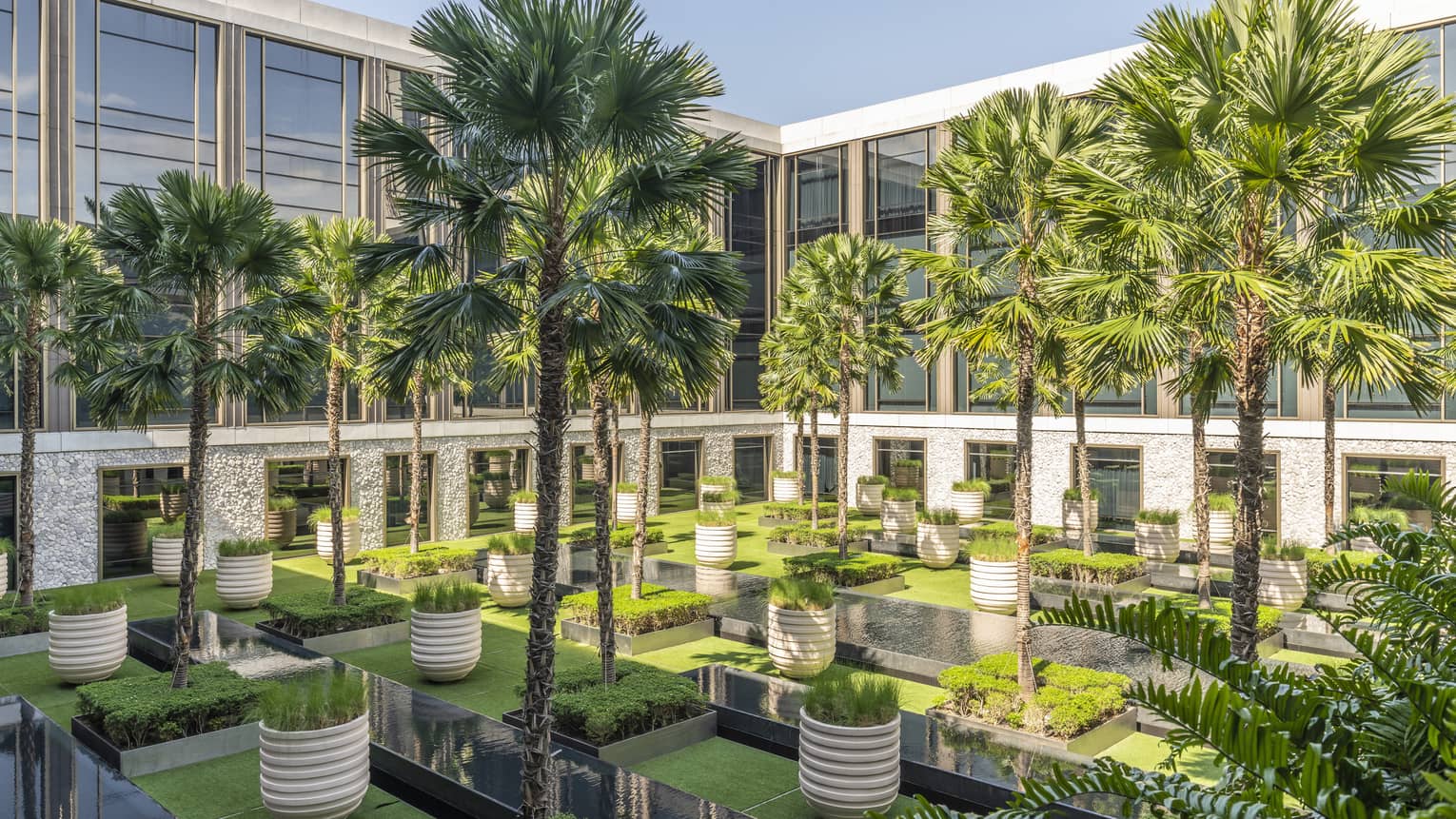
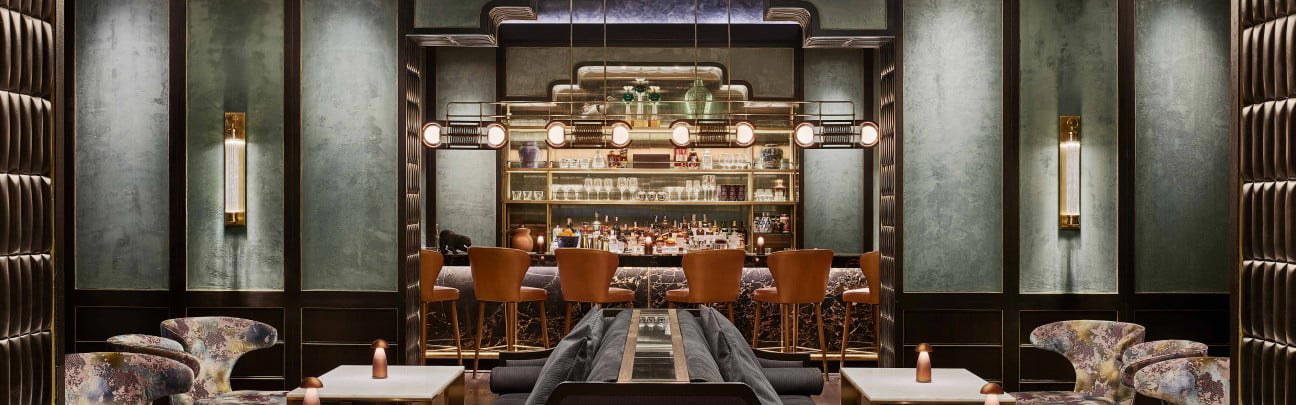
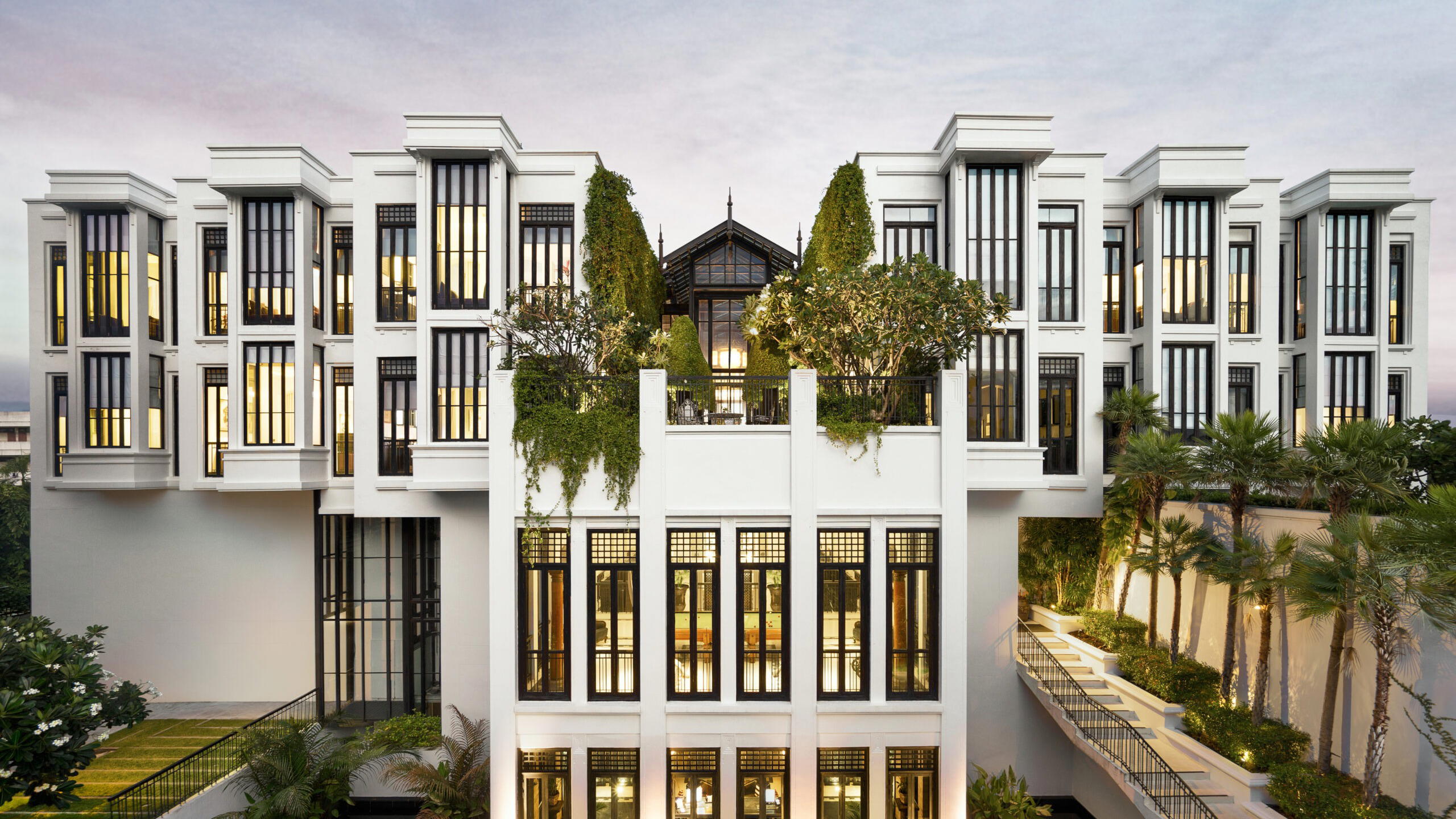
Elegant and romantic, with teak wood, local silk, candlelit or evening-leaning mood, panoramic sea views, and live piano that creates a refined dining atmosphere.