Mana
Mana sits on Pracha Samran Road in central Khon Kaen, placing it within the city's growing cluster of neighbourhood dining that draws both locals and visitors away from the hotel corridors and night-market circuits. Without confirmed cuisine type or award recognition in the current record, the venue operates in a tier where the surrounding Isan food culture and its urban address do much of the contextual work.
Pearl is the En Primeur Club membership app — saves, bookings, and concierge access live there. Same editors, same standards.
- Address
- 2 2/41 Pracha Samran Rd, Tambon Nai Mueang, Mueang Khon Kaen District, Chang Wat Khon Kaen 40000, Thailand
- Phone
- +66934914424
- Directions
- Get directions
 Saves & bookings on Pearl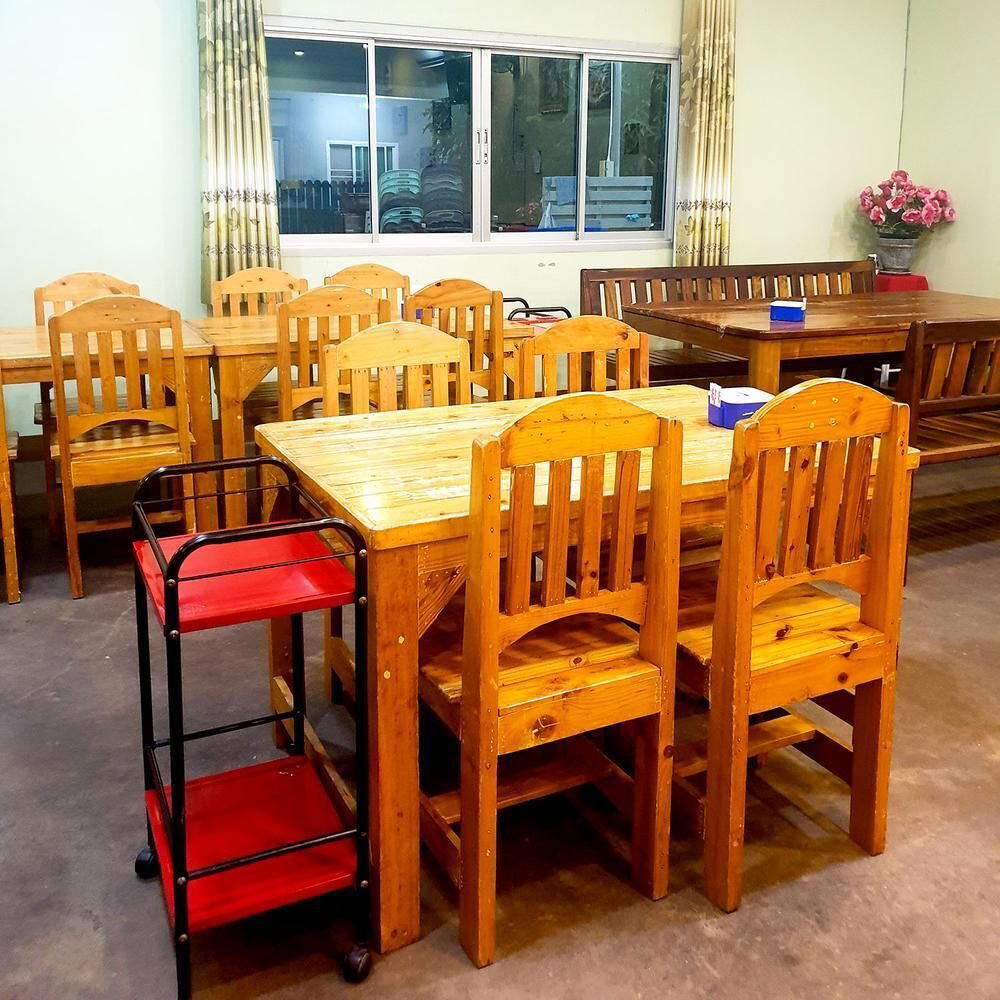
Pracha Samran Road and the Neighbourhood Frame
Khon Kaen's dining scene has developed along two parallel tracks. The first runs through the informal Isan street-food circuit, where grilled pork, fermented fish sauces, and larb variations dominate the conversation and the budget rarely exceeds a few hundred baht. The second track, less discussed outside the region, is a smaller cluster of sit-down venues on residential and commercial roads in the Nai Mueang district that serve an urban Khon Kaen clientele with more considered formats. Mana is a Thai-Chinese Seafood restaurant at 2 2/41 Pracha Samran Road, Tambon Nai Mueang, Mueang Khon Kaen District, Chang Wat Khon Kaen, Thailand. The address is not a tourist corridor. It is a working urban road in the district seat, which means the venue's primary audience is the city itself rather than visitors passing through.
That geographic anchoring matters more than it might first appear. In provincial Thai cities, restaurants on roads like Pracha Samran tend to operate with a different rhythm than those clustered near bus terminals or university gates. They are less reactive to transient demand and more dependent on repeat custom from the surrounding neighbourhood and professional class. That dynamic shapes atmosphere, format, and how a kitchen calibrates its consistency over time. For the reader arriving from outside Khon Kaen, the practical implication is clear: finding Mana requires some directional intention, but the address is specific enough that navigation presents no real difficulty once you are in the central district.
Khon Kaen as a Dining City
Khon Kaen is often described as the commercial hub of the northeastern Isan region, and that status has produced a more layered food environment than its provincial classification might suggest. The city supports a large university population, a substantial professional and medical sector around Khon Kaen University and its associated hospitals, and a merchant class tied to cross-border trade with Laos. Those overlapping demographics have created demand for dining that goes beyond the excellent but narrow register of street-food Isan. Venues such as Bamee Kuang Tang and Khon Kaen Khaaw Muu Yaang represent the city's comfort-food tradition, while See Na Nuan Cafe and the broader café culture along the inner ring show an appetite for more styled, social dining. Mana occupies a position within that broader shift, though the specifics of its format and menu require direct confirmation from the venue itself.
For comparison, venues operating in the higher register of Thai regional cooking elsewhere in the country, such as Sorn in Bangkok or PRU in Phuket, have demonstrated that deep regional sourcing and editorial ambition can coexist at the provincial scale. Khon Kaen has not yet produced a venue in that internationally recognised tier, but the city's food culture is substantive enough that the gap is a matter of visibility and documentation rather than culinary depth.
What the Address Tells You Before You Arrive
The Nai Mueang sub-district, where Mana is located, is the administrative and commercial core of Khon Kaen. The density of banks, government offices, and mid-scale hotels in the immediate surroundings positions Mana within the lunch and dinner orbit of the city's working population rather than in the leisure-driven zones near the night market on Ruen Rom Road or the university-adjacent areas further west. Visitors staying in the central hotel belt, which includes most of the internationally bookable properties, will find Mana within comfortable reach without requiring a significant transit commitment.
This contrasts with Khon Kaen's more destination-specific eating, including the cluster of Isan grill specialists and the local favourites around the fresh market, where travel time and local knowledge are both part of the value exchange. Mana's Pracha Samran Road position sits closer to the accessible centre, which makes it a logical option for visitors whose itinerary does not include a dedicated street-food tour. For those who do want the full Khon Kaen circuit, venues like กะแกราอิเก้ and ร้านตัม ตาคู กิ้งก่าย แบบบุกเบิกยาดกำ offer a different register of the local food tradition worth exploring alongside any central-district dining.
Placing Mana in the Wider Thai Dining Conversation
Thailand's provincial dining circuit has grown in critical seriousness over the past decade. Cities like Chiang Mai, with venues such as Loet Rot and Cherng Doi Roast Chicken, have become reference points for understanding how regional Thai cooking can carry genuine editorial weight without Bangkok intermediation. In the south, places like DEVASOM BEACH GRILL in Takua Pa show that coastal and resort-adjacent formats have their own trajectory. The northeast has followed a slower but parallel path. Isan cooking's fundamentals, its reliance on fermentation, dried proteins, fresh herb piles, and glutinous rice, are well documented in the academic and food-writing literature, but the city-based restaurants that translate those fundamentals into a sit-down dining context have received comparatively less international coverage. Mana, in occupying a central Khon Kaen address, is part of that underdocumented tier. For readers building a broader understanding of Thai regional dining beyond Bangkok's high-end circuit, adding a Khon Kaen stop to an itinerary that might also include AKKEE in Pak Kret or ventures further north and south creates a more complete picture of how the country's food culture distributes across geography.
Planning a Visit
Mana's address at 2 2/41 Pracha Samran Road is precise enough for map navigation from any point in central Khon Kaen. The venue is open daily from 8 AM to 8 PM, and it is walk-in friendly. Khon Kaen's central district is compact enough that a day of serious eating can cover multiple registers without significant travel between addresses.
At a Glance
Comparable venues nearby, for context on price, style, and recognition.
| Venue | Cuisine | Price | Notes |
|---|---|---|---|
| ManaThis venue — the venue you are viewing | Not listed | $$ | Not listed |
| See Na Nuan Cafe | Not listed | $$ | Mueang Khon Kaen District, Central Thai & Isan |
| Khon Kaen Khaaw Muu Yaang | Nai Mueang, Isaan Grilled Pork Neck | $ | Not listed |
| à¸à¸°à¹à¸à¸£à¸²à¸à¸´à¹à¸à¹ | Mueang Khon Kaen, Dining | Not listed | Not listed |
| รà¹à¸²à¸à¸à¸±à¸¡ à¸à¸²à¸à¸¹ à¸à¸´à¹à¸à¸¢à¹à¸²à¸ à¹à¸à¸à¸¸à¸à¹à¸à¸à¸¢à¸²à¸à¸à¸³ | Mueang Khon Kaen, Thai | $ | Not listed |
| Bamee Kuang Tang | Not listed | $ | Mueang Khon Kaen, Authentic Chinese Egg Noodles |
Continue exploring
More in Mueang Khon Kaen
At a Glance
- Casual
- Cozy
- Casual Hangout
- Family
- Group Dining
- Standalone
Current opening hours
- Monday
- 8 AM–8 PM
- Tuesday
- 8 AM–8 PM
- Wednesday
- 8 AM–8 PM
- Thursday
- 8 AM–8 PM
- Friday
- 8 AM–8 PM
- Saturday
- 8 AM–8 PM
- Sunday
- 8 AM–8 PM
Hours can change for holidays and private events. Last verified .
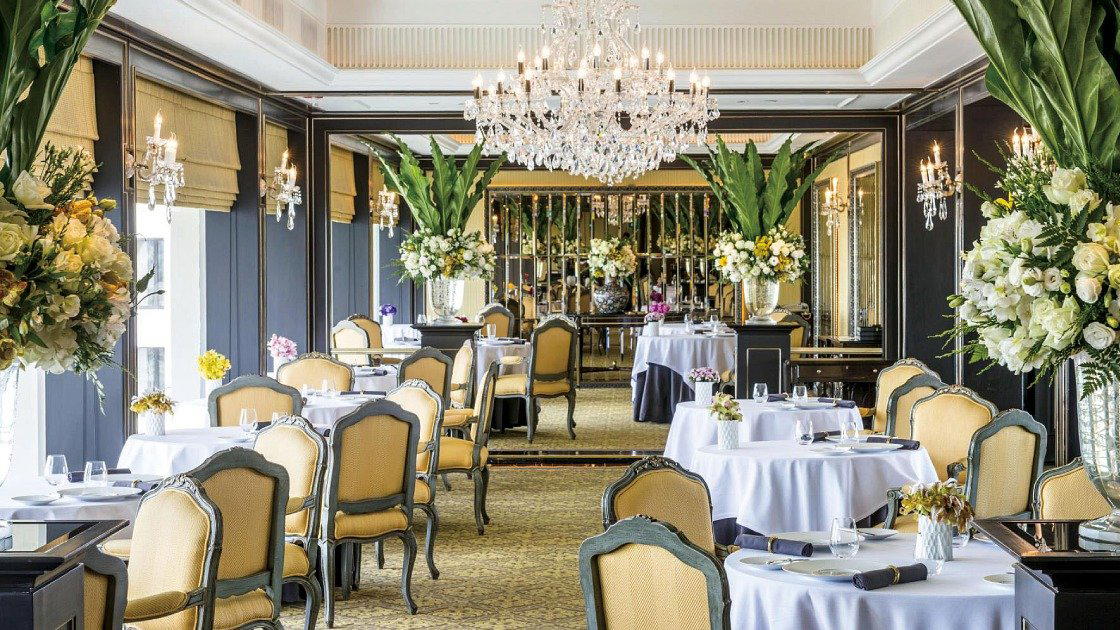
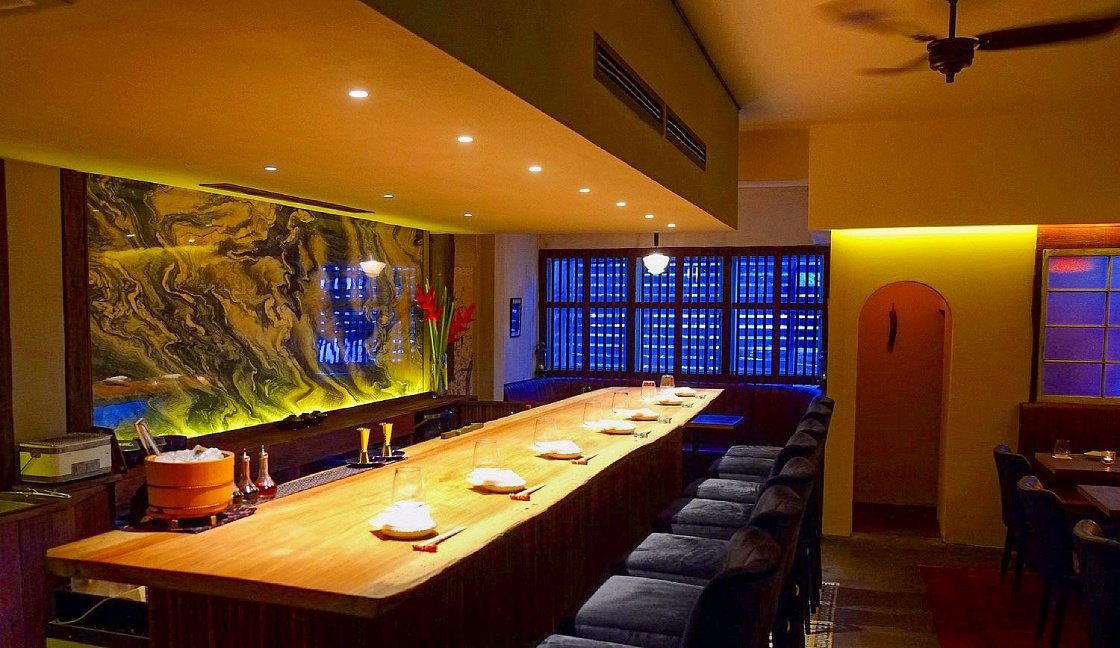
Casual and welcoming with a one-storey white building featuring two distinct dining areas—one climate-controlled and one open-air—creating a relaxed neighborhood atmosphere.