Blue Ribbon Sushi
Blue Ribbon Sushi on Commonwealth Avenue sits in Boston's Fenway-Kenmore corridor, bringing the well-established Blue Ribbon brand to a city with a growing appetite for accessible Japanese dining. The format spans lunch and dinner, with sushi as the anchor and a broader Japanese-inflected menu filling out the evening hours. Reservations and walk-in availability vary by service.
Pearl is the En Primeur Club membership app — saves, bookings, and concierge access live there. Same editors, same standards.
- Address
- 500a Commonwealth Ave, Boston, MA 02215
- Phone
- +16172640410
- Website
- blueribbonsushikenmore.com
- Directions
- Get directions
 Saves & bookings on Pearl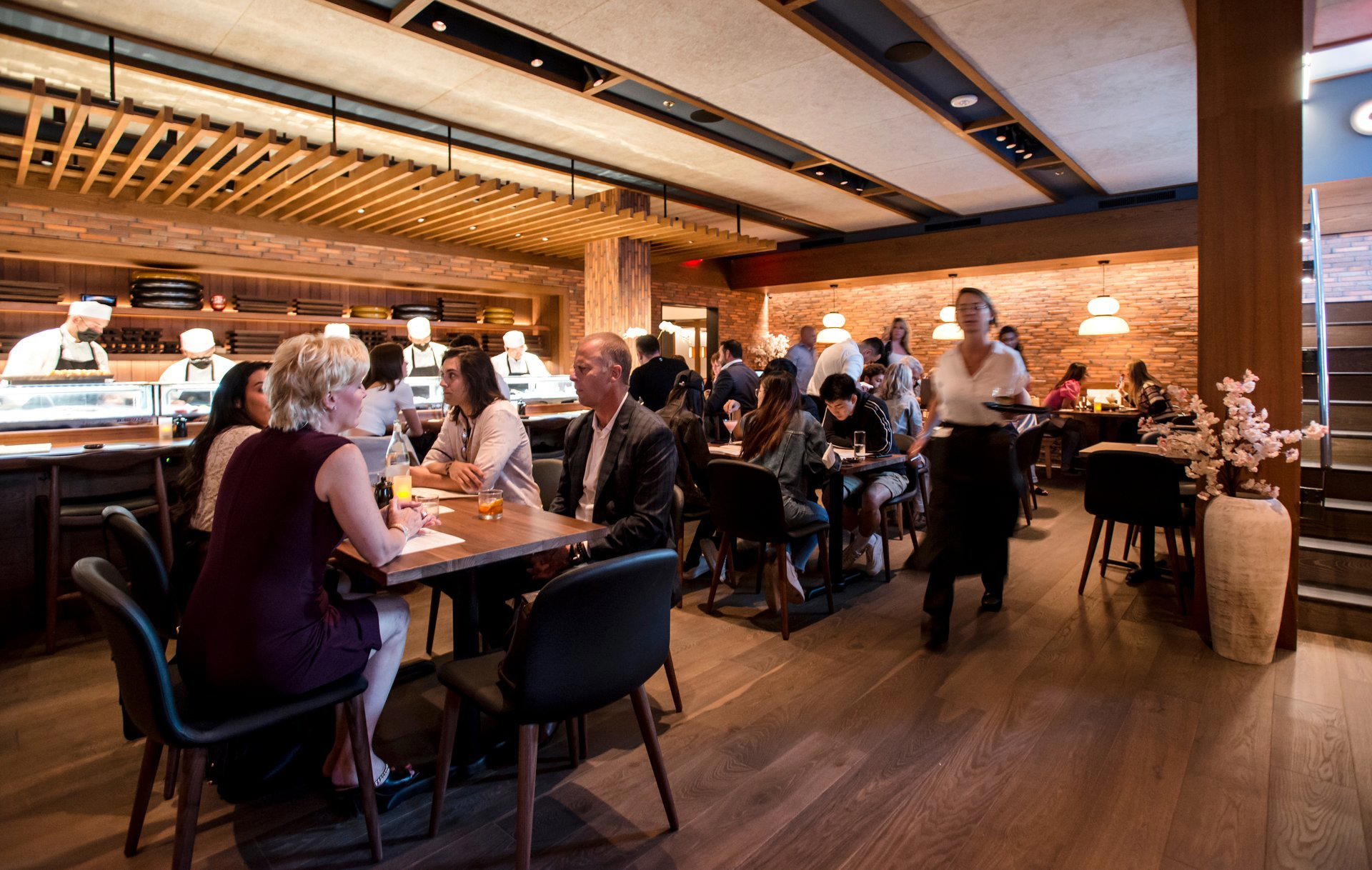
Commonwealth Avenue and the Case for Casual Sushi in Boston
Boston's Japanese dining scene has quietly sorted itself into distinct tiers over the past decade. At one end, omakase counters like 311 Omakase operate on strict reservation windows, fixed menus, and seat counts in the single or low double digits. At the other, neighbourhood sushi spots absorb walk-in traffic with broad menus and pared-back ceremony. Blue Ribbon Sushi on Commonwealth Avenue occupies the middle ground: a branded operation with enough culinary credibility to draw a deliberate diner, but a format relaxed enough that reservations are recommended rather than mandatory. That positioning is increasingly rare in a city where the gap between casual and serious has grown wider.
The Blue Ribbon name originates in New York, where the Bromberg brothers built a small restaurant group with a reputation for late-night dining and consistent raw bar work. The sushi strand of that brand carried enough recognition to travel, and the Boston address at 500a Commonwealth Ave places it in the Fenway-Kenmore corridor, a neighbourhood whose dining options have expanded considerably as development around the ballpark brought more foot traffic and year-round residents. The location makes it a practical stop before or after events at Fenway, but it draws a regular clientele beyond the game-day crowd.
Lunch vs. Dinner: Two Different Propositions
The clearest editorial distinction at any mid-tier sushi operation is the gap between its daytime and evening service. Lunch at a sushi restaurant of this type tends to function as a value proposition: condensed menus, faster pacing, and price points that make the food accessible to a working crowd rather than exclusively an occasion-dining audience. Dinner stretches in the other direction, with broader menu coverage, longer table times, and an atmosphere that shifts from transactional to social.
At Blue Ribbon Sushi, that divide follows the pattern common to the brand's other locations. Daytime visitors typically find a tighter menu and quicker turns, which suits the Fenway neighbourhood's mix of students, medical professionals from the nearby Longwood corridor, and office workers. The evening service opens the menu wider and captures a different demographic: couples, pre-theatre diners, and guests looking for Japanese food in a setting less austere than an omakase room. Neither service is the lesser version of the other; they answer different needs on the same day.
For value-conscious diners, the lunch hour is where the Blue Ribbon format makes its clearest argument. Sushi at this price tier, served in a sit-down room rather than a conveyor belt or counter, represents a practical middle point between fast-casual Japanese and the committed spend of a full omakase. The dinner positioning, by contrast, competes more directly with Boston's broader Japanese mid-market, which includes a number of neighbourhood spots and a handful of more serious operations. Against peers like 311 Omakase at the premium end or the broader casual market below, Blue Ribbon Sushi's dinner sits in a range that prioritises comfort and familiarity over experimentation.
Where Blue Ribbon Sits in Boston's Japanese Dining Context
Boston's Japanese food scene is not as deep as New York or Los Angeles, but it has grown more considered. O Ya built an early reputation for high-end Japanese-influenced tasting menus and remains a reference point for the city's serious end of the format. The omakase counter model has also found an audience, with small-seat operations proving that Boston diners will commit to fixed menus at premium prices when the sourcing and execution justify it. The restaurant doesn't compete in that tier and isn't trying to. Its comparable set is the accessible, sit-down sushi room that delivers consistent quality without demanding either a fixed menu or a significant financial commitment from the diner.
That comparable set is where the brand's New York provenance becomes an asset. Diners familiar with Blue Ribbon's downtown Manhattan locations arrive with calibrated expectations: solid raw fish, a menu that spans traditional rolls and more composed dishes, and a room that functions as a neighbourhood anchor rather than a destination in the national conversation. Boston visitors without that reference point can orient by comparison to the city's broader seafood culture. Neptune Oyster in the North End set a standard for raw bar work that the city has internalised; the restaurant addresses a related but distinct appetite, one that wants the Japanese idiom specifically rather than the New England bivalve tradition.
For a broader map of where this restaurant sits within the city's dining options, our full Boston restaurants guide covers the range from waterfront seafood at 75 on Liberty Wharf and 1928 Rowes Wharf to steakhouse dining at Abe and Louie's and chef's counter work at Agosto. The Blue Ribbon address fills a gap in that map: Japanese, mid-market, walkable from Kenmore Square.
Planning a Visit
Commonwealth Avenue is served by the MBTA Green Line, with Kenmore Station placing the restaurant within easy walking distance. The address is practical for anyone arriving from Back Bay or travelling in from the suburbs on game days, though the latter scenario brings predictable pressure on nearby parking and street access. Reservations are advisable for weekend dinner; lunch and weekday evening visits are generally more accessible without advance booking, though
For comparison points across the broader American fine-dining spectrum, the EP Club covers the full range from Le Bernardin in New York City and The French Laundry in Napa to Providence in Los Angeles, Smyth in Chicago, Lazy Bear in San Francisco, Addison in San Diego, Blue Hill at Stone Barns in Tarrytown, The Inn at Little Washington, Emeril's in New Orleans, Single Thread Farm in Healdsburg, Atomix in New York City, and Atelier Moessmer Norbert Niederkofler in Brunico.
Booking and Cost Snapshot
Comparable venues nearby, for context on price, style, and recognition.
| Venue | Cuisine | Price | Notes |
|---|---|---|---|
| Blue Ribbon SushiThis venue — the venue you are viewing | Kenmore, Premium Omakase Sushi | $$$ | Not listed |
| Fuji at Ink Block | South End, Modern Japanese Sushi and Wok | $$$ | Not listed |
| Momosan Boston | West End, Japanese Ramen & Izakaya | $$ | Not listed |
| Capri Italian Steakhouse | South End, Italian Steakhouse | $$$ | Not listed |
| Servia | Downtown, Modern Mediterranean | $$$ | Not listed |
| Trade | Not listed | $$$ | Financial District, Modern Greek Mediterranean |
Continue exploring
More in Boston
Restaurants in Boston
Browse all →
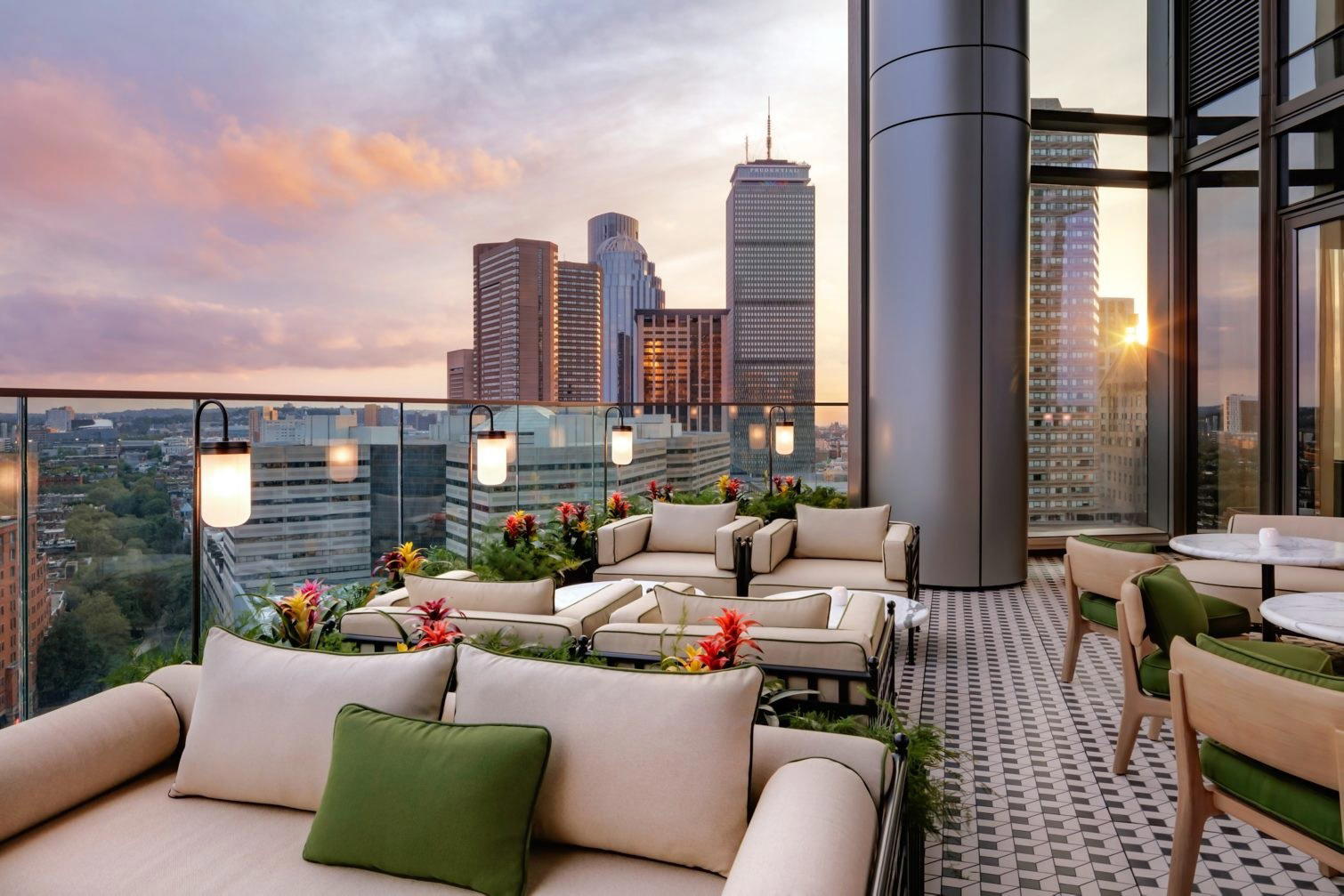
Bars in Boston
Browse all →
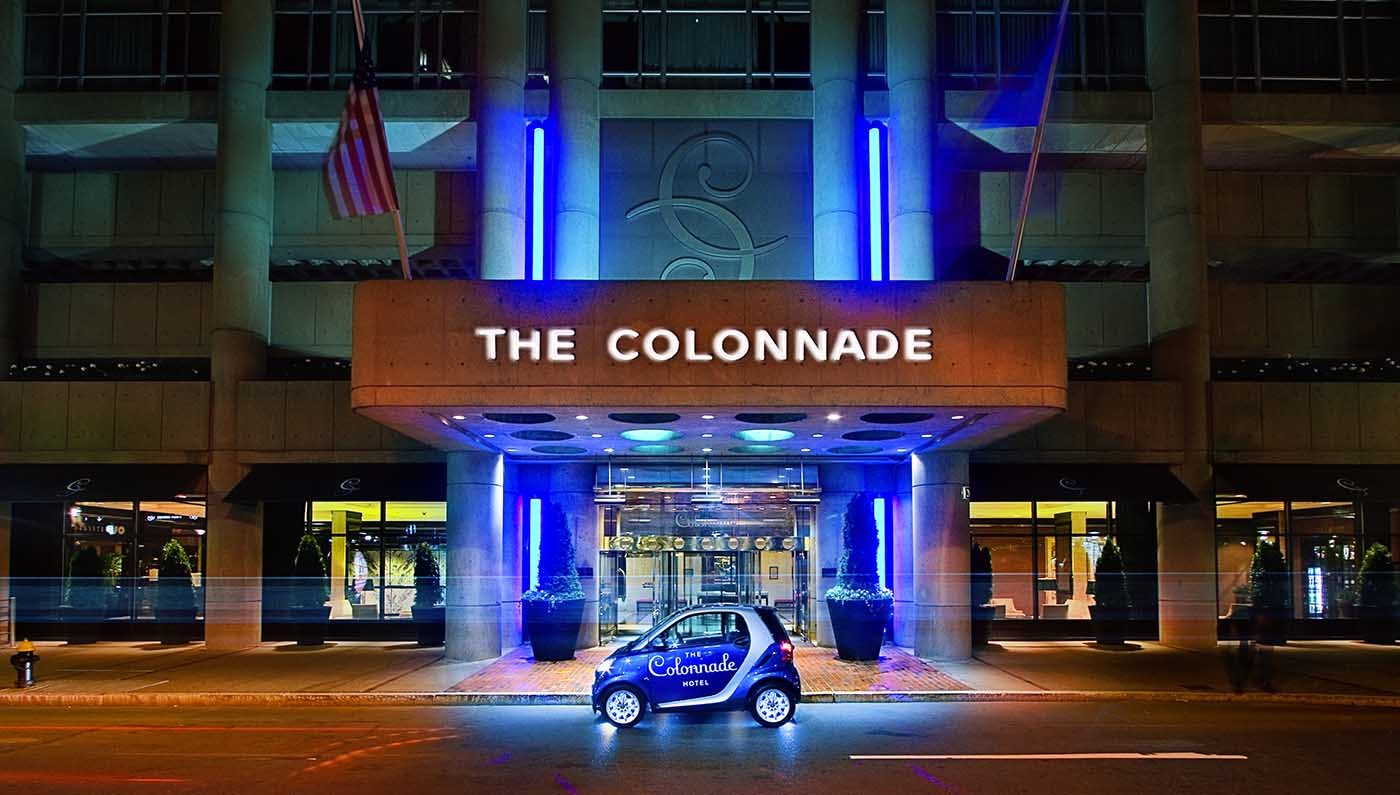
Hotels in Boston
Browse all →
Wineries in Boston
Browse all →
At a Glance
- Intimate
- Cozy
- Elegant
- Modern
- Date Night
- Special Occasion
- Celebration
- Business Dinner
- Group Dining
- Chefs Counter
- Private Dining
- Hotel Restaurant
- Sake Program
- Craft Cocktails
- Beer Program
- Sustainable Seafood
- Local Sourcing
Current opening hours
- Monday
- 12–10 PM
- Tuesday
- 12–10 PM
- Wednesday
- 12–10 PM
- Thursday
- 12–10 PM
- Friday
- 12–11 PM
- Saturday
- 12–11 PM
- Sunday
- 12–10 PM
Hours can change for holidays and private events. Last verified .
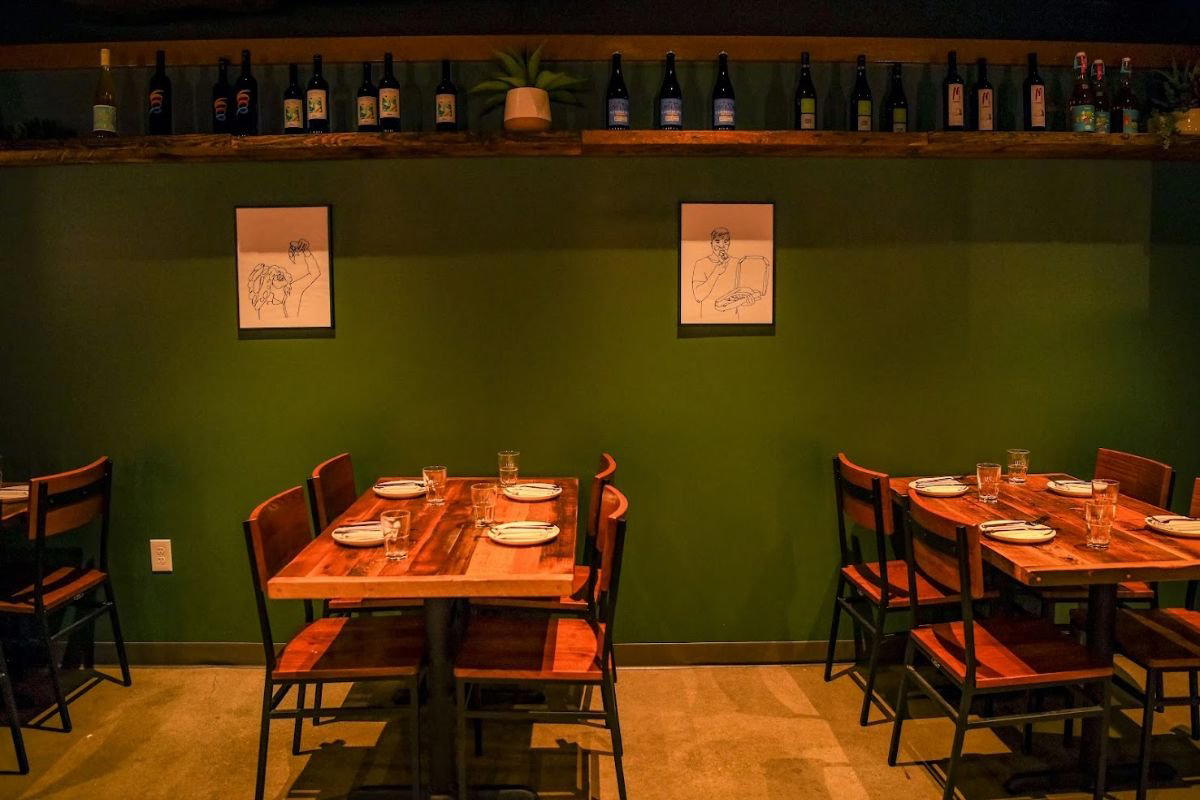
Dim lighting with warm, intimate atmosphere accented by walnut, oak, and mahogany details and imported Japanese ceramic tile; described as cozy, welcoming, and low-key with upbeat but not crowded energy.