Fuji at Ink Block
Fuji at Ink Block occupies a corner of Boston's evolving South End arts corridor at 352b Harrison Ave, where the neighborhood's industrial past meets a newer wave of destination dining. The restaurant sits within the Ink Block development, a mixed-use complex that has drawn both residents and restaurant-seekers to a stretch of the city that a decade ago offered little of either. Details on cuisine format and booking are best confirmed directly with the venue.
Pearl is the En Primeur Club membership app — saves, bookings, and concierge access live there. Same editors, same standards.
- Address
- 352b Harrison Ave, Boston, MA 02118
- Phone
- +16179363282
- Website
- fujiatinkblock.com
- Directions
- Get directions
 Saves & bookings on Pearl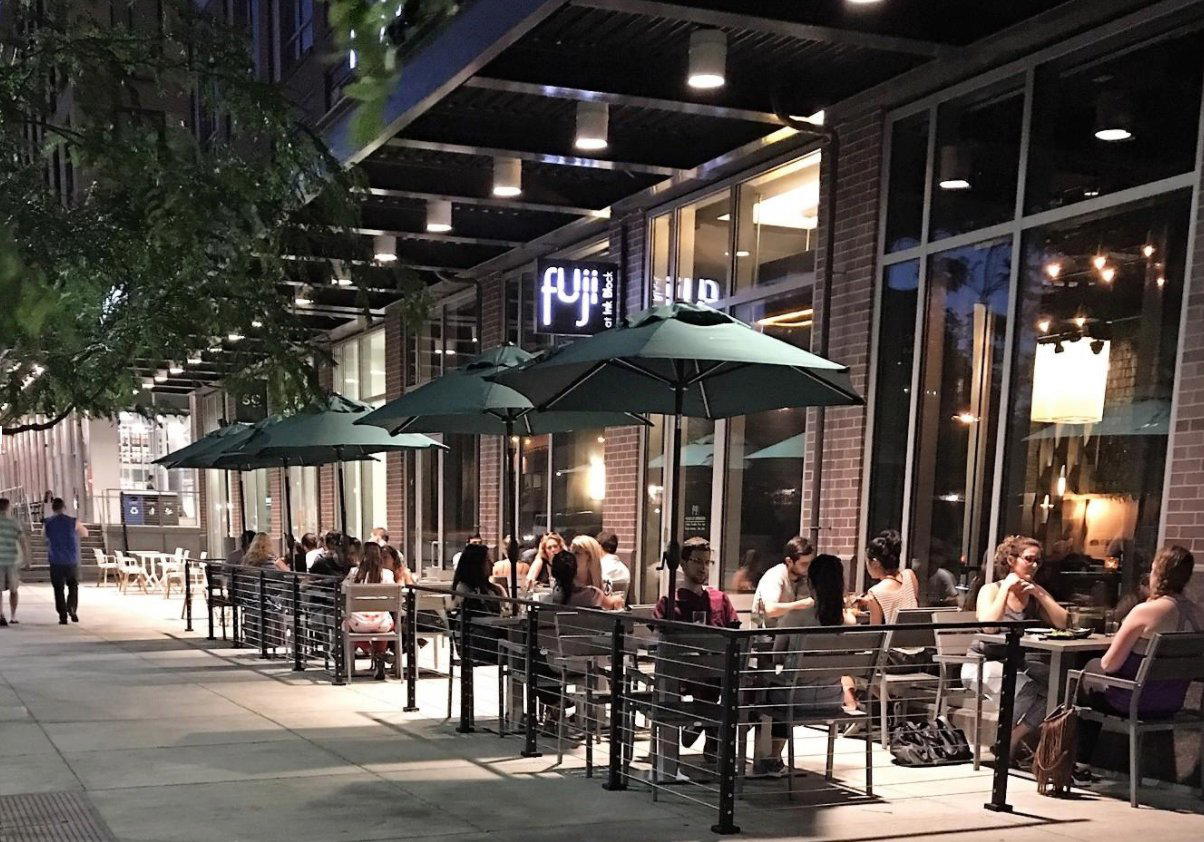
Where South End Industrialism Meets a Newer Dining Current
Harrison Avenue in Boston's South End has undergone a quiet but sustained transformation over the past decade. What was once a corridor defined by warehouses, printing operations, and the edge-of-neighborhood ambiguity that precedes gentrification is now anchored by the Ink Block development, a mixed-use complex at the former site of the Boston Herald printing facility that has introduced residential density, retail, and a cluster of food and drink destinations to a stretch of the city that previously drew little dining traffic. Fuji at Ink Block, at 352b Harrison Ave, Boston, is a Modern Japanese Sushi and Wok restaurant with.
South End has long been one of Boston's most restaurant-dense neighborhoods, with a dining character that skews toward independent operators rather than group-backed concepts. The area's grid of brownstones and converted industrial buildings has historically supported everything from Portuguese-inflected fine dining, Agosto, with its tasting-menu chef's counter, represents that format's local high point, to steakhouse staples and raw bars. Fuji enters a neighborhood with an established identity and a reader already accustomed to specificity.
The Ink Block Setting: Atmosphere by Architecture
The sensory experience of arriving at Fuji begins before you reach the door. The Ink Block complex is not a historic building adapted for hospitality use; it is a purpose-built development that carries the clean geometries and material palette of contemporary urban construction. Harrison Avenue at this point is wide, the sidewalks newly laid, the surrounding buildings recent enough that the neighborhood feels assembled rather than accumulated. That quality, deliberate, composed, a little self-conscious, tends to shape the atmosphere of restaurants inside it.
Japanese restaurant concepts in American cities have split into two dominant formats over the past fifteen years: the high-commitment omakase counter, which demands advance reservation and commands premium prices for a fixed chef-directed sequence, and the more accessible izakaya or ramen-forward model, which prioritizes frequency of visit and a broader demographic reach. Boston has examples of both. 311 Omakase occupies the city's upper-bracket counter tier. Fuji at Ink Block's position within that spectrum is defined by its Modern Japanese Sushi and Wok menu, a casual dress code, and a recommended reservation policy.
Boston's Japanese Dining Scene in Brief
For context, Japanese dining in Boston has developed over time alongside the city's broader dining scene. Boston's Japanese scene is smaller in absolute terms but has grown in ambition, with several omakase-format counters now operating at price points competitive with their New York equivalents. O Ya, which ran for years as the city's most decorated Japanese restaurant, demonstrated that Boston diners would support premium Japanese formats, a fact that has encouraged subsequent entrants. That context matters when placing any Japanese restaurant concept in the city: the category carries expectations that have been calibrated upward.
At the national level, the benchmark Japanese restaurants, Atomix in New York City for its Korean-Japanese tasting format, or the long-established fine dining disciplines at Le Bernardin in New York City for seafood precision, set the ceiling against which American diners increasingly measure ambitious restaurant formats. Boston's premium tier, including destinations at the waterfront like 1928 Rowes Wharf and the more casual anchor of 75 on Liberty Wharf, participates in that national conversation at different points of the price and ambition spectrum.
What the Address Signals About Intent
Restaurant location is rarely incidental at this level of investment. A Japanese concept choosing the Ink Block development over, say, the Back Bay or the waterfront is making a statement about its intended customer: residents of the new South End, creative-industry workers drawn by the area's recent density, and destination diners willing to travel slightly off the established premium dining circuit for something they believe is worth finding. That positioning, accessible but not central, specific but not exclusive, is a recognizable play in cities where the-known neighborhoods have become expensive and competitive for new operators.
Comparable positioning decisions have played out at restaurants like Lazy Bear in San Francisco, which built a loyal following in a Mission District location that initially seemed peripheral to that city's premium dining geography, or Smyth in Chicago, which occupies the West Loop rather than River North. The lesson from those cases is that address specificity, when paired with a clear format identity, can become a feature.
Peers and Comparisons Worth Knowing
Within Boston's broader dining map, readers considering Fuji at Ink Block should be aware of the competitive context. Abe and Louie's anchors the city's high-end steakhouse tier. The South End's own dining density includes concepts across Turkish, Mexican, and seafood formats, and the neighborhood's appetite for independent, chef-driven operations is well established. Fuji enters a market that has appetite for new formats and some experience of Japanese fine dining, but where specific positioning, price, format, capacity, booking model, will determine which segment of that market it captures.
For readers whose interest extends beyond Boston, the broader American fine dining circuit offers useful calibration points: The French Laundry in Napa, Single Thread Farm in Healdsburg, Providence in Los Angeles, Blue Hill at Stone Barns in Tarrytown, Addison in San Diego, The Inn at Little Washington, Emeril's in New Orleans, and Atelier Moessmer Norbert Niederkofler in Brunico each represent a different answer to the question of what a serious dining destination can be. The restaurant is writing its own answer to that question on Harrison Avenue.
Know Before You Go
- Address: 352b Harrison Ave, Boston, MA 02118
- Neighborhood: South End / Ink Block development
- Reservations: Recommended
- Price range: About $50 per person
- Cuisine format: Modern Japanese Sushi and Wok
- Dress code: Casual
- Parking / Transit: Ink Block has an adjacent parking structure; nearest MBTA stop is Herald Street on the Silver Line
Price Lens
Comparable venues nearby, for context on price, style, and recognition.
| Venue | Cuisine | Price | Notes |
|---|---|---|---|
| Fuji at Ink BlockThis venue — the venue you are viewing | South End, Modern Japanese Sushi and Wok | $$$ | Not listed |
| Irashai Sushi | Chinatown, Authentic Japanese Sushi | $$ | Not listed |
| Oishii Boston | Not listed | $$$ | South End, Modern Creative Japanese Sushi |
| Vela | Not listed | $$$ | South Boston Waterfront, Modern Global Fusion |
| Committee | Not listed | $$$ | South Boston Waterfront, Modern Mediterranean Greek Meze |
| Faccia a Faccia | Back Bay, Coastal Italian | $$$ | Not listed |
Continue exploring
More in Boston
Restaurants in Boston
Browse all →
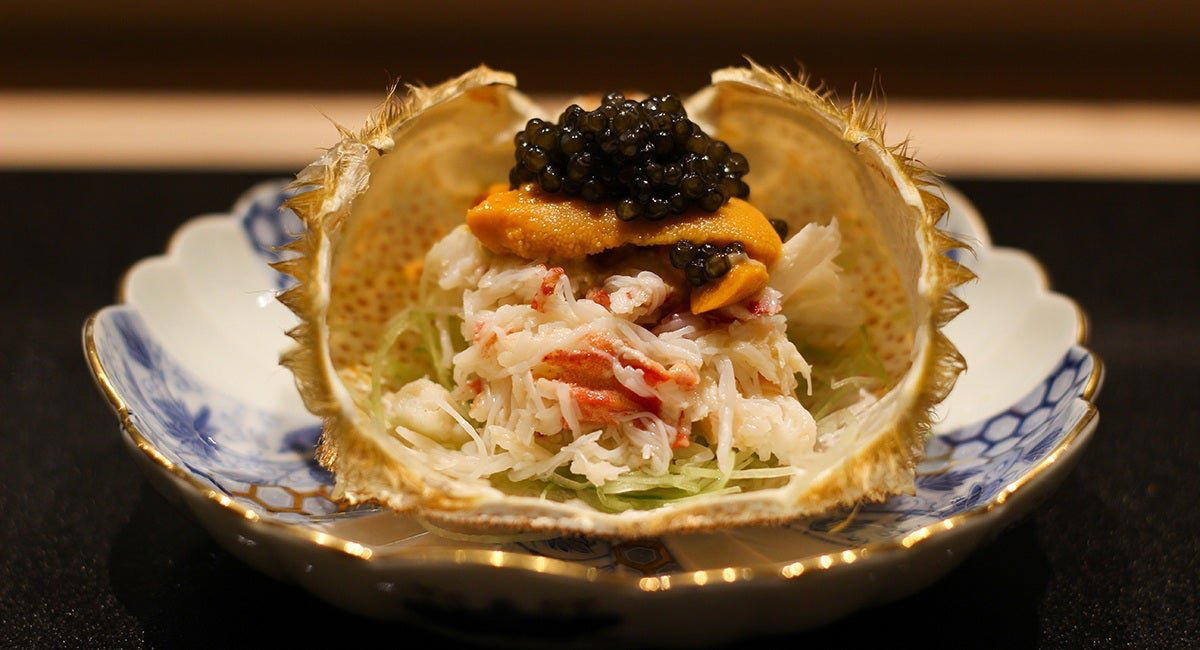
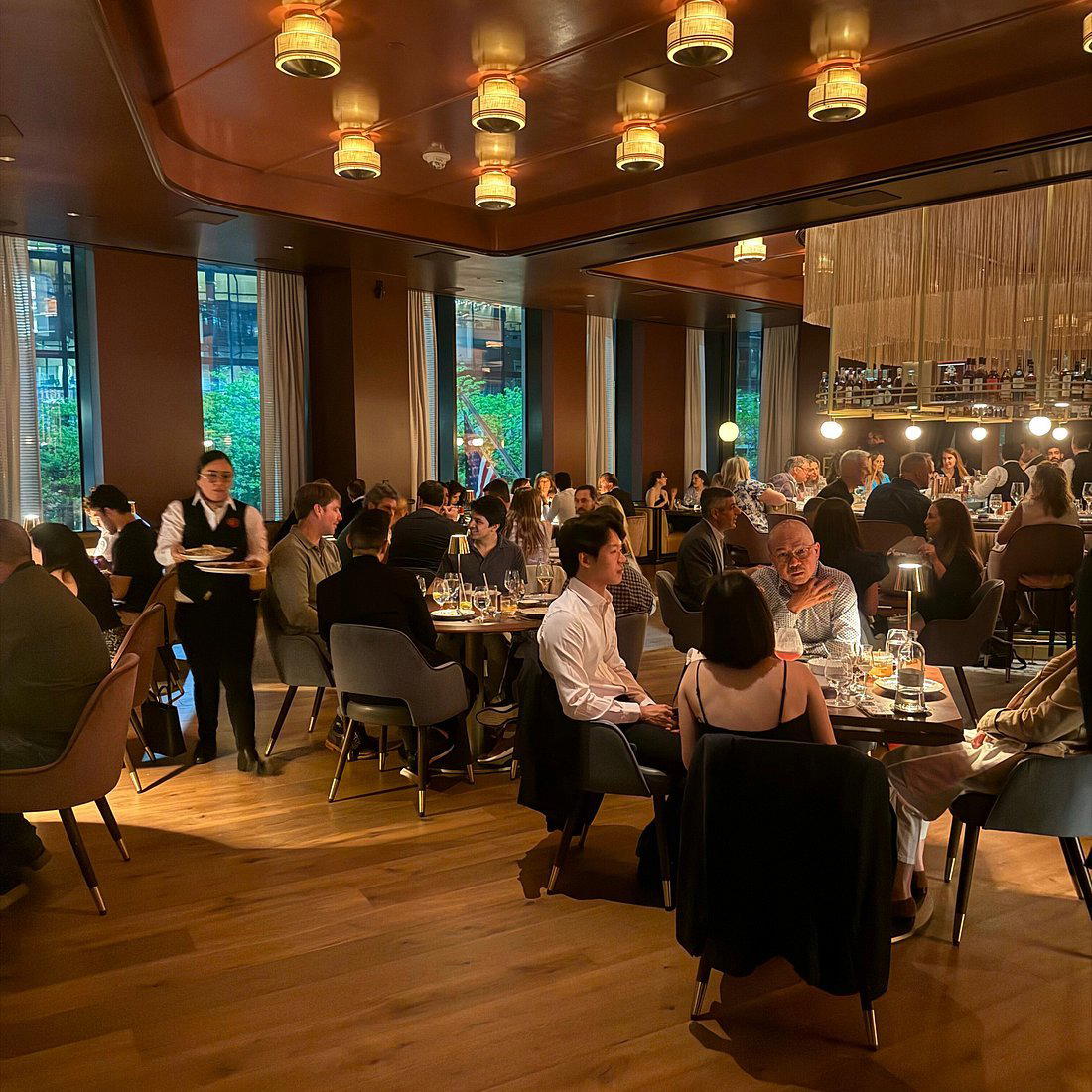
Bars in Boston
Browse all →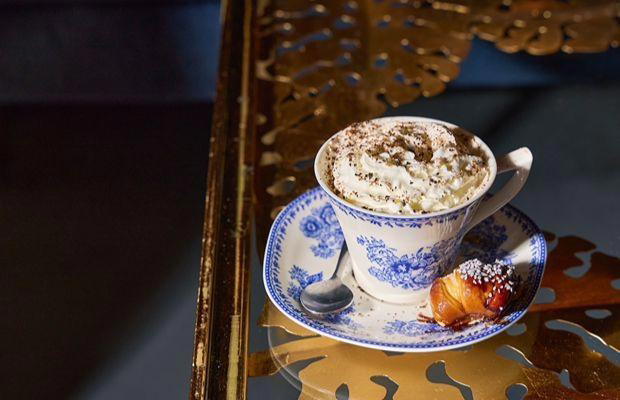
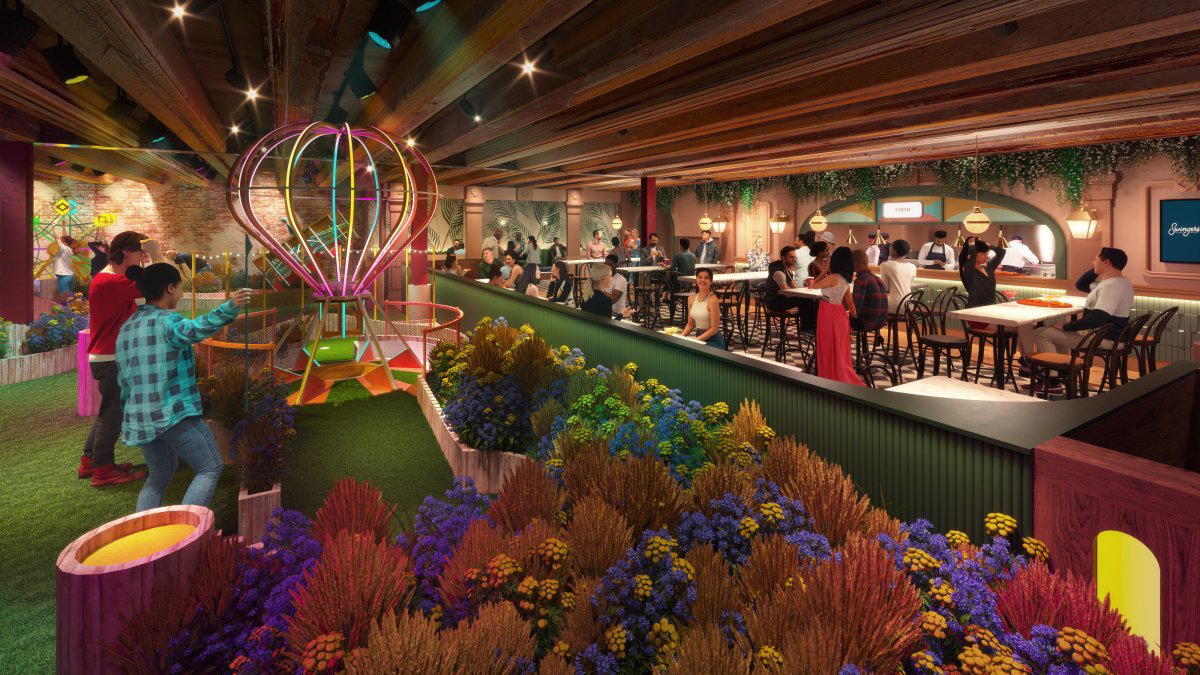
Hotels in Boston
Browse all →
Wineries in Boston
Browse all →
At a Glance
- Modern
- Sophisticated
- Trendy
- Date Night
- Group Dining
- Casual Hangout
- Open Kitchen
- Extensive Wine List
- Sake Program
Current opening hours
- Monday
- 11 AM–9 PM
- Tuesday
- 11 AM–9 PM
- Wednesday
- 11 AM–9 PM
- Thursday
- 11 AM–9 PM
- Friday
- 11 AM–10:45 PM
- Saturday
- 11 AM–10:45 PM
- Sunday
- 11 AM–9 PM
Hours can change for holidays and private events. Last verified .
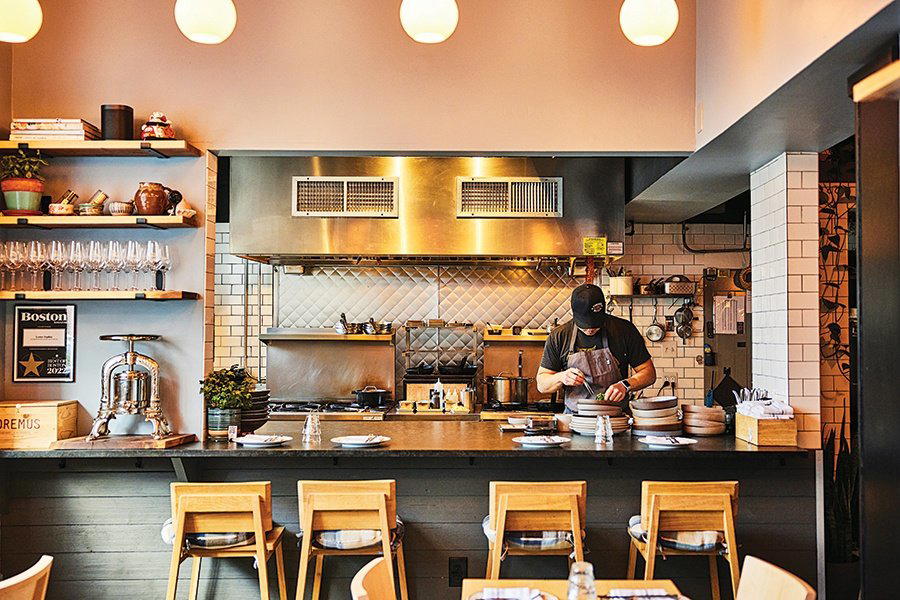
Medium-sized space with full bar, sushi bar overlooking chefs, extensive wine collection, gas fireplace, and light rock music creating a modern and sophisticated atmosphere.