Mandarin Oriental Boston





1 Michelin Key · La Liste Top Hotels · AAA Top 10 U.S. Hotels
On Boylston Street in Back Bay, Mandarin Oriental Boston holds Forbes Five-Star and AAA Five-Diamond ratings alongside a 2024 Michelin Key, making it one of the most credentialed addresses in the city. The 2020 renovation produced 148 rooms with the largest average footprint in Boston, a 16,000-square-foot spa, and a design language that layers early New England materials against Chinoiserie detail.

Pearl is the En Primeur Club membership app, where members save venues, book tables and use the concierge.
Back Bay as a Hotel Address: What the Location Actually Delivers
Boston's Back Bay has long functioned as the city's most coherent luxury corridor, and the stretch of Boylston Street running west from Copley Square concentrates that quality into a walkable few blocks. The Mandarin Oriental sits at 776 Boylston Street, which places it a single block from the boutique-lined stretch of Newbury Street and within comfortable walking distance of the Boston Public Library and Trinity Church, two of the city's architecturally serious landmarks that frame Copley Square. For a luxury hotel, geography is always partly about what you can reach on foot without consulting a map, and this address scores well on that measure. The South End, with its concentration of neighbourhood restaurants, is roughly a ten-minute walk or a short taxi ride south. From April through November, a farmers market operates near the library, adding a layer of local texture that most hotels at this price tier cannot manufacture.
Boston's top-tier hotels cluster here and in the adjacent financial district, and the Mandarin Oriental competes directly against properties like Raffles Boston, Four Seasons Hotel One Dalton Street, and Four Seasons Hotel Boston. In that company, the Mandarin Oriental differentiates on room size, its average footprint is the largest in the city among luxury properties, and on spa scale, with a 16,000-square-foot facility that no comparable Boston hotel matches. The Langham Boston, The Newbury Boston, and The Whitney Hotel Boston occupy adjacent or overlapping territory, but none carries the same combination of spa depth and room-size advantage.
The Design Argument: New England Limestone Meets Chinoiserie
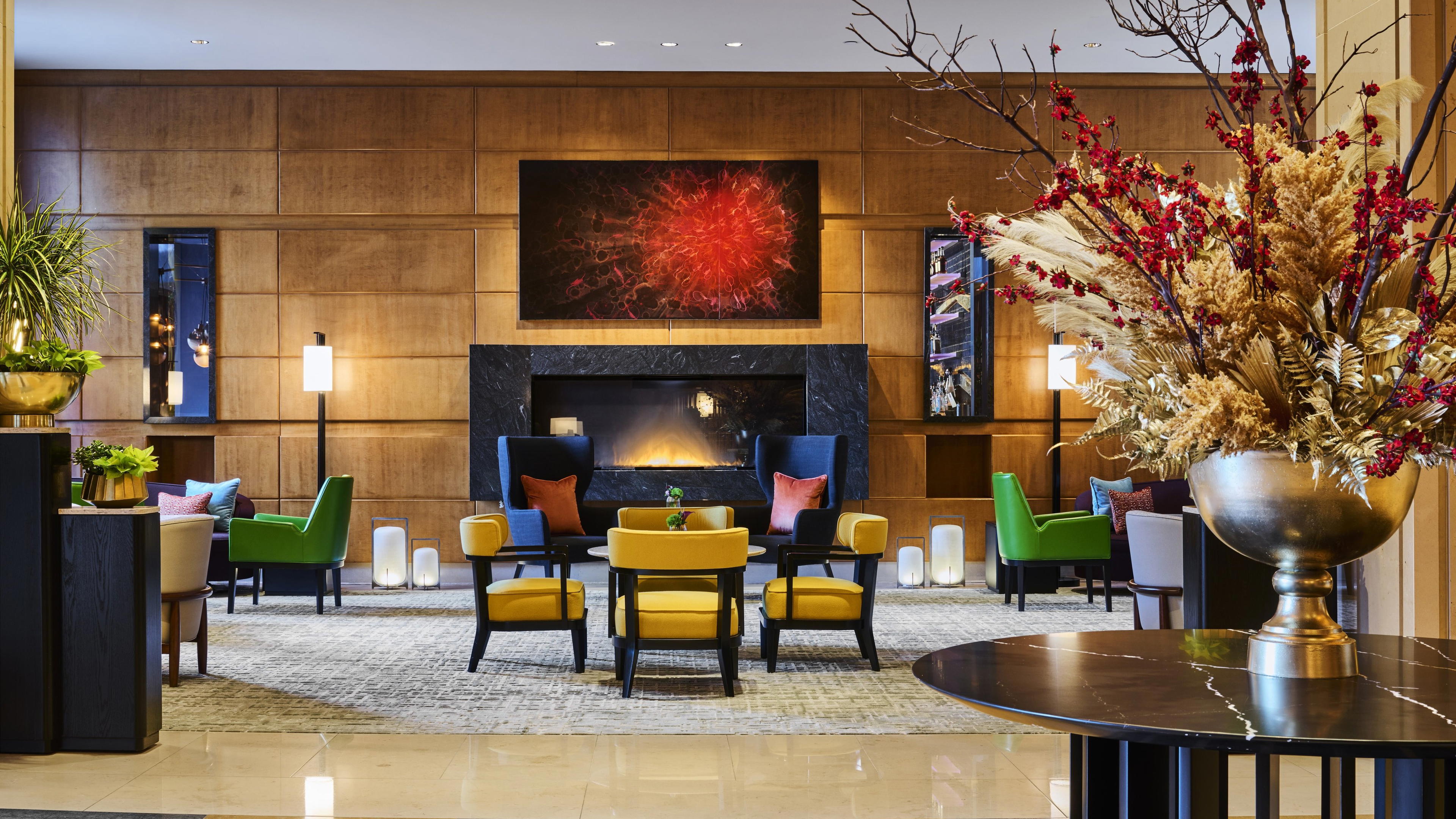
The 2020 renovation, designed by Champalimaud Design, made a specific architectural argument: that early New England material culture and Chinoiserie, the European interpretation of Chinese and East Asian decorative traditions, can coexist without either cancelling the other out. The building's exterior reads as a contemporary interpretation of Boston's limestone and brick vocabulary. Inside, the Chinoiserie references appear in the decorative program without overwhelming the residential register that Champalimaud was aiming for. The result sits between the two extremes that define the current luxury hotel market: the maximalist statement property and the stripped-back design hotel. It skews toward the former in terms of finish quality, but the residential framing keeps it from reading as theatrical.
For guests arriving from comparable properties elsewhere, the design language will read as distinctive within the Mandarin Oriental portfolio rather than generic across it. Properties like Aman New York or The Fifth Avenue Hotel in New York City represent the polar ends of that design spectrum; the Mandarin Oriental Boston occupies a legible middle ground with a local material logic that grounds it to place.
148 Rooms, Suites, and the Space Question
The property holds 148 keys: 129 guestrooms and 19 suites. The suites are fitted with kitchenettes and designed with the kind of detail that signals extended-stay thinking as much as weekend luxury, soaking tubs, designer linens, and current-generation in-room technology. The guestrooms are large by Boston standards across the board, with bathrooms that function as destination spaces rather than functional annexes.
Guests considering the suites should factor in the kitchenette provision, which makes the Mandarin Oriental a reasonable option for stays of three or more nights where the rhythm of a fully serviced hotel starts to feel constraining. That flexibility is less common in the Back Bay tier than the room counts might suggest. For comparison, destination properties in other markets that prioritize residential flexibility, Troutbeck in Amenia or SingleThread Farm Inn in Healdsburg, build that quality into their entire operating model. The Mandarin Oriental delivers something similar within an urban luxury framework.
The Spa: Scale and Specific Programming
The 16,000-square-foot spa is the property's most concrete differentiator within Boston. It holds a Forbes Five-Star rating, the only holistic Five-Star spa rating in the city, and includes a vitality pool and a Kinesis wall fitness system. The 24-hour fitness center operates separately from the spa, which matters for guests whose schedules don't align with standard spa hours. The spa's recent programming addition, Beauty by Mandarin Oriental treatments using electrical currents for skin rejuvenation, represents the brand's current innovation focus in wellness, and Boston was among the first properties to carry it. A Spa Café rounds out the amenity set for guests managing nutrition alongside wellness programming.
For context, spa scale at this level is relatively rare in urban hotels. Properties like Canyon Ranch Tucson or Kona Village, A Rosewood Resort in Kailua Kona build wellness into their entire operating identity. The Mandarin Oriental Boston does not go that far, it remains a full-service city hotel, but the spa's footprint and rating put it in a different category from the standard luxury hotel wellness offering found at properties like Battery Wharf Hotel Boston Waterfront or Beacon Hill Hotel.
The Mandarin Oriental Boston holds Forbes Five-Star and AAA Five-Diamond ratings, a 2024 Michelin Key, and a 96.5-point score from La Liste's 2026 Leading Hotels ranking. That combination places it in a narrow tier of Boston hotels where all three major credentialing systems align. The Michelin Key, first awarded in 2024, is a relatively recent addition to the hotel's credential stack and signals international recognition of a type that the Forbes and AAA systems, both US-centric, do not fully replicate. Room rates are positioned at approximately $890, consistent with the Forbes Five-Star tier in a major East Coast market.
The awards picture also clarifies where the property sits relative to the broader Mandarin Oriental portfolio. Compared to urban Mandarin Oriental properties in gateway cities, or against destination properties like Amangiri in Canyon Point or Post Ranch Inn in Big Sur, which compete for a different traveller entirely, the Boston property competes as a credentialed urban luxury hotel with a specific wellness depth that most comparable urban addresses cannot replicate.
Planning the Stay
Boylston Street address makes the Mandarin Oriental practical for both leisure and corporate stays. Newbury Street's high-end retail is a one-block walk. The Back Bay station is accessible on foot, connecting to Logan International Airport via the Silver Line without a transfer. Meeting and event facilities are on-site. Guests exploring Boston's dining scene beyond the hotel should consult our full Boston restaurants guide for neighbourhood-level coverage. For the South End specifically, the short distance from the hotel makes it a reasonable dinner option on any night of the stay. Seasonally, the April-to-November farmers market near Copley Square adds a low-effort piece of local rhythm to a visit that might otherwise remain entirely within the hotel's orbit.
How It Compares at the US Luxury Level
Across the US luxury hotel market, the Mandarin Oriental Boston occupies a specific position: credentialed on every major rating system, generous on space, and carrying a spa operation that exceeds what most urban competitors deploy. It does not offer the landscape drama of Hotel Bel-Air in Los Angeles or the resort-scale programming of Four Seasons at The Surf Club in Surfside. What it offers is a coherent urban luxury argument: a large-footprint Back Bay address, a designed interior with a specific material logic, a spa that operates at destination scale, and a service standard verified by multiple credentialing bodies. For travellers comparing it against properties like 1 Hotel San Francisco or Auberge du Soleil in Napa, the calculus is direct: those properties trade on setting and a specific hospitality identity; the Mandarin Oriental Boston trades on urban position, room scale, and the depth of its wellness infrastructure within a single city-centre building.
Same-City Peers
Comparable venues nearby, for context on price, style, and recognition.
| Venue | Cuisine | Price | Awards | Notes |
|---|---|---|---|---|
| Mandarin Oriental BostonThis venue (the venue you are viewing) | Luxury urban boutique blending New England elegance with Asian-inspired luxury | Not listed | 1 Michelin Key · La Liste Top Hotels | Not listed |
| Four Seasons Hotel Boston | Classic luxury urban hotel | Not listed | 1 Michelin Key · La Liste Top Hotels | Theatre District |
| Boston Harbor Hotel | Luxurious waterfront urban resort | Not listed | Michelin Selected · La Liste Top Hotels | Waterfront |
| Four Seasons Hotel One Dalton Street, Boston | Hotel | $750–1,000 | 1 Michelin Key · Michelin Guide New Hotels New Hotel | Back Bay |
| Raffles Boston | Luxury skyscraper hotel with residential row house-inspired guestrooms and expansive public spaces. | Not listed | 2 Michelin Keys · La Liste Top Hotels | Back Bay |
| The Whitney Hotel Boston | Sophisticated boutique blending modern comfort with Boston heritage | Not listed | 1 Michelin Key · Mr & Mrs Smith Seal of Approval | Beacon Hill |
Recognition history
Dated appearances from independent guides and award organizations, with the underlying list record or original source where available.
Michelin 1 Key
Michelin
La Liste Top Hotels
La Liste
AAA Top 10 U.S. Hotels
AAA · AAA Diamonds Top 10 U.S. Hotels 2026
Forbes 5-Star
Forbes
Virtuoso Luxury Hotel Partner
Virtuoso
Full recognition history (8 entries)
AAA 5 Diamond
AAA
Forbes 5-Star
Forbes
Michelin 1 Key
Michelin
Continue exploring
More in Boston
Hotels in Boston
All hotels in Boston →
Bars in Boston
All bars in Boston →
Restaurants in Boston
All restaurants in Boston →
Details
- Elegant
- Sophisticated
- Ornate
- Romantic Getaway
- Business Trip
- Wellness Retreat
- Historic Building
- Spa
- Pool
- Fitness Center
- Room Service
- Concierge
- Business Center
- Valet Parking
- Skyline
- Street Scene
- Wheelchair Accessible
- Elevator
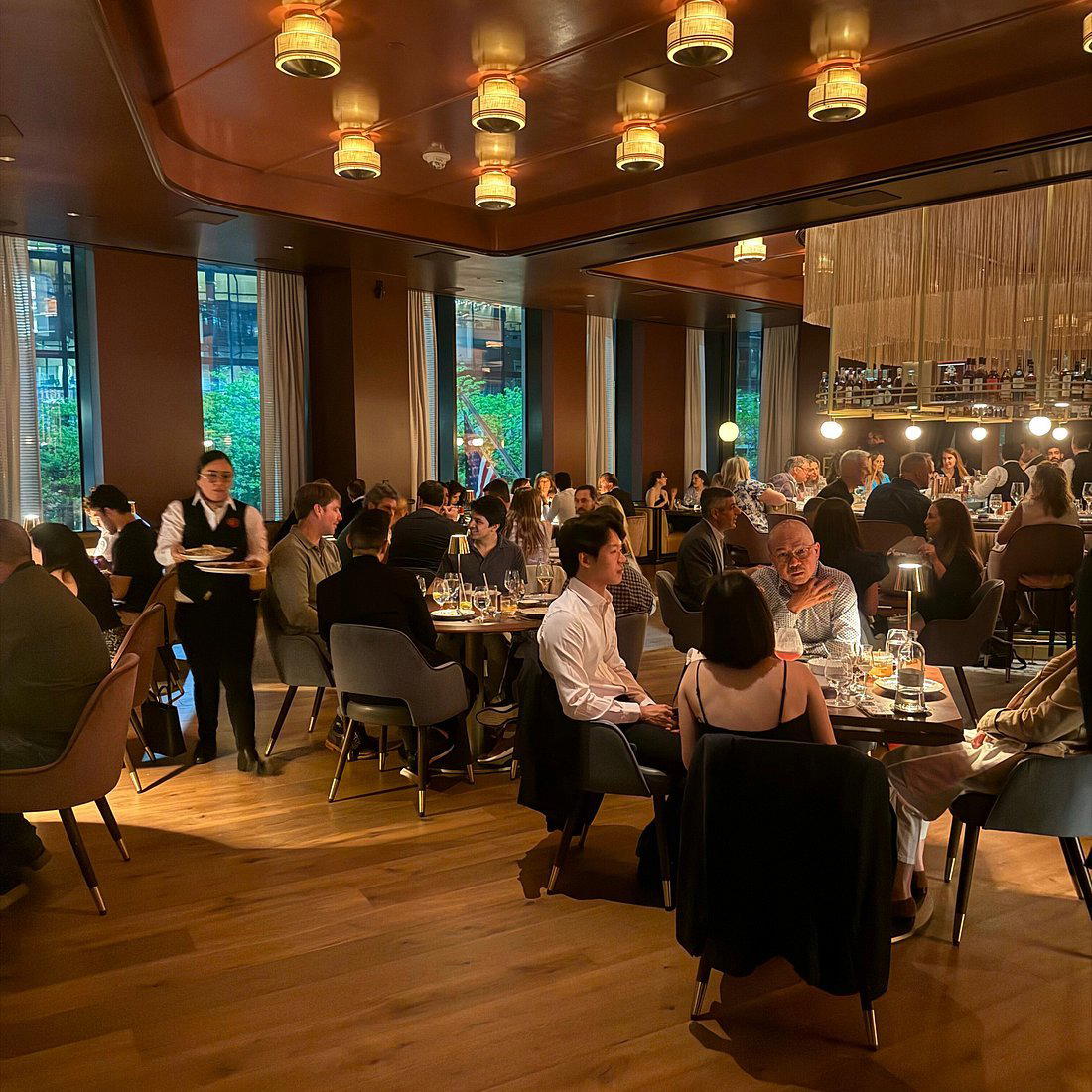
Sophisticated and relaxed with plush bedding, marble bathrooms, and serene spa-like tranquility throughout the luxurious spaces.