The Eliot Hotel

Preferred Hotels Member
A 95-room independent hotel on Commonwealth Avenue, The Eliot sits in Boston's Back Bay at a remove from the chain-managed competition along Boylston. Its scale positions it firmly in the boutique tier: small enough to register repeat guests, large enough to operate with full-service consistency. For travellers who prize neighbourhood immersion over lobby spectacle, it functions as a reliable base in one of the city's most residential corridors.

Pearl is the En Primeur Club membership app — saves, bookings, and concierge access live there. Same editors, same standards.
- Address
- 370 Commonwealth Ave, Boston, MA 02215
- Phone
- (617) 267-1607
- Website
- eliothotel.com
- Directions
- Get directions
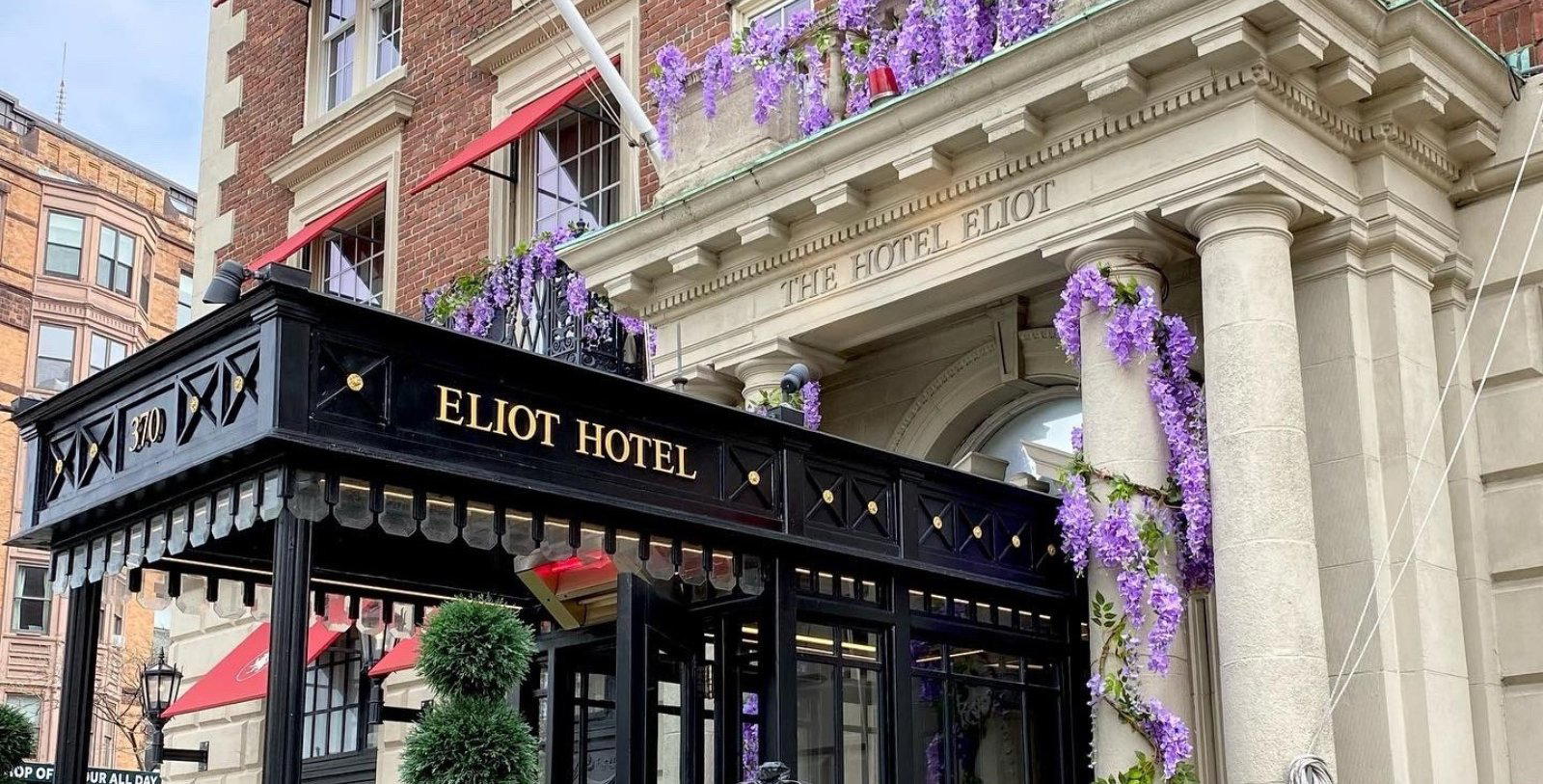
Commonwealth Avenue and the Case for Staying Smaller
Boston's premium hotel market has consolidated around two poles: the large-flag properties clustered near Copley Square and the waterfront, and a smaller cohort of independent or lightly branded hotels embedded in the city's residential neighbourhoods. The Eliot Hotel, at 370 Commonwealth Avenue in Back Bay, belongs to the second group. At 95 rooms, it sits in the boutique range by any reasonable definition, and its address on the Commonwealth Avenue Mall corridor places it within walking distance of the Fenway, the Charles River Esplanade, and the concentration of restaurants and bars along Newbury and Boylston Streets without being directly on any of them.
That positioning matters more than it might appear. Guests who return to the Eliot repeatedly tend to cite the neighbourhood as much as the hotel itself. Back Bay's grid of brownstone-lined streets, the tree-canopied mall running down the centre of Commonwealth Avenue, the proximity to the Boston Public Library and Copley Square without the foot traffic those landmarks generate — these are assets the address confers, not the building. What the building provides is a quieter, more residential entry point into the city than properties like Raffles Boston or Four Seasons Hotel One Dalton Street, Boston, which operate at a different scale and with a different relationship to public spectacle.
What the Regulars Know
The pattern among repeat visitors to a hotel like the Eliot is fairly consistent across this tier of the market: they are not primarily optimising for amenity breadth. They are optimising for friction reduction. At 95 rooms, the hotel operates at a scale where staff turnover and anonymity are less structural features of the operation than they are at a 300-room property. That translates, over multiple stays, into a recognition dynamic that larger properties systemically struggle to replicate — even when those properties invest in CRM technology to simulate it.
Commonwealth Avenue itself functions as part of the product. The mall is one of the more underused walking routes in the city among visitors who arrive and proceed directly to the Freedom Trail or the Seaport. Regulars at the Eliot tend to move differently through Boston: along the Esplanade, into the South End via Dartmouth Street, through the gallery blocks of Newbury. The hotel's location enables that kind of walking-based orientation without requiring it. For comparison, The Langham Boston and The Newbury Boston both sit in denser commercial adjacencies where the street-level experience is more transactional.
Independent boutique hotels in American cities have faced a structural challenge over the past decade: maintaining rate integrity against both the full-service flag chains and the design-forward lifestyle brands that have absorbed much of the mid-premium demand. The Eliot's response, insofar as it is readable from its positioning, appears to be consistency rather than reinvention. That is a coherent strategy in a market where novelty-seeking travellers are well served by properties like The Whitney Hotel Boston, while travellers prioritising location stability and a known quantity return to addresses they trust.
Back Bay in Context
Boston's hotel geography follows the city's neighbourhood logic more closely than in cities with more diffuse commercial districts. Back Bay concentrates a significant share of the premium independent and upper-upscale inventory: the Eliot on Commonwealth, Mandarin Oriental Boston on Boylston, the Newbury on the square itself. Each occupies a slightly different position on the residential-to-commercial axis of the neighbourhood. The Eliot sits furthest toward the residential end of that spectrum among the named comparables.
That distinction becomes more legible in seasonal terms. During the autumn months, when Harvard and MIT host academic visitors and the city fills for conference season, the Back Bay corridor absorbs significant demand from guests who want proximity to Cambridge across the river without actually staying there. The Esplanade and the Charles are most accessible in September and October, before the cold makes riverside walks less appealing. Spring operates similarly, with the marathon corridor running through the neighbourhood each April adding a separate demand layer. These seasonal rhythms define when the Eliot's address premium is most legible: a guest paying for the Commonwealth Avenue location in February is paying primarily for the hotel; a guest arriving in October is paying for the hotel and the neighbourhood simultaneously.
For waterfront-oriented travel, Battery Wharf Hotel Boston Waterfront operates in a different geographical register entirely, useful context for travellers whose itinerary centres on the North End and harbour rather than the Back Bay grid. Similarly, those benchmarking against full-service flag competitors will find Four Seasons Hotel Boston operating at a materially larger scale and price point.
How It Fits a Broader Travel Pattern
Travellers who make the Eliot a regular Boston base often operate with a broader American hotel roster that favours address-led independents over brand-affiliated properties. That cohort tends to benchmark across cities rather than within them: the same logic that brings someone back to the Eliot might place them at The Fifth Avenue Hotel in New York City or Hotel Bel-Air in Los Angeles. For those whose travel runs toward more remote or resort-oriented experiences, the relevant comparables shift considerably: Amangiri in Canyon Point, Post Ranch Inn in Big Sur, or Auberge du Soleil in Napa occupy a different tier and typology, but share the independent-property logic that tends to attract repeat guests over brand loyalists.
Within the domestic boutique category, properties like Troutbeck in Amenia, SingleThread Farm Inn in Healdsburg, and Sage Lodge in Pray each demonstrate how address specificity and scale discipline can build a repeat-guest base independently of flag affiliation. The Eliot occupies the urban variant of that logic: city-centre, neighbourhood-embedded, small enough to be legible as a place rather than a product category.
For Boston dining and neighbourhood context beyond the hotel, see our full Boston restaurants guide.
Planning Your Stay
The Eliot's 95 rooms place it in the tier where advance booking discipline varies considerably by season. Autumn and marathon weekend in April represent the tightest windows; summer and winter shoulder periods generally offer more flexibility. The Commonwealth Avenue address is served by the Green Line at Hynes Convention Center, one stop from Copley, making the hotel accessible without relying on car or taxi for most Back Bay and South End movement. Guests arriving by train from South Station or Back Bay Station will find both within reasonable distance, though Back Bay Station is the closer of the two for the Commonwealth Avenue end of the neighbourhood.
For those benchmarking room-rate value against the broader Boston premium market, the relevant comparison set runs from the Eliot's boutique tier up through flag-managed properties. Resort-category properties elsewhere in the country, such as Four Seasons at The Surf Club in Surfside, Kona Village, A Rosewood Resort in Kailua Kona, or Little Palm Island Resort & Spa in Little Torch Key, operate on different pricing architectures entirely. Within urban boutique hotels internationally, Aman New York in New York City, Aman Venice in Venice, and Badrutt's Palace Hotel in St. Moritz represent the upper end of what address-led independent positioning can command in their respective markets.
Peers You’d Cross-Shop
Comparable venues nearby, for context on price, style, and recognition.
| Venue | Cuisine | Price | Awards | Notes |
|---|---|---|---|---|
| The Eliot HotelThis venue — the venue you are viewing | European-style boutique suite hotel | $300–500 | Preferred Hotels Member | Not listed |
| Hyatt Regency Boston | Modern urban hotel with locally inspired design and state-of-the-art facilities. | Not listed | Conde Nast Best Hotels #36 | Downtown Crossing |
| The Charles Hotel | Contemporary luxury hotel with New England heritage influences, designed by Cambridge Seven Associates to complement Harvard Square's architectural character. | $300–500 | Michelin Selected · Virtuoso Luxury Hotel Partner | Harvard Square |
| citizenM Boston Back Bay hotel | Affordable luxury urban hotel with contemporary design and smart technology integration. | $100–200 | Michelin Selected | Symphony |
| Seaport Hotel & World Trade Center | Waterfront urban hotel with eco-friendly focus and business-leisure balance. | $200–300 | Forbes Recommended | South Boston Waterfront |
| Taj Boston | Historic luxury with modern residential comfort | Not listed | 2 Michelin Keys · La Liste Top Hotels | Back Bay |
Recognition history
Dated appearances from independent guides and award organizations, with the underlying list record or original source where available.
Preferred Hotels Member
Preferred Hotels
Continue exploring
More in Boston
Hotels in Boston
Browse all →
Bars in Boston
Browse all →


Restaurants in Boston
Browse all →

Wineries in Boston
Browse all →

Details
- Elegant
- Sophisticated
- Classic
- Cozy
- Business Trip
- Romantic Getaway
- Weekend Escape
- Historic Building
- Wi Fi
- Room Service
- Concierge
- Fitness Center
- Business Center
- Valet Parking
- Wheelchair Accessible
- Elevator
- Step Free Entrance
- Accessible Parking
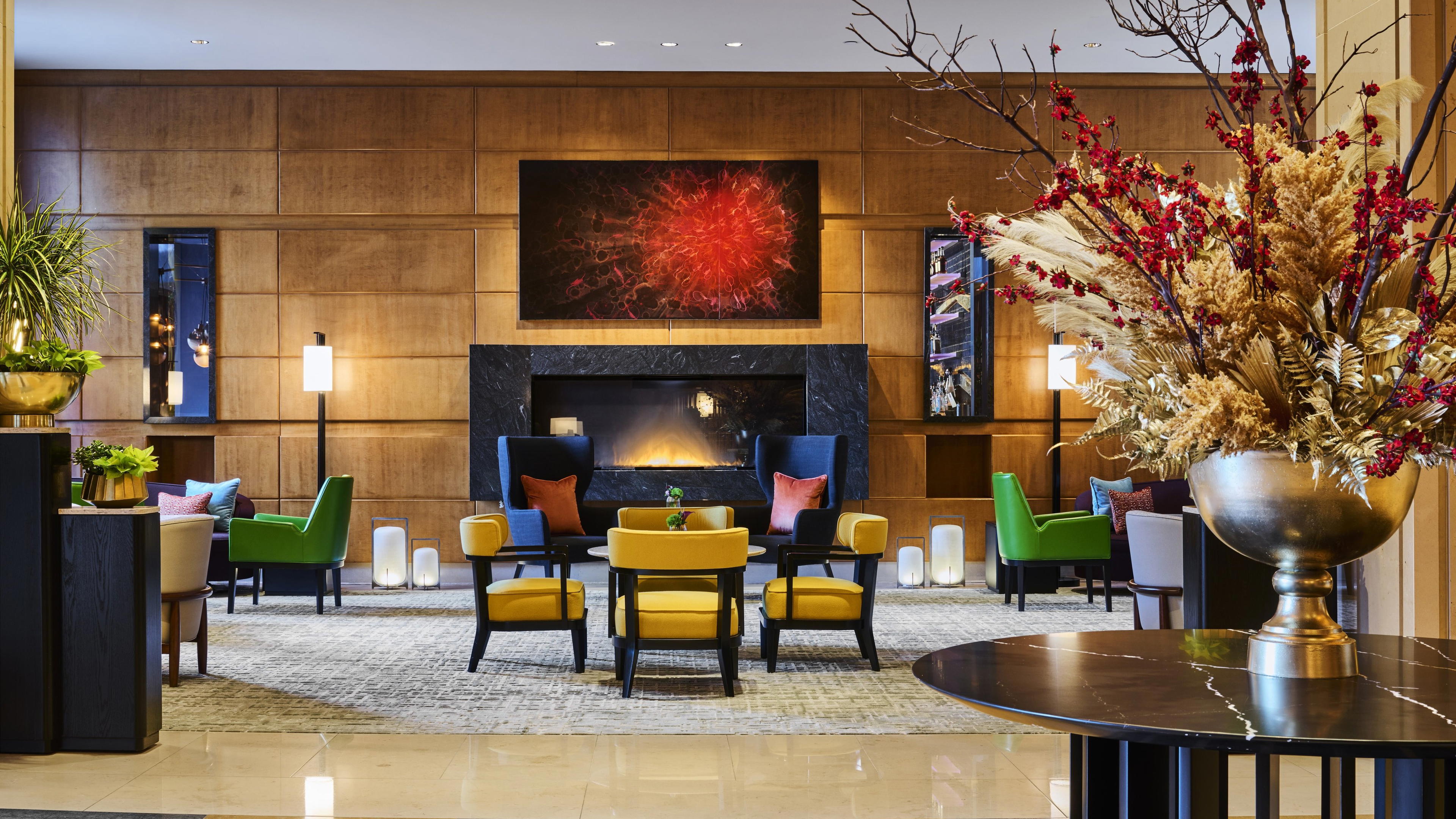
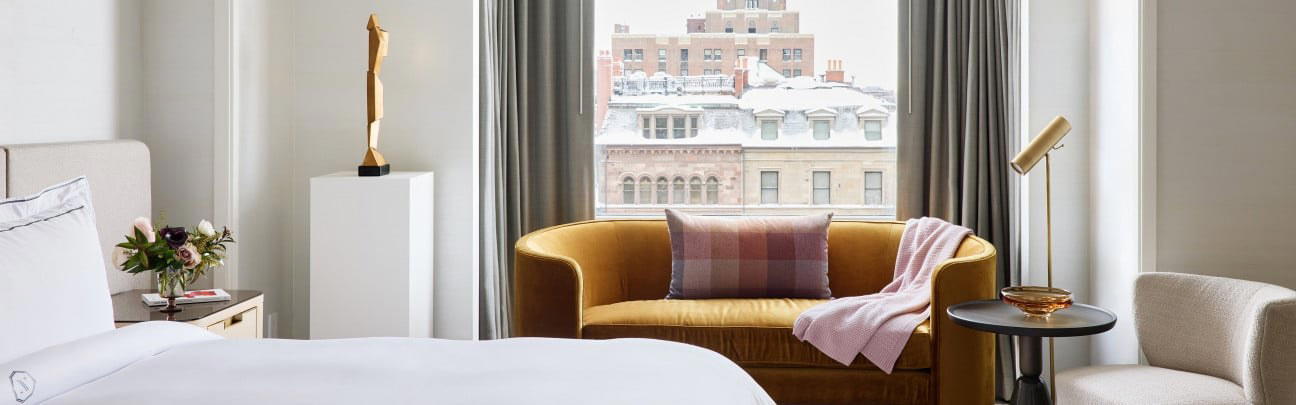
Warm and elegant atmosphere with plush furniture, rich upholsteries, gilt mirrors, and soothing pastel tones evoking a country manor house feel.