Trade

Trade occupies 540 Atlantic Ave in Boston's waterfront district, positioning itself within a neighborhood that has shifted from working port to one of the city's more competitive dining corridors. The address places it alongside a comparable set that includes seafood-forward and New American formats, making it a logical stop for visitors orienting around the harbor. Check current hours and availability directly before planning a visit.
Pearl is the En Primeur Club membership app — saves, bookings, and concierge access live there. Same editors, same standards.
- Address
- 540 Atlantic Ave, Boston, MA 02210
- Phone
- +16174511234
- Website
- trade-boston.com
- Directions
- Get directions
 Saves & bookings on Pearl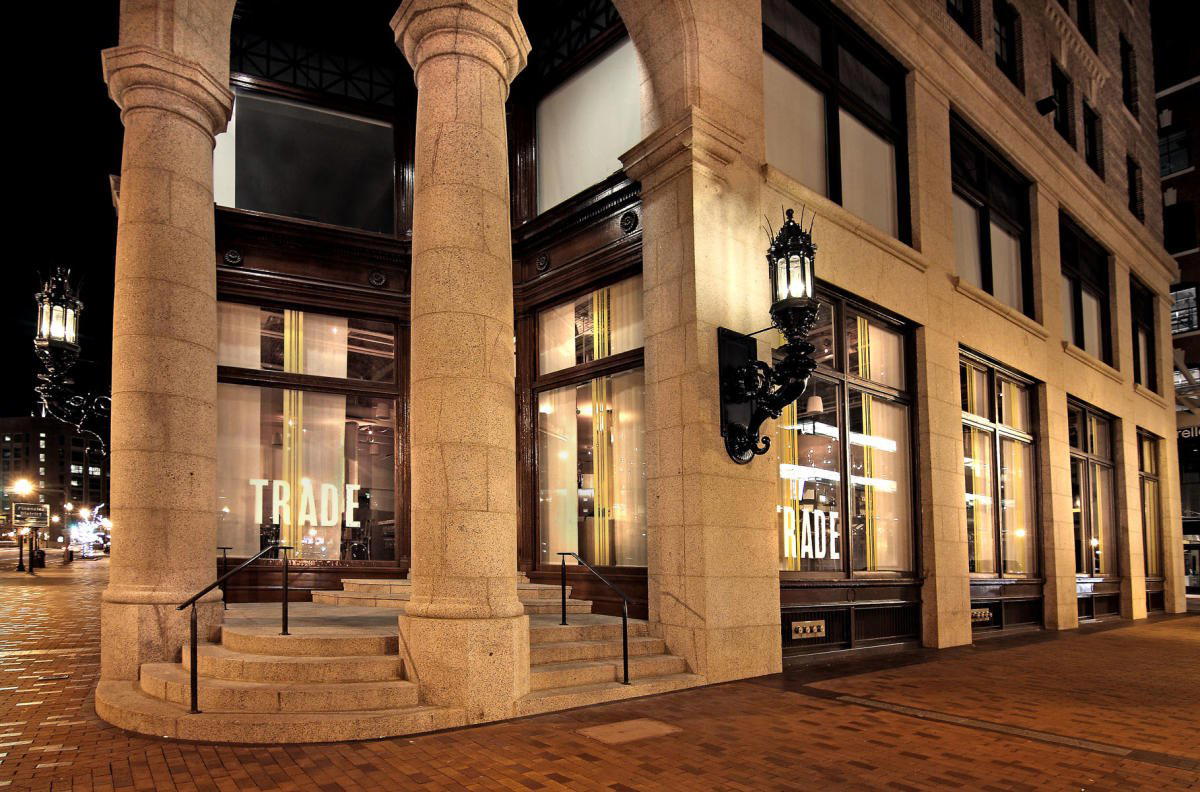
Atlantic Avenue and the Architecture of the Waterfront Dining Scene
Boston's waterfront corridor along Atlantic Avenue has undergone a sustained transformation over the past two decades. What was once a stretch defined by transit infrastructure and commercial shipping now holds one of the city's denser concentrations of full-service restaurants, and the buildings themselves shape how dining rooms feel. Converted warehouse volumes, high ceilings carried over from industrial use, and sightlines toward the harbor give venues in this corridor a spatial character that is harder to manufacture in the Back Bay or on Newbury Street. Trade, at 540 Atlantic Ave, sits inside that architectural logic.
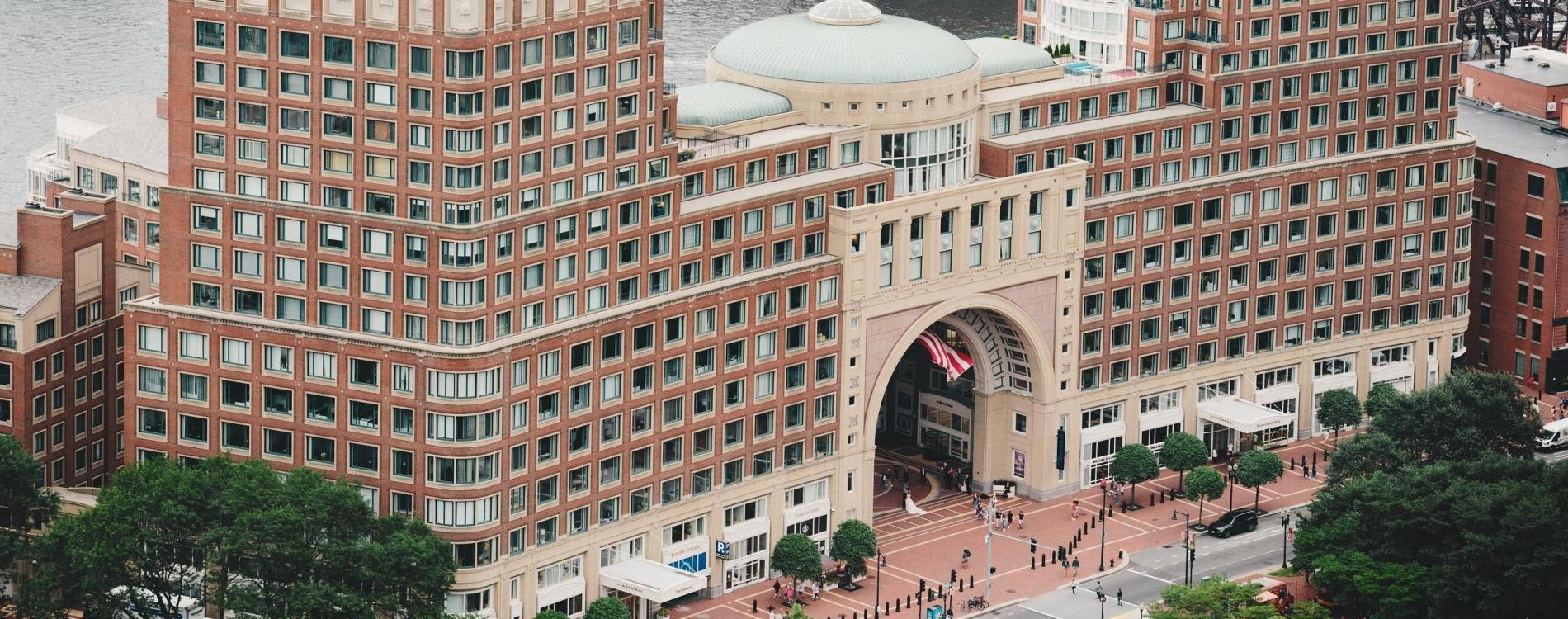
In cities where waterfront dining has matured, think the Ferry Building corridor in San Francisco or the Lower Manhattan piers, the dining rooms that hold their ground tend to be ones where the physical container does some of the editorial work. The space announces something before the menu does. Along Atlantic Avenue, that pressure is real. 1928 Rowes Wharf, a short walk south, operates inside among the more recognized postmodern buildings on the Boston harbor, and the architecture there functions as context before a dish arrives. Trade occupies the same design-forward waterfront tier, where the room is part of the proposition.
What the Space Communicates
The EA-GN-13 editorial frame is worth taking seriously here: in a market where Boston dining increasingly differentiates by format and physical experience as much as by cuisine category, the design container at a waterfront address like 540 Atlantic Ave carries weight. Restaurants in this district compete not only against each other but against the ambient draw of the harbor itself, and a dining room that fails to engage with its setting tends to feel like a missed opportunity rather than a neutral choice.
Boston's waterfront has not fully converged on a single design language. Some rooms lean into the industrial vocabulary of the neighborhood, exposed structure, heavy materials, natural light as a primary amenity. Others work against it, producing interiors that could be transplanted to any American city with no loss of coherence. The stronger rooms in this corridor tend to be specific: they acknowledge the water, the light quality, the season. That specificity is what separates a dining room from a dining space.
The comparable set on the Waterfront
Positioning Trade accurately requires a look at what the Atlantic Avenue and Fort Point corridor actually contains. 75 on Liberty Wharf anchors the seafood-and-harbor end of the spectrum, leaning into a broader, higher-capacity format. Neptune Oyster, operating off the waterfront proper in the North End, has built its reputation around a raw bar program that draws sustained lines despite a small footprint, a different model entirely, where scarcity and product focus do the positioning work. Ostra, which operates as a seafood grill format, occupies a more formal register. Trade's address places it in conversation with this comparable set, though the specific format and cuisine direction require verification from current sources.
For visitors comparing options at the higher end of the Boston dining market, the context extends further. Agosto, with its Portuguese-inspired tasting menu at a chef's counter, represents one direction the city's ambitious dining has moved: low capacity, high specificity, format as argument. 311 Omakase occupies the counter-omakase tier. Abe and Louie's anchors the steakhouse category. Trade's waterfront position gives it a different kind of advantage than any of these: geography and setting as a differentiation signal, rather than format or cuisine narrowness.
Boston in National Context
It is useful to place Boston's waterfront dining against what comparable corridors look like in other American cities. The harbor-adjacent dining scenes that have developed most distinctive identities, around Seattle's Pike Place, San Francisco's Embarcadero, or the New Orleans riverfront, tend to share a common feature: the strongest rooms connect the physical setting to what is being served, whether through ingredient sourcing, visual orientation, or material vocabulary. Le Bernardin in New York City built its seafood authority through decades of sustained critical attention; Providence in Los Angeles holds a comparable position on the West Coast. These are rooms where cuisine category and physical identity have converged over time.
Boston's waterfront has not yet produced that kind of totemic address at the upper tier, in the way that The French Laundry in Napa or Blue Hill at Stone Barns in Tarrytown have defined their respective settings. But the corridor is active and its dining density is growing. Venues like Single Thread Farm in Healdsburg and Addison in San Diego demonstrate what happens when a room's physical identity and its culinary program are developed in parallel rather than sequentially. Boston's waterfront is at an earlier stage of that convergence, which makes the current moment genuinely interesting for anyone tracking the city's dining development.
Planning a Visit
| Venue | Format | Booking Approach | Waterfront Access |
|---|---|---|---|
| Trade (540 Atlantic Ave) | Confirm directly | Confirm directly | Atlantic Ave corridor |
| 75 on Liberty Wharf | Seafood, high capacity | OpenTable / walk-in | Direct harbor frontage |
| 1928 Rowes Wharf | New American, hotel context | Hotel concierge / direct | Rowes Wharf building |
| Agosto | Tasting menu, counter | Advance reservation required | Off-waterfront |
- Watermelon Fattoush
- Crispy Cauliflower
- Spanakopita Flatbread
- Pomegranate Glazed Eggplant
- Seared Half Chicken with Burnt Orange, Dates, and Pistachios
- Thirty-Two Ounce Prime Ribeye
What It’s Closest To
Comparable venues nearby, for context on price, style, and recognition.
| Venue | Cuisine | Price | Notes |
|---|---|---|---|
| TradeThis venue — the venue you are viewing | Modern Greek Mediterranean | $$$ | Not listed |
| Committee | Modern Mediterranean Greek Meze | $$$ | South Boston Waterfront |
| Scampo | Italian-Mediterranean | $$$ | West End |
| The Elephant Walk | French-Cambodian Fusion | $$$ | South End |
| Celeste | Peruvian Andean Home Cooking & Pisco Bar | $$$ | Union Square |
| Amber Road | Modern American Rotisserie | $$$ | Financial District |
Recognition history
Dated appearances from independent guides and award organizations, with the underlying list record or original source where available.
Wine Spectator Award of Excellence
Wine Spectator
Continue exploring
More in Boston
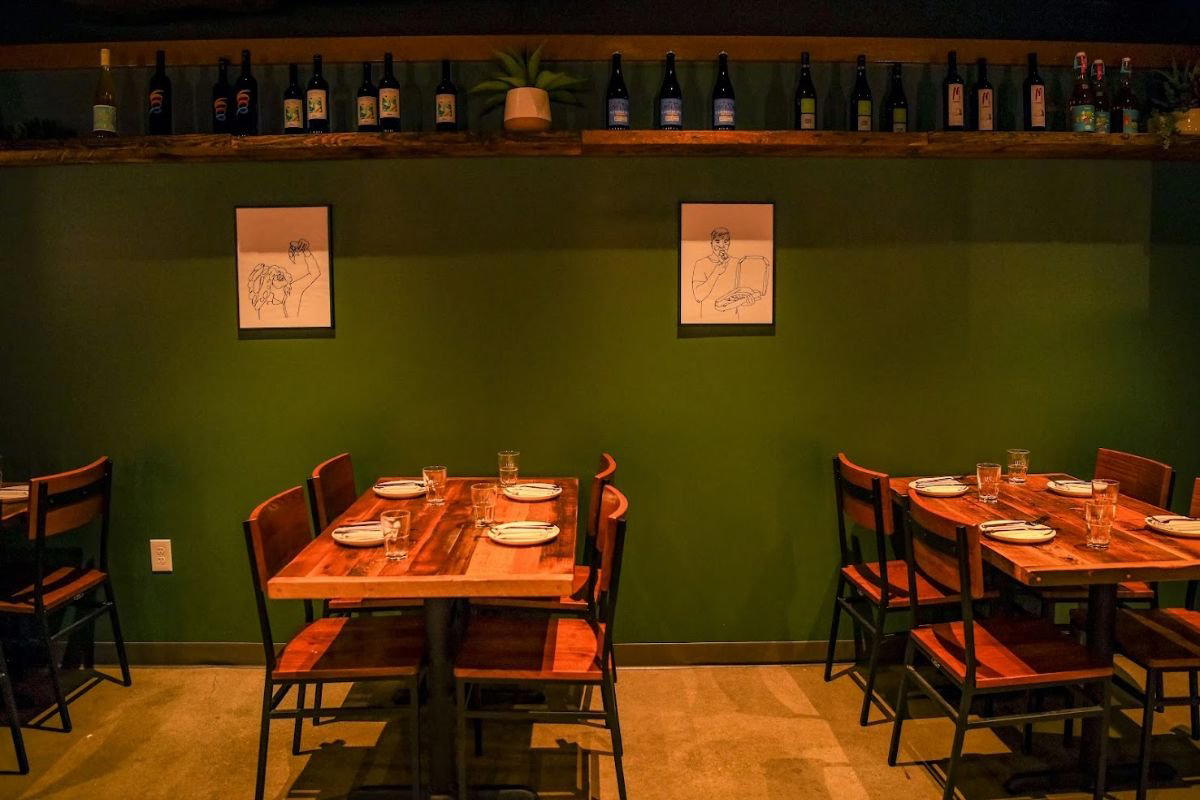
Restaurants in Boston
Browse all →
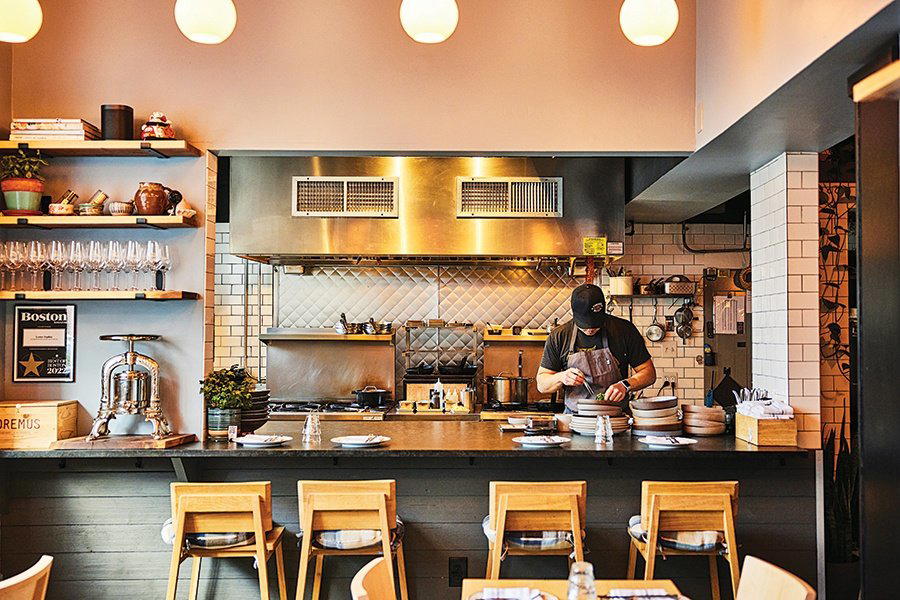
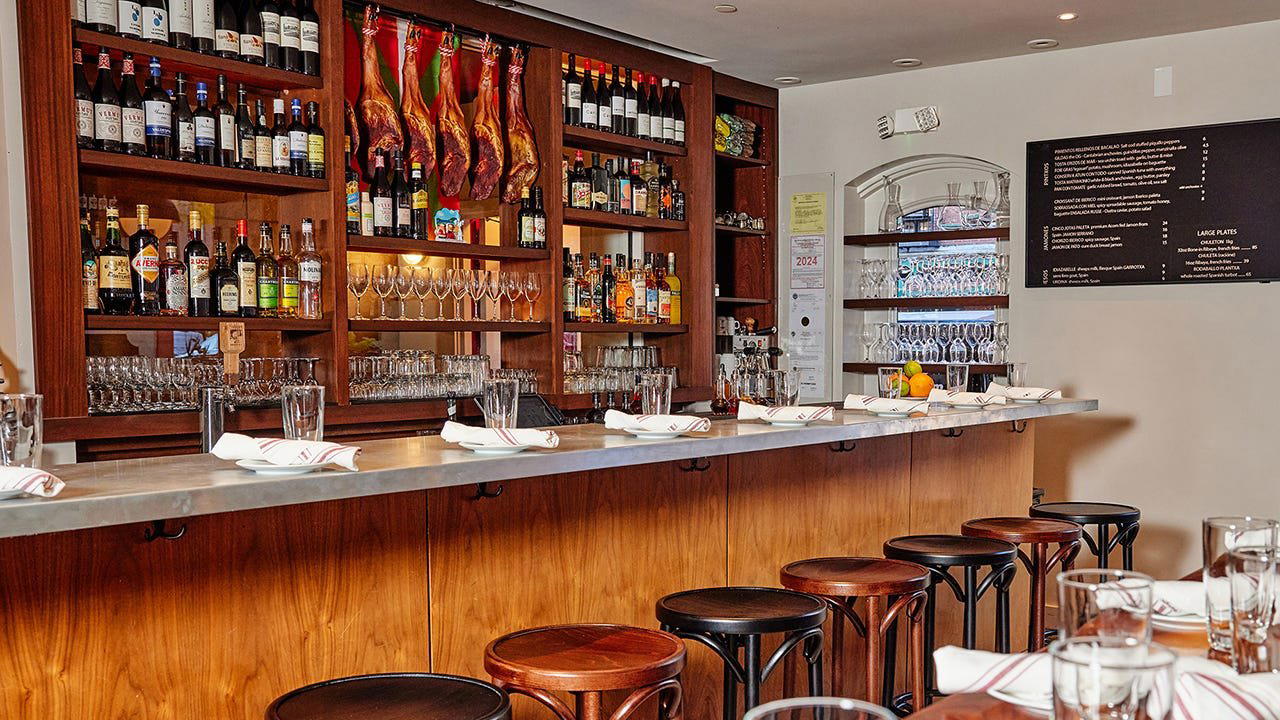
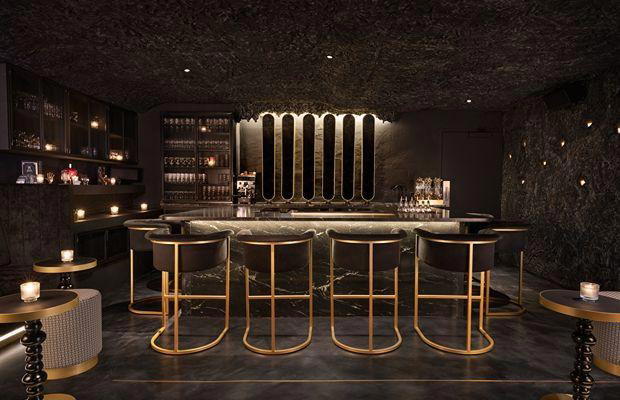
Bars in Boston
Browse all →
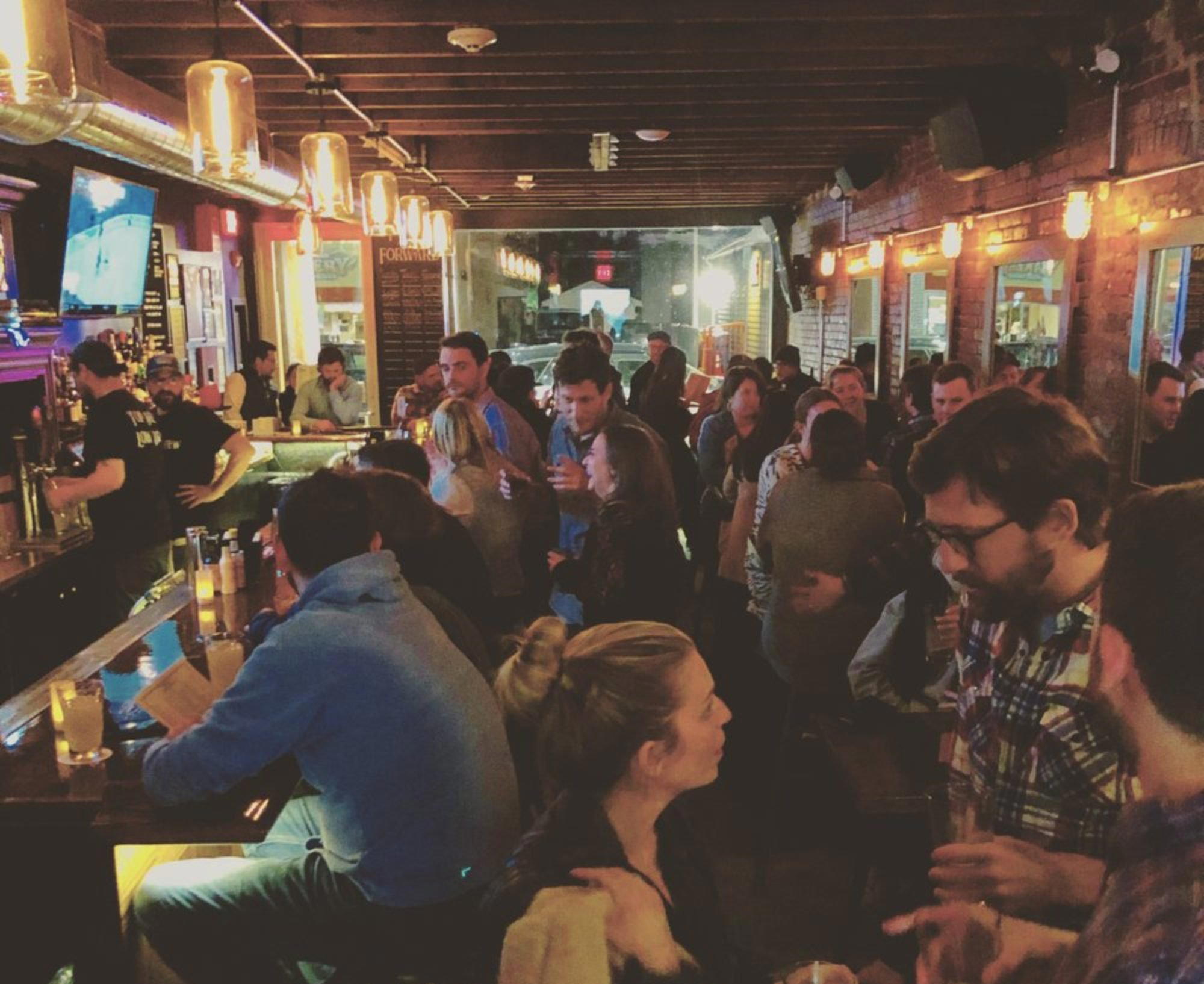
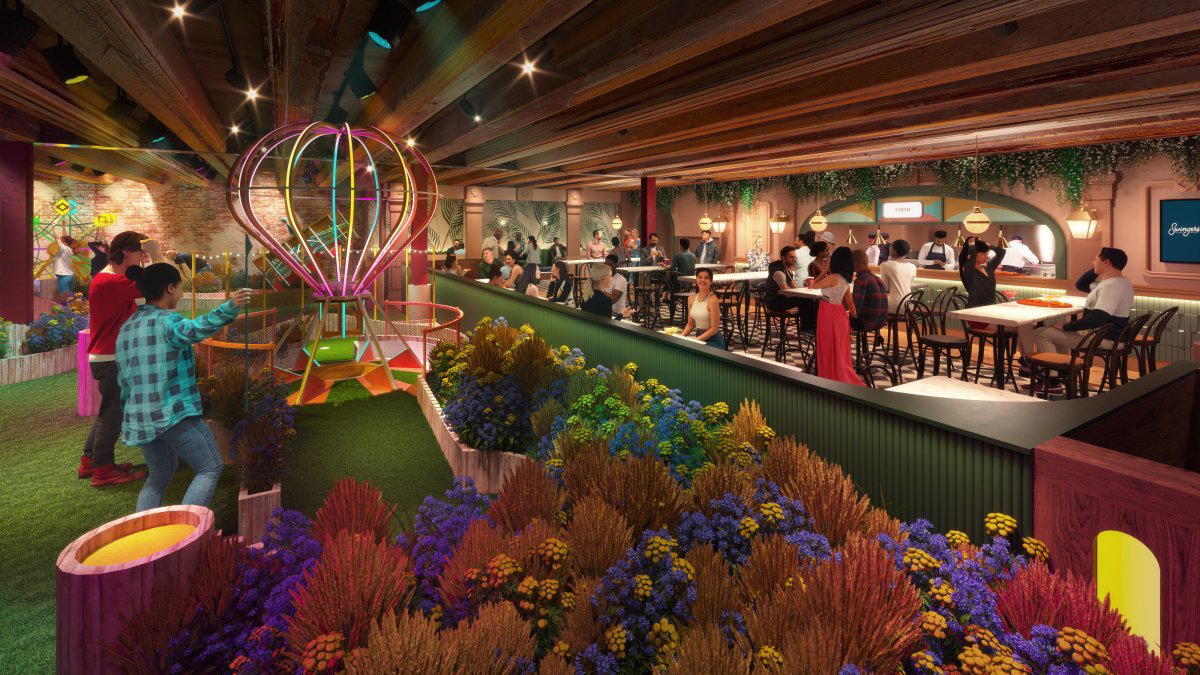
Hotels in Boston
Browse all →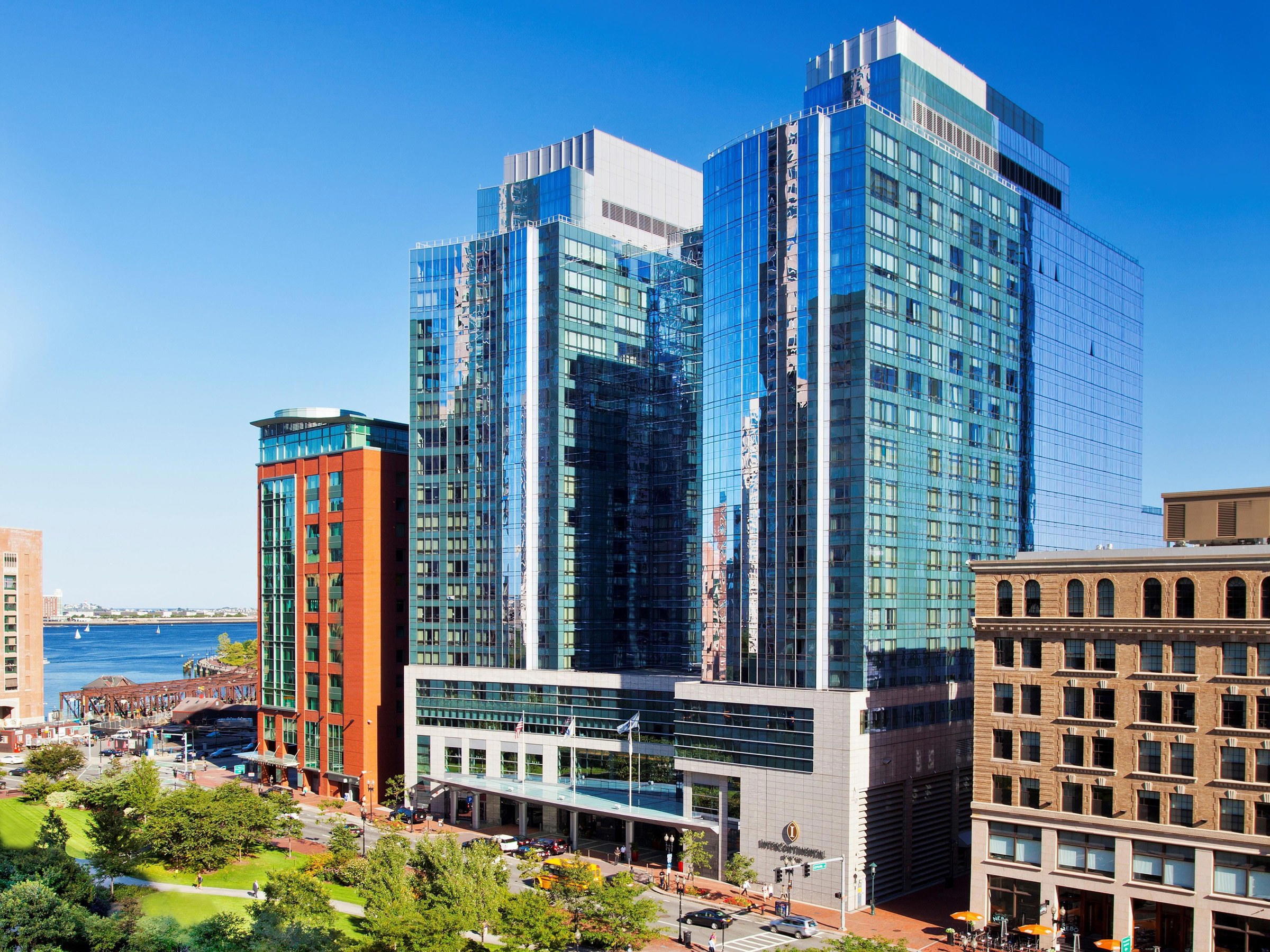
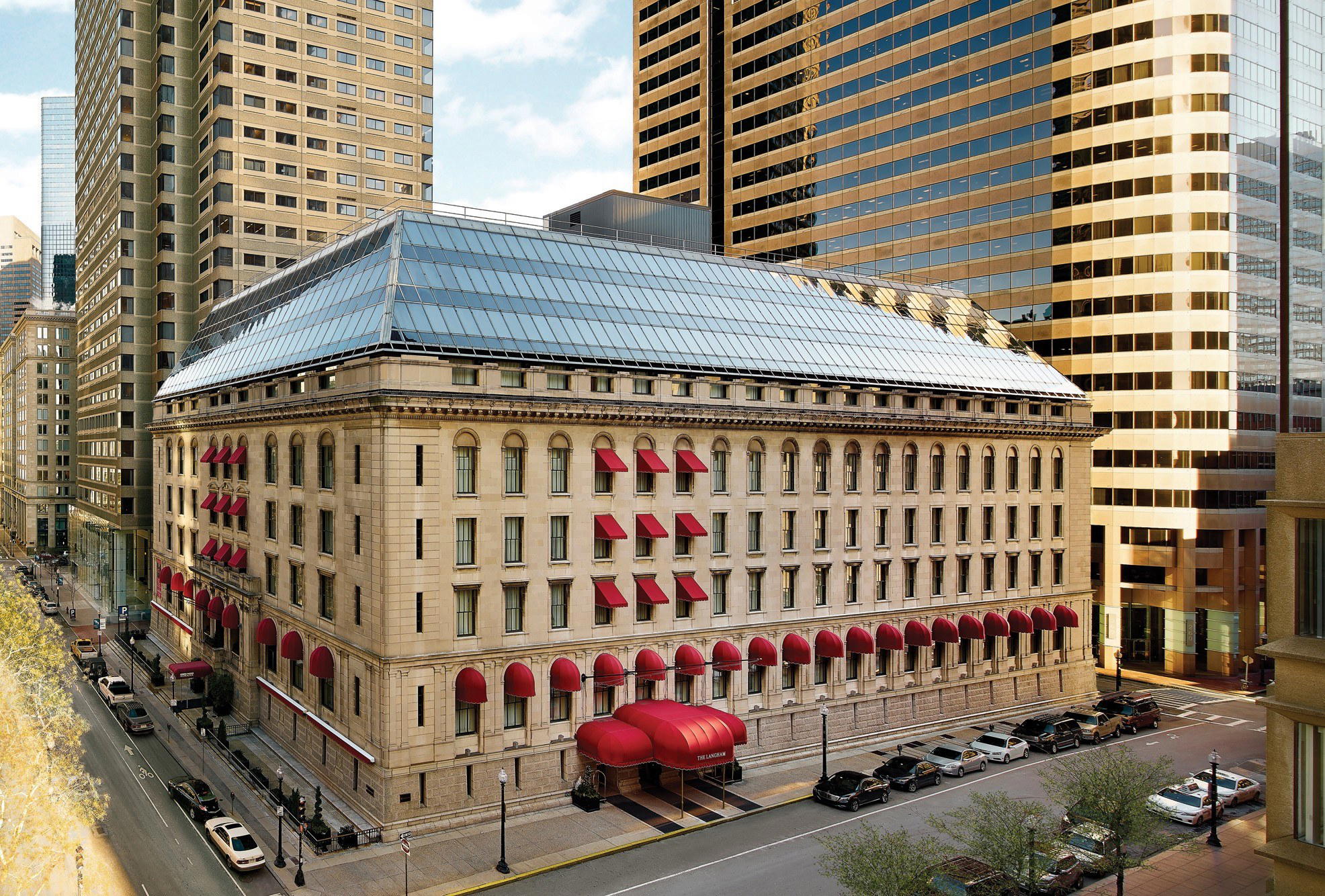
Wineries in Boston
Browse all →
At a Glance
- Romantic
- Elegant
- Modern
- Lively
- Sophisticated
- Date Night
- Business Dinner
- Group Dining
- Special Occasion
- Private Event
- Waterfront
- Private Dining
- Terrace
- Historic Building
- Design Destination
- Extensive Wine List
- Craft Cocktails
- Local Sourcing
- Farm To Table
Current opening hours
- Monday
- Closed
- Tuesday
- 11:30 AM–10 PM
- Wednesday
- 11:30 AM–10 PM
- Thursday
- 11:30 AM–10 PM
- Friday
- 11:30 AM–11 PM
- Saturday
- 4–11 PM
- Sunday
- Closed
Hours can change for holidays and private events. Last verified .
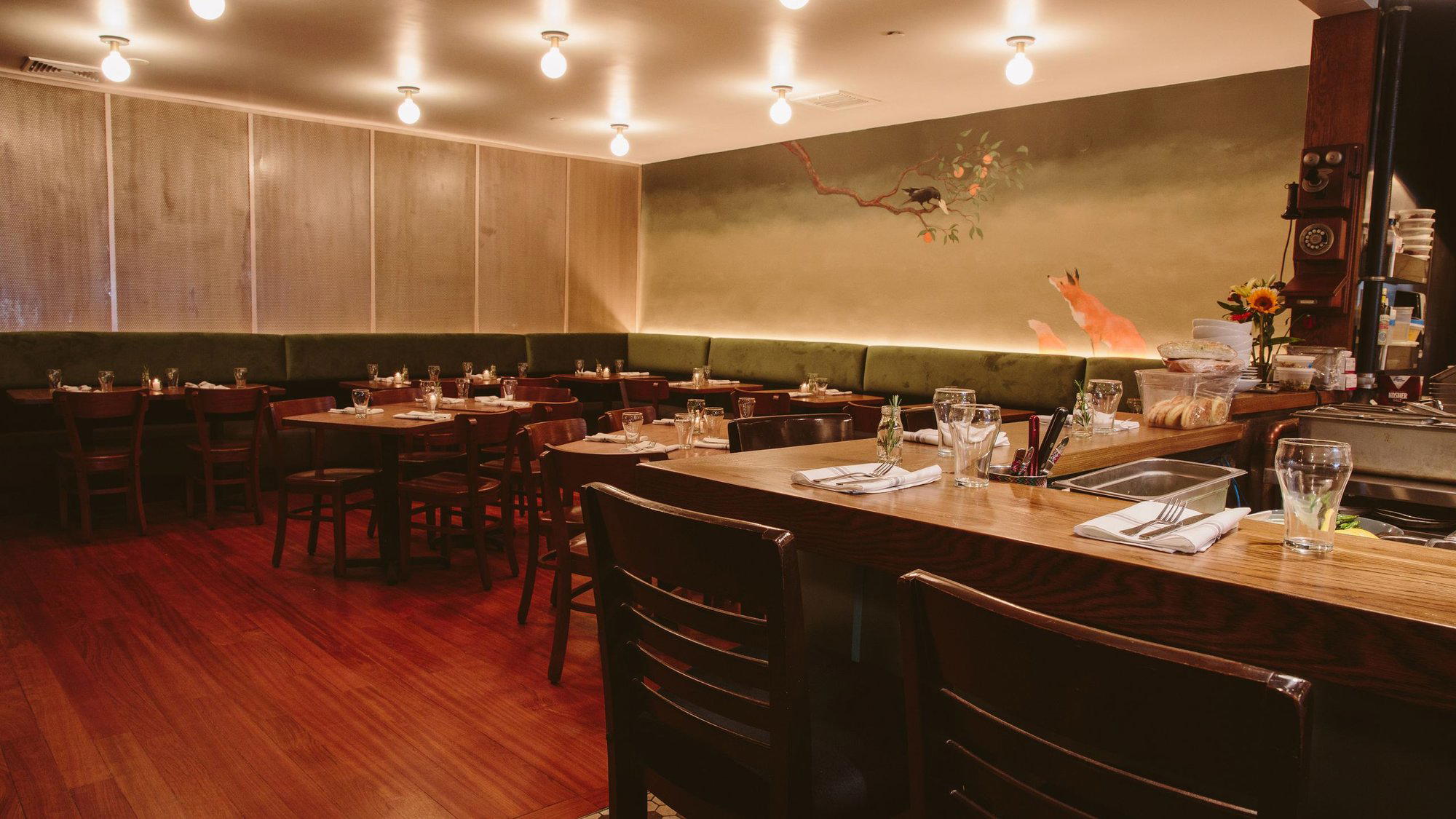
Modern taverna atmosphere with lush greenery and happy diners; thrums with energy in a contemporary setting within a historic brick building.