Located on Via Marte in Bibione, on the northeastern Adriatic coast of the Veneto, Blu Marino operates in a resort town where the local seafood tradition runs deeper than the beach-holiday reputation suggests.
Pearl is the En Primeur Club membership app — saves, bookings, and concierge access live there. Same editors, same standards.
- Address
- Via Marte, 29, 30028 Bibione VE, Italy
- Phone
- +39 324 802 8437
- Website
- blumarinobibione.it
- Directions
- Get directions
 Saves & bookings on Pearl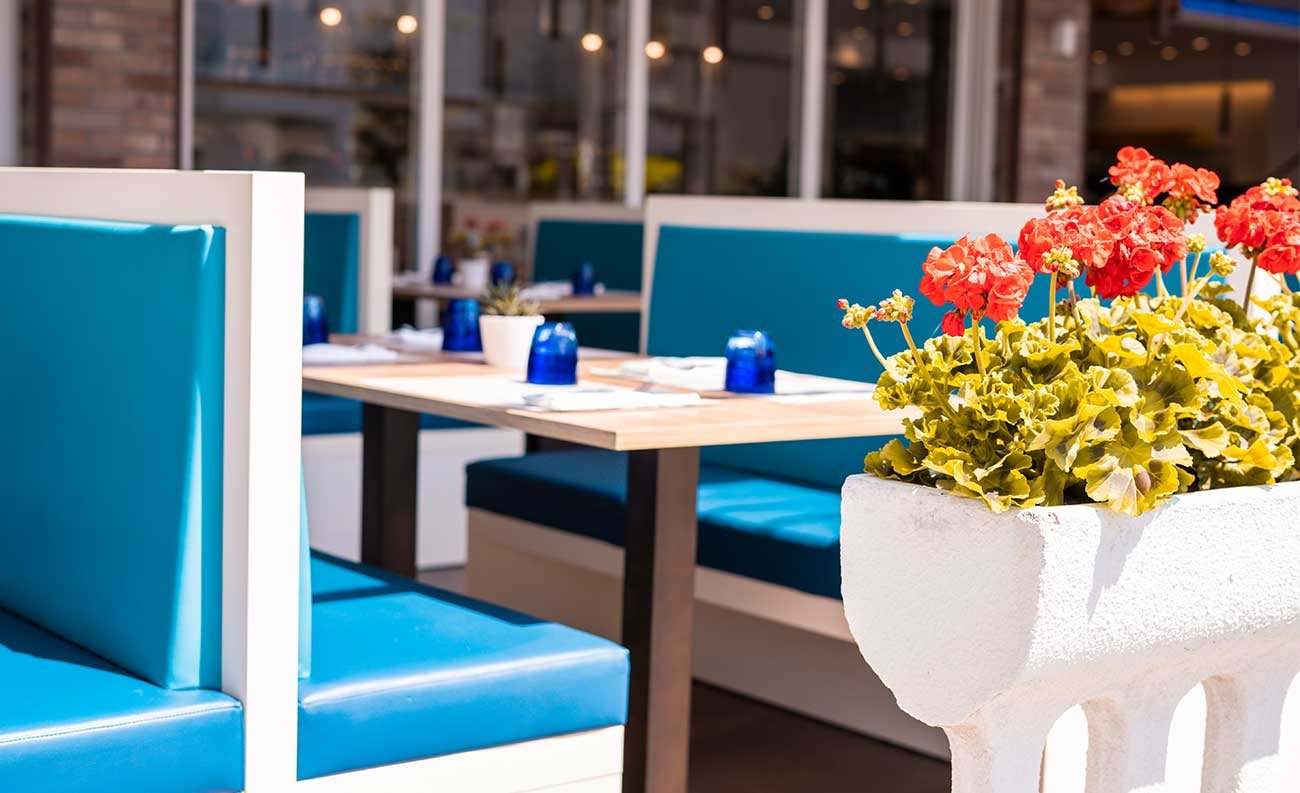
Bibione and the Adriatic Seafood Tradition
The northeastern Adriatic coastline between the Venetian lagoon and the Friulian border has produced one of Italy's most coherent regional seafood cultures. Bibione sits within that corridor, a resort town that draws summer visitors from across Central Europe but retains, beneath its beach-holiday surface, a genuine fishing-port relationship with the sea. The catch that moves through this stretch of coastline, from canoce (mantis shrimp) and moeche (soft-shell crab, in season) to the branzino and orata raised in the brackish lagoon systems nearby, defines what honest kitchens here actually cook. That relationship between place and plate is the frame through which a restaurant like Blu Marino, positioned on Via Marte at the quieter western end of town, makes most sense.
This part of the Veneto has never chased the kind of fine-dining recognition that accumulates at places like Dal Pescatore in Runate or Le Calandre in Rubano. Coastal Bibione operates on different terms: the benchmarks here are freshness, simplicity of preparation, and fidelity to what the lagoon delivers. Those criteria place its better restaurants in a separate comparable set from Italy's Michelin-decorated rooms, but they are not lesser criteria, just differently weighted ones.
What the Adriatic Coast Puts on the Plate
Understanding what makes Adriatic seafood cooking distinctive requires separating it from the broader category of Italian coastal cuisine. The northern Adriatic is shallower and cooler than the Tyrrhenian or Sicilian waters, which affects the texture and flavour profile of what it yields. Shellfish from these waters, particularly the vongole veraci (true clams) and cozze (mussels) farmed in the lagoon systems near Grado and the Po Delta, carry more salinity and mineral character than their southern equivalents. The cooking tradition responds to this with restraint: white wine, olive oil, parsley, and heat, allowing the ingredient itself to lead. Grilled fish served with minimal intervention, brodetto (fish stew) prepared in the Venetian rather than Adriatic-central manner, and risotto built from the cooking liquids of local shellfish are the dishes that define the regional register.
Italy's most awarded seafood kitchens, among them Uliassi in Senigallia and Quattro Passi in Marina del Cantone, have built their reputations by pushing this kind of material into technically complex, produce-led fine dining. Bibione's coastal restaurants, by contrast, largely stay closer to the trattoria register, where execution quality and sourcing honesty carry more weight than tasting-menu architecture. That is not a criticism of ambition; it reflects a different contract with the diner.
Blu Marino in Its Local Context
On Via Marte, Blu Marino sits in the part of Bibione that faces the sea without the density of the main resort strip. The address places it adjacent to the kind of dining that local families and long-stay visitors return to across successive summers, rather than the category of destination restaurants that draw single-visit pilgrims from other cities. In Italian resort culture, that distinction matters: the restaurants that survive and accumulate repeat custom in towns like Bibione do so through consistency across seasons, not through novelty.
The Adriatic resort circuit has several operations in this mould. Ai Casoni and Atmosphera represent other points on Bibione's local dining spectrum, with each positioned differently relative to price, formality, and the degree to which they track the resort visitor versus a more settled local clientele.
The Broader Italian Seafood Frame
Placing Bibione's coastal dining inside Italy's larger seafood narrative helps calibrate expectations for visitors arriving from other parts of the country or from international contexts where Italian seafood means something more theatrical. The kitchens at Enrico Bartolini in Milan or Osteria Francescana in Modena operate at a register of technical ambition that has little to do with what a well-run coastal trattoria in Bibione attempts. The comparison is not useful for judging quality; it is useful for understanding category. The relevant international comparison point might be somewhere closer to Le Bernardin in New York City in principle, if not in register: both represent a conviction that the fish itself, sourced with care, should be the central fact of the meal.
Italy's mountain-to-sea creative tradition, represented at the high end by places like Atelier Moessmer Norbert Niederkofler in Brunico or Reale in Castel di Sangro, and by Venetian-adjacent fine dining at Casa Perbellini 12 Apostoli in Verona or Enoteca Pinchiorri in Florence, informs the cultural environment around Bibione even if the town itself sits well below that tier. The broader Italian dining culture that produced Piazza Duomo in Alba, Da Vittorio in Brusaporto, and Villa Crespi in Orta San Giulio is the same culture that values, at every level of the market, the idea that regional ingredient identity should be legible in what reaches the table. Coastal Veneto dining at the trattoria level is a direct expression of that value.
For visitors whose frame of reference includes American coastal dining at the level of Lazy Bear in San Francisco, the shift to a northern Adriatic seafood restaurant involves adjusting expectations away from tasting-menu architecture and toward a shorter, more direct relationship between the catch and the plate. That adjustment is part of what the format offers.
Planning Your Visit
Bibione operates on a pronounced seasonal rhythm, with the town's restaurants fully open from late spring through September and many operating reduced hours or closing entirely outside those months. Via Marte is accessible from the town centre on foot, and the surrounding area is navigable by bicycle, which is the practical transport mode for most of Bibione's geography. The restaurant takes reservations, and its hours run Monday through Sunday from 11 AM to 2:30 PM and 6 PM to 11 PM.
A Pricing-First Comparison
Comparable venues nearby, for context on price, style, and recognition.
| Venue | Cuisine | Price | Notes |
|---|---|---|---|
| Blu MarinoThis venue — the venue you are viewing | Bibione, Italian Seafood | $$$ | Not listed |
| Atmosphera | Bibione, Italian Pizza and Seafood | $$ | Not listed |
| Ai Casoni | Not listed | $$$ | Bibione Pineda, Traditional Italian Seafood |
| Al Torcio | Not listed | $$$ | Jesolo, Traditional Venetian Seafood & Pizza |
| Ristorante Al Cavalluccio | Duino, Traditional Italian Seafood | $$$ | Not listed |
| FIVE | Not listed | $$$ | Porta Venezia, Contemporary Italian Mediterranean |
Continue exploring
More in Bibione
Restaurants in Bibione
Browse all →
Bars in Bibione
Browse all →

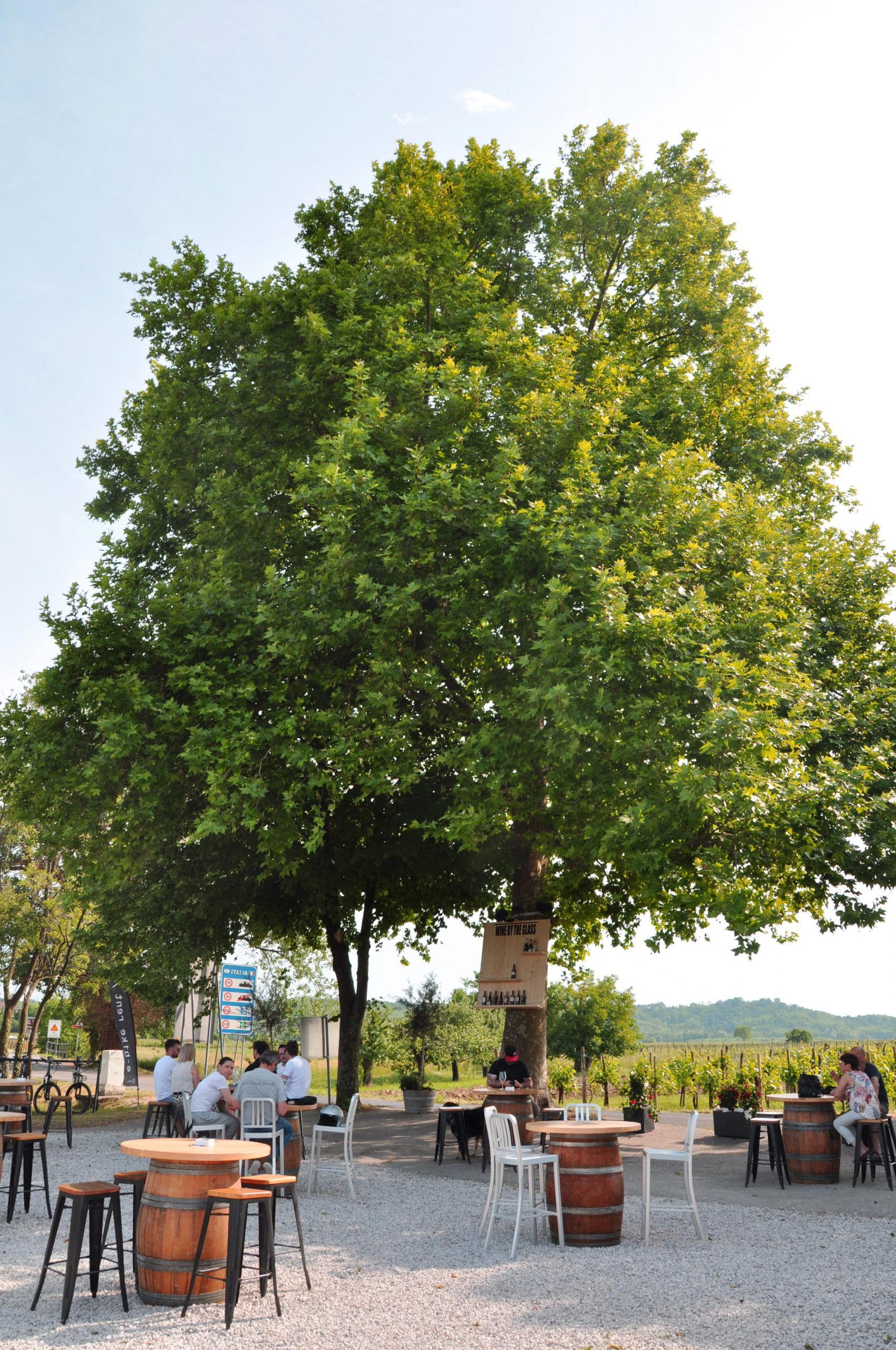
Hotels in Bibione
Browse all →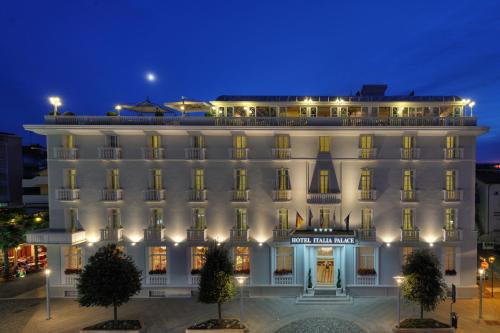
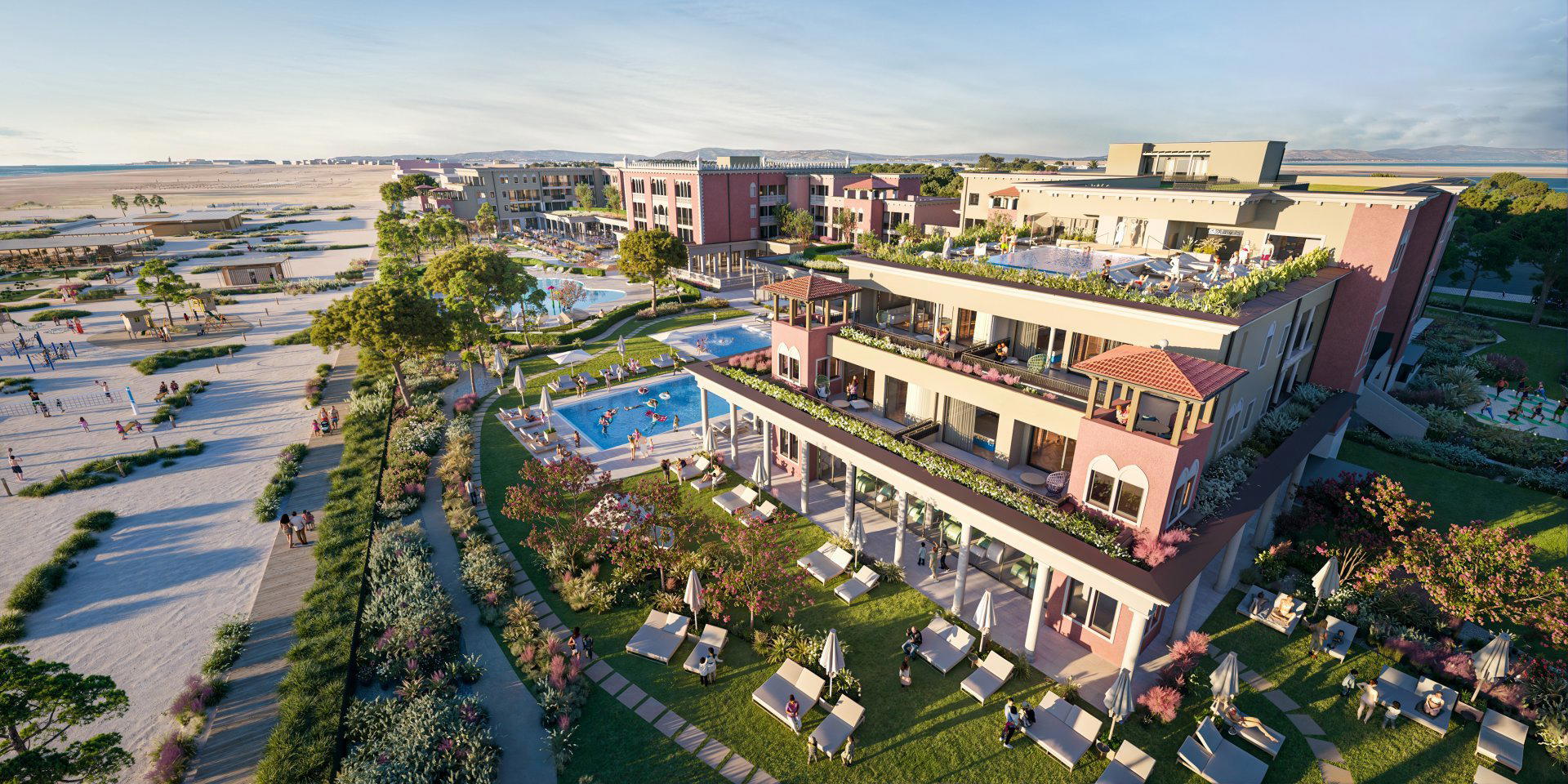
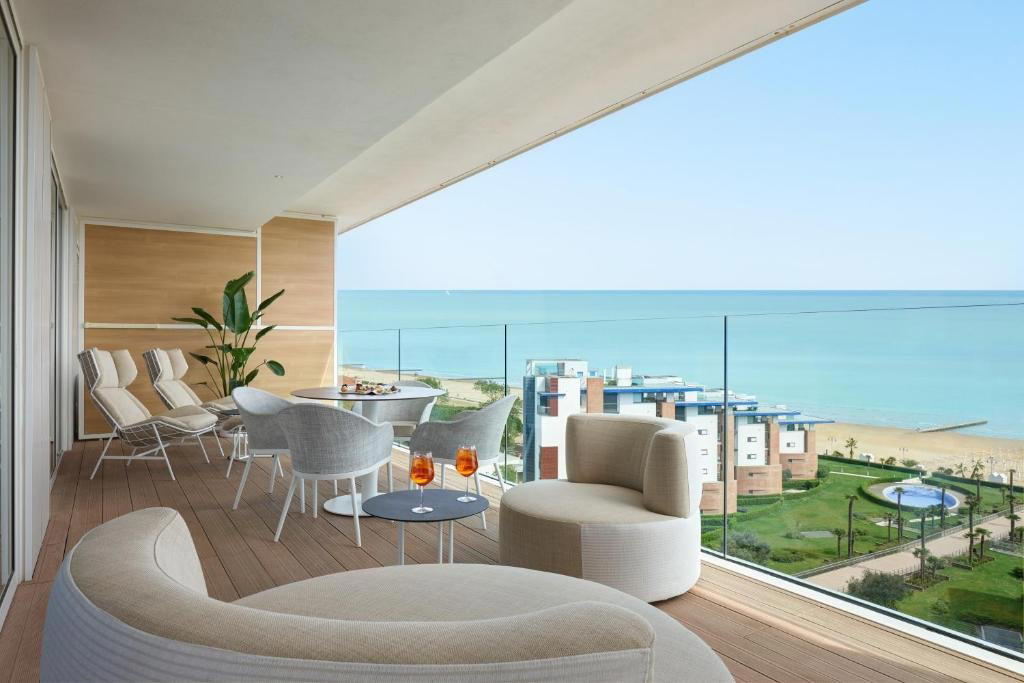

At a Glance
- Elegant
- Modern
- Cozy
- Family
- Date Night
- Open Kitchen
- Extensive Wine List
Current opening hours
- Monday
- 11 AM–2:30 PM, 6–11 PM
- Tuesday
- 11 AM–2:30 PM, 6–11 PM
- Wednesday
- 11 AM–2:30 PM, 6–11 PM
- Thursday
- 11 AM–2:30 PM, 6–11 PM
- Friday
- 11 AM–2:30 PM, 6–11 PM
- Saturday
- 11 AM–2:30 PM, 6–11 PM
- Sunday
- 11 AM–2:30 PM, 6–11 PM
Hours can change for holidays and private events. Last verified .
Familiar and elegant atmosphere with large spaces, modern striking design in blue and white sea-inspired tones, bright and pleasant.