Ai Casoni sits along the lagoon edge of Bibione Pineda, where the Venetian coast's fishing tradition still shapes what reaches the table. The address on Via della Laguna signals its orientation: toward the water, the seasonal catch, and the kind of ingredient-led cooking that the northern Adriatic has produced for generations. For visitors working through Bibione's dining options, it belongs in the first conversation.
Pearl is the En Primeur Club membership app — saves, bookings, and concierge access live there. Same editors, same standards.
- Address
- Via della Laguna, 14, 30020 Bibione Pineda VE, Italy
- Phone
- +39 0431 438556
- Website
- ristoranteaicasoni.it
- Directions
- Get directions
 Saves & bookings on Pearl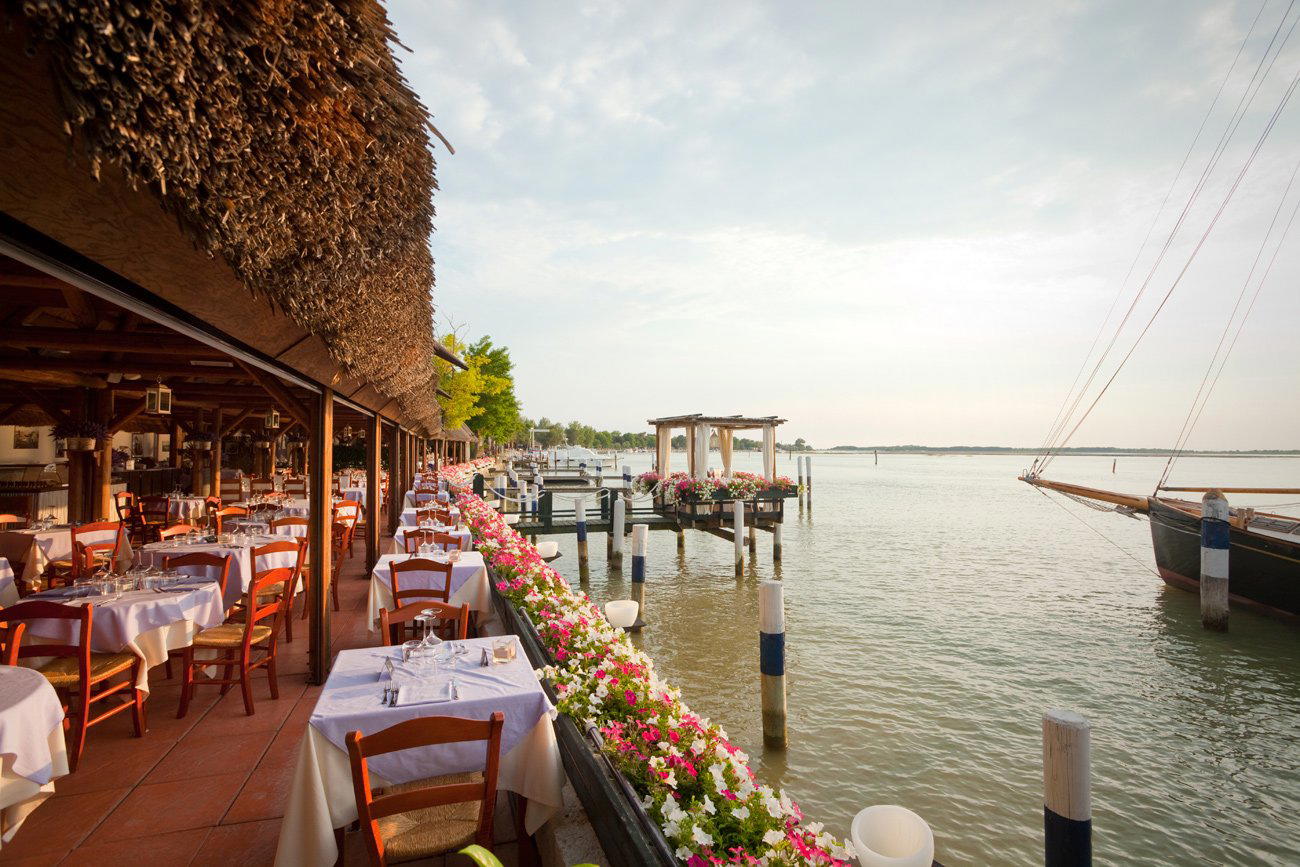
Where the Lagoon Becomes the Menu
The northern Adriatic coast between Venice and Trieste operates on a logic that the rest of Italy's fine dining circuit rarely replicates. Here, proximity to the lagoon is not a marketing point, it is a structural fact that determines what cooks have to work with. Via della Laguna, the address that anchors Ai Casoni within Bibione Pineda, names that relationship directly. The road runs along the boundary between the resort town and the brackish water system that feeds into the Adriatic, and the restaurants positioned along it have historically drawn from both: the lagoon's shellfish, eel, and mullet on one side; the open sea's bream, sole, and cephalopods on the other.
Bibione itself is a Venetian coast resort that operates on a different register from the more publicised destinations further south. Absent from most international restaurant coverage, it functions primarily as a destination for northern Italian and central European visitors who return seasonally, building familiarity with individual restaurants over years rather than single trips. That loyalty cycle shapes what local establishments can offer: a kitchen that knows its regular customers can afford to be more ingredient-focused and less trend-chasing than one that relies on first-time tourists.
The Ingredient Logic of the Northern Adriatic
Italian coastal cooking is often reduced, in international coverage, to a single arc from Liguria down to Sicily. The northern Adriatic tells a different story. The lagoon systems around Venice and along the Veneto coast produce ingredients with specific characteristics: vongole verace that grow slower in cooler, less saline water; canestrelli (small scallops) harvested from the sandy seabed between Bibione and Caorle; branzino and orata raised or caught in conditions that differ meaningfully from the warmer Tyrrhenian. These distinctions matter to a kitchen that sources regionally, and they are the reason that restaurants in this corridor occupy a different culinary register from, say, the Amalfi coast operations like Quattro Passi in Marina del Cantone.
The broader northeast Italian culinary tradition adds another layer. Veneto cooking sits at a crossroads: it shares the seafood orientation of the Adriatic coast, but its land-facing side draws from a larder that includes white asparagus from Bassano del Grappa, radicchio from Treviso, and the rice culture of the Po delta. Restaurants that cook within this tradition have access to one of the more varied ingredient palettes in the country, and strong examples among them use proximity as their primary selection criterion.
For comparison against the upper tier of Italian seafood-focused creative cooking, Uliassi in Senigallia on the Adriatic's central coast represents what the format can reach at its most decorated level. Further north, Atelier Moessmer Norbert Niederkofler in Brunico has built a reputation around the Alps-to-table sourcing logic that parallels, in a mountain context, what the leading lagoon-side restaurants attempt with water-sourced ingredients. Neither is a direct peer to a Bibione Pineda neighbourhood restaurant, but they frame what ingredient-led cooking looks like when the sourcing argument is pushed to its furthest conclusion.
Bibione Pineda in Context
Bibione divides into two zones: the main resort centre to the west and Bibione Pineda to the east, the latter characterised by lower density, more pine forest, and a quieter residential character. Via della Laguna runs through Pineda, and the restaurants along it draw a clientele that tends to seek a slower pace than the central beachfront. This is relevant to how an evening at Ai Casoni is likely to feel: the surrounding geography tilts toward the unhurried rather than the animated.
For those staying in Bibione and wanting to map the full dining range, Atmosphera and Blu Marino represent two other reference points in the local scene, each with its own positioning within the coastal offer. Our full Bibione restaurants guide covers the complete picture for visitors planning across multiple nights.
Italian Coastal Cooking Beyond Bibione
The northeastern Adriatic sits within a broader Italian culinary geography worth understanding for anyone moving between destinations. The lagoon-influenced cooking of the Veneto connects southward to the Emilia-Romagna coast and westward to the lake regions and Lombardy. Restaurants like Dal Pescatore in Runate and Le Calandre in Rubano operate within the broader Po Valley tradition that borders this coastal region, while Casa Perbellini 12 Apostoli in Verona anchors the Veneto's urban fine dining end. Moving further into Italy's decorated restaurant tier, Osteria Francescana in Modena, Enoteca Pinchiorri in Florence, Enrico Bartolini in Milan, Da Vittorio in Brusaporto, Villa Crespi in Orta San Giulio, Piazza Duomo in Alba, and Reale in Castel di Sangro represent the national reference points against which regional cooking is ultimately measured. Internationally, Le Bernardin in New York City and Lazy Bear in San Francisco show how the ingredient-first, seafood-centred argument plays out in other high-level contexts.
Planning a Visit
Ai Casoni is located at Via della Laguna, 14, in Bibione Pineda, the quieter eastern section of the resort. Visitors arriving by car will find Pineda accessible from the main SP42 road into Bibione, with Via della Laguna running along the lagoon margin. Given that Bibione operates heavily on seasonal rhythms, with peak activity between June and August and significantly reduced operation in the shoulder and off-season months, confirming opening dates and hours directly before travelling is practical advice rather than a precaution. Specific booking details and current hours should be checked with the venue ahead of any visit.
In Context: Similar Options
Comparable venues nearby, for context on price, style, and recognition.
| Venue | Cuisine | Price | Notes |
|---|---|---|---|
| Ai CasoniThis venue — the venue you are viewing | Traditional Italian Seafood | $$$ | Not listed |
| Blu Marino | Italian Seafood | $$$ | Bibione |
| Atmosphera | Italian Pizza and Seafood | $$ | Bibione |
| Laguna | Refined Italian Seafood | $$$ | Jesolo Lido |
| Ristorante Allo Storione | Traditional Friulian Osteria | $$$ | Prata di Pordenone |
| Alla Vedova | Traditional Friulian Trattoria | $$$ | .ud |
Continue exploring
More in Bibione
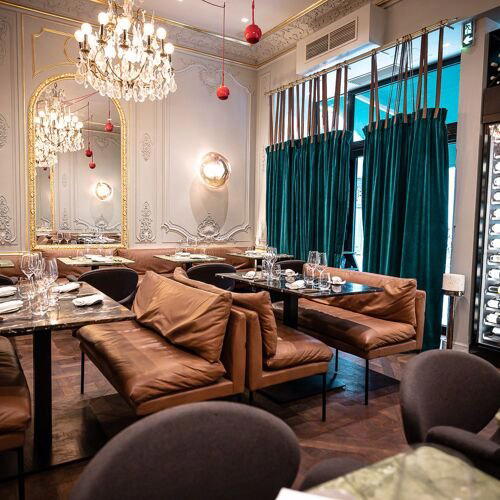
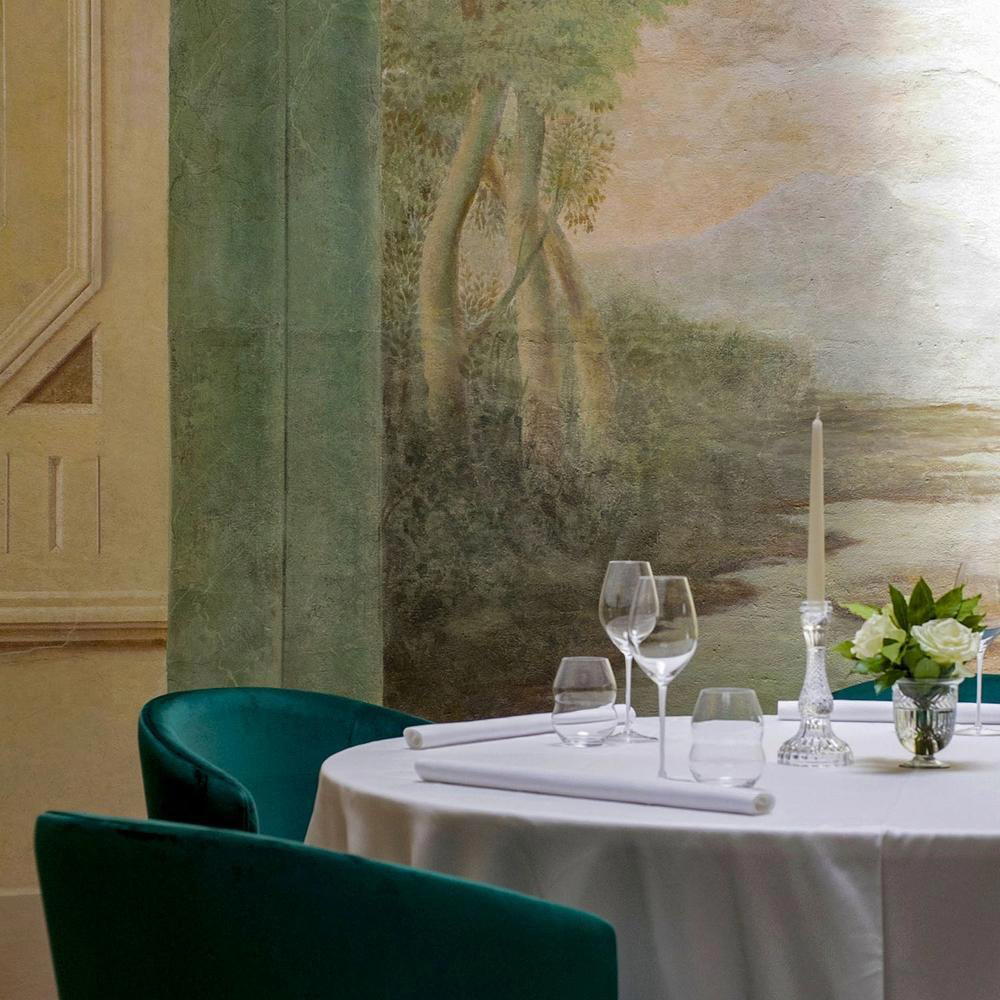
Restaurants in Bibione
Browse all →
Bars in Bibione
Browse all →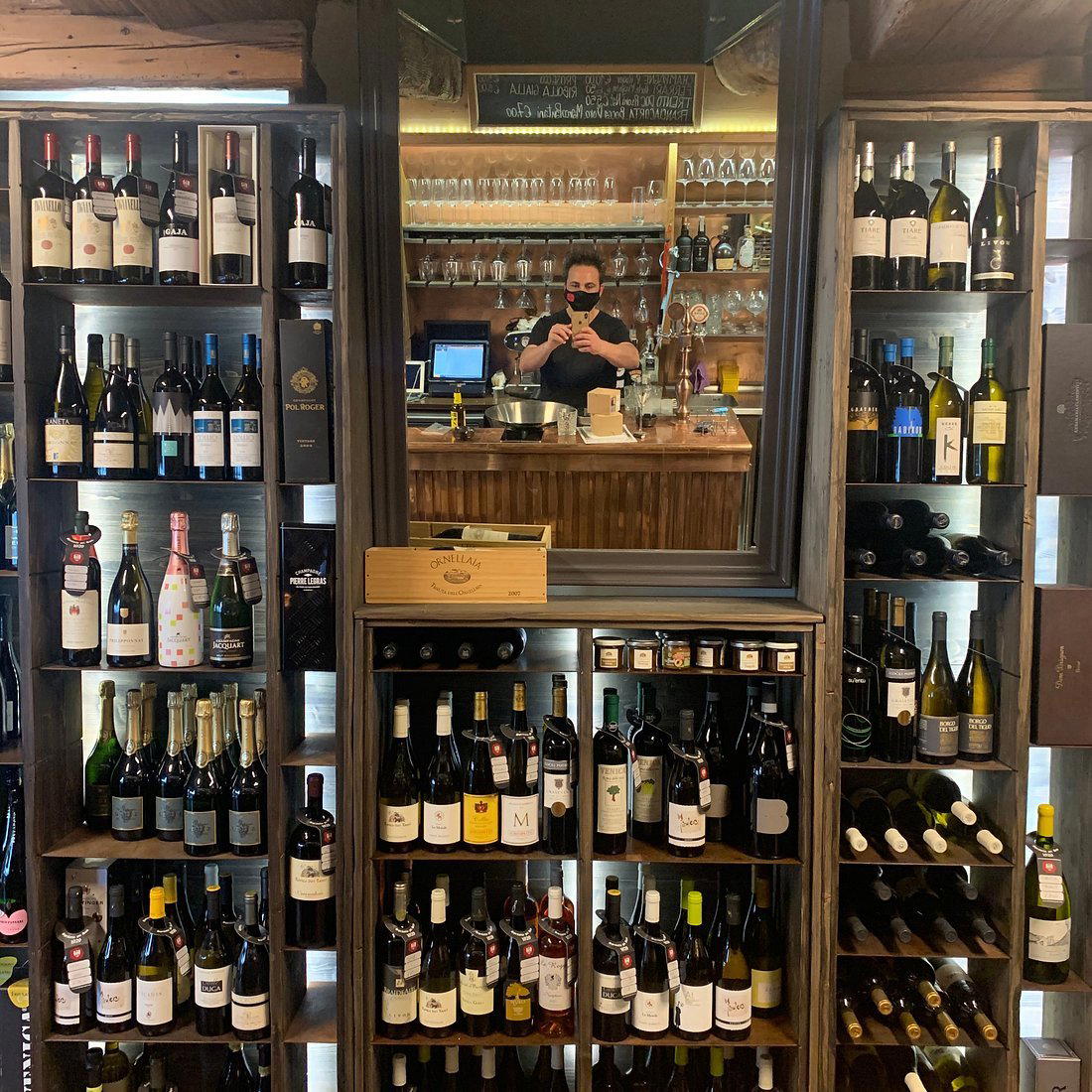
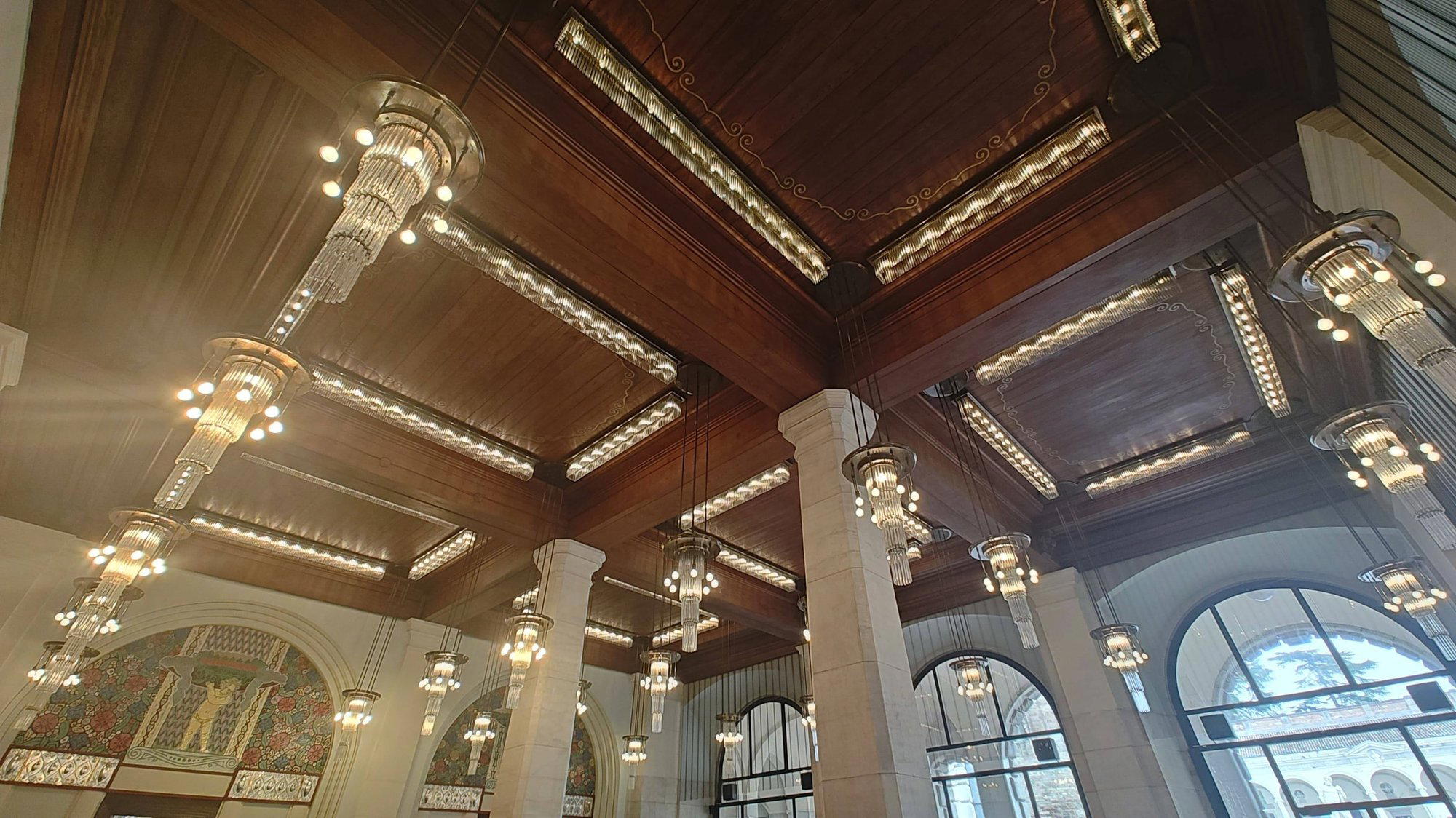
Hotels in Bibione
Browse all →
At a Glance
- Rustic
- Cozy
- Scenic
- Date Night
- Special Occasion
- Waterfront
- Terrace
- Extensive Wine List
- Local Sourcing
- Waterfront
Current opening hours
- Monday
- Closed
- Tuesday
- Closed
- Wednesday
- Closed
- Thursday
- 12–2:30 PM, 7–10:30 PM
- Friday
- 12–2:30 PM, 7–10:30 PM
- Saturday
- 12–2:30 PM, 7–10:30 PM
- Sunday
- 12–2:30 PM, 7–10:30 PM
Hours can change for holidays and private events. Last verified .
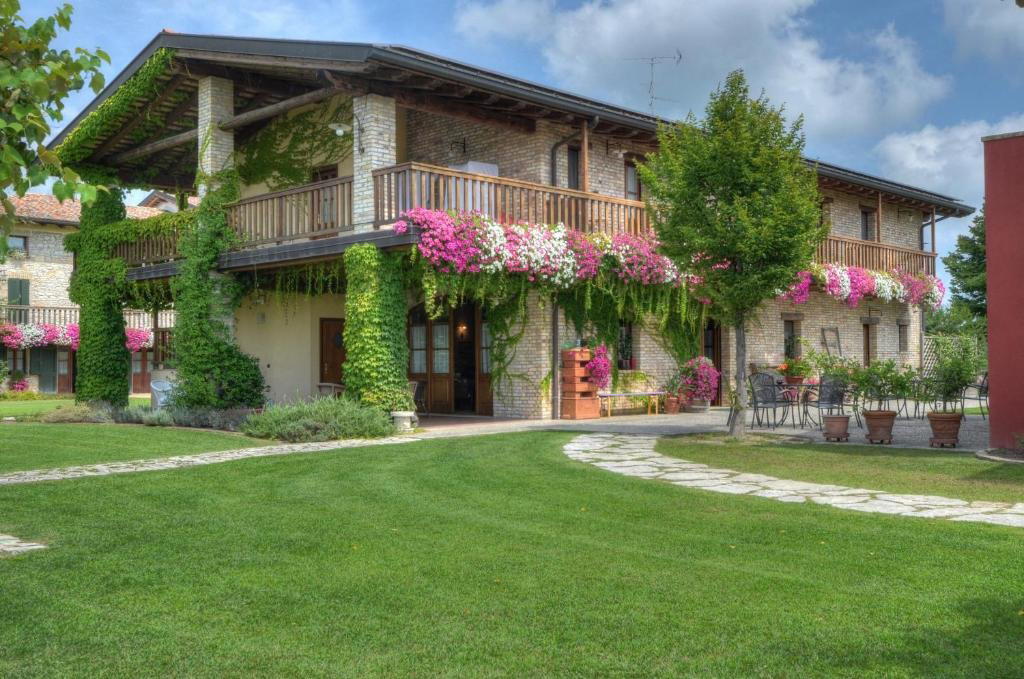
Atmospheric with rural charm, overlooking the lagoon, cozy evening vibes and scenic sunsets.