Blüchers Restaurant
Our verdict
Blüchers Restaurant occupies a lakeside estate address in Göhren-Lebbin, a corner of Mecklenburg that keeps fine dining at a deliberate remove from urban noise. The setting places it inside a small tier of German destination restaurants where the journey is part of the proposition, and where sourcing from the surrounding landscape shapes the kitchen's identity as much as any culinary technique.

Pearl is the En Primeur Club membership app, where members save venues, book tables and use the concierge.
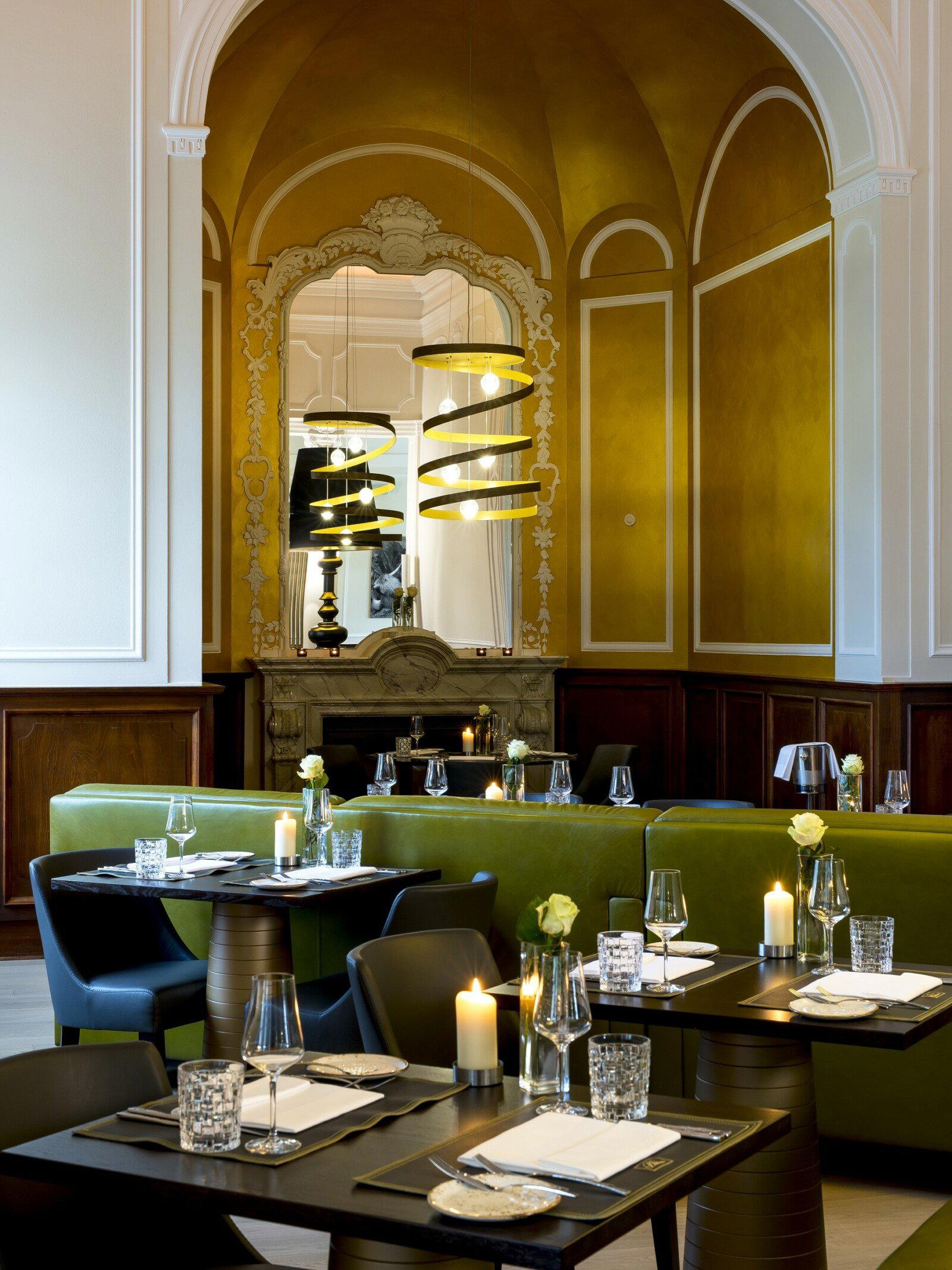
Where Mecklenburg's Lakes Meet the Plate
Germany's fine dining conversation gravitates, predictably, toward Munich, Berlin, and the Rhine wine corridor. Restaurants like Aqua in Wolfsburg or Vendôme in Bergisch Gladbach draw international visitors who treat the drive as part of the itinerary. Göhren-Lebbin follows a different logic. The town sits within the Mecklenburg Lake District, a stretch of post-glacial water and forest that covers the northeastern interior and remains, by German standards, genuinely remote. Getting there requires commitment: the nearest rail hub is Waren an der Müritz, and most guests arrive by car, often staying overnight at the schloss estate that anchors the address at Schlossstraße 1. That physical isolation is not incidental. It shapes what a kitchen here can credibly do and what sourcing choices become available when the surrounding region is the larder.
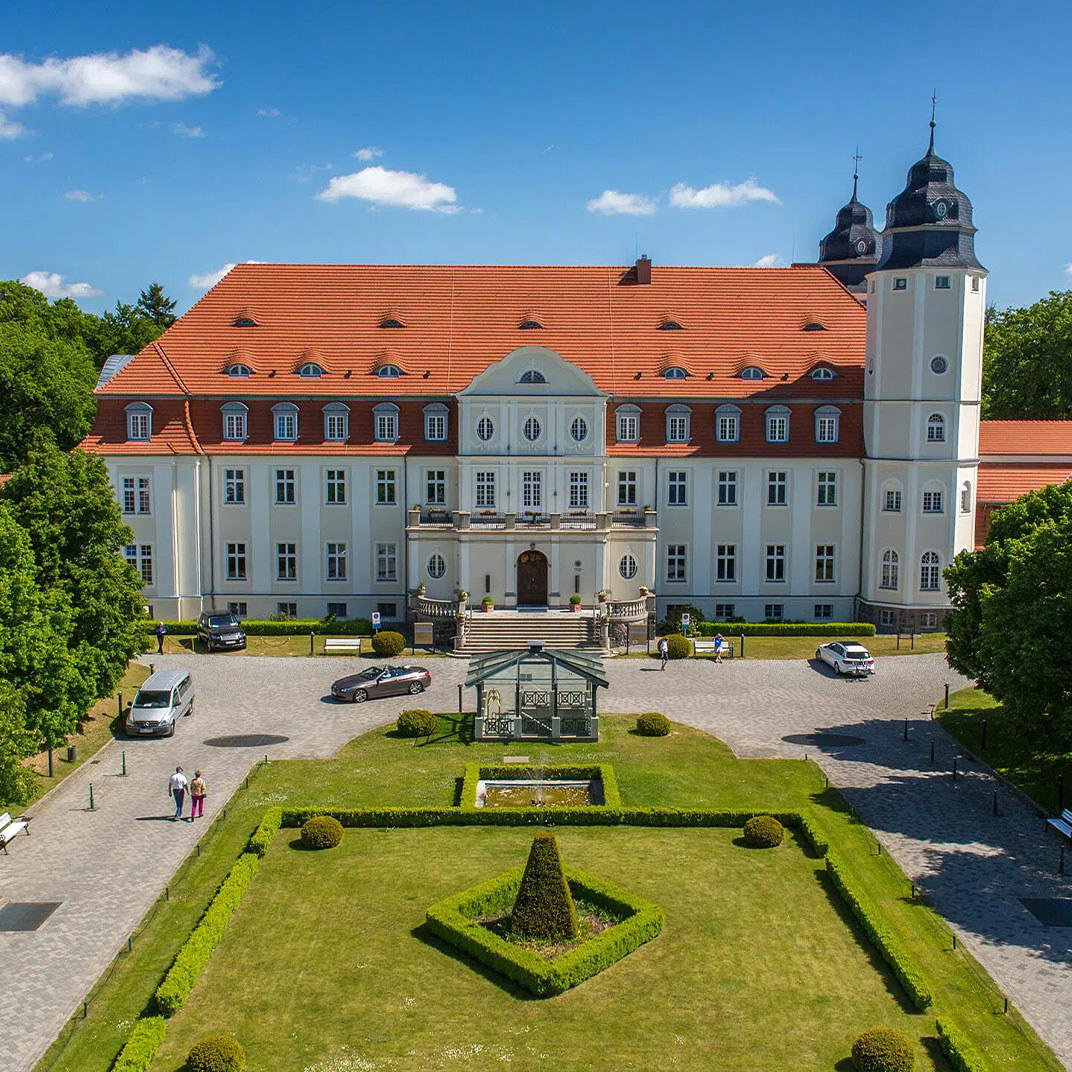
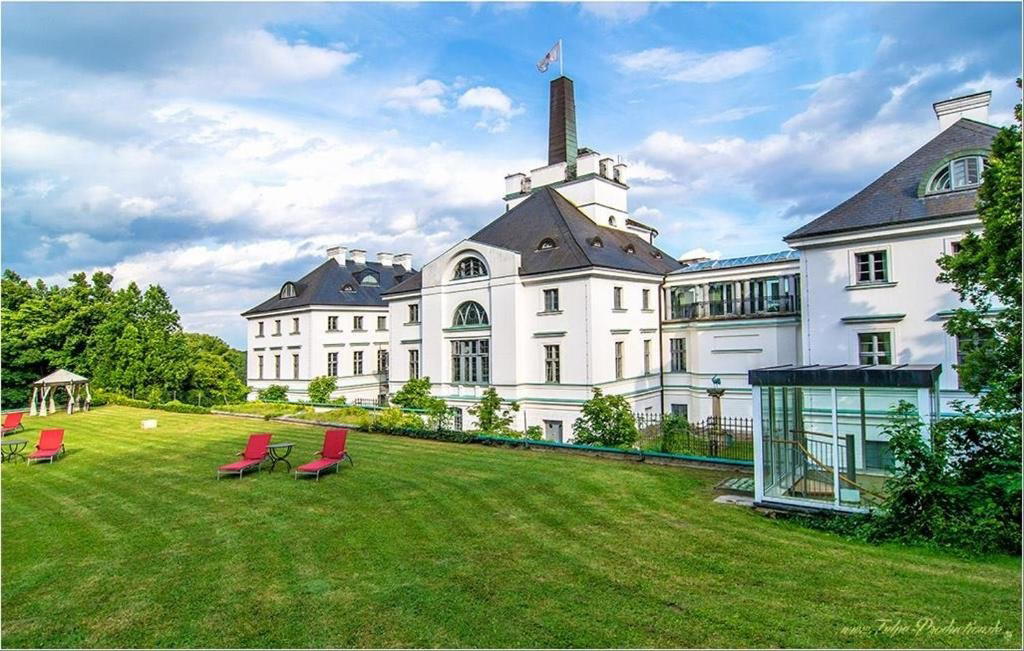
Blüchers Restaurant operates within this context, in a setting where the architecture and the water read before the menu does. The estate approach to fine dining, common in France and gaining ground across northern Germany, places the meal inside a broader experience of place. Arriving at a schloss in the lake district, the landscape pushes back against the idea that a great dinner requires a city postcode. For the broader category of destination dining, that argument is worth taking seriously.
Ingredient Geography: Why the Lake District Matters
Mecklenburg's food identity has always been shaped by its geography rather than its urban density. The region produces freshwater fish from the Müritz and surrounding lakes, game from the forests between the water bodies, and agricultural produce from the flat, fertile land that separates the lake chains. These are not abstract talking points. They represent a sourcing logic that urban kitchens in Hamburg or Frankfurt have to manufacture through supplier relationships; here, the supply chain is the immediate environment.
German kitchens at the ambitious end of the market have increasingly leaned into regional sourcing as a differentiating position, partly in response to the dominance of French-trained techniques and partly because the Neue Deutsche Küche movement has created critical appetite for authentically regional plates. Schwarzwaldstube in Baiersbronn works within a forest ecosystem that defines its ingredient list; ES:SENZ in Grassau does the same in the Alpine foothills. The lake district presents a different pantry, one weighted toward pike-perch, eel, crayfish, and the seasonal game that Mecklenburg's hunting estates have supplied for generations. A kitchen positioned at this address, on a schloss estate surrounded by that ecosystem, has access to ingredients that do not travel well and are, for that reason, rarely seen at the same level of preparation elsewhere.
That specificity of place is precisely what distinguishes destination restaurants in low-density regions from their urban counterparts. When Waldhotel Sonnora in Dreis or Schanz in Piesport build menus around their immediate Eifel or Moselle geography, the result is a coherence of place that tasting menus in metropolitan hotels rarely achieve. The ingredient and the address reinforce each other. Göhren-Lebbin offers that same opportunity, in a corner of Germany where the raw materials are distinctive and the competition for them is thin.
The Estate Dining Format and What It Demands
Schloss-adjacent restaurants occupy a specific format category in German hospitality. The setting implies ceremony, length, and deliberate pacing. Guests who have made the journey, often a multi-hour drive from Hamburg or Berlin, are not arriving for a quick table. The estate format, at its strongest, asks the kitchen to justify the distance: the meal needs to deliver something that the urban circuit cannot replicate. This is where ingredient sourcing and place specificity become functional rather than decorative. A pike-perch from the Müritz, prepared with the discipline of a kitchen that has earned its reputation, answers the question of why someone drove two hours from the coast.
For comparison, consider how German destination restaurants across different price tiers and geographies have handled this brief. JAN in Munich and CODA Dessert Dining in Berlin operate in urban environments where the dining itself is the draw; the journey is short. Victor's Fine Dining by Christian Bau in Perl and GästeHaus Klaus Erfort in Saarbrücken sit at the southwestern edge of Germany, where the French border adds a cross-cultural dimension. Göhren-Lebbin's proposition is different again: northern, forested, lacustrine, and far from any wine region, which means the kitchen's ingredient story has to carry more weight than the cellar can share.
Planning a Visit to Blüchers
Göhren-Lebbin is leading reached by car from Rostock (roughly 90 minutes southwest), from Hamburg (approximately two and a half hours east), or from Berlin (around two hours northwest). The schloss estate offers accommodation, which makes an overnight stay the practical choice for anyone coming from a distance. Booking the restaurant in advance is advisable for any stay, particularly during the warmer months when the lake district draws visitors across Mecklenburg and the surrounding states. The region's short, intense summer season, running from late May through August, concentrates demand on a relatively small number of high-quality properties. Autumn brings game season, which historically represents a significant period for kitchens working with regional forest and estate sourcing in northern Germany.
For those building a broader itinerary around German destination dining, Göhren-Lebbin pairs logically with a northern loop that might include Restaurant Haerlin in Hamburg or Jante in Hanover before heading into the lake district. For international context on estate-format destination dining, Le Bernardin in New York City and Lazy Bear in San Francisco represent the American end of the same conversation about place-driven, format-disciplined restaurants that ask something of their guests before the first course arrives. Our full Göhren-Lebbin restaurants guide covers the wider dining picture for anyone spending more than one night in the region.
Two other restaurants that illustrate the German regional-sourcing spectrum: Bagatelle in Trier works along the Moselle with a French-inflected sensibility, while L.A. Jordan in Deidesheim anchors itself firmly in the Palatinate wine country. Ösch Noir in Donaueschingen takes the Black Forest estate format to its most architectural extreme. Each operates within a distinct regional logic. Göhren-Lebbin's is water, forest, and the particular quietness of northeastern Germany in season.
Frequently asked questions
Is Blüchers Restaurant child-friendly?
Blüchers occupies a schloss-adjacent setting at Schlossstraße 1, a format associated with deliberate pacing and ceremonial service in German hospitality. That context suits adults and older children comfortable with a slower, more formal meal rather than families with young children expecting casual flexibility. If travelling with younger guests, confirming the venue's approach directly before booking is advisable.
Is Blüchers Restaurant better for a quiet night or a lively one?
The estate dining format at Göhren-Lebbin lends itself to quiet, drawn-out evenings rather than animated, high-energy ones. Schloss-adjacent restaurants in Germany are built around ceremony and pacing, which makes Blüchers a stronger choice for celebratory dinners, private occasions, or conversations that benefit from unhurried surroundings.
Is Blüchers Restaurant a good dining destination for visitors staying outside Göhren-Lebbin?
Göhren-Lebbin sits roughly 90 minutes southwest of Rostock and approximately two and a half hours from Hamburg, making Blüchers at Schlossstraße 1 a realistic destination in its own right rather than a convenient stopover. The estate setting and Mecklenburg lake district surroundings give the visit a geography-led logic: the drive and the meal reinforce each other. Guests coming specifically for the restaurant rather than combining it with local accommodation should factor in return travel time when planning the evening.
What should I eat at Blüchers Restaurant?
Mecklenburg's food identity is shaped by its geography, and the region's lakes supply freshwater fish that figure prominently in local cooking traditions. At an estate restaurant in Göhren-Lebbin, dishes rooted in that regional produce represent the most contextually grounded choice. Specific current menu items are best confirmed with the restaurant directly before your visit.
Where exactly is Blüchers Restaurant?
Blüchers Restaurant is located at Schlossstraße 1, 17213 Göhren-Lebbin, Germany, Gohren Lebbin.
Should I book Blüchers Restaurant in advance?
Estate restaurants in smaller German destinations like Göhren-Lebbin draw guests from Rostock, Hamburg, and Berlin, often as a destination visit rather than a casual drop-in. That demand pattern, combined with the formal format at Schlossstraße 1, makes advance reservation the safer approach, particularly on weekends or during the Mecklenburg summer season.
In Context: Similar Options
| Venue | Cuisine | Price | Awards | Notes |
|---|---|---|---|---|
| Blüchers RestaurantThis venue (the venue you are viewing) | Modern Regional Mecklenburger Cuisine | Not listed | Not listed | Not listed |
| Schwarzwaldstube | Modern French Fine Dining | $150–200 | 3 Michelin Stars · World's 50 Best #47 | French, Classic French |
| Aqua | Contemporary German, Italian/Japanese, Creative | Not listed | Michelin 3 Star | Not listed |
| Vendôme | Modern German Haute Cuisine | $200–300 | 2 Michelin Stars · World's 50 Best #47 | Modern European, Creative |
| CODA Dessert Dining | Dessert-Inspired Fine Dining | $200–300 | 2 Michelin Stars · World's 50 Best #82 | Creative |
| Tantris | Modern French Fine Dining | $300–500 | 2 Michelin Stars · World's 50 Best #73 | Modern French, French Contemporary |
Continue exploring
More in Gohren Lebbin
Restaurants in Gohren Lebbin
All restaurants in Gohren Lebbin →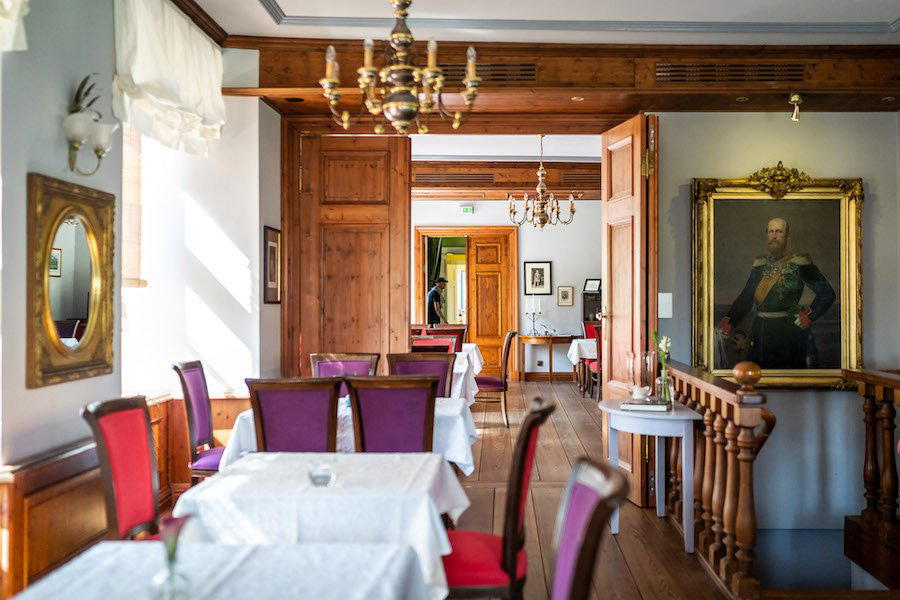
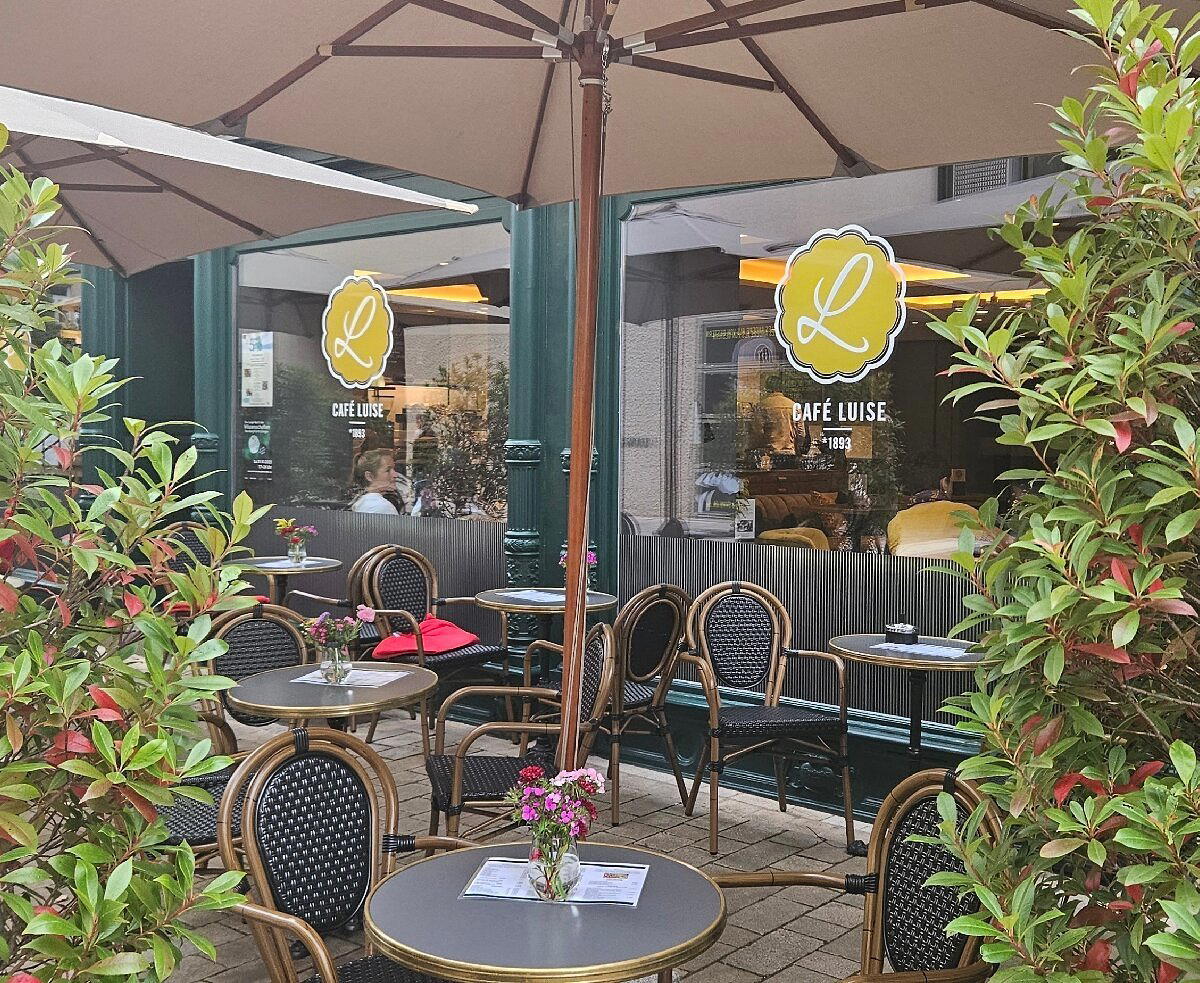
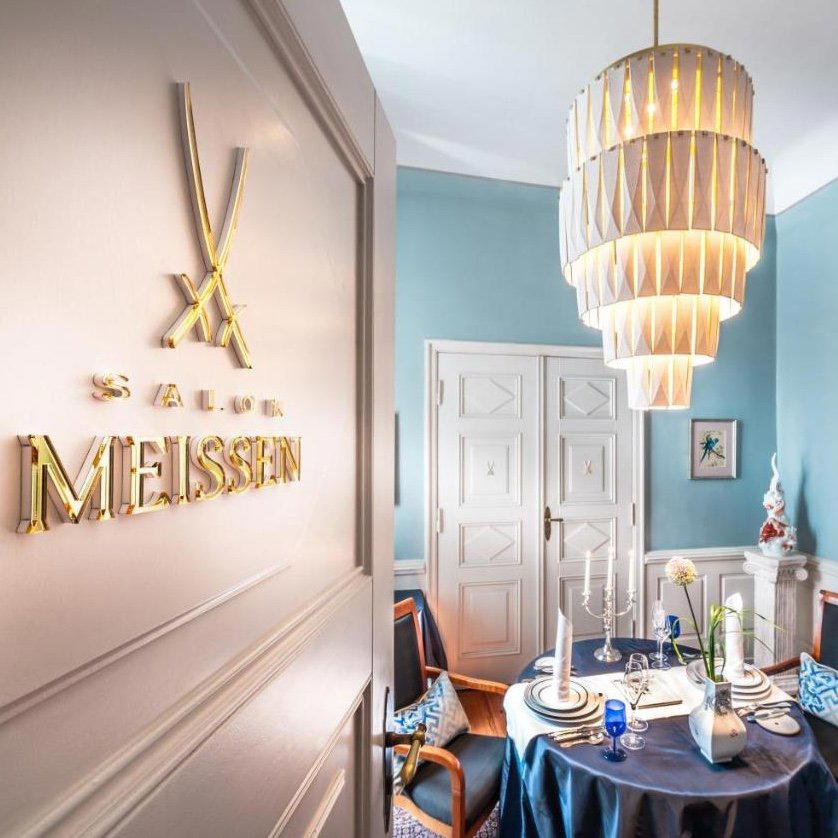
Details
- Elegant
- Sophisticated
- Cozy
- Date Night
- Special Occasion
- Historic Building
- Hotel Restaurant
- Extensive Wine List
- Local Sourcing
- Farm To Table
- A La Carte
Current opening hours
- Monday
- 8 AM–10 PM
- Tuesday
- 8 AM–10 PM
- Wednesday
- 8 AM–10 PM
- Thursday
- 8 AM–10 PM
- Friday
- 8 AM–10 PM
- Saturday
- 8 AM–10 PM
- Sunday
- 8 AM–10 PM
Hours can change for holidays and private events. Hours as of .
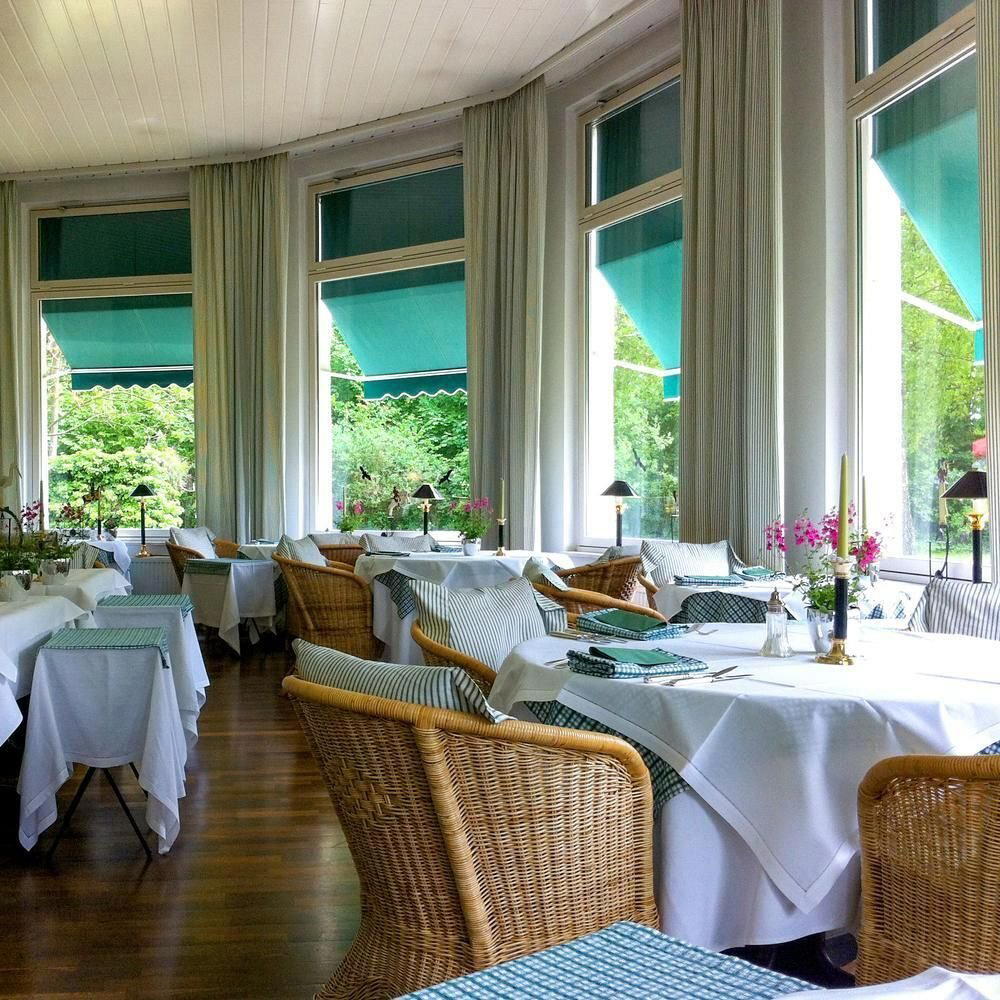
Soothing and exclusive atmosphere in the modernized historic castle chapel with refined, light-flooded design.