Wappen-Saal


Michelin Plate · Relais Chateaux Award
Our verdict
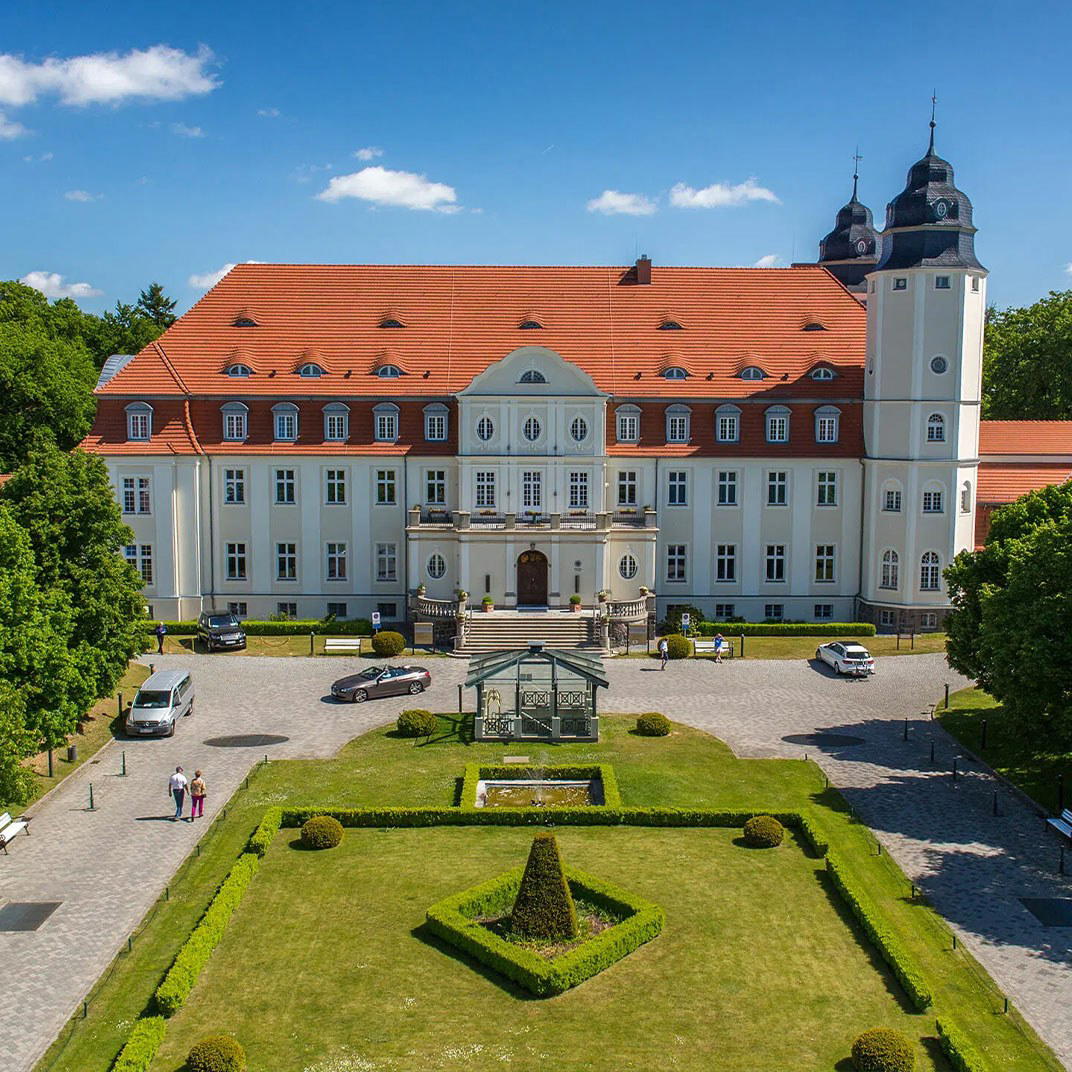
Wappen-Saal sits inside Burg Schlitz, an 18th-century castle in the Mecklenburg countryside, and operates as one of Germany's more distinctive Michelin Plate addresses. The setting — horses, grounds, and castle architecture — frames a meal that belongs firmly in the destination-dining tier.

Pearl is the En Primeur Club membership app — saves, bookings, and concierge access live there. Same editors, same standards.
- Address
- Burg Schlitz 2, 17166 Hohen Demzin, Germany
- Phone
- +49 3996 12700
- Hours
- Mon ClosedTue–Sat 7–9 p.m.Sun Closed
- Website
- burg-schlitz.de
- Directions
- Get directions
The menu
What to order
- Seared scallops with radish salad
- Pumpkin soup
- Quail
A Castle in the Fields: The Case for Rural Fine Dining in Mecklenburg
Germany's fine dining map has long been anchored in its cities and wine regions. The heavy concentration of Michelin-decorated restaurants in places like Munich, Hamburg, and the Moselle valley means that rural addresses carrying serious kitchen credentials tend to attract a different kind of attention — one built on destination intent rather than convenience. Burg Schlitz, the 18th-century castle complex that houses Wappen-Saal, sits in that category. Located in Hohen Demzin, roughly midway between Rostock and Berlin in the Mecklenburgische Seenplatte, it asks guests to commit to the journey before they commit to the meal. That commitment tends to concentrate the clientele. For those planning a broader trip to the region, our full Hohen Demzin restaurants guide maps the wider dining picture.
Classic Cuisine as a Discipline, Not a Default
Among Germany's top-tier restaurant addresses, the creative and boundary-pushing formats have attracted the most critical oxygen in recent years. CODA Dessert Dining in Berlin rebuilt what a tasting menu could mean structurally. Aqua in Wolfsburg fuses contemporary German cooking with Italian and Japanese references. Against that current, restaurants that hold to classic cuisine as their declared framework are making a more deliberate choice: technique-forward cooking grounded in European tradition, without the conceptual machinery that defines the avant-garde end of the spectrum.
Wappen-Saal under Chef Maik Albrecht positions itself in that classic register. The cuisine type is listed plainly — Classic Cuisine, and the kitchen earns its Michelin Plate recognition through execution rather than invention. At the €€€€ price tier, this sits alongside German addresses such as Schwarzwaldstube in Baiersbronn and Vendôme in Bergisch Gladbach in terms of pricing expectation, though the setting and regional context are distinct. For a European reference point on what sustained classic-cuisine ambition can look like at this price point, Maison Rostang in Paris offers a useful comparison.
Chef Maik Albrecht and the Classic Kitchen at This Level
The editorial angle around classic cuisine is, at its core, about the demands that format places on a chef. Without the license to experiment structurally or reframe familiar ingredients through unusual technique, the classic kitchen puts pressure squarely on sourcing precision, sauce work, timing, and the ability to read a room's expectations and meet them with confidence. At properties like Burg Schlitz, where the guest has often traveled specifically for the experience, and where the setting creates its own gravitational expectation, that pressure is higher than in a city restaurant where the diner may return next month on a whim.
Chef Albrecht holds the Michelin Plate in both the 2024 and 2025 guides, which signals consistent kitchen performance across consecutive inspection cycles rather than a single strong year. Consistency is the metric that matters most in the classic register: the Michelin Plate is a marker of quality cooking that reviewers found worth noting, awarded without the full star designation but meaningful as a barometer of reliable execution. Within the German Michelin frame, the Plate sits as a credible baseline across a competitive field that includes starred addresses from Schanz in Piesport to Restaurant Haerlin in Hamburg. That Wappen-Saal holds its Plate inside a rural castle, rather than an urban hotel dining room, says something about the seriousness of the kitchen's operation.
For comparable classic-register kitchens that have developed distinct identities within their regional settings, Waldhotel Sonnora in Dreis and Bagatelle in Trier provide useful points of reference. Among the newer generation working within structured fine dining formats in Germany, JAN in Munich and KOMU in Munich illustrate how the classic and neo-classic approaches are evolving in urban settings. The contrast with Wappen-Saal's rural estate model is instructive.
The Burg Schlitz Setting: What It Adds and What It Demands
Castle-estate dining in Germany occupies a particular niche. The setting provides atmosphere that no interior designer can replicate: centuries of architecture, grounds that change with the seasons, and a physical remove from the city that slows the tempo of a meal. At Burg Schlitz, the experience extends well beyond the restaurant. The property is explicitly positioned around country life, horseback riding, stag-hunting, family access, and the broader rhythms of an 18th-century estate in operation. This positions Wappen-Saal as a component within a larger stay rather than a standalone restaurant visit, and the kitchen's role is to anchor the culinary dimension of a multi-day trip.
That framing matters for how guests should approach the booking. This is not a high-volume urban address turning covers six nights a week; it functions on the logic of destination hospitality, where each table represents a guest who has already invested significantly in the journey. Guests planning to include the wider estate in their visit will find the Hohen Demzin hotels guide, bars guide, wineries guide, and experiences guide useful for building a complete itinerary in the region.
Timing, Access, and Planning
One concrete detail that shapes any visit plan: Wappen-Saal closes annually between 2 September and 20 September. Any traveler building an itinerary around the restaurant needs to account for this window. The property is in Hohen Demzin, Mecklenburg-Vorpommern, a region more associated with lakeside summer tourism than year-round fine dining traffic, which means the shoulder seasons of late spring and autumn tend to produce quieter, more considered visits. The address is neither easy to reach nor far from Rostock or Schwerin by car, and the surrounding Mecklenburgische Seenplatte provides significant scenic context for any multi-day stay. For addresses that share the destination-dining logic in less central German regions, ES:SENZ in Grassau and Victor's Fine Dining by Christian Bau in Perl are worth studying as models.
Frequently asked questions
Is Wappen-Saal more mid-range or high-end?
Pricing at Wappen-Saal is listed as €€€€.
What's Wappen-Saal's location?
Wappen-Saal is located at Burg Schlitz 2, 17166 Hohen Demzin, Germany, Hohen Demzin.
Side-by-Side Snapshot
| Venue | Cuisine | Price | Awards |
|---|---|---|---|
| Wappen-SaalThis venue — the venue you are viewing | Classic German Fine Dining | $150–200 | Michelin Plate · Relais Chateaux Award |
| Schwarzwaldstube | French, Classic French | Not listed | Michelin 3 Star |
| Aqua | Contemporary German, Italian/Japanese, Creative | Not listed | Michelin 3 Star |
| CODA Dessert Dining | Creative | Not listed | Michelin 2 Star |
| Tantris | Modern French, French Contemporary | Not listed | Michelin 2 Star |
| Vendôme | Modern European, Creative | Not listed | Michelin 2 Star |
Recognition history
Dated appearances from independent guides and award organizations, with the underlying list record or original source where available.
Michelin Plate
Michelin · 2026 Michelin Plate
Relais Chateaux Award
Relais Chateaux
Full recognition history (5 entries)
Michelin Plate
Michelin
Relais Chateaux Award
Relais Chateaux
Michelin Plate
Michelin
Continue exploring
More in Hohen Demzin
Restaurants in Hohen Demzin
Browse all →
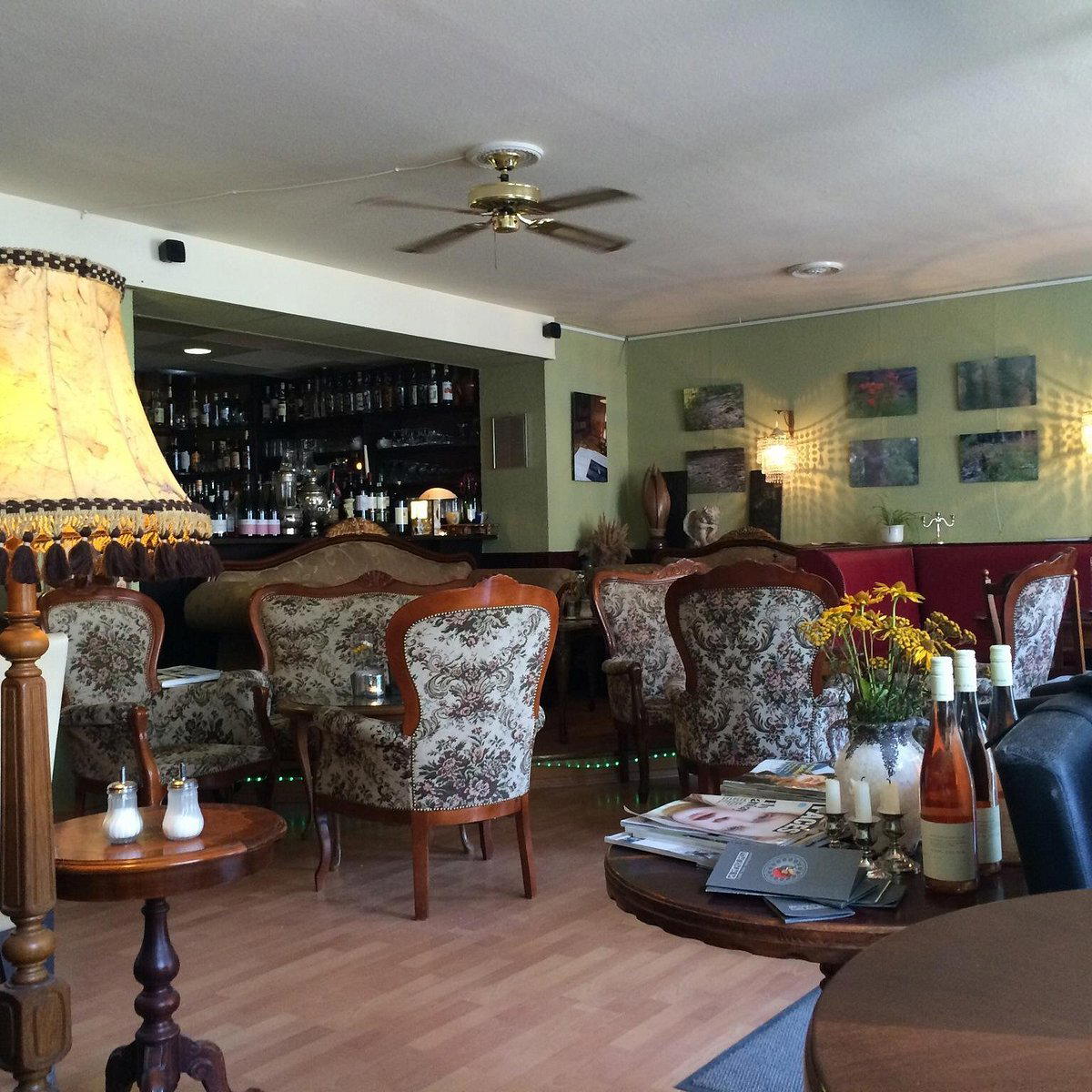
Bars in Hohen Demzin
Browse all →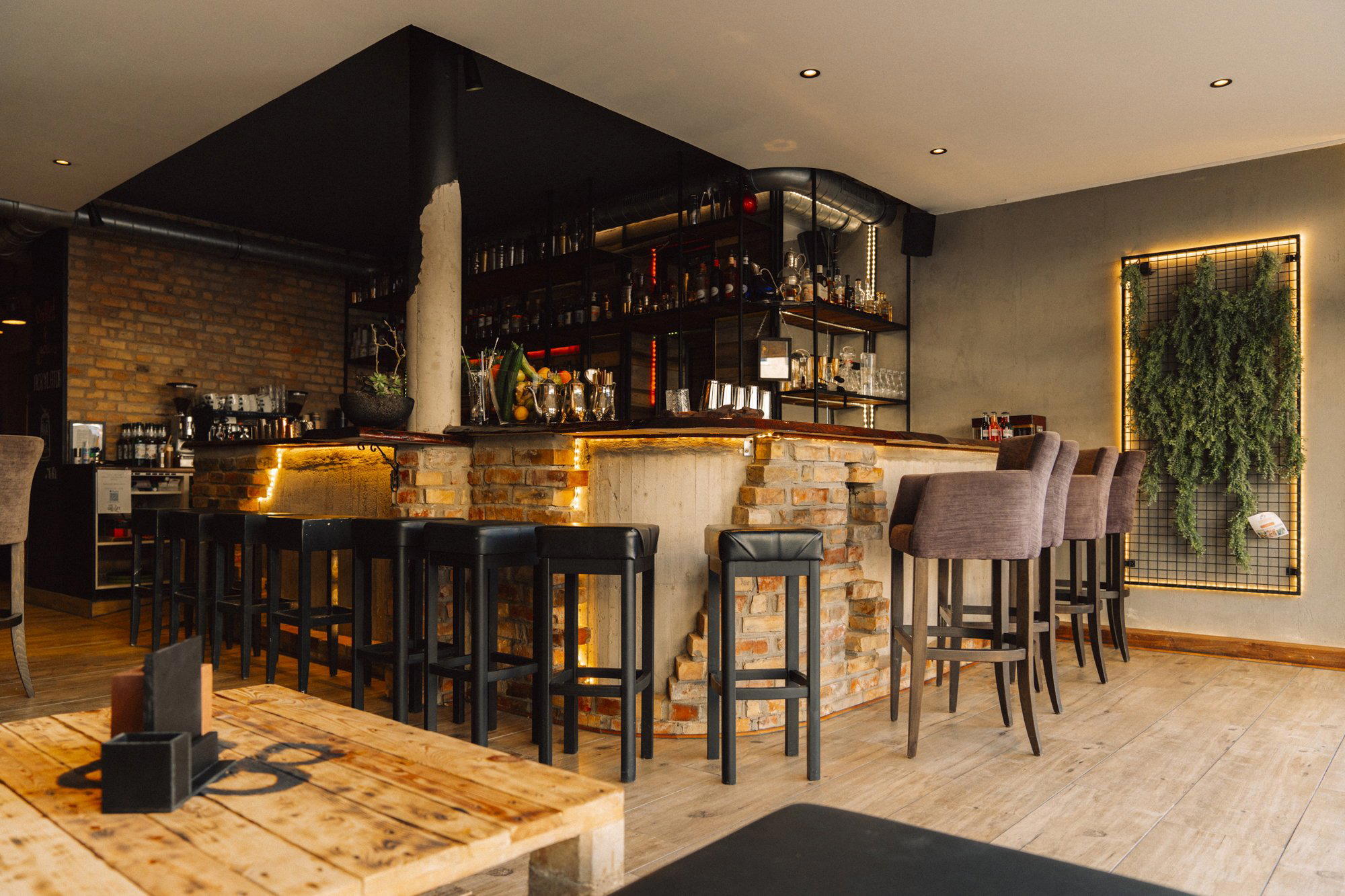
Hotels in Hohen Demzin
Browse all →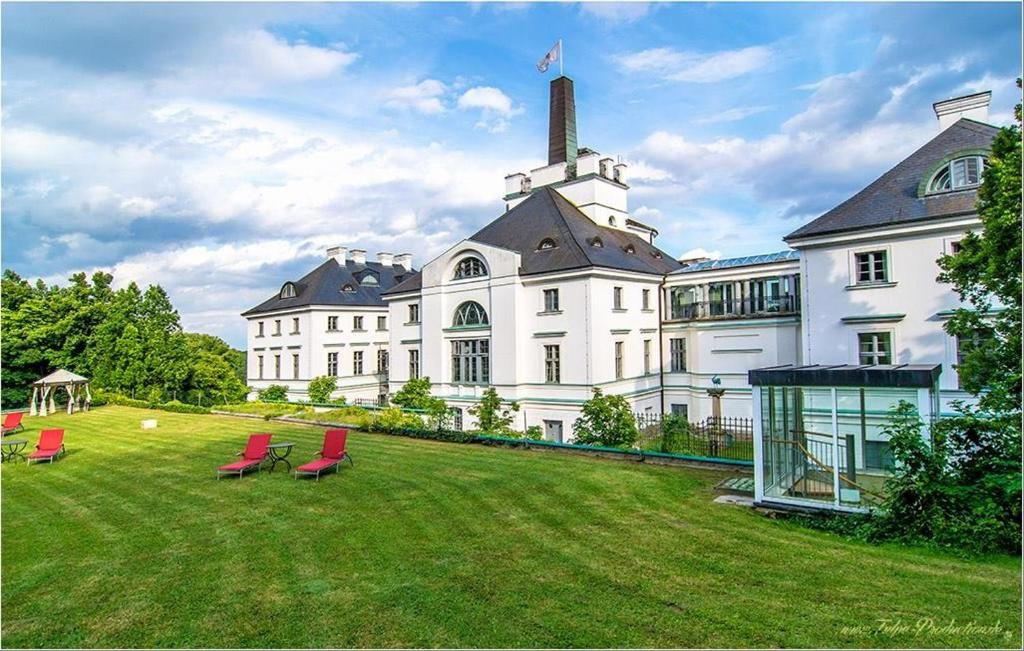
Wappen-Saal
The wine
- Wine program
- Curated wine list
- Extensive wine list
Details
- Elegant
- Classic
- Intimate
- Sophisticated
- Date Night
- Special Occasion
- Historic Building
- Hotel Restaurant
- Extensive Wine List
- Local Sourcing
- Prix Fixe
Current opening hours
- Monday
- Closed
- Tuesday
- 7–9 p.m.
- Wednesday
- 7–9 p.m.
- Thursday
- 7–9 p.m.
- Friday
- 7–9 p.m.
- Saturday
- 7–9 p.m.
- Sunday
- Closed
Hours can change for holidays and private events. Last verified .
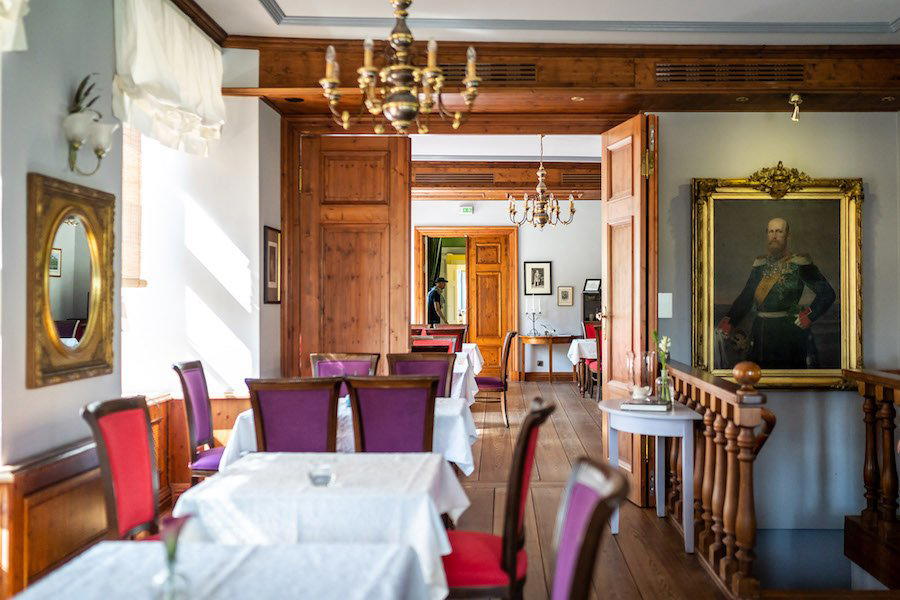
Elegant historical ambiance with rich tapestries, soft lighting, and impressive high ceilings.