Ich weiß ein Haus am See

A Michelin-starred classic French kitchen in the Mecklenburg lake district, Ich weiß ein Haus am See sits outside Germany's usual fine-dining corridors and is stronger for it. Under chef Raik Zeigner, the restaurant has held a Michelin star in both 2024 and 2025, placing serious classical technique in a setting defined by water, forest, and the quieter rhythms of rural northern Germany.
Pearl is the En Primeur Club membership app — saves, bookings, and concierge access live there. Same editors, same standards.
- Address
- Krakow am See DE, Paradiesweg 3, 18292 Kuchelmiß, Germany
- Phone
- +49 38457 23273
- Website
- hausamsee.de
- Directions
- Get directions
 Saves & bookings on Pearl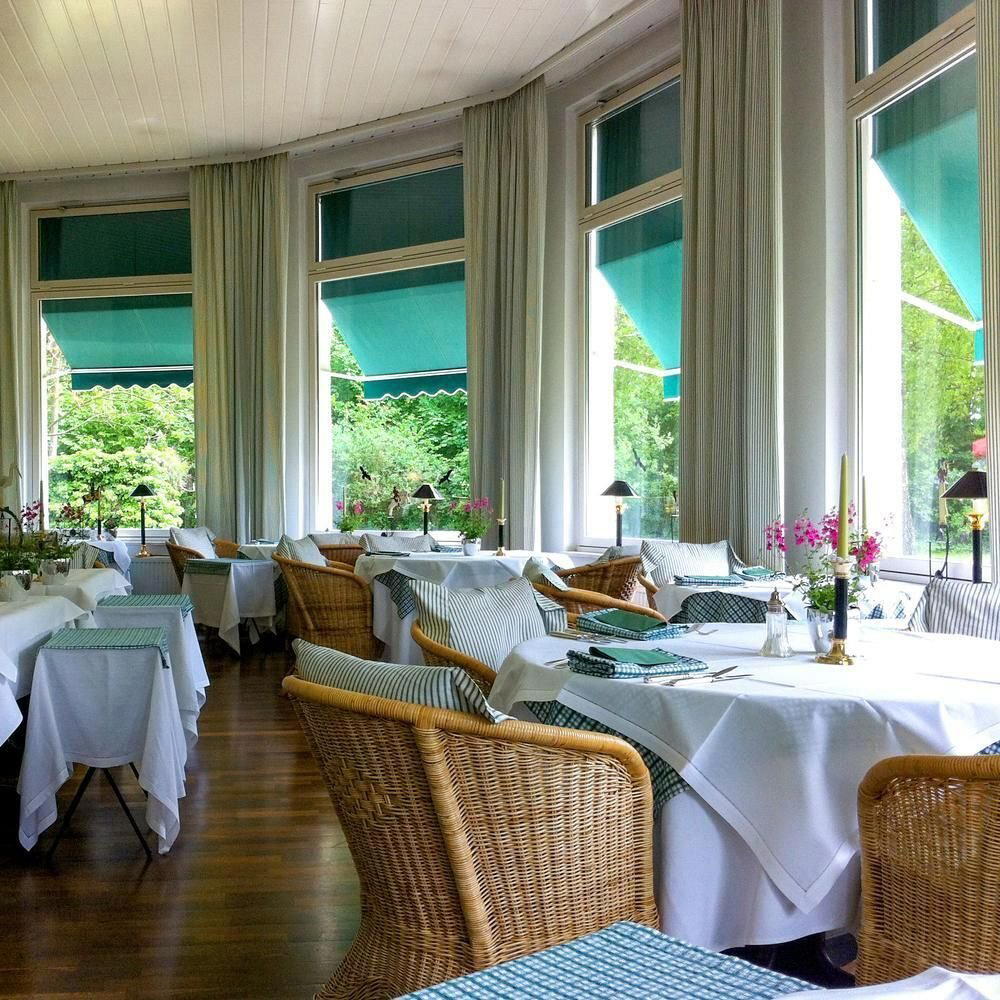
A Lake, a House, and a French Kitchen Far from the City
Germany's Michelin map tends to cluster around Munich, Hamburg, Berlin, and the Rhine valley. The Mecklenburg lake district rarely appears in the same breath as those cities when fine dining comes up, which is precisely what makes arriving at Ich weiß ein Haus am See, the address is Paradiesweg 3 in the village of Kuchelmiß, just outside Krakow am See, feel like a recalibration rather than just a meal. Ich weiß ein Haus am See is a one-star Michelin restaurant in Krakow am See, led by chef Raik Zeigner, with a price tier of €€€€. The surrounding area is defined by the Mecklenburg Lake Plateau, among the more water-dense landscapes in Central Europe, where glacially carved lakes stretch in every direction and the air carries the particular stillness of a region with no motorway running through it. Before you consider what arrives on the plate, the physical approach sets an expectation: this is not a restaurant that performs urbanity.
Classic French cuisine as a category has a particular relationship with rural settings. The grandes maisons of provincial France, and their spiritual heirs across Europe, have long argued that removing fine dining from the city strips away pretension and forces the kitchen to justify itself on the strength of what it does with ingredients. That argument is easier to make when the surrounding territory is genuinely productive. Mecklenburg-Vorpommern's agriculture leans toward grain, cattle, and freshwater fish, and the lakes supply pike, perch, and eel that appear across the region's serious kitchens. A classic French framework applied here is not incongruous; it is a method for processing local material through a rigorous technique set.
Two Consecutive Stars, and What That Signal Means
Ich weiß ein Haus am See has carried a Michelin star in both 2024 and 2025 under chef Raik Zeigner. Consecutive retention at this level matters more than first-year recognition because it confirms that the kitchen is operating consistently, not peaking for an inspection cycle. The restaurant holds, a score that broadly aligns with the Michelin signal: guests arriving with high expectations are leaving without significant complaint.
For context on where a single star sits in Germany's classical French conversation: the country's three-star French kitchens, Schwarzwaldstube in Baiersbronn among them, operate at a price and formality tier where multi-hour services and extensive wine programs are baseline assumptions. Two-star houses such as Vendôme in Bergisch Gladbach occupy a middle band defined by technical ambition and more elaborate menus. A single star in a village setting like Krakow am See implies something different: focused execution, a smaller team, and a kitchen that has chosen depth over spectacle. Comparable single-star French kitchens in rural Germany often define their proposition around one or two things done with notable precision rather than a sprawling tasting menu. Whether that is the model here, the kitchen's Michelin retention suggests the proposition holds.
For readers who want to track the geography of German fine dining more broadly, Aqua in Wolfsburg, JAN in Munich, and ES:SENZ in Grassau each represent different points on the spectrum from three-star international ambition to single-star regional focus. Restaurant Haerlin in Hamburg and Schanz in Piesport further illustrate how the French classical tradition adapts across German regions. Outside Germany, Waterside Inn in Bray and Cheval Blanc by Peter Knogl in Basel offer the clearest European reference points for classic French cooking in non-urban settings.
Terroir, Provenance, and the Logic of Cooking Here
Classic French technique is often discussed as though it were culturally portable, a set of methods that can be applied anywhere with equal relevance. In practice, the French canon developed in close relationship with specific ingredients: Atlantic fish, Loire valley produce, Burgundian fungi, Norman dairy. Transporting that framework to the Mecklenburg lake district creates both constraints and opportunities. The constraints are obvious: the pantry is different. The opportunity is that the region's freshwater fish, game, and cold-climate vegetables offer material that classical butters, reductions, and sauce work can handle with genuine results.
Chefs working in this tradition in northern Germany's lake regions tend to lean into the territory's cold-water fish as a primary ingredient, treating pike or perch with the same seriousness that a Loire kitchen might give to sandre. The season matters considerably: late autumn and winter bring game from the surrounding forests, while the warmer months open up freshwater and garden-grown vegetables. A kitchen applying classic French structure to that seasonal rhythm is not making a compromise; it is making a choice about what the cuisine can do when tied to a place rather than importing ingredients from further south.
That provenance-first framing distinguishes a kitchen like this one from the kind of classic French restaurant that treats the style as a prestige signal regardless of location. The Michelin recognition suggests the kitchen is doing more than applying received technique, it is making the style earn its place in this specific geography.
Getting There and Planning Your Visit
The price range sits at €€€€, which in German fine-dining terms means this is a considered-expenditure decision comparable to a city tasting menu. Krakow am See sits roughly 30 kilometres south of Rostock, accessible by rail on the Berlin-Rostock line with a change or connection at Güstrow, or by car via the A19 autobahn. The village is small; Paradiesweg 3 in Kuchelmiß is on the lake edge, and guests arriving by car will find the setting immediately legible. The restaurant's positioning, a destination kitchen in a rural lakeside setting, means overnight stays in the region make practical sense rather than arriving and leaving the same evening.
The €€€€ price tier and Michelin positioning place this outside casual spontaneous visits. Booking ahead is essential, particularly during summer when the lake district draws visitors from Berlin and Hamburg. Restaurants at this tier in rural Germany often run limited service days, so confirming the schedule before travelling any distance is advisable. Restaurants at this tier in rural Germany often run limited service days, so confirming the schedule before travelling any distance is advisable.
For those building a broader fine-dining itinerary through Germany's less-charted territories, Bagatelle in Trier, Victor's Fine Dining by Christian Bau in Perl, and Waldhotel Sonnora in Dreis each represent similarly destination-specific commitments where the journey is part of the decision. CODA Dessert Dining in Berlin sits at the opposite end of the urban-rural spectrum and offers a useful contrast for readers thinking about how German fine dining has diversified its formats.
Comparable Spots, Quickly
Comparable venues nearby, for context on price, style, and recognition.
| Venue | Cuisine | Price | Awards | Notes |
|---|---|---|---|---|
| Ich weiß ein Haus am See | Classical German Fine Dining | $$$ | Michelin 1 Star | Krakow am See |
| Alte Überfahrt | Modern Seasonal Vegetable Cuisine | $$$$ | Michelin 1 Star | Werder (Havel) |
| hallmann & klee | Modern European Fine Dining | $$$ | Michelin 1 Star | Neukolln |
| Speiseberg | Modern Creative German Fine Dining | $$$$ | Michelin 1 Star | Stadtbezirk West |
| kochZIMMER in der Gaststätte zur Ratswaage | New Prussian Cuisine | $$$$ | Michelin 1 Star | Neuer Markt, Potsdam-Mitte |
| Alt Wyk | Classic German Fine Dining | $$$ | Michelin 1 Star | Wyk auf Föhr |
Recognition history
Dated appearances from independent guides and award organizations, with the underlying list record or original source where available.
Michelin 1 Star
Michelin
Michelin 1 Star
Michelin
Michelin 1 Star
Michelin
Continue exploring
More in Krakow am See
Restaurants in Krakow am See
Browse all →
Bars in Krakow am See
Browse all →
At a Glance
- Romantic
- Quiet
- Elegant
- Scenic
- Sophisticated
- Date Night
- Special Occasion
- Celebration
- Waterfront
- Garden
- Private Dining
- Terrace
- Panoramic View
- Hotel Restaurant
- Extensive Wine List
- Sommelier Led
- Local Sourcing
- Farm To Table
- Waterfront
- Garden
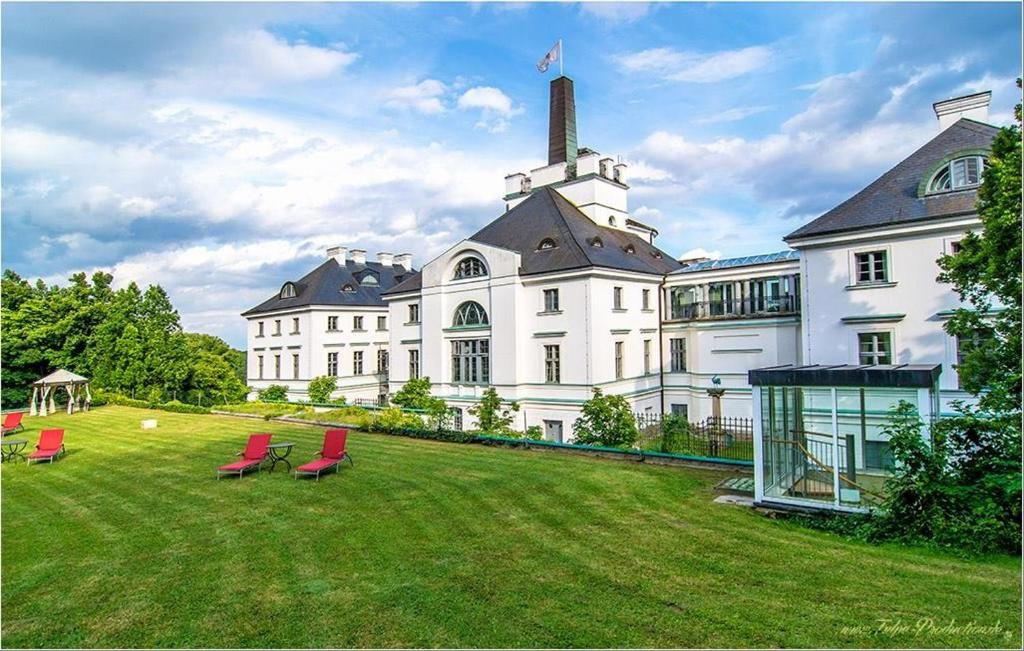
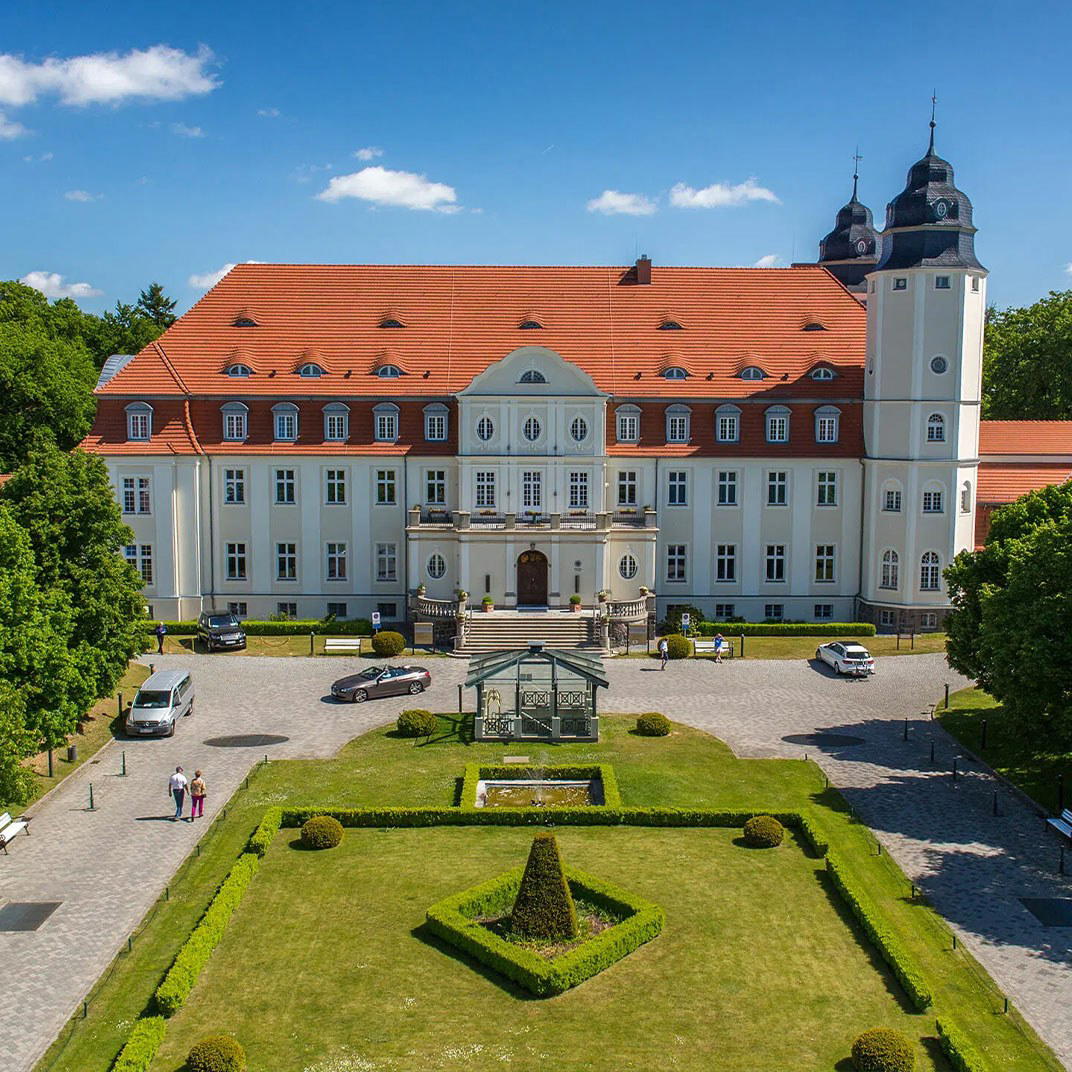
Elegant country-house setting with warm, inviting light and refined decor; circular restaurant with large windows overlooking the lake and manicured gardens; intimate and peaceful atmosphere emphasizing nature and culinary focus.