Schloss Fleesensee

A Michelin Selected castle hotel on the shores of Lake Fleesensee in Mecklenburg's lake district, Schloss Fleesensee occupies a late-nineteenth-century manor whose scale and setting place it among northeastern Germany's most architecturally distinguished resort properties. The combination of historic structure, lakeside grounds, and Michelin recognition makes it a serious consideration for travellers crossing Germany's northern interior.
Pearl is the En Primeur Club membership app — saves, bookings, and concierge access live there. Same editors, same standards.
- Address
- Schlossstraße 1, 17213 Göhren-Lebbin, Germany
- Phone
- +49 39932 80100
- Website
- schlosshotel-fleesensee.com
- Directions
- Get directions
 Saves & bookings on Pearl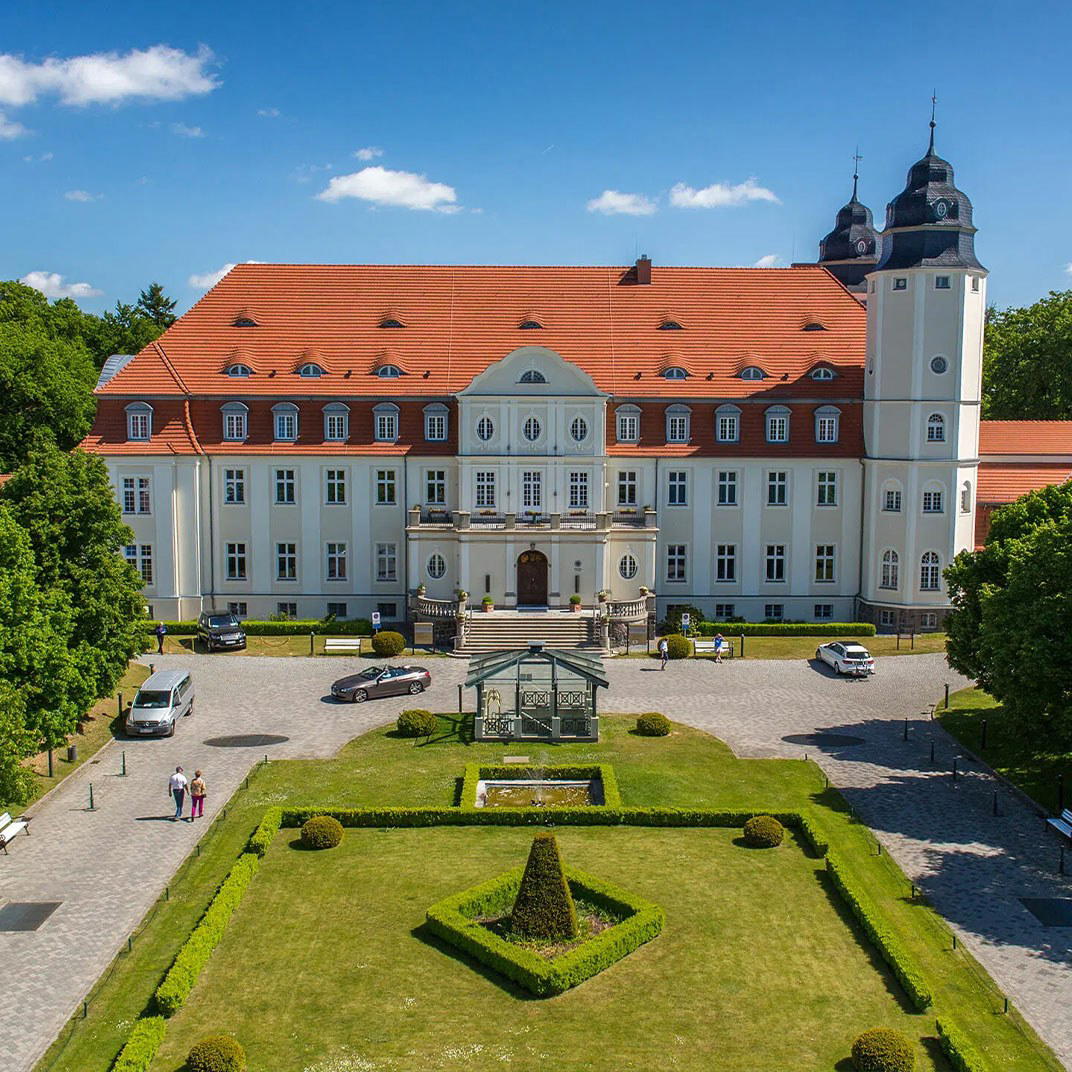
A Castle on the Water: Architecture as the Organizing Principle
The lake district of Mecklenburg-Vorpommern is not where most travellers expect to find grand historic architecture at resort scale. The region, a low, glacially sculpted terrain of linked lakes, reed beds, and small market towns, has never had the alpine glamour of Bavaria or the metropolitan density of Hamburg. What it does have, in concentrated form around the Müritz lake system, is a particular strain of Prussian and Mecklenburgian estate architecture: manor houses and castle complexes built by landed aristocracy whose wealth derived from the surrounding agricultural land rather than from trade or court patronage. Schloss Fleesensee belongs to that tradition. The property sits directly on the shore of Lake Fleesensee in Göhren-Lebbin, and the approach makes the scale of the original structure immediately legible, a late-nineteenth-century castle in the historicist manner that characterized German noble building in the decades before the First World War.
That architectural context matters when positioning Schloss Fleesensee within Germany's premium hotel market. The country operates two distinct tiers of historic-property accommodation: urban grand hotels, which draw on the conventions of European palace hotels and occupy city-centre sites in Hamburg, Frankfurt, or Cologne, and rural estate properties, which convert historic manor or castle buildings into resort formats and trade primarily on landscape and architecture rather than proximity to cultural infrastructure. The Fairmont Hotel Vier Jahreszeiten in Hamburg and the Excelsior Hotel Ernst in Cologne exemplify the urban tier. Schloss Fleesensee falls squarely in the rural estate category, and within that category it competes with properties like Weissenhaus Private Nature Luxury Resort in Weissenhaus on the Baltic coast and Villa Contessa in Bad Saarow on another Brandenburg lake, properties where the physical structure and its natural setting carry the primary hospitality argument.
The Physical Experience: What the Building Delivers
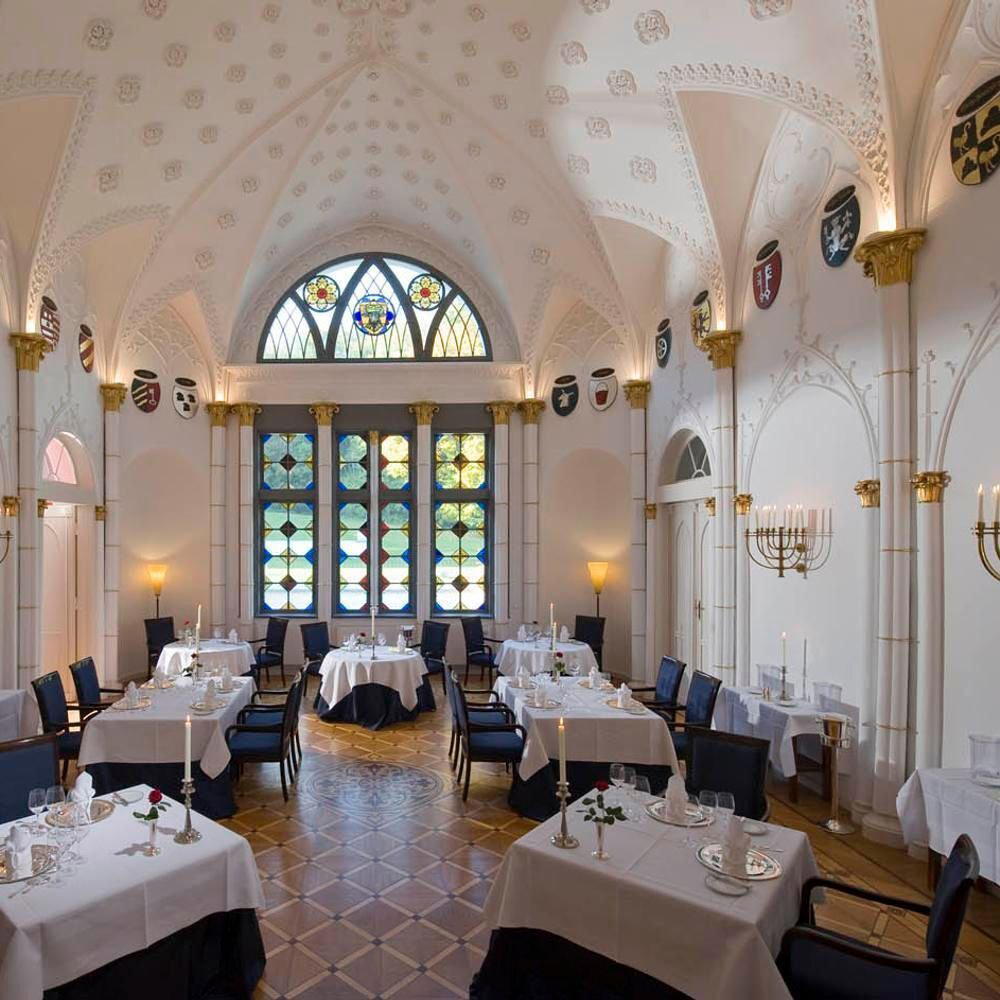
Castle hotels in the German historicist tradition tend toward a specific aesthetic grammar: steeply pitched roofs, tower elements, stone or rendered brick facades with decorative detailing, and interior volumes that announce themselves through ceiling height and the weight of original materials. Schloss Fleesensee fits that grammar. The building's orientation toward the lake creates a situation common to the leading Mecklenburg estate properties, where interior spaces read as extensions of the water view rather than as rooms that happen to face a window. This relationship between built structure and natural setting is the central design logic of lake-district castle hotels, and it determines the experiential hierarchy: the water-facing rooms and the transitional spaces between building and shore carry atmospheric weight.
Michelin's hotel selection process applies criteria that weight architecture, setting, and service coherence alongside accommodation quality. The designation places the hotel in a recognized reference set of German properties that have met that standard, a list that includes properties like Schloss Elmau Luxury Spa Retreat and Cultural Hideaway in Elmau, another castle-format German hotel with Michelin recognition. The Michelin Selected status does not carry the same weight as a star rating in dining, but within the hotel selection framework it represents editorial validation from one credible independent hospitality guide in Europe.
The Mecklenburg Lake District as Context
Understanding what the hotel offers requires some understanding of what Göhren-Lebbin and its surroundings are. The Müritz National Park, the largest inland national park in Germany, lies immediately to the west. The lake chain that includes Fleesensee connects to a network of navigable waterways that makes the region a significant destination for water-based recreation, sailing, kayaking, cycling along lake shores. This is not a tourist infrastructure designed around international visitors in the way that Bavaria's lakes are; it functions primarily as a domestic German recreation zone, which means the pace and character of the surroundings differ substantially from alpine or Rhine Valley resort areas.
For travellers coming from Berlin, the drive into Mecklenburg takes roughly two to two and a half hours depending on routing, which places the hotel within plausible weekend-trip range of the capital without being in the immediate gravitational field of the city's weekend cottage belt. The property thus occupies a distance sweet spot for Berlin-based travellers wanting a full change of landscape without a long transit day.
Positioning Against the German Castle Hotel Category
Germany's castle-hotel category is broader than many international travellers realise. Properties ranging from Rhine Valley fortresses to Bavarian alpine schlösser to Mecklenburgian lakeside manor houses all operate under the loose designation of castle hotel, but they serve quite different traveller profiles and offer fundamentally different architectural experiences. The Rhine and Moselle valley properties tend toward medieval fortification architecture and wine-country programming. The Bavarian examples, including Gut Steinbach Hotel Chalets Spa in Reit im Winkl and Das Kranzbach Hotel and Wellness Retreat in Kranzbach, combine historic or vernacular architecture with alpine wellness programming. The hotel belongs to a northeastern subtype characterised by late-historicist manor architecture, flat open landscape, and water-centred recreation rather than mountain or vineyard settings.
For comparison points that share the lakeside estate logic, Althoff Seehotel Überfahrt in Rottach-Egern represents the Bavarian lake version of the same format, while Seezeitlodge Hotel and Spa in Gonnesweiler offers a Saarland lake-adjacent alternative with a more contemporary architectural approach. The contrast between those properties and the hotel illustrates how lake-hotel architecture varies substantially by region: Rottach-Egern reads as Bavarian domestic luxury, Gonnesweiler as modernist retreat, and Göhren-Lebbin as Mecklenburgian castle formality.
Planning a Stay
The hotel draws heaviest occupancy in the summer months, when the Mecklenburg lake district operates at its most accessible and the grounds and water-facing terraces come into their own. Spring and early autumn offer the lake landscape in quieter form, with light conditions that suit the flat northern European terrain well. Winter operates on reduced programming at most properties in the region, so travellers seeking the full scope of what a lake-district castle hotel offers should plan around the May-to-October window. Advance booking is advisable for summer weekends, when domestic leisure travel demand is strongest. Reservations are recommended. Hotel Traube Tonbach in Baiersbronn, Söl'ring Hof in Sylt, Luisenhöhe in Horben, and Spa and Golf Hotel Weimarer Land in Blankenhain, each representing a different regional variant of the German heritage resort format.
Comparable Spots, Quickly
Comparable venues nearby, for context on price, style, and recognition.
| Venue | Cuisine | Price | Notes |
|---|---|---|---|
| Schloss FleesenseeThis venue — the venue you are viewing | Historic castle resort with modern extensions in a landscaped park | $$$$ | Not listed |
| sly Berlin | Contemporary urban design hotel with boutique feel | $$$ | Friedrichshain |
| The Breeze | Modern spa architecture with luxury apartment residences | $$$ | Seebad Ahlbeck |
| freistil Boutiquehotel | cozy Alpine Purist style boutique hotel | $$$ | Ofterschwang |
| Soho House | Members-only creative club in historic Bauhaus building | $$$$ | Prenzlauer Berg |
| The Cozy Hotel | Trendy boutique hotel with lofts offering a home-like hygge experience. | $$$ | Timmendorfer Strand |
Recognition history
Dated appearances from independent guides and award organizations, with the underlying list record or original source where available.
Michelin Selected
Michelin
Continue exploring
More in Gohren Lebbin
Hotels in Gohren Lebbin
Browse all →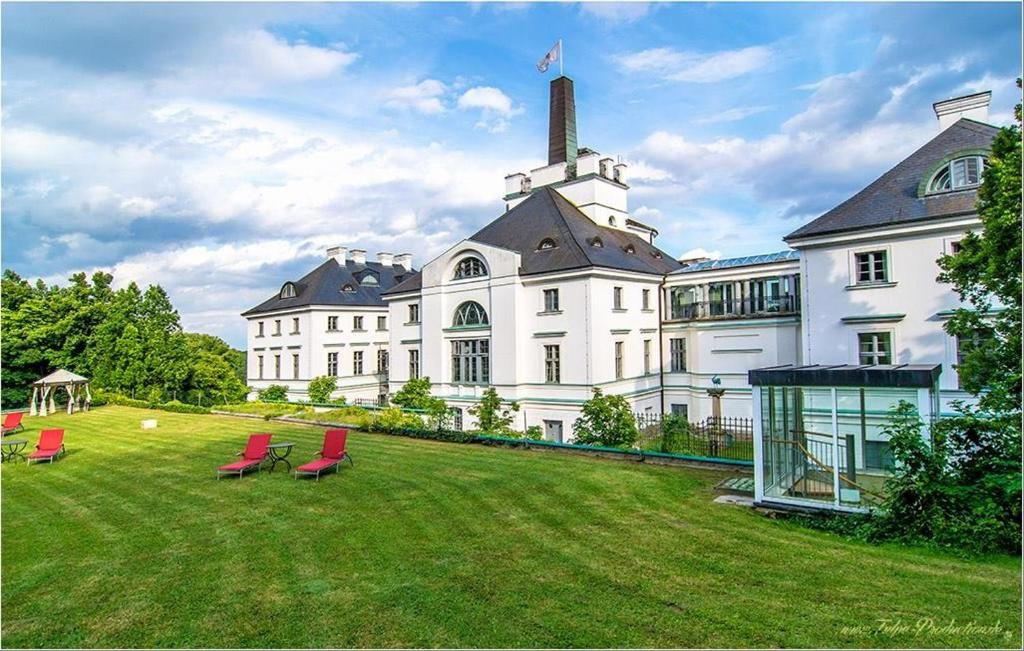
At a Glance
- Elegant
- Scenic
- Romantic
- Sophisticated
- Classic
- Romantic Getaway
- Wellness Retreat
- Weekend Escape
- Family Vacation
- Golf Course
- Historic Building
- Panoramic View
- Spa
- Pool
- Fitness Center
- Room Service
- Concierge
- Golf Course
- Garden
- Waterfront
- Spa
- Pool
- Fitness Center
- Room Service
- Concierge
- Golf Course
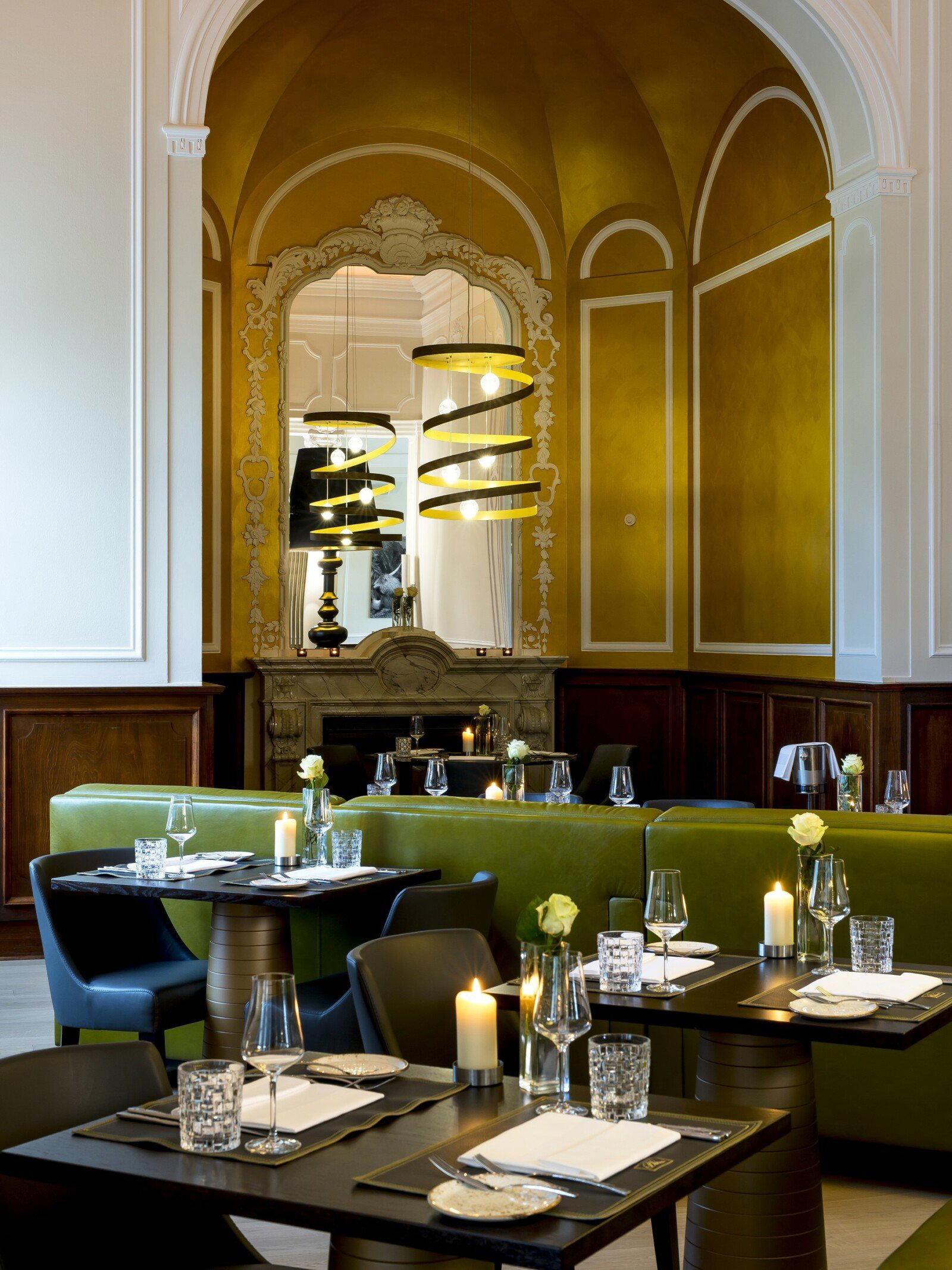
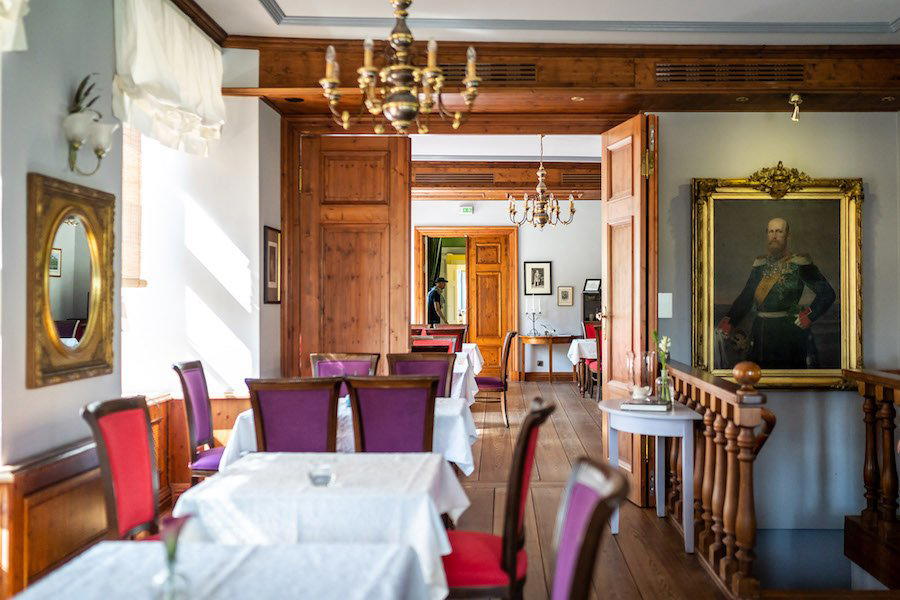
Elegant and welcoming with tasteful décor, serene wellness areas, and a stylish atmosphere blending historical charm with modern comfort.