GästeHaus Klaus Erfort




2 Michelin Stars · La Liste Top Restaurants · Falstaff Restaurant - 94 Falstaff Points
Our verdict
Three-Michelin-starred GästeHaus Klaus Erfort Saarbrücken elevates French haute cuisine to its purest form within a historic villa setting, where Chef Klaus Erfort's masterful tasting menus and impeccable wine pairings create Germany's most distinguished fine dining experience.

Pearl is the En Primeur Club membership app — saves, bookings, and concierge access live there. Same editors, same standards.
- Address
- Mainzer Str. 95, 66121 Saarbrücken, Germany
- Phone
- +49 681 9582682
- Hours
- Mon–Fri 12–1:30 PM, 7–9:30 PMSat–Sun Closed
- Website
- gaestehaus-erfort.de
- Directions
- Get directions
- Booking
- Book on OpenTable
The menu
What to order
- Langoustines royales with sea salt and grilled young leeks
- Bresse poularde with truffles and potato foam
- Pigeon with pointed cabbage and purple curry jus
- Dim sum of duck with braised duck and truffles
Classic French in a City That Sits Between Two Cultures
Saarbrücken occupies a position in European geography that few German cities can claim: a border city where the French influence is not decorative but structural, woven into the architecture, the food markets, and the dining culture. The French tradition of serious, technically disciplined cuisine has found a more natural home here than almost anywhere else in Germany. GästeHaus Klaus Erfort, on Mainzer Strasse in the Schlossberg district, operates within that context — a two-Michelin-star room where classical French cooking is practised without qualification or modern softening.
The broader European scene for classical French cuisine has spent the past decade defending its position against the advance of Nordic minimalism, fermentation-led tasting menus, and plant-forward formats. The houses that have held firm — those still committed to sauce-based cooking, classical technique, and the discipline of the old brigade, tend to cluster in one of two categories: large, historically prestigious institutions with deep hospitality infrastructure, or smaller, owner-operated rooms where the chef's personal commitment to the tradition is the organising principle. GästeHaus Klaus Erfort belongs to the latter. Venues like Waterside Inn in Bray and Cheval Blanc by Peter Knogl in Basel occupy the same territory across the Channel and the Rhine respectively, rooms where the tradition itself is the editorial statement.
What Two Michelin Stars Signal in This Context
Michelin's two-star designation carries a specific meaning that gets compressed in common usage. GästeHaus Klaus Erfort has held two stars continuously through at least 2024 and 2025, which, in Michelin's framework, is the harder credential: a single year's recognition can be an outlier, but sustained two-star status over multiple consecutive guides indicates that the kitchen is producing at a stable, replicable level rather than peaking unpredictably.
The Opinionated About Dining rankings add a second data layer. OAD's Classical in Europe list ranked the restaurant at 139th in 2024, 110th in 2025, and 80th in 2023, a trajectory that suggests the dining community's view of the kitchen has, over three years, placed it consistently among Europe's significant classical French rooms, with the 2023 figure representing a period of particularly strong peer recognition. La Liste, which aggregates international critical opinion across multiple sources, awarded 95 points in both 2025 and 2026. That scoring consistency across two independent assessment systems points to a kitchen operating within a narrow, high band rather than varying dramatically by season or reviewer. For comparison, similarly rated German classical rooms such as Vendôme in Bergisch Gladbach operate at comparable award tiers, though in different culinary and geographic contexts.
The Tradition Being Practised Here
Classical French cuisine, as a category, is not monolithic. What the term covers ranges from the grande cuisine of Escoffier-descended brigade kitchens to the more personal, product-driven style associated with the French provincial tradition. The distinction matters because it tells you something about what a room prioritises: the former emphasises hierarchy, construction, and the sauce as architecture; the latter places sourcing and regional ingredient logic closer to the centre. The highest-achieving classical French rooms in Europe tend to synthesise both, using the technical rigour of the classical tradition while anchoring the menu in seasonal produce rather than treating technique as the primary statement.
Within Germany, the conversation about classical French cooking runs parallel to a broader set of dining options. Rooms like Schwarzwaldstube in Baiersbronn and Aqua in Wolfsburg represent different registers of serious cooking in the country, one rooted in the Black Forest tradition, the other in a more contemporary idiom, while Saarbrücken's specific position near the French border gives classical French cooking here a local logic that those rooms cannot claim. This is not a city where French cuisine is imported as an affectation; it is, to a meaningful degree, native to the region.
Saarbrücken's Dining Picture and Where This Fits
Saarbrücken's restaurant scene covers a wider range than the city's size might suggest. At the casual end, Le Schloss Halberg offers classical French cooking at a more accessible price point, and the Mediterranean-leaning Restaurant Quack in der Villa Weismüller and the creative format at Le Comptoir serve different segments of the dining-out population. The contemporary room Le petit CINQ sits at a comparable price tier with a different culinary vocabulary. Then there is Esplanade, which holds two Michelin stars and operates in the same classical French and €€€€ bracket, making it the closest local peer in terms of category and formal ambition. The existence of two two-star classical French rooms in a city of under 200,000 people is, by any European standard, an unusual concentration of high-end French cooking, and it speaks to the city's particular relationship with that tradition.
High-end rooms with inconsistency problems tend to see that reflected in review spreads even when the average stays above 4.
Planning a Visit
GästeHaus Klaus Erfort operates at Mainzer Str. 95 in Saarbrücken, in the Schlossberg area southeast of the city centre. The €€€€ price designation places it at the top of Saarbrücken's dining market, consistent with a two-star classical French room. Reservations at restaurants of this tier and recognition level typically require advance planning, particularly for weekend evenings; booking several weeks ahead is the practical minimum, and for prime slots the window is often longer. Formal dress is standard at rooms in this category across Europe, though specific dress code details should be confirmed at the time of booking. Saarbrücken's proximity to the French border, Metz is roughly 60 kilometres west, means that the city is accessible from Lorraine as well as from within Germany, and visitors combining the restaurant with a broader Saarland or cross-border itinerary should account for that geography.
For those building a longer stay, our full Saarbrücken hotels guide covers accommodation options across the city, while our Saarbrücken bars guide maps the city's drinking scene for pre- or post-dinner. Our complete Saarbrücken restaurants guide places the city's dining options in full context, and separate guides cover wineries and experiences in the region. Travellers interested in other serious German kitchens operating at comparable or adjacent levels should also consider JAN in Munich, ES:SENZ in Grassau, and CODA Dessert Dining in Berlin for a sense of how the country's serious dining scene ranges across format and geography.
Frequently asked questions
What price level is GästeHaus Klaus Erfort?
Pricing at GästeHaus Klaus Erfort is listed as €€€€.
Is GästeHaus Klaus Erfort Michelin-listed?
GästeHaus Klaus Erfort has received recognition including: La Liste Top Restaurants (2026): 95pts; Opinionated About Dining Classical in Europe Ranked #110 (2025); La Liste Top Restaurants (2025): 95pts; Michelin 2 Stars (2025); Opinionated About Dining Classical in Europe Ranked #139 (2024); Miche….
What do regulars order at GästeHaus Klaus Erfort?
GästeHaus Klaus Erfort does not publish a fixed menu publicly, which is standard practice at two-star classical French rooms of this format. At 95 points on La Liste's 2025 and 2026 rankings, the kitchen operates at a level where seasonal tasting menus anchored in classical French technique are the norm. Expect the structure of a full multi-course progression rather than à la carte choice.
Where is GästeHaus Klaus Erfort in Saarbrücken?
GästeHaus Klaus Erfort is located at Mainzer Str. 95, 66121 Saarbrücken, Germany, Saarbrücken.
Price and Recognition
| Venue | Cuisine | Price | Awards | Notes |
|---|---|---|---|---|
| GästeHaus Klaus ErfortThis venue — the venue you are viewing | Classical French Fine Dining | $200–300 | 2 Michelin Stars · La Liste Top Restaurants | Not listed |
| Esplanade | Modern French Haute Cuisine with Mediterranean & Japanese Influences | Not listed | 2 Michelin Stars · La Liste Top Restaurants | French, Classic Cuisine |
| Le Comptoir | Modern French Bistro | $100–150 | Michelin Plate | Not listed |
| Le petit CINQ | Modern French Bistro | $50–100 | Michelin Plate | Not listed |
| Le Schloss Halberg | Classic French | $50–100 | Michelin Plate | Not listed |
| Restaurant Quack in der Villa Weismüller | Modern European with Mediterranean and Regional Influences | $50–100 | Michelin Plate | Not listed |
Recognition history
Dated appearances from independent guides and award organizations, with the underlying list record or original source where available.
Michelin 2 Stars
Michelin
La Liste Top Restaurants
La Liste
Falstaff Restaurant - 94 Falstaff Points
Falstaff
Opinionated About Dining Classical in Europe Ranked #145
Opinionated About Dining
Full recognition history (10 entries)
La Liste Top Restaurants
La Liste
Michelin 2 Stars
Michelin
Opinionated About Dining Classical in Europe Ranked #110
Opinionated About Dining
Michelin 2 Stars
Michelin
Opinionated About Dining Classical in Europe Ranked #139
Opinionated About Dining
Opinionated About Dining Classical in Europe Ranked #80
Opinionated About Dining
Continue exploring
More in Saarbrücken
Restaurants in Saarbrücken
Browse all →
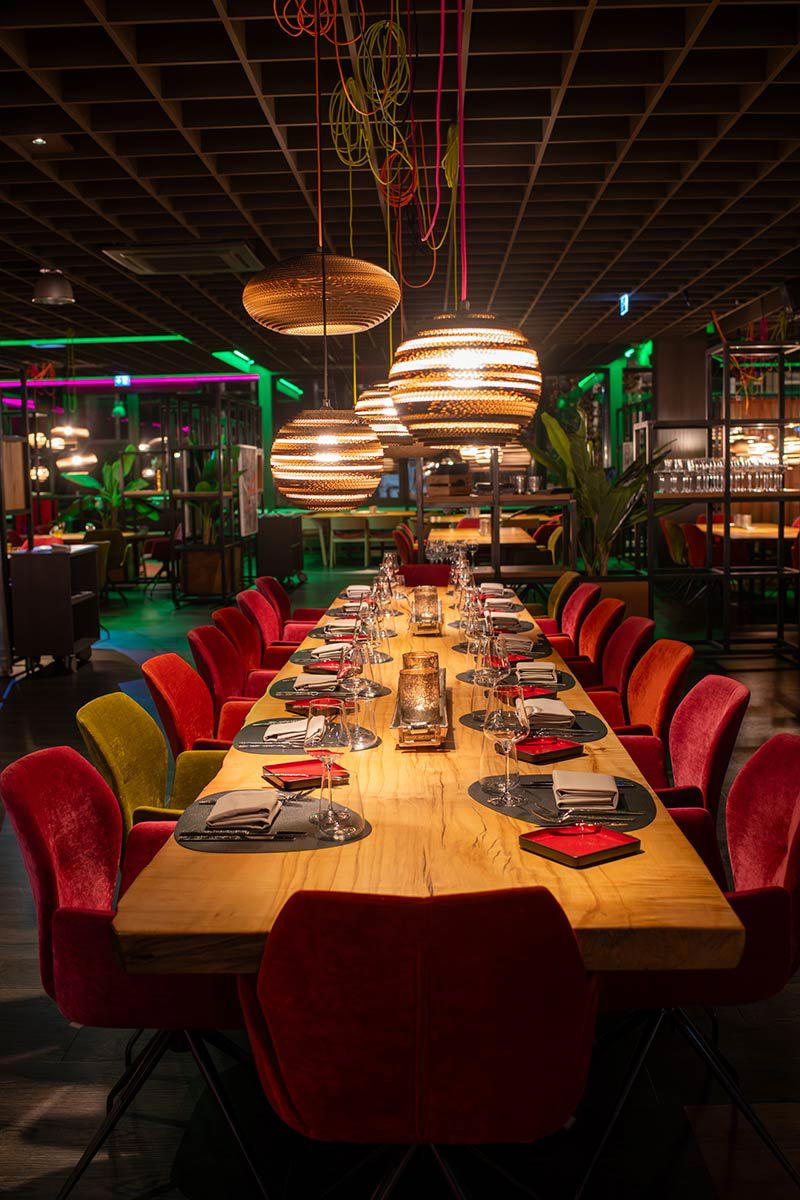
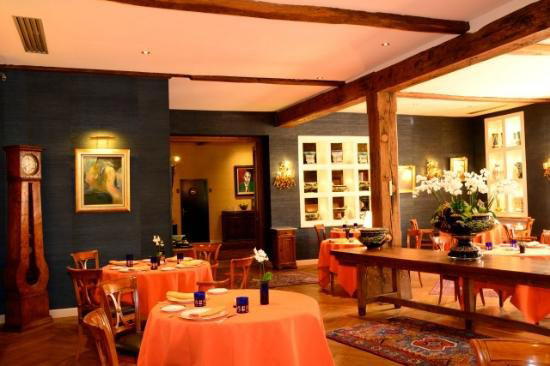
Bars in Saarbrücken
Browse all →
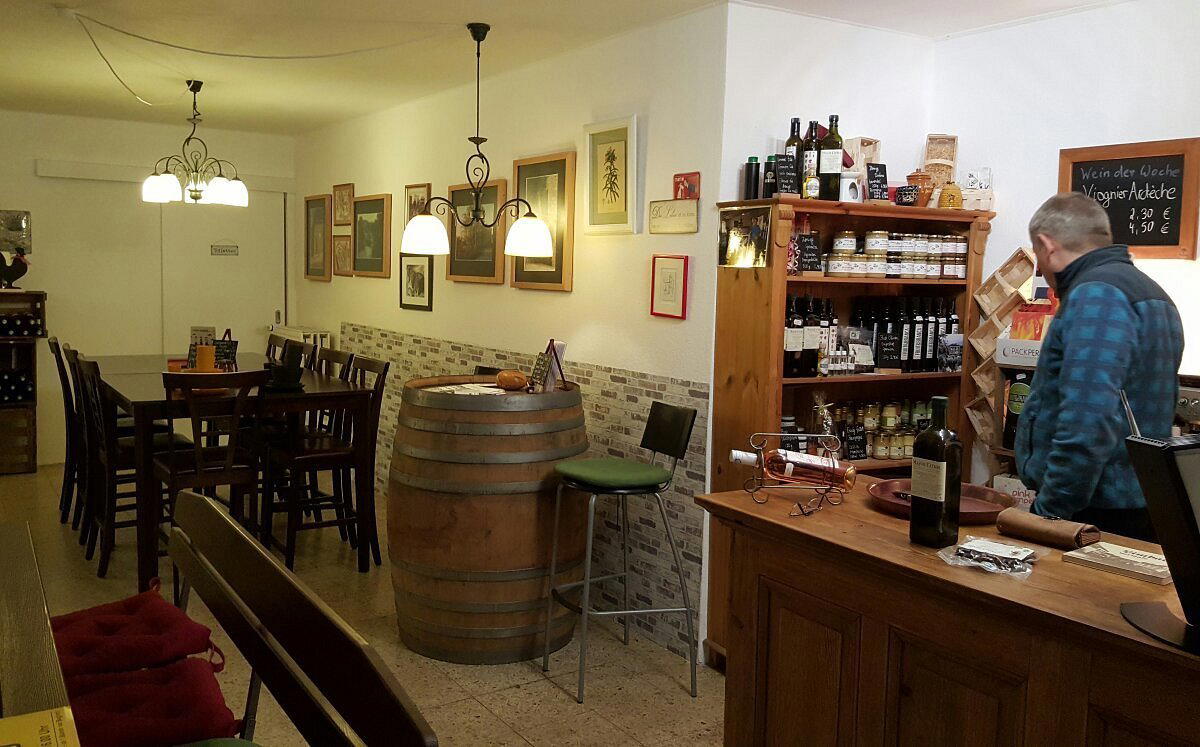
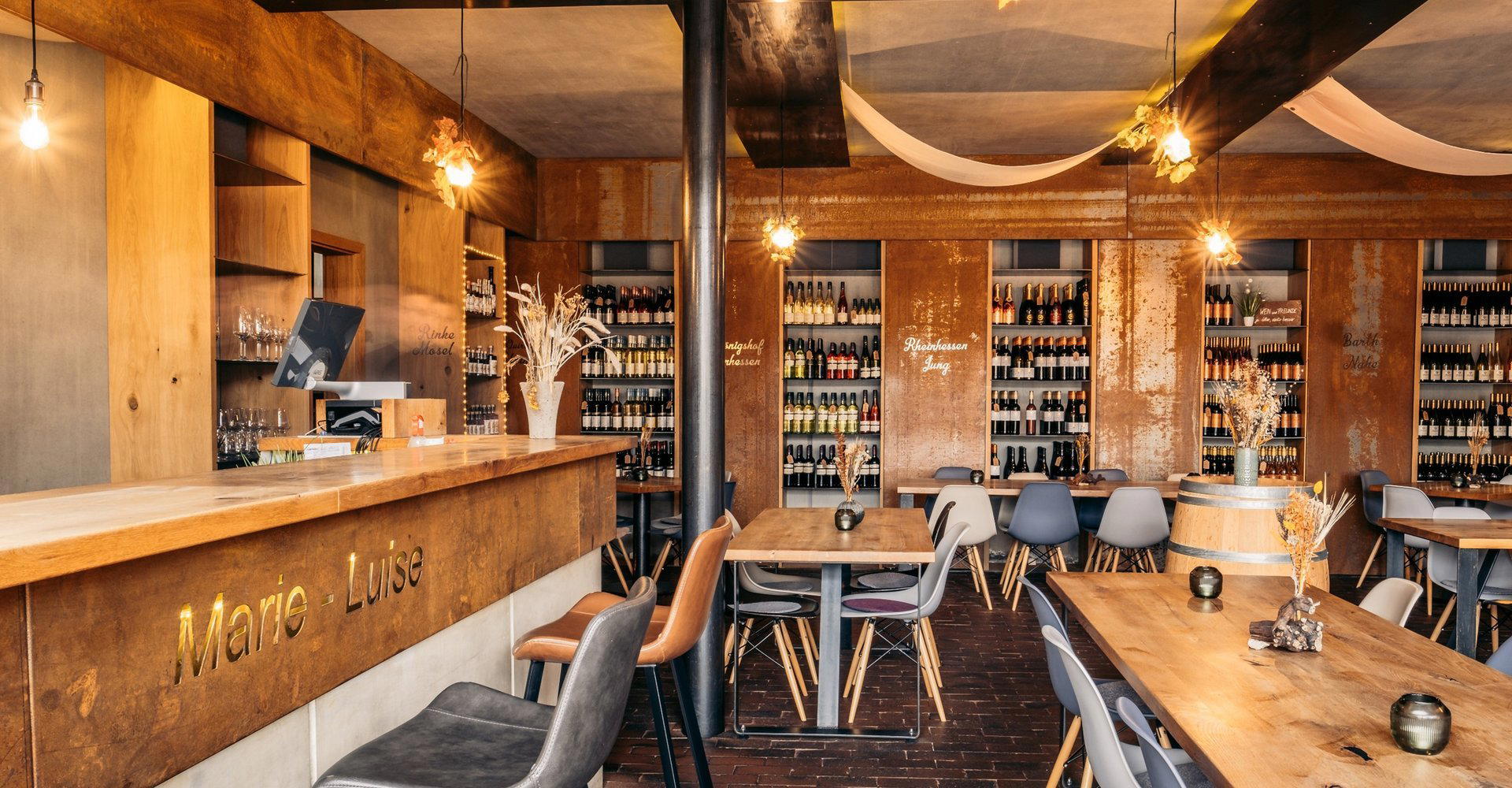
Hotels in Saarbrücken
Browse all →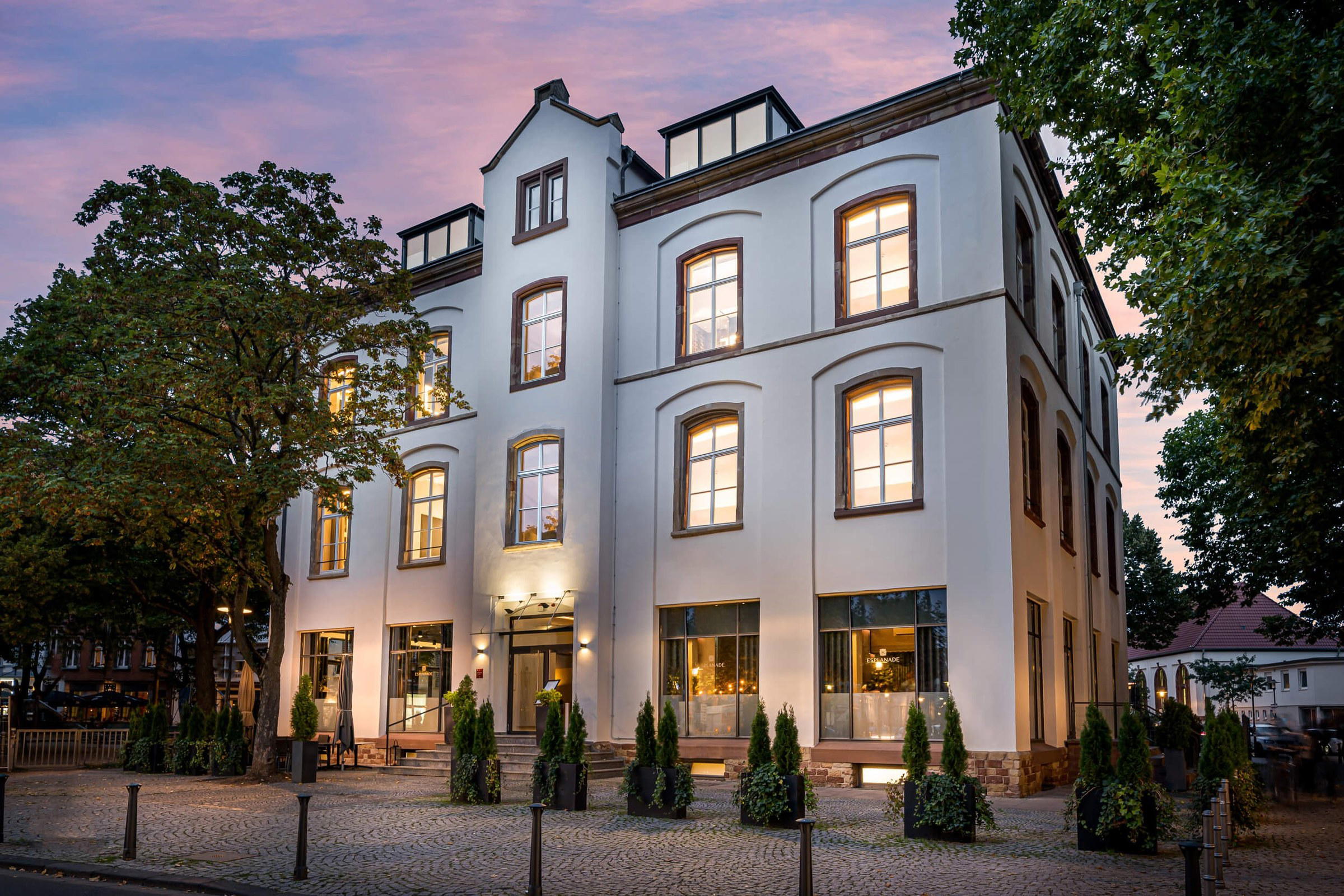

Details
- Elegant
- Sophisticated
- Classic
- Intimate
- Special Occasion
- Date Night
- Celebration
- Private Dining
- Standalone
- Extensive Wine List
- Sommelier Led
- Local Sourcing
- Tasting Menu
- Set Menu
- Wine
- Vegetarian Friendly
- Vegan Options
Current opening hours
- Monday
- 12–1:30 PM, 7–9:30 PM
- Tuesday
- 12–1:30 PM, 7–9:30 PM
- Wednesday
- 12–1:30 PM, 7–9:30 PM
- Thursday
- 12–1:30 PM, 7–9:30 PM
- Friday
- 12–1:30 PM, 7–9:30 PM
- Saturday
- Closed
- Sunday
- Closed
Hours can change for holidays and private events. Last verified .
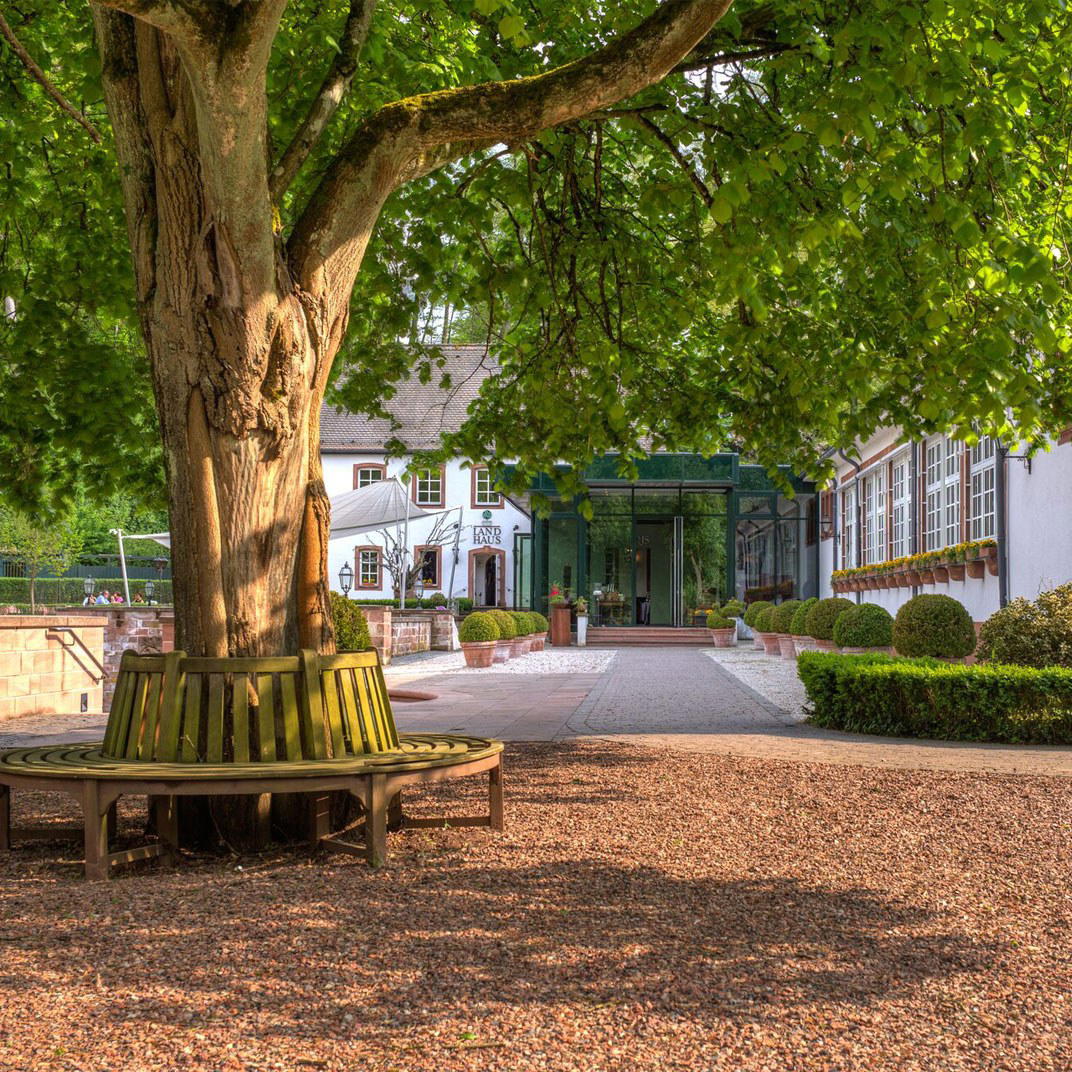
Stylish white villa with high ceilings, wood floors, well-spaced tables with white tablecloths, art on walls, dropped white acoustic ceiling, and spot lighting creating an elegant yet understated atmosphere.