The Inn Valley Table: Where Austria's Alpine Pantry Comes Into Focus The drive into Vomp from Innsbruck follows the Inn River east through a valley that has fed Tyrolean kitchens for centuries. The mountains that press close on both sides are...
Pearl is the En Primeur Club membership app — saves, bookings, and concierge access live there. Same editors, same standards.
- Address
- Innhöfe 3, 6134 Vomp, Austria
- Phone
- +43524263285
- Website
- schlosshotel-mitterhart.com
- Directions
- Get directions
 Saves & bookings on Pearl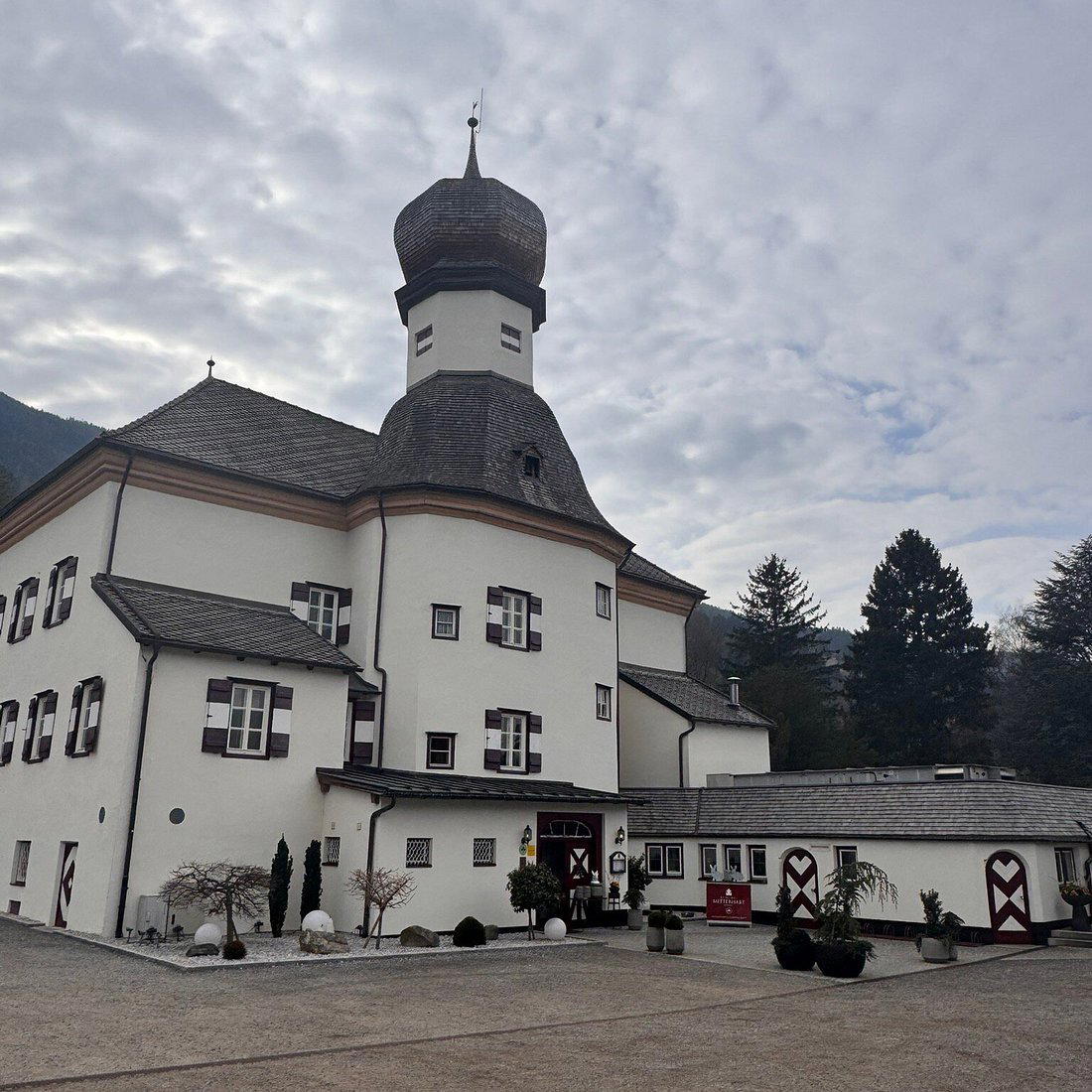
The Inn Valley Table: Where Austria's Alpine Pantry Comes Into Focus
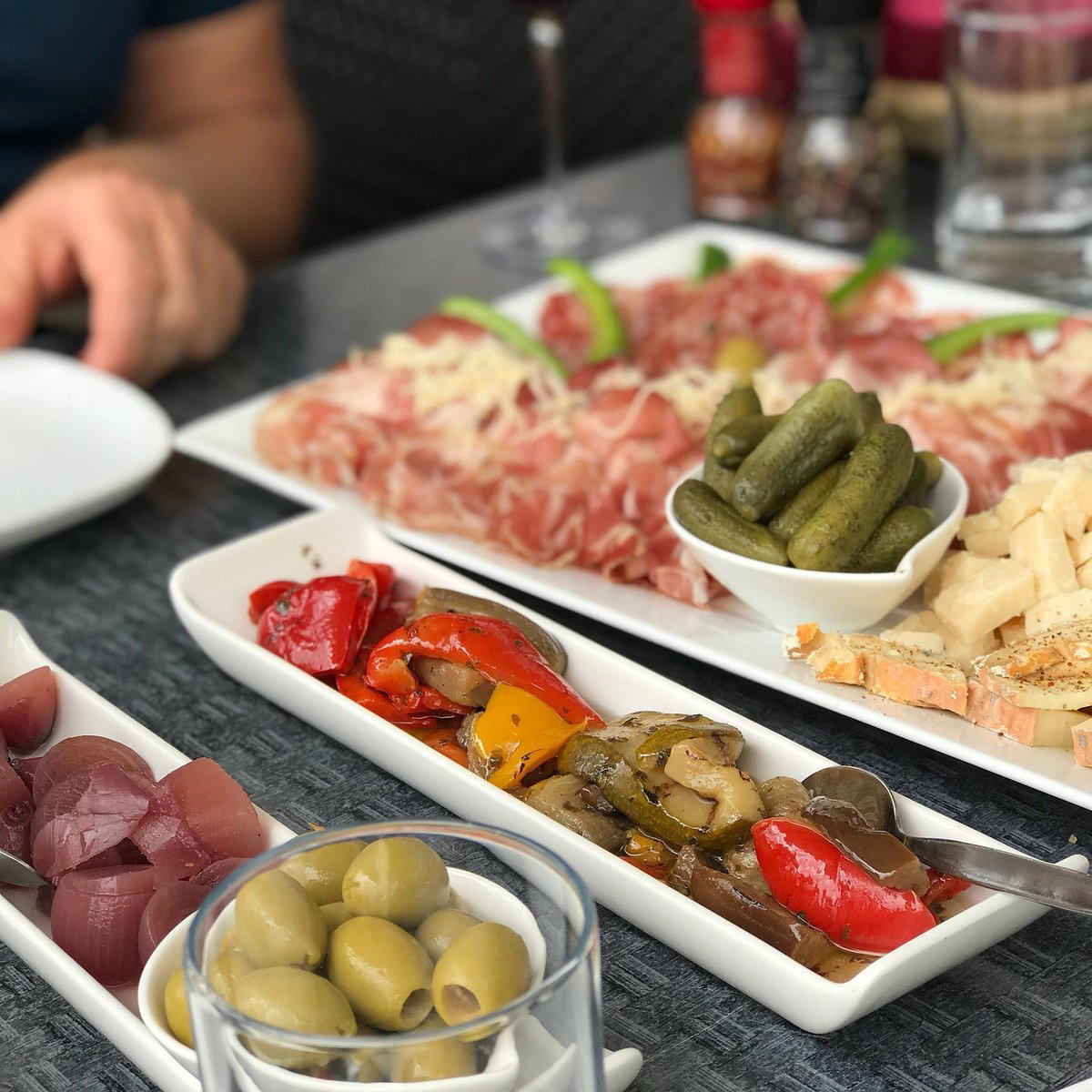
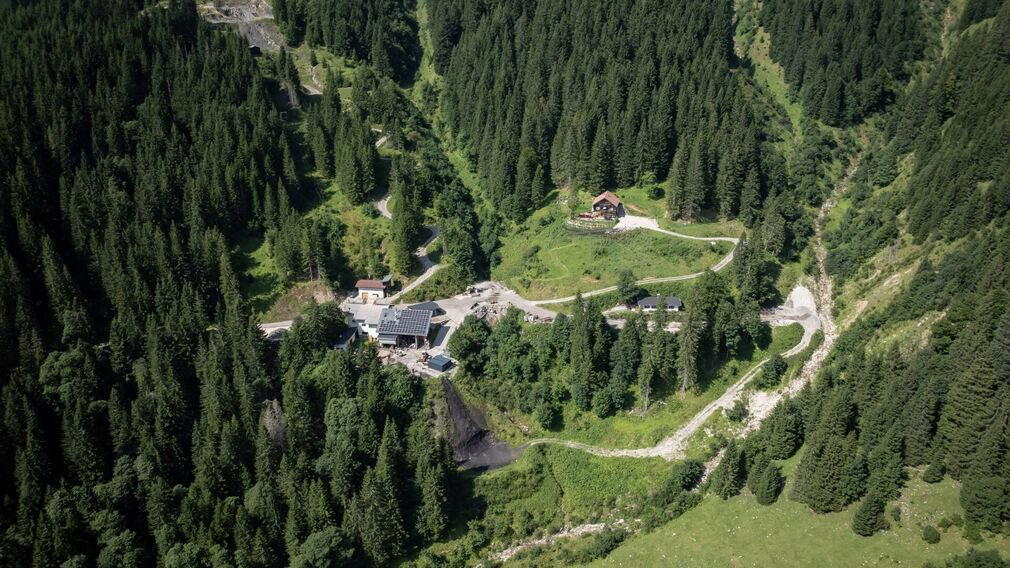
The drive into Vomp from Innsbruck follows the Inn River east through a valley that has fed Tyrolean kitchens for centuries. The mountains that press close on both sides are not decorative backdrop, they are the reason a certain kind of cooking exists here at all. Alpine meadows at altitude, short growing seasons, and river-fed lowland produce a larder that differs meaningfully from what arrives on plates in Vienna or Salzburg. Schloss Mitterhart, at Innhöfe 3 in this small Tyrolean commune, sits inside that productive zone, and the address matters: this is not a city restaurant that sources regionally as a marketing position, but a property embedded in the agricultural geography that defines its table.
What the Tyrolean Larder Actually Means
Austrian fine dining has spent the last two decades sorting itself into recognisable camps. At one end, creative tasting-menu houses like Steirereck im Stadtpark in Vienna and Ikarus in Salzburg build menus around technique and invention, with regional ingredients as one variable among many. At the other, a smaller cohort of properties, Landhaus Bacher in Mautern an der Donau and Obauer in Werfen among them, ground their menus more directly in what the surrounding landscape produces and when. Schloss Mitterhart occupies territory that aligns with this second orientation. The Inn Valley grows vegetables with particular intensity because of its microclimate; livestock farms at altitude produce dairy and meat that carry the character of high-pasture grazing. For kitchens that pay attention to provenance, this corner of Tyrol offers genuine raw material rather than a generic claim to Alpine authenticity.
The distinction matters when reading menus in this part of Austria. Tirol's restaurants have historically prioritised substance over spectacle, a temperament that shows in cooking that favours the integrity of an ingredient over layers of transformation. That regional tendency connects Schloss Mitterhart to a broader lineage of Tyrolean table-keeping that runs through properties like Gourmetrestaurant Tannenhof in Sankt Anton am Arlberg and Schwarzer Adler in Hall in Tirol, both of which have built reputations on knowing their supply chains as well as their cooking methods.
Setting and Approach
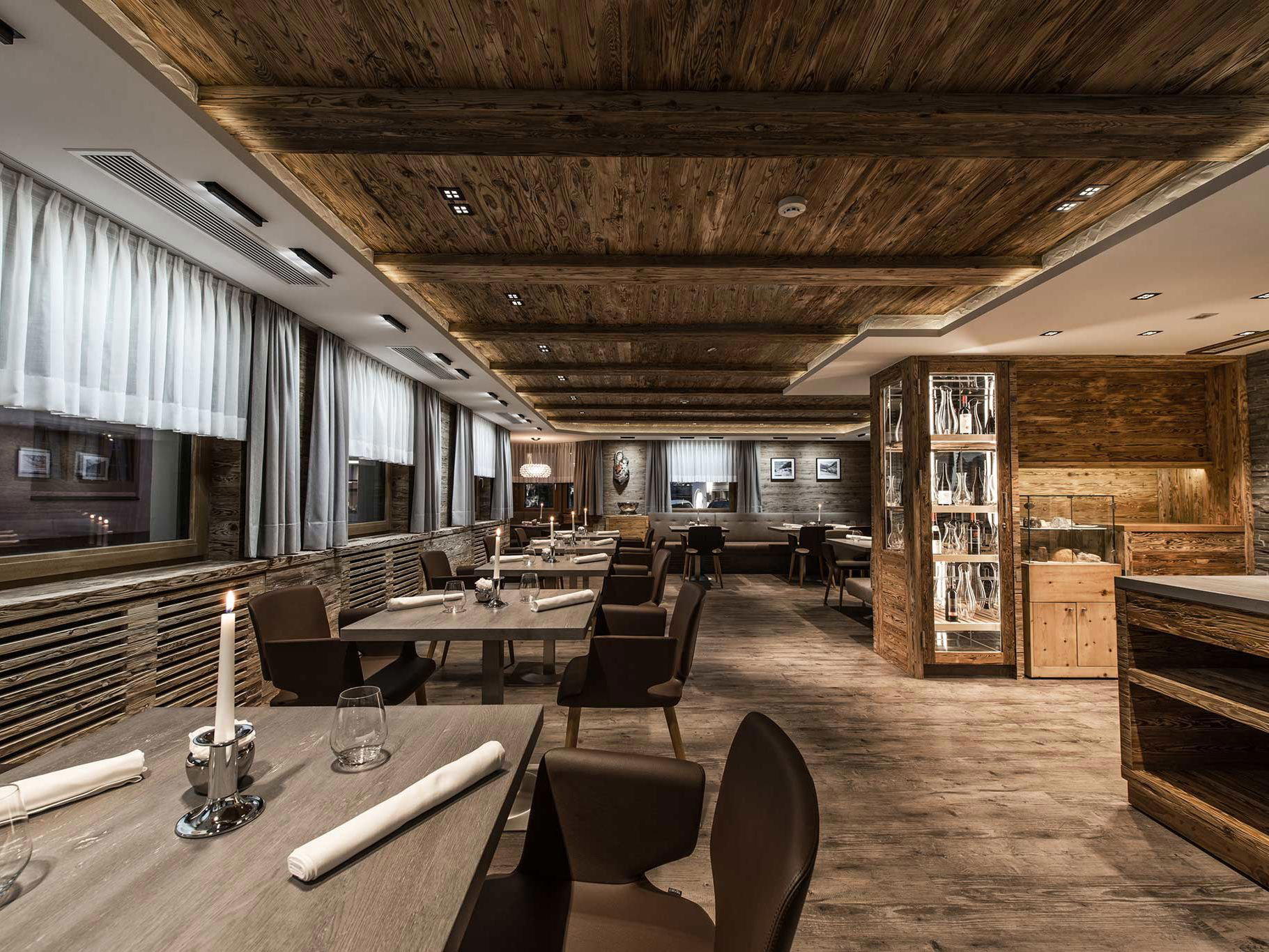
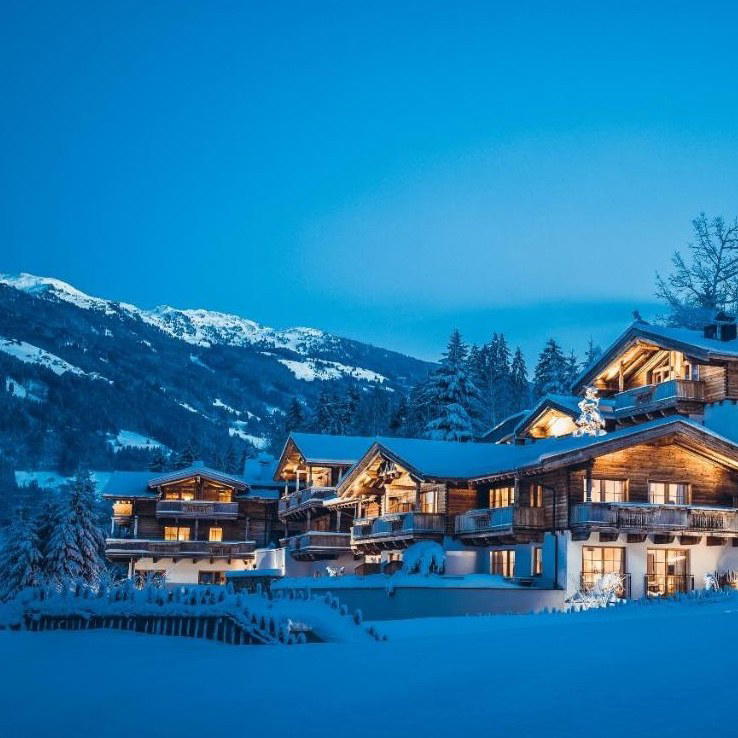
A Schloss, literally a castle or manor house, carries particular associations in the Austrian hospitality context. Properties of this type tend to compress centuries of agricultural and domestic history into their walls, and the physical environment at the restaurant reflects that accumulated character: stone, altitude, and the particular quiet that comes from being surrounded by working farmland rather than tourist infrastructure. That setting frames the meal before a plate arrives. Dining inside or adjacent to a property with land history creates a different register than a purpose-built restaurant, and Austrian guests in particular read those signals fluently.
Among the properties in this region, the restaurant occupies a niche that sits closer to Ois in Neufelden or Atelier Fischer in Sankt Gilgen, places where the environment itself is part of the editorial statement, than to the urban-anchored formality of Artis in Graz. That positioning shapes expectations around both food and atmosphere.
Ingredient Sourcing as a Structural Argument
Particularly durable Austrian restaurant stories are usually sourcing stories. Döllerer in Golling an der Salzach built its reputation partly on Alpine ingredient philosophy, turning foraged and farmed Salzburg produce into a coherent kitchen identity. Kräuterreich by Vitus Winkler in Sankt Veit im Pongau has made herb cultivation and alpine botanical sourcing a structural element of its menu, not an accent. These are restaurants where the supply chain is the narrative, and the cooking exists to make that narrative legible on the plate.
For a property in Vomp with the word Schloss in its name and a rural Tyrolean address, the presumption is that sourcing operates in a similar register, that proximity to farms, alpine pasture, and river valley agriculture shapes what comes to the table in ways that a restaurant two hours away in the city cannot replicate by arrangement. Whether the restaurant makes that argument explicitly or simply benefits from geographical position, the Inn Valley context is an asset that defines the plausible upper ceiling of what cooking here can achieve.
Compare this to the position of Taubenkobel in Schützen am Gebirge, which has leveraged its Burgenland wine country setting to frame a menu built around local wines and produce, or Griggeler Stuba in Lech, where the altitude and resort context anchor a particular kind of winter-season precision. Each of these properties turns its geography into a working argument about what should be on the menu and why. The restaurant's geography makes a similar argument available.
Vomp and the Broader Tyrolean Dining Circuit
Vomp is not a destination restaurant town in the way that, say, Werfen or Golling have become through specific celebrated kitchens. It sits in the middle Inn Valley, accessible from Innsbruck and close enough to the motorway corridor that connects Tyrol to the rest of Austria and to Germany. That audience tends to be literate about Austrian food traditions and less interested in spectacle than in substance, a useful calibration for any kitchen operating in this corridor.
The Tyrolean circuit also includes stops like Stüva in Ischgl and Restaurant 141 by Joachim Jaud in Mieming, both of which represent the more formalized end of Tyrolean fine dining and offer a useful point of comparison for anyone calibrating ambitions in this region.
Planning a Visit
The restaurant is located at Innhöfe 3, 6134 Vomp, Austria, a rural address that requires private transport or a taxi from the nearest rail connections at Schwaz or Jenbach. For international visitors, Innsbruck Airport is the practical gateway, placing Vomp within a 30-minute drive along the Inn Valley. Given the manor setting and the regional guest profile, advance contact to confirm opening schedules and availability is advisable; properties of this type in Tyrol often operate with seasonal rhythms rather than year-round consistency, and booking ahead is a reliable way to avoid an unnecessary journey. Reservations are recommended.
Side-by-Side Snapshot
Comparable venues nearby, for context on price, style, and recognition.
| Venue | Cuisine | Price | Notes |
|---|---|---|---|
| Schloss MitterhartThis venue — the venue you are viewing | Traditional Tirolean Cuisine | $$ | Not listed |
| Ottoburg | Traditional Tyrolean & Austrian | $$ | Old Town |
| Jedermann's | Austrian | $$ | Innsbruck city center |
| Erfurter Hütte | Traditional Tyrolean Alpine | $$ | Maurach, Eben am Achensee |
| Burgeralm | Tyrolean Alpine Burgers & Cheese | $$ | Rettenschöss |
| Rimmlstube | Tyrolian Regional Austrian | $$ | Berwang |
Continue exploring
More in Vomp
Restaurants in Vomp
Browse all →
Bars in Vomp
Browse all →
Hotels in Vomp
Browse all →

At a Glance
- Classic
- Rustic
- Elegant
- Cozy
- Scenic
- Romantic
- Date Night
- Special Occasion
- Business Dinner
- Family
- Private Event
- Historic Building
- Garden
- Terrace
- Hotel Restaurant
- Beer Program
- Local Sourcing
- Waterfront
- Garden
Historic and refined, with a romantic, cozy atmosphere that blends castle character with a relaxed alpine feel.