Alpine Grazing, at Altitude The approach to a Tyrolean mountain hut tells you most of what you need to know before you sit down. The path rises through pasture, the air shifts, and by the time the timber structure comes into view you are already...
Pearl is the En Primeur Club membership app — saves, bookings, and concierge access live there. Same editors, same standards.
- Address
- Nafingalm 10, 6133 Weerberg, Austria
- Phone
- +4366488109940
- Website
- weidener-huette.at
- Directions
- Get directions
 Saves & bookings on Pearl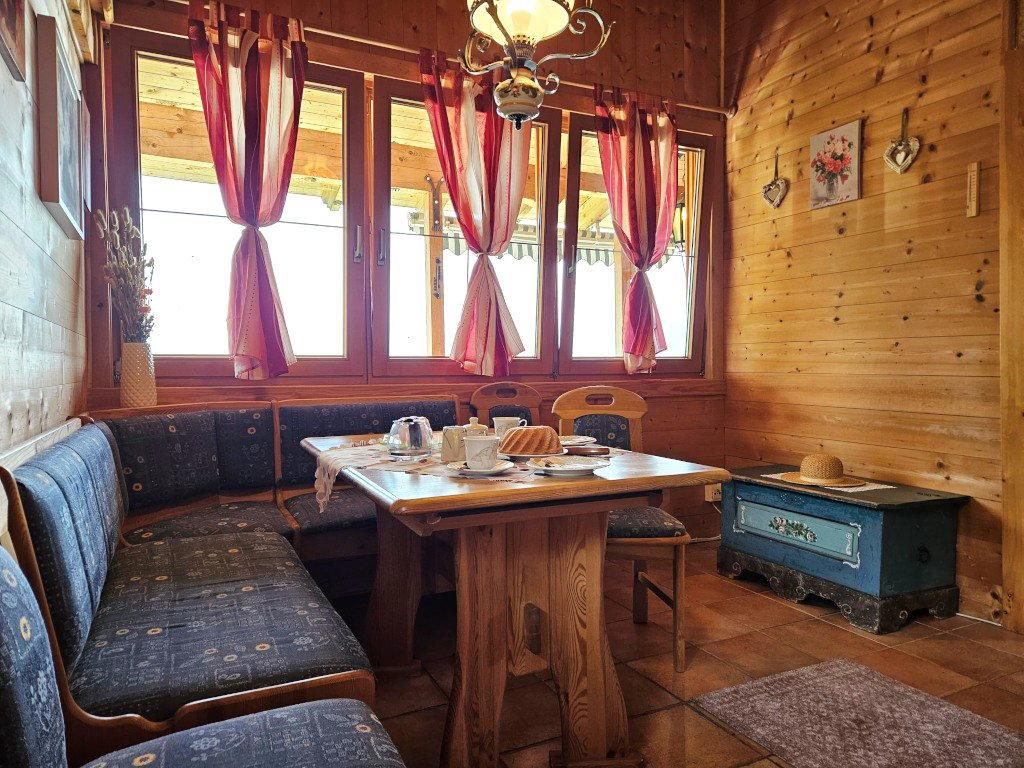
Alpine Grazing, at Altitude
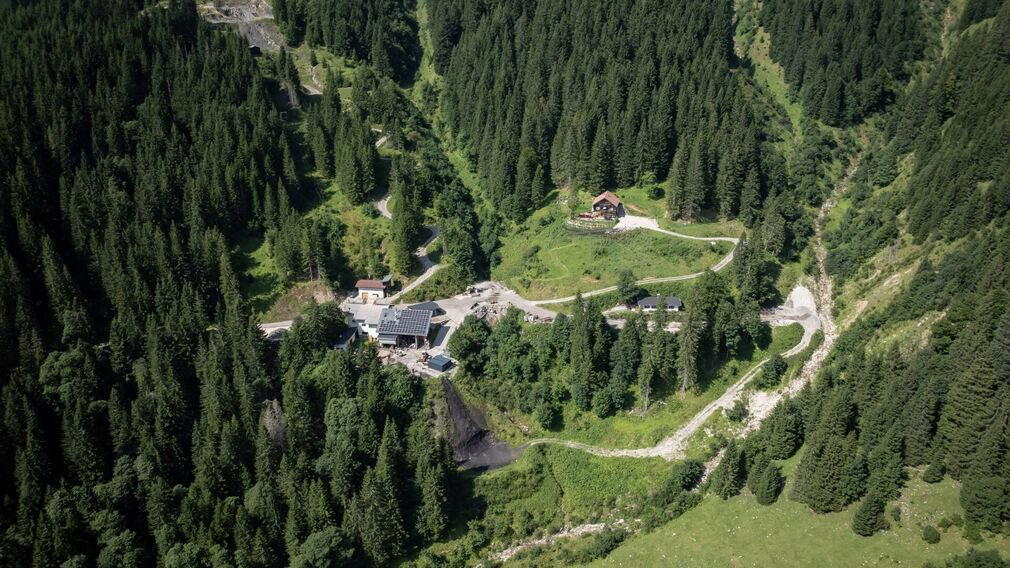
The approach to a Tyrolean mountain hut tells you most of what you need to know before you sit down. The path rises through pasture, the air shifts, and by the time the timber structure comes into view you are already oriented toward a different pace of eating. Weidener Hütte, at Nafingalm 10 in Weerberg, sits in that tradition: a working alpine hut in the Weerberg valley of the Tyrol, part of an Austrian mountain hospitality culture with deep local roots. The meadows surrounding it shape what reaches the table.
Where the Food Comes From
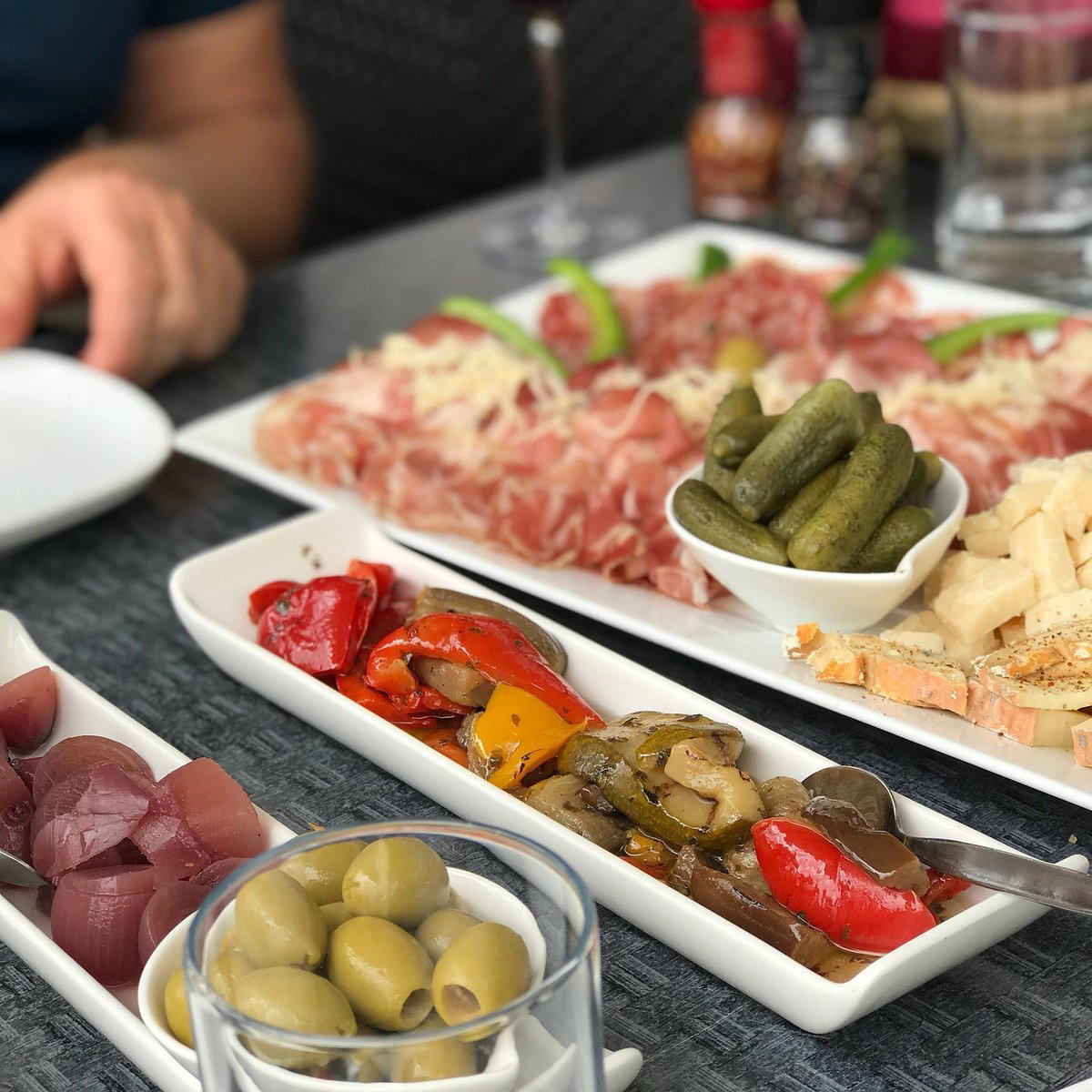
Austrian alpine huts operate within a sourcing logic that urban restaurants spend considerable effort trying to replicate. Elevation limits what grows and what grazes, and those constraints produce a cuisine of genuine locality. The cattle and dairy animals that move through Tyrolean high pasture over the summer months determine what appears on the table: milk, cheese, butter, and meat shaped by altitude-specific grasses and wildflowers rather than lowland feed. At a hut like Weidener Hütte, the same ingredient focus appears more directly, without the mediation of a multi-course format.
Tyrolean alpine dairy is among the more regionally distinct in the European mountain arc. The combination of short growing seasons, varied botanical pasture, and traditional small-scale production methods yields milk with fat profiles and flavor characteristics that differ measurably from valley-floor equivalents. Cheeses made from this milk carry a sharpness and depth that reflects grazing conditions rather than processing decisions. For a visitor arriving from a city context, the sourcing is not a selling point on a menu card but simply the physical reality of where the food was produced, often within sight of where it is served.
The Character of the Setting
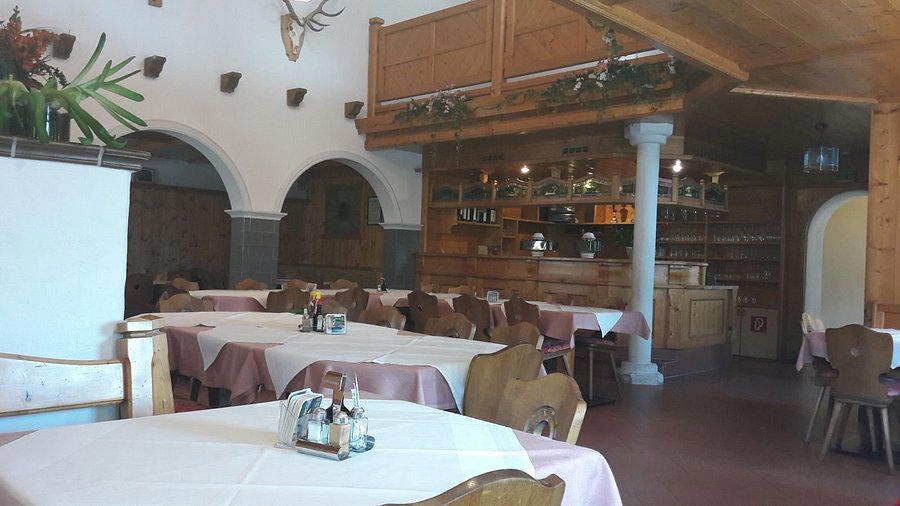
Alpine huts in the Tyrolean tradition serve a guest population that is primarily in motion: hikers, climbers, ski tourers in winter, families navigating marked trails in summer. The atmosphere this produces is less curated than that of a destination restaurant and more contingent on who happens to arrive that afternoon. Wooden tables, shared benches, a directness of service that prioritizes function over theater: these are structural features of the hut format, not stylistic choices. The contrast with the white-tablecloth register of Gourmetrestaurant Tannenhof in Sankt Anton am Arlberg or Griggeler Stuba in Lech is absolute and intentional on both sides.
What this format trades in formality it gains in a kind of atmospheric honesty. The food arrives because it was available and because the kitchen could prepare it, not because a menu architect planned a progression. The view from a hut terrace is earned rather than purchased. These are not minor considerations for a category of traveler who values context as part of the meal.
Weerberg and Its Position in Tyrolean Dining
Weerberg is a quiet municipality in the Schwaz district of Tyrol, southeast of Innsbruck, without the international tourism infrastructure of resorts like Ischgl or the culinary reputation of destinations served by Stüva in Ischgl or Schwarzer Adler in Hall in Tirol. That relative obscurity is part of its character. The visitors who reach Weidener Hütte have generally done so on foot or by vehicle along narrow mountain roads, and the guest mix reflects that self-selection. You are not likely to encounter the same audience that books Ikarus in Salzburg or Landhaus Bacher in Mautern an der Donau for a weekend occasion.
The restaurant is best understood alongside other functional alpine huts: how far it is from the nearest valley, how the kitchen handles the supply limitations of altitude, whether the beer is cold and the soup is made that morning.
Alpine Huts and the Sourcing Argument at Scale
The Tyrolean hut system runs through summer and into early autumn for most high-altitude locations, with some operating year-round at lower elevations or near ski infrastructure. The seasonal window is not arbitrary: it tracks the agricultural calendar of high pasture. Animals move upward in late spring, graze through summer, and return before the first hard frosts. The hut kitchen follows that schedule. For a food-focused traveler, timing a visit to mid-summer captures the full expression of this cycle, when dairy is at its richest and local produce from valley gardens can supplement the hut pantry.
The sourcing specificity of this format is something that even high-ambition Austrian restaurants work hard to approximate. Kräuterreich by Vitus Winkler in Sankt Veit im Pongau and Obauer in Werfen have built serious reputations partly on the depth of their regional sourcing. A hut like Weidener Hütte operates that sourcing logic without the fine-dining scaffolding, which is both its limitation and its particular interest. The same ingredients, fewer steps between pasture and plate.
This also positions the hut experience usefully against global destination dining. The sourcing transparency that draws well-traveled guests to Restaurant 141 by Joachim Jaud in Mieming or, further afield, to seafood-forward institutions like Le Bernardin in New York City rests on a claim of ingredient provenance. At an alpine hut, that provenance is architectural: the meadow is outside, the dairy operation is nearby, the kitchen radius is measured in walking minutes rather than supply chain logistics.
Planning a Visit
Reaching the restaurant requires a drive to Weerberg followed by the approach on foot or by mountain road to Nafingalm. Arriving earlier in the day is the sensible approach.
In Context: Similar Options
Comparable venues nearby, for context on price, style, and recognition.
| Venue | Cuisine | Price | Notes |
|---|---|---|---|
| Weidener HütteThis venue — the venue you are viewing | Regional Tyrolean Mountain Hut Cuisine | $$ | Not listed |
| Rauthhütte | Traditional Austrian Mountain Hut | $$ | Moos |
| Bürgerstuben | Austrian & Central European with Mediterranean influences | $$ | Axams |
| Schloss Mitterhart | Traditional Tirolean Cuisine | $$ | Vomp |
| Die Poscht | Modern Austrian | $$ | Silz |
| Aualm | Traditional Tyrolean Alpine Cuisine | $$ | Söll |
Continue exploring
More in Weerberg
Restaurants in Weerberg
Browse all →
Bars in Weerberg
Browse all →
Hotels in Weerberg
Browse all →

At a Glance
- Rustic
- Cozy
- Scenic
- Family
- Casual Hangout
- Terrace
- Historic Building
- Local Sourcing
- Mountain
Cozy and gemütlich atmosphere with behagliche accommodations and warm hospitality from friendly hosts.