Our verdict
A traditional Alpine hut in the Leutasch valley, Rauthhütte sits at the quieter end of Tyrolean mountain dining, where the emphasis falls on regional cooking and the kind of unhurried atmosphere that has defined this high-altitude corner of Austria for generations. Positioned between the working farmsteads and walking trails of the Moos district, it draws visitors looking for cooking rooted in place rather than performance.

Pearl is the En Primeur Club membership app, where members save venues, book tables and use the concierge.

Where the Valley Quiets Down
The Leutasch valley operates on a different register from the resort towns that bracket it. No gondolas overhead, no après-ski queues at the door. What the area offers instead is a version of Tyrolean life that predates the ski industry: working farms, cross-country trails through protected moorland, and a cluster of Alpine huts whose kitchens have been feeding walkers and locals for longer than anyone has been counting. Rauthhütte, at Moos 7 in the upper reaches of the valley, belongs to that older category. The address alone signals something: Moos refers to the bog and meadow landscape that characterises this part of Leutasch, a terrain that shapes both the produce available and the pace at which the surrounding community moves.
For visitors accustomed to mountain dining in Ischgl or Lech, where venues like Stüva in Ischgl and Griggeler Stuba in Lech operate at polished, award-tracked levels, the shift in register here is deliberate and worth understanding before you go. Leutasch does not position itself as a fine-dining destination. It positions itself as a place where the food reflects the land in a more direct, less mediated way.
Tyrolean Hut Cooking and Its Cultural Logic
The Alm or Hütte format is one of Austrian food culture's most persistent traditions. Originally shelters for herders taking livestock to high summer pastures, these mountain structures developed kitchens out of necessity, feeding workers on whatever the land and the season provided. Over centuries, that necessity became a cuisine: hearty, fat-reliant, built around stored and cured ingredients that could survive altitude and weather. Speck, dumplings, rye bread, fresh dairy, and whatever greens the surrounding meadows yielded in the short warm months. The hut kitchen is not a simplified version of Austrian cooking. It is, in many ways, the source material from which the more refined regional traditions grew.
Contemporary Austrian fine dining, represented at its most ambitious by venues like Steirereck im Stadtpark in Vienna and Döllerer in Golling an der Salzach, draws constantly on this rural inheritance, reinterpreting cured meats, fermented dairy, and foraged herbs through modern technique. What places like Rauthhütte offer is the unreinterpreted version: cooking that does not need to justify itself through innovation because it exists within a living tradition rather than referencing a historical one.
That distinction matters when you are deciding how to spend an evening in Leutasch. The valley has other options. Hämmermoosalm and Rotmoosalm operate in related formats, each with their own terrain and seasonal character. The choice between them is less about quality hierarchy and more about which pocket of the valley you want to settle into for an afternoon or evening.
The Broader Austrian Mountain Dining Context
Tirol has developed a credible fine-dining tier over the past two decades. Gourmetrestaurant Tannenhof in Sankt Anton am Arlberg and Schwarzer Adler in Hall in Tirol anchor the upper end of the regional spectrum, and venues further afield such as Ikarus in Salzburg and Kräuterreich by Vitus Winkler in Sankt Veit im Pongau demonstrate the range of what Austrian mountain-adjacent cuisine can achieve when it commits to creative ambition. Internationally, the distance between Austrian hut cooking and, say, the technical refinement of Le Bernardin in New York City or the modernist Korean-American approach at Atomix in New York City is not a gap to be apologised for. These are different projects with different purposes.
Across Austria, the venues that have translated rural cooking most effectively into contemporary fine dining tend to share a commitment to local sourcing as a structural principle rather than a marketing point. Obauer in Werfen, Landhaus Bacher in Mautern an der Donau, and Taubenkobel in Schützen am Gebirge all operate from this premise, albeit in very different regional registers. Further east, venues like Ois in Neufelden and Restaurant 141 by Joachim Jaud in Mieming illustrate how that localist logic plays out beyond the major tourist corridors. The hut tradition that Rauthhütte participates in sits at the base of this whole stack, supplying the cultural grammar that the more ambitious kitchens borrow from.
Planning a Visit
Leutasch is accessible from Innsbruck via the Seefelder Straße, with the valley floor roughly 30 kilometres from the city. The Moos area sits toward the western end of the valley, past the main village cluster. Summer and winter both bring visitors, though the character of each season differs considerably: summer draws walkers and cyclists using the valley's extensive trail network, while winter brings cross-country skiers to what is one of Austria's more extensive prepared track systems. Either season works as context for a hut visit, though the shorter daylight hours and colder temperatures of winter do tend to sharpen the appeal of a warm interior and something hot to eat after time on the trails. Given the limited data available about current booking procedures, contacting the venue directly before a visit is advisable, particularly during peak periods in July, August, and the Christmas-to-March ski season. For a broader picture of what the valley offers across different dining formats, the full Leutasch restaurants guide covers the options in more detail.
Frequently asked questions
How do I find Rauthhütte?
Rauthhütte is located at Moos 7, 6105 Leutasch, Austria, Leutasch.
Is Rauthhütte open year-round, and does it suit both summer and winter visits?
In the Leutasch valley, the alpine hut season traditionally spans both the winter cross-country skiing period and the summer hiking months, with the Moos area accessible from Innsbruck year-round via the Seefelder Straße. Checking seasonal availability directly with the venue at Moos 7, 6105 Leutasch is the reliable approach before planning a visit.
What dish is Rauthhütte famous for?
No specific signature dish is documented for Rauthhütte at this time. The hut sits in the Moos area of Leutasch, a setting that across the Tyrolean Alm tradition typically centres on hearty regional cooking: roasted meats, dairy-rich preparations, and bread-based dishes drawn from high-pasture culture. check the venue's official channels at Moos 7, 6105 Leutasch for current menu details.
Should I book Rauthhütte in advance?
The Leutasch valley attracts visitors precisely because it sits outside the high-traffic resort circuit, but that does not mean capacity is unlimited at a traditional alpine hut. Booking ahead is advisable, particularly on weekends and during the winter season when day-trippers from Innsbruck, roughly 30 kilometres away via the Seefelder Straße, arrive in numbers. No online booking portal is currently listed for Rauthhütte, so contact by phone or in person is the likely route.
What makes Rauthhütte worth seeking out?
Rauthhütte occupies the Moos area of the Leutasch valley, one of the quieter pockets of Tirol where the Alm format survives on its own terms rather than as a dressed-up resort amenity. That distinction matters: the hut tradition here is shaped by farming and herding culture, not ski-lift economics. For visitors wanting Tyrolean mountain dining without the Seefeld or Innsbruck tourist infrastructure around it, that context is the draw.
What if I have allergies at Rauthhütte?
Traditional Tyrolean hut cooking relies heavily on dairy, wheat, and pork products, so guests with relevant allergies should communicate requirements directly before visiting. The address is Moos 7, 6105 Leutasch, Austria; no website or phone number is currently listed in public records.
Does Rauthhütte justify its prices?
The hut format across Tirol generally offers moderate pricing relative to the fine-dining tier that has developed in the region over the past two decades, with venues such as Tannenhof in Sankt Anton representing the premium end. A traditional Leutasch hut would typically sit well below that bracket, though confirming current pricing directly with the venue is advisable.
Price and Positioning
Comparable venues nearby, for context on price, style, and recognition.
| Venue | Cuisine | Price | Notes |
|---|---|---|---|
| RauthhütteThis venue (the venue you are viewing) | Traditional Austrian Mountain Hut | $20–30 | Not listed |
| Rotmoosalm | Traditional Tyrolean Alpine Cuisine | $20–30 | Gaistal, Leutasch, Traditional Tyrolean Alpine Cuisine |
| Hämmermoosalm | Traditional Austrian Alpine | Not listed | Klamm, Traditional Austrian Alpine |
| Juifenalm | Traditional Austrian Alpine Hut | $20–30 | Gries im Sellrain, Traditional Austrian Alpine Hut |
| Schloss Mitterhart | Traditional Tyrolean Fine Dining | $30–50 | Vomp, Traditional Tirolean Cuisine |
| Arzler Alm | Traditional Tyrolean Alpine Hut | $20–30 | Arzl, Traditional Tyrolean Alpine Hut |
Continue exploring
More in Leutasch
Restaurants in Leutasch
All restaurants in Leutasch →

Bars in Leutasch
Browse all →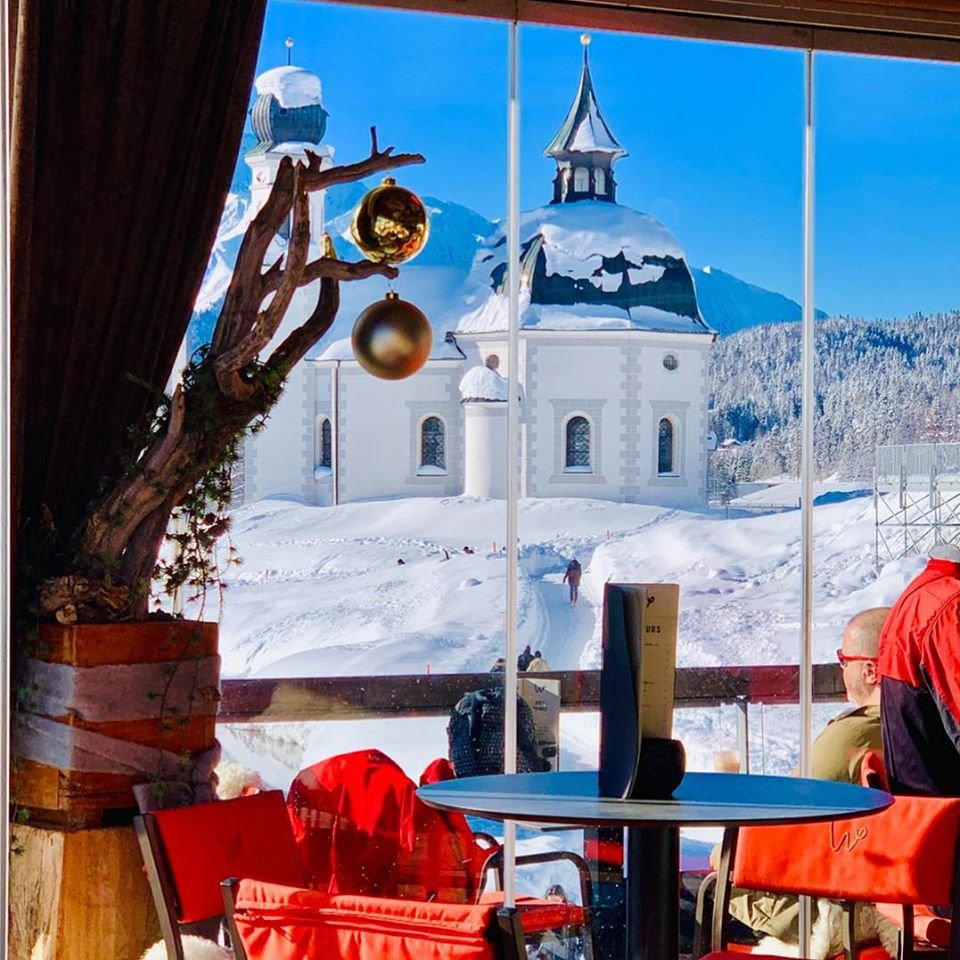

Details
- Rustic
- Cozy
- Scenic
- Family
- Casual Hangout
- Terrace
- Historic Building
- Local Sourcing
- Mountain
- A La Carte
- Vegetarian Friendly
- Vegan Options
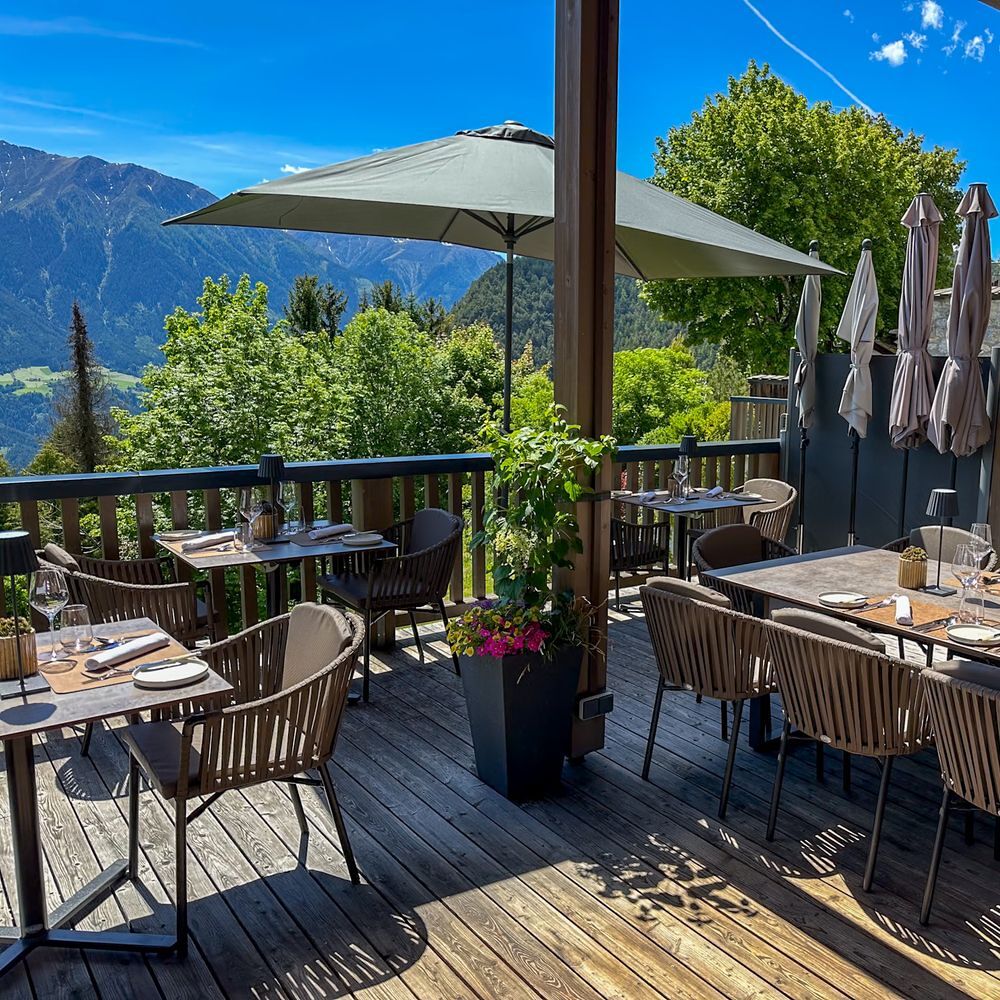
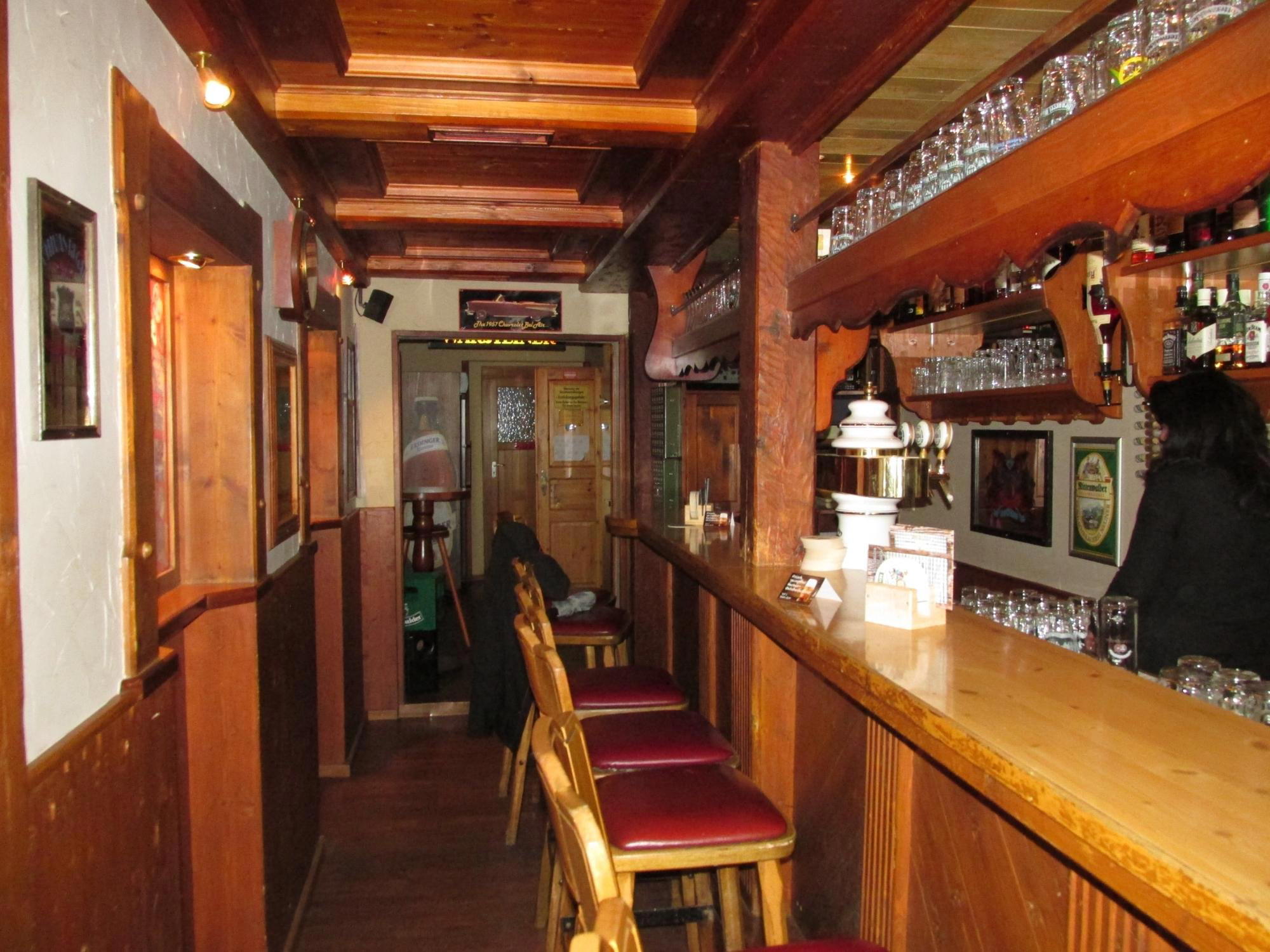
Cozy alpine hut atmosphere welcoming to families and hikers with rustic charm and mountain vistas.