Positioned along the eastern edge of Hoan Kiem Lake in Hanoi's Hoàn Kiếm district, Cau Go Vietnamese Cuisine draws on the northern Vietnamese kitchen tradition at a lakeside address that places it firmly within the city's mid-to-upper dining circuit. The cooking leans into regional sourcing and classic Hanoi techniques, making it a reference point for visitors and locals who want Vietnamese food grounded in place rather than adapted for international palates.
 Discover on Pearl
Pearl is the En Primeur Club membership app — saves, bookings, and concierge access live there. Same editors, same standards.
- Address
- 9 Đinh Tiên Hoàng, Hàng Trống, Hoàn Kiếm, Hà Nội, Vietnam
- Phone
- +84 24 3926 0808
- Website
- caugorestaurant.com
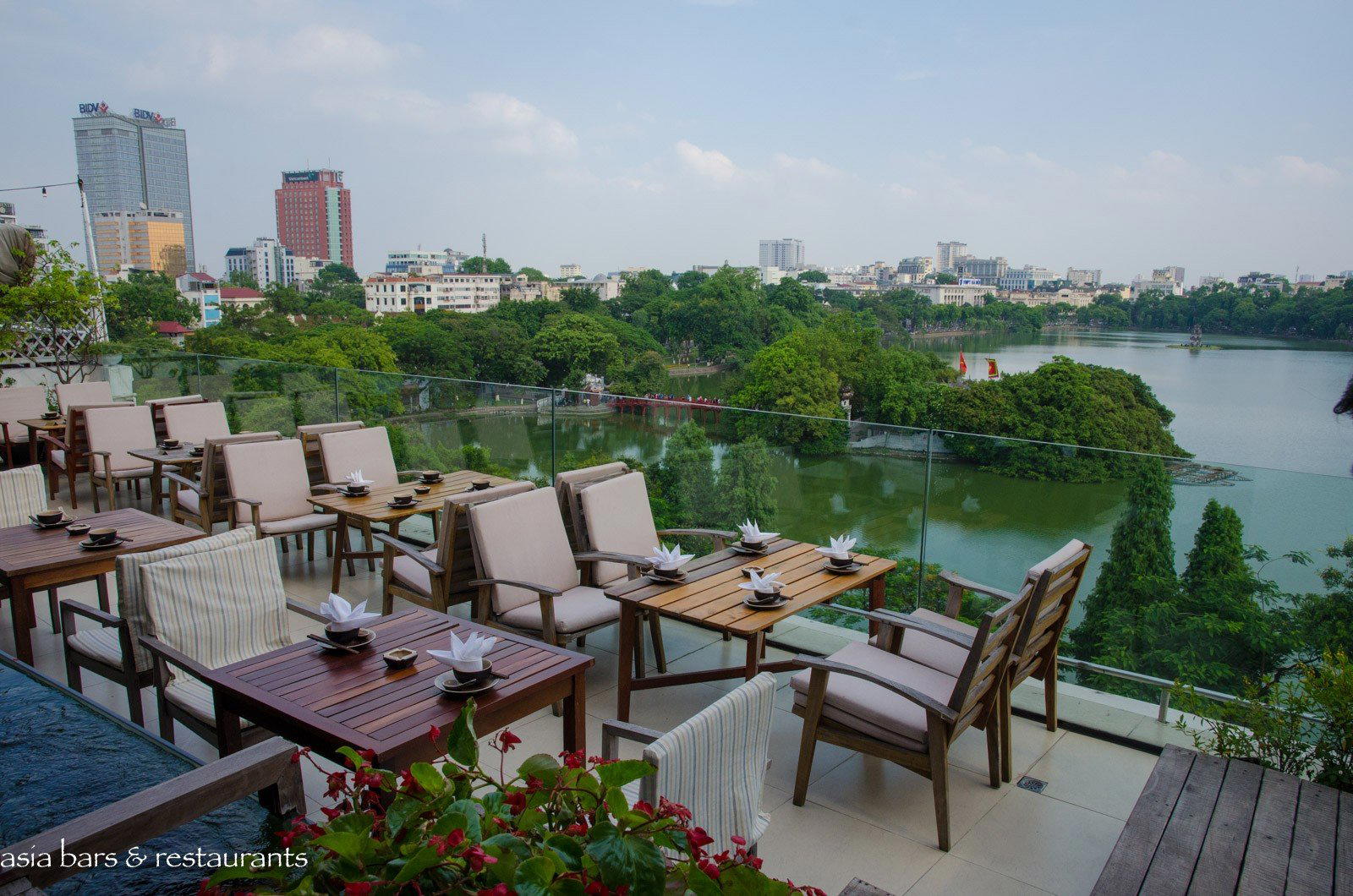
Hoan Kiem Lake and the Dining Strip That Surrounds It
The eastern bank of Hoan Kiem Lake operates as Hanoi's most recognizable dining addresses. The lake itself functions as a civic anchor, the point from which the Old Quarter radiates outward and against which every nearby restaurant calibrates its identity. At this address on Đinh Tiên Hoàng, the street runs close enough to the water that upper-floor windows look directly across to the Turtle Tower and the red wooden arch of The Huc Bridge. It is a position that carries weight in a city where geography shapes expectation as much as any kitchen credential.
Vietnamese restaurants that occupy lakeside Hoàn Kiếm addresses sit in a specific tier of the city's dining structure. They are neither the hole-in-the-wall bún chả counters of the Old Quarter nor the international-format fine dining operations appearing in newer hotel developments. The mid-tier here is defined by multi-floor formats with extended Vietnamese menus, and it draws a clientele that includes both local families marking occasions and international visitors looking for northern Vietnamese cooking presented with some degree of contextual framing. Cau Go Vietnamese Cuisine occupies exactly this position.
Northern Vietnamese Sourcing and Why the Geography Matters
The northern Vietnamese kitchen is a study in restraint. Where southern Vietnamese cooking reaches for sweetness and central Vietnamese food adds heat, Hanoi's culinary tradition prizes clarity of flavour, broths built over long hours, fresh herbs used for fragrance rather than volume, fermented and pickled condiments deployed with precision. The logic of this kitchen is directly tied to the cooler northern climate, the produce available from the Red River Delta, and a culinary culture shaped by centuries as the country's administrative and cultural centre.
Sourcing in this context means something specific. The ingredients that define northern Vietnamese cooking, water spinach from the delta's flooded fields, freshwater fish from lakes and rivers, pork raised in highland provinces, aromatic herbs grown in the kitchen gardens of villages north of the city, carry a regional identity that processed or imported substitutes cannot replicate. Restaurants positioned at the Hoàn Kiếm tier of the market are expected to source with some fidelity to this geography. The cooking traditions they draw on were built around those specific inputs, and the flavour profiles that make northern Vietnamese food coherent depend on them.
Cau Go Vietnamese Cuisine operates within this framework. The address on Đinh Tiên Hoàng places it at the centre of Hanoi's tourism and business circuit, but the cuisine it represents has its roots in a much wider agricultural network, one that extends from the rice paddies and vegetable plots of the Red River plain to the highland producers who supply specialist ingredients to the capital's kitchens. Cau Go operates in the territory between those poles, where the menu is broad and the format is designed to accommodate groups and extended meals.
What the Multi-Floor Format Signals
In Hanoi's mid-tier Vietnamese restaurant circuit, a multi-floor building on a prime lakeside street is a deliberate format choice. It signals capacity for large tables, the ability to accommodate private dining groups, and a menu structure that runs wide enough to serve extended family-style ordering. These are not incidental features, they define how the space is used and by whom.
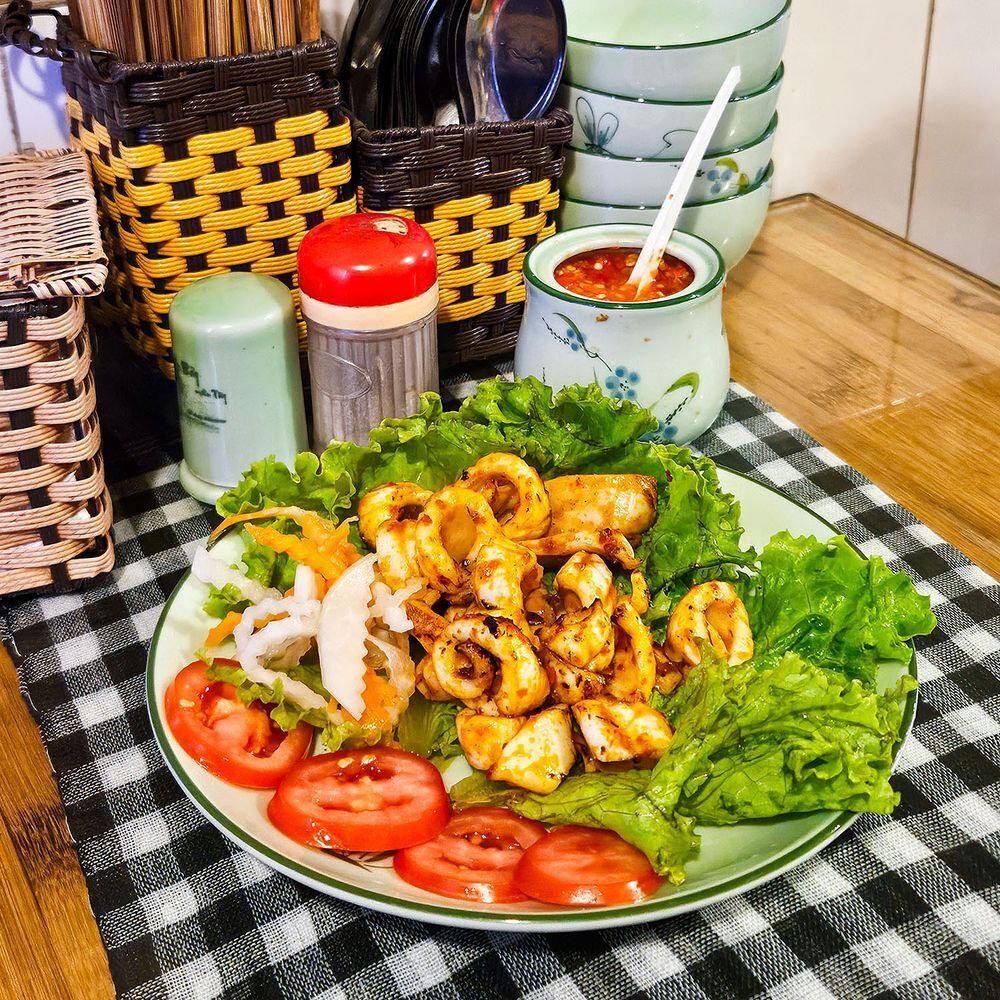
The food at venues in this tier typically covers the full range of northern Vietnamese standards: soups, grilled and braised meats, freshwater fish preparations, rice and noodle dishes, and a selection of vegetables prepared in the northern style. This breadth is functional as much as aspirational, designed for tables that will order collectively across multiple courses rather than individual diners choosing from a tasting format. It positions Cau Go differently from a specialist counter like 19 P. Ngũ Xã or a heritage address like 1946 Cua Bac, both of which carry more defined culinary identities within narrower format frames.
Hanoi in the Broader Vietnamese Dining Picture
Hanoi's restaurant circuit differs from Ho Chi Minh City's in ways that go beyond geography. The capital tends toward longer-established formats, a stronger attachment to regional culinary identity, and a dining culture that is less visibly influenced by the hybrid international styles more common in the south. The traditional Vietnamese category still holds significant weight and is taken seriously by local diners.
Across Vietnam more broadly, the strongest dining destinations tend to be those with a clear sourcing story tied to place. La Maison 1888 in Da Nang builds its identity around French technique applied to Vietnamese ingredients. Saffron in Hue City anchors itself to central Vietnamese court cooking traditions. Akuna in Ho Chi Minh City works within the southern Vietnamese kitchen. The pattern across the country's dining circuit is that specificity of place, both in sourcing and culinary tradition, is what separates the more compelling restaurants from the generalist options. At the Hoàn Kiếm tier, that specificity means northern Vietnamese cooking drawn from the Red River Delta's agricultural network, prepared in ways recognisable to Hanoians rather than simplified for export.
Planning Your Visit
The address at 9 Đinh Tiên Hoàng puts Cau Go Vietnamese Cuisine within walking distance of the Old Quarter's main grid and the Hoan Kiem Lake circuit.
At-a-Glance Comparison
Comparable venues nearby, for context on price, style, and recognition.
| Venue | Cuisine | Price | Awards | Notes |
|---|---|---|---|---|
| Cau Go Vietnamese CuisineThis venue — the venue you are viewing | Authentic Central Vietnamese Cuisine | $$ | , | |
| Hanoi Cuisine 1925 | Traditional Vietnamese | $$ | , | Hoan Kiem |
| Senté | Modern Vietnamese Lotus Cuisine | $$ | , | Hoan Kiem |
| Chả Cá Thăng Long | Traditional Hanoi Turmeric Fish (Chả Cá) | $ | , | Hoan Kiem |
| 19 P. Ngũ Xã | Traditional Vietnamese Pho Rolls | $$ | , | Ba Dinh |
| Xoi Che Ba Thin | Traditional Vietnamese Xoi Che (Sticky Rice & Sweet Soup) | $ | , | Hoan Kiem |
At a Glance
- Scenic
- Elegant
- Modern
- Group Dining
- Special Occasion
- Rooftop
- Terrace
- Panoramic View
- Local Sourcing
- Street Scene
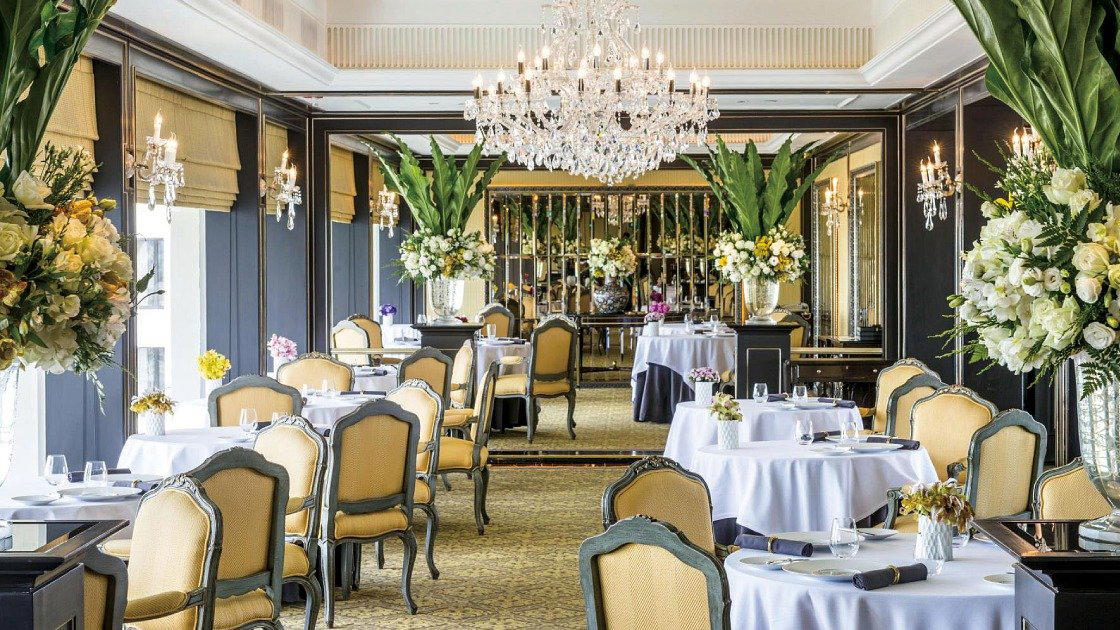
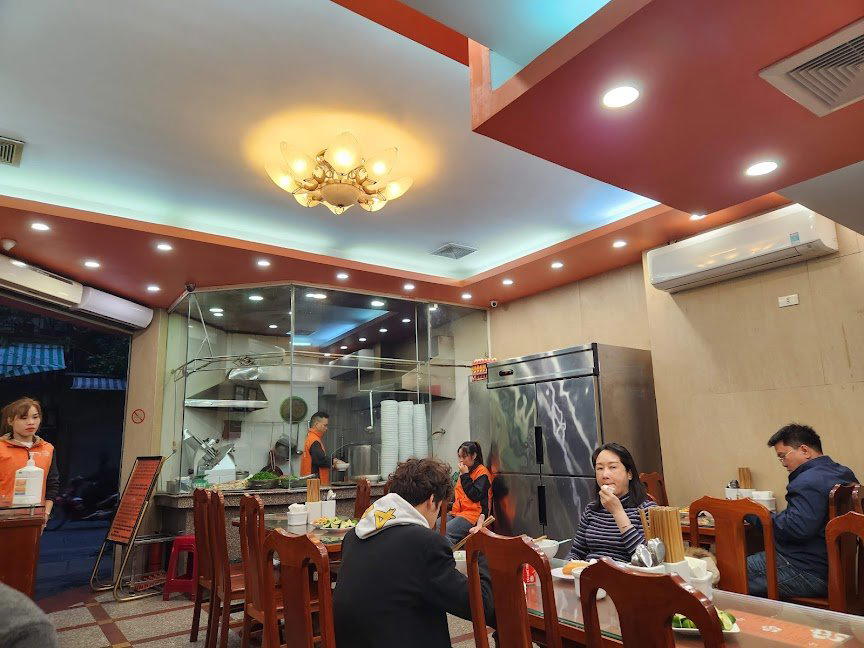
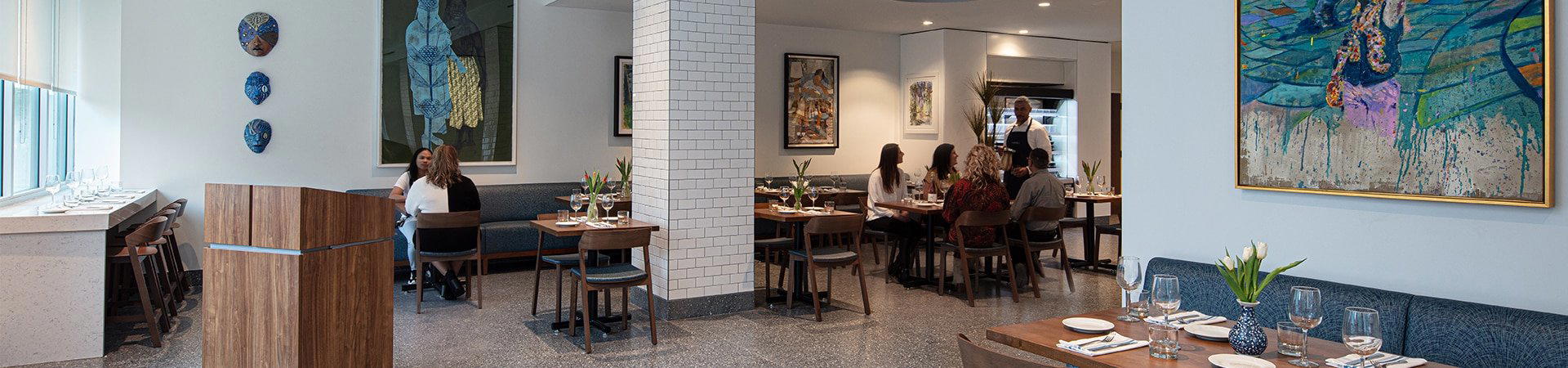
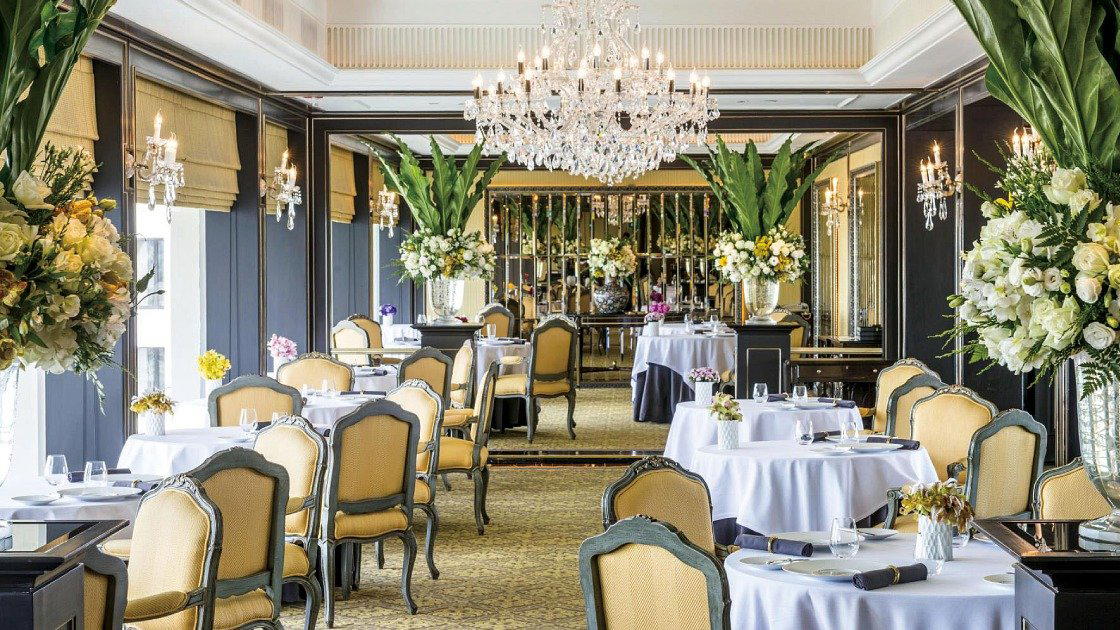
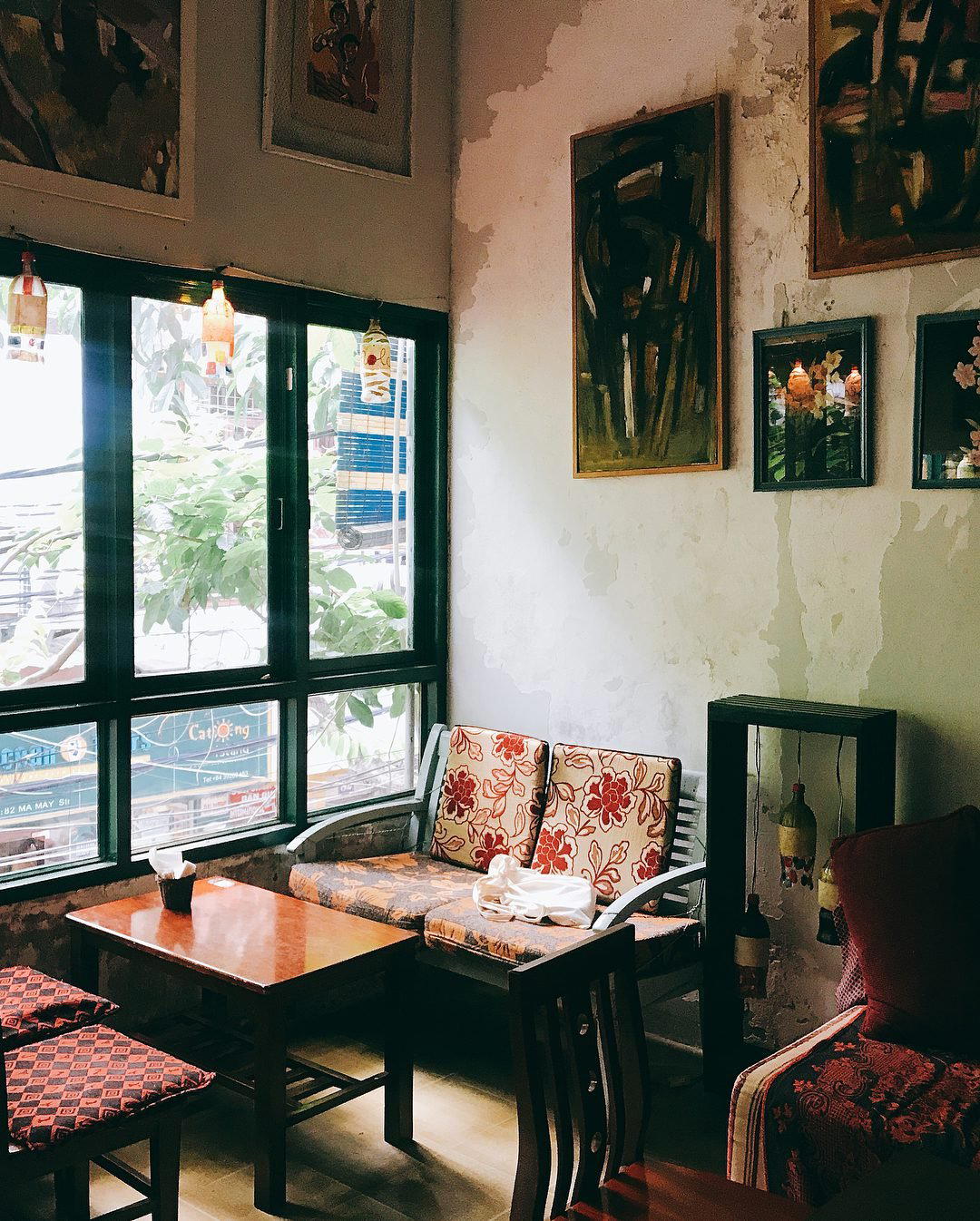
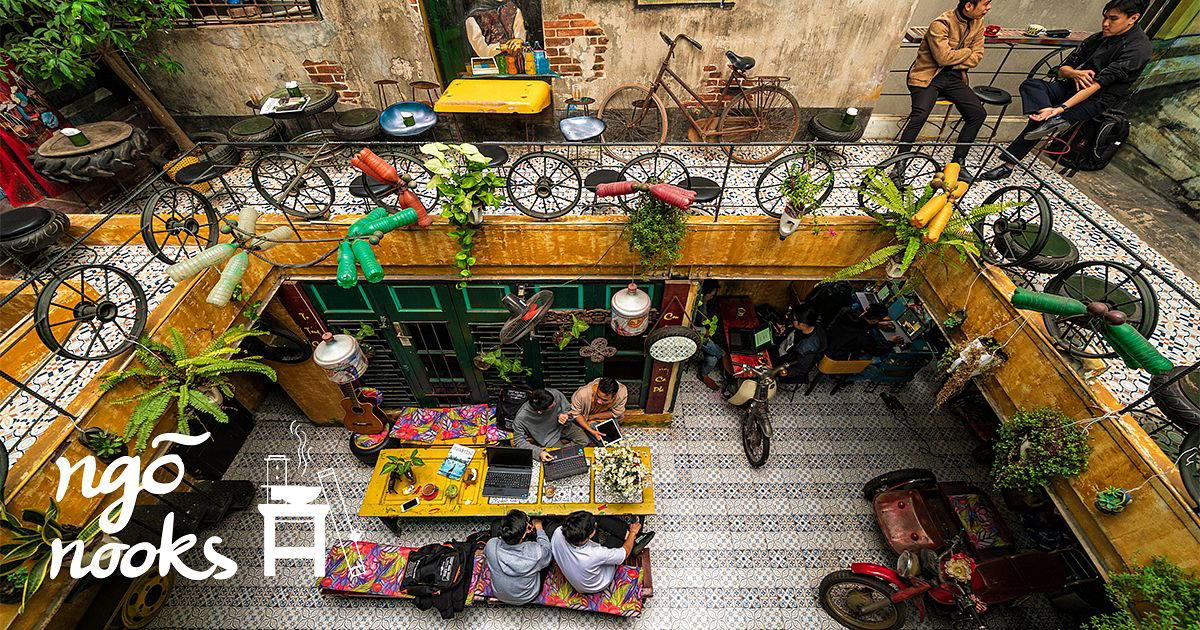
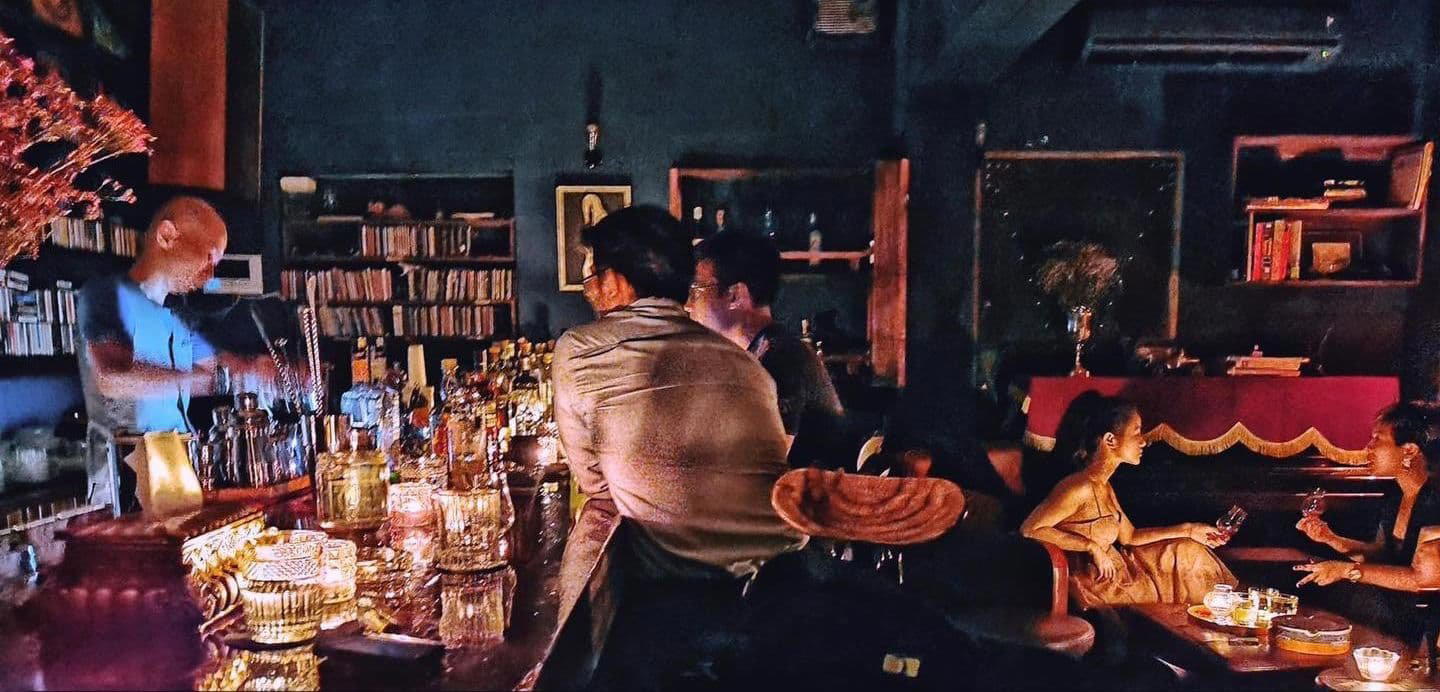
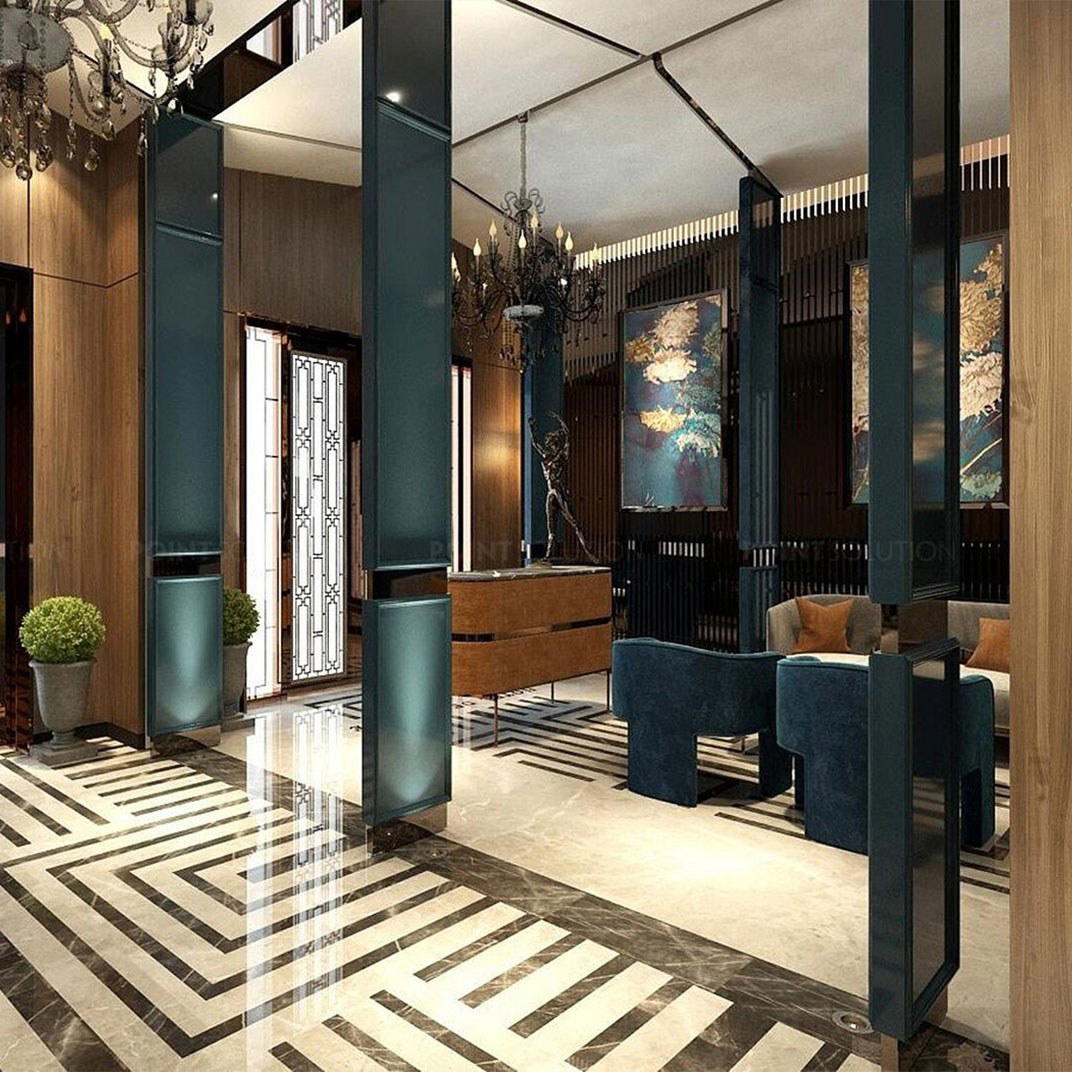
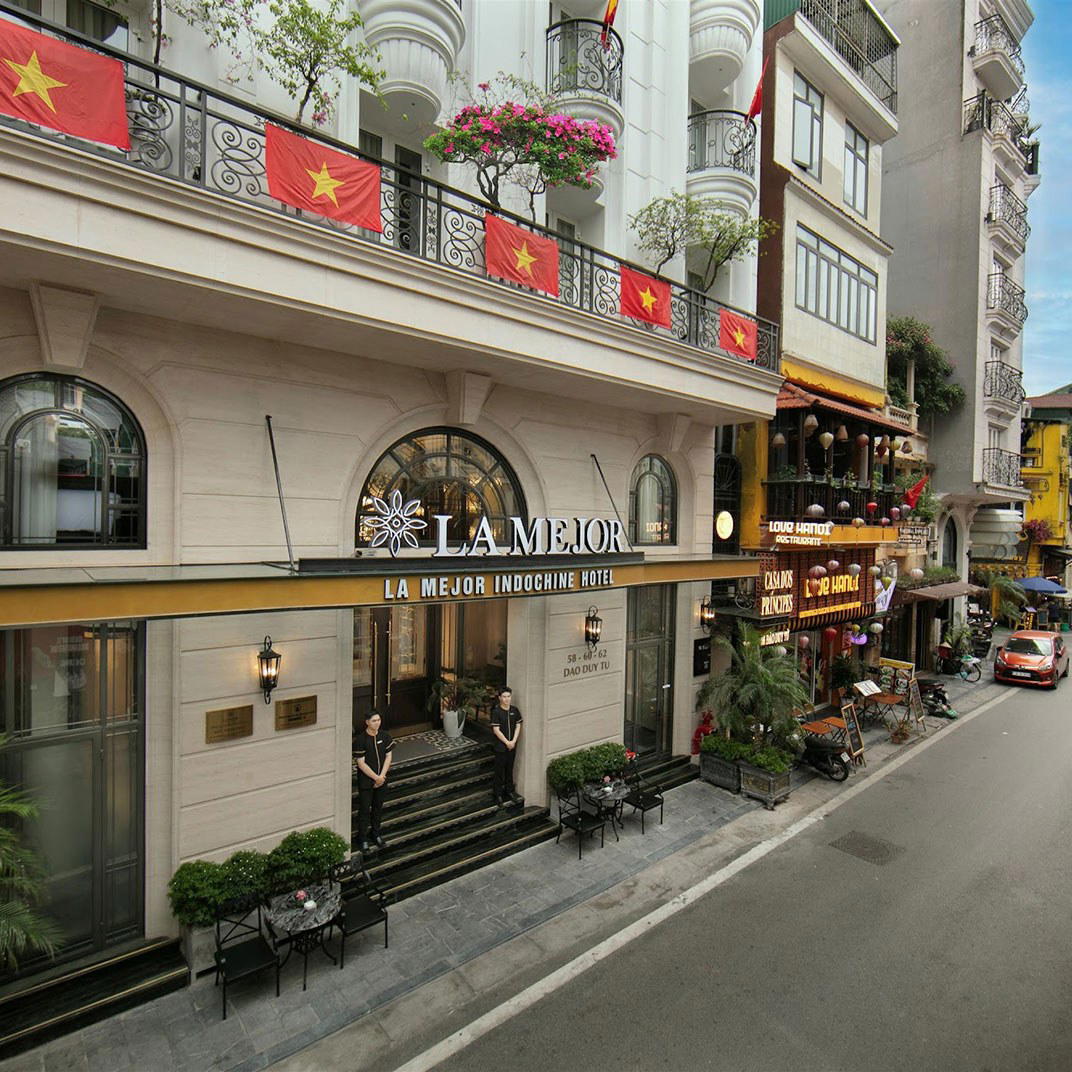
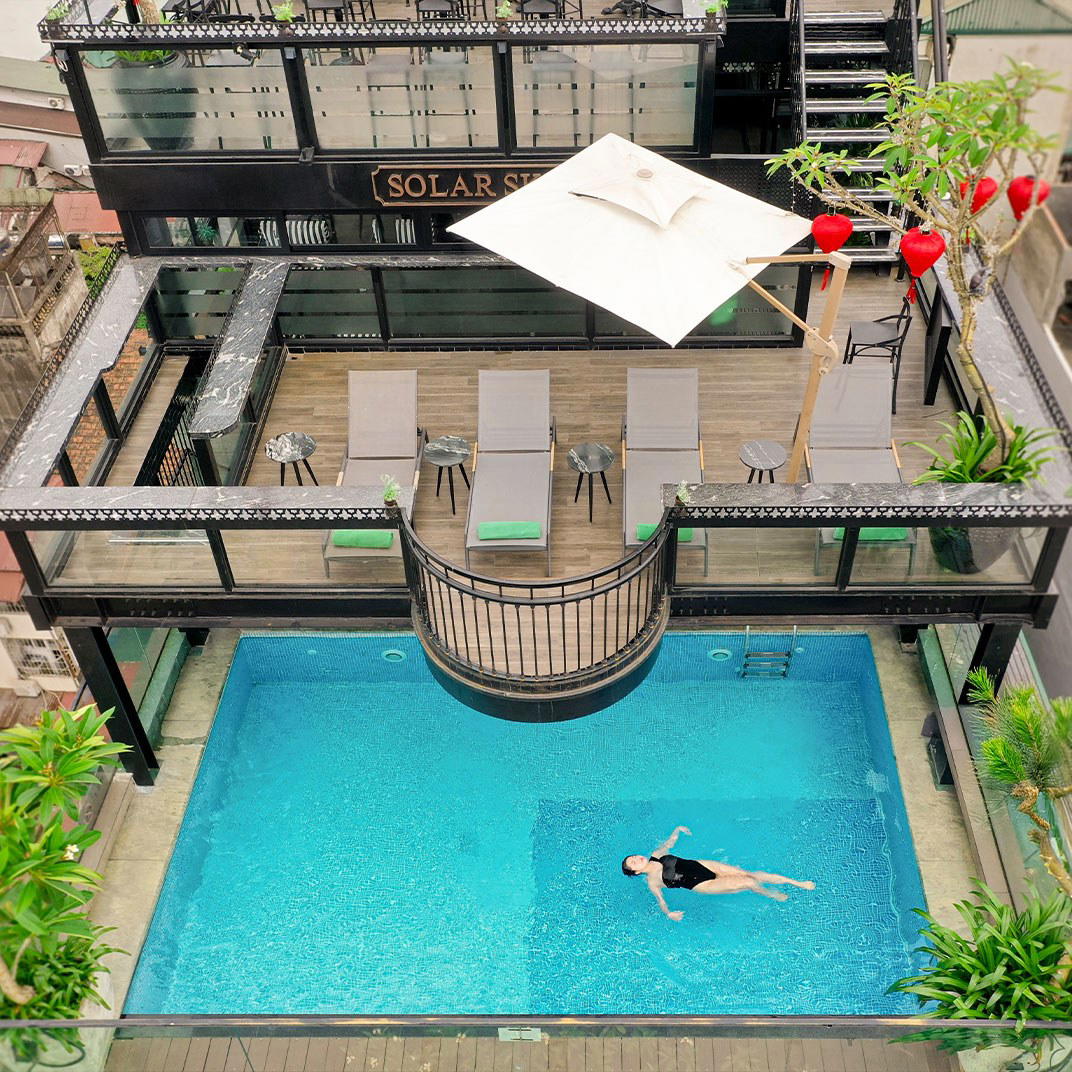
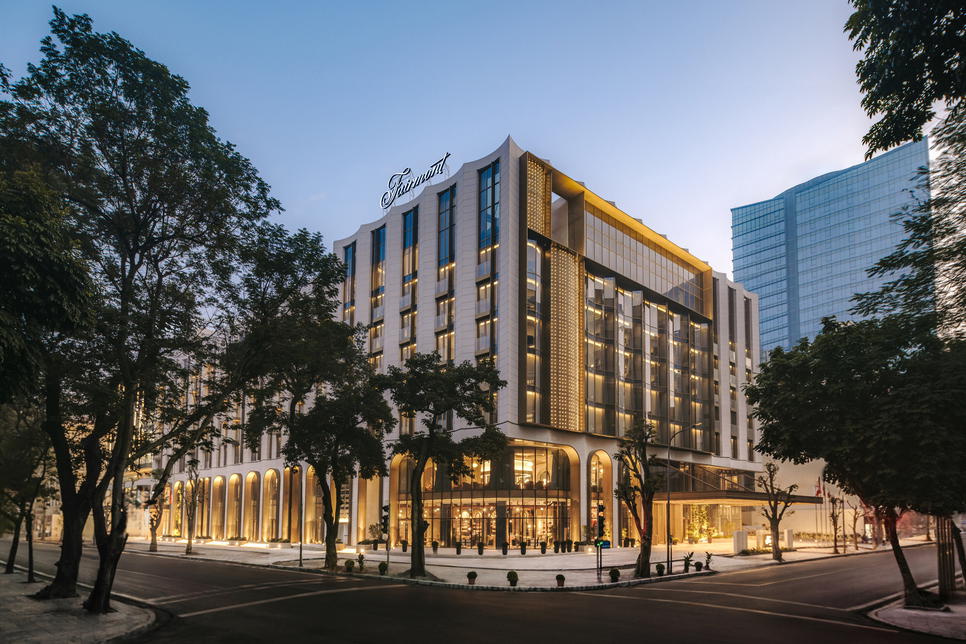
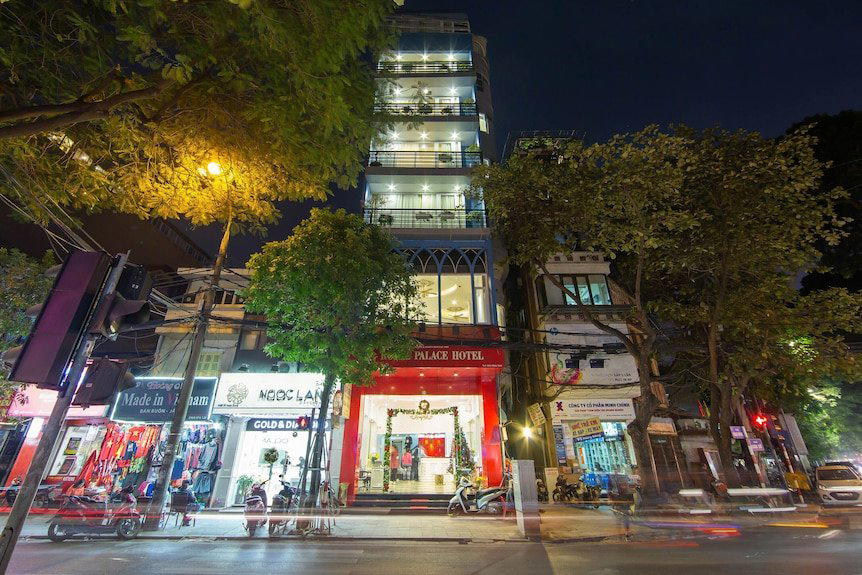
Elegant yet warm setting with modern atmosphere and scenic lake views.