Bistrot St Anne - Maison Cornu
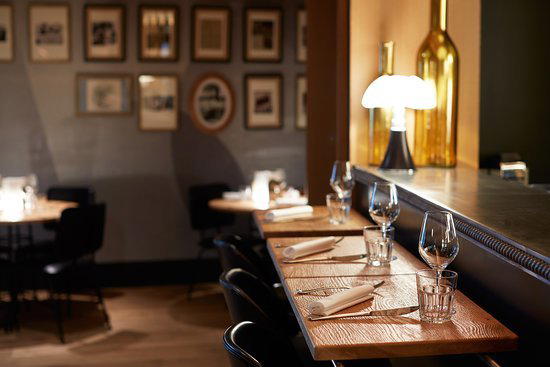
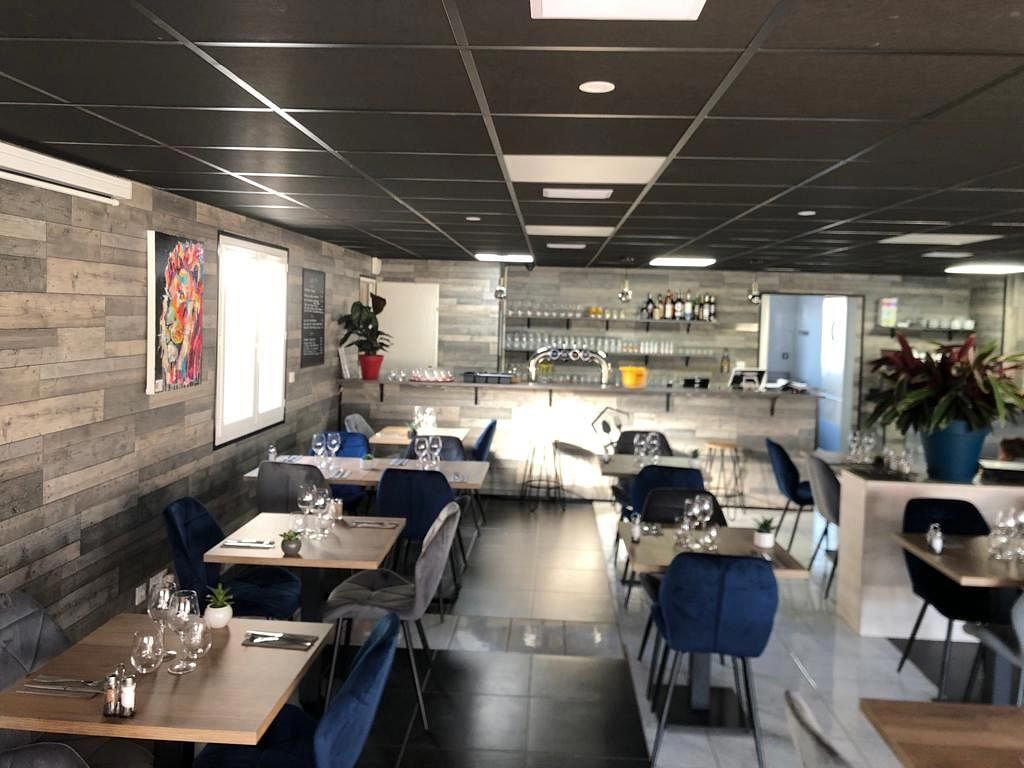
Bistrot St Anne - Maison Cornu focuses on contemporary French bistro cooking, local sourcing, and leisurely lunch or dinner service.
Pearl is the En Primeur Club membership app — saves, bookings, and concierge access live there. Same editors, same standards.
- Address
- 4 Pl. Aristide Briand, 07240 Vernoux-en-Vivarais, France
- Phone
- +33475581156
- Website
- facebook.com
- Directions
- Get directions
 Saves & bookings on Pearl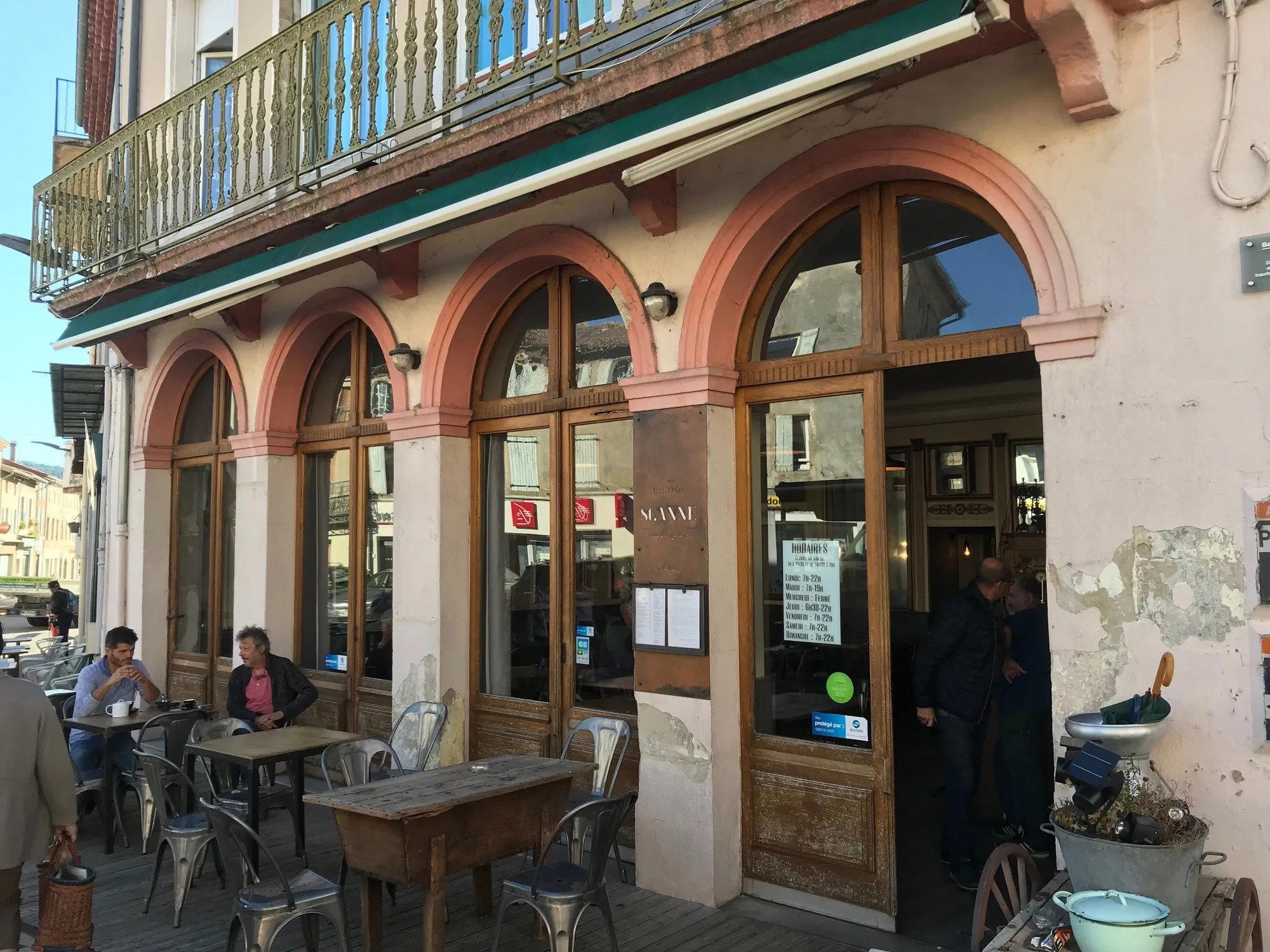
Place Aristide Briand and the Quiet Logic of the Ardèche Table
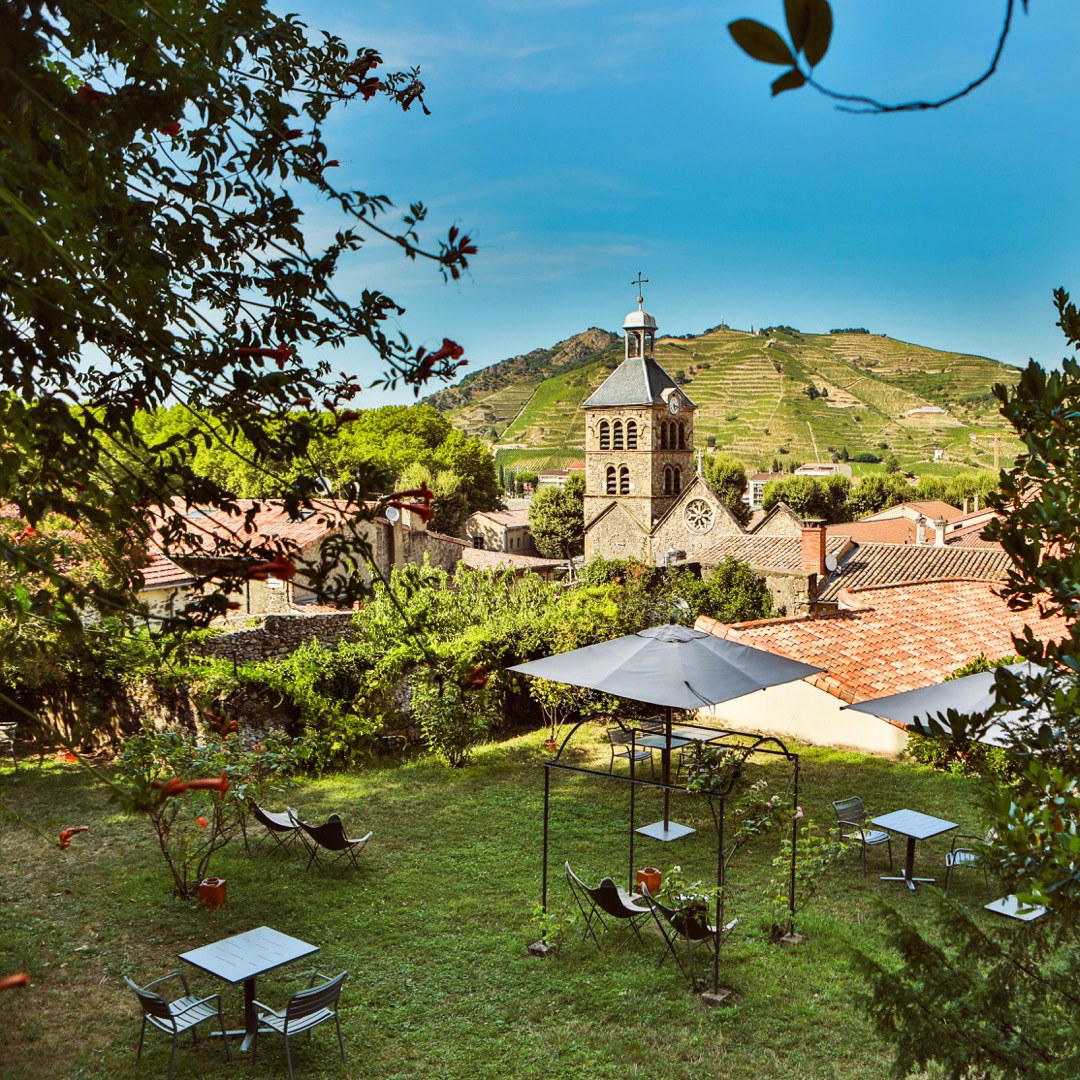
The central square of Vernoux-en-Vivarais moves at a pace that most of France has largely forgotten. On market mornings, the Place Aristide Briand fills with producers from the surrounding Ardèche plateau: farms where volcanic basalt soil shapes the character of lentils, chestnuts, and small-plot vegetables with a directness that lowland terroirs rarely replicate. It is into this context that Bistrot St Anne, operating under the Maison Cornu name, sits, at 4 Pl. Aristide Briand, 07240 Vernoux-en-Vivarais, France, a Contemporary French Bistro where meals average about $30 per person, a room that reads as an extension of the square rather than a retreat from it.
The physical approach tells you what kind of place this is before you reach the door. Provincial bistrot architecture in the Vivarais rarely performs. The buildings are built for altitude winters and the functional rhythms of a market town, not for hospitality theatre. What you find here is the kind of space that rewards attention paid to what is on the plate rather than to the room itself, an ethos consistent with how the Ardèche has always cooked, drawing from what the terrain provides and letting sourcing carry the argument.
Sourcing as the Central Argument
Editorial framing that matters for a room like Bistrot St Anne is not which chef trained where or how many covers turn on a Saturday night. The more instructive question is what the kitchen draws on and why the immediate geography makes that a coherent position. The Ardèche department sits between the Rhône valley floor and the high plateau of the Massif Central, a corridor where altitude, volcanic geology, and the intersection of northern and southern French culinary instincts produce ingredients that do not travel particularly well but taste exactly right when eaten close to source.
Chestnut culture in the Ardèche goes back centuries, to an era when the tree was called the bread tree, the primary caloric source for upland communities before the potato arrived. That history is not decorative context for a menu; it shapes what the region's kitchens have always known how to do with the ingredient. Similarly, the wild and semi-wild mushroom traditions of the surrounding forests, the lamb raised on plateau pasture, and the small vegetable plots that occupy south-facing terraces around Vernoux represent a sourcing geography that larger-format restaurants in Lyon or the Rhône valley often attempt to reference at a premium. Here, proximity is structural, not aspirational.
This is precisely what separates a bistrot embedded in a producing region from a city restaurant performing ruralism. France's highest-profile country tables, places like Bras in Laguiole or Auberge du Vieux Puits in Fontjoncouse, have built international reputations on exactly this kind of rooted provenance argument. The Ardèche operates at a different register of ambition, but the underlying logic, that terrain and proximity matter more than technique deployed in isolation, is the same.
Vernoux-en-Vivarais in the Wider Context of French Provincial Dining
Vernoux-en-Vivarais sits roughly between Valence and Privas, accessible via the D14 from the Rhône corridor, and is the kind of small town that rewards the traveller who is already moving slowly through the region rather than the one arriving specifically from Paris or Lyon for a single destination meal. That distinction matters for how to think about Bistrot St Anne. It belongs to a category of French provincial dining that exists in large numbers but attracts proportionally little editorial attention: the neighbourhood bistrot in a market town that serves the community it inhabits, anchored to local supply chains, and priced in relation to local economic reality rather than tourist-facing premium positioning.
For context on how France's formal fine-dining tier operates, the reference points are institutions like Alléno Paris au Pavillon Ledoyen, Mirazur in Menton, or Maison Lameloise in Chagny, operations with Michelin recognition, multi-decade track records, and pricing that reflects both. Bistrot St Anne occupies an entirely different position in the French dining ecosystem, and that positioning is a feature rather than a limitation. The Vivarais has historically supported a cooking culture that prioritises practical craft over formal ambition, and the bistrot format is the natural expression of that tradition.
The broader French bistrot revival of the last decade, which has animated discussions from Paris to Lyon, finds its most coherent expression not in urban neo-bistrots performing casualness at fine-dining prices but in rooms like this one, where the format is not a conceptual choice but simply what the place has always been. Comparable provincial addresses in the wider region, the Drôme, the Gard, the southern Rhône valleys, share the same structural logic: a kitchen responsive to what arrives from nearby producers, a room that reflects the town it sits in, and a pace calibrated to lunch culture rather than choreographed evening sequences.
Planning a Visit
Vernoux-en-Vivarais is most naturally visited as part of a longer traverse of the Ardèche and Drôme, particularly during the autumn months when the chestnut harvest and the appearance of cèpe mushrooms from surrounding forests align with the table's natural strengths. The town itself offers limited accommodation infrastructure, so most travellers base themselves in Valence or along the Rhône valley and approach Vernoux as a day visit or lunch destination. The Place Aristide Briand address places Bistrot St Anne at the gravitational centre of the village, making it direct to locate. Arriving in person or asking locally about current hours and service patterns is the practical approach for planning, the rhythms of a room like this one are shaped by season and community need as much as by fixed schedules. Those travelling from further afield who want to build a broader itinerary of provincial French tables might also consider Troisgros in Ouches, Georges Blanc in Vonnas, or Auberge de l'Ill in Illhaeusern as anchors at the more formally recognised end of the regional French table. For international context on how French culinary tradition travels beyond its borders, Le Bernardin in New York City and Lazy Bear in San Francisco represent the American reception of that tradition at high ambition. Within the French Alps and mountain corridor, Flocons de Sel in Megève and Le 1947 à Cheval Blanc in Courchevel show what altitude-sourced menus look like at a different tier of resource. Further south, L'Oustau de Baumanière in Les Baux, La Table du Castellet, and La Vague d'Or in Saint-Tropez anchor the Provençal fine-dining tier, while Les Prés d'Eugénie in Eugénie-les-Bains and Paul Bocuse's Auberge du Pont de Collonges represent the formal classical tradition at its most institutionalised.
How It Stacks Up
Comparable venues nearby, for context on price, style, and recognition.
| Venue | Cuisine | Price | Notes |
|---|---|---|---|
| Bistrot St Anne - Maison CornuThis venue — the venue you are viewing | Contemporary French Bistro | $$ | Not listed |
| Le Clos | Traditional French Bistro | $$ | La Garde-Adhemar |
| La Cocagne | Traditional French Bistro | $$ | Quartier Mutualité Préfecture Moncey |
| L'arquebuse | Modern French Bistronomic | $$ | Quartier Bas des Pentes Presqu'île |
| Au Pont de Raffiny | Traditional French Bistro | $$ | Saint-Romain |
| Le Galoubet | Provençal French Bistro | $$ | historic centre |
Continue exploring
More in Vernoux En Vivarais
Restaurants in Vernoux En Vivarais
Browse all →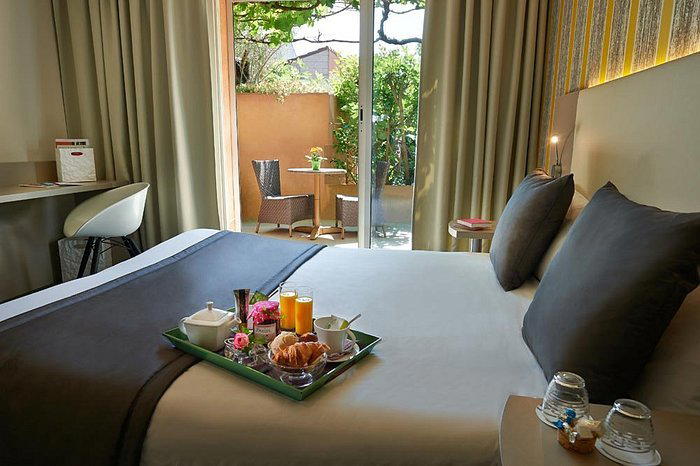
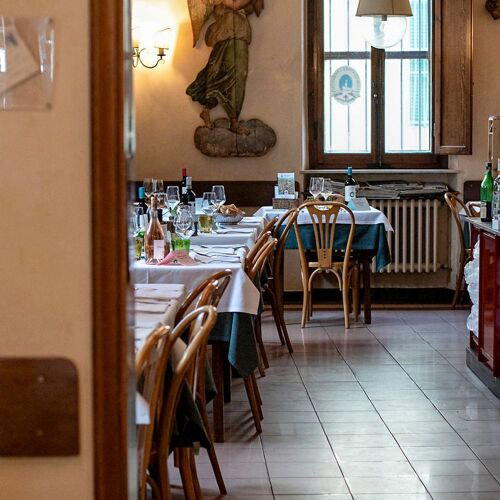
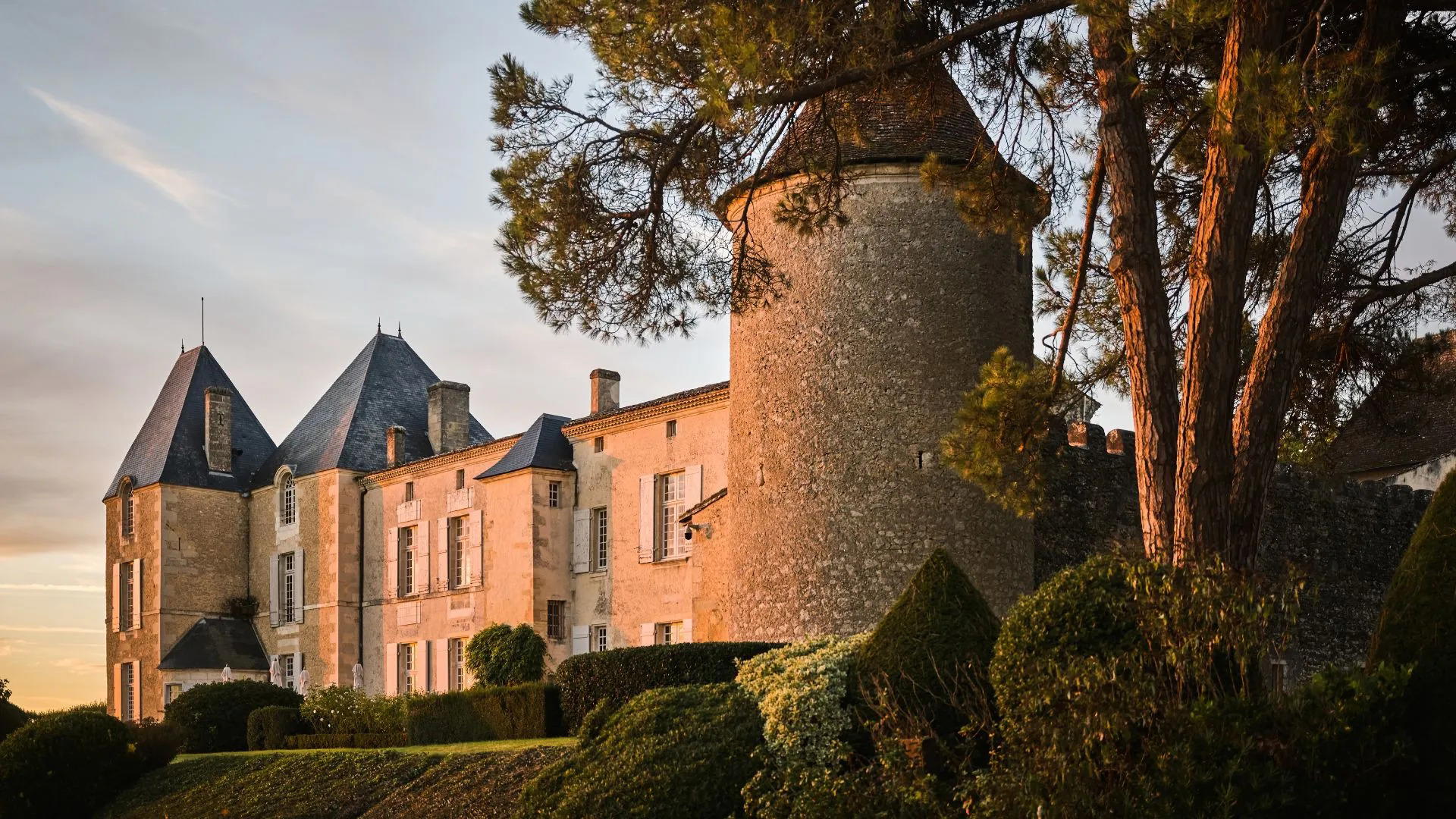
Hotels in Vernoux En Vivarais
Browse all →

At a Glance
- Cozy
- Rustic
- Classic
- Date Night
- Casual Hangout
- Family
- Standalone
- Local Sourcing
Current opening hours
- Monday
- 8 AM–1:30 PM
- Tuesday
- Closed
- Wednesday
- Closed
- Thursday
- 7:30 AM–1:30 PM, 6–11 PM
- Friday
- 8 AM–1:30 PM, 6–11 PM
- Saturday
- 8 AM–1:30 PM, 6–11 PM
- Sunday
- 8 AM–1:30 PM
Hours can change for holidays and private events. Last verified .
Chaleureux et convivial ambiance with a modern village bistro feel, described as both décontractée and élégante.