Bistrot Atempo sits on Via Carlo Poerio in Milan's residential Porta Venezia quarter, a neighbourhood where trattorias and bistros operate on ingredient-sourcing discipline rather than chef theatrics. The format is bistro-casual; the emphasis is provenance and seasonal rotation, typical of Milan's mid-tier neighbourhood dining where value lies in product quality rather than plating complexity.
Pearl is the En Primeur Club membership app — saves, bookings, and concierge access live there. Same editors, same standards.
- Address
- Via Carlo Poerio, 43, 20129 Milano MI, Italy
- Phone
- +39 351 768 5141
- Website
- atempo-bistrot.com
- Directions
- Get directions
 Saves & bookings on Pearl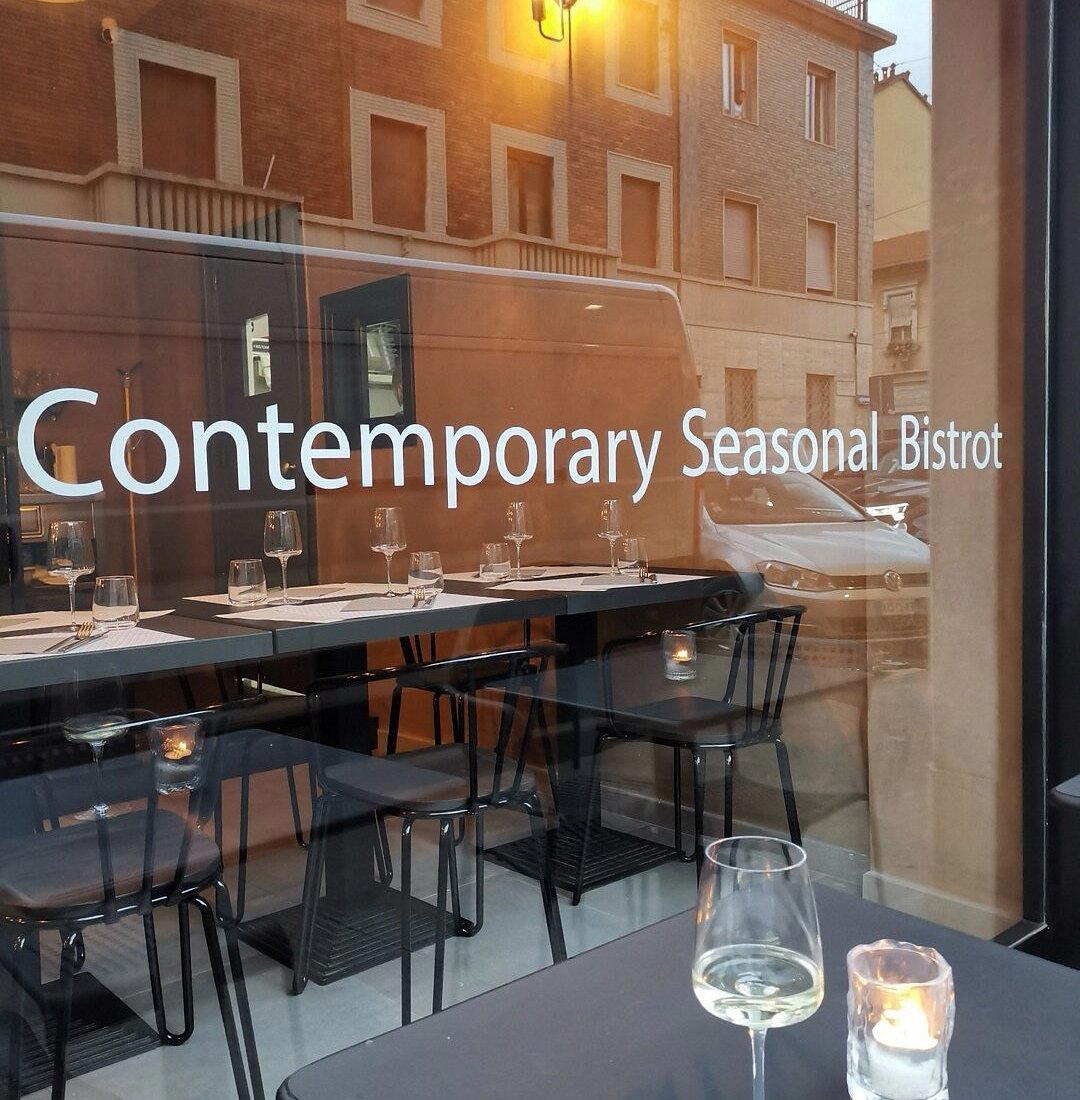
Via Carlo Poerio runs through Porta Venezia, a residential Milan neighbourhood east of the Giardini Pubblici where dining spaces skew local and mid-market. Bistrot Atempo occupies a modest footprint in this corridor, a format common to Milan's neighbourhood bistros where seasonal ingredients and supplier relationships define the menu more than chef pedigree or award plaques. The city's dining culture has long stratified into three tiers: Michelin-starred fine-dining around the Duomo and Brera, high-volume tourist trattorie near Sforza Castle, and residential bistros where the price-to-product ratio favours regulars over destination diners. Atempo sits in the third bracket, competing with venues like Remulass and Røst on ingredient transparency and plate restraint rather than scale or spectacle.
Ingredient-Led Menus and Sourcing Discipline
Italian bistro cooking at this tier depends on supplier access and seasonal editing. Atempo's approach mirrors a broader Milan trend where neighbourhood kitchens prioritise direct farm relationships and daily market runs over fixed, printed menus. The format is typical: a short à la carte selection that rotates weekly, with dishes built around peak-season vegetables, regional cheeses, and line-caught fish when available. This model rewards repeat visits; first-time diners who expect signature-dish consistency will find none, but locals who track seasonal availability know when to arrive for asparagus, porcini, or white truffle.
Milan's ingredient-sourcing infrastructure favours this kind of operation. The city sits within reach of Lombardy dairy cooperatives, Piedmont vegetable farms, and Ligurian coast fish markets, and bistros in Porta Venezia and Isola use these supply lines to compete on freshness rather than technique. Atempo's wine list follows the same logic: small-grower bottles from Franciacorta, Valtellina, and Alto Adige, regions where production scale is modest and distribution is often direct. For travellers accustomed to Cantonese dim sum formats like those at Dim Sum or Milanese pizzerias such as Crosta, the bistro model offers a contrast: no fixed menu architecture, no signature plates, and no multi-course sequencing, just product-first cooking adapted to what arrived that morning.
Planning a Visit: Format and Timing
Porta Venezia's residential density means most bistros here draw walk-in neighbourhood traffic rather than advance-booking tourists. The district lacks the concentration of design hotels and corporate dining that characterises Porta Nuova, and foot traffic peaks at weekday lunch and weekend dinner. For context, Milan's neighbourhood dining calendar follows predictable rhythms: August closures are near-universal, weekday lunch service often runs earlier and shorter than in southern Italy, and Saturday dinner books out fastest among locals.
The Via Carlo Poerio address sits roughly ten minutes on foot from Porta Venezia metro station (Line 1), within the same walkable radius as venues like 10 Corso Como Café and 28 Posti, though those operate at higher price points and with more formal service protocols. Atempo's format is casual-bistro: no dress code enforcement, no tasting-menu obligation, and no sommelier presentation unless the wine list prompts it. Diners who prefer structured progression and multi-course choreography will find better matches at venues like 10_11 or 55 Milan, where service architecture is built around pacing and course sequencing.
Milan's neighbourhood bistros rarely publish menus online, and ingredient-led formats make advance research difficult. The trade-off is flexibility: walk-in diners can usually secure a table at off-peak hours, and spontaneous visits align better with the model than rigid advance booking. For travellers building Milan itineraries, Atempo slots into a residential-dining category distinct from the chef-driven modern cuisine at [bu:r] and the high-volume wine-bar formats like Osteria alla Concorrenza. It is a neighbourhood option rather than a destination meal, positioned for travellers who want product-focused Italian cooking without the ceremony or cost of fine-dining.
For broader Milan context, consult our full Milan restaurants guide, or explore parallel verticals via our full Milan bars guide, our full Milan hotels guide, our full Milan wineries guide, and our full Milan experiences guide. Atempo fits a specific niche within that landscape: ingredient-led, neighbourhood-casual, and priced for repeat visits rather than occasion dining.
How Bistrot Atempo Milan compares with similar nearby venues.
| Venue | Cuisine | Price |
|---|---|---|
| Remulass | Modern Cuisine | €€ |
| Dim Sum | Cantonese | €€€ |
| Crosta | Pizzeria | Not listed |
| Osteria alla Concorrenza | Wine Bar | Not listed |
Continue exploring
More in Milan
Restaurants in Milan
Browse all →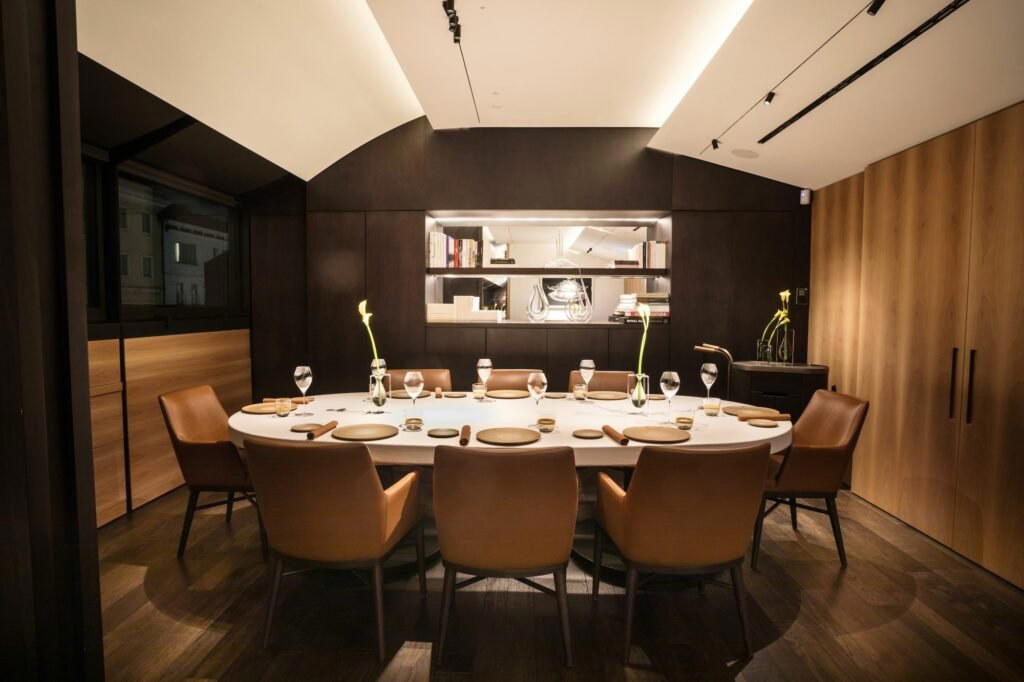
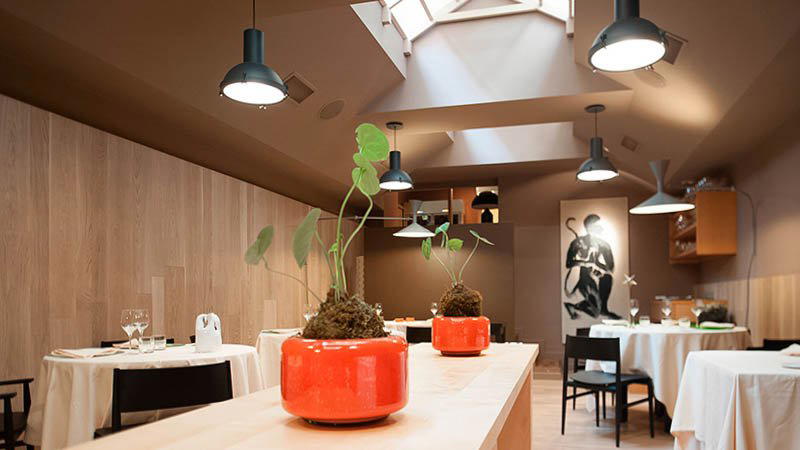
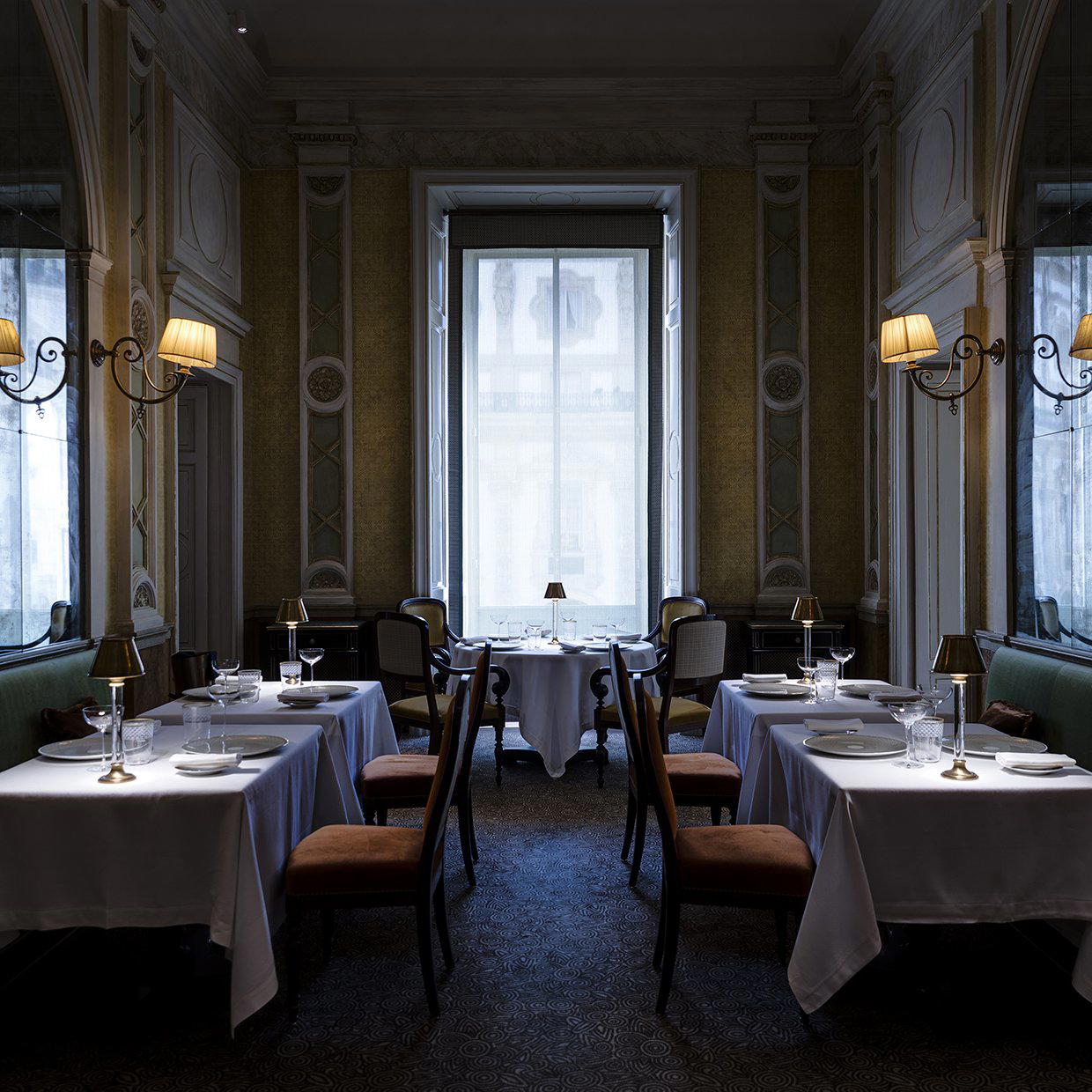
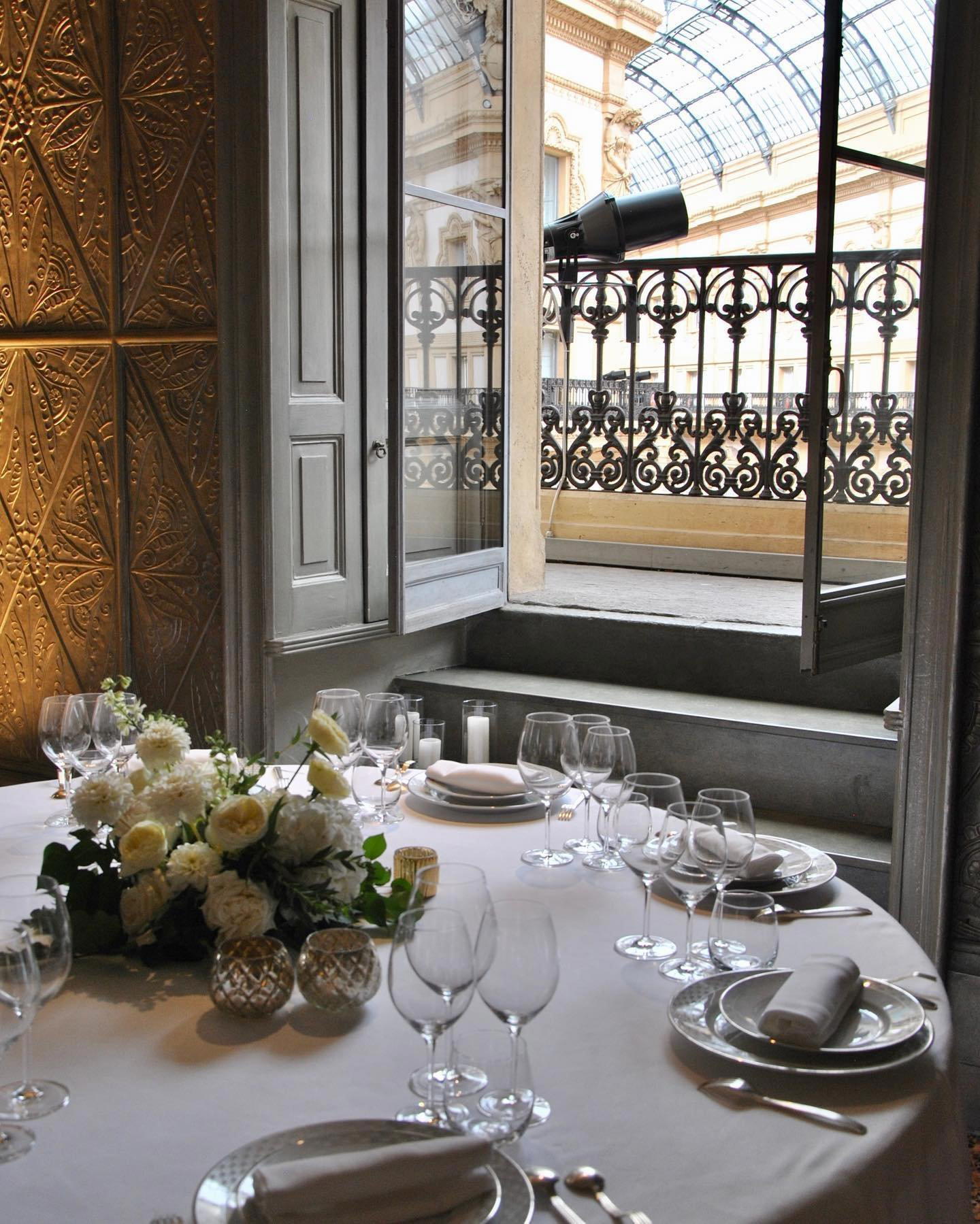
Bars in Milan
Browse all →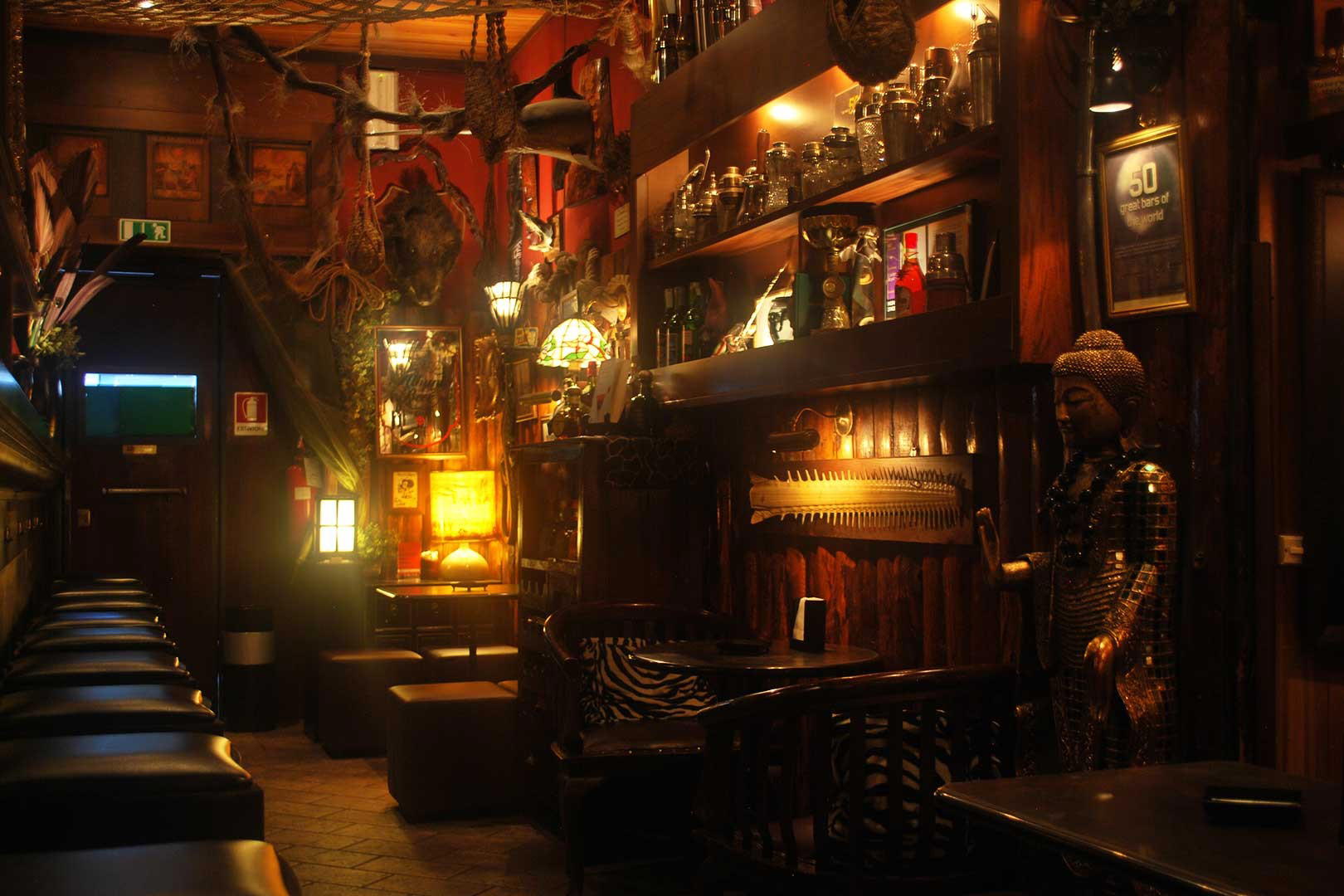
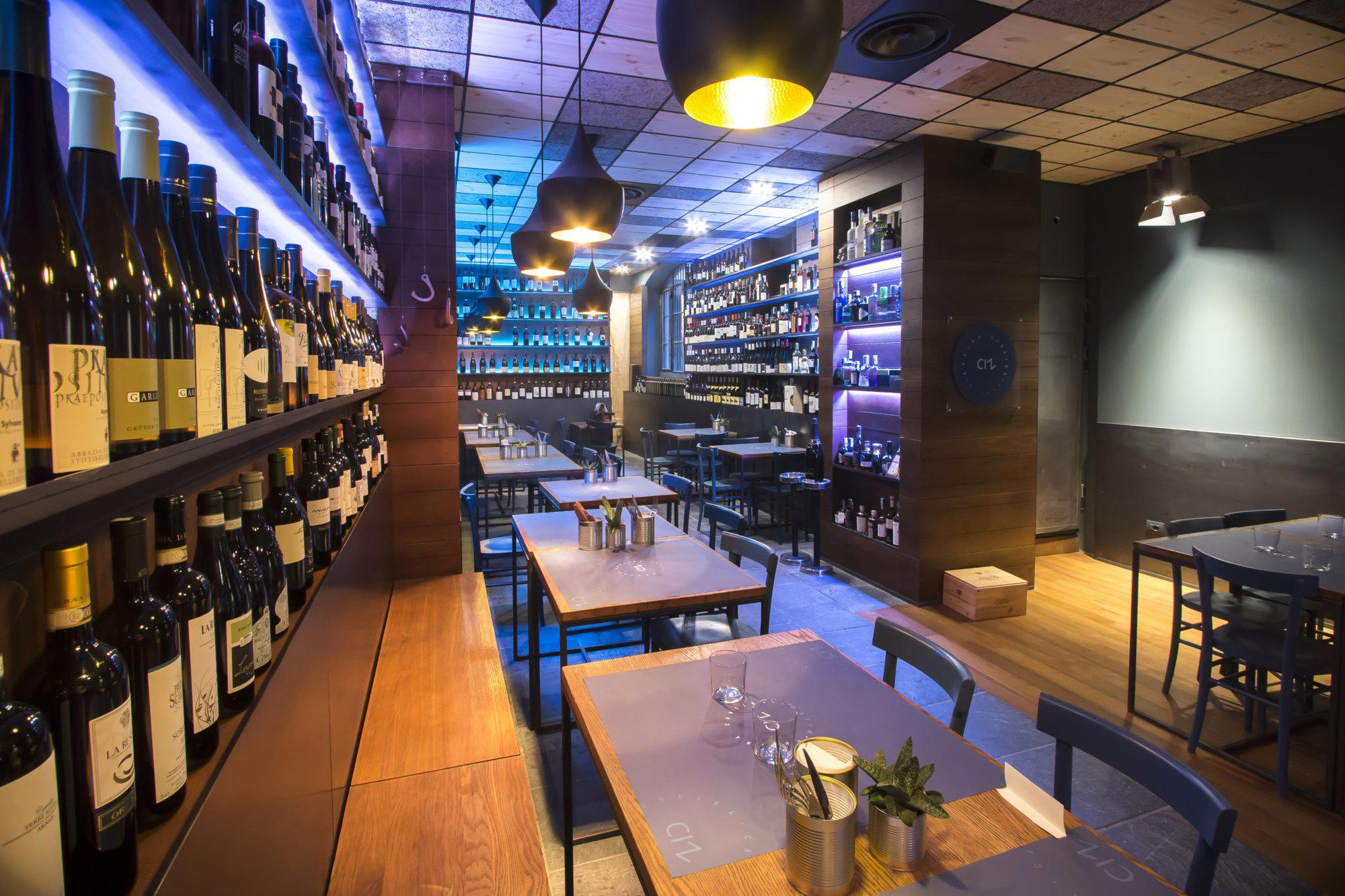
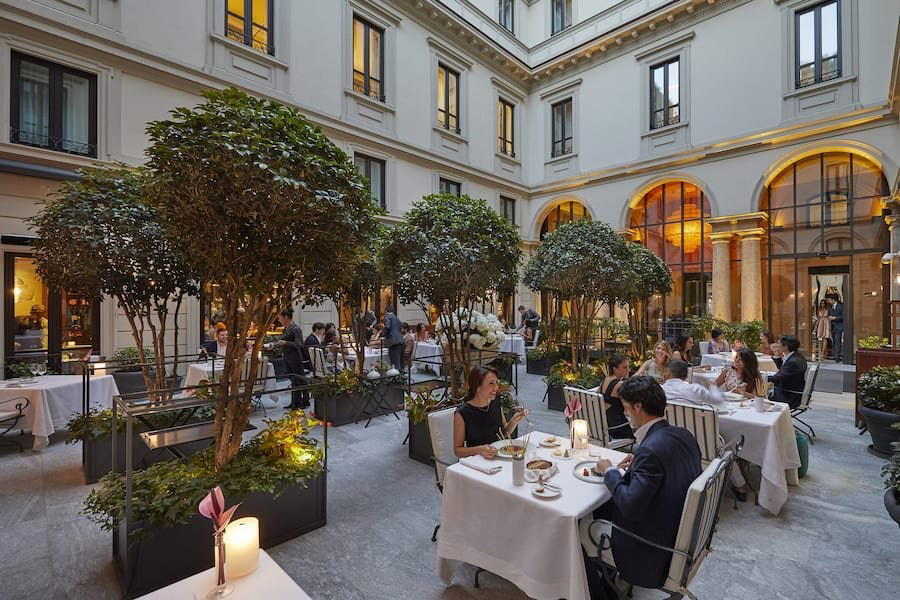
Hotels in Milan
Browse all →

At a Glance
- Modern
- Cozy
- Elegant
- Intimate
- Trendy
- Date Night
- Business Dinner
- Group Dining
- Special Occasion
- After Work
- Standalone
- Design Destination
- Terrace
- Craft Cocktails
- Extensive Wine List
- Local Sourcing
Current opening hours
- Monday
- 6 PM–12 AM
- Tuesday
- 10 AM–3 PM, 6 PM–12 AM
- Wednesday
- 10 AM–3 PM, 6 PM–12 AM
- Thursday
- 10 AM–3 PM, 6 PM–12 AM
- Friday
- 10 AM–3 PM, 6 PM–12 AM
- Saturday
- 10 AM–3 PM, 6 PM–12 AM
- Sunday
- Closed
Hours can change for holidays and private events. Last verified .
Chic and contemporary with a warm, intimate feel; a small, stylish dining room that pairs informal bistro comfort with refined, creative cuisine, suited to relaxed yet elegant evenings.