
Bistro Taku belongs to Kobe’s compact yoshoku tradition rather than the city’s steakhouse circuit. Its Tabelog 100 Yoshoku WEST 2025 selection and counter-seating format place it in a small, lunch-focused category where Japanese-style Western cooking is treated with the seriousness usually reserved for pricier dining rooms.
Pearl is the En Primeur Club membership app — saves, bookings, and concierge access live there. Same editors, same standards.
- Address
- 4 Chome-4-5 Kaigandori, Chuo Ward, Kobe, Hyogo 650-0024, Japan
- Website
- yoroshioagari.dreamlog.jp
 Saves & bookings on Pearl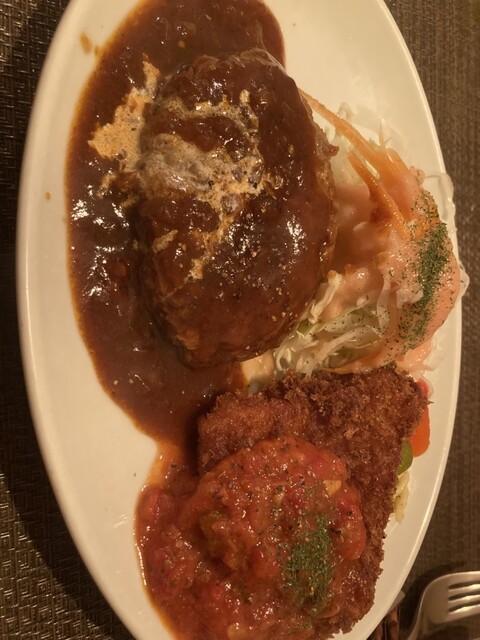
Kaigandori changes the register of Kobe dining. The port-side grid around Minatomotomachi has less theatre than Kitano, less commercial momentum than Sannomiya, and a quieter relationship with the city’s old foreign-trade identity. That setting matters for yoshoku, a cuisine built from imported Western forms that Japan absorbed, disciplined, and made local. Bistro Taku reads through that lens: not as a grand dining statement, but as a compact counter-led room in a neighbourhood where Kobe’s maritime history makes the category feel native rather than nostalgic.
Yoshoku is often misread by travellers as retro comfort food. In western Japan, the stronger examples are more exacting than that label suggests. The form depends on sauces, frying, rice, demi-glace traditions, cutlets, omelettes, hamburger steak, curry, and set-meal logic, but its serious practitioners are judged by consistency, heat control, and the ability to make familiar dishes feel composed rather than heavy. Bistro Taku’s selection for Tabelog 100 Yoshoku WEST 2025 is the useful signal here. It places the restaurant within a regional list devoted specifically to Japanese-style Western cuisine, not within a broad luxury-dining category.
Port-side yoshoku with a Kobe accent
Kobe has a particular claim on yoshoku because the city’s food culture has long been shaped by trade, foreign settlement, and beef culture. That does not mean every meal needs to become a Kobe beef exercise. In fact, the city’s more interesting casual dining often sits outside the polished steakhouse script. Around Motomachi and the port wards, yoshoku functions as everyday craft: Western-derived dishes translated into Japanese portions, seasoning, and lunch rhythms.
Within that context, Bistro Taku occupies a narrower lane than the city’s meat-focused rooms. Travellers comparing Kobe restaurants will see a different grammar at Aburi Niku Kobo Wakkoku Shinkobe ten or Aburi Niku Kobo Wakkoqu Kitano Sakamoto Ten, where the meal is anchored by beef, performance, and a clearer destination-dining posture. Yoshoku in Kaigandori asks for a different kind of attention: less ceremony, more dependence on repetition and kitchen memory.
The Tabelog score of 3.54 gives another clue to its position. In Japan’s user-review culture, that number sits in a credible band for a specialist local address rather than a place trading on international name recognition. The 2025 Tabelog 100 Yoshoku WEST selection matters more than the raw score because it filters the restaurant through a category-specific lens. For visitors who usually sort Kobe by steak, sushi, and patisserie, that list is a useful corrective.
A counter format suited to solo lunches and small decisions
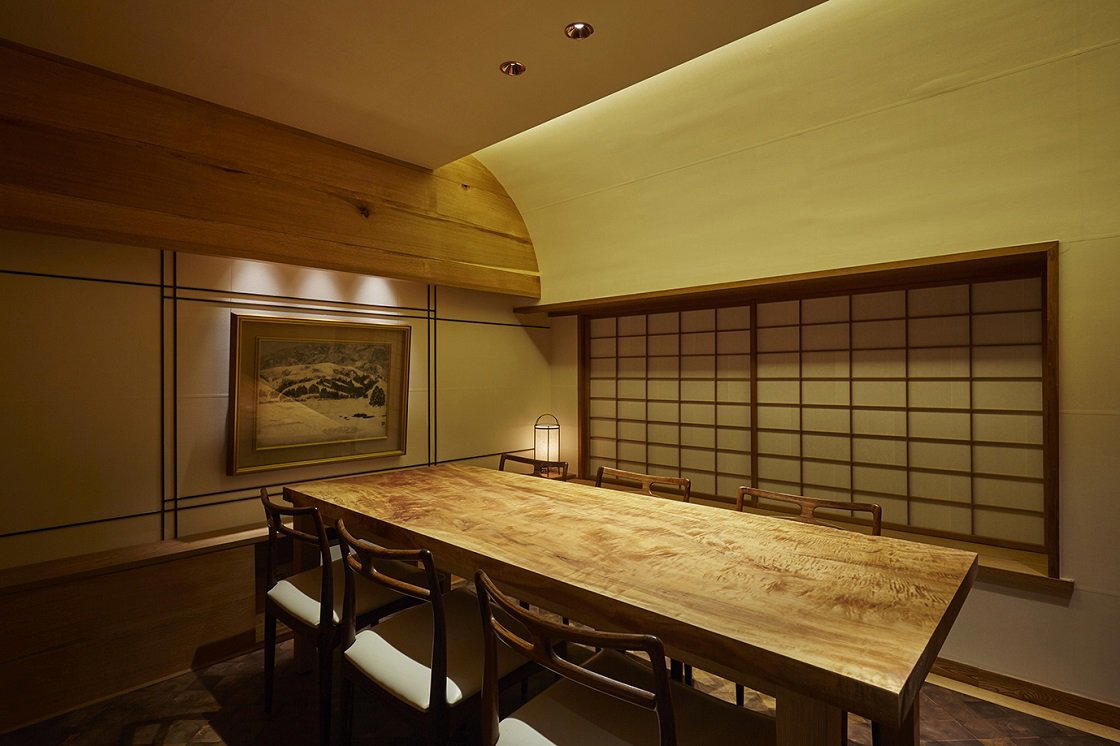
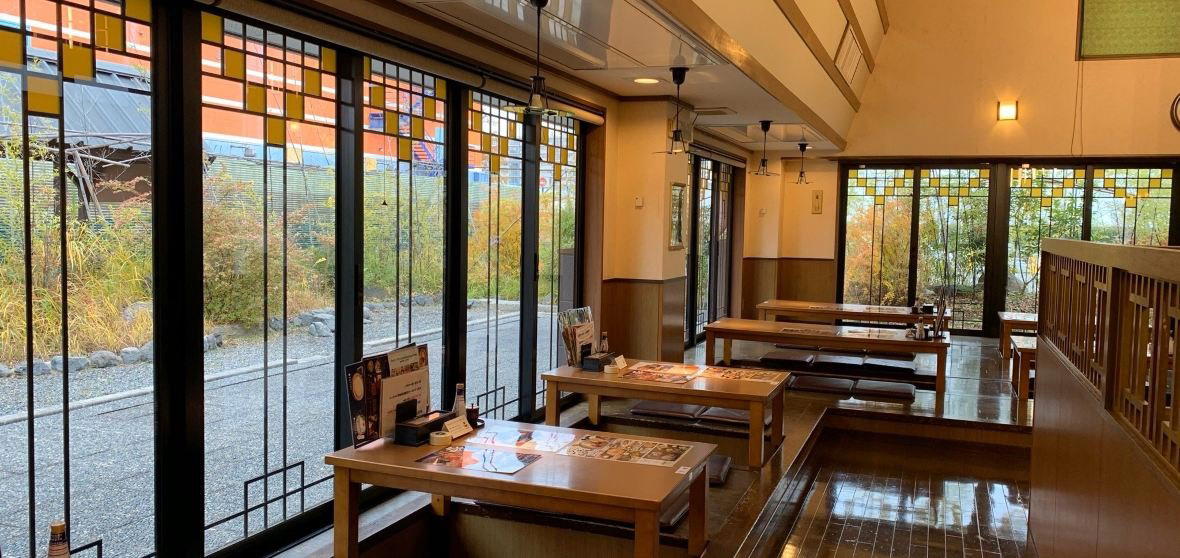
The room’s counter seating shapes the meal before the menu does. Counter-led yoshoku compresses the distance between kitchen and guest, which is useful for a cuisine whose pleasures often depend on timing: the moment a fried item leaves the pan, the way sauce and rice share the plate, the balance between Western richness and Japanese restraint. No named signature dish is publicly fixed for the restaurant, and that is not a weakness. In this category, the better question is whether the kitchen handles the yoshoku canon with enough discipline to justify a detour.
Listed drink note is wine, a small but telling detail. Yoshoku is not kaiseki, and it is not a French bistro transplanted into Japan. Wine here signals the cuisine’s hybrid character without pushing it into fine-dining costume. The non-smoking policy also aligns with the current direction of serious casual dining in Japan, where compact rooms increasingly depend on clarity and comfort rather than old-school tolerance for smoke.
Compared with nearby lower-priced daytime options such as Motomachi Dori 3 Chome or patisserie mont plus Honten, this is a more meal-centered proposition. Compared with Kobe Chuka Uebayashi, which sits in a higher spending bracket, it keeps the decision casual. Cini CURRY and BRISK STAND Koube honten offer another useful comparison point: casual Kobe dining can be highly specialized without becoming formal. The restaurant belongs to that same practical tier, but with yoshoku as the anchor.
How it fits into a Kobe itinerary
For a visitor building a day around central Kobe, Kaigandori works well as a hinge between Motomachi, the waterfront, and the city’s older mercantile quarters. The area rewards walking more than chauffeured precision. A meal here makes sense when the itinerary is already pointed toward the port, coffee, sweets, or smaller specialist addresses rather than a single high-priced dinner reservation.
That is also why the restaurant is more useful than its modest footprint suggests. Kobe can be over-simplified into beef and harbour views; yoshoku adds a third track, one that explains how foreign influence became routine Japanese dining rather than spectacle. For coffee before or after, Akaneya Coffee Ten shows another side of the city’s old-fashioned café culture. For a different local register, Akari and Ali's Halal Kitchen point to the breadth of Kobe’s dining map beyond the expected steak narrative.
Planning should remain precise because the restaurant’s format is compact and lunch-focused, with reservations not offered through the standard listing. Payment is also part of the decision: cash planning matters in smaller Japanese restaurants, particularly when card and digital payment options are not accepted. The better editorial use case is not a celebratory blowout. It is a focused daytime meal for travellers who want to understand Kobe’s Western-influenced everyday cooking at close range.
For broader city planning, start with Our full Kobe restaurants guide, then layer in Our full Kobe hotels guide, Our full Kobe bars guide, Our full Kobe wineries guide, and Our full Kobe experiences guide. Readers comparing Japanese regional dining beyond Kobe may also look at -Grilled beef Sukiyaki- KAMAKURA TANUKIAN 鎌倉 たぬき庵 in Kamakura. 鮪と炭火焼き うお炭 秋葉原店 in Tokyo.cafe in Osaka.know in Kumamoto, (Shoku) Vietnam in Kawasaki, [Curry Senmon Ten] Maruyama Kyoju. in Sapporo, Jōdo Saké Bar in Los Angeles, and Onigiri Time in Pasadena.
The Quick Read
Comparable venues for orientation by cuisine and category.
| Venue | Cuisine | Price | Notes |
|---|---|---|---|
| Bistro TakuThis venue — the venue you are viewing | Chūō, Japanese Bistro | $ | Not listed |
| Kyuan | Hyōgo, Traditional Soba Noodle Shop | $ | Not listed |
| Stand Classic | Not listed | $$ | Chūō, Japanese standing bar (tachinomi) with a sake focus |
| Rojiura Stand Abec | Chūō, Japanese Izakaya | $ | Not listed |
| Marutaka Chuka Soba Kobe Ninomiya Ninomiya ten | Chūō, Japanese Ramen | $ | Not listed |
| ENISHI | Nada, Tantanmen ramen specialist | $ | Not listed |
Recognition history
Dated appearances from independent guides and award organizations, with the underlying list record or original source where available.
Tabelog 100 #99 · No. 99
Tabelog · Tabelog 100 - Yoshoku - WEST - 2025






At a Glance
- Cozy
- Classic
- Quiet
- Casual Hangout
- Solo
- Standalone
Current opening hours
- Monday
- Closed
- Tuesday
- 12–2:30 PM
- Wednesday
- 12–2:30 PM
- Thursday
- 12–2:30 PM
- Friday
- 12–2:30 PM
- Saturday
- 12–2:30 PM
- Sunday
- 12–2:30 PM
Hours can change for holidays and private events. Last verified .
Low-key, unpretentious, and neighborhood-oriented rather than polished or formal.