
Tabelog 100 #66
Our verdict
Chinese Sai Kichijitsu puts Hiroshima’s small-format Chinese dining in a sharper register: eight seats, reservation-only service, and a 2026 Tabelog 100 Chinese WEST selection. Its interest lies less in grand banquet language than in how a compact room can translate regional Chinese technique through Japanese seasonality and sourcing discipline.

Pearl is the En Primeur Club membership app, where members save venues, book tables and use the concierge.
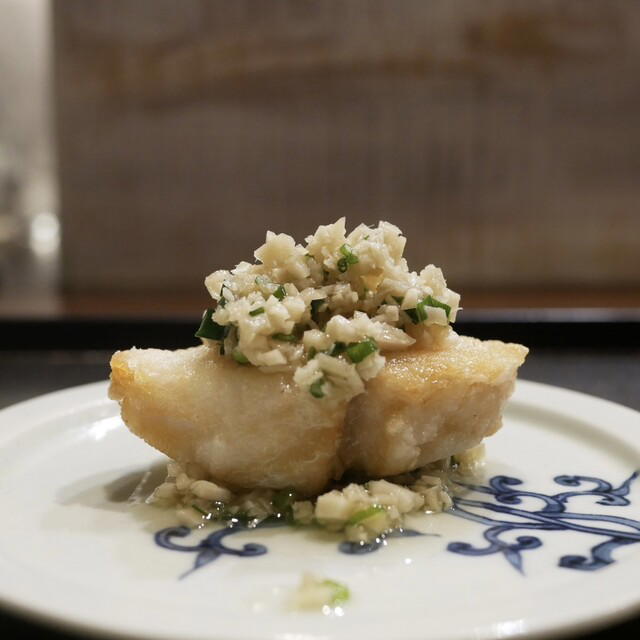
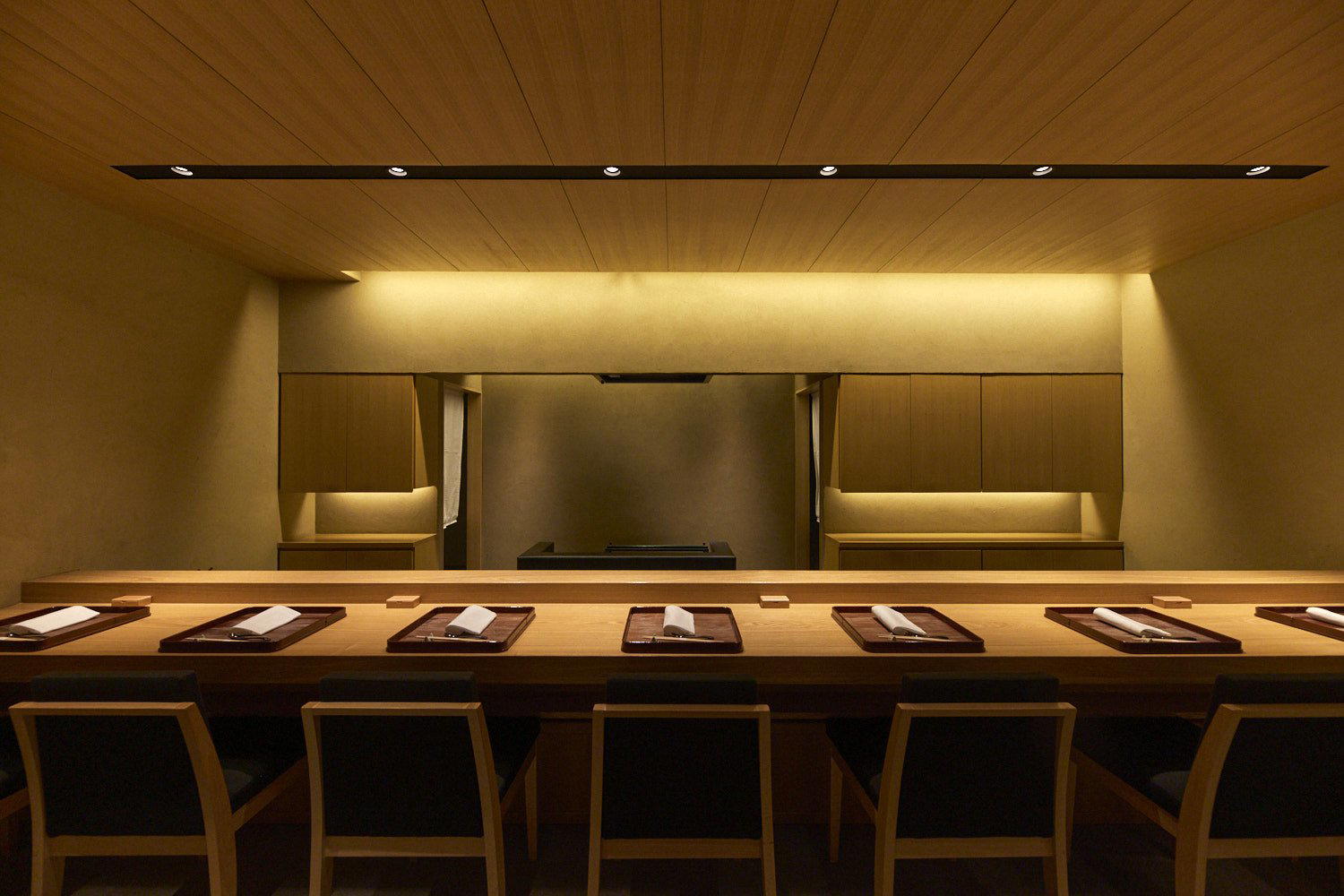
The approach to Hiroshima Station’s eastern side changes the meal’s tempo before the first course. Wakakusacho is not the city’s postcard dining quarter, but a practical, station-adjacent neighbourhood where evening restaurants earn attention through format rather than theatre. Here, a small eight-seat Chinese counter narrows the distance between kitchen and diner, shifting Chinese cooking from banquet abundance toward sequence, timing, and ingredient control.
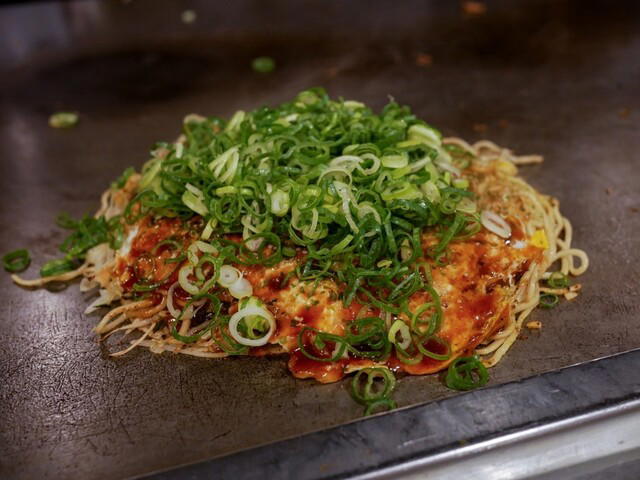
That matters in Hiroshima, whose dining identity is often reduced to okonomiyaki, oysters, and casual drinking. Those pillars are real, but incomplete. The stronger story is regional access: Setouchi seafood, mountain vegetables from inland Hiroshima, citrus from the island belt, and precise seasonal sourcing long used by high-end Japanese restaurants. Chinese Sai Kichijitsu sits in that movement, using Chinese technique not as imported spectacle but as a frame for local product.
A small Chinese counter in a city better known for grill plates and oysters
Hiroshima’s casual dining economy is unusually visible. Peer addresses such as Masaru, Icchan Honten, Tatsu, and Denkou Sekka Ekie hiroshima ten occupy a lower-spend, high-turnover bracket suited to station traffic and okonomiyaki culture. That clarifies what this room is not. With dinner listed at JPY 10,000 to JPY 14,999 and a single start time for all guests, it belongs to a tighter category: small-capacity, reservation-led dining where the kitchen controls rhythm and portions rather than letting the table build à la carte.
Chinese fine dining in Japan often works well when it stops chasing scale. Cantonese banquet logic, Sichuan heat, Shanghai refinement, and contemporary Chinese tasting-menu formats all change in a Japanese counter setting. The question becomes sourcing, not excess: how vegetables are timed, seafood handled, and sauces calibrated so ingredients do not disappear under seasoning. Available details name no defining dish, which is not a weakness. The idea is clearer than any single plate: Chinese technique compressed into an eight-seat Hiroshima format, with seasonality carrying much of the argument.
Recognition came quickly. The restaurant opened on 11 October 2024 and was selected for Tabelog 100 Chinese WEST 2026, with a Tabelog score of 3.88. In Japan, especially outside Tokyo and Osaka, that selection signals more than popularity. It places the address among western Japan’s notable Chinese restaurants and gives travelling diners reason to look beyond the city’s better-known staples.
Why sourcing is the real point, not a signature plate
The ingredient angle is where Hiroshima gives Chinese cooking a particular advantage. The Seto Inland Sea produces a softer, more varied seafood culture than the open Pacific coast, while inland Hiroshima supplies produce that changes through the year. Serious Chinese kitchens are built for this range: steaming, wok heat, broths, aromatics, fermentation, and texture work can bend around the season without turning the meal into a catalogue of local products.
That is where the counter format earns its keep. Eight seats reduce variables. In larger Chinese rooms, the centre of gravity often becomes hospitality scale: private rooms, banquets, larger platters, and table-by-table pacing. Here, the service model points the other way. A shared start time makes the meal read closer to omakase or a small dégustation than to a conventional Chinese restaurant. The value is not choice, but the kitchen’s ability to decide sequence and temperature for everyone at once.
This distinction matters in regional Japanese dining. Travellers often treat Hiroshima as a short cultural stop, pairing the Peace Memorial Park and Miyajima with one or two meals. That compressed itinerary rewards obvious choices and can miss the city’s more interesting contemporary restaurants. Hiroshima is better read by category: classic local cooking, station-area convenience, serious Japanese counters, and a smaller group of non-Japanese kitchens working with local supply. Chinese Sai Kichijitsu belongs to that last group, and its selection for a 2026 Chinese WEST list gives the category weight.
For broader planning, the city’s dining range is clearer through Our full Hiroshima restaurants guide, with nearby contrasts including Akai (Creative Cuisine), ANDERSEN, Bishu Bikou Hamai, Butter Cake no Nagasaki Do, and CHILAN. The wider trip infrastructure sits in Our full Hiroshima hotels guide, Our full Hiroshima bars guide, Our full Hiroshima wineries guide, and Our full Hiroshima experiences guide.
How to judge the meal against Japan's wider small-room dining culture
The right comparison is not a large Chinese dining room with a broad menu, but Japan’s habit of turning a cuisine into a disciplined, seat-limited format. Sushi counters did this first internationally, but the same mechanics now shape yakitori, tempura, creative cuisine, and Chinese cooking: fewer seats, tighter pacing, higher ingredient cost, and less tolerance for vague luxury cues. The non-smoking policy, lack of private rooms, and private-use availability reinforce the point. This is a focused room, not a multi-purpose dining salon.
That focus suits diners who prefer a kitchen-led evening and understand that Chinese cuisine in Japan can be subtle without being timid. It is less suited to anyone seeking a casual station meal, family-style spread, or freedom to graze. Hiroshima has plenty of those, and the lower-priced local peers near the station serve that role well. Come here for the smaller proposition: a controlled Chinese meal in a city where regional sourcing can do more work than imported luxury ingredients.
Travellers building a Japan itinerary around specialist restaurants may compare it with other focused rooms outside Hiroshima, from -Grilled beef Sukiyaki- KAMAKURA TANUKIAN 鎌倉 たぬき庵 in Kamakura and. 鮪と炭火焼き うお炭 秋葉原店 in Tokyo to.cafe in Osaka.know in Kumamoto, (Shoku) Vietnam in Kawasaki, and [Curry Senmon Ten] Maruyama Kyoju. in Sapporo. For a trans-Pacific contrast in Japanese drinking and casual formats, Jōdo Saké Bar in Los Angeles and Onigiri Time in Pasadena show how tightly defined formats read abroad.
The editorial call is clear: Chinese Sai Kichijitsu is a strong choice for diners who already know Hiroshima’s obvious food signatures and want to see how the city’s ingredients behave under a different technical language. The award signal, small seat count, and reservation-only structure all point to concentration rather than breadth.
Frequently asked questions
Where is Chinese Sai Kichijitsu located?
Chinese Sai Kichijitsu is located in Hiroshima.
What's the pricing like at Chinese Sai Kichijitsu?
Pricing at Chinese Sai Kichijitsu is listed as JPY 10,000 - JPY 14,999.
When is Chinese Sai Kichijitsu open?
Hours at Chinese Sai Kichijitsu: Mon: 6:30–10 PM; Tue: 6:30–10 PM; Wed: 6:30–10 PM; Thu: 6:30–10 PM; Fri: 6:30–10 PM; Sat: 6:30–10 PM; Sun: 6:30–10 PM.
What's the defining dish or idea at Chinese Sai Kichijitsu?
The defining idea is not a named signature dish, but the format: an 8-seat, reservation-only Chinese counter in Hiroshima with dinner service starting at 18:30. It was selected for Tabelog Chinese WEST “Tabelog 100” in 2026, which signals a tightly run room rather than a broad, casual menu.
Side-by-Side Snapshot
Comparable venues by cuisine and price in the same metro.
| Venue | Cuisine | Price | Awards | Notes |
|---|---|---|---|---|
| Chinese Sai KichijitsuThis venue (the venue you are viewing) | Seasonal Chinese Chef’s Counter | $50–100 | Tabelog 100 #66 | Not listed |
| MASUKI | Authentic Chinese Small Plates | $100–150 | Tabelog Bronze #261 | Minami |
| Ichigo Ichie | Hiroshima okonomiyaki & teppanyaki | $30–50 | Tabelog 100 #73 | Naka |
| シェモモ | Hidden Gem French Bistro | $30–50 | Not listed | Naka |
| Teppanyaki Yamaoka | Teppanyaki Steak & Seafood | $50–100 | Tabelog 100 #7 | Naka |
| 中土 | Modern French | $150–200 | Tabelog Bronze #303 | Naka |
Recognition history
Dated appearances from independent guides and award organizations, with the underlying list record or original source where available.
Tabelog 100 #66 · No. 66
Tabelog · Tabelog 100 - Chinese cuisine - WEST - 2026
Continue exploring
More in Hiroshima
Restaurants in Hiroshima
All restaurants in Hiroshima →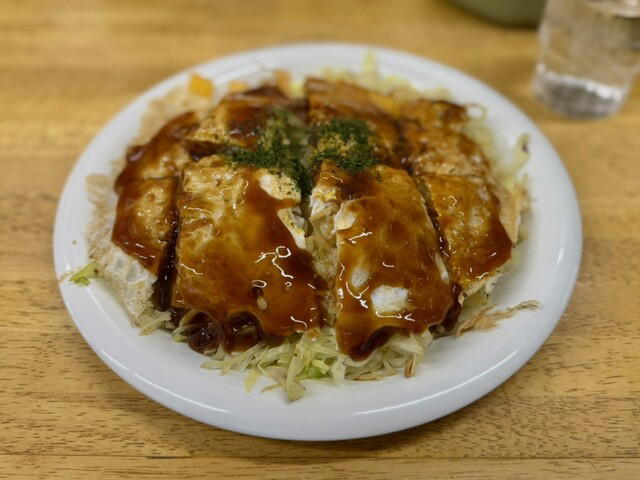
Bars in Hiroshima
All bars in Hiroshima →
Details
- Intimate
- Cozy
- Modern
- Date Night
- Special Occasion
- Celebration
- Business Dinner
- Solo
- Chefs Counter
- Standalone
- Local Sourcing
- Tasting Menu
- Set Menu
- Counter Dining
Current opening hours
- Monday
- 6:30–10 PM
- Tuesday
- 6:30–10 PM
- Wednesday
- 6:30–10 PM
- Thursday
- 6:30–10 PM
- Friday
- 6:30–10 PM
- Saturday
- 6:30–10 PM
- Sunday
- 6:30–10 PM
Hours can change for holidays and private events. Hours as of .
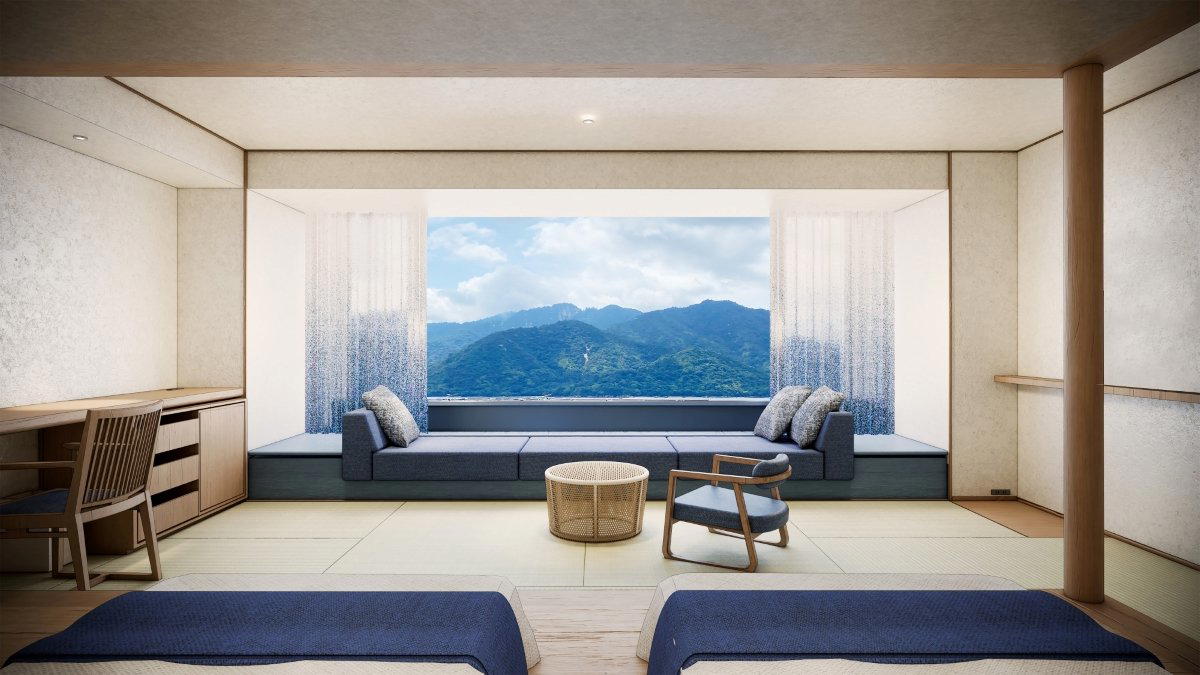
Small, non-smoking counter-style space with only eight seats, likely offering a calm, intimate atmosphere focused on a set-timing dinner experience rather than a bustling dining room.