

Michelin Bib Gourmand
Our verdict
A basement counter in Chiyoda dedicated entirely to biryani, mutton or chicken, nothing else. The basmati arrives timed to the moment guests are seated, each grain separate, the spice balance calibrated toward umami rather than heat.

Pearl is the En Primeur Club membership app, where members save venues, book tables and use the concierge.
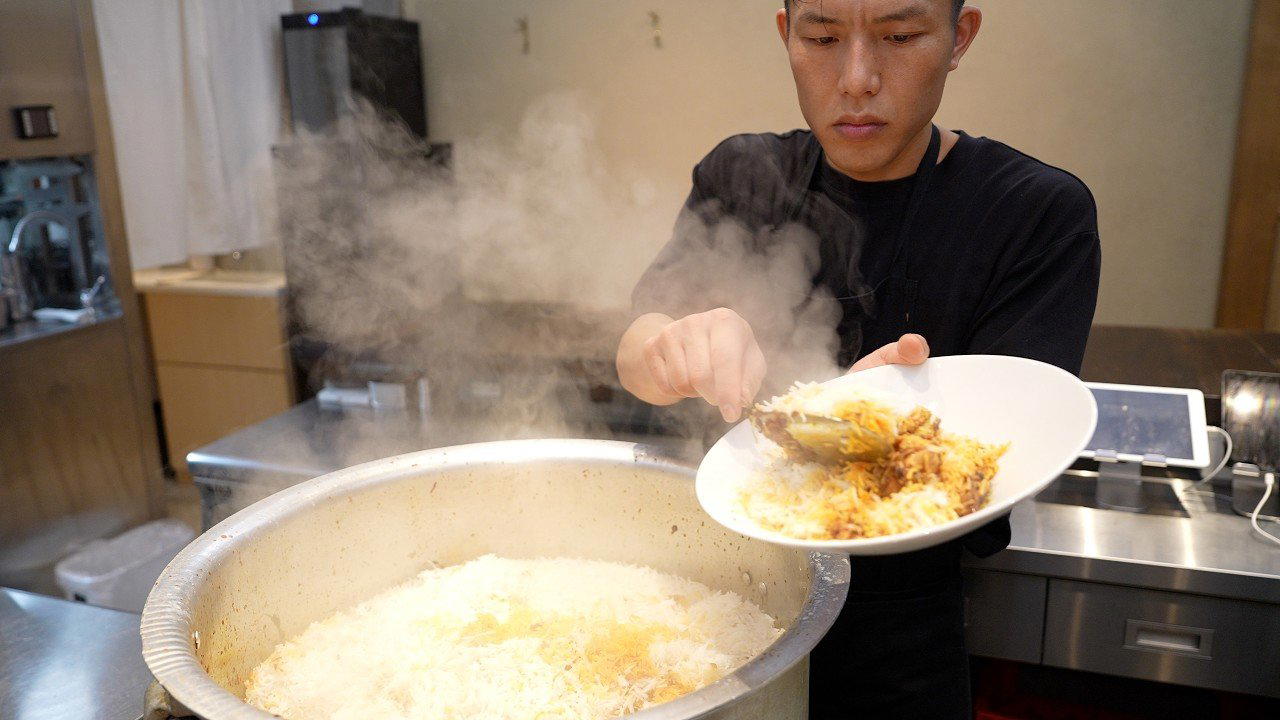
Uchikanda is not the neighbourhood most visitors associate with serious Indian cooking in Tokyo. The area sits east of Jimbocho's used-book district, closer to the Kanda River than to the concentration of South Asian restaurants around Shinjuku or Shin-Okubo. Arriving at Sato Building, a low-profile block on a Chiyoda backstreet, and descending to the basement level, you encounter a space that announces its intentions with restraint: no elaborate decor signalling subcontinental grandeur, no lengthy menu printed on laminated card. The proposition is stated before you sit down. There is biryani. Mutton or chicken. That is the kitchen's entire scope.
One Dish, Seriously Considered
The single-dish format has real precedent in Japan. Tokyo's omakase counters built global recognition on the idea that radical focus, eliminating optionality, mastering one sequence, produces better results than breadth. That same logic, applied to Indian cooking, is rarer. Most Indian restaurants in Tokyo operate on the full-menu model: curries, breads, tandoor items, chaats, and a biryani section toward the back of the card. Biriyani Osawa inverts that structure entirely, treating the rice dish not as one option among many but as the singular subject of the kitchen's attention.
Biryani's history carries the weight of the format. The dish moved from royal courts, where elaborate versions required slow-cooked layering, saffron, and extended preparation, into broader popular culture across the Indian subcontinent and diaspora. The cooking method that defines the style is the dum technique: sealed, steam-cooked, fragrant. What distinguishes the version here is the restraint in fat. Oil is used sparingly, a choice that pulls the flavour architecture away from richness toward clarity, letting the spice signatures and the basmati's natural fragrance carry the dish. Each grain arrives separate, which is not an accident but a technical result of calibration across water ratio, heat, and timing.
Timing as Technique
The kitchen times preparation so the biryani finishes cooking at the moment the last guest is seated. That practice matters more than it might initially seem. Biryani begins losing textural precision the moment it leaves the pot: the grains, held under steam, continue absorbing moisture. The difference between biryani served immediately and biryani held for thirty minutes is measurable in texture and aromatic intensity. The timing protocol at Biriyani Osawa is not a theatrical gesture; it reflects an understanding of what the dish requires at the moment it is ready.
This commitment to precision within a single-dish format earned the restaurant a Michelin Plate in 2025, a designation that signals quality cooking without the full star classification. In Tokyo's Michelin ecosystem, where three-star counters like Harutaka (Sushi) and L'Effervescence (French) occupy the top tier, the Plate sits as a meaningful marker of kitchen seriousness.
Where It Sits in Tokyo's Indian Scene
Tokyo's Indian restaurant category has deepened considerably over the past decade. The South Indian wave brought dosa counters and coconut-forward curries into neighbourhoods that previously only offered North Indian standards. Contemporary Indian kitchens like Spice Lab Tokyo and SANTOSHAM brought regional specificity and technique-forward cooking into the conversation, while Katchar Batchar represents a different entry point into the city's South Asian dining options. Biriyani Osawa occupies a different position from all of them: it is not a regional showcase, not a tasting menu, not a broad curry house. It is a biryani specialist operating on restaurant logic.
That position also invites comparison with the international Indian fine-dining circuit. Trèsind Studio in Dubai and Opheem in Birmingham both represent high-end Indian cooking that draws on the subcontinent's culinary traditions while adapting presentation and format for a global audience. Biriyani Osawa's approach is different in register: the price point sits at the accessible end of the ¥ range, the format is democratic, and the ambition is narrow.
The Drink Question
The editorial angle that typically organises a restaurant feature around cellar depth and sommelier expertise meets its limits at a counter built entirely around rice and spice. Biriyani, particularly in the lighter-oil format practised here, can work with a range of beverages: a cold lager cuts through spice cleanly; a slightly off-dry white wine with aromatic character (Alsatian Gewurztraminer or Viognier, for instance) can complement rather than compete with the basmati's fragrance. What is worth noting for the wine-minded visitor is that the dish's structure, restrained fat, aromatic spice, grain clarity, is actually more wine-compatible than richer, butter-heavy versions of the same recipe. That compatibility is worth testing.
Getting There and Planning
Biriyani Osawa is located in the basement of the Sato Building at 1 Chome-15-12 Uchikanda, Chiyoda City, Tokyo. The Chiyoda ward location places it within reasonable distance of Kanda and Akihabara stations. The price range sits at the ¥ tier, making it among the more accessible Michelin-recognised kitchens in the city, a different register entirely from the ¥¥¥¥ counters that dominate Tokyo's international recognition. Confirming in advance is advisable.
For visitors building a broader Tokyo itinerary, our full Tokyo restaurants guide covers the range of the city's dining options across cuisines and price tiers. Those exploring the city's hotel and hospitality picture can find further reading in our full Tokyo hotels guide, our full Tokyo bars guide, our full Tokyo wineries guide, and our full Tokyo experiences guide. For those travelling further in Japan, the EP Club covers acclaimed kitchens including HAJIME in Osaka, Gion Sasaki in Kyoto, akordu in Nara, Goh in Fukuoka, 1000 in Yokohama, and 6 in Okinawa.
Frequently asked questions
What is the signature dish at Biriyani Osawa?
Order the biryani, it is the only dish on the menu. The kitchen offers mutton or chicken versions, both built on basmati rice cooked with spices using restrained oil, finished under the dum method and timed to arrive at the table the moment it leaves the pot. The Michelin Plate (2025) reflects the kitchen's consistency in executing this single offering.
How would you describe the vibe at Biriyani Osawa?
If you arrive expecting the full-menu Indian restaurant format, laminated cards, extensive curries, tandoor section, the basement counter in Chiyoda will read as unusually spare. If the single-dish omakase logic that Tokyo's sushi counters made famous makes sense to you, the format here is a natural extension of that thinking applied to Indian cooking.
Does Biriyani Osawa work for a family meal?
The ¥ price tier makes it among the more accessible Michelin-recognised restaurants in Tokyo, which works in its favour for family visits; the single-dish format, however, means there is no workaround for anyone at the table who does not eat rice or spiced meat.
A Credentials Check
A quick snapshot of similar venues for side-by-side context.
| Venue | Cuisine | Price | Awards | Notes |
|---|---|---|---|---|
| Biriyani OsawaThis venue (the venue you are viewing) | Modern Biryani Specialty | $20–30 | Michelin Bib Gourmand | Not listed |
| Harutaka | Edo-Style Omakase Sushi | $200–300 | 3 Michelin Stars · World's 50 Best #76 | Sushi |
| RyuGin | Modern Kaiseki | $500+ | 3 Michelin Stars · World's 50 Best #41 | Kaiseki, Japanese |
| L'Effervescence | Modern French with Japanese Influences | $200–300 | 3 Michelin Stars · World's 50 Best #69 | French |
| HOMMAGE | Modern French with Japanese Influences | $150–200 | 2 Michelin Stars · World's 50 Best #78 | Innovtive French, French |
| MAZ | Innovative Peruvian-Japanese Fusion | $150–200 | 2 Michelin Stars · World's 50 Best #28 | Innovative |
Recognition history
Dated appearances from independent guides and award organizations, with the underlying list record or original source where available.
Michelin Bib Gourmand
Michelin
Opinionated About Dining Casual in Japan Ranked #46
Opinionated About Dining
Full recognition history (3 entries)
Michelin Plate
Michelin
Continue exploring
More in Tokyo
Restaurants in Tokyo
All restaurants in Tokyo →



Bars in Tokyo
All bars in Tokyo →




Details
- Intimate
- Modern
- Special Occasion
- Solo
- Chefs Counter
- Open Kitchen
- Sake Program
- A La Carte
- Counter Dining
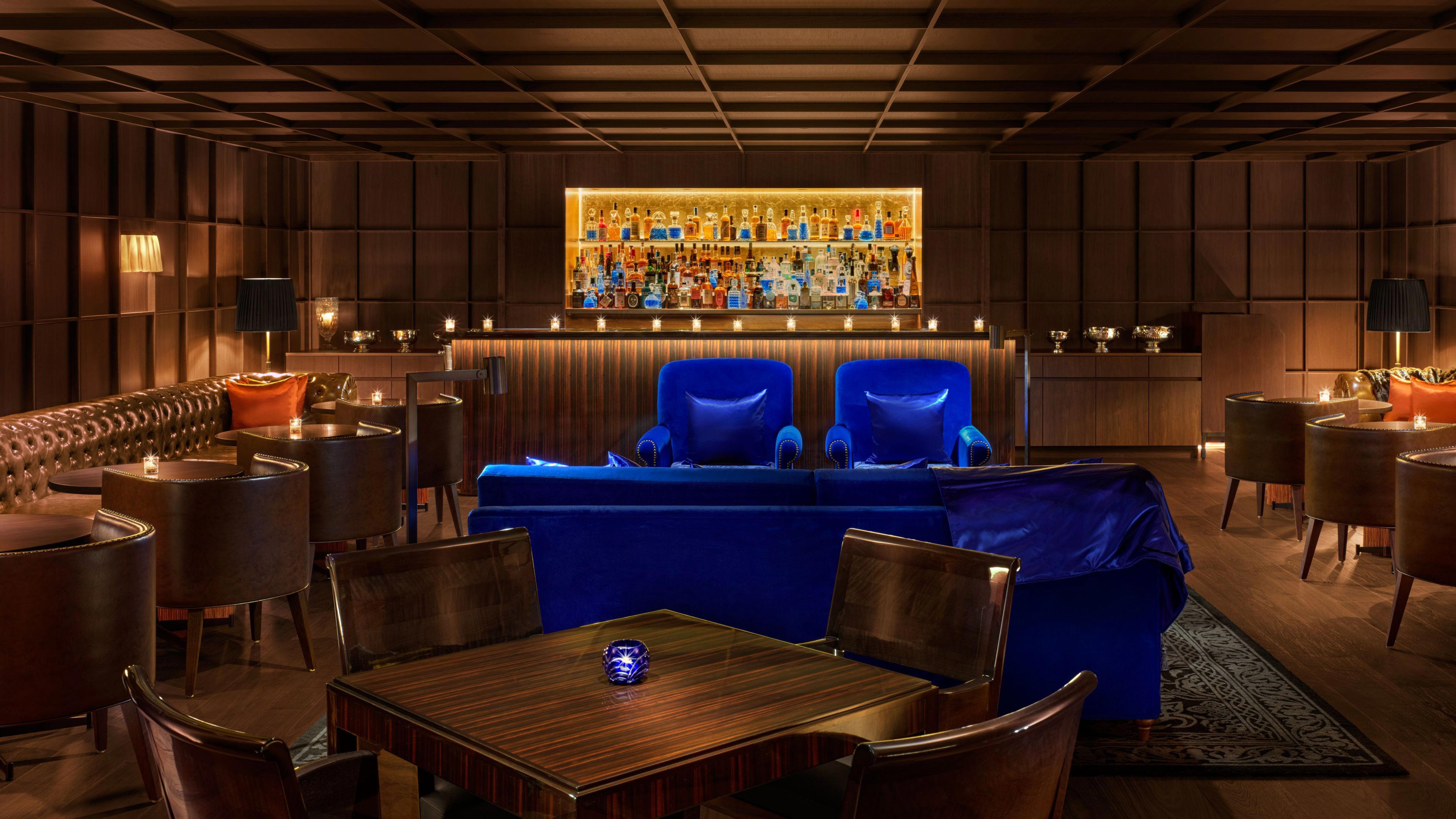
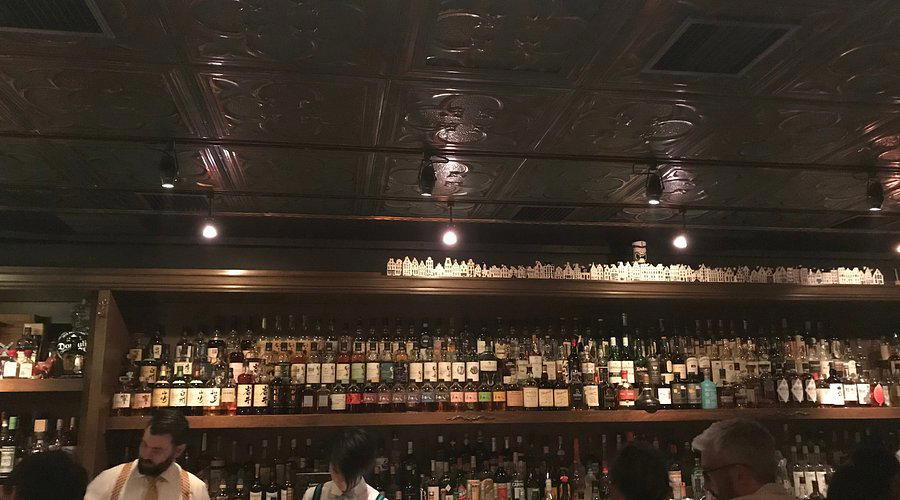
U-shaped counter seating 10 in a basement hideout designed to focus attention on the rising aroma of biryani without conversational distractions.