Bintü Atelier


Bintü Atelier on Line Street brings West African culinary tradition into Charleston's dining conversation with a seriousness that earned it a spot on Esquire's Best New Restaurants list for 2024. Chef Bintou N'Daw Young works through an ingredient-led lens, connecting Lowcountry sourcing to West African technique in a city whose food culture has long drawn on those same roots without always naming them.
Pearl is the En Primeur Club membership app — saves, bookings, and concierge access live there. Same editors, same standards.
- Address
- 8 Line St # D, Charleston, SC 29403
- Phone
- (843) 478-4144
- Website
- bintuatelier.com
- Directions
- Get directions
 Saves & bookings on Pearl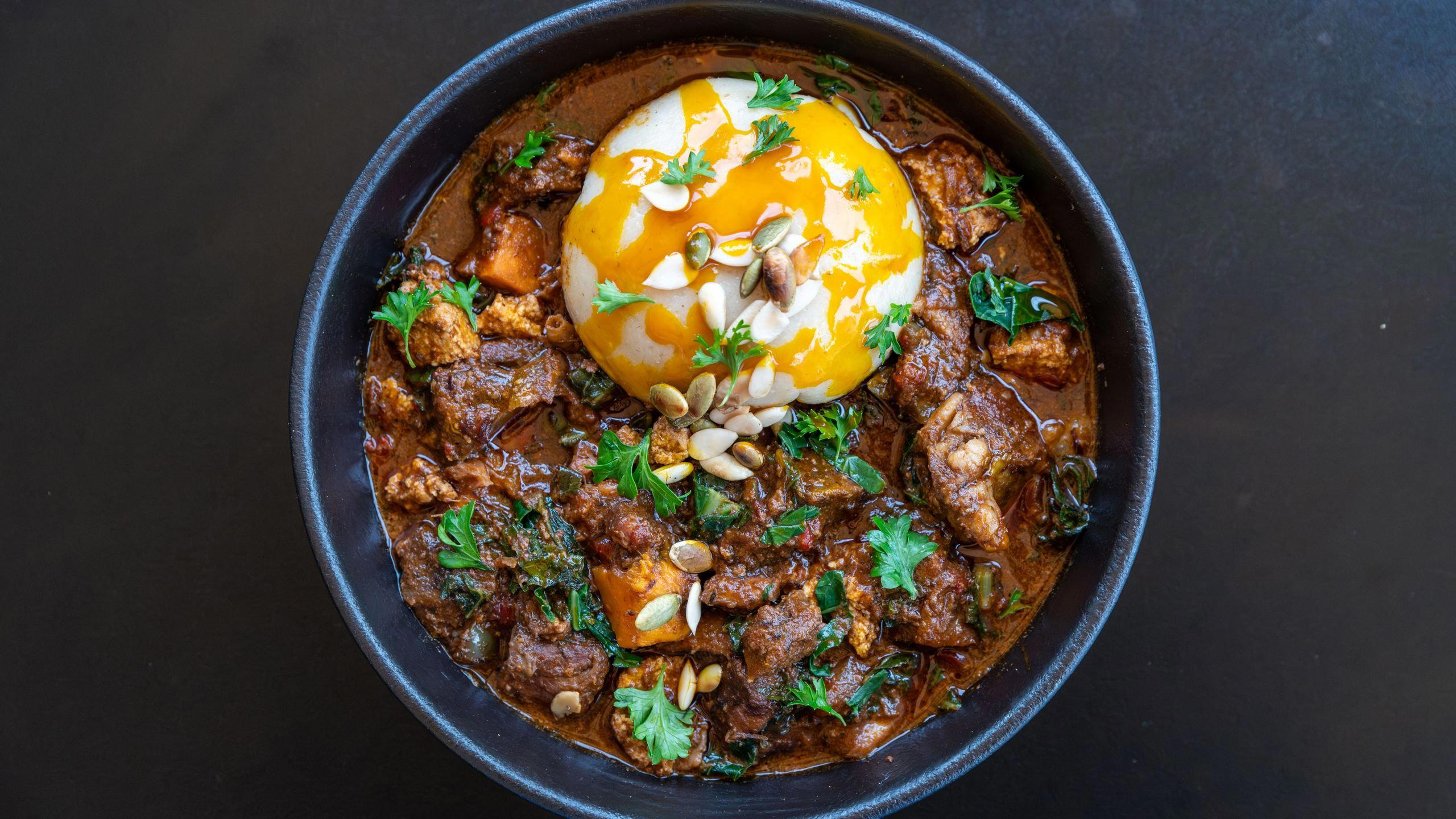
Where Charleston's African Roots Surface on the Plate
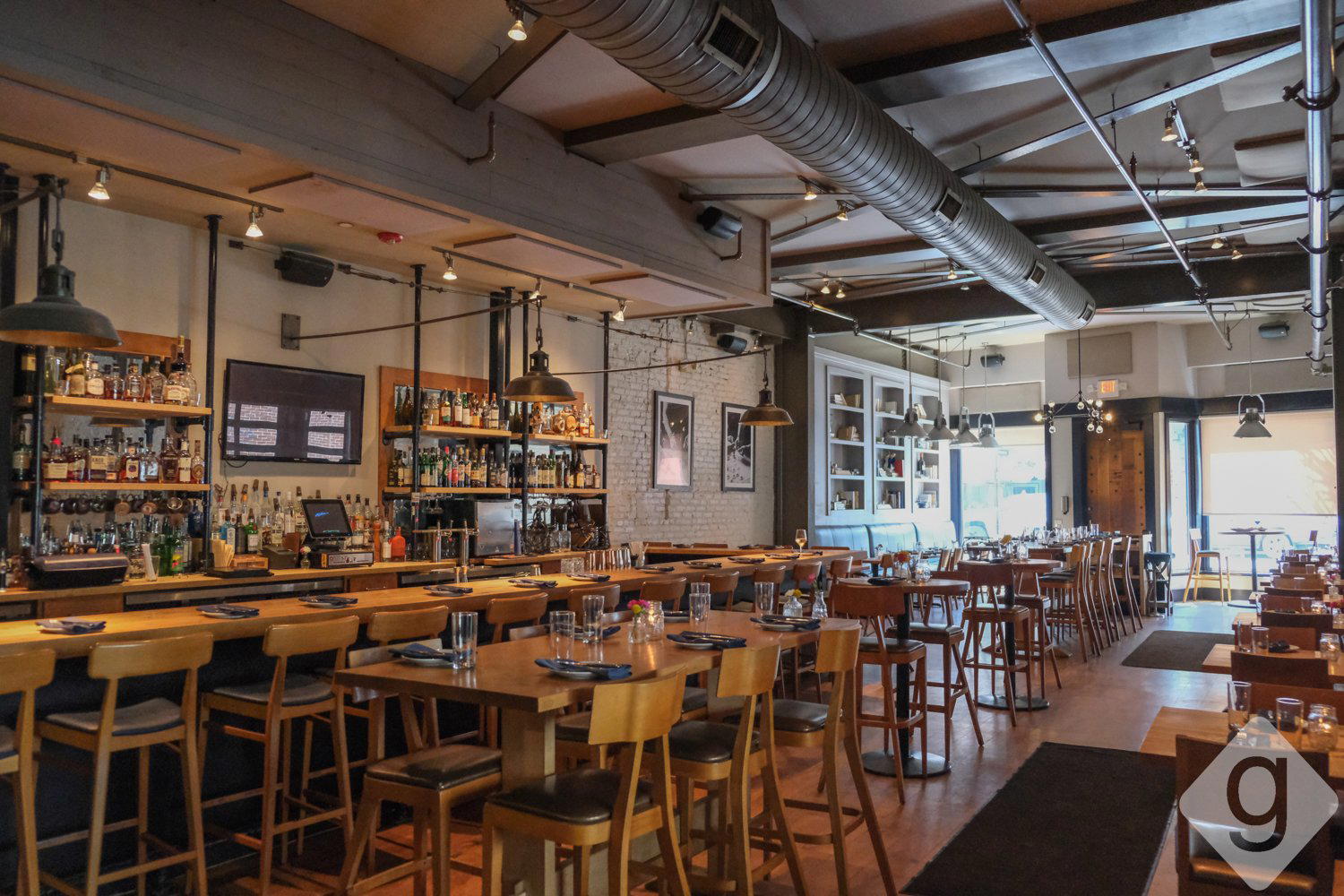
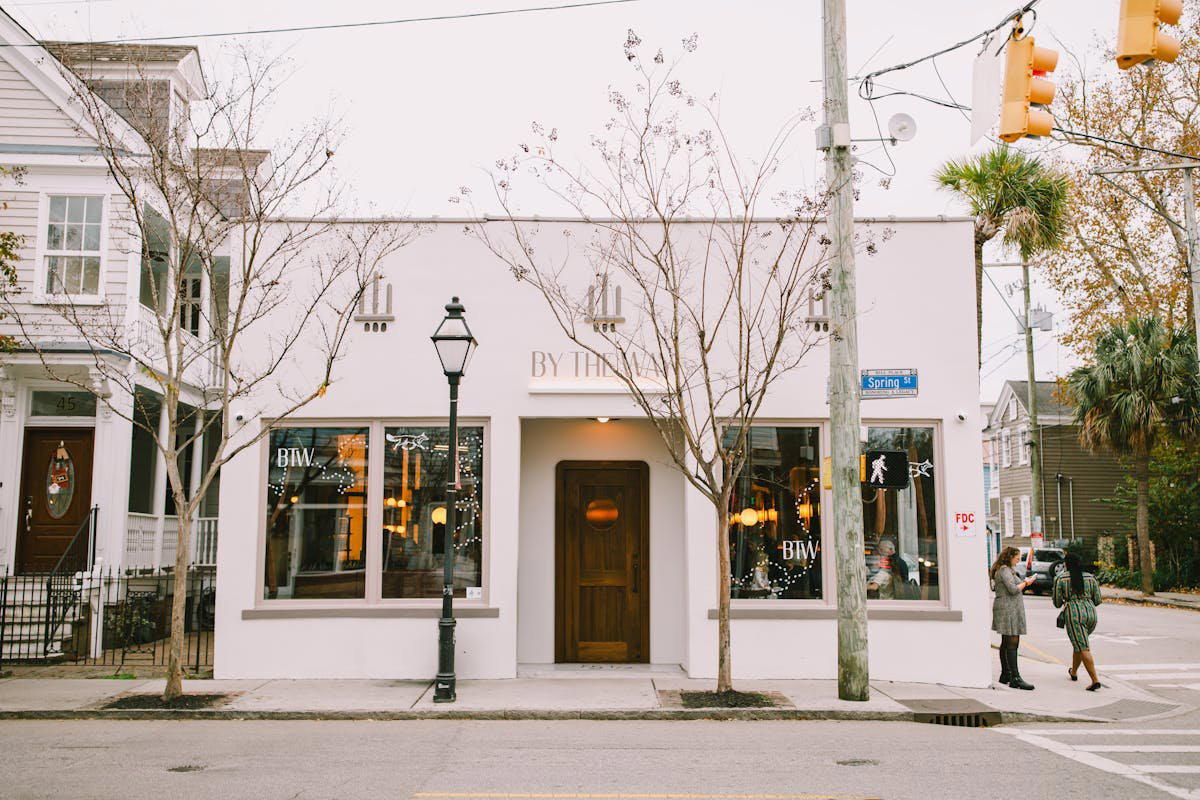
Line Street sits at the edge of Charleston's Cannonborough-Elliotborough neighborhood, a block type that has quietly absorbed some of the city's more considered new restaurants over the past decade. The address at 8 Line St is modest from the outside, suite D, the kind of entrance that rewards people who actually look for it. Inside, the format is intimate, with a room small enough that the kitchen's decisions feel personal and the sourcing conversation is impossible to ignore.
That sourcing conversation is the editorial center of what Bintü Atelier does. West African cooking, broadly construed across the Sahel, the Gulf of Guinea coast, and the Senegambian region, has one of the world's most ingredient-focused culinary identities. Fermented locust beans, dried fish, palm oil at varying stages of processing, and grains like fonio and sorghum are not garnishes or flourishes; they are the structural language of the food. Chef Bintou N'Daw Young works within that language, and placing it in Charleston is less a cultural transplant than a return to a conversation the city's food history has been having for three centuries.
The Lowcountry-West Africa Thread, Followed Seriously
The Lowcountry's debt to West African agricultural and culinary knowledge is longstanding history. Enslaved people from rice-cultivating regions of Senegambia and Sierra Leone were specifically sought by South Carolina planters because of their expertise, a brutal transaction that nonetheless transferred a food culture into the Carolina coastal plain and shaped everything from cooking technique to ingredient preference. Lowcountry staples like rice pilaf, okra soup, peanut stew, and the use of smoked and fermented proteins all trace directly to that transfer.
What Bintü Atelier does is follow that thread back to its source rather than stopping at the Gullah-Geechee midpoint, which is where most Charleston restaurants, even the thoughtful ones, tend to rest. FIG and Husk, the two restaurants that defined Charleston's serious New American and Southern movements respectively, both operate within the Lowcountry frame without pushing further west across the Atlantic. Rodney Scott's BBQ works deep inside the African-American pit tradition. 167 Raw anchors the oyster bar side of the local seafood identity. Bintü Atelier does something different: it positions the origin point, not the American evolution, as the primary reference.
That is a meaningful distinction and one that aligns Bintü Atelier with a small but growing cohort of African-cuisine restaurants earning serious critical attention in the United States. Dōgon in Washington, D.C. draws on West African tradition with a fine dining structure. In London, Chishuru has made the case for West African cooking as a credentialed, technique-driven cuisine without apology. The restaurant operates in that company, even if Charleston is a smaller and less internationally watched stage than D.C. or London.
The 2024 Esquire Recognition and What It Signals
Esquire's Leading New Restaurants list for 2024 placed the restaurant at number 30. The list, which covers the full United States and tends to weight ambition and originality alongside execution, is a reasonable proxy for restaurants that are doing something structurally different rather than simply doing a familiar thing well. A ranking at 30 on a national list means the restaurant is drawing attention well beyond South Carolina's dining press.
That recognition matters contextually because Charleston's restaurant scene, for all its genuine strength, is not typically where African cuisine earns national visibility. The city's food identity is built around seafood, Southern tradition, and an increasingly sophisticated New American layer represented by places like Vern's, Lowland, and Malagón Mercado y Taperia. The restaurant lands in a different register from all of them, which is partly what makes the Esquire placement notable: it signals that the restaurant is being evaluated on its own terms, not as a local curiosity.
For comparison, the restaurants that routinely appear on national and international recognition lists for technical ambition, Alinea in Chicago, The French Laundry in Napa, Le Bernardin in New York City, Lazy Bear in San Francisco, Single Thread Farm in Healdsburg, operate with large teams and years of press attention behind them.
Ingredients as Argument
The editorial angle of ingredient sourcing matters most here because West African cooking makes it impossible to separate what is on the plate from where it came from. Dishes in the Senegambian tradition, thiéboudienne, mafé, yassa, domoda, are not just flavor combinations; they are the result of specific agricultural systems, preservation techniques, and protein hierarchies that developed over centuries in specific geographies. When a chef works within that tradition outside its origin geography, the ingredient sourcing question becomes structural: which elements can be sourced locally or regionally, which need to be imported, and how do those substitutions or faithful reproductions change what the dish argues?
Charleston is better positioned than most American cities for this negotiation. The Lowcountry produces rice, seafood, okra, peanuts, and leafy greens that map directly onto West African culinary use. The region's smoked fish and cured protein traditions have functional parallels to West African pantry staples. A chef working with that awareness can source close to home for the structural ingredients while making deliberate decisions about which imported elements, fonio, moringa, specific fermented condiments, carry the tradition's irreducible identity. That approach, ingredient by ingredient, is more interesting than either full localization or full importation, and it is the kind of sourcing intelligence that the Esquire recognition implicitly validates.
Planning Your Visit
The restaurant is at 8 Line St, Suite D, in Charleston's Cannonborough-Elliotborough neighborhood, walkable from the upper end of King Street and reachable in under ten minutes from most downtown hotels. Given the 4.8 rating across 242 reviews and a national profile following the Esquire 2024 placement, booking ahead is the practical default, the combination of a small room and high demand means walk-in availability is uncertain. Specific hours, pricing, and reservation channels are best confirmed directly with the restaurant, as those details shift with operating format. For the broader context of where the restaurant fits in the city's current dining slate, see our full Charleston restaurants guide. The city also has strong supporting categories worth planning around: hotels, bars, wineries, and experiences all have dedicated guides. And for context on how African cuisine is being taken seriously in other cities, Emeril's in New Orleans sits in a different tradition but represents the same logic of a regional city producing nationally recognized cooking.
Budget Reality Check
Comparable venues nearby, for context on price, style, and recognition.
| Venue | Cuisine | Price | Notes |
|---|---|---|---|
| Bintü AtelierThis venue — the venue you are viewing | Eastside, West African Senegalese | $$$ | Not listed |
| Slightly North of Broad Restaurant | Downtown, Lowcountry Bistro | $$$ | Not listed |
| Church and Union Charleston | Not listed | $$$ | Ansonborough, Modern-American with Southern Flair |
| Delaney Oyster House | Not listed | $$$ | Ansonborough, Lowcountry Seafood & Raw Bar |
| Bellerose Hotel Bar | Intimate Modern Steakhouse & Hotel Bar | $$$ | Not listed |
Recognition history
Dated appearances from independent guides and award organizations, with the underlying list record or original source where available.
James Beard Award Semi Finalist
James Beard Award
Esquire Best New Restaurants #30
Esquire
Continue exploring
More in Charleston
Restaurants in Charleston
Browse all →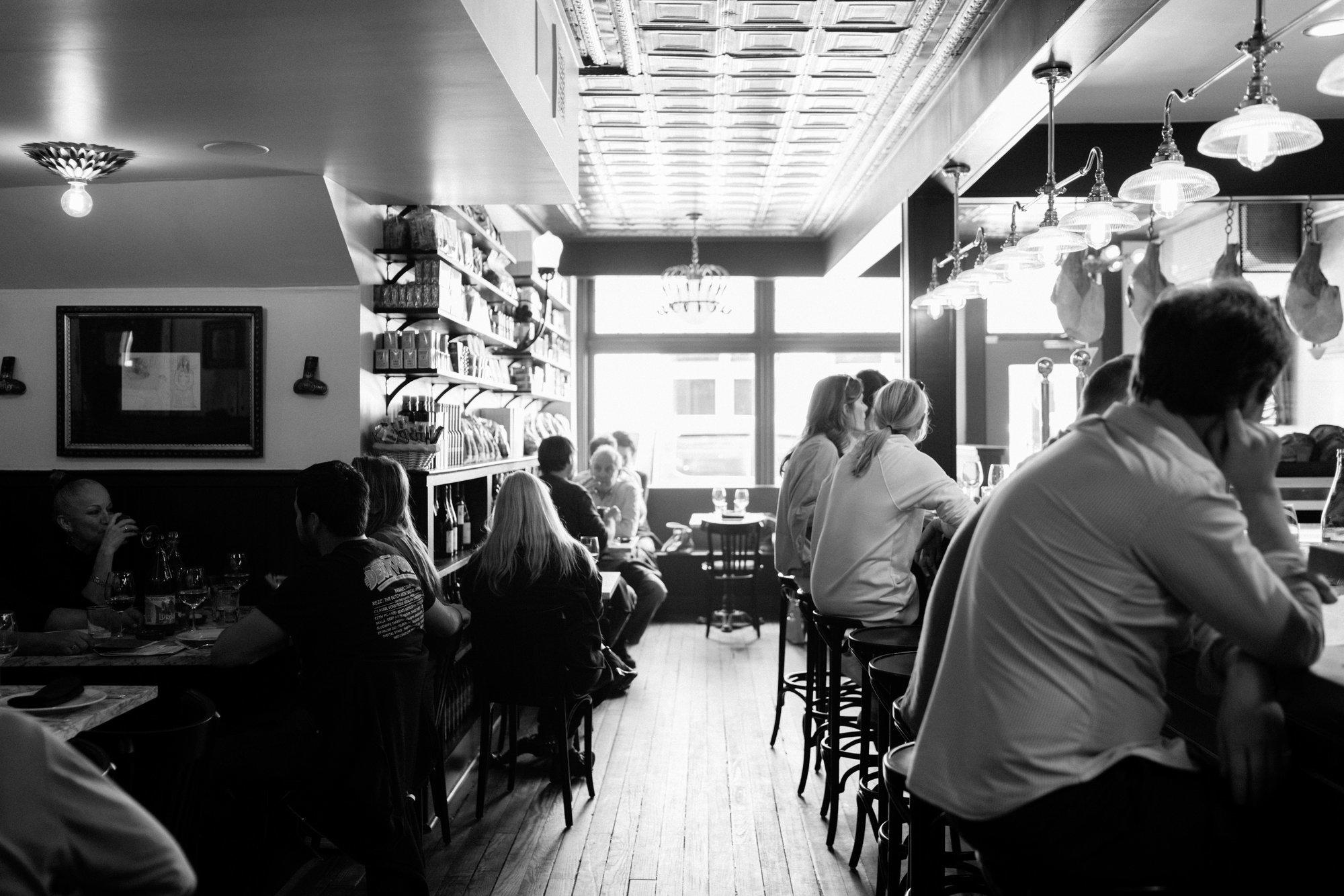
Bars in Charleston
Browse all →

At a Glance
- Cozy
- Intimate
- Date Night
- Special Occasion
- Casual Hangout
- Garden
- Zero Proof
Current opening hours
- Monday
- Closed
- Tuesday
- Closed
- Wednesday
- 5–10 PM
- Thursday
- 5–10 PM
- Friday
- 5–10 PM
- Saturday
- 5–10 PM
- Sunday
- 5–9 PM
Hours can change for holidays and private events. Last verified .
Casual and inviting with reggae music, bright yellow interior, and charming outdoor tent resembling an African tent.