Bij Loes Delfshaven
Bij Loes Delfshaven sits on Voorhaven 35, along one of Rotterdam's most characterful historic harbourside streets in Delfshaven. The venue occupies a position in a neighbourhood that operates at a different register from the city's Michelin-heavy fine dining tier, making it a reference point for those seeking the area's more grounded dining scene.
- Address
- Voorhaven 35, 3025 HC Rotterdam, Netherlands
- Phone
- +31 10 477 3453
- Website
- bijloesdelfshaven.nl
- Directions
- Get directions
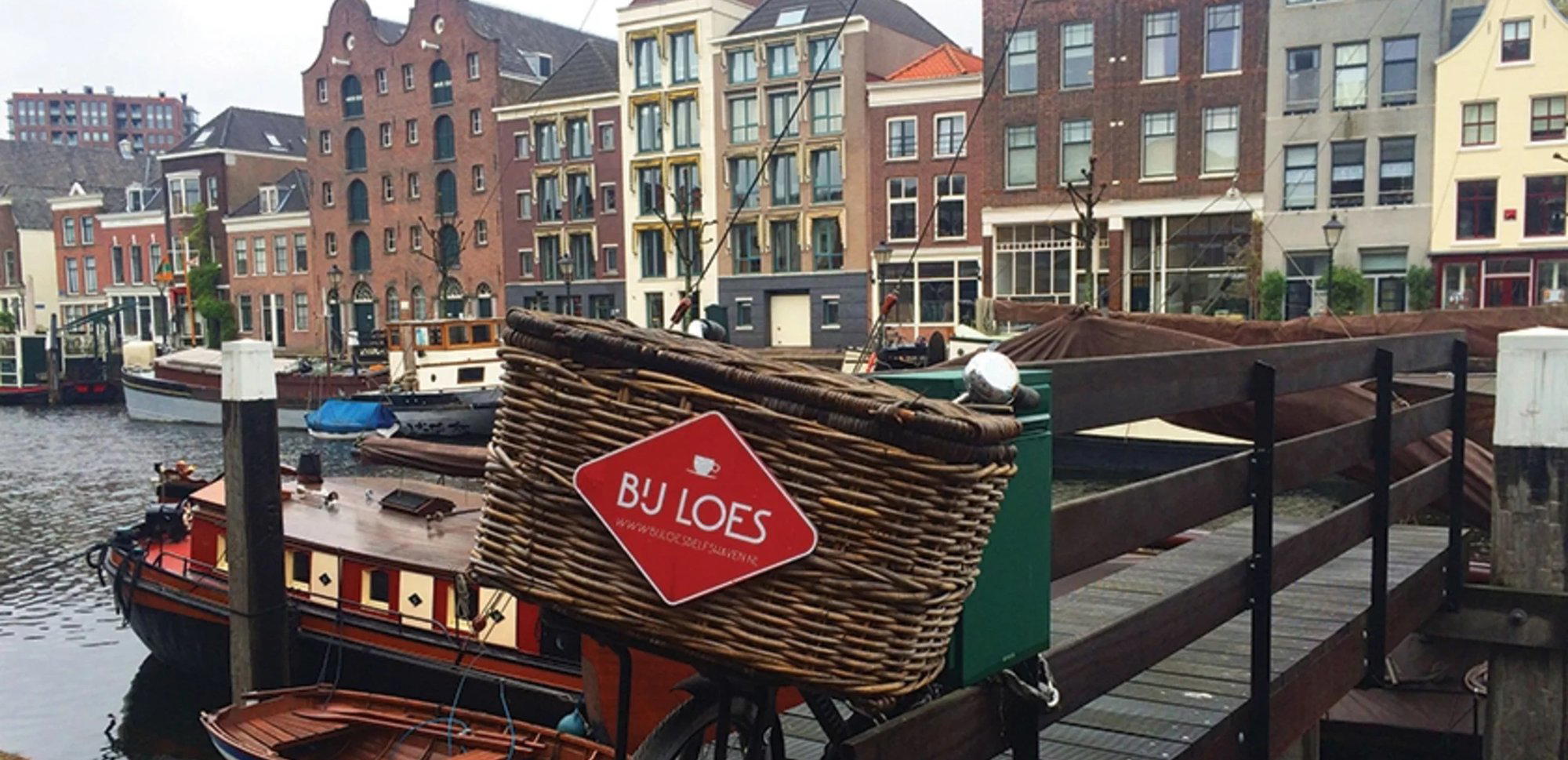
Delfshaven's Waterfront Dining Scene
Delfshaven is the anomaly in Rotterdam's urban story. While the city rebuilt itself after wartime destruction into a monument to modernist architecture and engineering ambition, Delfshaven was spared, and its 17th-century harbour warehouses and canal-facing facades survived intact. Walking along Voorhaven today, you encounter one of the few places in Rotterdam where the built environment feels genuinely old, the kind of streetscape where a café or restaurant table by a window frames something worth looking at. Bij Loes Delfshaven, at Voorhaven 35, is a casual neighbourhood restaurant serving fresh organic local Dutch cooking.
Rotterdam's dining scene has consolidated significantly around a cluster of high-investment fine dining rooms. FG - François Geurds, Fred, and Parkheuvel represent the city's €€€€ tier, where tasting menus, Michelin recognition, and formal service codes define the experience. That concentration is impressive for a Dutch city of Rotterdam's scale, but it also means the mid-range and neighbourhood dining layer gets less editorial attention than it deserves. Delfshaven's hospitality addresses, smaller, less formatted, closer to the grain of the neighbourhood, occupy that layer, and Bij Loes operates within it.
The Address and What It Signals
Voorhaven is a working waterfront that became a heritage street. The canal runs parallel to the road, and the buildings on the water side look across to Achterhaven. In practical terms, this means Bij Loes benefits from the same ambient character that draws visitors to Delfshaven in the first place: the working windmill at the end of the street, the Protestant church that the Pilgrim Fathers attended before leaving for America in 1620, the feeling that Rotterdam's usual pace has been dialled back. Dining here carries a different social register than booking a table at Amarone or Fitzgerald in the city centre.
That distinction matters for how you plan a visit. Delfshaven rewards the kind of afternoon or early evening that starts with a walk, takes in the windmill and the harbour view, and arrives at a table without a rigid schedule. It is not a neighbourhood you rush through on a tight restaurant-hopping itinerary. For visitors building a Rotterdam day around the district, Bij Loes slots into a natural sequence rather than requiring a separate trip across the city.
Booking and Planning: What to Know Before You Go
The editorial angle on Bij Loes from a planning perspective is one of information scarcity. The venue's public booking details are limited. That is not unusual for smaller neighbourhood restaurants in Dutch cities, where word-of-mouth and local foot traffic can sustain an operation without the infrastructure of a formal reservations system. Rotterdam's dining culture, outside the Michelin tier, often works this way.
The practical implication is that visiting Bij Loes requires a different booking approach than, say, securing a counter seat at one of Rotterdam's award-tracked fine dining rooms, where platforms like IENS or direct online booking manage capacity months in advance. For venues of this neighbourhood character, one reliable approach is to call ahead or check current hours before making the trip. If you are travelling specifically to eat here, confirm before you arrive.
For context on advance planning in the Dutch fine dining tier, consider that restaurants at the level of De Librije in Zwolle or Inter Scaldes in Kruiningen routinely require bookings weeks or months ahead. A Delfshaven neighbourhood address operates at a different pressure level, but that does not mean walk-ins are guaranteed, particularly during weekend evenings when the harbour area draws significant visitor traffic.
Rotterdam's Neighbourhood Dining Character
Understanding Bij Loes requires some understanding of how Rotterdam's neighbourhoods have developed their own dining identities. The city's post-war reconstruction produced a fragmented urban geography, with distinct districts that function almost independently. Delfshaven is the heritage district; Katendrecht, a former sailors' quarter on a peninsula to the south, has become the city's most concentrated food destination over the past decade; Witte de Withstraat and the Nieuwe Binnenweg corridor carry the bohemian café and bar culture; and the central station area has absorbed the formal fine dining investment.
Delfshaven's restaurant and café addresses tend to reflect the neighbourhood's dual identity as a heritage site and a residential area. The visitor traffic from the windmill and the Pilgrim Fathers church creates a lunchtime demand that central Rotterdam's dining rooms do not share. An address on Voorhaven, as Bij Loes holds, is pitched at that mixed audience: local residents, day visitors, and travellers who have made Delfshaven a deliberate stop on a Rotterdam itinerary.
For those building a wider Dutch itinerary around serious dining, the Netherlands has a notable spread of destination restaurants outside the major cities. De Nieuwe Winkel in Nijmegen, De Lindenhof in Giethoorn, Tribeca in Heeze, De Groene Lantaarn in Staphorst, Brut172 in Reijmerstok, De Lindehof in Nuenen, De Bokkedoorns in Overveen, and De Treeswijkhoeve in Waalre all demonstrate that the country's most awarded tables are distributed across the provinces rather than concentrated in Amsterdam or Rotterdam alone.
Getting There and Using the Visit
Delfshaven is accessible from Rotterdam Centraal by metro (line B or C to Delfshaven station, roughly ten minutes) or by a 25-minute walk west along the Schiedamsedijk. By tram, lines 4 and 8 serve the area. Arriving on foot from central Rotterdam gives you the transition from the city's modernist skyline into the historic district gradually, which is worth doing at least once. Voorhaven itself is a short walk from the Delfshaven metro stop.
If Bij Loes anchors your Delfshaven visit, budget time for the neighbourhood itself. The Pilgrim Fathers church (Pelgrimvaderskerk) and the De Huisman windmill are within a few minutes on foot. The harbour-facing terraces along Voorhaven are worth time in good weather.
In Context: Similar Options
Comparable venues nearby, for context on price, style, and recognition.
| Venue | Cuisine | Price | Notes |
|---|---|---|---|
| Bij Loes DelfshavenThis venue — the venue you are viewing | Fresh Organic Local Dutch | $$ | Not listed |
| Lof der Zoetheid | Dutch Bakery Cafe with Sweets and Savories | $$ | Oude Noorden |
| Uit je Eigen Stad | Dutch Urban Farm | $$ | Nieuw Mathenesse |
| The Rumah | Rum Cocktail Bar | $$ | Cool |
| Café Pompette | French Bistro | $$ | Liskwartier |
| ALOHA - low waste foodbar | Low Waste Shared Dining | $$ | Struisenburg |
Continue exploring
More in Rotterdam
Restaurants in Rotterdam
Browse all →
Bars in Rotterdam
Browse all →
Hotels in Rotterdam
Browse all →
Wineries in Rotterdam
Browse all →
At a Glance
- Cozy
- Intimate
- Casual Hangout
- Terrace
- Waterfront
- Private Dining
- Organic
- Local Sourcing
- Waterfront
Ongedwongen, cozy atmosphere with fresh, artistically plated homemade food in a relaxed setting.