Bij de Engel
Bij de Engel sits on the Waalbandijk in Dodewaard, where the River Waal's floodplain agriculture shapes what ends up on the plate. The restaurant positions itself within a quiet but serious tier of Dutch regional dining, drawing on the Betuwe's orchard and river-delta produce. For those willing to leave the main urban dining circuits, it represents a direct line between landscape and kitchen.
Pearl is the En Primeur Club membership app — saves, bookings, and concierge access live there. Same editors, same standards.
- Address
- Waalbandijk 102, 6669 ME Dodewaard, Netherlands
- Phone
- +31488411280
- Website
- bijdeengel.nl
- Directions
- Get directions
 Saves & bookings on Pearl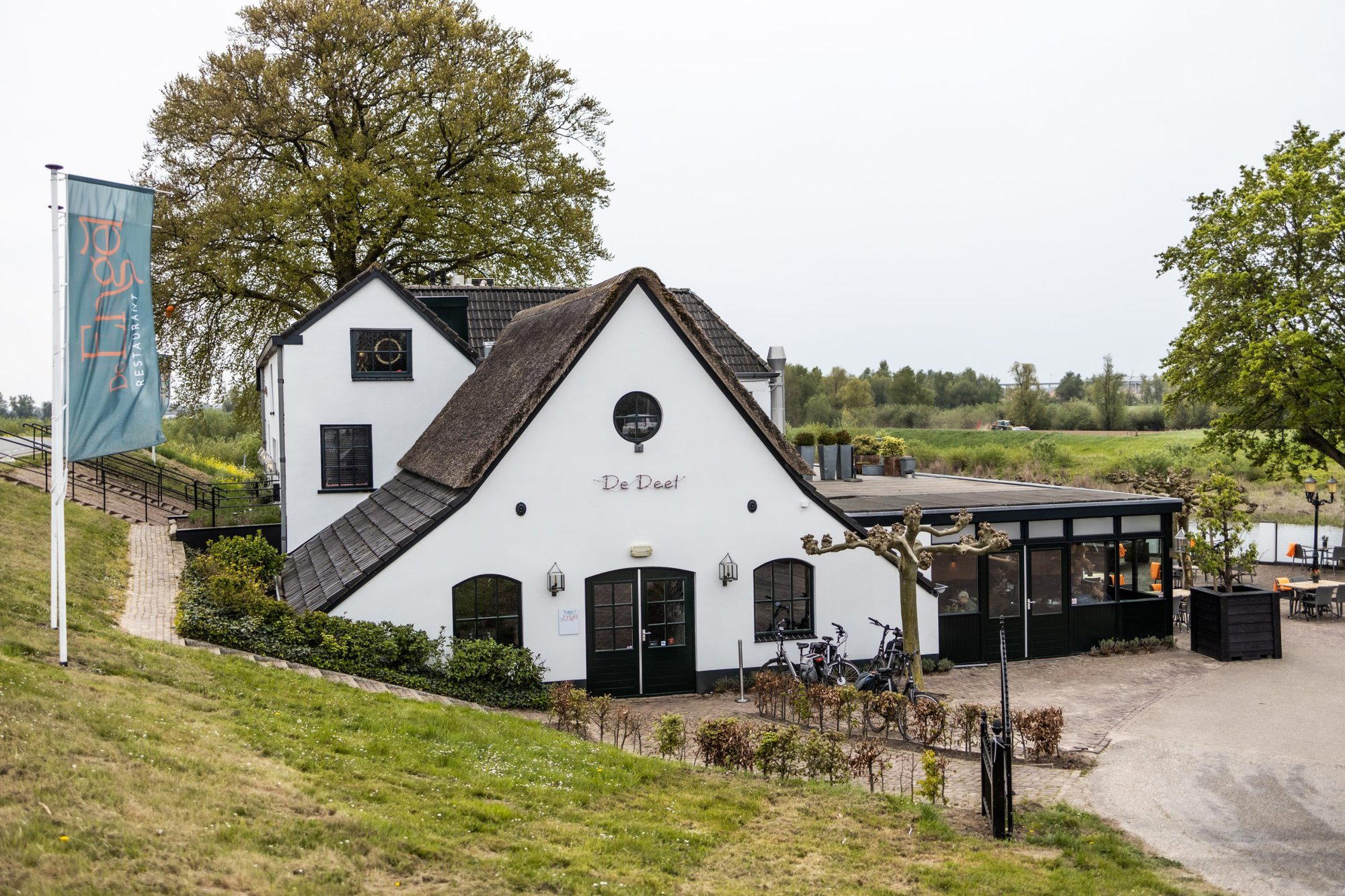
Where the River Defines the Plate
The Betuwe, that long ribbon of polders, orchards, and river clay between the Waal and the Rhine, is one of the Netherlands' most productive agricultural corridors, and one of its least-visited dining destinations. The road along the Waalbandijk in Dodewaard runs close enough to the river that you feel the scale of the landscape before you arrive: wide, flat, spare. Bij de Engel occupies this setting at Waalbandijk 102, and the address itself is a kind of editorial statement. This is a restaurant shaped by the countryside around it.
That distinction matters in Dutch fine dining right now. Restaurants like De Nieuwe Winkel in Nijmegen have built national reputations on hyperlocal sourcing frameworks, while urban anchors such as Ciel Bleu in Amsterdam and FG – François Geurds in Rotterdam operate at the summit end of city-based fine dining. Bij de Engel belongs to a different geography entirely: the quiet, rurally-anchored tier where sourcing proximity is not a marketing position but a practical reality. The Betuwe's apple and pear orchards, its asparagus fields, and its river-delta produce are available at a granularity that no urban kitchen can match.
The Betuwe as Larder
Understanding Bij de Engel means understanding the agricultural identity of its region first. The Betuwe is historically known as the fruit garden of the Netherlands, a designation earned through centuries of orchard cultivation made possible by the mineral-rich river clay soils deposited by the Waal and the Rhine. Stone fruit, soft fruit, and hard fruit all grow here in quantity. The same soil conditions support asparagus, which the Dutch treat with something close to seasonal reverence each spring, and a range of market-garden produce that feeds both local tables and the broader Dutch wholesale system.
For a kitchen positioned along the Waalbandijk, this regional larder represents an ingredient sourcing advantage that is difficult to replicate in a city context. Where restaurants at the level of De Librije in Zwolle or Inter Scaldes in Kruiningen build elaborate supply chains to bring regional produce into their kitchens, the restaurant's address puts it inside that supply chain's origin point. The logic of terroir-driven cooking, so often applied to wine, translates directly here: proximity to source compresses time between harvest and kitchen, which is not an abstraction but a measurable quality difference in delicate produce.
The broader Dutch fine dining scene has absorbed this lesson unevenly. Urban restaurants with strong sourcing credentials, from Aan de Poel in Amstelveen to t Nonnetje in Harderwijk, have invested significantly in producer relationships to close that distance. A restaurant already embedded in its producing region operates from a different starting position, one that shapes the menu's seasonal rhythm more directly than any procurement strategy can.
Regional Dining at a Distance from the Main Circuits
Dodewaard sits roughly equidistant between Nijmegen and Tiel, neither of which is a major international dining destination. That positioning places the restaurant in a category shared by other Dutch restaurants that have built serious reputations away from the urban axis: places like De Lindenhof in Giethoorn, Brut172 in Reijmerstok, and De Groene Lantaarn in Staphorst, all of which have demonstrated that destination dining in the Netherlands does not require a city postcode.
The pattern is well-established internationally too. Rurally-sited restaurants at the level of Lazy Bear in San Francisco or the sourcing-led ambitions of Le Bernardin in New York City, each anchored by a specific ingredient philosophy, have shown that one compelling case for a restaurant often lies in its relationship to what it cooks with, not where it is located. In the Dutch context, the willingness to drive to Dodewaard is in itself a signal: guests who make that journey are, by definition, committed to the meal ahead.
Comparable Dutch properties in the creative and contemporary bracket, including De Lindehof in Nuenen, Tribeca in Heeze, and De Treeswijkhoeve in Waalre, have all built their identities around a specific regional or conceptual anchor. Central Park in Voorburg represents another variation, the peri-urban restaurant that draws on a particular setting to define its offer. The restaurant's setting on the Waal dike is more singular than most: the river itself is a working presence, its floodplain visible and active across the seasons.
Planning a Visit
Dodewaard is accessible by car from both Nijmegen (roughly 20 kilometres to the east) and Arnhem to the northeast. The Waalbandijk address follows the river road, and the setting becomes legible as you approach along the dike: flat water, flat fields, and a building that makes sense of its surroundings. Given the rural location, a car is the practical choice for most visitors. Given the depth of the regional scene in this part of Gelderland, combining a visit with exploration of the broader Betuwe, including its orchard routes and market towns, adds context that sharpens the meal's logic.
In Context: Similar Options
Comparable venues nearby, for context on price, style, and recognition.
| Venue | Cuisine | Price | Notes |
|---|---|---|---|
| Bij de EngelThis venue — the venue you are viewing | Dutch Seafood | $$ | Not listed |
| De Oranjetuin | Dutch Bistro with Seafood | $$ | Oranjewoud |
| Hex by Paul & Inge | Modern Dutch Contemporary | $$ | Markt Oostzijde |
| Pelusa | Dutch Gastropub | $$$ | Buiksloterham |
| Brass118 | Modern Dutch Shared Dining | $$$ | Kerkstraat |
| Come eat | Dutch Seafood | $$ | Hoogmade |
Continue exploring
More in Dodewaard
Restaurants in Dodewaard
Browse all →
Bars in Dodewaard
Browse all →
At a Glance
- Cozy
- Scenic
- Family
- Casual Hangout
- Waterfront
- Historic Building
- Local Sourcing
- Waterfront
Current opening hours
- Monday
- Closed
- Tuesday
- Closed
- Wednesday
- 11 AM–10 PM
- Thursday
- 11 AM–10 PM
- Friday
- 11 AM–10 PM
- Saturday
- 11 AM–10 PM
- Sunday
- Closed
Hours can change for holidays and private events. Last verified .
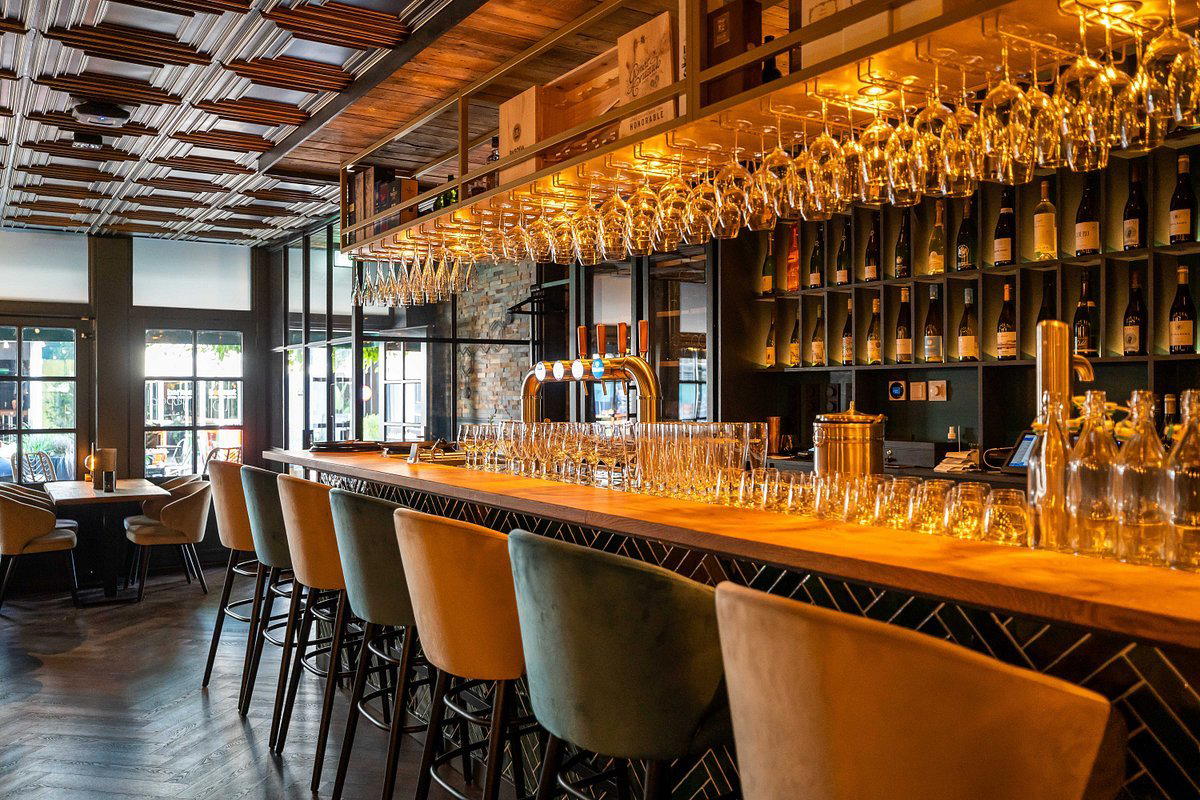
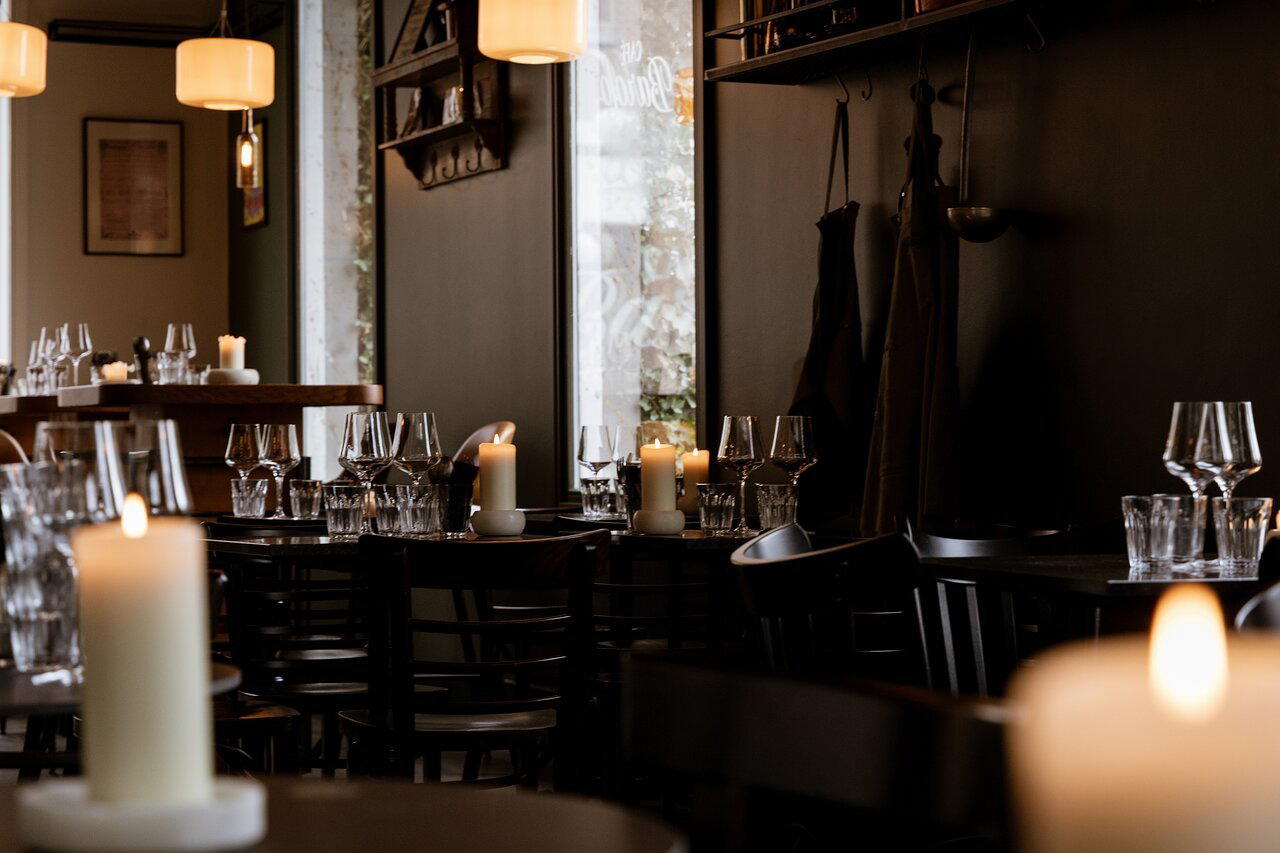
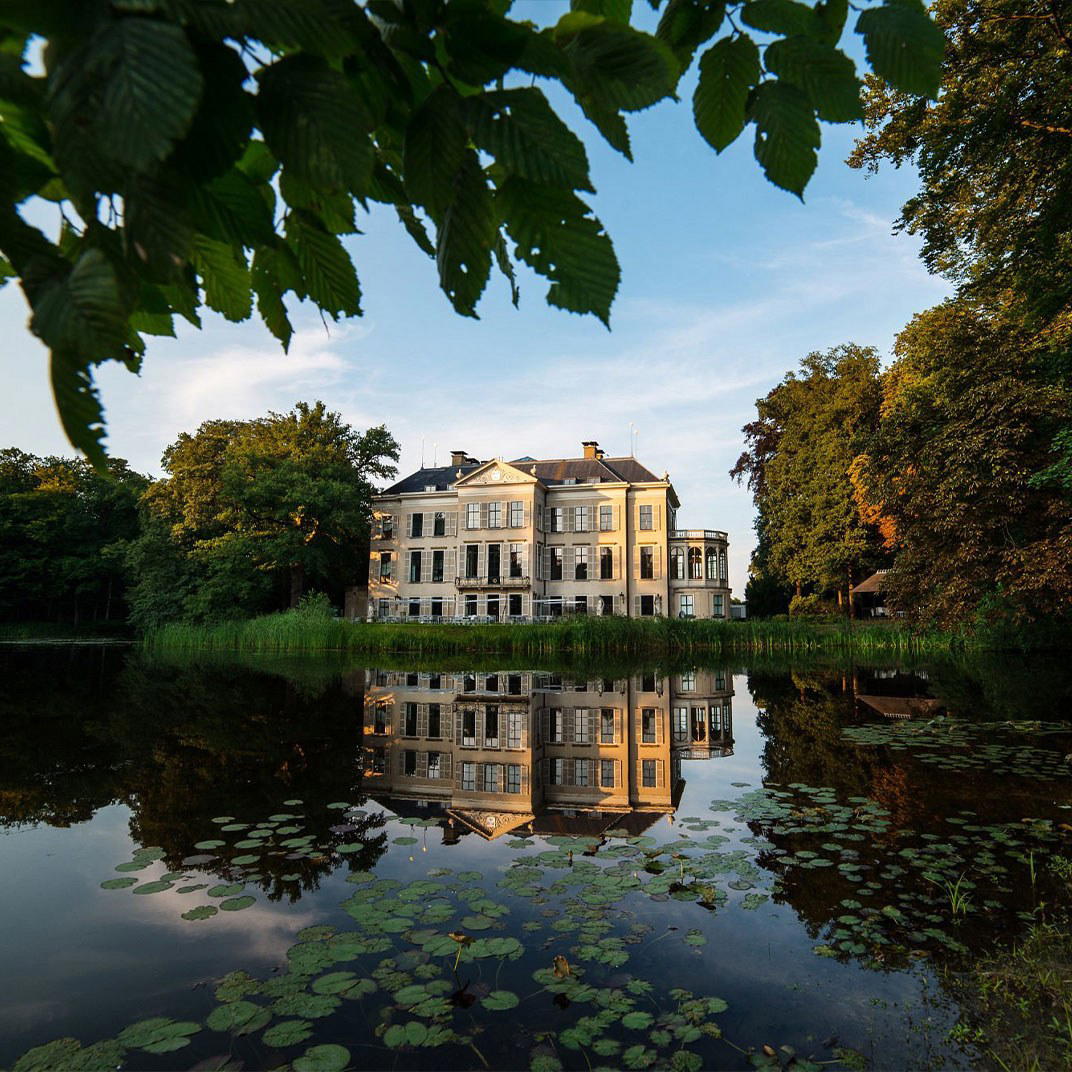
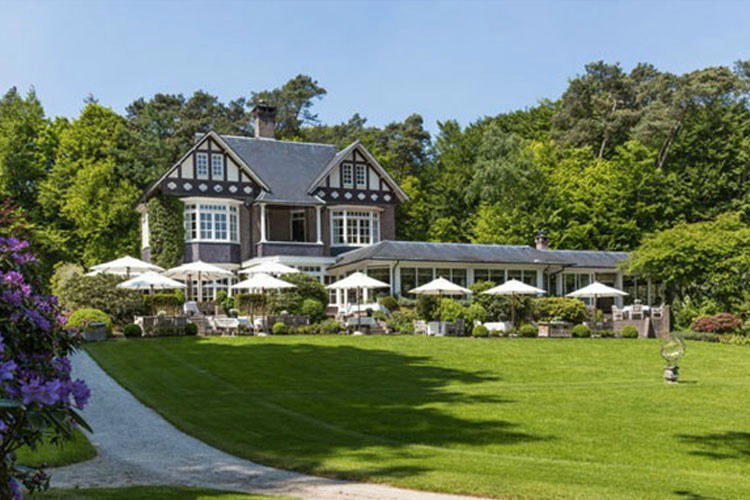
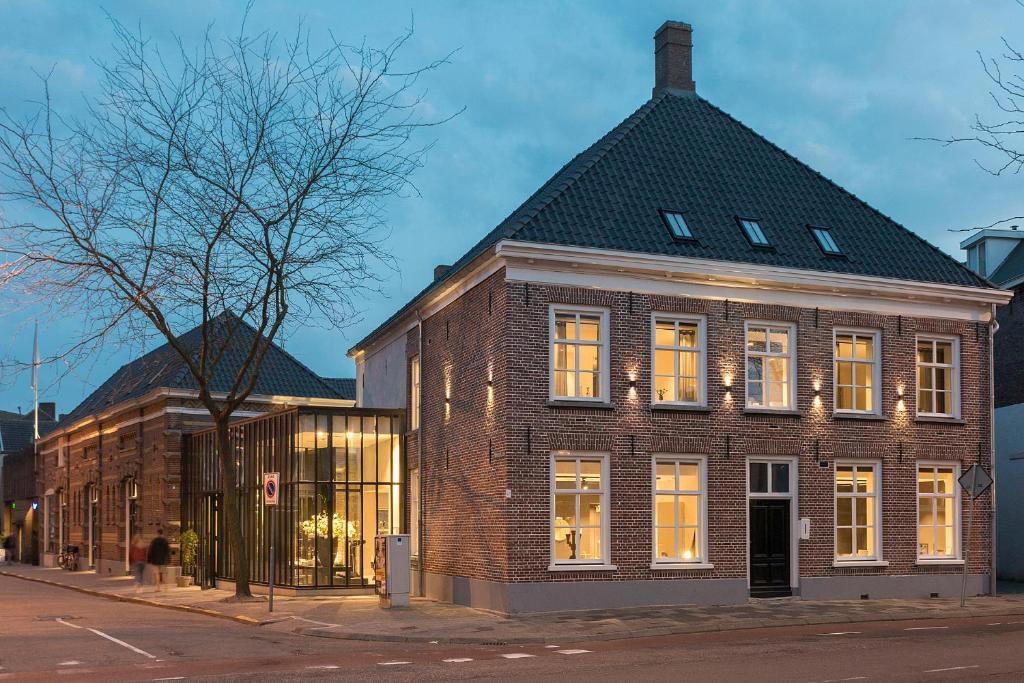
Cozy and welcoming atmosphere in a modernized historic setting.