De Oranjetuin
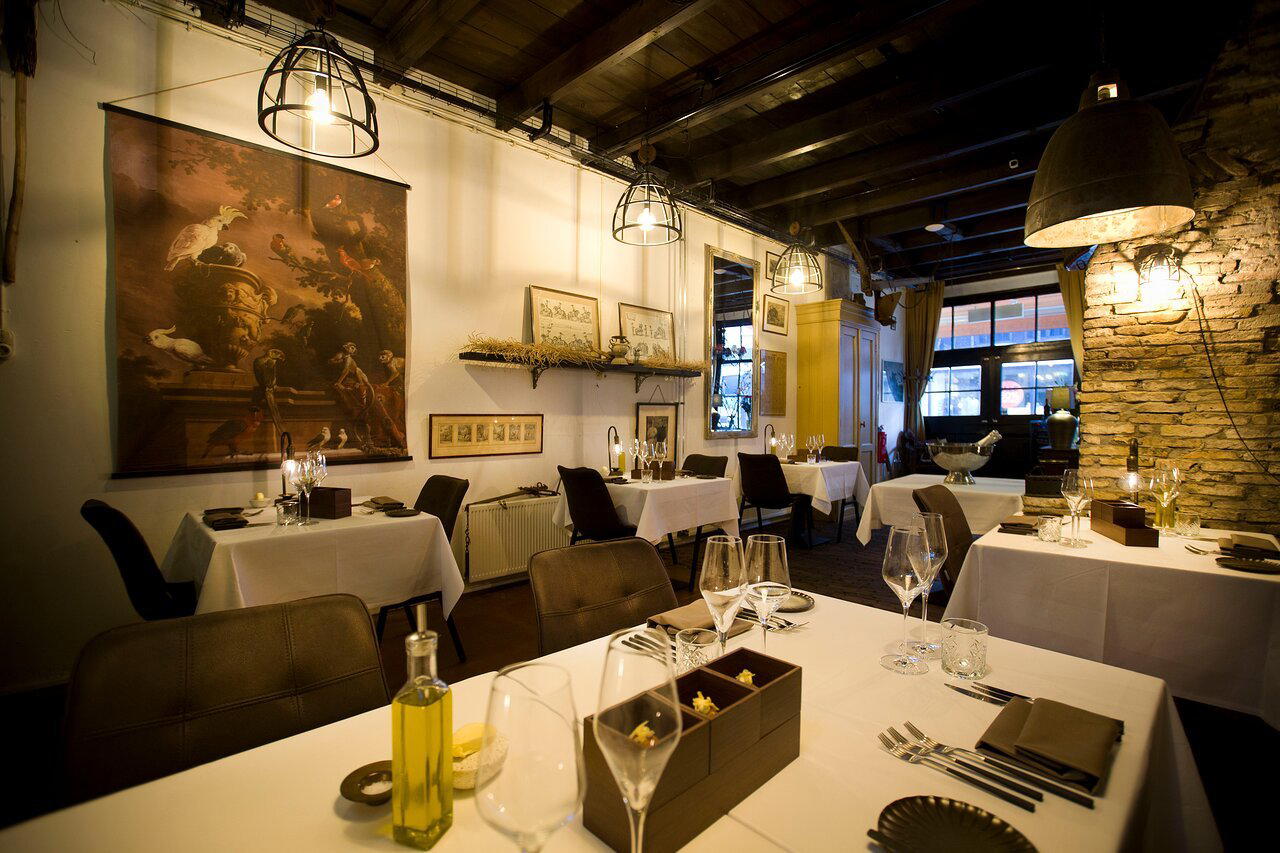
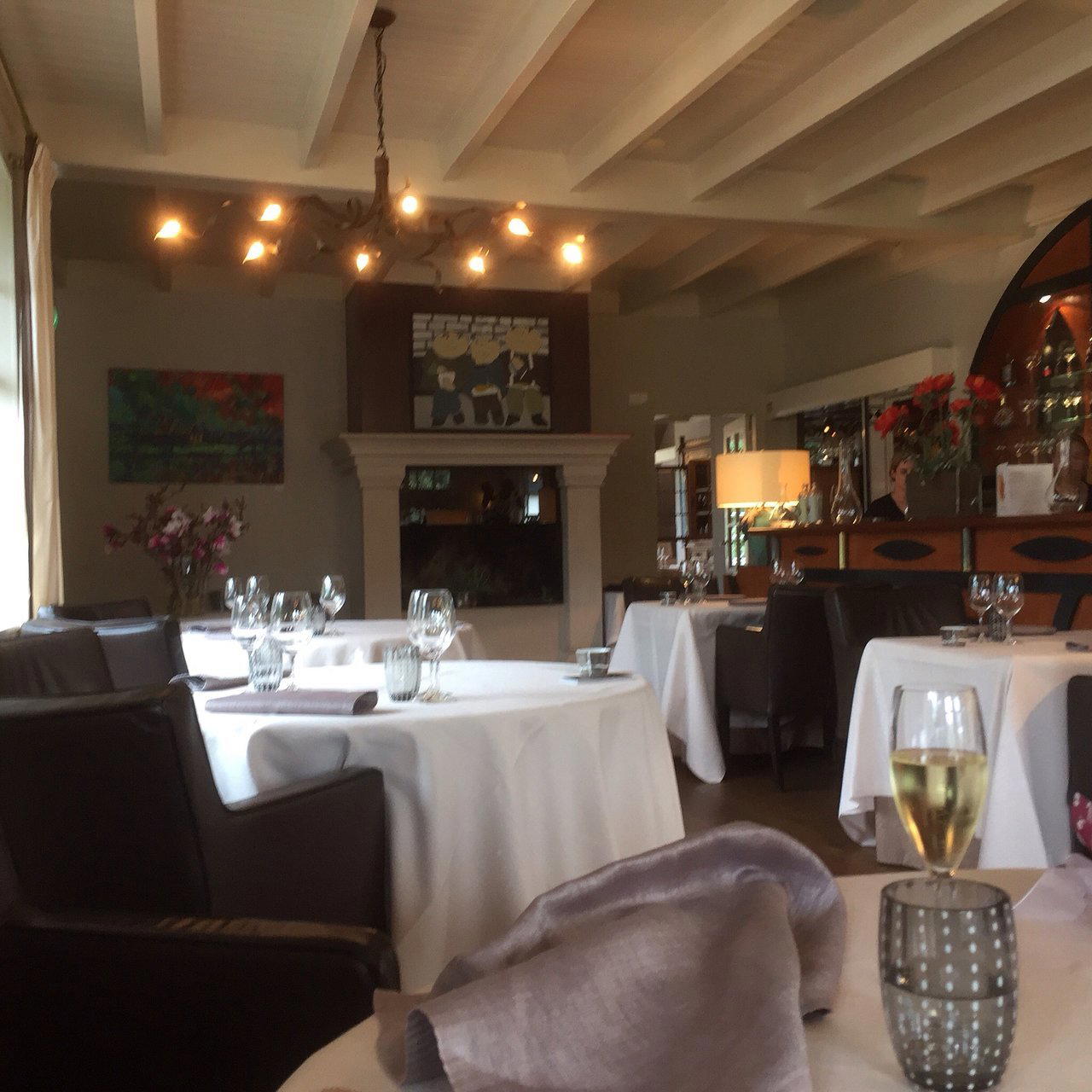
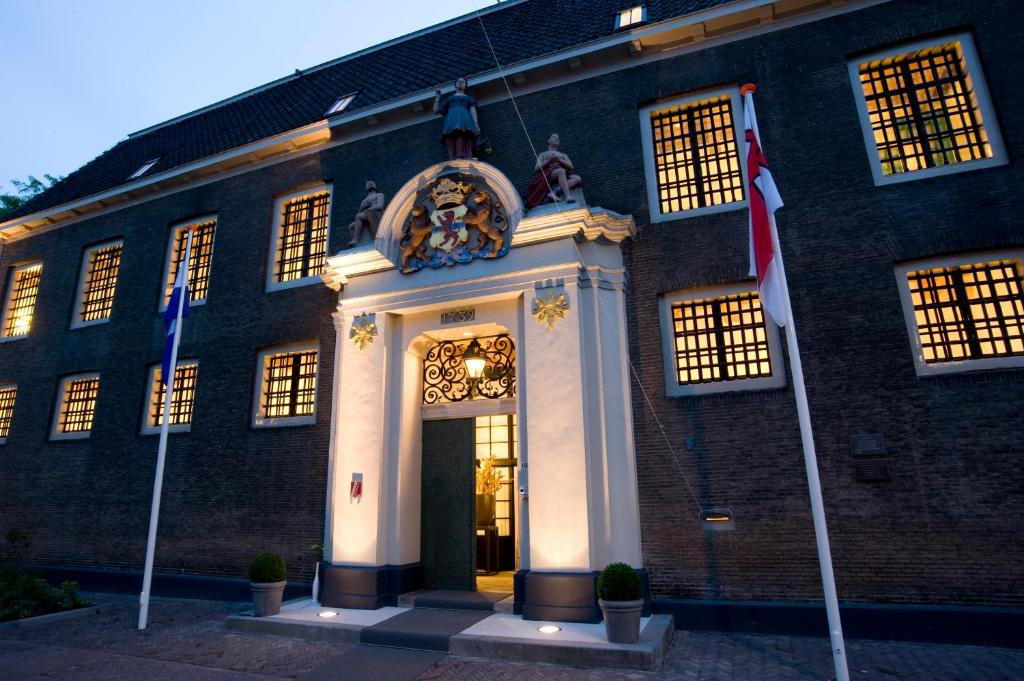
De Oranjetuin sits along the Koningin Julianaweg in Oranjewoud, a wooded estate village in Friesland that draws serious diners from across the northern Netherlands. The setting alone signals something apart from the urban Dutch fine-dining circuit, and the kitchen's relationship with regional sourcing places it within a growing cohort of destination restaurants that treat geography as ingredient. For visitors planning a table, Our full Oranjewoud restaurants guide provides broader context.
Pearl is the En Primeur Club membership app — saves, bookings, and concierge access live there. Same editors, same standards.
- Address
- Kon. Julianaweg 98, 8453 WH Oranjewoud, Netherlands
- Phone
- +31513433533
- Website
- tjaarda.nl
- Directions
- Get directions
 Saves & bookings on Pearl
Friesland's Quiet Argument for Regional Fine Dining
The road into Oranjewoud does not prepare you for a serious restaurant. Koningin Julianaweg runs through a managed estate range of beech and oak, the kind of northern Dutch countryside that feels deliberately unhurried, where the light falls low even in summer and the silence has some weight to it. Arriving at De Oranjetuin along that stretch, you are already being primed by the environment: this is not a city restaurant that happens to have a garden view. The setting is the argument, and the kitchen, from what the address alone implies, is expected to earn it.
Oranjewoud is a Frisian estate village without the urban dining infrastructure of Amsterdam or Rotterdam. That distance from the main circuits is, increasingly, the point. A generation ago, destination dining in the Netherlands meant travelling to a starred address in a major city — to something like Ciel Bleu in Amsterdam or FG – François Geurds in Rotterdam. The current movement runs in the opposite direction: serious kitchens establishing themselves in smaller, place-specific locations, where proximity to farmland, coastline, or forest shapes the menu in ways that an urban address structurally cannot replicate.
The Sourcing Logic of Rural Dutch Kitchens
The editorial angle worth holding here is ingredient geography. Dutch fine dining has, over the past decade, split between restaurants that source globally and present that range as ambition, and those that read their immediate region as a sufficient subject. De Nieuwe Winkel in Nijmegen, for example, has made organic and plant-forward sourcing the structural premise of its menu, not a selling point attached to it. De Lindenhof in Giethoorn operates in a similarly rural Overijssel context, where the waterway landscape directly informs what appears at the table. De Oranjetuin occupies a comparable position in Friesland, a province whose agricultural identity — dairy, lamb, arable crops, is among the most legible in the Netherlands.
Frisian sourcing is not a romantic abstraction. The province produces some of the Netherlands' most characteristically northern ingredients: coastal lamb raised on salt-rich grass, freshwater species from the lake district, and dairy from herds that graze on polderland within eyeshot of the kitchen. A restaurant in this setting that ignores those materials in favour of imported luxury product is making an active choice. One that leans into them is making an equally deliberate editorial statement about what Dutch cuisine can be when it stops performing cosmopolitanism and starts reading its own postcode.
That sourcing philosophy connects De Oranjetuin to a wider European pattern visible in comparable rural destination restaurants. Brut172 in Reijmerstok works a similar logic in Limburg's hilly south, and De Groene Lantaarn in Staphorst has built a nationally recognised kitchen around the agricultural rhythms of Overijssel. Internationally, the comparison holds too: Lazy Bear in San Francisco turned communal format and local sourcing into a defining identity, while seafood-driven destination restaurants like Le Bernardin in New York City show how rigorously a kitchen can commit to a single ingredient category as its organising principle.
Where De Oranjetuin Sits in the Dutch Fine-Dining Map
The Dutch fine-dining tier outside the Randstad is smaller than its urban equivalent but increasingly coherent as a category. De Librije in Zwolle anchors the northeastern circuit with three Michelin stars and a kitchen that has defined modern Dutch cuisine for two decades. Inter Scaldes in Kruiningen operates a similarly credentialled address in Zeeland. These are the benchmark addresses against which regional kitchens are implicitly measured, not because they share a cuisine style, but because they have demonstrated that serious cooking does not require a major city as its backdrop.
Below that starred tier, a secondary group of restaurants, including addresses like Tribeca in Heeze, De Bokkedoorns in Overveen, and De Treeswijkhoeve in Waalre, hold the regional dining structure together. These are not consolation prizes for travellers who missed a booking in Amsterdam. They are addresses with their own competitive identities, shaped by local clientele, local suppliers, and the particular character of the landscapes they occupy. De Oranjetuin sits within this group, in a province that has historically been underrepresented in Dutch fine-dining coverage relative to its agricultural richness.
For travellers approaching from the south or central Netherlands, the comparable rural address logic applies to restaurants like Aan de Poel in Amstelveen, Central Park in Voorburg, and 't Nonnetje in Harderwijk. Each demonstrates the same principle: that geography, when treated as a culinary premise rather than a backdrop, produces restaurants with a specificity that city dining rarely achieves at equivalent price points. De Lindehof in Nuenen is another useful reference point, a Brabant kitchen that has made provincial specificity central to its identity without sacrificing technical ambition.
Planning a Visit to Oranjewoud
Oranjewoud is leading reached by car from Heerenveen, the nearest town of any size, roughly two kilometres from the estate. The village has no walk-in dining culture; a table at De Oranjetuin is a deliberate destination decision, not a spontaneous stop. That self-selection shapes who is in the room: guests who have planned the trip, who are oriented toward the experience, and who bring a baseline of attention that changes the atmosphere in ways no interior design choice can manufacture. Visitors combining the meal with a wider Friesland stay will find the lake district accessible within thirty minutes, and the Fries Museum in Leeuwarden about twenty minutes north by road. For broader context on what else the area offers, our full Oranjewoud restaurants guide maps the local dining and hospitality options in detail.
How De Oranjetuin Oranjewoud compares with similar nearby venues.
| Venue | Cuisine | Price |
|---|---|---|
| Restaurant Smink | Creative | €€€ |
| Lyf's | Farm to table | €€ |
Continue exploring
More in Oranjewoud
Restaurants in Oranjewoud
Browse all →
Bars in Oranjewoud
Browse all →
At a Glance
- Cozy
- Elegant
- Scenic
- Quiet
- Date Night
- Business Dinner
- Family
- Garden
- Hotel Restaurant
- Local Sourcing
- Garden
Current opening hours
- Monday
- 5:30–9 PM
- Tuesday
- 5:30–9 PM
- Wednesday
- 5:30–9 PM
- Thursday
- 5:30–9 PM
- Friday
- 5:30–9 PM
- Saturday
- 5:30–9 PM
- Sunday
- 12–9 PM
Hours can change for holidays and private events. Last verified .
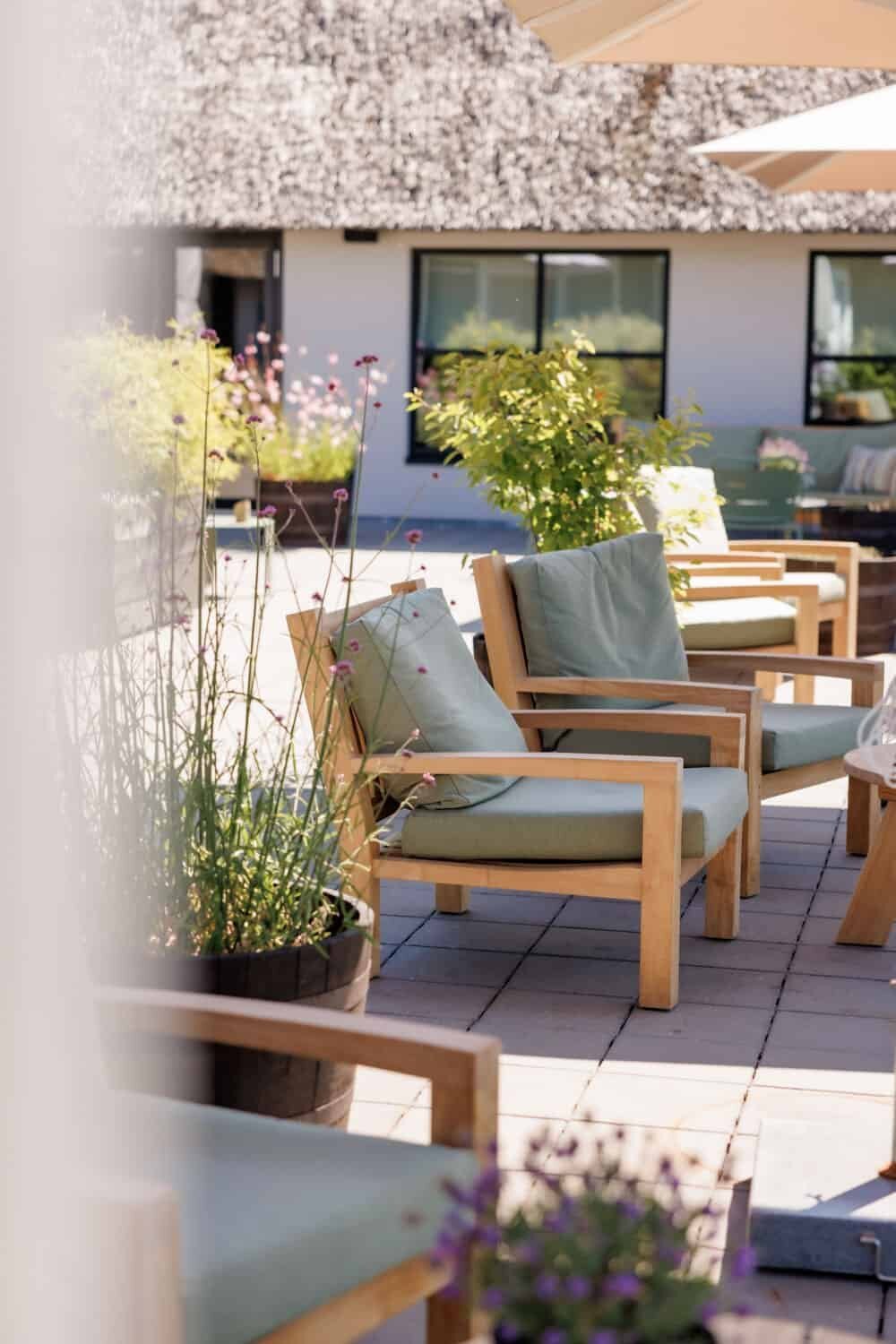
Relaxed and quiet atmosphere with a restful garden setting.
Know Before You Go
- Getting there
- Kon. Julianaweg 98, 8453 WH Oranjewoud, Netherlands