Big Mama sits in Vienna's 22nd district, at the outer edge of the city's dining map, where the approach to hospitality tends toward the direct rather than the performative. With limited verified data available, the venue occupies an address on Rautenweg that places it well outside the central Ringstrasse orbit, a deliberate remove from the concentrated fine-dining corridor that runs through the 1st and 7th districts.
- Address
- Rautenweg 50, 1220 Wien, Austria
- Phone
- +436605509768
- Website
- bigmama.at
- Directions
- Get directions
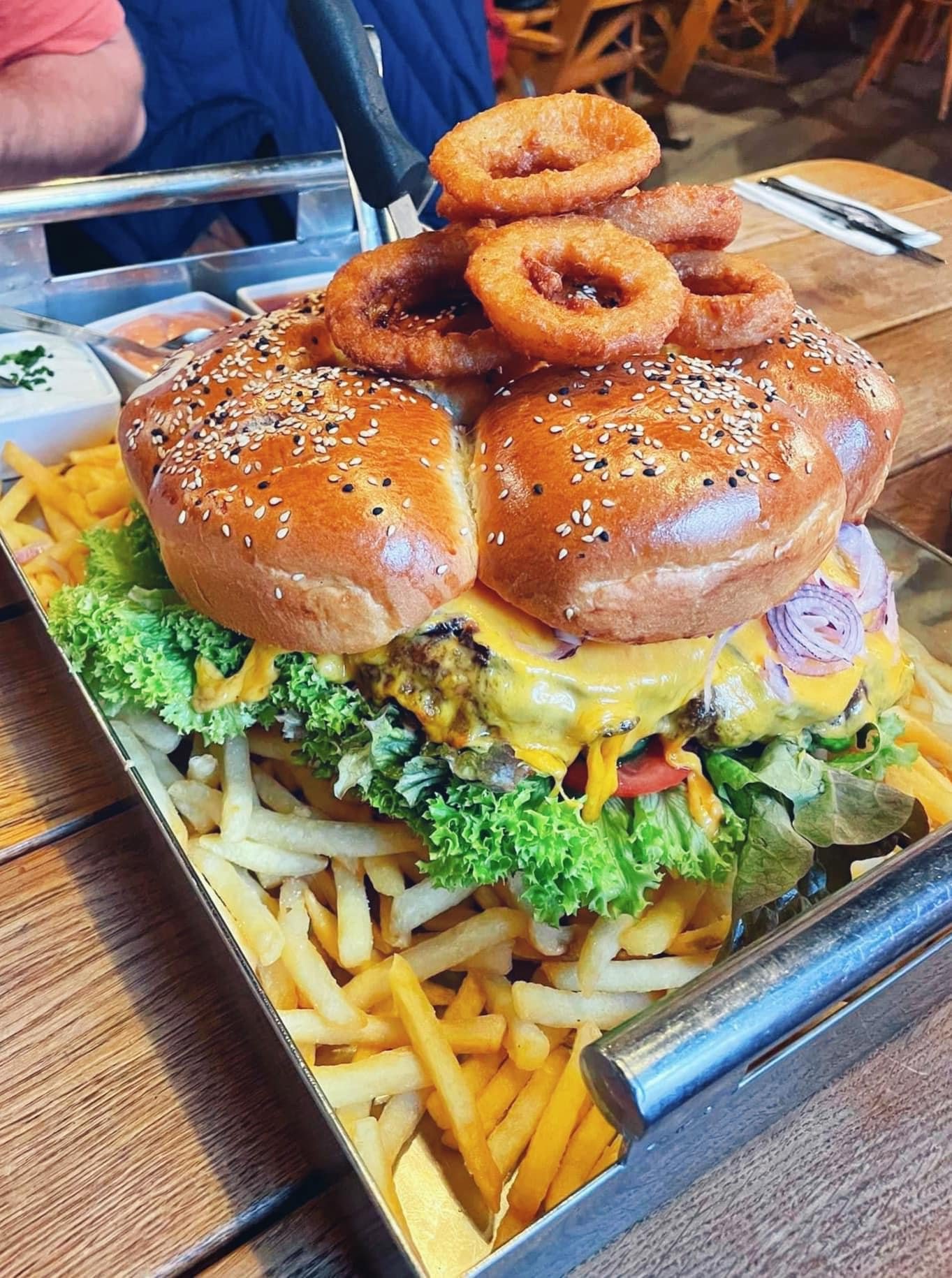
The Outer Ring: Dining Beyond Vienna's Fine-Dining Corridor
Vienna's restaurant conversation concentrates heavily inside the Gürtel and along the canal. The 1st district anchors the prestige tier, where Steirereck im Stadtpark and Konstantin Filippou operate at the summit of the creative European canon, and where Amador and Mraz & Sohn extend that critical density outward. The 22nd district, by contrast, sits beyond the Danube, in Donaustadt, a part of the city that expanded rapidly in the postwar decades and has never been absorbed into Vienna's culinary mythology. Rautenweg 50 is that address: far enough from the tourist circuit to attract a largely local crowd, close enough to the city's northeastern transport links to be reachable.
What happens to restaurant culture when it relocates this far from the prestige cluster? In most European cities, the answer is a relaxation of formality alongside a recalibration of ambition. The dining rooms get larger, the dress expectations shift, and the relationship between kitchen and table becomes less codified. Whether Big Mama operates within or against that pattern is not stated here. What it does establish is a Donaustadt address that positions the venue outside the geography its peers occupy.
What a Rautenweg Address Signals
The 22nd district is one of Vienna's least-profiled from a food-journalism perspective. That absence from the critical record is itself a data point: venues here are not typically chasing the same evaluators who cover Doubek or the city's other award-tracked addresses. The incentive structure is different. A restaurant on Rautenweg is, by definition, drawing from a residential and local-business catchment rather than from international hotel guests or destination diners flying in for a tasting menu.
That dynamic is not a disadvantage in itself. Some of Austria's most compelling tables operate far from the urban prestige cluster: Landhaus Bacher in Mautern an der Donau and Obauer in Werfen have built international reputations precisely because their remove from the city creates a different kind of hospitality logic. In the Alpine tier, Griggeler Stuba in Lech and Gourmetrestaurant Tannenhof in Sankt Anton am Arlberg follow the same model. The question for any Donaustadt venue is whether it channels that geographic independence into a distinct hospitality identity, or whether it simply exists at a distance from the conversation.
The Wine Question in Vienna's Outer Districts
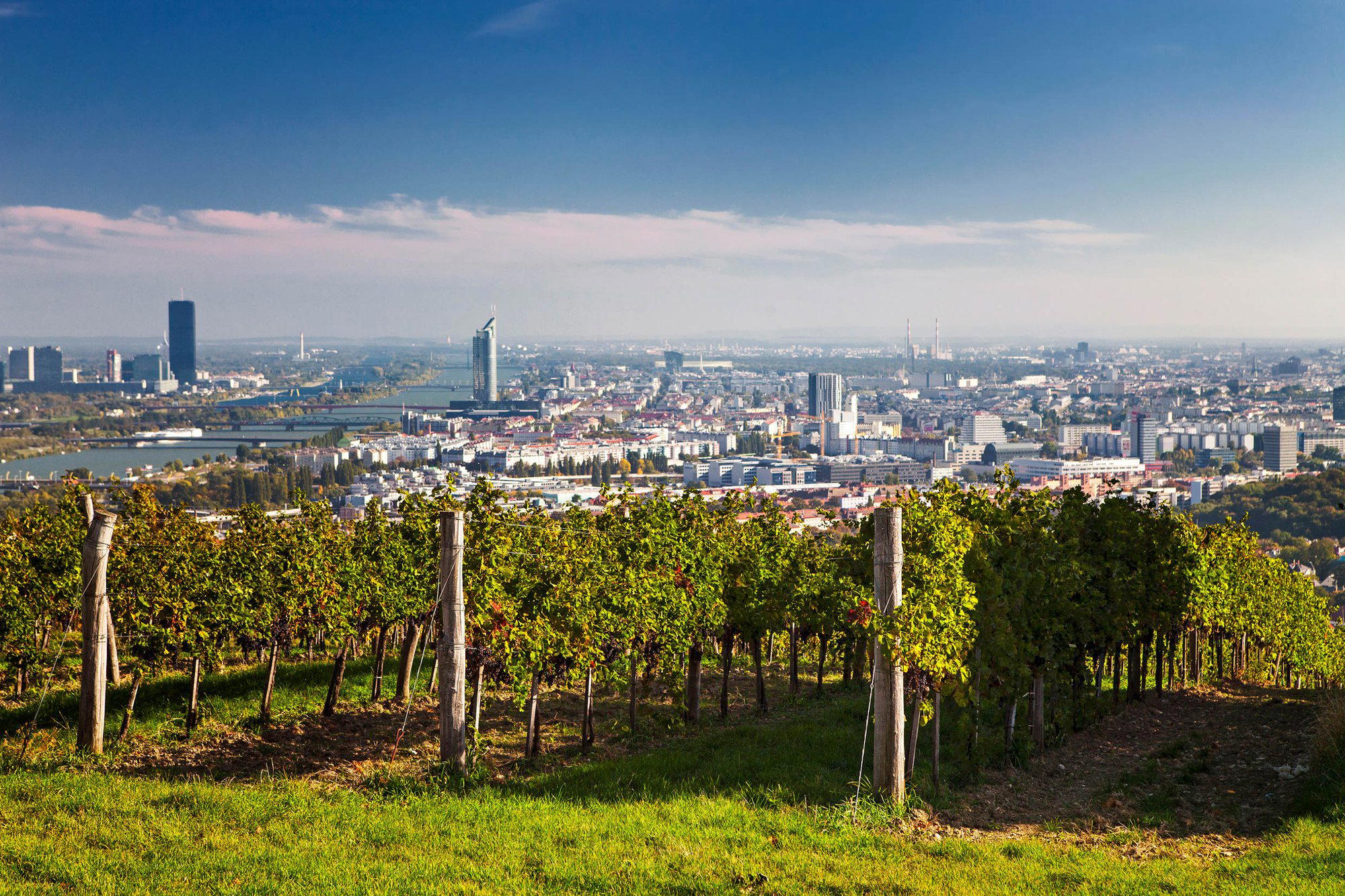
Vienna occupies a singular position in the wine world: it is the only major European capital with significant vineyards within its administrative boundaries. The Heuriger tradition, built on the legal right to sell estate-produced wine at the cellar door, originates in the vineyard villages of Grinzing, Neustift, and Stammersdorf, most of which fall in or near the northern and western districts. The Gemischter Satz, Vienna's field-blend white of co-planted, co-fermented grapes, has shifted over the past decade from a novelty into a serious category with DAC recognition and a committed producer base.
What can be said with confidence is that the broader Austrian wine scene offers considerable depth for any restaurant willing to build a purposeful list. Grüner Veltliner from the Wachau and Kamptal, Blaufränkisch from Burgenland, and the Viennese Gemischter Satz from estates like Mayer am Pfarrplatz provide a regional argument that does not require importing Burgundy or Napa to be taken seriously. In the upper tier of Vienna dining, Steirereck im Stadtpark has long maintained a cellar that skews heavily Austrian, treating local producers as the default rather than the fallback. Whether a venue at Big Mama's address follows that curation logic, imports a broader European program, or operates without a dedicated wine philosophy is not stated here.
For comparison, the gap between how wine is handled at a destination like Le Bernardin in New York City or Atomix, where the list is a deliberate editorial statement matched to the kitchen's ambition, versus how wine functions at a neighbourhood restaurant in an outer district is substantial. The sommelier-as-author model requires both the capital investment and the clientele appetite to justify it. Donaustadt's residential profile does not automatically support that model, but it does not preclude it either.
Austria Beyond Vienna: A Reference Set
For readers building an Austrian itinerary around serious food, the relevant comparable set extends well beyond the capital. Ikarus in Salzburg runs an unusual format in which a guest chef rotates monthly, producing one of the more distinctive programming models in central Europe. Döllerer in Golling an der Salzach focuses on Alpine-rooted cuisine with a wine program that matches the kitchen's regional seriousness. Kräuterreich by Vitus Winkler in Sankt Veit im Pongau works closely with herb and foraged ingredients in a way that has attracted sustained critical attention. Schwarzer Adler in Hall in Tirol and Ois in Neufelden represent the depth available outside the major urban centres. Restaurant 141 by Joachim Jaud in Mieming adds a Tyrolean dimension to that national picture. The full range is covered in our full Vienna restaurants guide.
Planning a Visit
Big Mama's address at Rautenweg 50, 1220 Wien places it in the northeastern 22nd district. Reaching Donaustadt from the city centre involves the U2 line to its eastern extensions or surface transport through the district. Visitors should confirm current operational status and reservation requirements before making a dedicated trip from central Vienna. Seasonal timing matters in this part of the city: Donaustadt's mix of office development and residential areas means trade patterns can shift between weekend and weekday services.
Peers in This Market
Comparable venues nearby, for context on price, style, and recognition.
| Venue | Cuisine | Price | Notes |
|---|---|---|---|
| Big MamaThis venue — the venue you are viewing | Austrian Sausage Stand | $ | Not listed |
| Würstelwaggon | Viennese Sausage Stand | $ | Simmering |
| Wiener Würstl | Austrian Sausage Stand | $ | Staatsoper |
| Leberkas-Pepi | Traditional Austrian Leberkäse | $ | Favoriten |
| Gasthaus Haller | Traditional Viennese & Hungarian | $ | Brigittenau |
| Zum Goldenen Würstel II | Viennese Sausage Stand | $ | Innere Stadt |
Continue exploring
More in Vienna
Restaurants in Vienna
Browse all →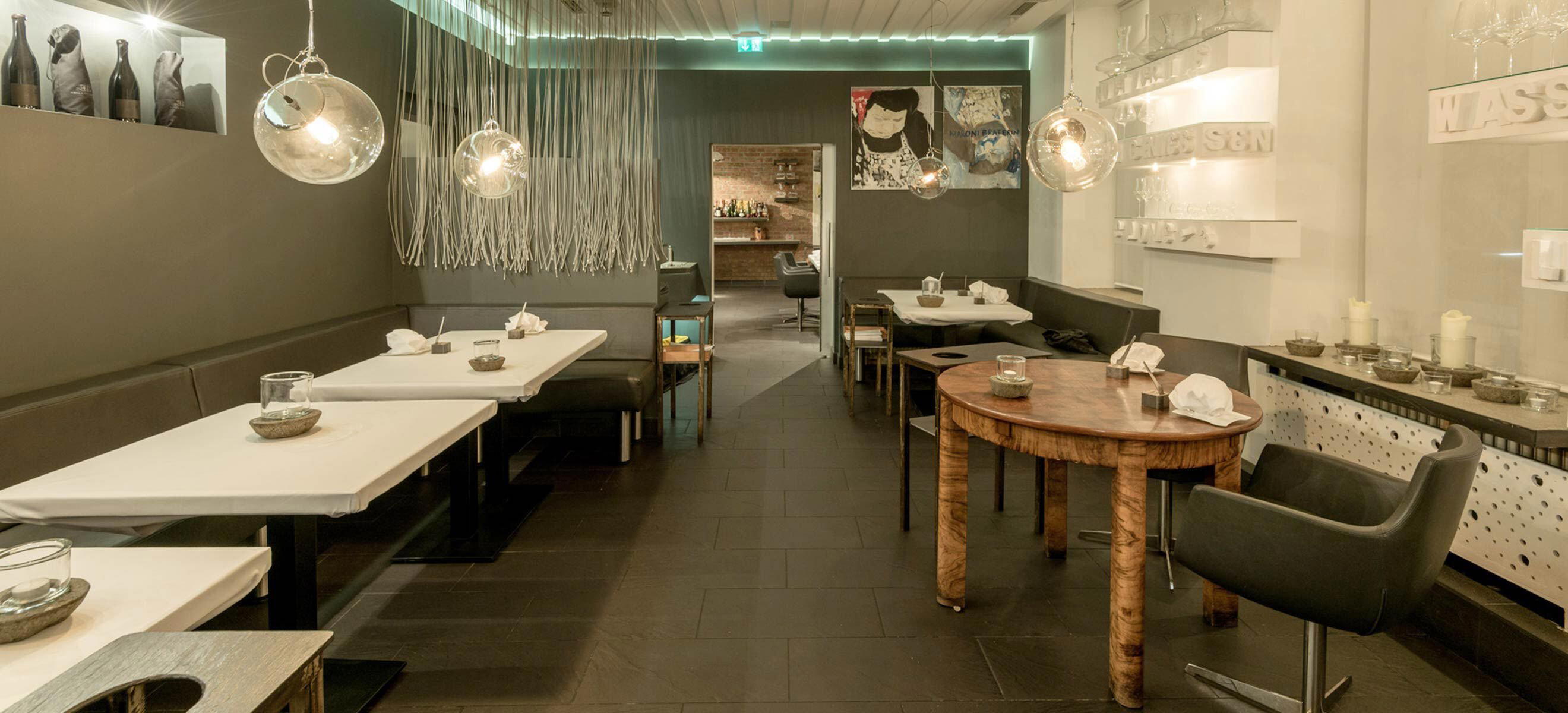
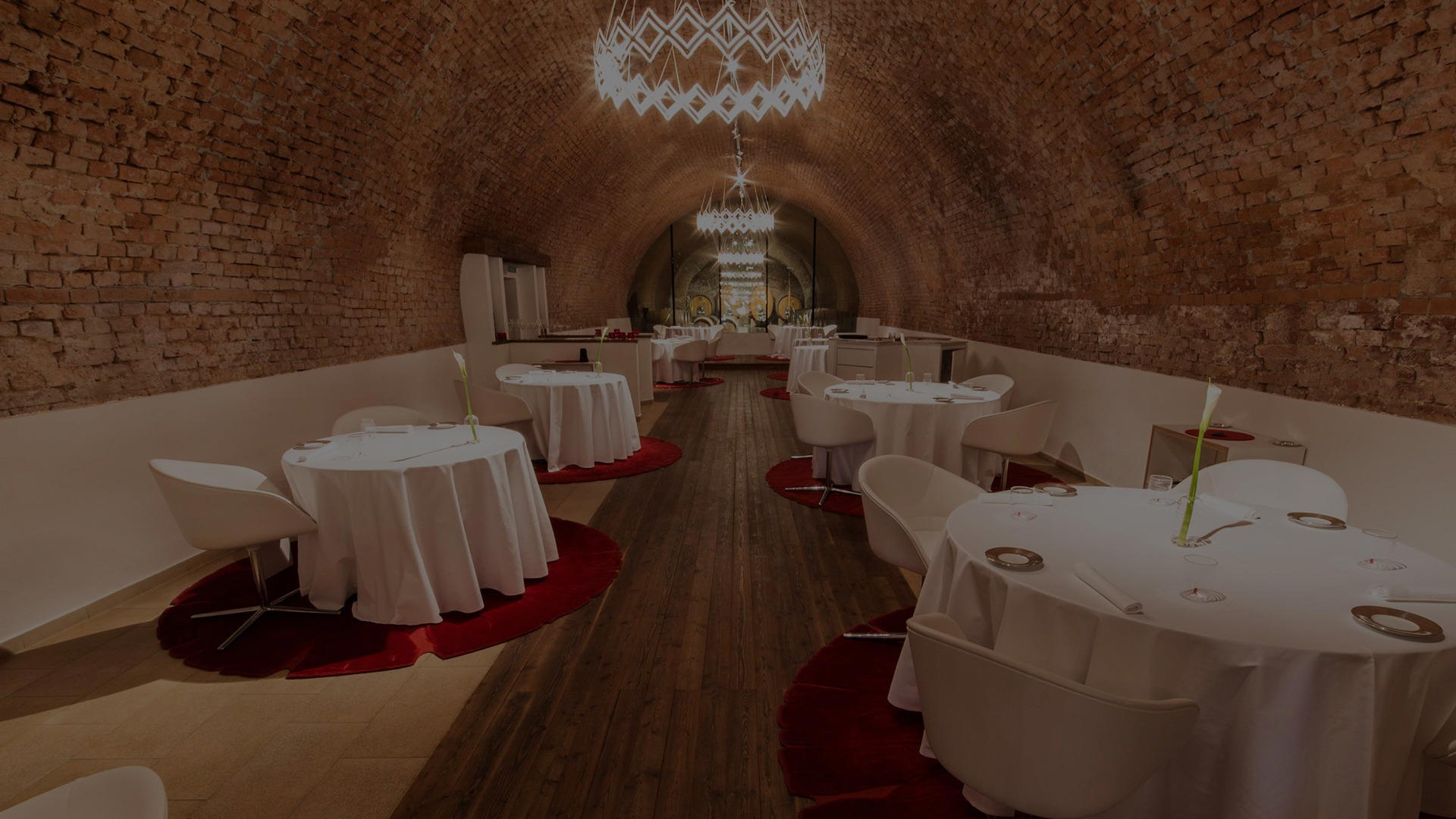
Bars in Vienna
Browse all →
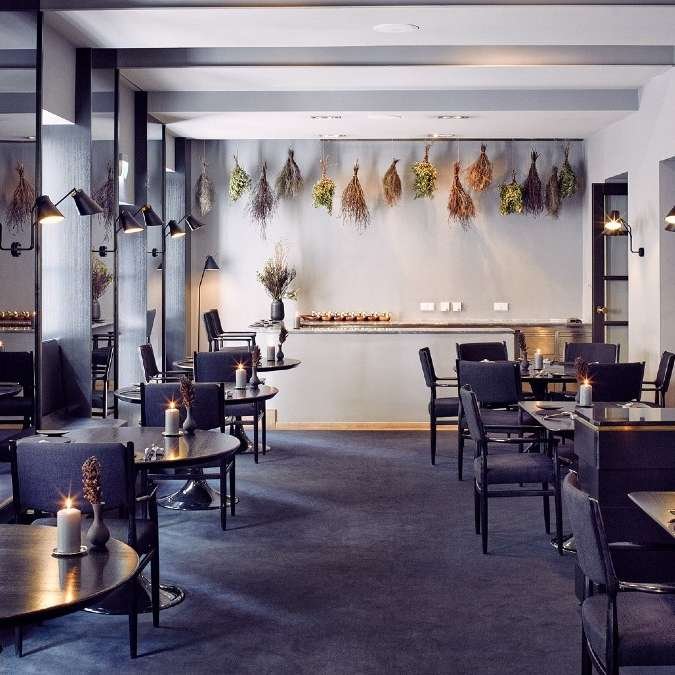
Hotels in Vienna
Browse all →
At a Glance
- Rustic
- Casual Hangout
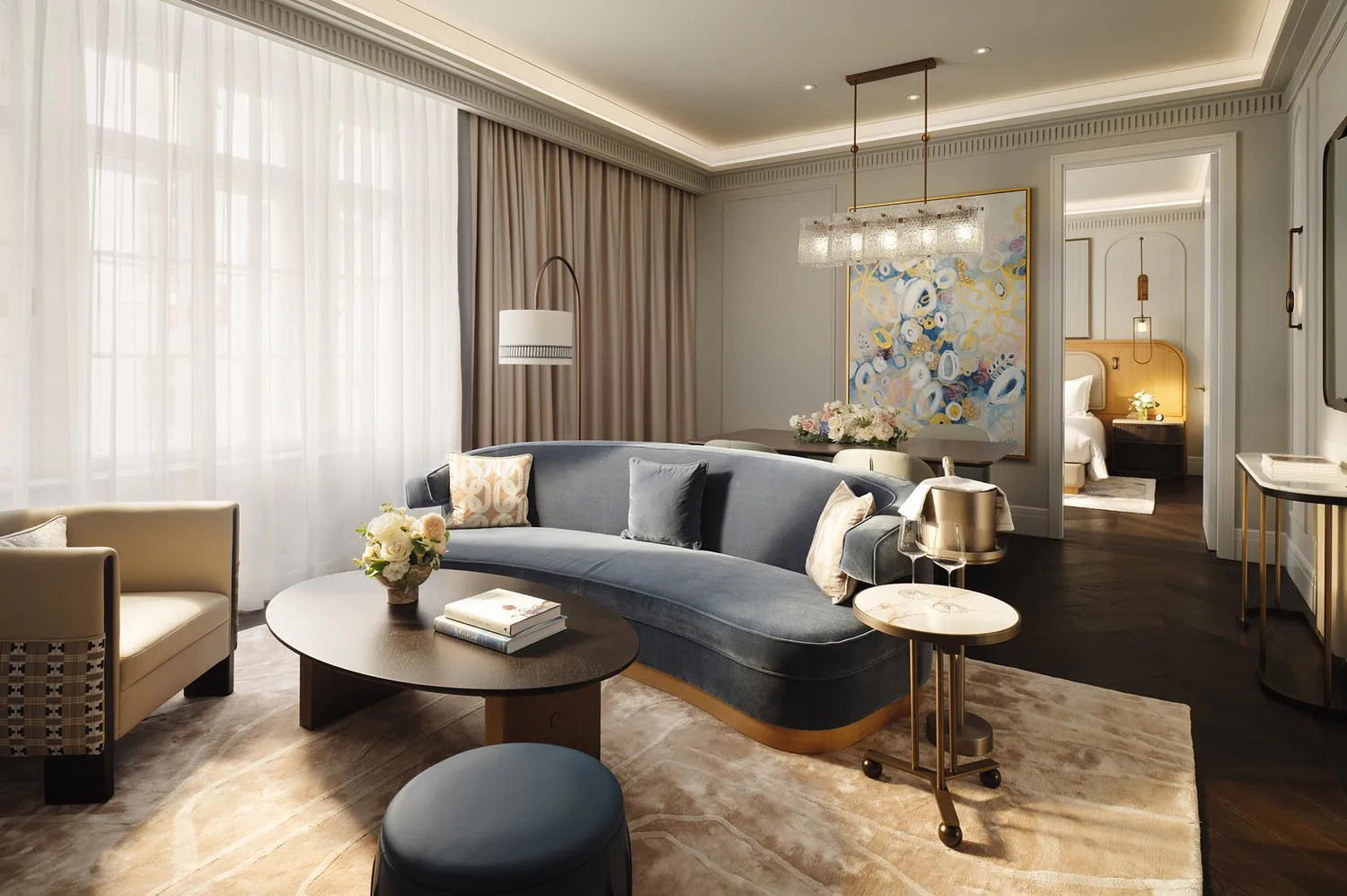
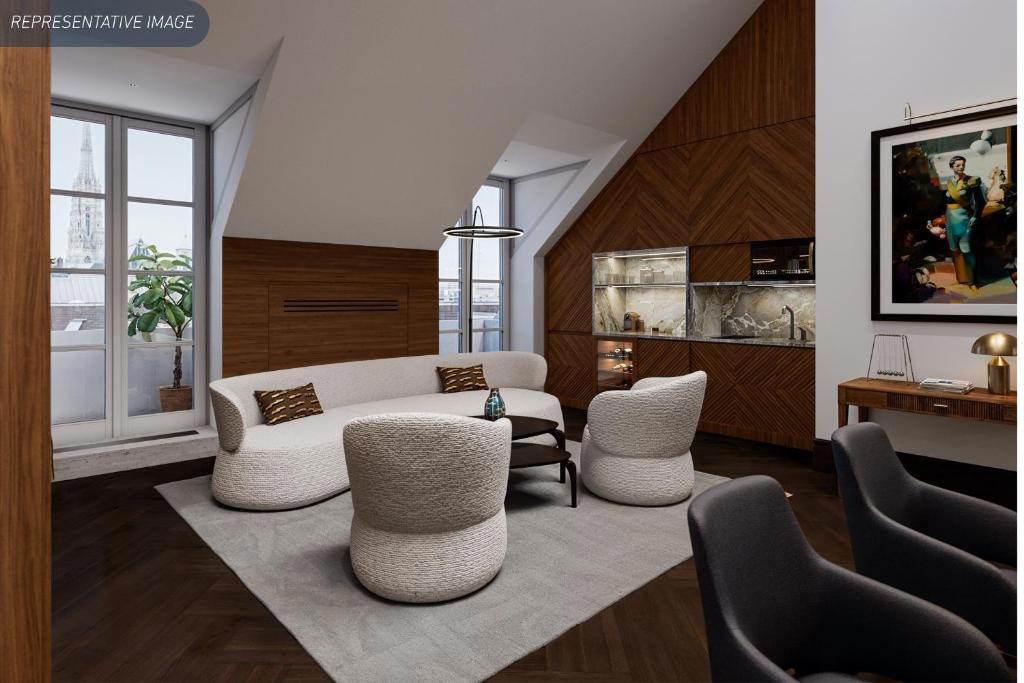
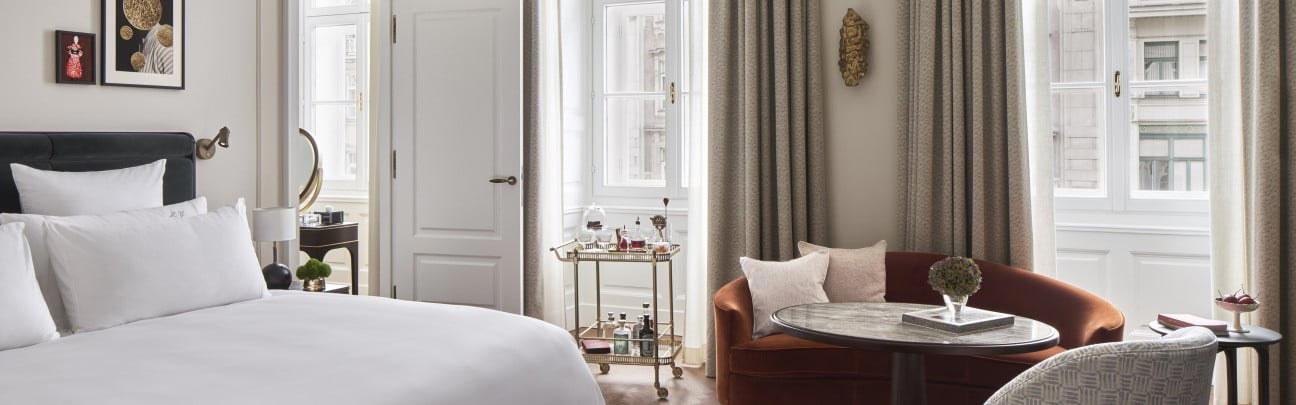
Rustic with simple interior benches creating a casual, no-frills street food atmosphere.