Bevanda sits on Hauptstraße in Gloggnitz, a small Lower Austrian town at the foot of the Semmering pass where the dining scene rewards those willing to look past the obvious. The restaurant represents the kind of address that defines provincial Austrian hospitality: rooted in local sourcing tradition, operating away from the metropolitan spotlight, and positioned in a region whose agricultural surrounds give the kitchen real material to work with.
Pearl is the En Primeur Club membership app — saves, bookings, and concierge access live there. Same editors, same standards.
- Address
- Hauptstraße 11, 2640 Gloggnitz, Austria
- Phone
- +43266243528
- Website
- bevanda.restaurant
- Directions
- Get directions
 Saves & bookings on Pearl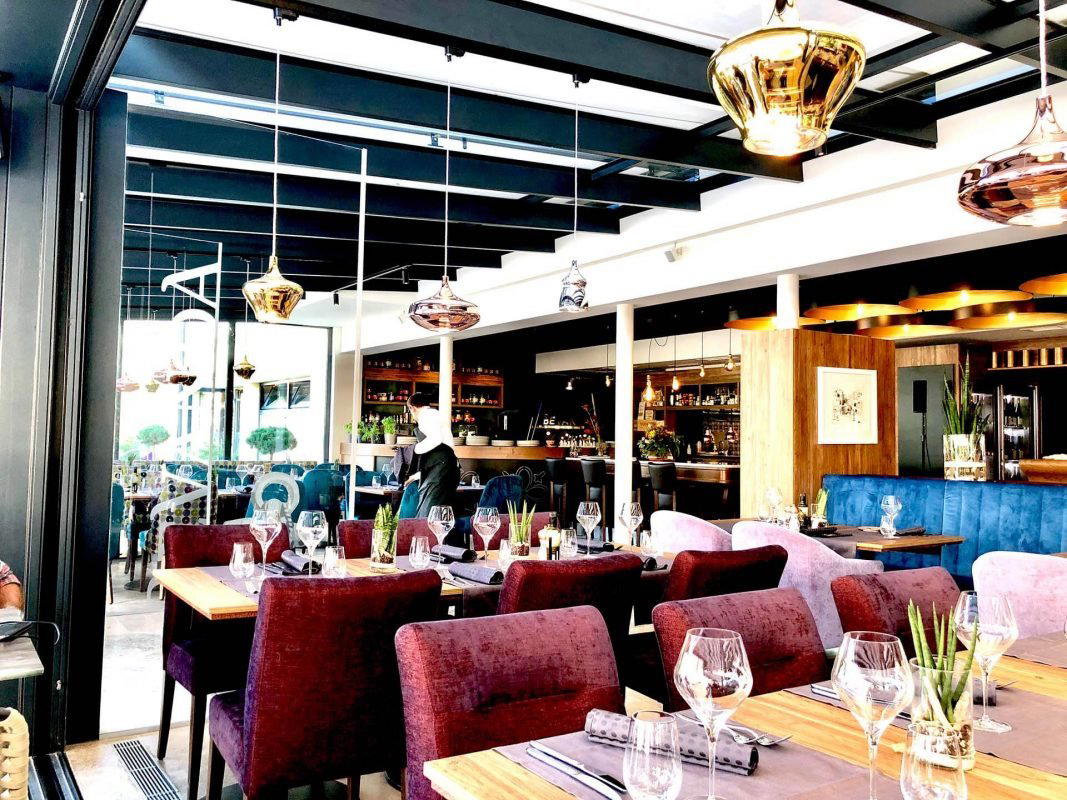
Gloggnitz and the Semmering Corridor: A Regional Context
The stretch of Lower Austria that runs south from Vienna toward the Semmering mountain pass has never competed with the Wachau or Styria for culinary attention, but it operates according to its own agricultural logic. Gloggnitz, sitting at roughly 440 metres above sea level at the base of that pass, is surrounded by meadow farming, forest foraging terrain, and a short drive from some of Lower Austria's more productive smallholder growing areas. The town itself is compact and un-touristy in the way that most Austrian provincial towns are: Hauptstraße runs through the centre, the train station connects it to Vienna's Südbahnhof corridor in under an hour, and the pace is determined by local life rather than visitor schedules.
Restaurants in this kind of setting tend to split between those that simply serve the local population without editorial ambition and those that use the regional supply chain as a genuine creative resource. Austria's most recognised addresses in the latter category, places like Döllerer in Golling an der Salzach or Landhaus Bacher in Mautern an der Donau, have built reputations over decades precisely by anchoring their menus in what the surrounding region actually produces. The question for any restaurant in a town like Gloggnitz is whether it belongs to the first category or the second.
What Draws Attention on Hauptstraße 11
Arriving on Hauptstraße in Gloggnitz, the physical environment is characteristic of small Lower Austrian high streets: low-rise buildings, a mix of retail and hospitality at street level, the unhurried rhythm of a market town that has no particular reason to perform for an outside audience. Bevanda occupies number 11 on that street. The name itself, an Italian-derived word for beverage or drink, signals something about orientation: in an Austrian provincial town where most addresses lean into Gasthaus conventions, a name with Romance-language roots suggests at least an intent to position differently.
Bevanda is a restaurant on Hauptstraße 11 in Gloggnitz serving modern Mediterranean Italian cooking. Steirereck im Stadtpark in Vienna or Obauer in Werfen carry. No Michelin notation or confirmed kitchen leadership on record. That absence is itself informative: it places Bevanda in the large category of Austrian regional restaurants that serve their communities competently and consistently without seeking or attracting the kind of critical infrastructure that produces stars and rankings.
The Sourcing Framework That Defines Austrian Regional Dining
To understand what a restaurant at this address and in this town is likely doing with its menu, the regional sourcing tradition is the right frame. Lower Austria's agricultural output, which includes cereals, root vegetables, dairy from mountain pastures, game from forested areas, and freshwater fish from the river systems feeding into the Danube basin, has shaped a cuisine that prioritises seasonal availability and direct supply relationships over the kind of produce logistics that larger city kitchens depend on. The Semmering corridor specifically sits between Lower Austria's agricultural plains to the north and Styria's market garden culture to the south, giving kitchens in towns like Gloggnitz access to ingredients from two distinct regional growing environments.
This is the pattern that Austria's most discussed regional restaurants have formalised into a recognisable methodology. Taubenkobel in Schützen am Gebirge and Kräuterreich by Vitus Winkler in Sankt Veit im Pongau both demonstrate how provincial Austrian addresses can build serious menus around proximity to growers rather than proximity to metropolitan supply chains. The ingredient sourcing question at a restaurant like Bevanda is, then, not academic: it determines whether the kitchen is drawing on what the Semmering corridor genuinely offers or defaulting to the kind of standardised hospitality supply that flattens regional distinction.
What can be said is that the regional context makes local sourcing both accessible and, for a serious kitchen, the obvious structural choice. Austrian diners in provincial settings have relatively high expectations around seasonal menus and regionally sourced proteins, shaped in part by the widespread culture of Gasthausküche that treats Austrian ingredients as a baseline rather than a marketing point.
How Bevanda Sits in Its Competitive Set
Within the broader map of Austrian regional dining, Gloggnitz occupies a quieter position than the recognised wine and gastronomy corridors. The Wachau has Landhaus Bacher; Salzburg draws visitors to Ikarus and Atelier Fischer in Sankt Gilgen; the Tyrol has Schwarzer Adler in Hall in Tirol and Gourmetrestaurant Tannenhof in Sankt Anton am Arlberg. These are destinations with documented critical frameworks around them. Gloggnitz is not, currently, in that tier of destination dining towns.
That distinction matters for how a visitor should approach Bevanda. This is not a restaurant you travel to Gloggnitz specifically to visit in the way you might detour for Obauer or route a trip around Ois in Neufelden. It is more likely an address that rewards visitors already in the region, those passing through on the Vienna-to-Graz rail corridor or spending time near the Semmering, who want a competent, locally rooted meal without driving to the capital. For that traveller, the relevant comparison is less with Austrian fine dining addresses and more with the better end of the provincial Gasthaus tradition.
Practical Notes for Visiting
Gloggnitz sits on the main rail line between Vienna and Graz, with the station approximately central to town and Hauptstraße within easy walking distance. For visitors arriving from Vienna, journey times run well under an hour from the city's southern rail connections, making a day trip or stopover feasible alongside a visit to the nearby Semmering railway, itself a UNESCO World Heritage Site that draws architectural and landscape tourism to the area. Bevanda is recommended for reservations and is open Tuesday from 5 PM to 11 PM, then Wednesday through Sunday from 11 AM to 11 PM, with Monday closed.
Fast Comparison
Comparable venues nearby, for context on price, style, and recognition.
| Venue | Cuisine | Price | Notes |
|---|---|---|---|
| BevandaThis venue — the venue you are viewing | Modern Mediterranean Italian | $$$ | Not listed |
| Schloss Thalheim | Austrian & Mediterranean Fine Dining | $$$ | Kapelln |
| Konoba | Croatian Seafood | $$$ | Josefstadt |
| Kostbar | Modern Mediterranean Cuisine | $$$ | Weingarten |
| Wirtshaus Mensch Mayer | Mediterranean-Steirisch Fusion | $$ | Weiz Center |
| Esssalon | Creative Seasonal Mediterranean with Austrian & Asian Influences | $$ | Pinkafeld |
Continue exploring
More in Gloggnitz
Restaurants in Gloggnitz
Browse all →
Bars in Gloggnitz
Browse all →

Hotels in Gloggnitz
Browse all →

At a Glance
- Elegant
- Modern
- Sophisticated
- Date Night
- Special Occasion
- Business Dinner
- Group Dining
- Standalone
- Extensive Wine List
- Local Sourcing
Current opening hours
- Monday
- Closed
- Tuesday
- 5–11 PM
- Wednesday
- 11 AM–11 PM
- Thursday
- 11 AM–11 PM
- Friday
- 11 AM–11 PM
- Saturday
- 11 AM–11 PM
- Sunday
- 11 AM–11 PM
Hours can change for holidays and private events. Last verified .
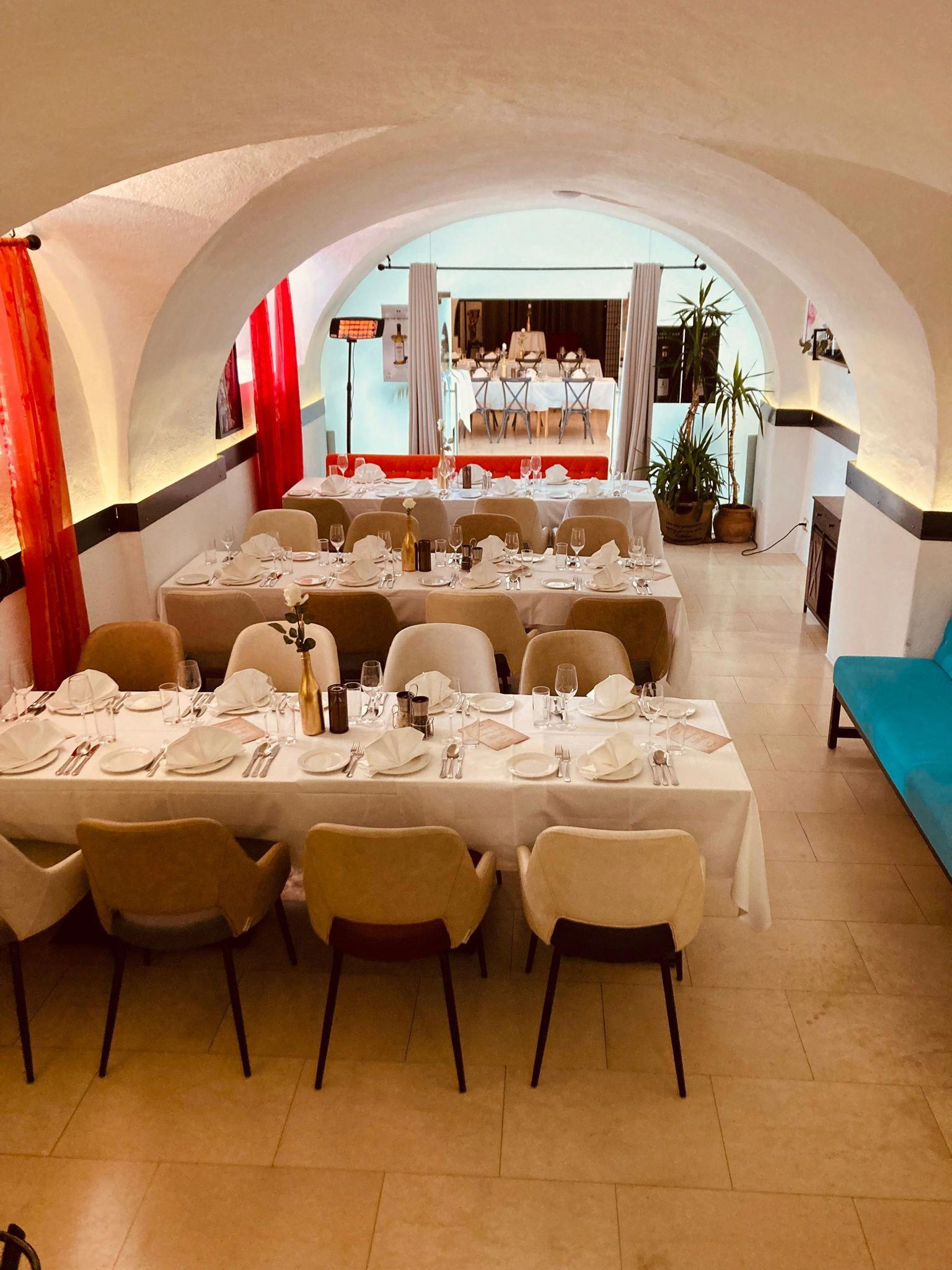
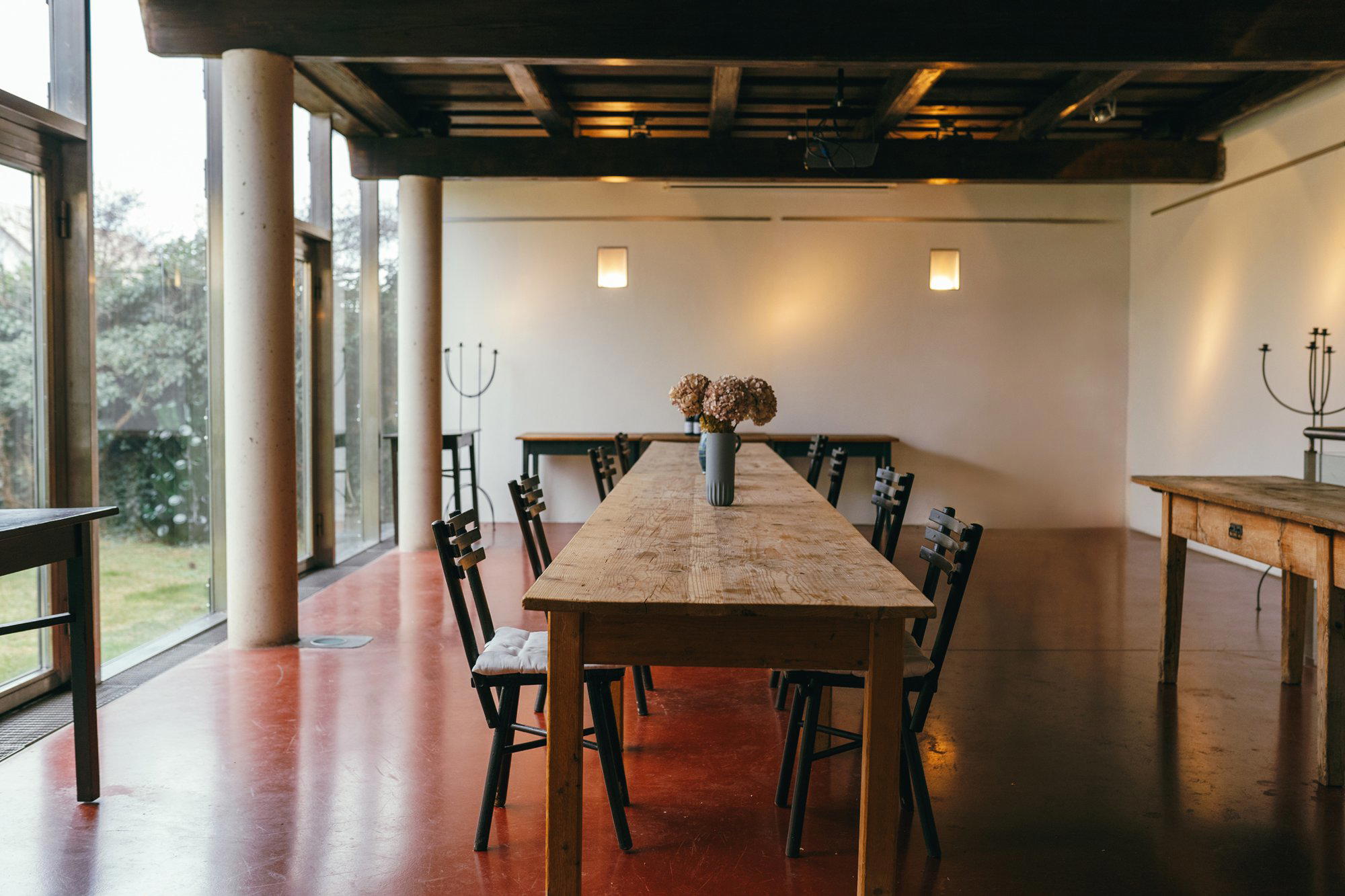
Modern ambience with an inviting, elegant atmosphere that balances contemporary design with warm hospitality.