Konoba serves Croatian seafood with an extensive wine list, local sourcing, sustainable seafood, and grilled sea bream.
Pearl is the En Primeur Club membership app — saves, bookings, and concierge access live there. Same editors, same standards.
- Address
- Lerchenfelder Str. 66-68, 1080 Wien, Austria
- Phone
- +434319294111
- Website
- konoba.at
- Directions
- Get directions
 Saves & bookings on Pearl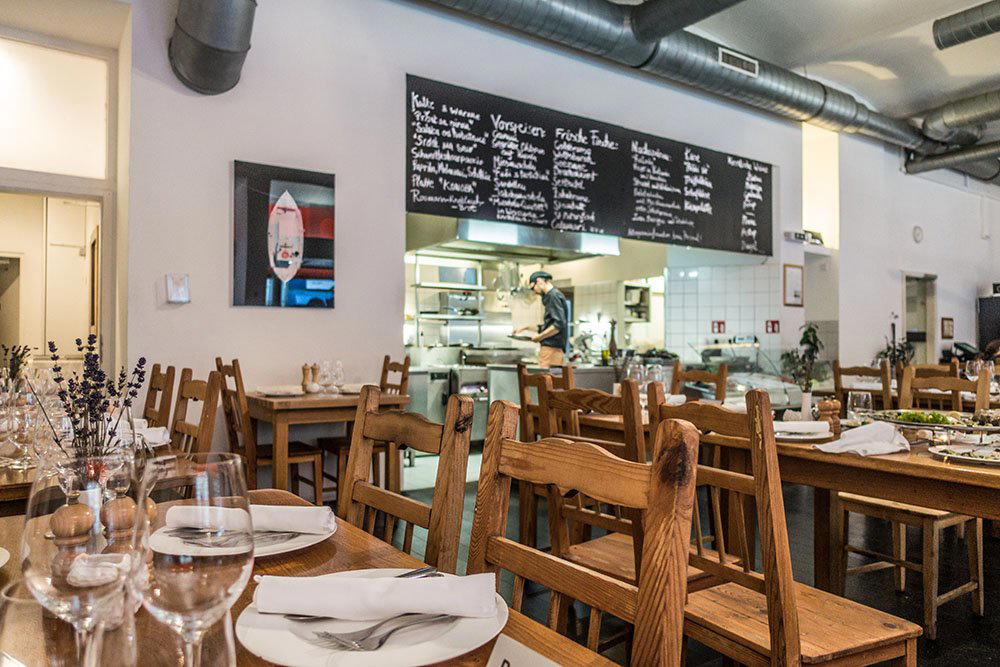
A Dalmatian Outpost in the Eighth District
Lerchenfelder Strasse cuts through the eighth district with the unhurried pace of a neighbourhood that has resisted the polish applied elsewhere in central Vienna. The street trades in hardware shops, corner bars, and the kind of informal restaurants that serve people who actually live nearby. Konoba, at numbers 66-68, fits that register precisely. The word itself is Adriatic in origin: a konoba is a traditional Croatian or Dalmatian tavern, typically attached to a wine cellar, built around informality rather than occasion. That framing matters when you arrive, because it sets expectations that the room tends to confirm.
Vienna has a longer relationship with the cuisines of the former Yugoslav states than most Western European capitals care to acknowledge. The city's position as the administrative centre of a multi-ethnic empire left culinary traces that persist well beyond the Austro-Hungarian repertoire most visitors arrive expecting. Balkan grilling traditions, seafood preparations from the Dalmatian coast, and the fermented, cured, and pickled flavours of the Adriatic hinterland have been part of Vienna's neighbourhood dining for generations, not as exoticism but as infrastructure. Konoba operates inside that continuity.
The Cultural Weight of the Konoba Tradition
The konoba format carries specific weight on the Adriatic coast. Historically these were places where fishermen and farmers brought their own catch or produce, where wine came from the proprietor's own cellar, and where the menu reflected what was available rather than what was planned weeks in advance. The model is structurally opposed to the kind of kitchen ambition you find at Vienna's leading creative addresses: Steirereck im Stadtpark, Amador, or Mraz and Sohn, all of which operate in the €€€€ tier with tasting formats and seasonal narratives built across months of development. The konoba tradition is not trying to compete with that category. It is addressing a different question entirely: how do you eat well, eat simply, and feel like a guest rather than an audience member?
That distinction resonates in a city where the fine dining tier is genuinely competitive. Konstantin Filippou and Doubek each bring their own version of modern European rigour to the Vienna table. Against that backdrop, the konoba proposition occupies a space those restaurants have no interest in filling: the informal, ingredient-driven, wine-forward evening that doesn't require advance planning or formal dress.
Dalmatian Food in a Central European City
The culinary vocabulary of the Dalmatian coast is built around a short list of techniques applied to excellent raw material. Grilling over open fire, slow braising with wine and aromatics, curing and preserving fish, and an emphasis on olive oil, garlic, and fresh herbs define the register. Peka, the dome-covered slow-cooking method common across coastal Croatia, produces lamb and octopus with a particular softness that distinguishes it from roasting or braising done by other means. Brodetto, the Adriatic fish stew, exists in as many versions as there are fishing ports along the coast. These are not dishes that require sophisticated technique so much as patience and good sourcing.
In Vienna, the sourcing equation is complicated by distance. The Adriatic is several hours away, and the quality differential between fresh coastal seafood and what arrives inland is real. The leading Dalmatian-format restaurants in Central European cities have historically navigated this by leaning toward the meat and cured-fish side of the repertoire, where distance matters less, and by building supplier relationships for fish transport that can be sustained over time.
The wine dimension of the konoba tradition is equally important. Croatian viticulture, particularly from the Dalmatian coast and its islands, produces varieties with little international visibility but considerable character. Plavac Mali, grown on steep terraced vineyards on Hvar and Peljesac, produces structured reds that carry salt and iron alongside dark fruit. Posip from Korcula is one of the more interesting white grapes of the Adriatic, with enough texture to stand up to grilled fish and cured meats. A konoba without a serious Croatian list is not fully doing its job.
The Eighth District as Context
Vienna's eighth district, Josefstadt, sits between the Ring and the Gurtel, which means it falls into the middle band of the city's geography: not the tourist-facing first and second districts, not the outer residential periphery, but the middle ground where Viennese people actually spend their evenings. The neighbourhood has a high density of independent restaurants relative to its size, and a local clientele that tends to eat out habitually rather than occasionally. This creates a different pressure on restaurants than you find in high-tourism areas: regulars notice when quality drops, and they stop returning without making a scene about it. The feedback mechanism is quiet but effective.
For comparison, the Austrian fine dining circuit beyond Vienna operates on different terms. Dollerer in Golling an der Salzach, Ikarus in Salzburg, and Obauer in Werfen each draw destination diners willing to build a trip around a table. Konoba is not in that category. It serves a neighbourhood, and neighbourhood restaurants are accountable in ways that destination restaurants are not.
Further afield, the alpine fine dining tier represented by Griggeler Stuba in Lech, Gourmetrestaurant Tannenhof in Sankt Anton am Arlberg, and Schwarzer Adler in Hall in Tirol represents yet another register: luxury resort dining built around seasonal mountain ingredients and a guest profile that differs entirely from Vienna's urban regulars. The point is not comparison for comparison's sake, but to map the range of Austrian dining so that Konoba's place within it is clear. It sits at the informal, neighbourhood, culturally specific end of a spectrum that runs a long way in the other direction.
Vienna's informal dining tier is less documented internationally than its formal end, which means restaurants like Konoba often operate with less external visibility than their quality and consistency would warrant.
Planning a Visit
Konoba sits on Lerchenfelder Strasse in the eighth district, accessible by U-Bahn via the Josefstadter Strasse or Rathaus stations on the U2 line, with the address at numbers 66-68. Neighbourhoods like Josefstadt tend to fill mid-week as well as on weekends, so early arrival or checking availability in advance is advisable during autumn and winter months when indoor dining pressure increases across the city.
Quick reference: Lerchenfelder Str. 66-68, 1080 Wien. Nearest U-Bahn: Josefstadter Strasse (U2).
City Peers
Comparable venues nearby, for context on price, style, and recognition.
| Venue | Cuisine | Price | Notes |
|---|---|---|---|
| KonobaThis venue — the venue you are viewing | Croatian Seafood | $$$ | Not listed |
| zina's eatery | Mediterranean & Middle Eastern with Vegan Focus | $$ | Mariahilf |
| KIAS | Modern Brazilian | $$$ | Mariahilf |
| Café Bel Étage | Modern Viennese Café | $$$ | Staatsoper |
| The View | Contemporary European with Austrian Specialties | $$$ | Riesenrad |
| Gugumuck Bistro & Gartenbar | Viennese Escargot Farm-to-Table Bistro | $$$ | Per Albin Hansson Siedlung |
Continue exploring
More in Vienna
Restaurants in Vienna
Browse all →
Bars in Vienna
Browse all →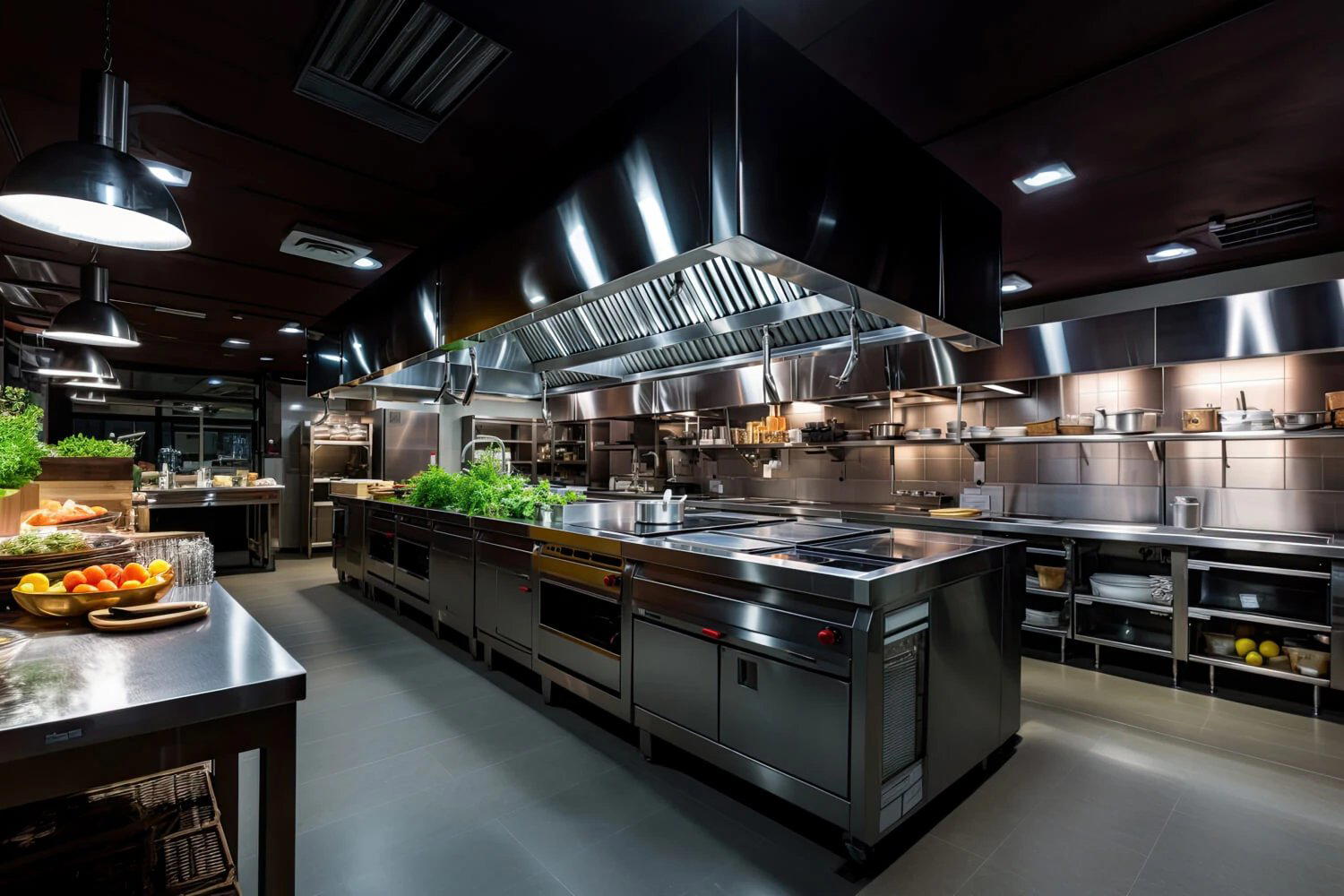

Hotels in Vienna
Browse all →
At a Glance
- Rustic
- Cozy
- Classic
- Date Night
- Open Kitchen
- Extensive Wine List
- Local Sourcing
- Sustainable Seafood
Current opening hours
- Monday
- 5–11 PM
- Tuesday
- 5–11 PM
- Wednesday
- 5–11 PM
- Thursday
- 5–11 PM
- Friday
- 5–11 PM
- Saturday
- 5–11 PM
- Sunday
- Closed
Hours can change for holidays and private events. Last verified .
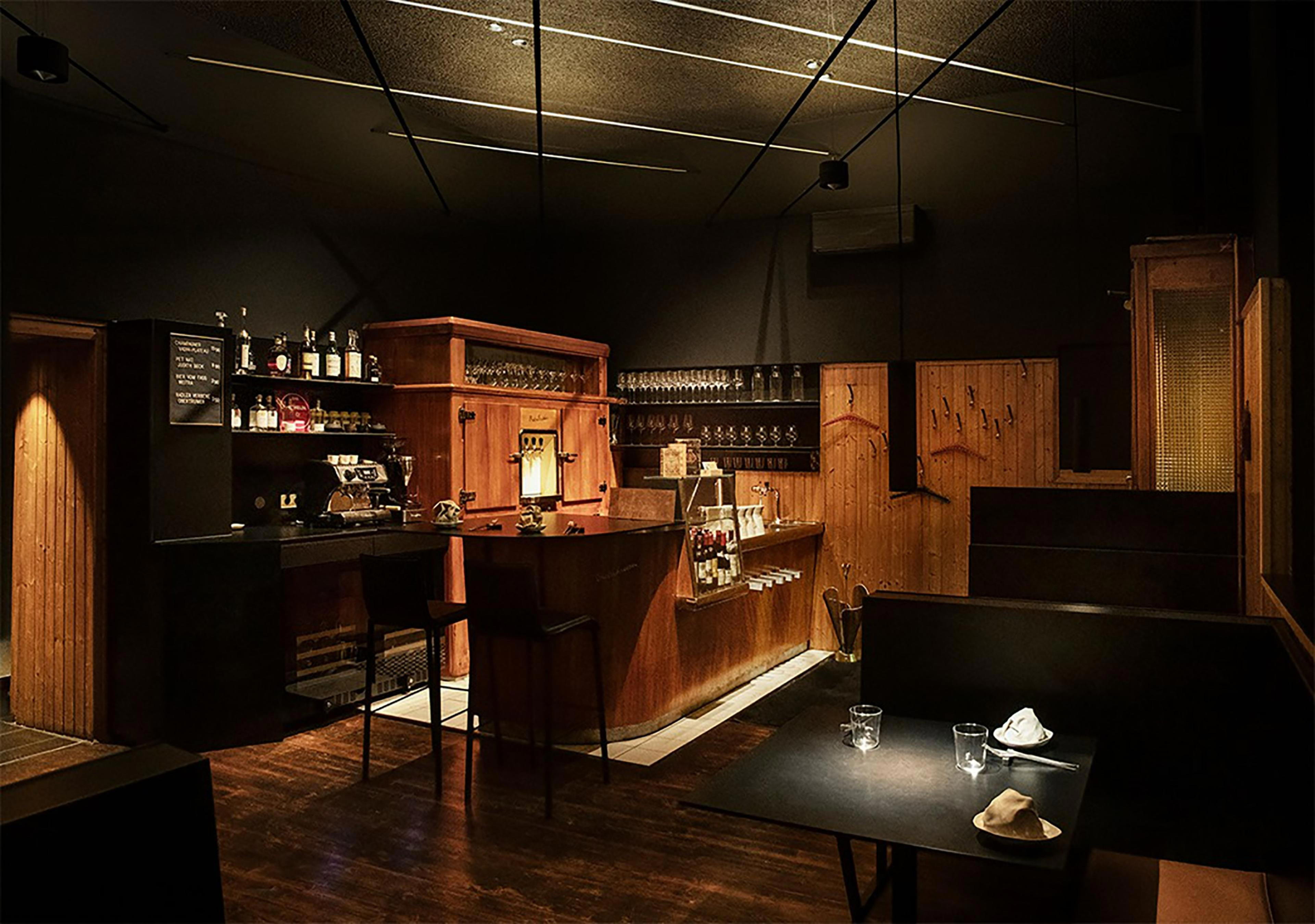
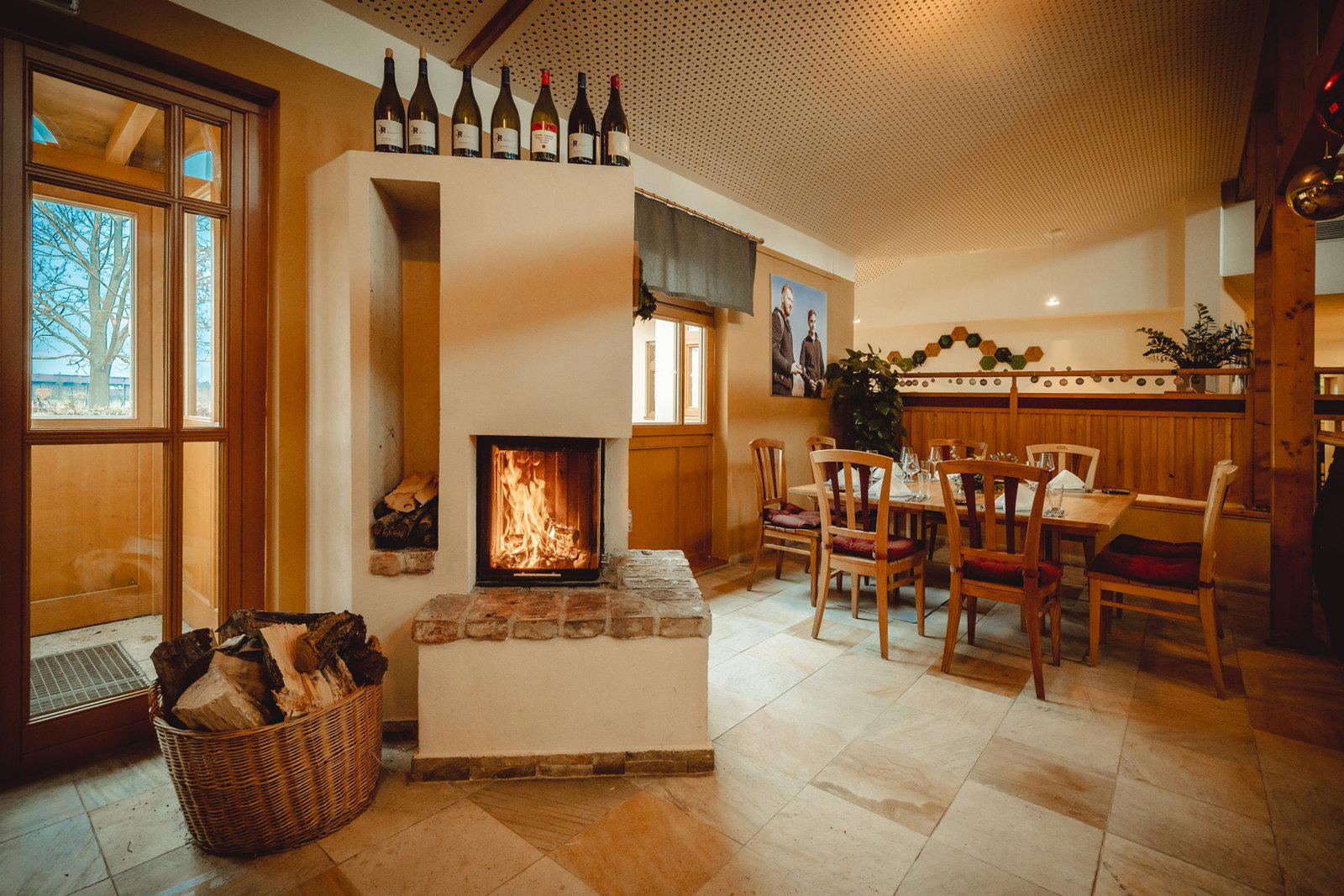
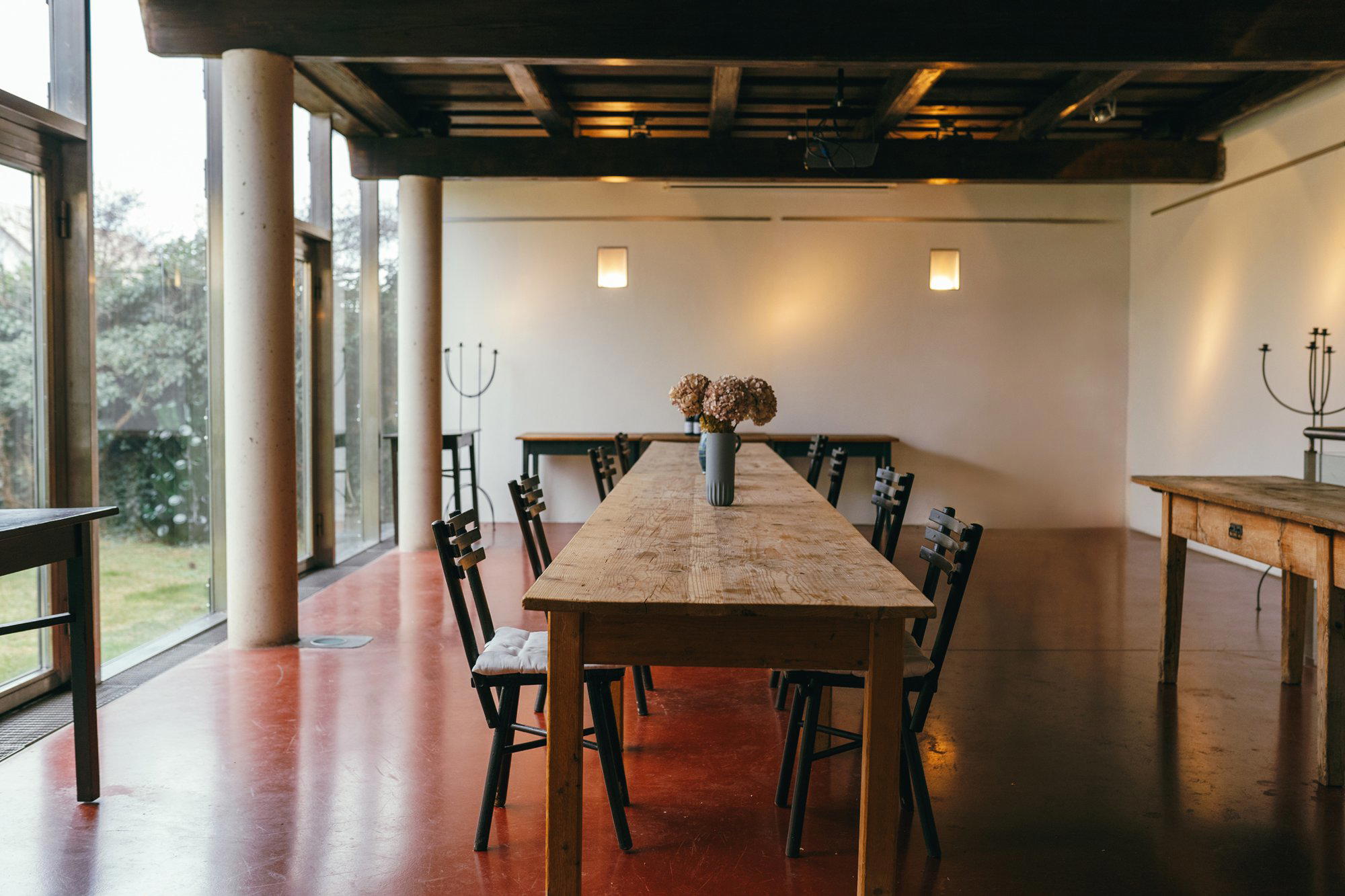
Simple and comfortable atmosphere with focus on fresh seafood preparation in the open kitchen.