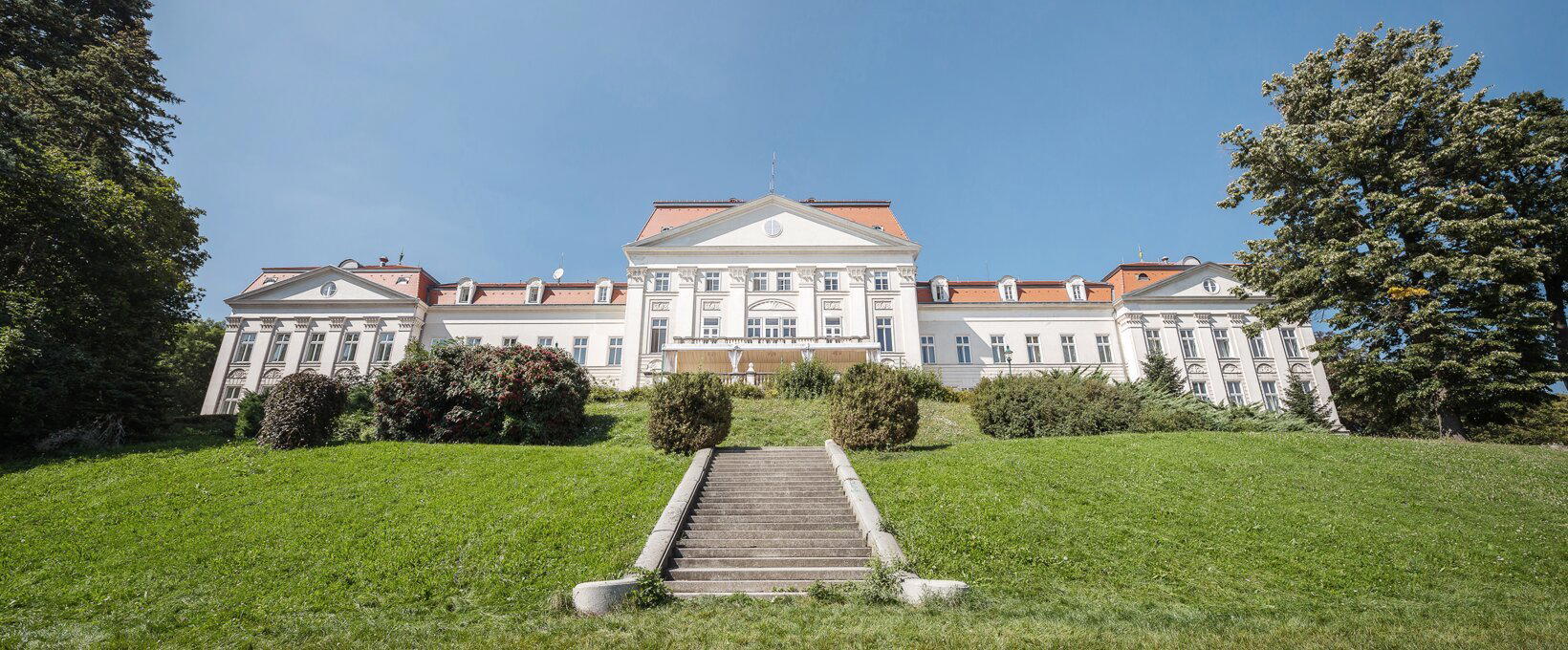
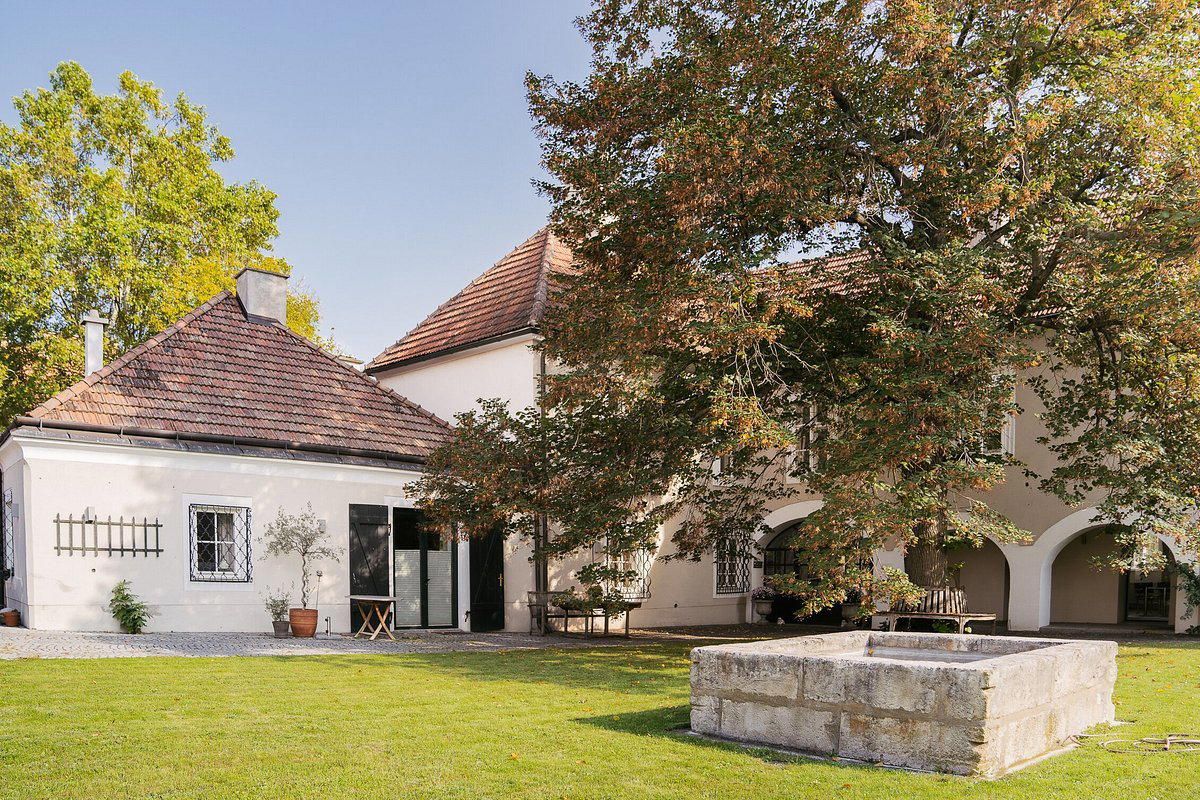
Schloss Thalheim occupies a historic estate in Kapelln, Lower Austria, positioning itself within the country's broader tradition of destination dining rooted in regional produce and rural setting. The property sits in a peer group defined by provenance-led kitchens and carefully sourced ingredients rather than urban spectacle. For guests travelling Austria's fine-dining circuit beyond Vienna, it represents the quieter, land-anchored end of that spectrum.
Pearl is the En Primeur Club membership app — saves, bookings, and concierge access live there. Same editors, same standards.
- Address
- Thalheim 22, 3141 Thalheim, Austria
- Phone
- +43278420079
- Website
- schlossthalheim.at
- Directions
- Get directions
 Saves & bookings on Pearl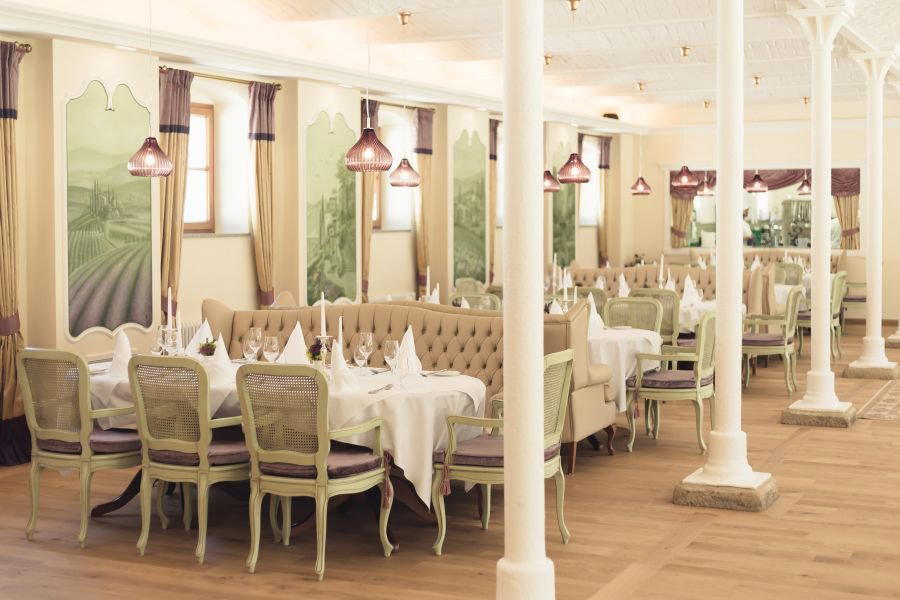
Land, Setting, and the Logic of Rural Austrian Dining
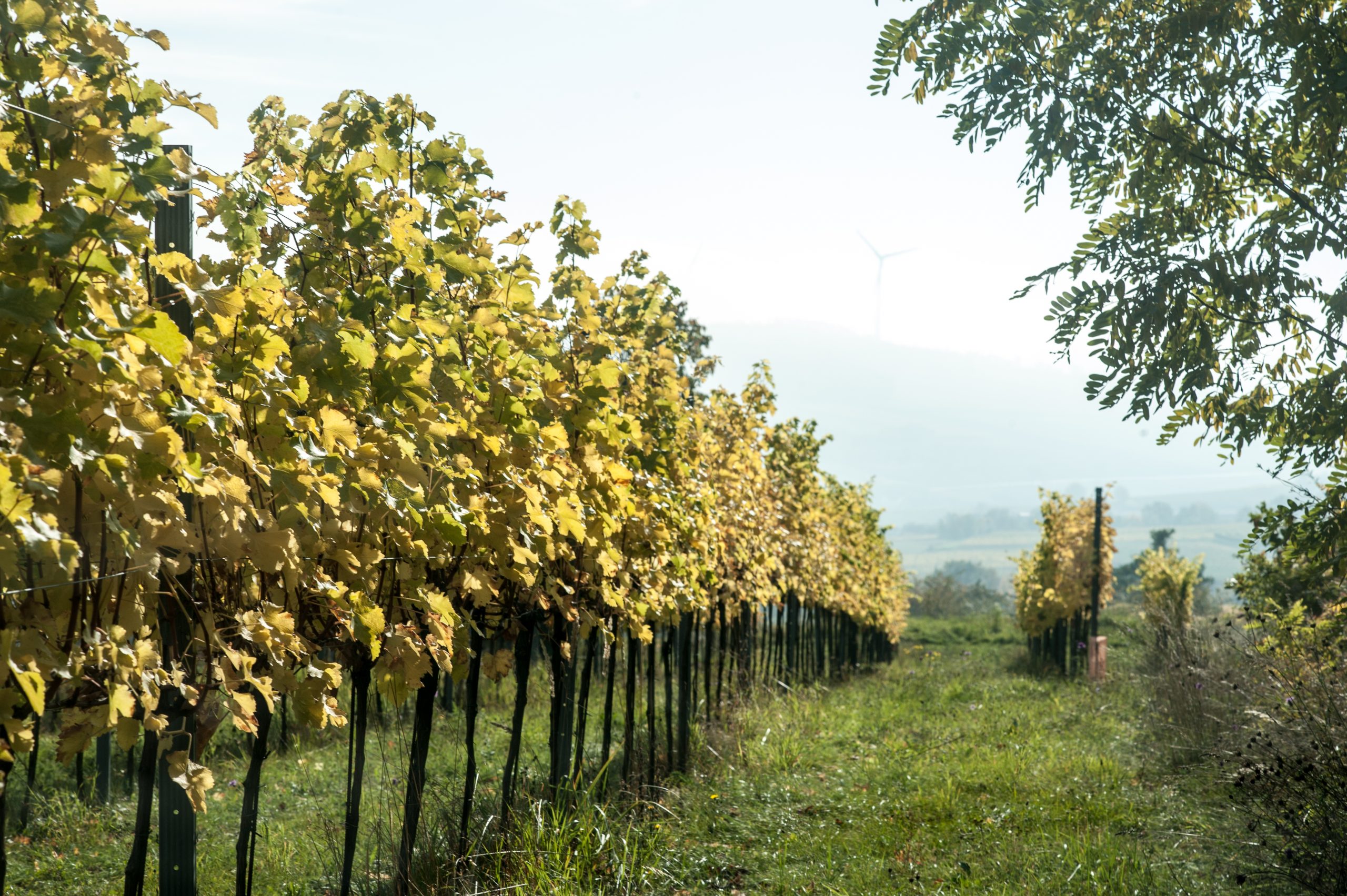
The approach to Schloss Thalheim follows the pattern common to Austria's most serious country-house dining destinations: agricultural flatlands give way to an estate property that signals, before you have even stepped inside, that the food here will be tied to what grows and grazes nearby. Lower Austria's Mostviertel region, in which Kapelln sits, is cider-pear country, a range of orchards and working farms that has historically supplied Vienna's markets and, more recently, fed a generation of provenance-conscious kitchens. That agricultural identity shapes the dining context at properties like this one more than any individual kitchen decision.
Country-house restaurants in this part of Austria occupy a distinct position relative to their city counterparts. Where Vienna's leading tables, including Steirereck im Stadtpark in Vienna, operate within a dense urban dining ecosystem, the rural estate format depends on a different logic: guests travel to the food, and the food must justify the journey. That compact on the part of both cook and diner is what separates destination dining from neighbourhood convenience, and it tends to raise the stakes around sourcing. A kitchen that cannot credibly point to its suppliers has little else to hide behind when the nearest alternative restaurant is thirty minutes away.
The Sourcing Tradition in Austrian Fine Dining
Austria's most decorated kitchens have made ingredient provenance a structural commitment rather than a marketing posture. Döllerer in Golling an der Salzach built its reputation around Alpine sourcing, using elevation and seasonality as the organising principle of its menus. Kräuterreich by Vitus Winkler in Sankt Veit im Pongau takes herb cultivation to a kitchen-garden level that few competitors attempt. Landhaus Bacher in Mautern an der Donau, another Danube-region estate property, has maintained long-term relationships with specific growers across decades of operation. The pattern across all of them is consistent: the estate or country-house setting is not a backdrop but a supply chain, and proximity to producers is treated as a competitive advantage rather than a rural compromise.
This is a meaningful distinction for understanding where Schloss Thalheim sits conceptually. Lower Austrian estates at this tier draw on the region's vine-growing south, its river-valley vegetable culture, and the livestock traditions of the Mostviertel. The question for any kitchen operating in this territory is how deliberately it connects those resources to the plate, and whether the sourcing story is legible to guests who have made the trip specifically to encounter it.
The Austrian Country-House Format and Its Expectations
Estate dining in Austria tends to operate with a formality calibrated to setting rather than urban convention. The reference points are properties like Taubenkobel in Schützen am Gebirge, which pairs serious food with a design sensibility rooted in Burgenland's wine-growing identity, or Obauer in Werfen, where the restaurant anchors a small hotel and the food has earned sustained Michelin recognition over multiple decades. What connects these properties is a refusal to let setting substitute for kitchen rigour: the rural atmosphere is a context for the food, not a reason to lower standards.
The broader Austrian dining circuit extends to Tyrol and the Arlberg, where mountain-setting restaurants like Gourmetrestaurant Tannenhof in Sankt Anton am Arlberg and Griggeler Stuba in Lech operate within a seasonal ski-resort economy that shapes both the menu and the booking window. Lower Austrian properties like Schloss Thalheim operate in a different seasonal rhythm, less dependent on a single peak period and more integrated into year-round agricultural cycles. That integration tends to show in the consistency of what arrives on the plate.
Internationally, the estate-dining format has analogues at different price points: Le Bernardin in New York City represents the urban-luxury end of sourcing rigour, where provenance of fish is documented to the vessel, while Atomix in New York City situates ingredient narrative within a Korean fine-dining framework that treats sourcing as cultural as much as culinary. These are urban comparisons for a rural format, but they illustrate that across different contexts, particularly serious kitchens treat ingredient origin as a first-order decision rather than an afterthought.
Travelling to Kapelln and the Wider Lower Austrian Circuit
Kapelln is a small municipality in the Sankt Pölten district, accessible from Vienna by car in under an hour via the A1 motorway. The town has no significant rail connection of its own, which means that most guests arriving at Schloss Thalheim do so by private vehicle, a pattern typical of Austrian estate restaurants outside the main urban corridors. This is not incidental: it shapes who comes, how long they stay, and what the experience is designed around. Guests who have driven forty-five minutes from Vienna or longer from Salzburg arrive with different expectations than walk-in city diners.
For travellers building an Austrian fine-dining itinerary, the Lower Austrian wine country to Kapelln's south and east adds a logical extension, connecting the estate with producers whose output appears on the region's better wine lists. Properties in adjacent regions, including Ois in Neufelden to the north in Upper Austria, and Schwarzer Adler in Hall in Tirol further west, represent different regional expressions of the same country-dining format. Atelier Fischer in Sankt Gilgen near the Wolfgangsee and Artis in Graz show how the format translates into lakeside and urban-Styrian contexts respectively. Ikarus in Salzburg and Stüva in Ischgl round out a circuit that spans Austria's distinct geographical and culinary zones. Our full Kapelln restaurants guide covers further options for planning a visit to this part of Lower Austria. For reference, Restaurant 141 by Joachim Jaud in Mieming offers a useful comparison point for how Tyrolean country-house dining differs in tone and format from Lower Austrian counterparts.
Practical Considerations
The restaurant's address is Thalheim 22, 3141 Thalheim, Austria. Beyond the address, confirmed operational details, including opening hours, pricing, booking methods, and current kitchen team, are not publicly consolidated at this time, which is itself a signal: the property operates without a prominent digital footprint, suggesting a guest profile that arrives through recommendation or prior relationship rather than search-driven discovery. For an estate in this position, contacting the property directly for current availability and seasonal programming is the appropriate first step.
A Quick Peer Check
Comparable venues nearby, for context on price, style, and recognition.
| Venue | Cuisine | Price | Notes |
|---|---|---|---|
| Schloss ThalheimThis venue — the venue you are viewing | Austrian & Mediterranean Fine Dining | $$$ | Not listed |
| Kostbar | Modern Mediterranean Cuisine | $$$ | Weingarten |
| Meliá Vienna | Modern Mediterranean with Spanish Influences | $$$ | Kaisermuehlen |
| Seedeck | Urban-Mediterranean Bistro | $$ | Stadtseepromenade |
| Vasco | Mediterranean Fine Dining | $$$ | Staatsoper |
| Pedro´s | Austrian-Mediterranean Fine Dining | $$$$ | Kasten bei Boeheimkirchen |
Continue exploring
More in Kapelln
Restaurants in Kapelln
Browse all →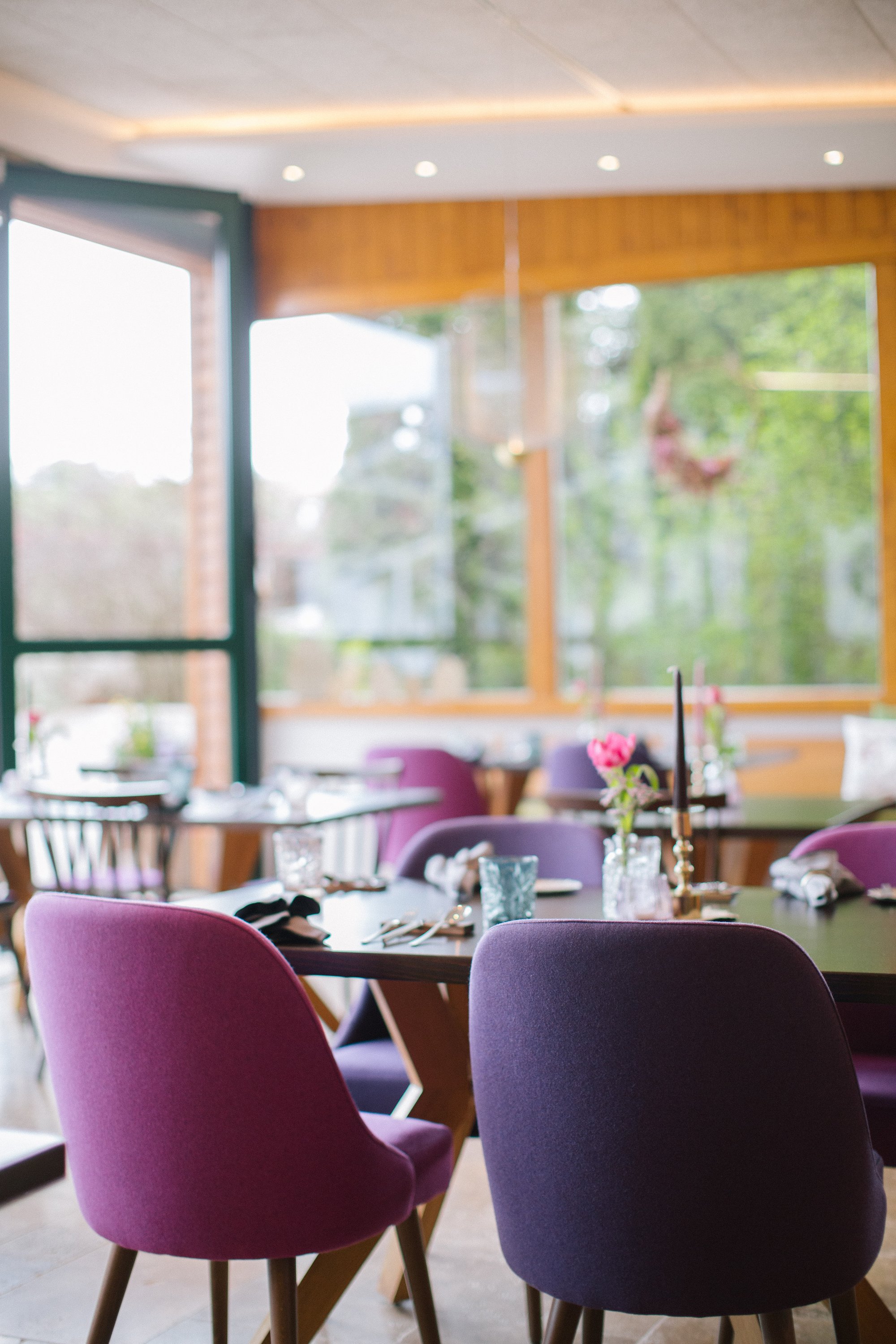
Bars in Kapelln
Browse all →

Hotels in Kapelln
Browse all →
At a Glance
- Romantic
- Elegant
- Scenic
- Classic
- Date Night
- Special Occasion
- Celebration
- Group Dining
- Business Dinner
- Garden
- Terrace
- Historic Building
- Private Dining
- Standalone
- Beer Program
- Farm To Table
- Local Sourcing
- Organic
- Garden
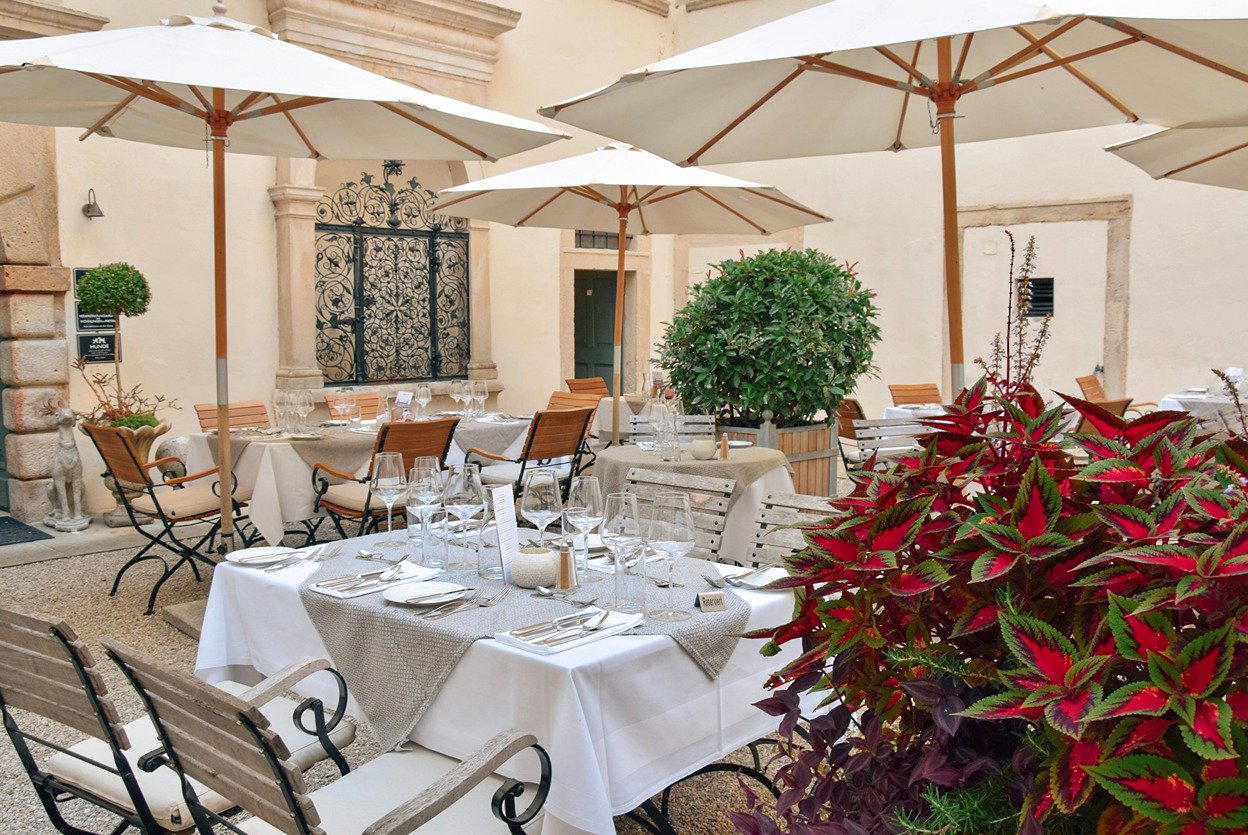
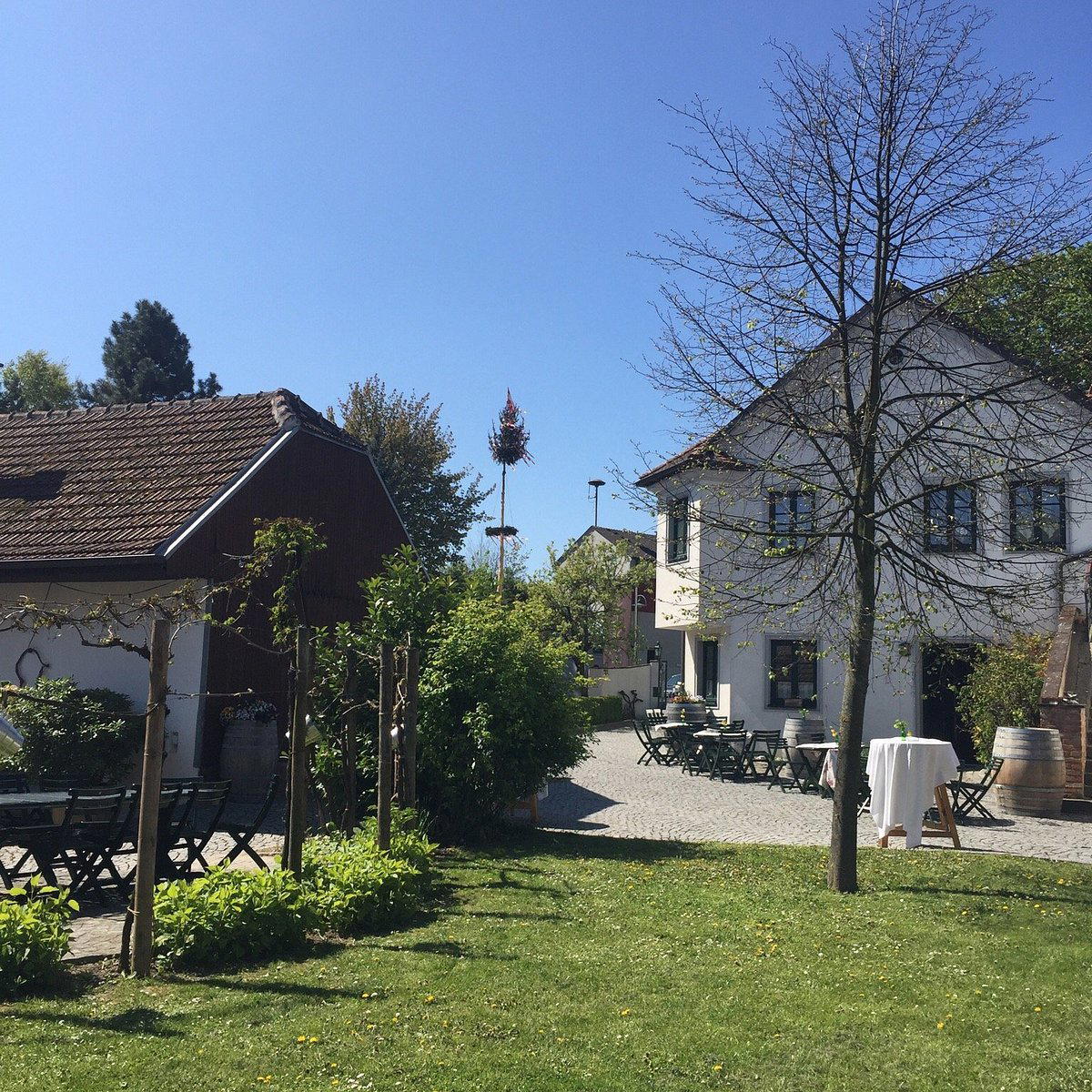
Stylish Provençal ambience in a carefully renovated historic castle setting with dreamlike garden views, creating an elegant and relaxed atmosphere for dining.