Our verdict
Kostbar occupies a market stand at Brusattiplatz 2 in Baden bei Wien, positioning itself within the town's compact but serious food scene. The name itself signals the concept: 'kostbar' means both 'precious' and 'worth tasting' in German, a dual meaning that market-format restaurants in Austria's wine country tend to earn through sourcing discipline rather than ceremony. For visitors building a day around Baden's thermal baths and spa culture, this is the kind of address that rewards curiosity over reservation planning.

Pearl is the En Primeur Club membership app, where members save venues, book tables and use the concierge.

The menu
What to order
- Ricotta gnocchi with summer truffle and Parmesan
- Guinea fowl saltimbocca with olive marinara sauce and basil purée
Baden's Market Stands and the Case for Ingredient-First Eating
Austria's smaller spa towns have developed a distinct approach to casual fine dining that larger cities rarely replicate cleanly. In Baden bei Wien, roughly 25 kilometres south of Vienna, the model centres on market-adjacent spots where sourcing proximity and format simplicity do the editorial work that elaborate room design does elsewhere. Kostbar sits at Grüner Markt Stand 9 and 10 on Brusattiplatz 2, which places it directly inside this tradition: a market stall that takes its ingredients seriously enough to have built a local reputation around them.
The German word 'kostbar' carries two meanings simultaneously. It means precious or valuable, and it means worth tasting. That linguistic compression is not accidental in Austria's wine country. The Thermenregion, the wine-growing zone that wraps around Baden, produces Pinot Noir and Rotgipfler varieties that rarely travel far beyond the region, and the agricultural rhythm of the surrounding Wienerwald shapes what appears at market stands throughout the warmer months. A restaurant that names itself after the act of tasting is making an implicit claim about what it puts on the plate.
Market Format as an Editorial Statement
Across Austria, the most interesting ingredient-driven eating does not always happen inside formal dining rooms. The country's Bauernmarkt tradition, where farmers and producers sell direct, has generated a satellite economy of small food operations that live adjacent to those markets. At its most considered, this format strips away the intermediary steps between a grower and a plate. Baden's Grüner Markt is exactly this kind of setting: a covered market space where provenance is visible rather than narrated by a waiter.
Kostbar's position at stands 9 and 10 within that market places it in direct conversation with what surrounds it. The practical implication for a visitor is that the menu at a stall like this tends to reflect what arrived that morning rather than what a printed card promised weeks in advance. This is a different kind of reliability than a tasting menu counter offers. It is the reliability of a producer relationship rather than a standardised supply chain, and it requires a different kind of trust from the diner.
For comparison, Austria's most discussed destination restaurants, including Steirereck im Stadtpark in Vienna and Landhaus Bacher in Mautern an der Donau, have built their reputations in part on direct relationships with regional growers. The market stand format compresses that same philosophy into a more immediate, less ceremonial frame. Obauer in Werfen and Kräuterreich by Vitus Winkler in Sankt Veit im Pongau represent the alpine version of ingredient-led cooking; Kostbar's version is lower-altitude, more accessible, and shaped by the specific agricultural output of the Thermenregion and Vienna basin.
Baden's Dining Scene and Where Kostbar Sits Within It
Baden bei Wien operates on a smaller scale than its proximity to Vienna might suggest. The town's dining options cluster around a handful of serious addresses rather than sprawling across multiple neighbourhoods. Le Gavrinis represents the formal end of the Baden dining spectrum, with modern cuisine at the higher price tier. Amterl and ArteMia cover different parts of the mid-range. The Casino Restaurant Baden draws a different crowd tied to the landmark gaming venue. And Crêperie La Goélette occupies its own niche in a town that, despite its size, sustains genuine culinary variety.
Kostbar operates in a different register from all of these. The market stand format is not a compromise; it is a format choice that signals a specific set of priorities. Lower overhead, direct sourcing, and a menu shaped by availability rather than consistency. In a town where the Kurpark and thermal baths draw visitors for extended stays rather than quick passes, a place like Kostbar functions as the kind of address locals return to between meals at more formal venues, and that visitors discover when they wander beyond the hotel dining room.
Austria's serious dining scene extends well beyond Vienna's first district. Addresses like Ikarus in Salzburg, Gourmetrestaurant Tannenhof in Sankt Anton am Arlberg, Griggeler Stuba in Lech, Döllerer in Golling an der Salzach, Restaurant 141 by Joachim Jaud in Mieming, and Ois in Neufelden demonstrate that Austria's food culture has strong regional roots across multiple provinces. Baden's contribution to that map is quieter but no less considered. See our full Baden restaurants guide for the broader picture.
The Thermenregion as Sourcing Context
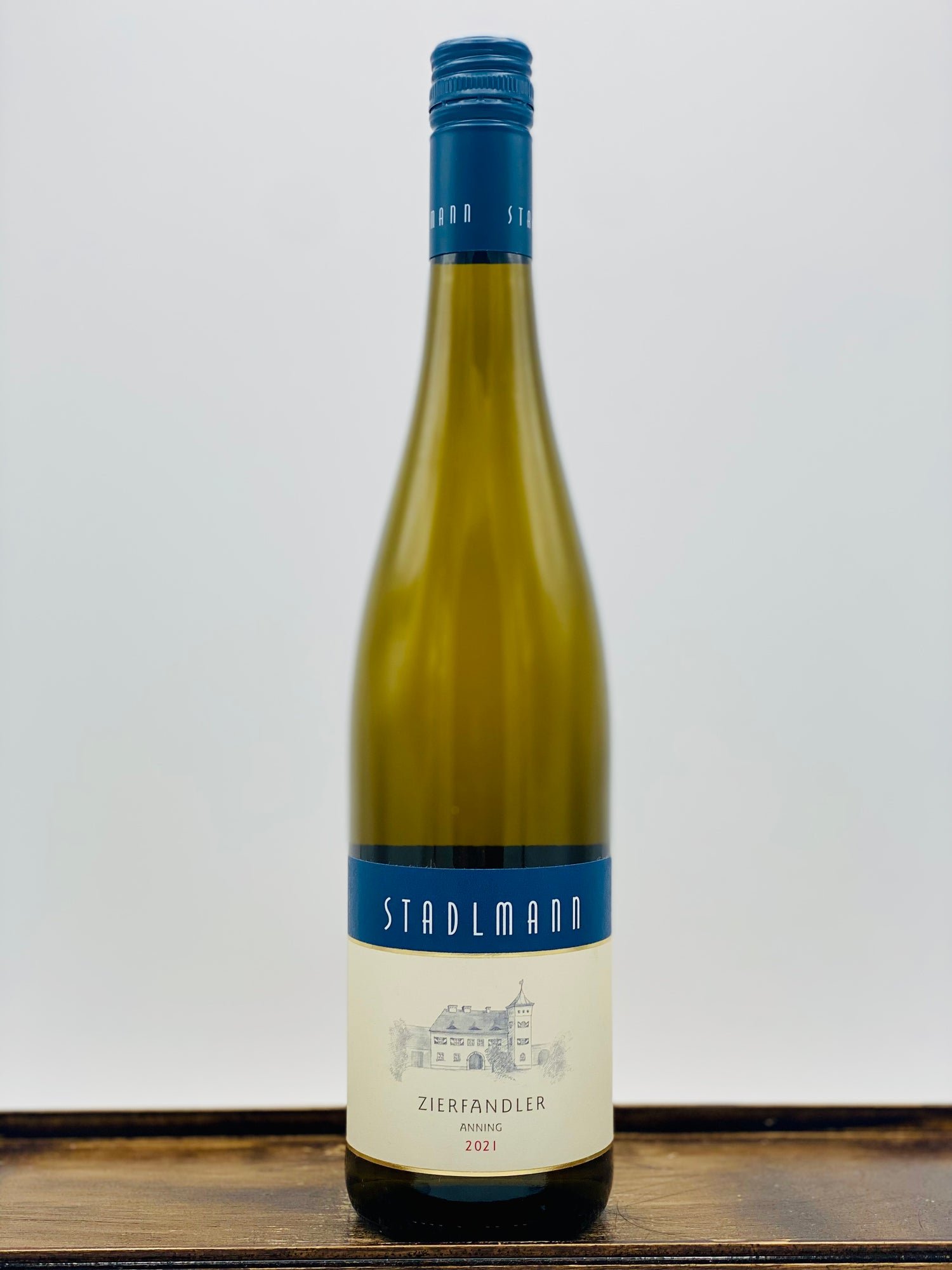
Baden bei Wien sits at the northern edge of the Thermenregion wine zone, a region that runs south along the eastern foothills of the Wienerwald. The soils here, a mix of limestone and clay, produce white wines from indigenous varieties like Rotgipfler and Zierfandler that have no meaningful presence outside this narrow corridor. The proximity of this wine-growing zone to Baden's market is not incidental to how ingredient-led restaurants in the area operate. Local wine and local produce share the same agricultural calendar, and a market stand embedded in this geography has direct access to both.
This sourcing geography places Kostbar in a very different supply relationship than, say, a Vienna restaurant sourcing from a distribution network, or a globally-oriented tasting menu like those at Le Bernardin in New York City or Atomix in New York City that source from international producers. The local-radius model, when it works, produces a kind of seasonal coherence that longer supply chains can approximate but not quite replicate.
Planning a Visit
Kostbar's address at Brusattiplatz 2, Grüner Markt Stand 9 and 10, Baden, Austria places it at the covered market rather than in a standalone restaurant building. Market-format venues like this typically operate on market hours rather than conventional restaurant hours, which in Austrian towns often means morning through early afternoon sessions on market days, with reduced or no service outside those windows. Visitors planning around Kostbar should confirm current hours and market day schedules before arrival, as this format does not follow evening-dining conventions. Booking infrastructure for market stands differs from formal restaurants; walk-in is often the operating model, though for groups or specific timing, reaching out in advance is prudent. Baden itself is accessible by train from Vienna's central station in under an hour, making it a realistic day trip that pairs a visit to the market with the Kurpark or thermal facilities.
Frequently asked questions
Where is Kostbar located?
Kostbar is located at Brusattiplatz 2, Grüner Markt Stand/9 & 10, 2500 Baden, Austria, Baden.
Is Kostbar at Baden's Grüner Markt suitable for visitors exploring Thermenregion wines?
Baden bei Wien sits at the northern edge of the Thermenregion, Austria's wine zone associated with Rotgipfler and Zierfandler grown on the Wienerwald foothills. Kostbar's market stand position at Brusattiplatz places it within a town where local producers regularly supply the Grüner Markt, making ingredient provenance a natural talking point. Visitors combining a Thermenregion winery itinerary with a Baden market stop will find the geography works in their favour.
What's the signature dish at Kostbar?
Market stands at the Grüner Markt in Baden operate around what is seasonal and available on a given day, so the offer at Stands 9 and 10 on Brusattiplatz shifts with the supply. Visiting with an open brief rather than a specific dish in mind is the more practical approach here.
How far ahead should I plan for Kostbar?
Because Kostbar operates from a market stand at Brusattiplatz 2 rather than a seated restaurant, the primary planning step is confirming the Grüner Markt's operating schedule before making the trip from Vienna or elsewhere. Baden bei Wien is roughly 26 kilometres south of Vienna's city centre, making it a half-day commitment. Checking market hours in advance matters more than holding a reservation.
In Context: Similar Options
Comparable venues nearby, for context on price, style, and recognition.
| Venue | Cuisine | Price | Awards | Notes |
|---|---|---|---|---|
| KostbarThis venue (the venue you are viewing) | Modern Mediterranean Cuisine | Not listed | Not listed | Not listed |
| Raw Energy | Healthy Bowls & Bagels | $10–20 | Not listed | Grüner Markt |
| Marktamt | Seafood & Mediterranean | Not listed | Not listed | Baden bei Wien |
| Amterl | Austrian Fusion Grill | $20–30 | Not listed | Baden city center |
| Restaurant Rudolfshof | Traditional Austrian Home-Style | $20–30 | Not listed | Gaminger Berg |
| Le Rendez-vous | French Fine Dining | Not listed | Michelin Plate | Baden bei Wien |
Continue exploring
More in Baden
Restaurants in Baden
All restaurants in Baden →
Bars in Baden
Browse all →

Details
- Modern
- Cozy
- Minimalist
- Business Dinner
- Special Occasion
- Terrace
- A La Carte
- Set Menu
- Tasting Menu
- Vegetarian Friendly
Current opening hours
- Monday
- Closed
- Tuesday
- Closed
- Wednesday
- Closed
- Thursday
- 11 AM–6 PM
- Friday
- 11 AM–6 PM
- Saturday
- 11 AM–6 PM
- Sunday
- 11 AM–6 PM
Hours can change for holidays and private events. Hours as of .
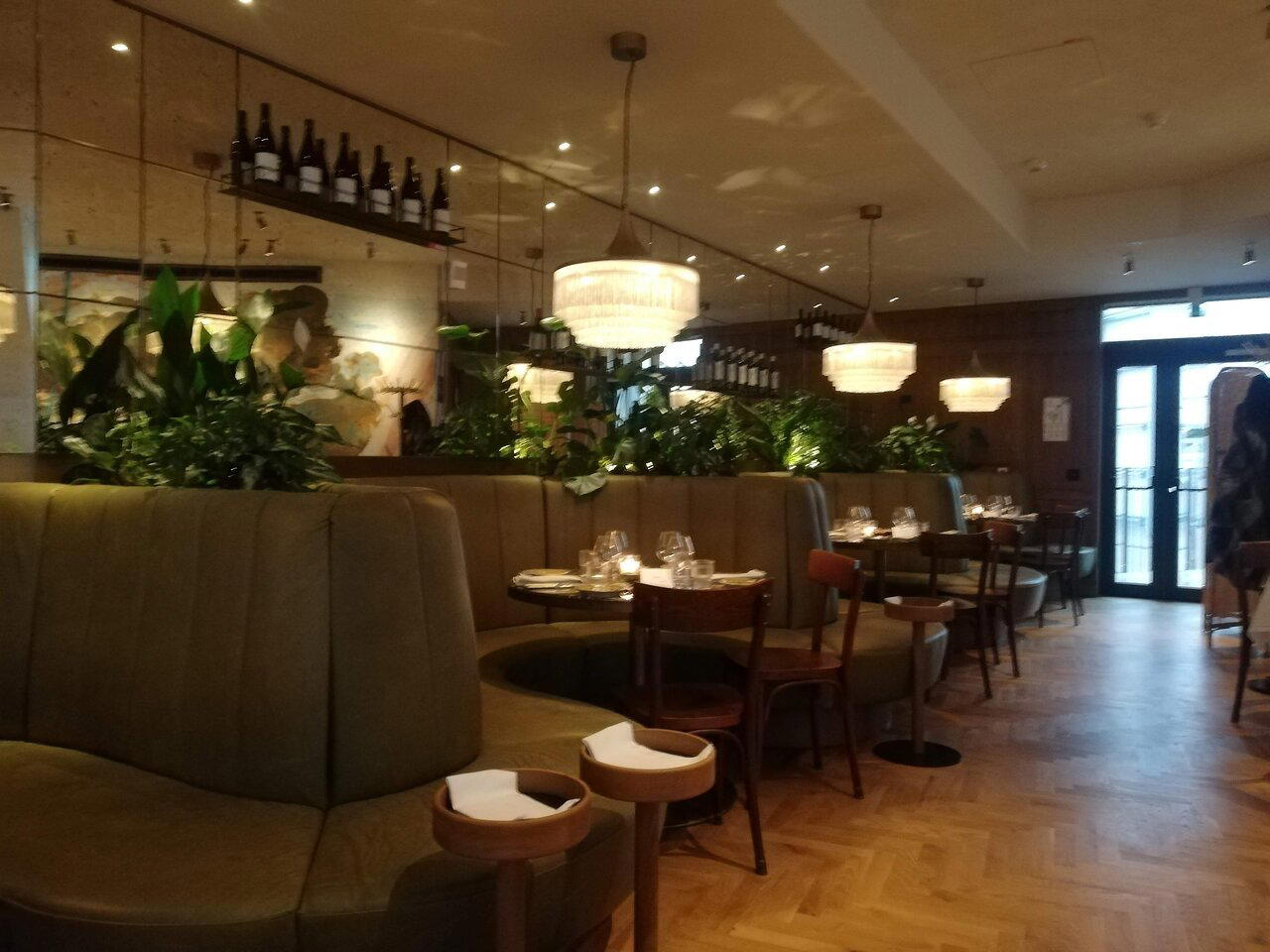
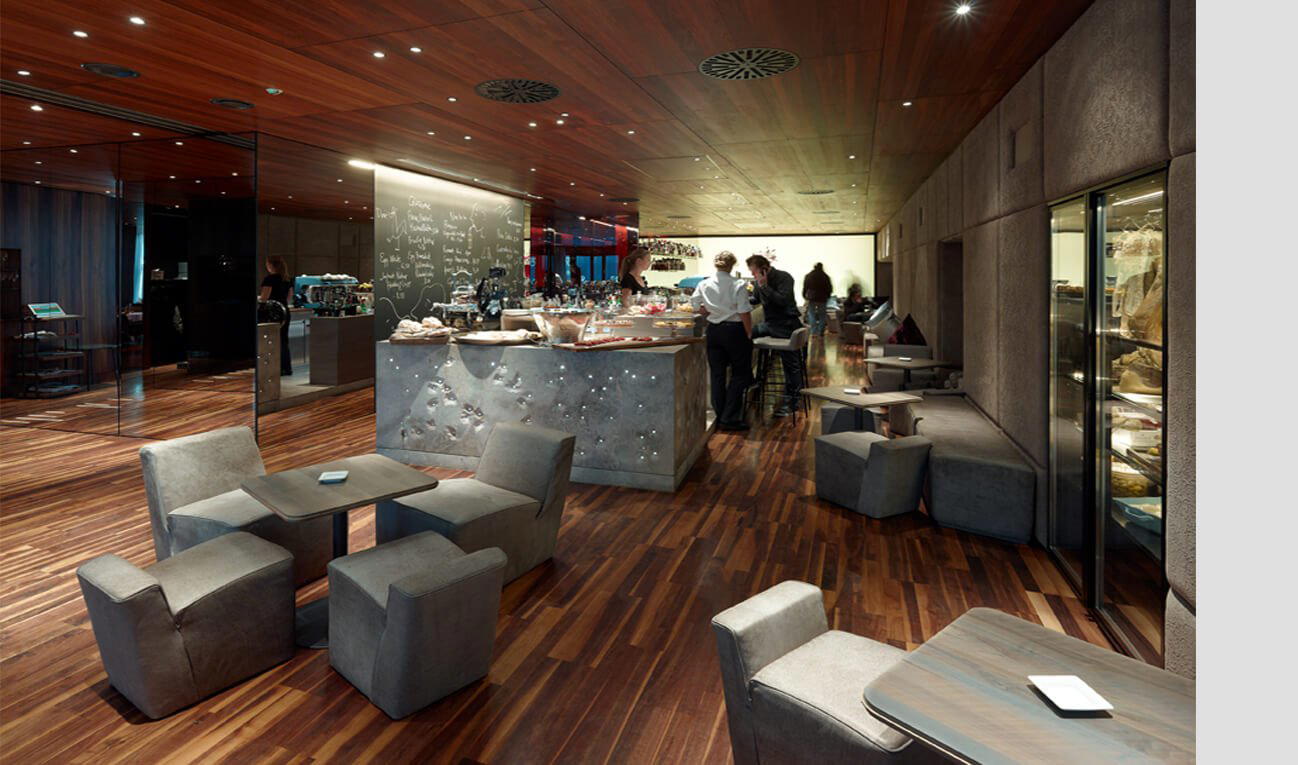
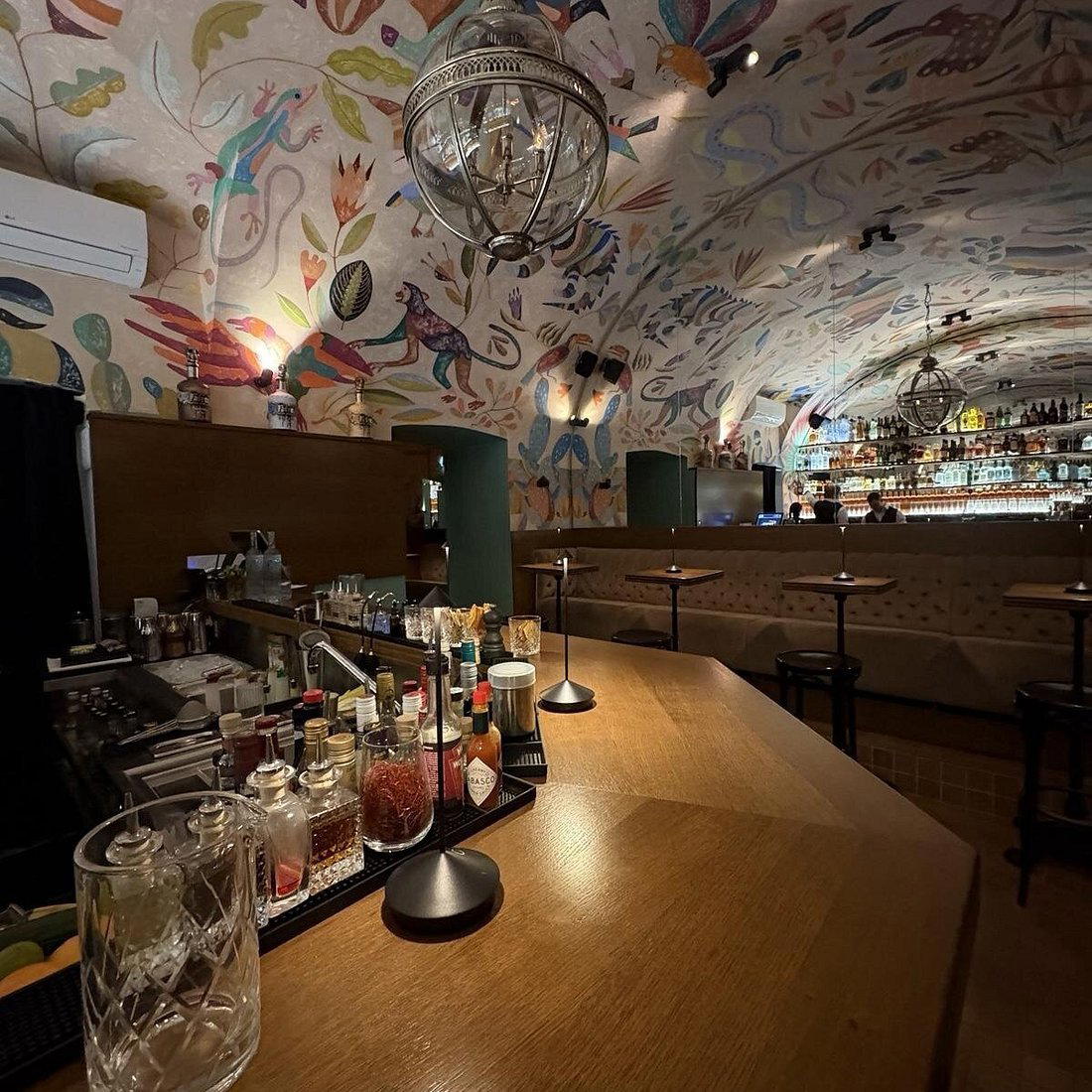
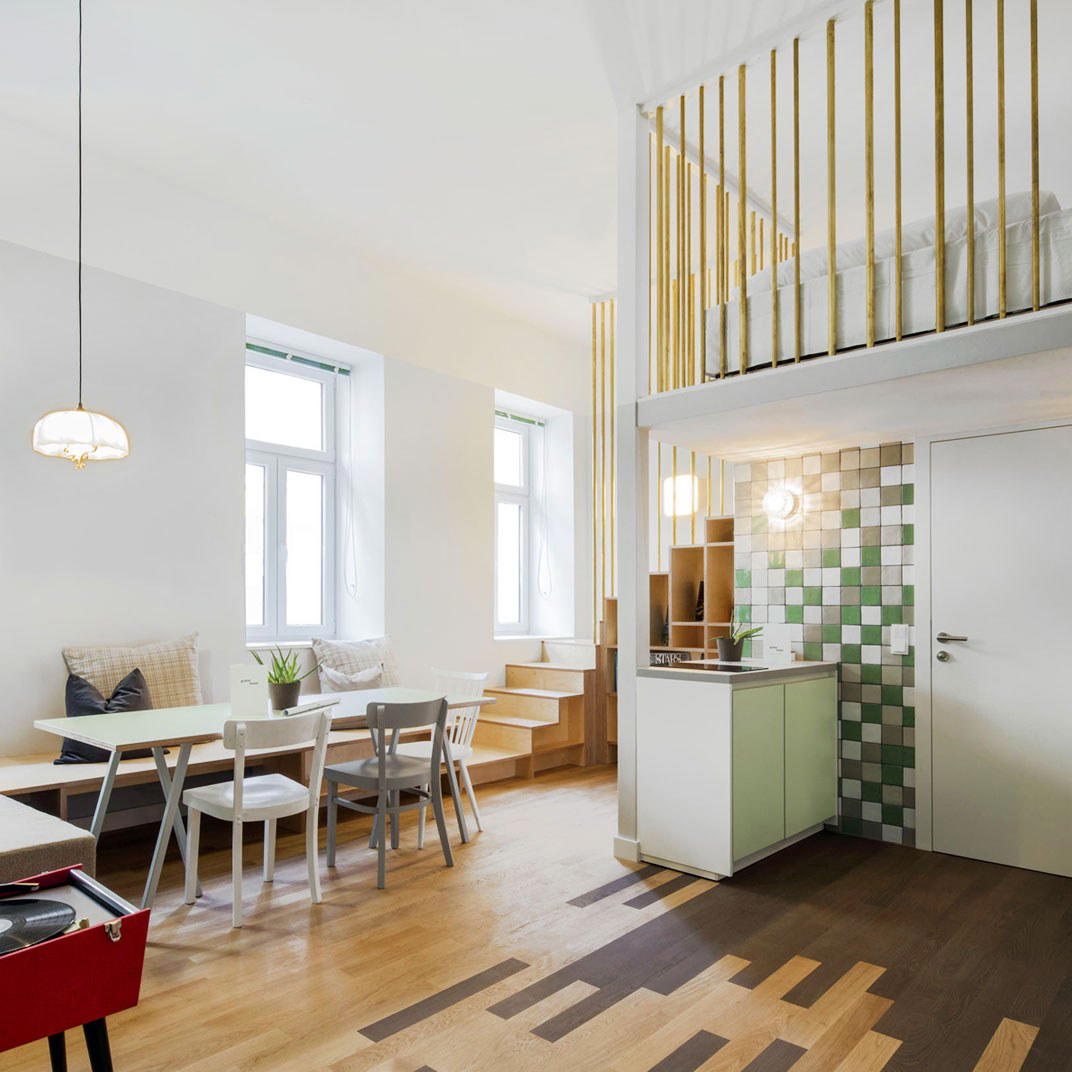
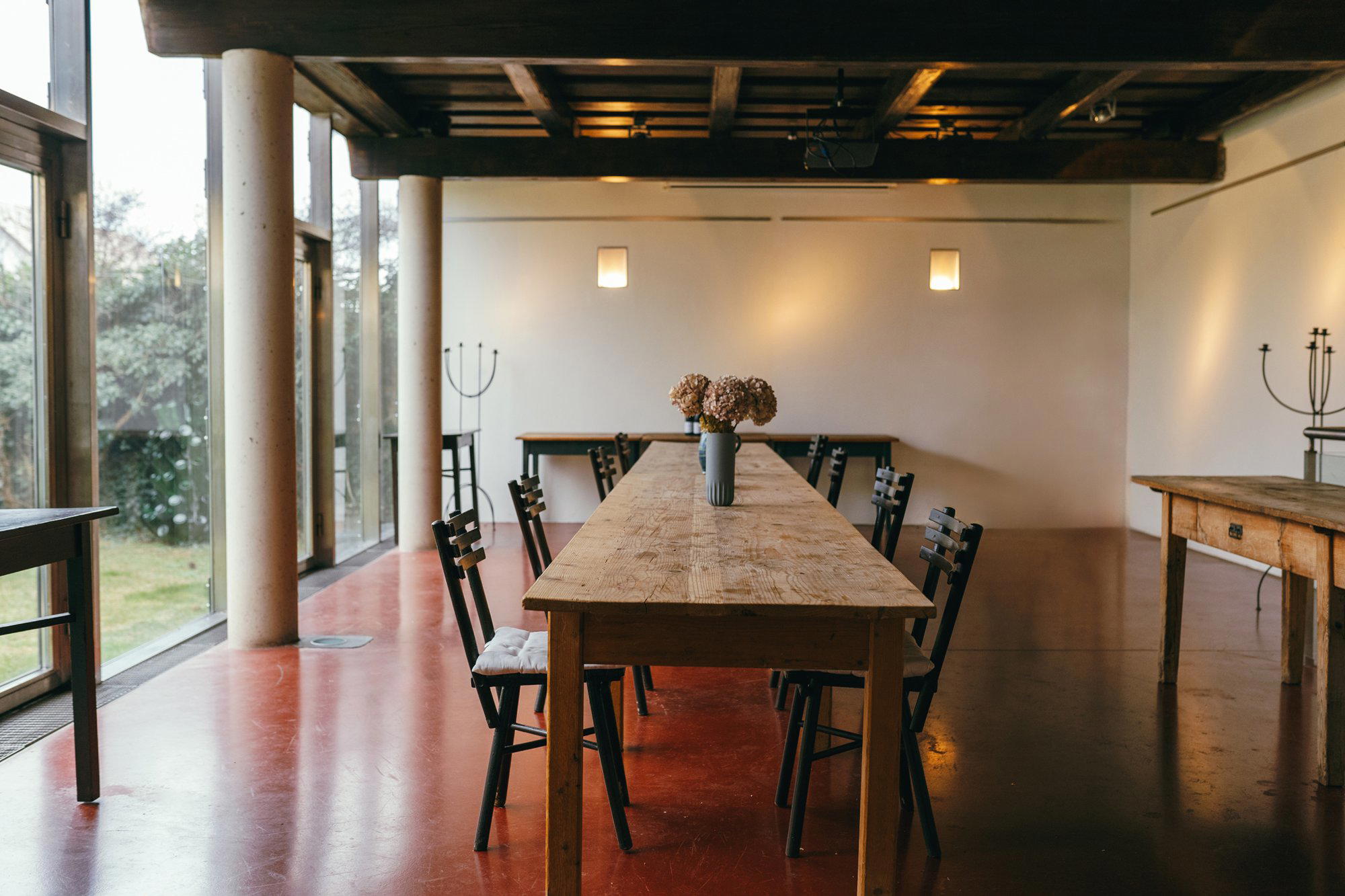
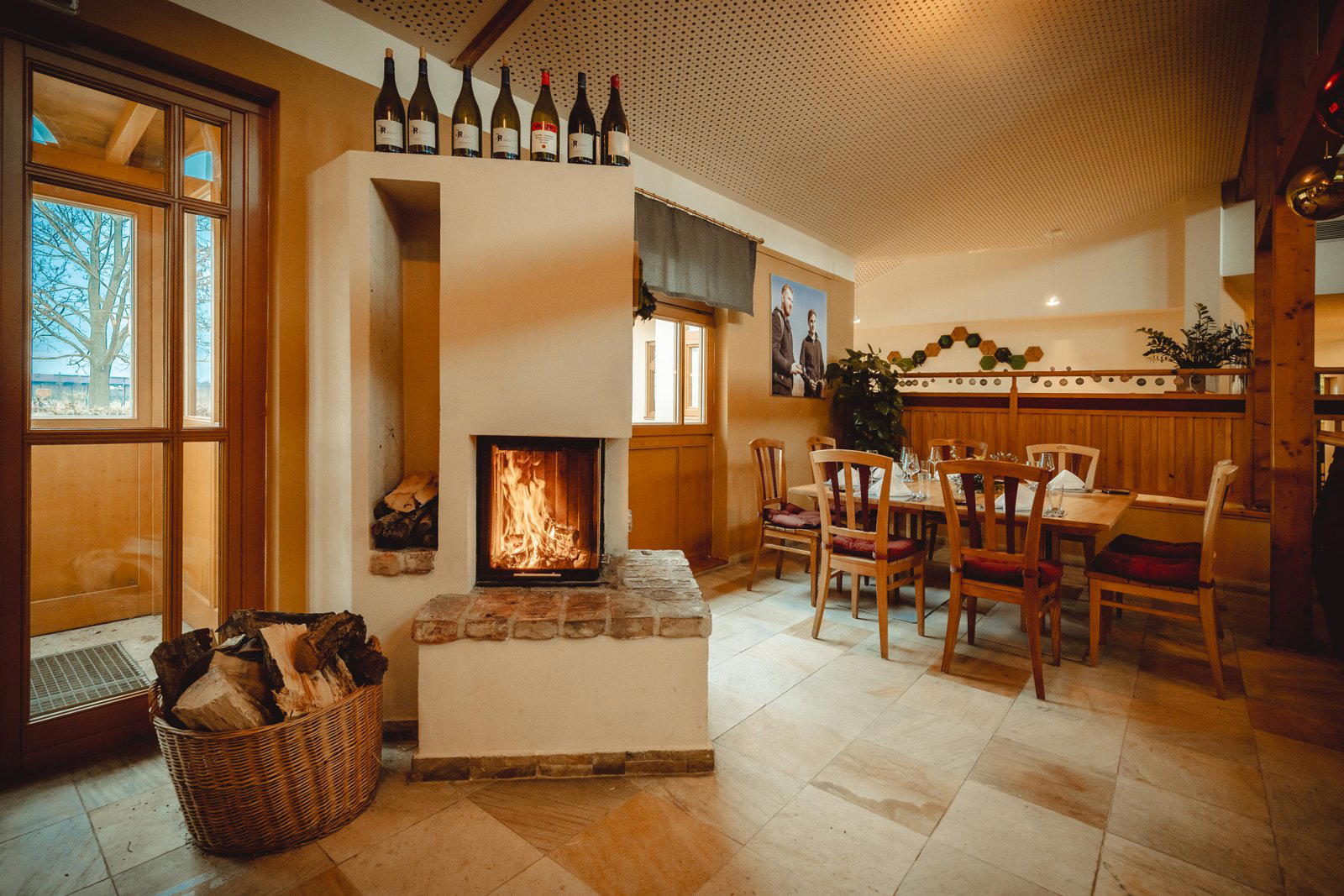
Upscale interior that is stylish and cosy with warm wood and minimalist design creating a welcoming atmosphere.