Wirtshaus Mensch Mayer serves Mediterranean-Steirisch Fusion at Südtiroler Pl. 4 in Weiz, Austria, with local sourcing and a dinner-focused, conversational hotel restaurant format.
Pearl is the En Primeur Club membership app — saves, bookings, and concierge access live there. Same editors, same standards.
- Address
- Südtiroler Pl. 4, 8160 Weiz, Austria
- Phone
- +436649459326
- Website
- zur-goldenen-krone.at
- Directions
- Get directions
 Saves & bookings on Pearl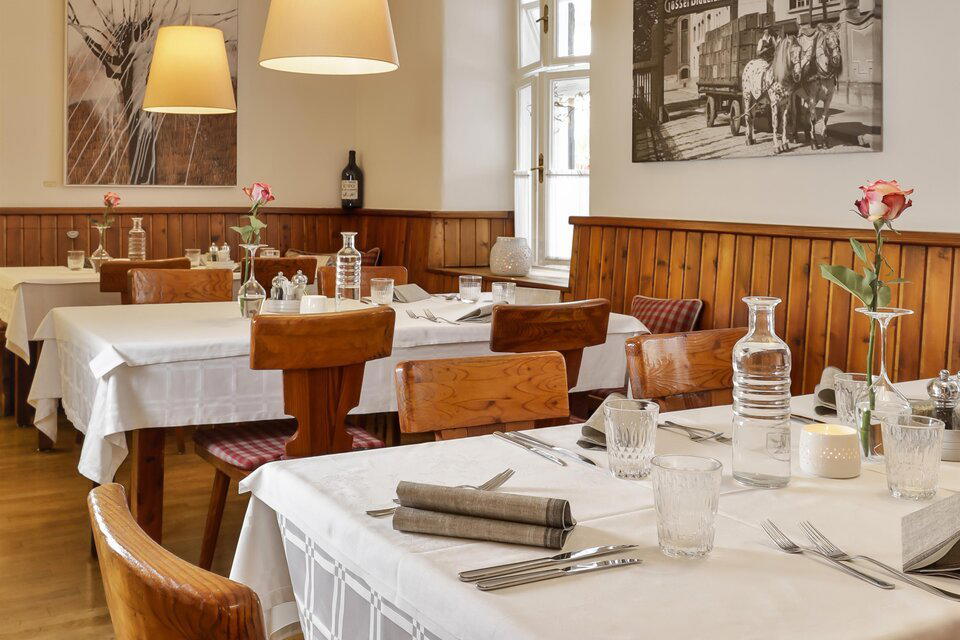
Wirtshaus at the Square: What the Gasthof Format Means in Styrian Towns
Südtiroler Platz in Weiz is the kind of civic square that anchors a small Austrian market town: transit connections converge here, locals cross it on foot between errands, and the buildings that face it carry a particular social weight. A Wirtshaus that occupies this position is not a restaurant in the urban sense. It is a station in the daily rhythm of the town, a place where the logic of ingredient sourcing and seasonal cooking is shaped less by trend than by proximity and expectation. Wirtshaus Mensch Mayer sits at that address and serves Mediterranean-Steirisch Fusion in a casual setting.
The Wirtshaus form is worth understanding on its own terms before any individual example is assessed. In the Steiermark, the Gasthof or Wirtshaus has historically functioned as a point of confluence between agricultural production and communal eating. The region's farms supply pumpkinseed oil, cured meats, fresh dairy, game from the surrounding hills, and river fish at distances that urban restaurants in Vienna or Graz would need to engineer supply chains to replicate. In a town like Weiz, the middle Styrian valley position means that the raw material question is not a marketing decision but a structural one: local sourcing is simply what proximity allows, and what the format has always demanded.
The Ingredient Logic of Middle Styrian Cooking
Styrian cuisine draws its character from a handful of ingredients that define the region rather than the restaurant. Cold-pressed Kürbiskernöl, the deep green pumpkinseed oil that Styria has produced under protected designation of origin status, appears across the region's tables the way olive oil defines a Ligurian menu. Served over sliced beef (Tafelspitz), drizzled onto salads, or used as a finishing element on soups, its presence signals regional fidelity more reliably than any stated provenance claim.
Alongside the oil, Styrian cooking anchors itself in root vegetables, freshwater fish from the Mur and its tributaries, free-range pork from Styrian farms, and a broader commitment to the kind of preparation that preserves rather than disguises the material. Pickling, curing, and slow braising are not affectations in this context; they are the inherited vocabulary of an agricultural tradition that ran without refrigeration for most of its history and evolved techniques accordingly. A Wirtshaus operating in Weiz has access to that supply chain without needing to seek it out, and a kitchen that reads the format correctly will express it.
This sourcing context matters because it sets the benchmark against which Gasthof cooking in the Steiermark should be read. The question is not whether a Styrian Wirtshaus uses regional produce, most do by default, but how closely the kitchen's decisions track the seasons and the local availability that define any given week or month. Autumn in this part of the Steiermark brings pumpkin, venison, and the first new wines from nearby Süd-Steiermark. Spring shifts toward asparagus, lamb, and lighter preparations. A kitchen that moves with those shifts is working inside the tradition; one that holds a static menu year-round is working against it.
Where Weiz Sits in the Austrian Dining Spectrum
Houses like Steirereck im Stadtpark in Vienna and Landhaus Bacher in Mautern an der Donau anchor the formal end of Austrian regional cooking at the national level. In the Alpine resort tier, addresses such as Griggeler Stuba in Lech, Stüva in Ischgl, and Gourmetrestaurant Tannenhof in Sankt Anton am Arlberg operate inside a seasonal, high-spend visitor economy. Innovative houses like Döllerer in Golling an der Salzach, Ikarus in Salzburg, and Kräuterreich by Vitus Winkler in Sankt Veit im Pongau have built international recognition through Michelin and 50 Best visibility. Addresses like Obauer in Werfen, Taubenkobel in Schützen am Gebirge, and Schwarzer Adler in Hall in Tirol demonstrate how regional Austrian cooking earns formal recognition while staying rooted in place. Ois in Neufelden and Restaurant 141 by Joachim Jaud in Mieming show how smaller towns can sustain serious dining formats without a resort economy to support them.
Weiz sits outside those circuits. It is a working town in eastern Styria with a population in the low tens of thousands, and its restaurant culture answers to local demand rather than destination dining. The comparison set for a Wirtshaus here is not the Michelin-decorated houses above, and reading it against those would miss the point. The relevant peer group is the broader Styrian Gasthof tradition, and within Weiz itself, addresses like Bürgerkeller Weiz and Dejavu Weiz 2.0 by SACCO represent different positions on the local spectrum. For international context on what technically ambitious, produce-led restaurants look like at the highest global level, addresses like Le Bernardin in New York City and Atomix in New York City illustrate a completely different operating register.
Planning a Visit to Weiz
Weiz is accessible by road from Graz in under an hour, and the town centre is compact enough that Südtiroler Platz is walkable from any nearby parking. As with most Austrian Wirtshäuser outside major cities, it is worth confirming current opening days and kitchen hours before travelling, as smaller operations frequently close on one or two weekdays or observe seasonal schedules. The address at Südtiroler Pl. 4, 8160 Weiz is the operational anchor point; reservations are recommended.
How It Stacks Up
Comparable venues nearby, for context on price, style, and recognition.
| Venue | Cuisine | Price | Notes |
|---|---|---|---|
| Wirtshaus Mensch MayerThis venue — the venue you are viewing | Mediterranean-Steirisch Fusion | $$ | Not listed |
| Dejavu Weiz 2.0 by SACCO | Authentic Italian Pizza | $$ | Weiz |
| Bürgerkeller Weiz | Austrian Home-Style | $$ | Hauptplatz |
| Mondigo | Italian-Mediterranean Pizza | $$ | 4020 Linz |
| Schloss Thalheim | Austrian & Mediterranean Fine Dining | $$$ | Kapelln |
| Restaurant Béla Béla | Modern Mediterranean & Austrian | $$$ | Stephansdom |
Continue exploring
More in Weiz
Restaurants in Weiz
Browse all →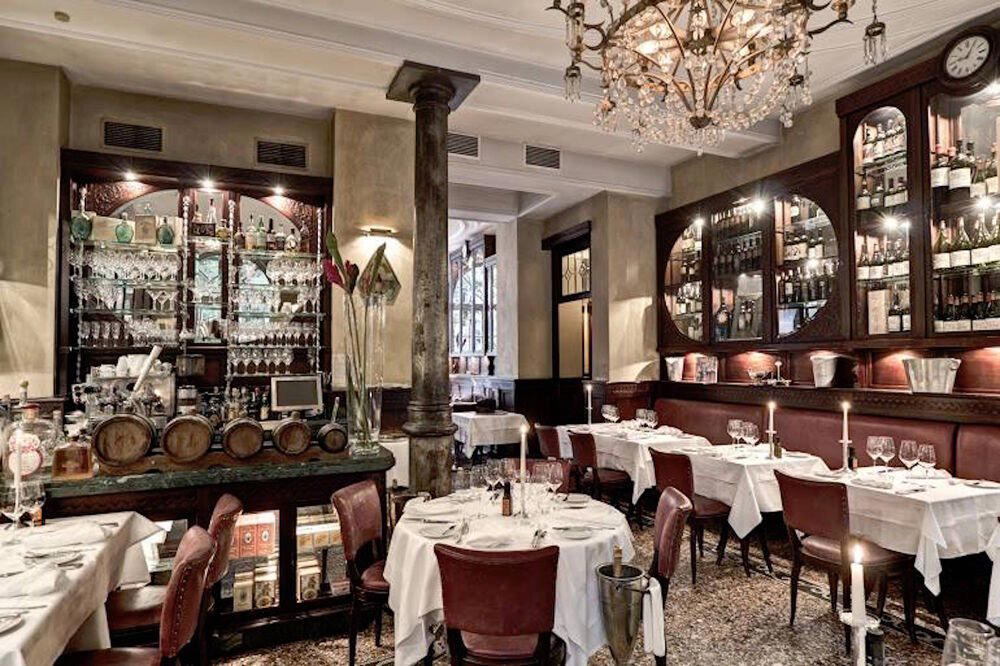
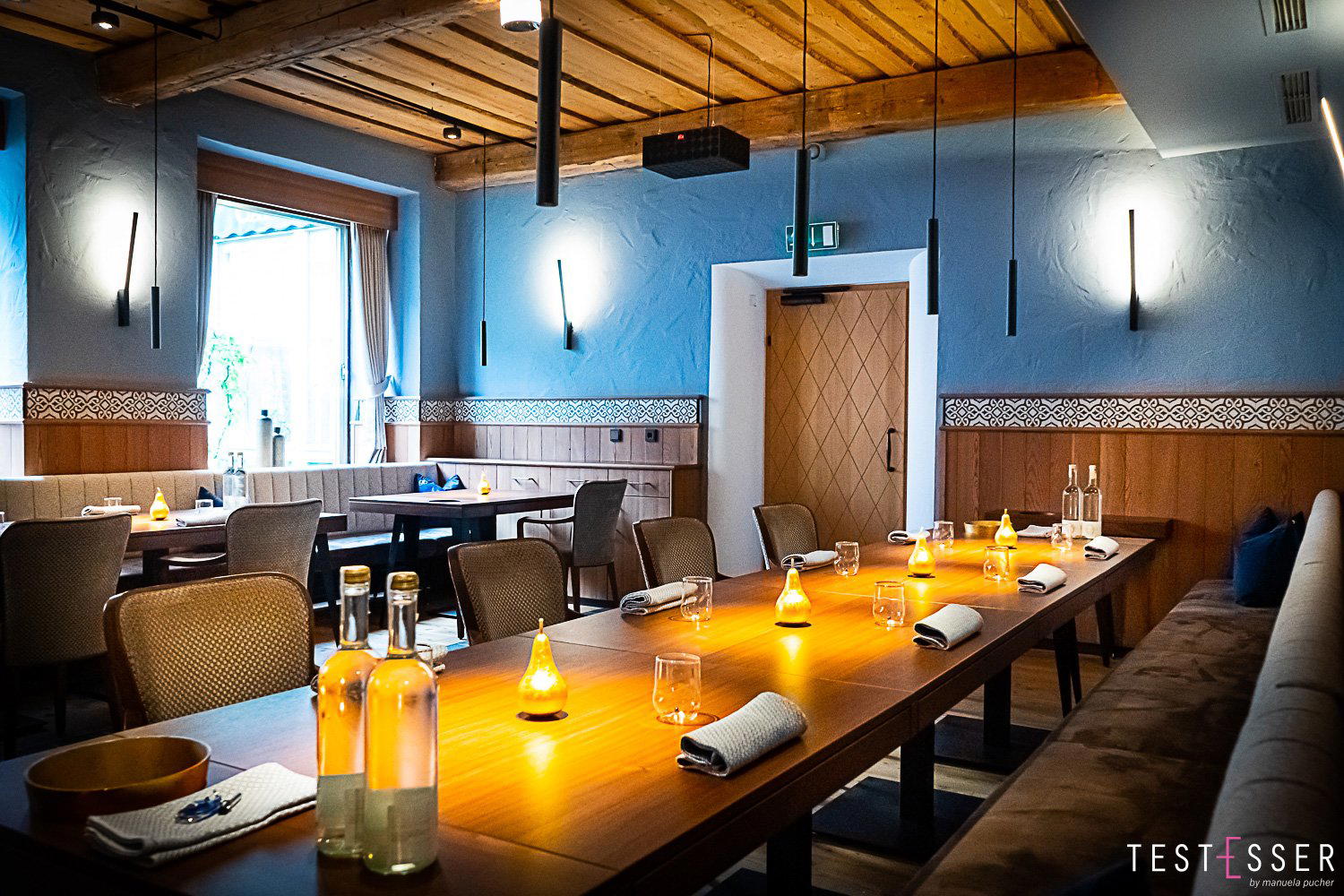
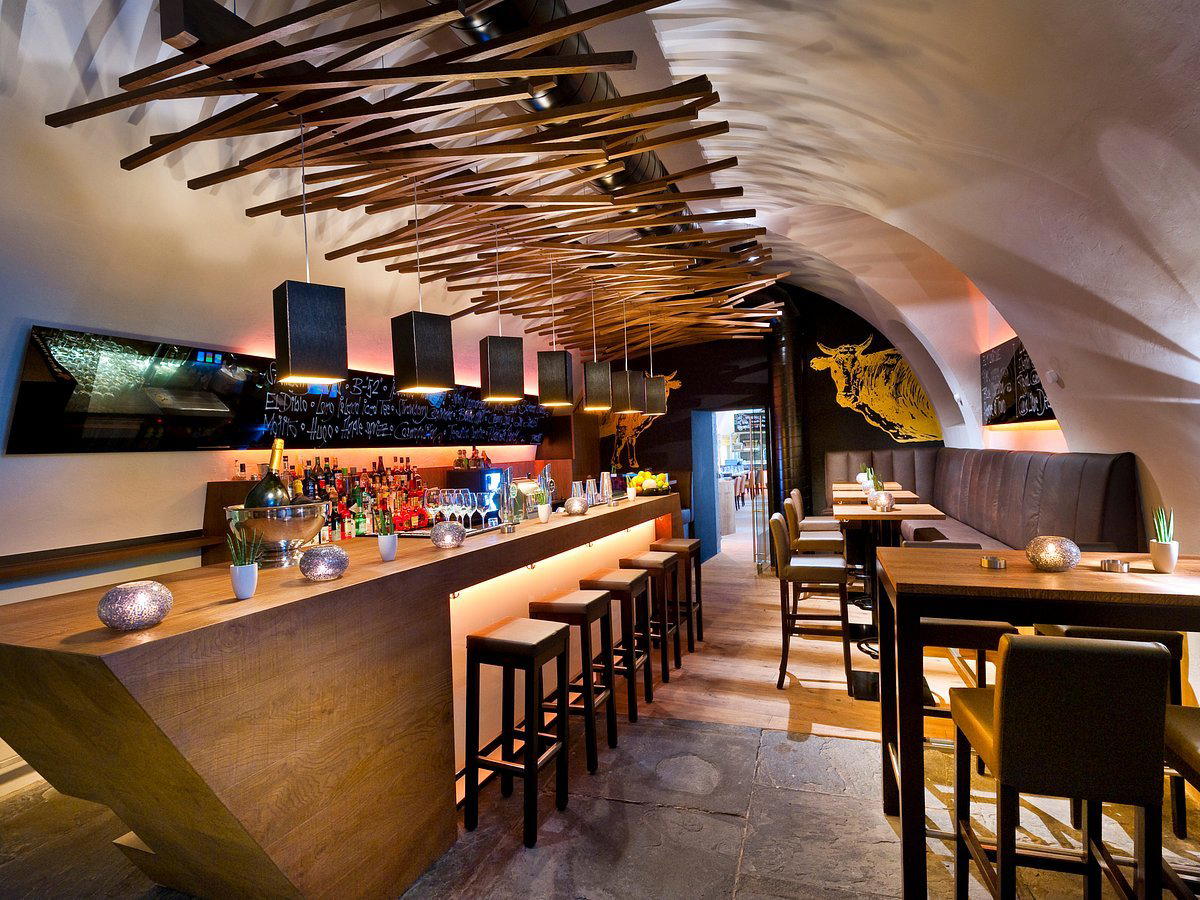
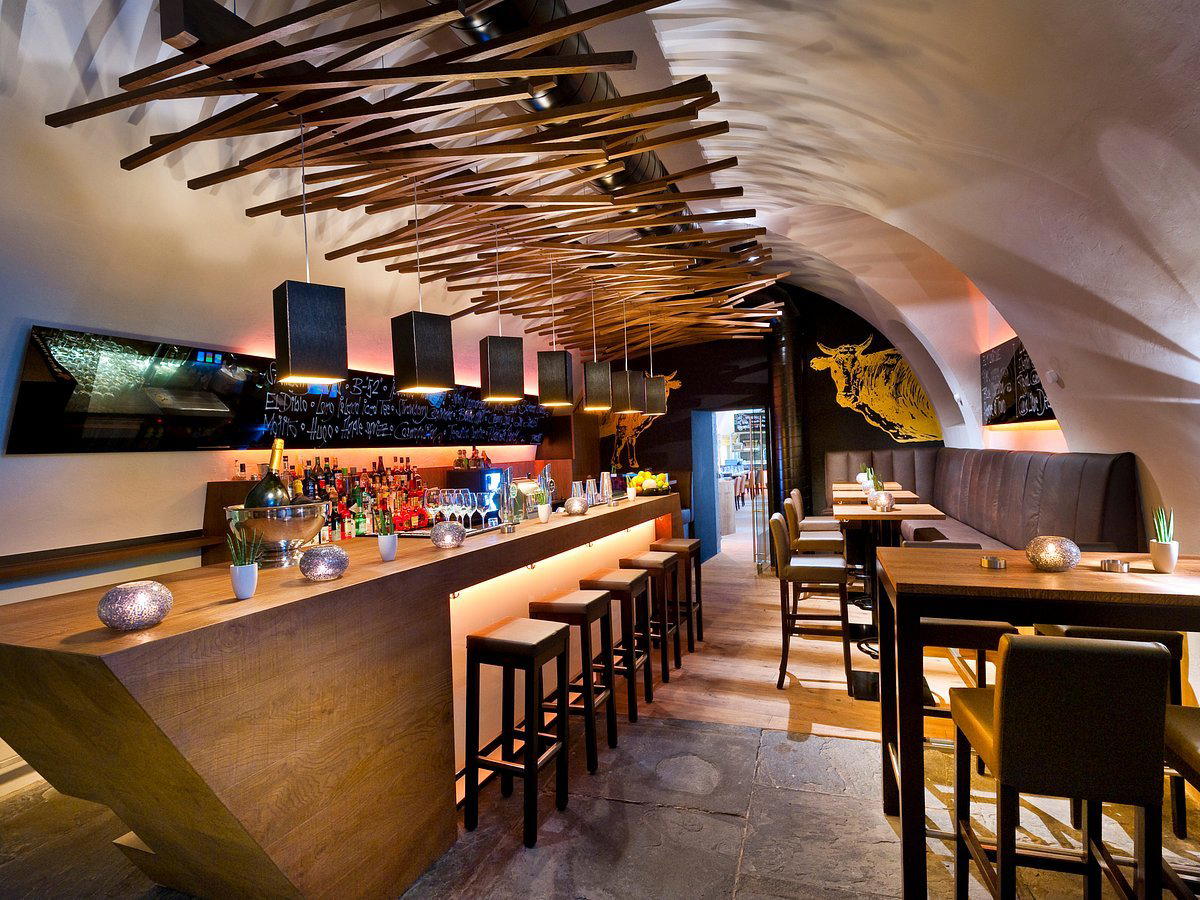
Bars in Weiz
Browse all →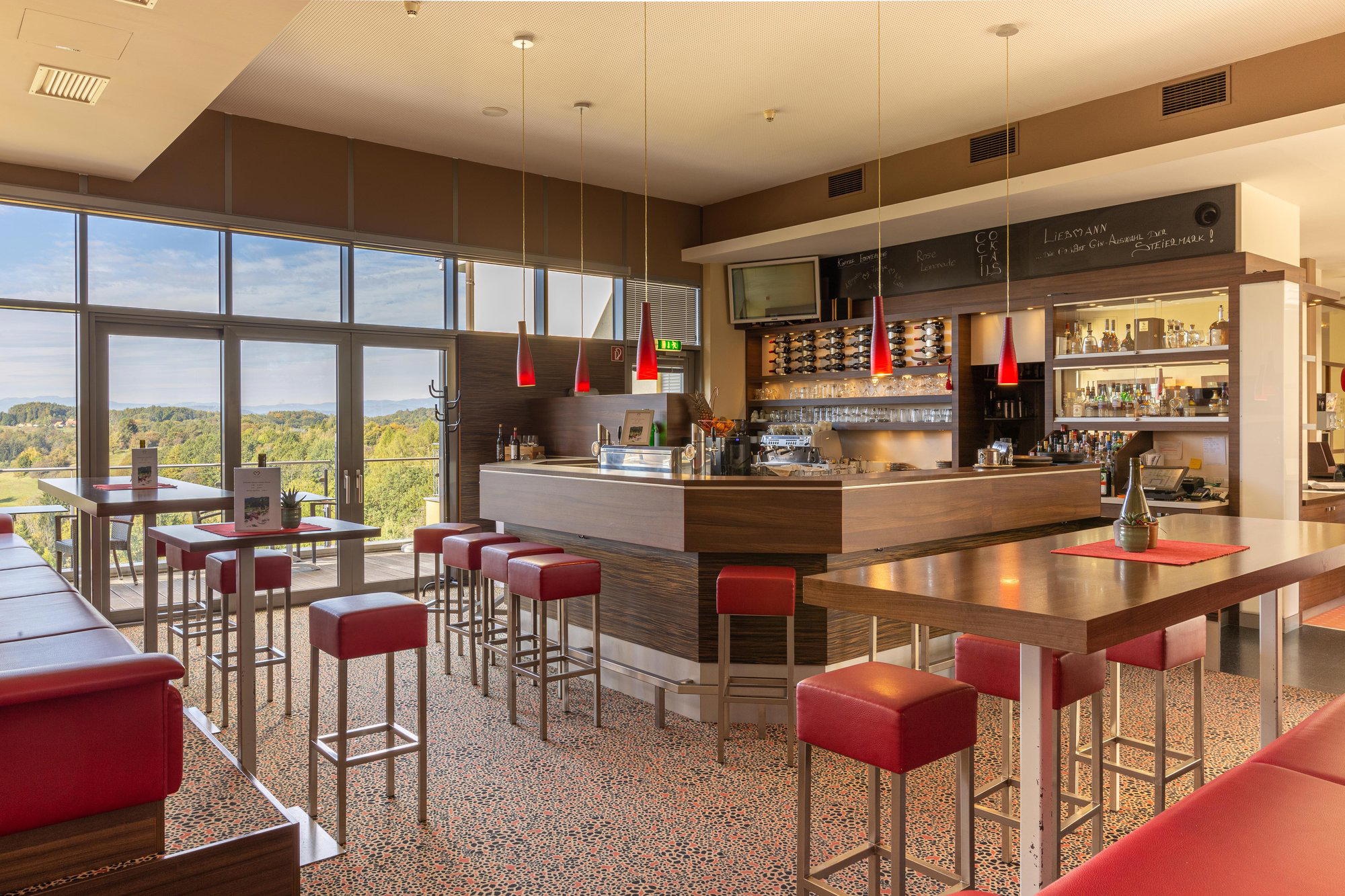
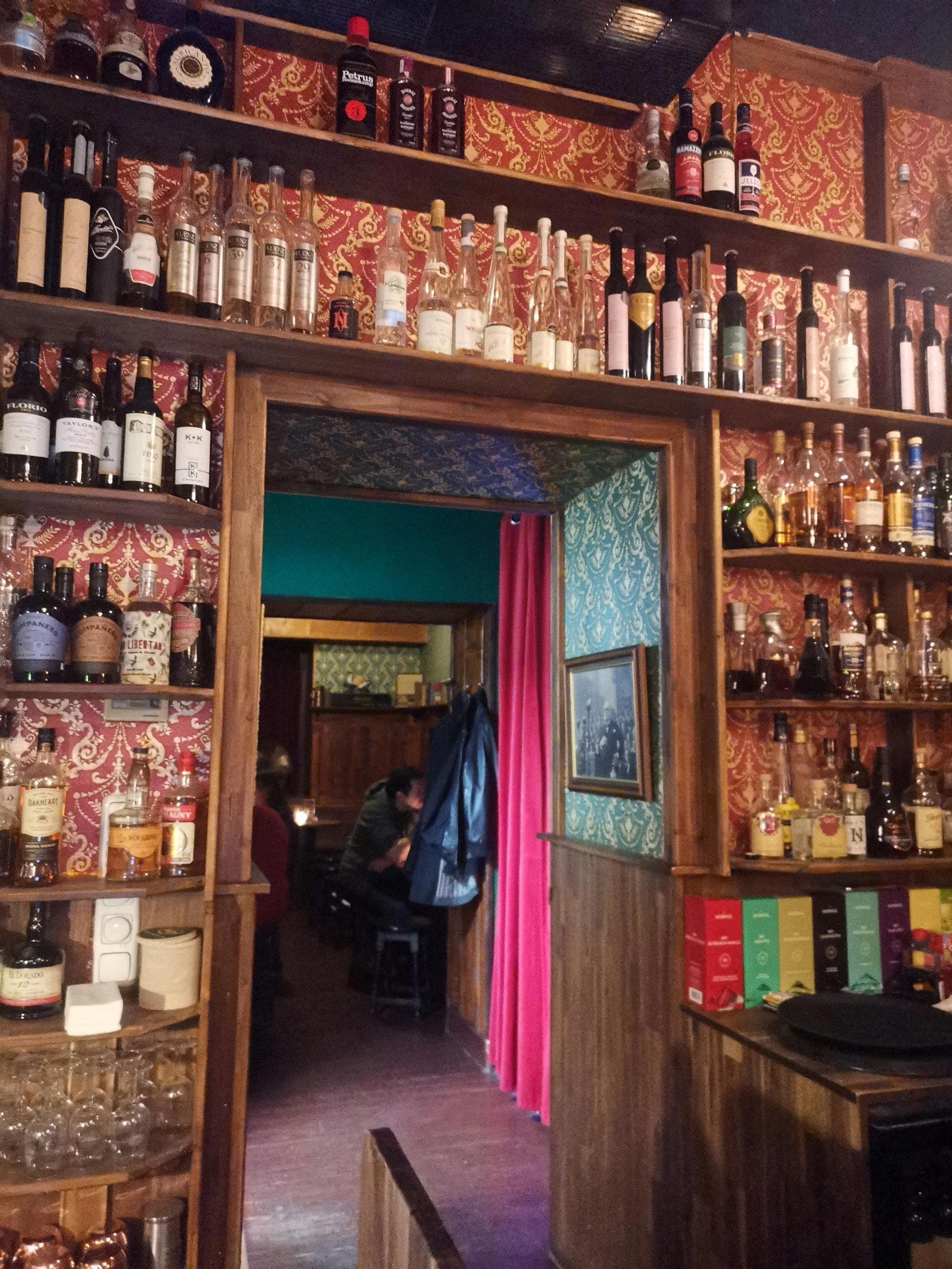
Hotels in Weiz
Browse all →
At a Glance
- Cozy
- Rustic
- Lively
- Casual Hangout
- After Work
- Hotel Restaurant
- Local Sourcing
Current opening hours
- Monday
- Closed
- Tuesday
- 5 PM–1 AM
- Wednesday
- 5 PM–1 AM
- Thursday
- 5 PM–1 AM
- Friday
- 5 PM–1 AM
- Saturday
- Closed
- Sunday
- Closed
Hours can change for holidays and private events. Last verified .
Herzlich and cozy blend of pub and trattoria with a great atmosphere.