Google: 4.5 · 372 reviews
The Back Room
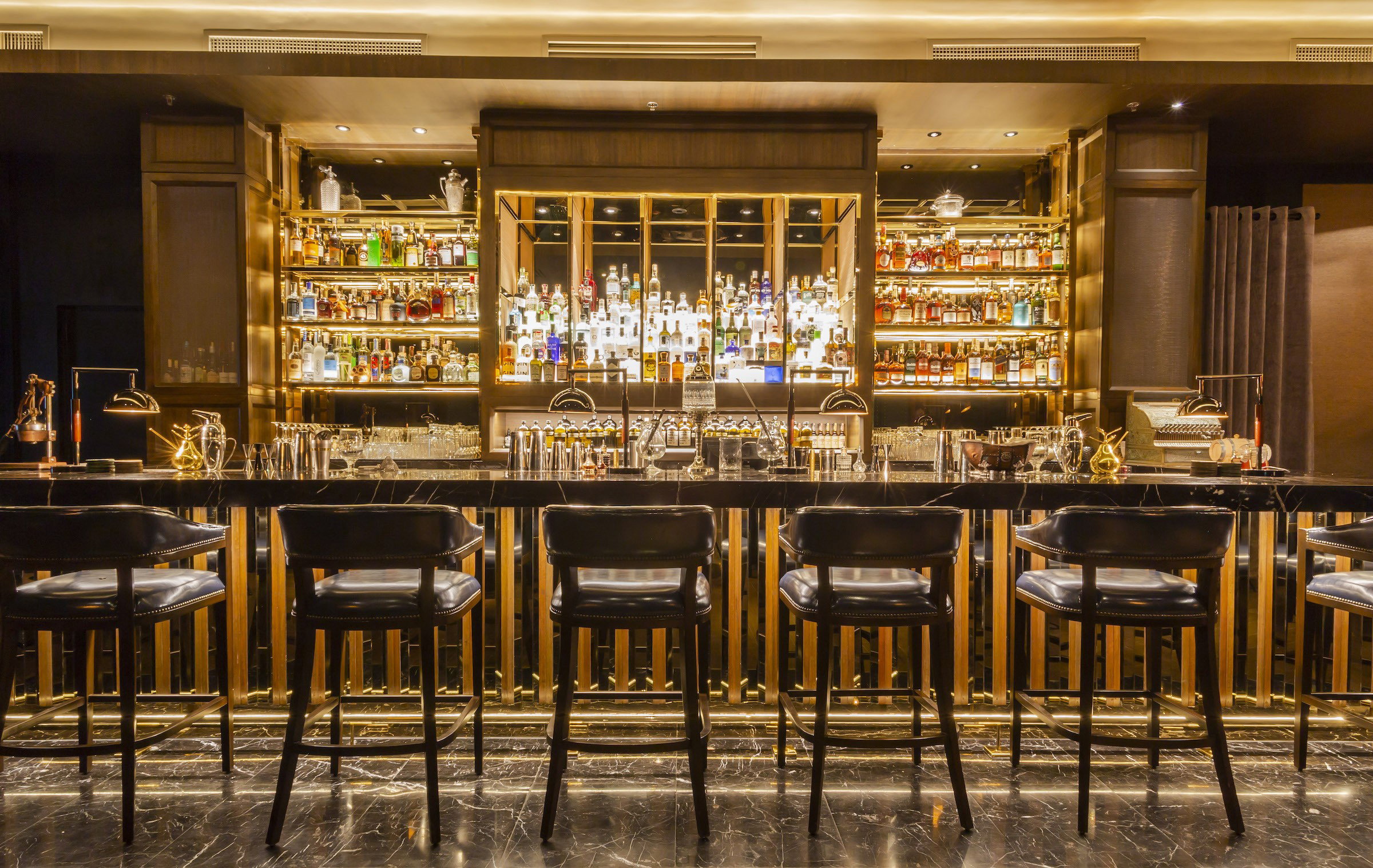
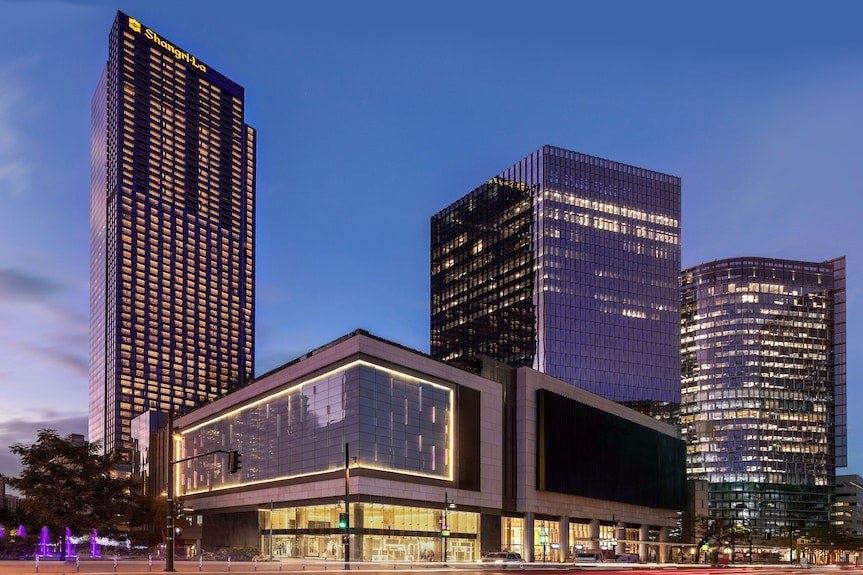
The Back Room occupies a bar space within The Fort in Taguig, positioning itself inside Metro Manila's upper tier of hotel bar programming. For travellers moving between Makati's commercial core and BGC's newer dining strip, it represents a reliable anchor in a city where the gap between hotel bar and serious cocktail venue has narrowed considerably over the past several years.
 Discover on Pearl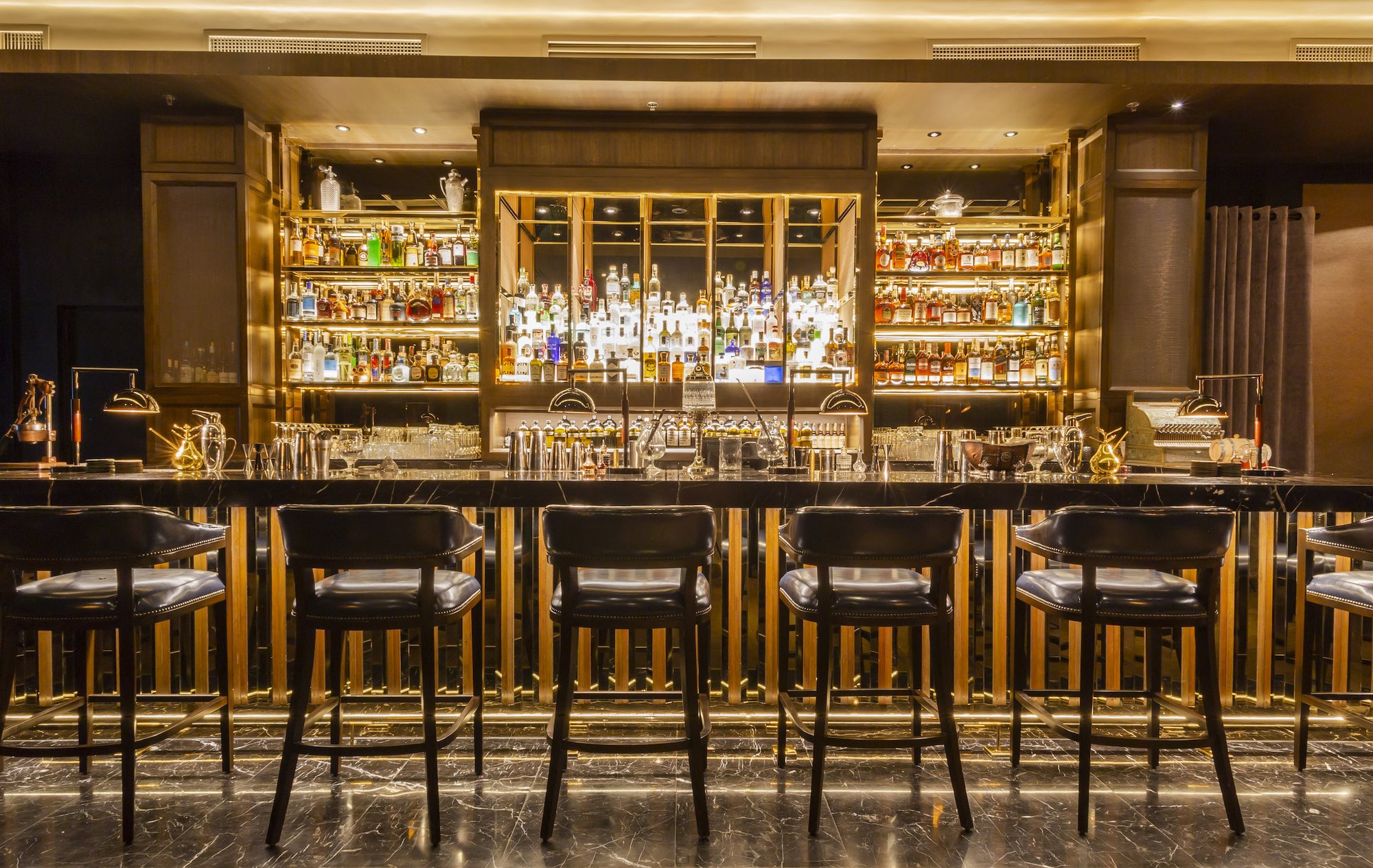
Where Hotel Bars Stop Being an Afterthought
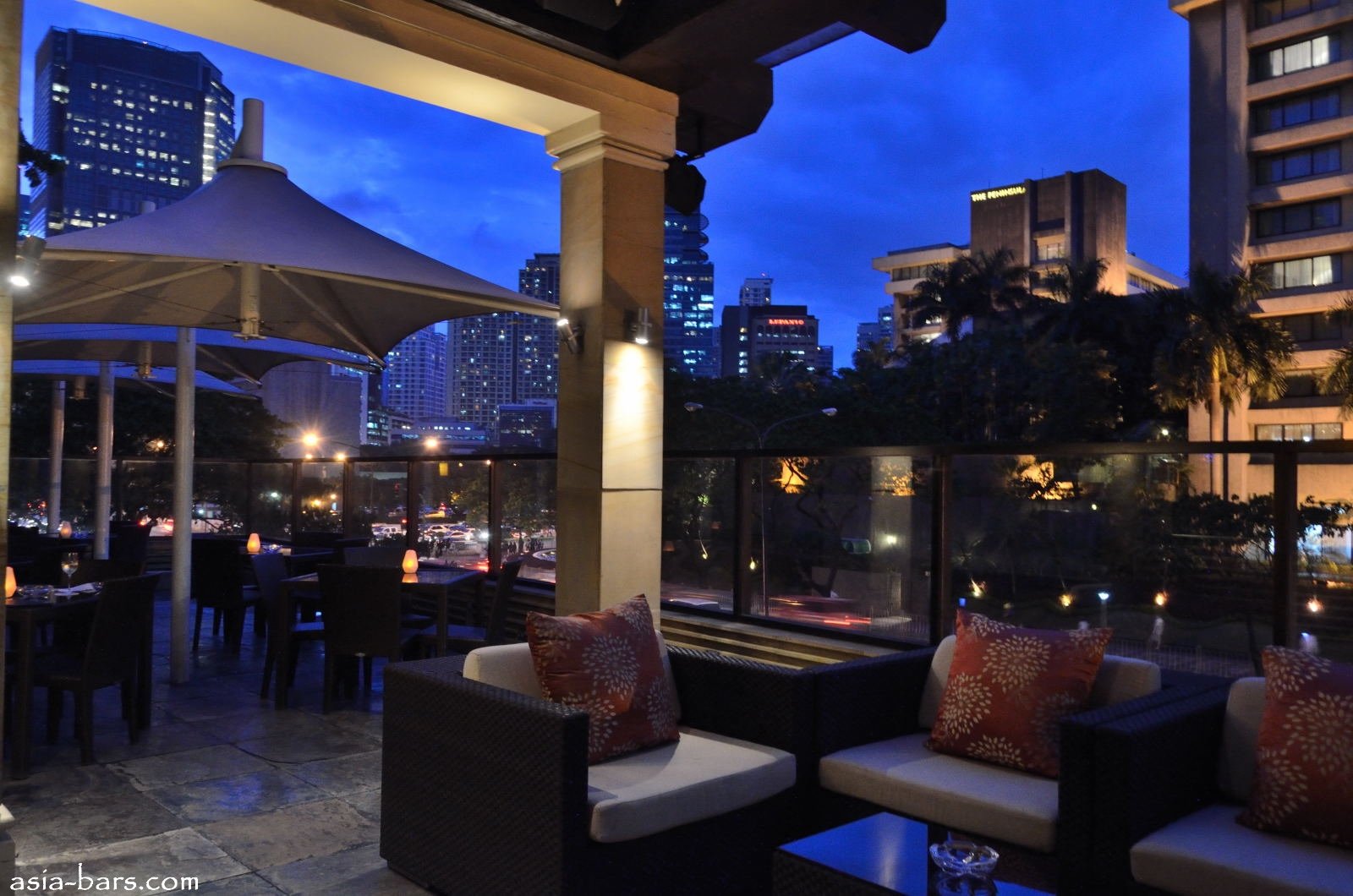
The Fort strip in Taguig sits at the junction of two cities — Makati's long-established financial and dining gravity, and BGC's newer, more design-conscious development. Hotels along this corridor have responded to that dual pull by upgrading their bar programming considerably. The Back Room, operating within The Fort, belongs to that shift: a bar space that positions itself less as a convenience for hotel guests and more as a destination with its own reason to exist. Whether that ambition fully lands depends on what the city around it has become.
Metro Manila's cocktail scene has matured in ways that weren't predictable a decade ago. Venues like Oto in Manila and Raion in San Juan have demonstrated that Filipino bartenders can operate at a technical level that competes with regional peers in Singapore, Tokyo, and Hong Kong. Against that backdrop, hotel bars face a sharper test than they once did. The question is no longer whether the cocktail list is adequate — it's whether the bar has a point of view.
The Sourcing Argument in Philippine Bar Culture
One of the more interesting developments in Metro Manila's bar scene over recent years has been the gradual turn toward local ingredient sourcing , a move that reflects both practical economics and a genuine rethinking of what Filipino hospitality can express. Bartenders across the city have started drawing on calamansi, pandan, ube, dalandan, and locally-produced spirits in ways that go beyond novelty garnish work. This is a regional pattern visible from Bangkok to Jakarta, but the Philippines has particular advantages: an extraordinary range of tropical botanicals, sugarcane traditions that predate commercial rum production, and a wine and spirits import culture sophisticated enough to push bartenders to differentiate on local ground.
A hotel bar with ambition in this environment almost certainly engages with that sourcing conversation, if only because the alternative , a menu of international classics with generic modifiers , sits badly in a market where independents like Fat Cat and ITO in Makati are working with considerably more editorial specificity. What The Back Room's particular take on local ingredients looks like in practice is something a visit resolves faster than a description.
The Context
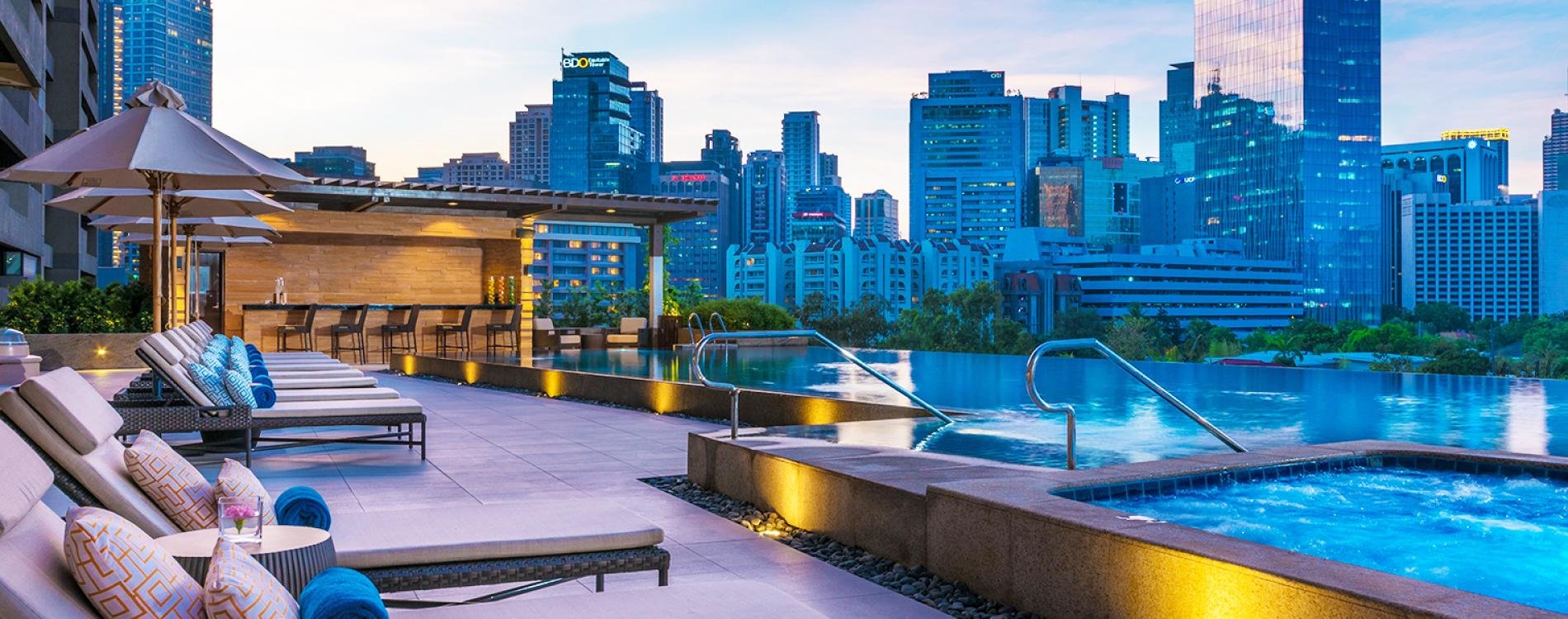
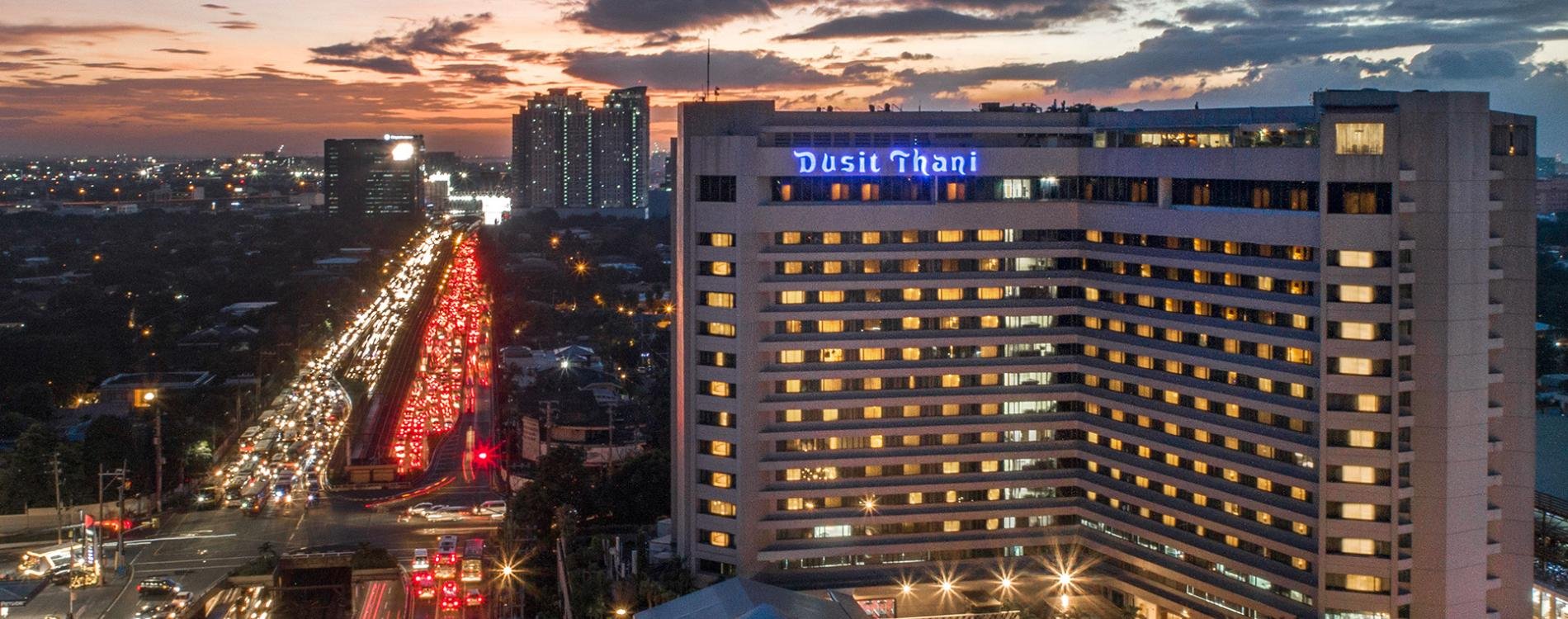
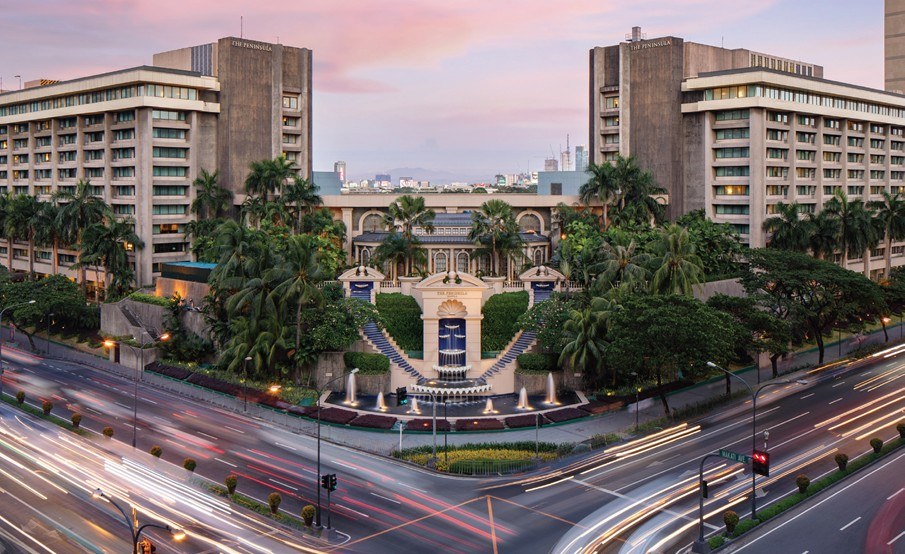
properties have historically threaded a careful line between international luxury consistency and local relevance. The Fort flagship in Taguig represents one of the group's more recent Philippine investments, built to serve a corridor that attracts both corporate travel and the city's upper-income residential base. That dual audience shapes bar programming in ways that matter: the space needs to work as a business meeting venue, a post-dinner destination for BGC residents, and a credible option for internationally-travelled guests who will benchmark it instinctively against comparable hotel bars in other Asian cities.
Bars in that position tend to resolve the tension in one of two ways. Some prioritise consistency and breadth, building a list long enough to satisfy every occasion but deep enough in nothing. Others carve a tighter identity, accepting that a portion of the guest base will order a gin and tonic regardless of what the menu does. The better hotel bars in the region , including, at different price points and scales, Bar Leather Apron in Honolulu and Kumiko in Chicago , have found that the second approach builds more durable reputations, even if it narrows the immediate audience.
Makati, BGC, and the Geography of the Night Out
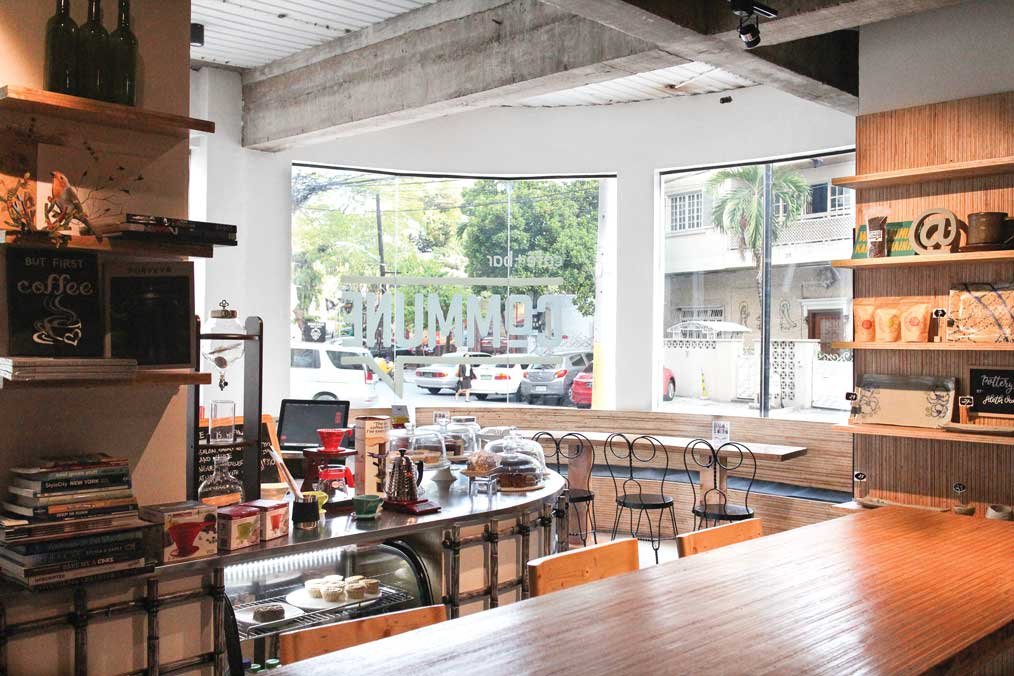
The address matters more than it might seem. The Fort sits in Taguig rather than Makati proper, which places it in BGC's orbit even if the postal branding can blur that. For travellers choosing between the two zones, BGC offers a more walkable, purpose-built dining strip; Makati's Legazpi and Poblacion neighbourhoods offer older, denser hospitality character, with bars like Bombvinos Bodega and Commune Café + Bar + Roastery embedded in a neighbourhood that has layers the Fort strip is still accumulating.
That distinction is worth holding onto when planning an evening. The Back Room suits a night that starts or ends at the hotel , it is less obviously a destination to cross a significant distance for than a venue embedded in a neighbourhood with street-level character. For a broader map of where to drink and eat across the city, our full Makati restaurants guide provides context by neighbourhood and category. If the evening extends south, Southbank Cafe + Lounge in Muntinlupa City represents a different register of the same hotel-adjacent bar category.
Thinking About the Occasion
Hotel bars tend to perform leading when the occasion suits them rather than fights them. A cocktail before dinner in the hotel restaurant, a drink after a late arrival, a client meeting that needs neutral, comfortable ground , these are the situations in which the format's advantages (space, service training, reliable air conditioning in a tropical city) matter more than the disadvantages (higher price per drink, less neighbourhood character). The bars in Makati and Manila that have built strong independent followings , venues that appear on Asia's 50 Best radar, that generate word of mouth among local bartenders , have typically done so by leaning into specificity rather than comfort. The comparison set for serious cocktail ambition now runs through Jewel of the South in New Orleans and Julep in Houston as much as it runs through regional Asian peers.
The Back Room sits in a different part of that spectrum , one defined more by the standard of hospitality than by independent cocktail ambition. That is not a criticism so much as a positioning observation. What the bar does with that position, given the quality of the scene it operates within, is the more interesting question.
Planning a Visit
The bar is located within The Fort at 30th Street in Taguig, accessible from both BGC's central grid and from Makati via a short drive through the C5 corridor. Hotel bars at this level generally operate into the late evening and accept walk-in guests outside of peak Friday and Saturday hours, though confirmation of specific hours and reservation requirements through the hotel directly is advisable before making a special trip. Pricing will sit at the upper end of Metro Manila's bar range, consistent with the tier.
Peer Set Snapshot
Comparable venues for orientation, based on our database fields.
| Venue | Cuisine | Price | Awards | Notes |
|---|---|---|---|---|
| The Back Room | This venue | |||
| Fat Cat | ||||
| ITO | ||||
| Commune Café + Bar + Roastery | ||||
| Bombvinos Bodega | ||||
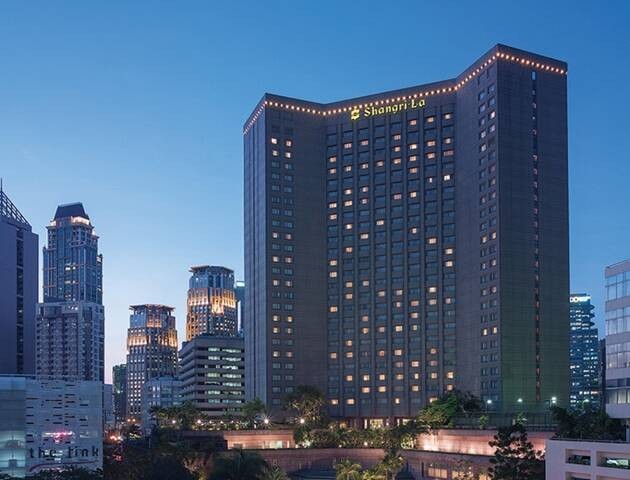
| Makati Shangri-La |
At a Glance
- Intimate
- Cozy
- Sophisticated
- Hidden Gem
- Classic
- Date Night
- After Work
- Special Occasion
- Speakeasy
- Design Destination
- Seated Bar
- Lounge Seating
- Craft Cocktails
- Gin
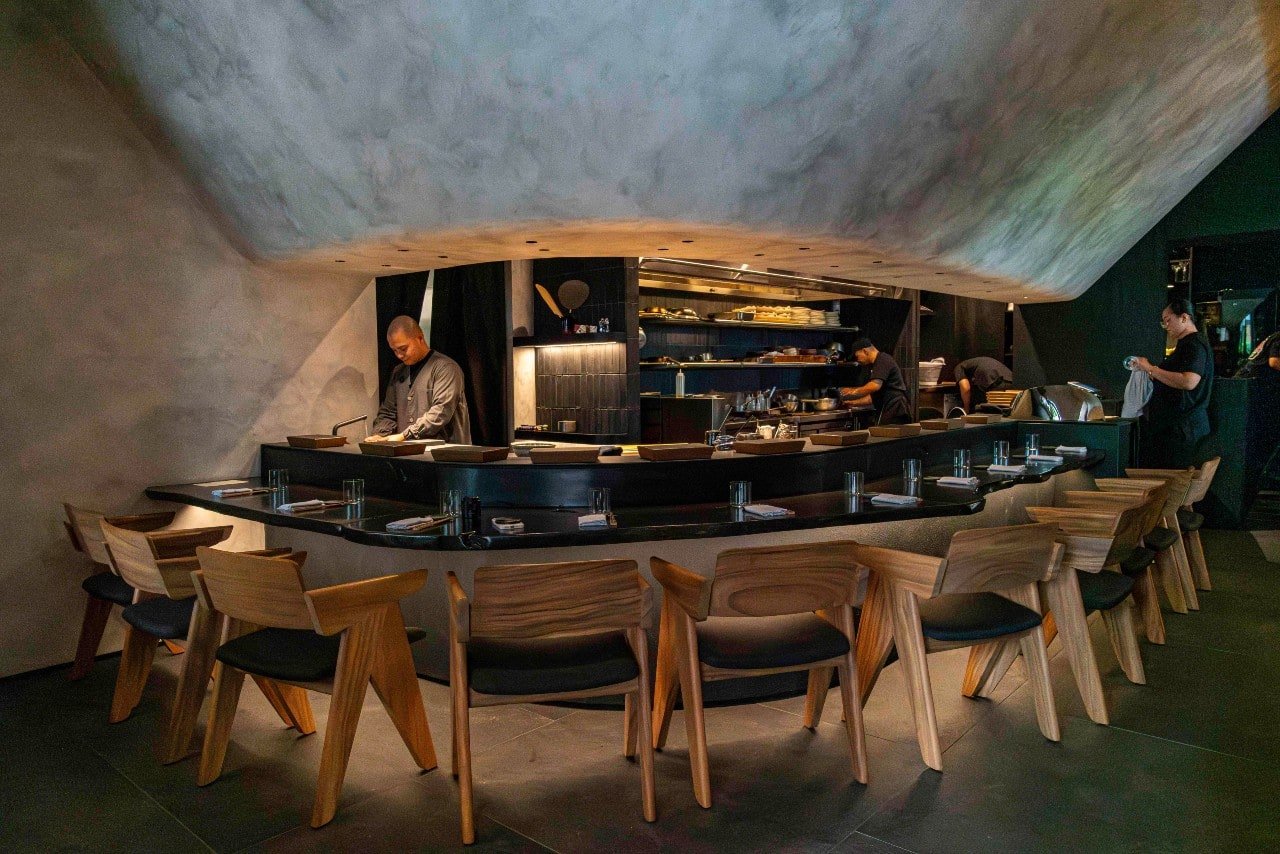
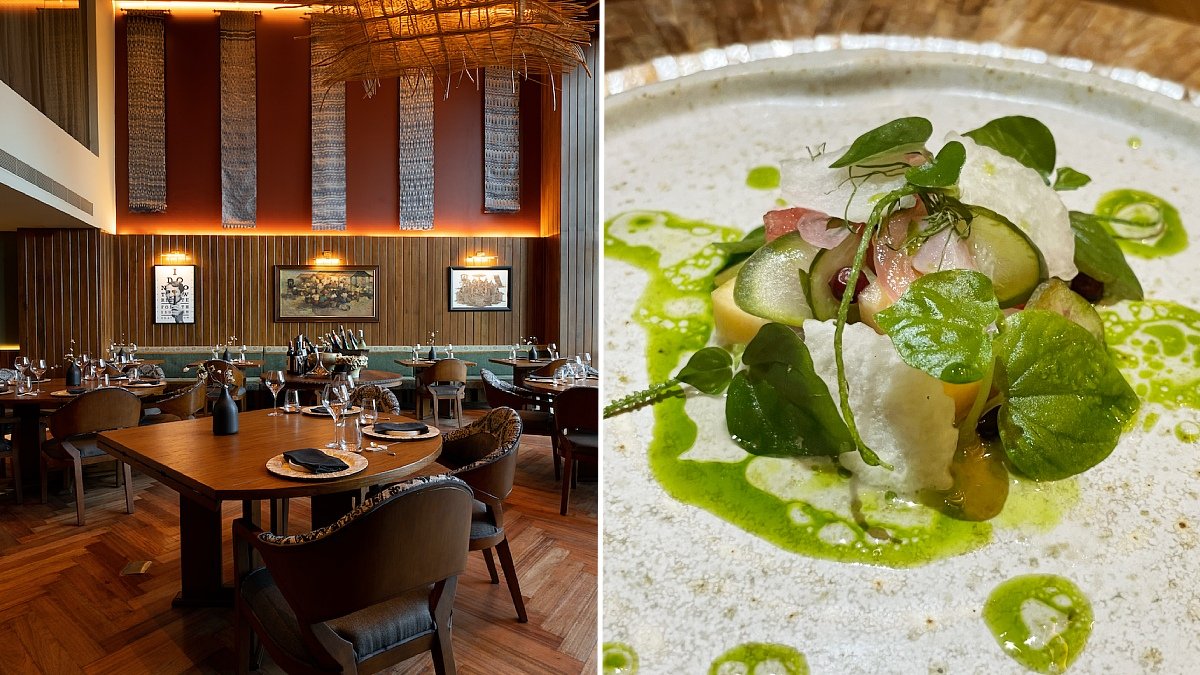
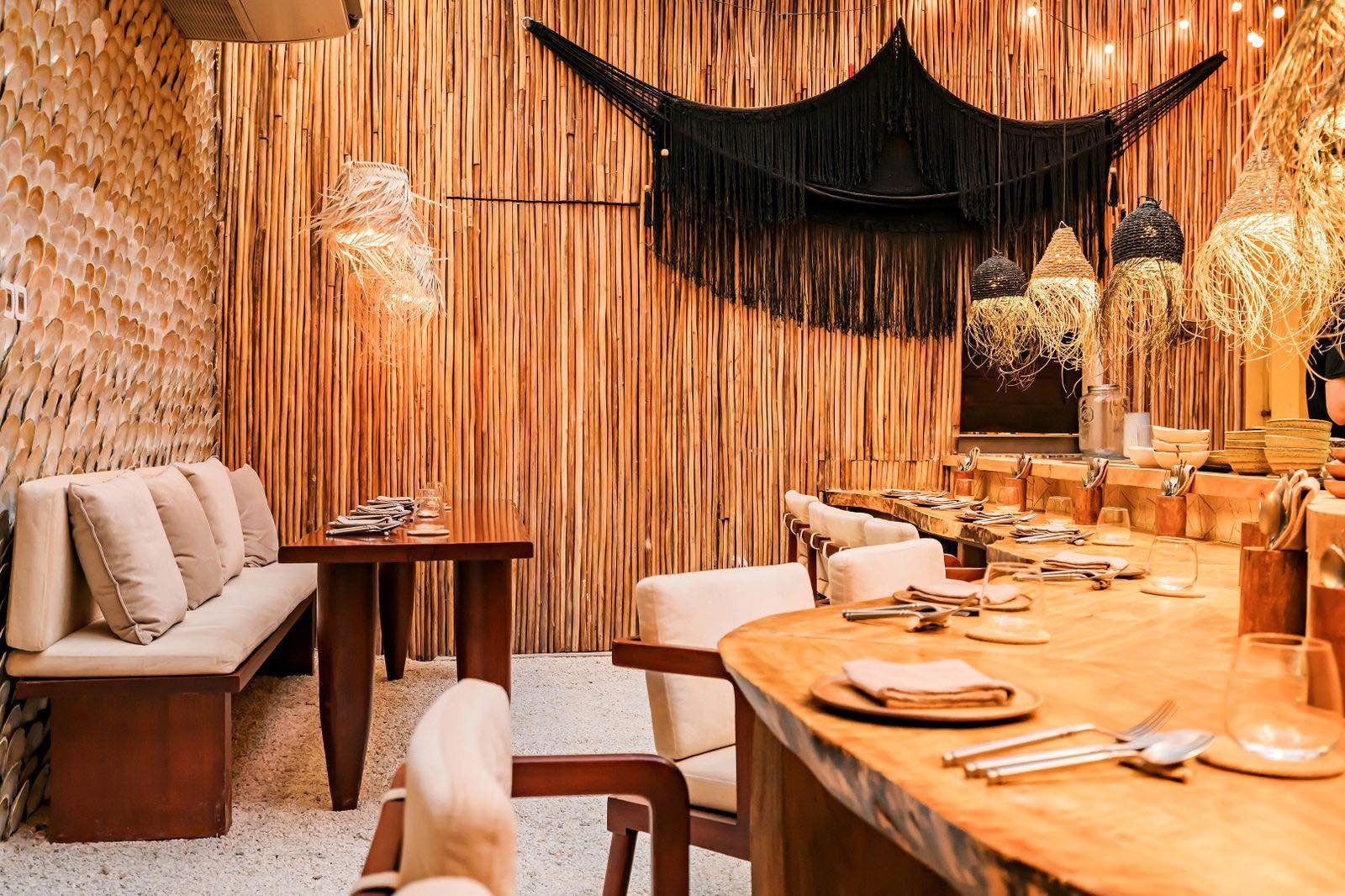
Dimly lit 1920s prohibition vibe with leather, marble, plush seating, and nostalgic elegance.