Beirut serves authentic Lebanese food at Buttermarkt 3 in Cologne, with conversational, casual service and street-scene views for lunch, dinner, or late-night plans.
Pearl is the En Primeur Club membership app — saves, bookings, and concierge access live there. Same editors, same standards.
- Address
- Buttermarkt 3, 50667 Köln, Germany
- Phone
- +492212581539
- Website
- speisekartenweb.de
- Directions
- Get directions
 Saves & bookings on Pearl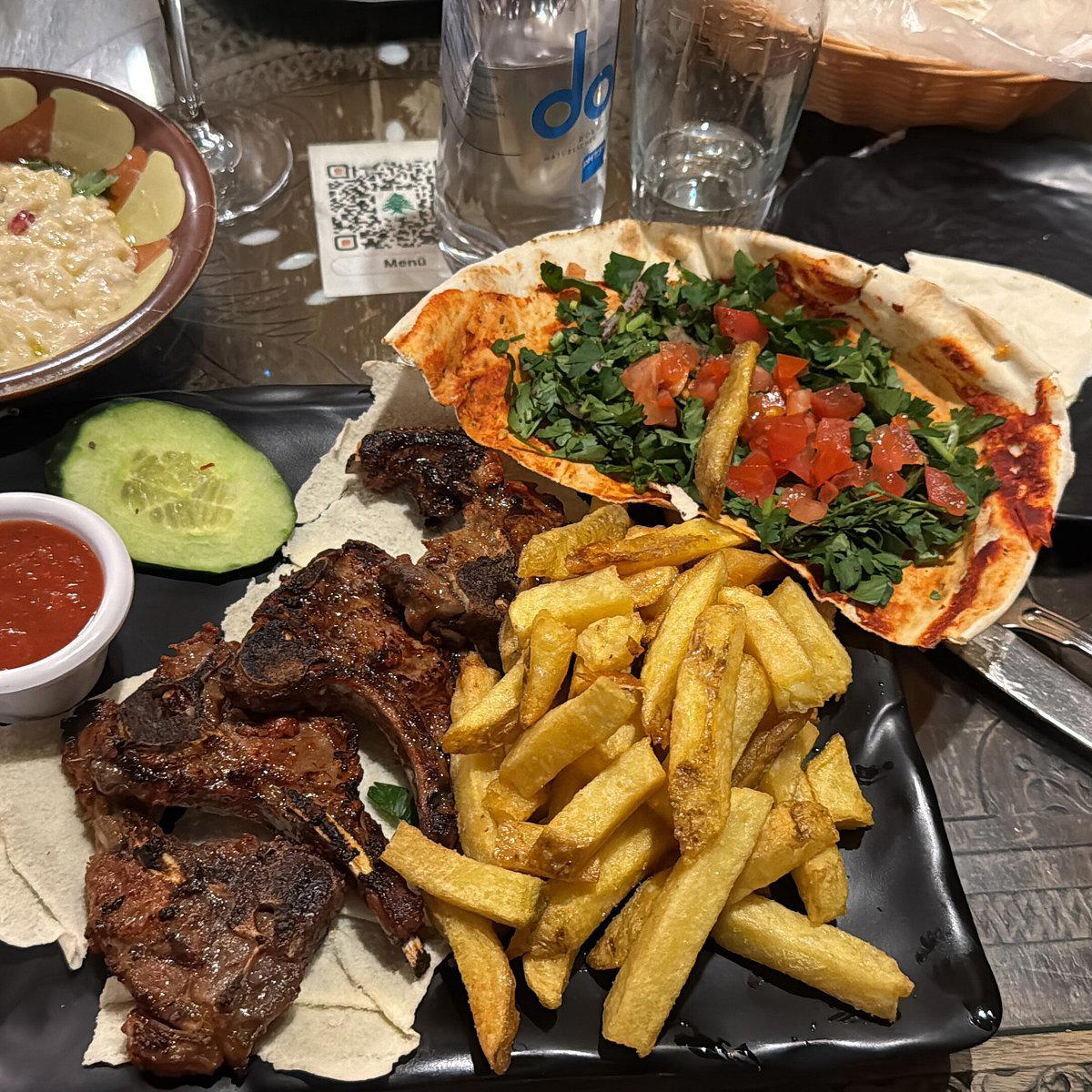
Lebanese Cooking in the Old Town
Buttermarkt 3 sits a short walk from the Rhine waterfront in Cologne's Altstadt, where the density of bars and tourist-facing restaurants is high and the signal-to-noise ratio is harder to read than in, say, the Belgian Quarter. Beirut is a Lebanese restaurant at Buttermarkt 3 in Cologne's Altstadt.
Lebanese cuisine doesn't often receive the course-by-course framing that European tasting menus do, but its structure rewards that kind of sequential reading. A well-ordered Lebanese meal moves through cold mezze, warm mezze, and then grilled or braised mains in a progression that is neither arbitrary nor hurried. The logic is about temperature, texture, and weight, and when a kitchen respects that order, the meal builds incrementally in the same way a formal tasting menu does. That sequencing logic is one useful lens through which to consider what Beirut offers within Cologne's dining map.
How the Meal Unfolds
The cold mezze stage is where Lebanese kitchens usually announce their ambitions most clearly. Hummus consistency, the acid balance in fattoush, the ratio of parsley to bulghur in tabbouleh: these are preparations with almost no margin for approximation, and they function as the structural foundation of everything that follows. A kitchen that is precise here tends to be precise throughout; a kitchen that is loose here will rarely recover as the courses advance.
Warm mezze represent the meal's middle register, where lamb-based kibbeh, fatayer pastries, and sambousek typically appear. This is where temperature management becomes the telling variable. These dishes need to arrive hot, assembled to order rather than held, and the gap between a kitchen that treats this stage seriously and one that treats it as a formality shows immediately in the eating. The warm stage also tends to be where regional distinctions within Lebanese cooking become visible, whether a kitchen is pulling from coastal, mountain, or Beirut city traditions.
The main course register in a Lebanese context often means grilled meats, slow-cooked lamb, or fish preparations depending on the kitchen's orientation. What distinguishes a meal here from a purely mezze-led experience is whether the mains feel like a genuine continuation of the earlier courses or a separate event grafted on. When the sequencing works, there is a cumulative quality to the eating that mirrors what you find in the better European multi-course formats.
Where Beirut Sits in Cologne's Restaurant Scene
Cologne's fine dining tier is concentrated in a different part of the city's conversation. Ox & Klee and La Société occupy the modern European bracket at the higher end of the price spectrum, while La Cuisine Rademacher and Le Moissonnier Bistro cover the French tradition. maiBeck sits in the modern cuisine tier with regional sourcing as its editorial frame. None of these are direct competitors to a Lebanese kitchen; they belong to a different cuisine category entirely. Beirut's comparable set is the smaller cohort of Middle Eastern and Levantine addresses in the city, where the comparison points are authenticity of preparation and fidelity to the culinary tradition rather than tasting menu architecture or wine programme depth.
Within Germany's broader fine dining conversation, the reference points move to multi-starred European kitchens: Schwarzwaldstube in Baiersbronn, Aqua in Wolfsburg, Vendôme in Bergisch Gladbach, and JAN in Munich represent a different tier and format entirely. At the experimental end, CODA Dessert Dining in Berlin is redefining the course structure conversation in German dining, while three-star addresses such as Victor's Fine Dining by christian bau in Perl, ES:SENZ in Grassau, Schanz in Piesport, and Waldhotel Sonnora in Dreis anchor Germany's leading table circuit. These are instructive as context for how seriously German diners engage with the full spectrum of cuisine types, but they operate in a different register from what a Lebanese kitchen in the Altstadt is doing.
For international reference points on what technical precision in a more casual ethnic-cuisine format can look like at its ceiling, Le Bernardin in New York City and the communal-format Lazy Bear in San Francisco are useful comparisons for the way a clear culinary identity, rigorously applied, creates a category of its own regardless of format. Restaurant Haerlin in Hamburg offers another angle on how northern German cities handle premium dining in historic settings. None of these are direct analogues, but they illustrate the range of how cuisine specificity and format interact across different market contexts.
Planning a Visit
Buttermarkt 3 is within walking distance of Cologne's main railway station and the Cathedral, placing it in one of the city's most accessible zones. Reservations are recommended. The restaurant is open daily from 12 to 11 PM, and reservations are recommended.
The Minimal Set
Comparable venues nearby, for context on price, style, and recognition.
| Venue | Cuisine | Price | Notes |
|---|---|---|---|
| BeirutThis venue — the venue you are viewing | Not listed | $$ | Not listed |
| Al Salam | Not listed | $$ | Neustadt/Süd, Lebanese & Palestinian Mezze |
| Bethlehem | Neuehrenfeld, Lebanese & Middle Eastern | $$ | Not listed |
| Vegan Revolution | Ehrenfeld, Middle Eastern Vegan | $$ | Not listed |
| Mr. Richie | Not listed | $ | Altstadt/Süd, Oriental Street Food - Grilled Chicken & Mezze |
| Habibi Köln | Not listed | $ | Neustadt/Süd, Lebanese Falafel & Shawarma |
Continue exploring
More in Cologne
Restaurants in Cologne
Browse all →
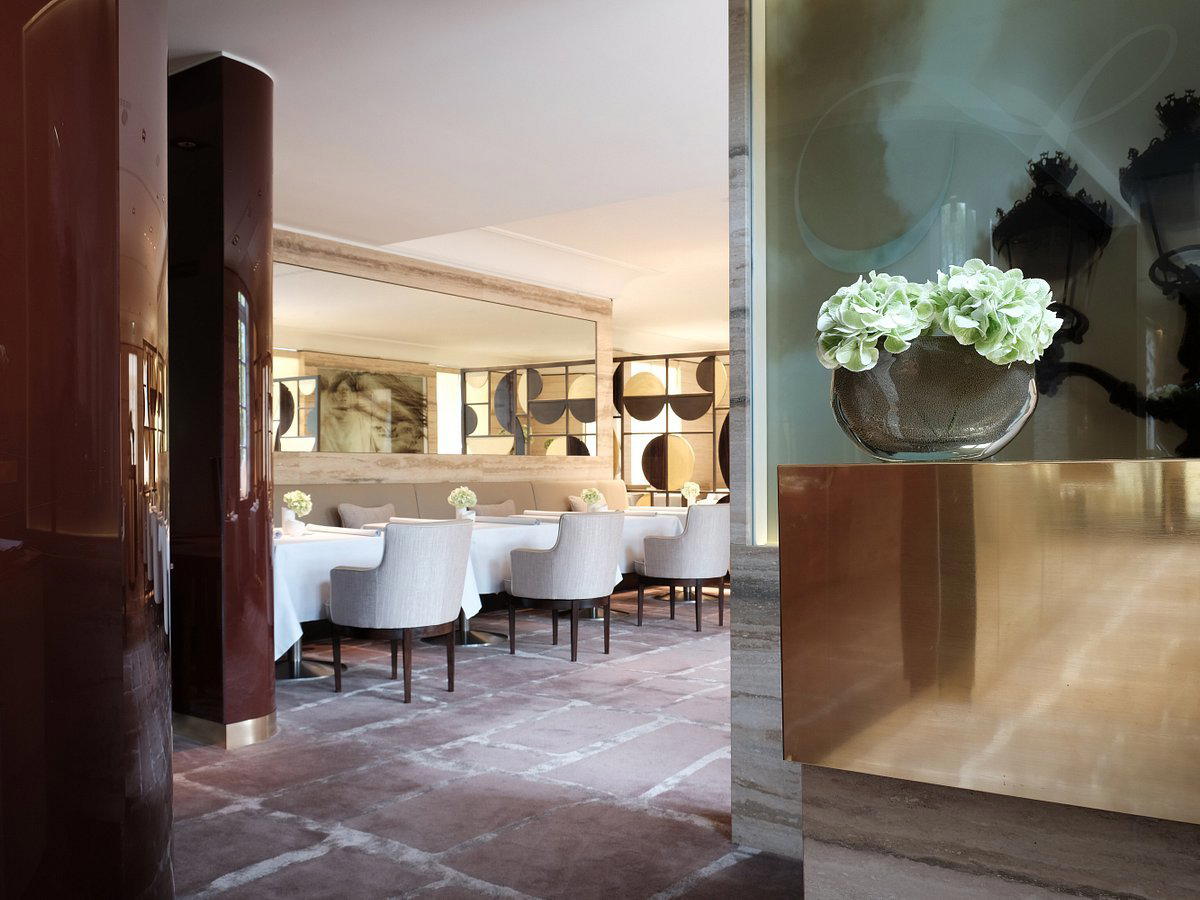
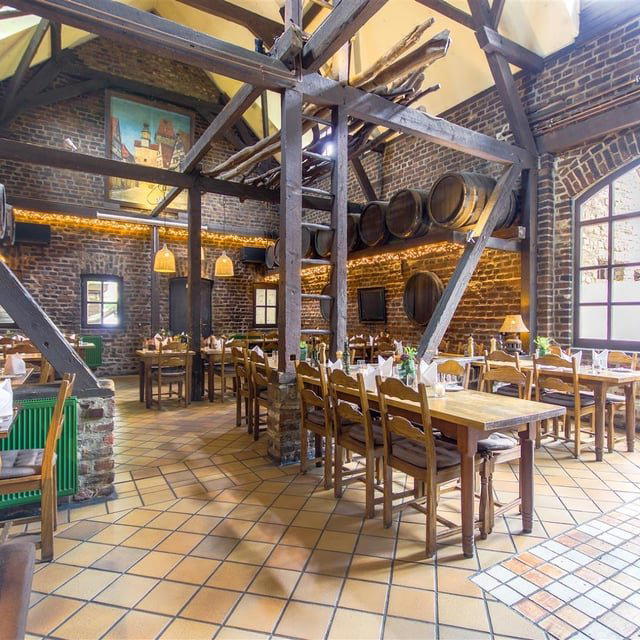
Bars in Cologne
Browse all →
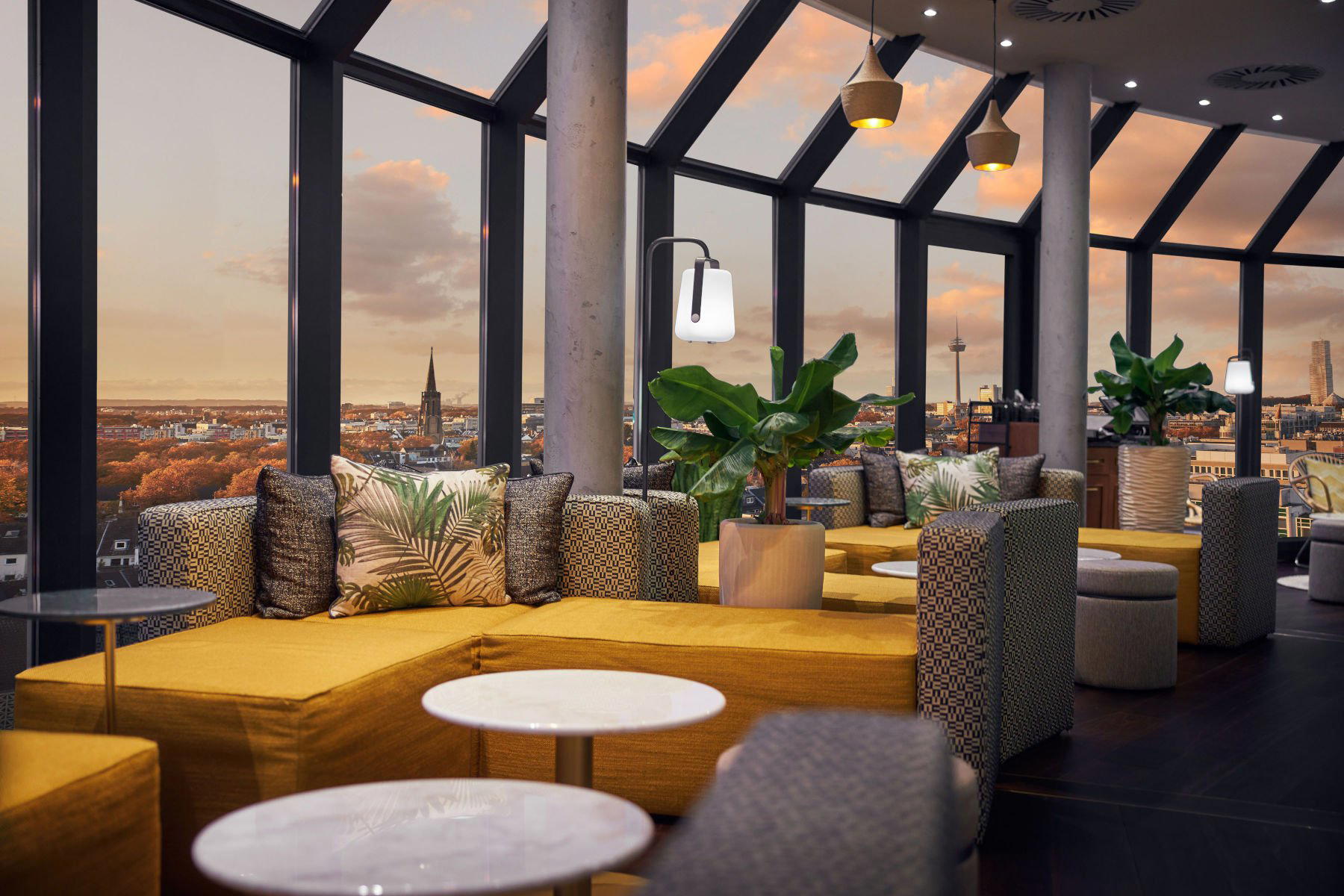
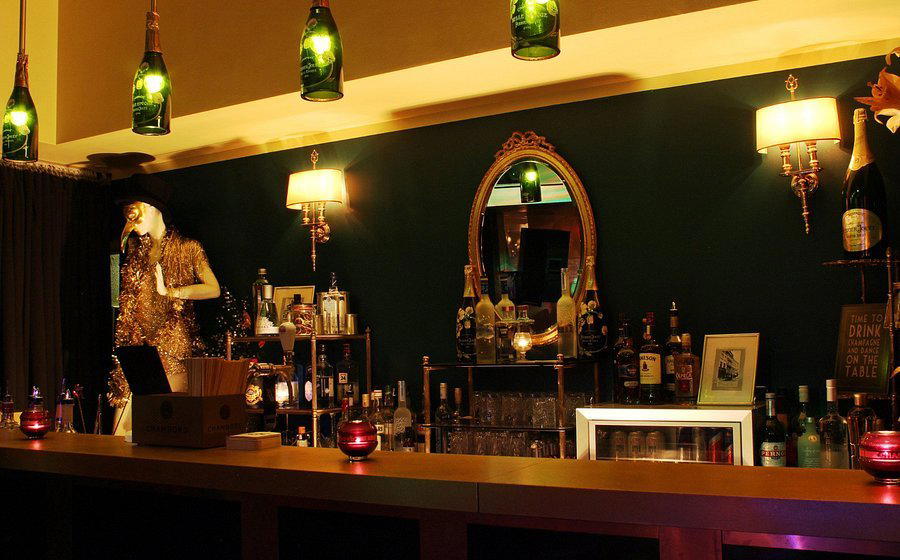
Hotels in Cologne
Browse all →

At a Glance
- Rustic
- Cozy
- Casual Hangout
- Late Night
- Street Scene
Current opening hours
- Monday
- 12–11 PM
- Tuesday
- 12–11 PM
- Wednesday
- 12–11 PM
- Thursday
- 12–11 PM
- Friday
- 12–11 PM
- Saturday
- 12–11 PM
- Sunday
- 12–11 PM
Hours can change for holidays and private events. Last verified .
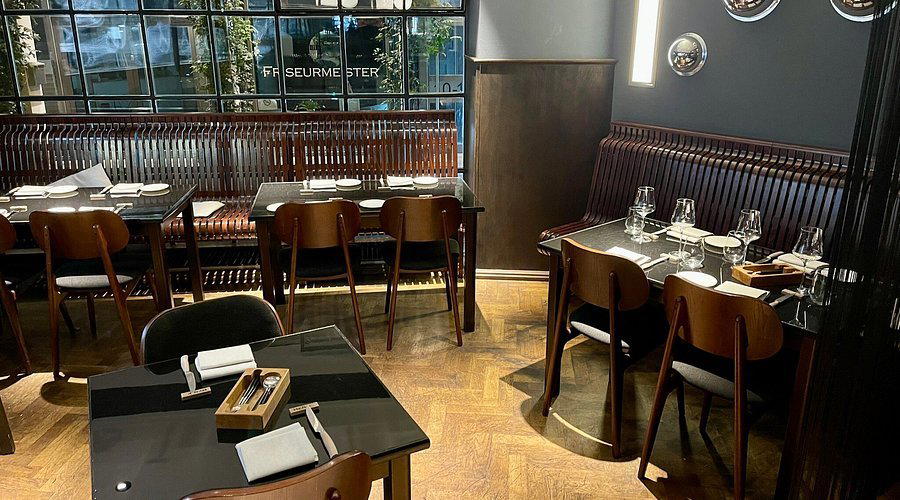
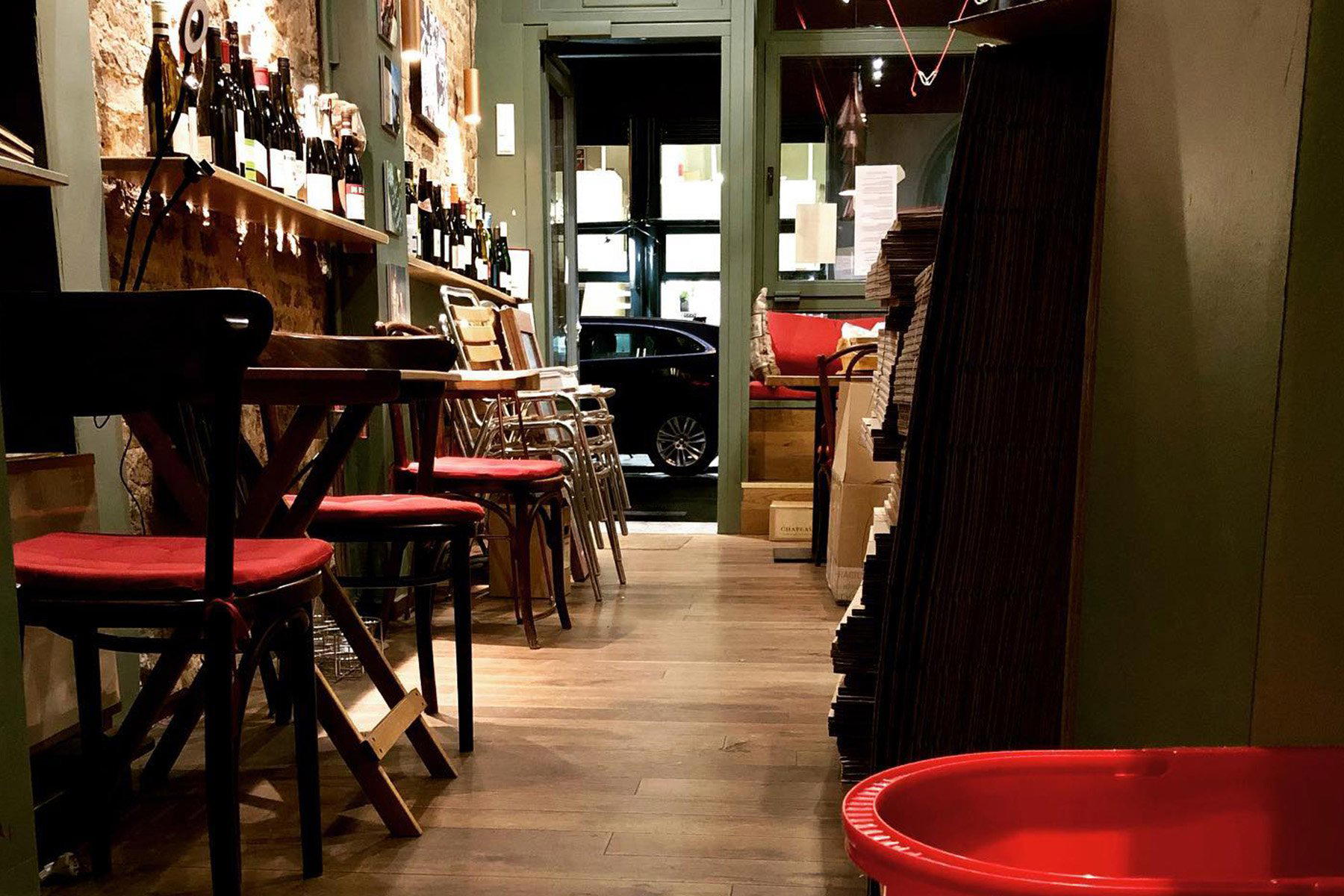
Rustic oriental ambiance with a warm, cozy atmosphere suitable for casual dining.