Verlan
On Prinsengracht, Verlan sits inside Amsterdam's canal-house dining scene, where the city's appetite for considered, collaborative restaurants continues to sharpen. The address places it in the western canal ring, within reach of the Jordaan's neighbourhood restaurants and the heavier-investment dining of the Museum Quarter. A venue worth tracking for those following how Amsterdam's mid-to-upper tier is evolving.
Pearl is the En Primeur Club membership app — saves, bookings, and concierge access live there. Same editors, same standards.
- Address
- Prinsengracht 381HS, 1016 HL Amsterdam, Netherlands
- Phone
- +31203446407
- Website
- cafeverlan.com
- Directions
- Get directions
 Saves & bookings on Pearl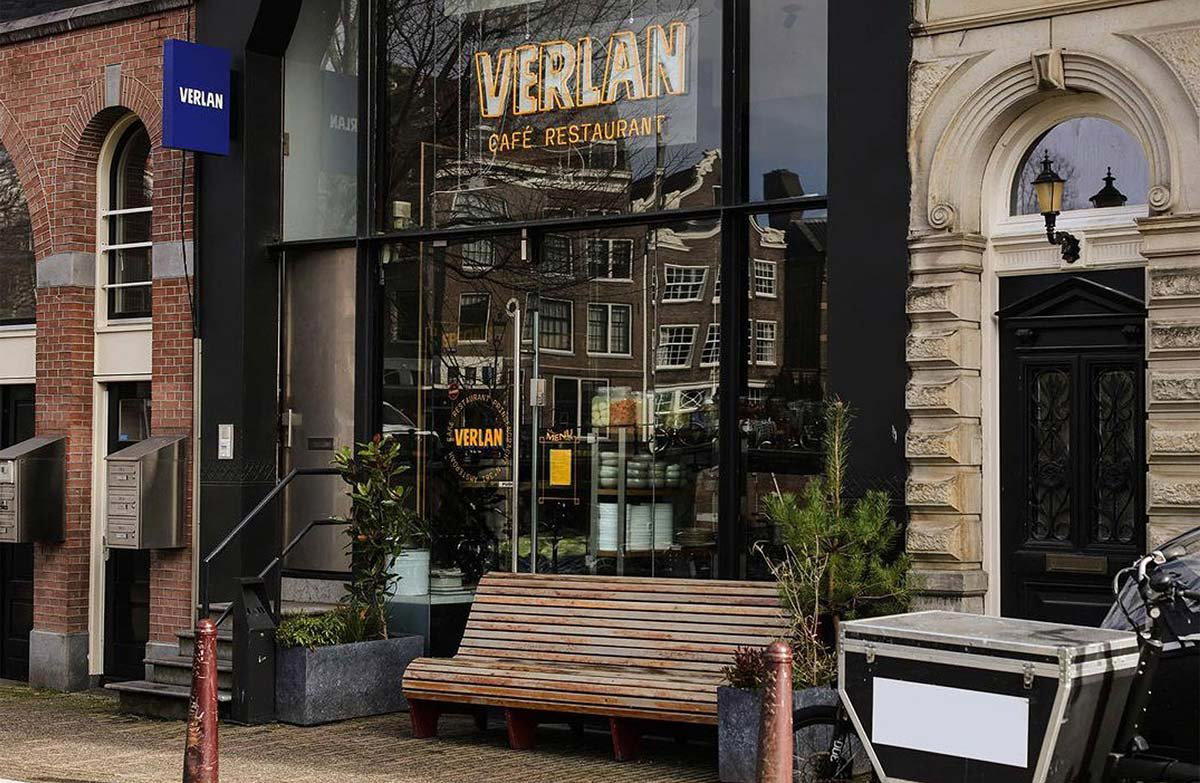
Canal-Ring Dining and the Case for Collaboration
Prinsengracht moves at a different pace from Amsterdam's tourist corridors. The canal-facing stretch around number 381 belongs to a part of the western ring where the ground-floor addresses tend toward residents' restaurants rather than destination set-pieces: places where the service proposition and kitchen coherence matter more than spectacle. Verlan is a Modern French Bistro in Amsterdam at Prinsengracht 381HS, 1016 HL.
Amsterdam's restaurant scene has split along a familiar axis over the past decade. At one end, the Michelin-weighted tier clusters around hotels and prestige addresses: Ciel Bleu, Spectrum, and Vinkeles operate at the €€€€ level and draw an international clientele. At the other end, the city's organic and farm-to-table contingent, places like De Kas, hold a different loyalty among locals who prize provenance over formality. Verlan sits somewhere in the middle of this axis, on a canal that has historically supported the kind of neighbourhood-anchored dining that neither category fully describes.
What the Address Implies About the Room
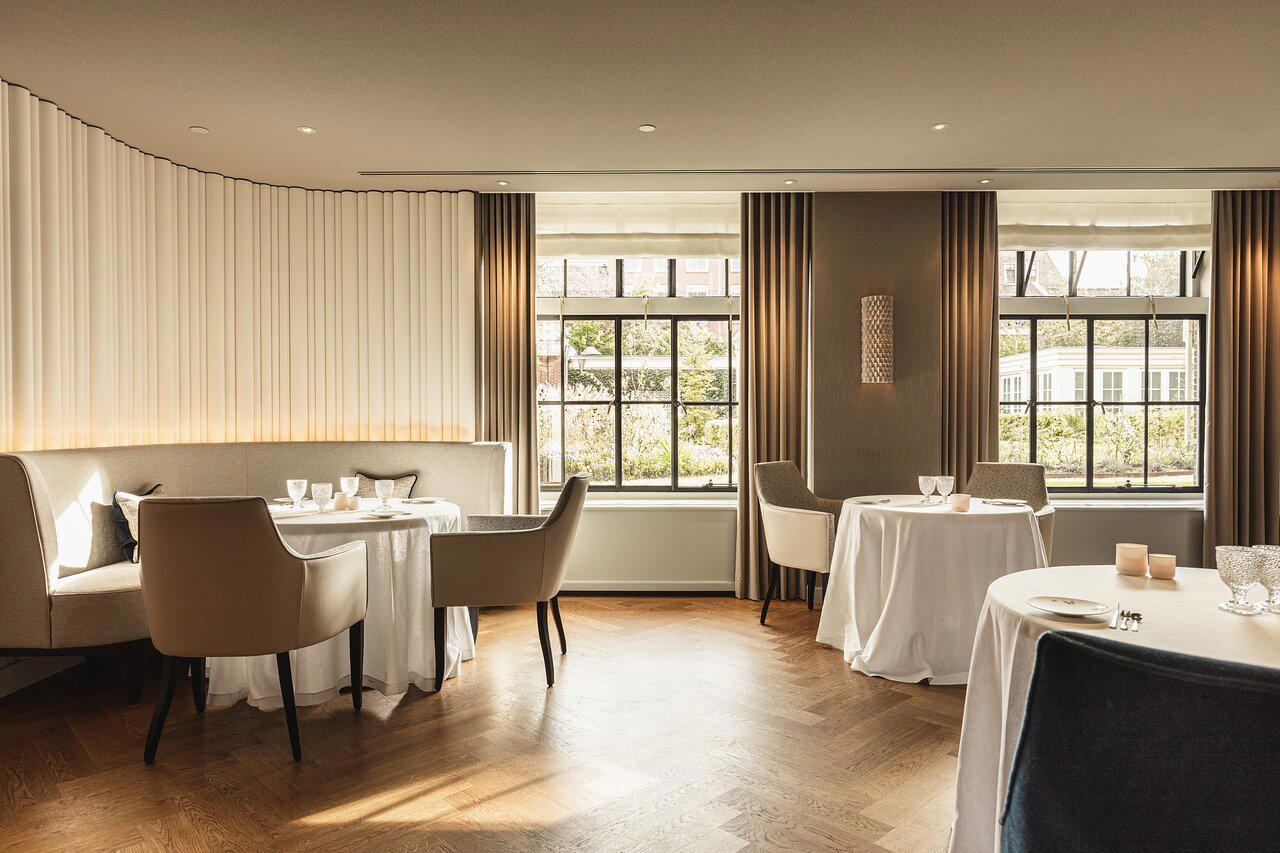
Canal-house ground floors impose certain conditions on a dining room: low ceilings, narrow frontage, the particular quality of afternoon light that comes through north-facing windows onto still water. These are not constraints that suit every format. They tend to select for intimate settings where the distance between kitchen and table is short, and where the atmosphere is built from small details rather than architectural gestures. The dining formats that work leading in these rooms are those where front-of-house is genuinely part of the experience, not a relay function between kitchen and guest.
That structural reality is what makes the team-dynamic model particularly coherent in canal-ring addresses. When the room is small and the sightlines are clear, the quality of interaction between kitchen, floor, and wine service becomes the primary differentiating factor. Restaurants operating in comparable formats elsewhere in the Netherlands, including Aan de Poel in Amstelveen and De Bokkedoorns in Overveen, demonstrate how tightly a room's physical character and its service model need to align to produce a coherent experience at this level.
The Collaborative Dining Model in Practice
Across the higher-performing tier of Dutch restaurants, particularly consistent distinguishing factor is not a single chef's signature but the quality of co-ordination between kitchen, sommelier, and front-of-house. This is observable at the country's most recognised addresses: De Librije in Zwolle has long operated as a collective endeavour rather than a solo vehicle. De Nieuwe Winkel in Nijmegen has built its identity around a kitchen-led agenda that requires front-of-house to translate a complex ingredient philosophy in real time. Even at smaller regional addresses like De Groene Lantaarn in Staphorst and De Lindehof in Nuenen, the staff-to-guest ratio and the depth of knowledge on the floor are what separate a considered meal from a merely competent one.
In Amsterdam specifically, the restaurants that have maintained consistent recognition share this quality. Flore operates a contemporary format where the wine program and the kitchen output are explicitly co-designed. At the €€€ level, Bistro de la Mer demonstrates that a tighter price point does not preclude a coherent floor-to-kitchen relationship. Verlan, positioned on a canal-ring address that selects for a particular kind of guest, sits within this broader pattern of Amsterdam restaurants where the collaboration between team members is the structural argument for the experience.
Dutch Fine Dining in International Context
The Netherlands has developed a fine-dining register that is increasingly legible internationally, partly because Dutch kitchens have absorbed influences from two directions simultaneously: the Nordic restraint-and-terroir model and the classical French brigade tradition. The result, visible across addresses from Brut172 in Reijmerstok to 't Nonnetje in Harderwijk, is a kitchen sensibility that emphasises local ingredient sourcing and technical precision without the ideological rigidity of either source tradition.
For international visitors comparing Dutch dining to reference points elsewhere, the gap between Amsterdam's upper tier and cities like New York has narrowed considerably. Operations like Le Bernardin and Atomix in New York define what sustained critical recognition looks like at the summit of the market; Amsterdam's Michelin-starred tier is operating with comparable ambition, if at a different scale. De Treeswijkhoeve in Waalre and De Lindenhof in Giethoorn extend that argument to the Dutch regions, where the density of recognised restaurants relative to population is high by European standards.
Planning a Visit
Verlan is at Prinsengracht 381HS, 1016 HL Amsterdam, in the western canal ring between the Jordaan and the Nine Streets district. The address is walkable from the major tram routes along Rozengracht and Elandsgracht, and the neighbourhood has enough adjacent dining and bar options to support a longer evening if the occasion calls for it. Reservations are recommended.
How It Stacks Up
Comparable venues nearby, for context on price, style, and recognition.
| Venue | Cuisine | Price | Notes |
|---|---|---|---|
| VerlanThis venue — the venue you are viewing | Modern French Bistro | $$$ | Not listed |
| L'Entrecôte et les Dames | Traditional French Bistro | $$$ | Museumplein |
| de Willem | Modern French-Asian Fusion | $$$ | Westergasfabriek |
| De Utrechtsedwarstafel | Seasonal French Fine Dining | $$$$ | Amstelveldbuurt |
| George W.P.A. | French-New York Brasserie | $$$ | Vondelpark Oost |
| Red | French Steakhouse with Lobster | $$$ | Spiegelbuurt |
Continue exploring
More in Amsterdam
Restaurants in Amsterdam
Browse all →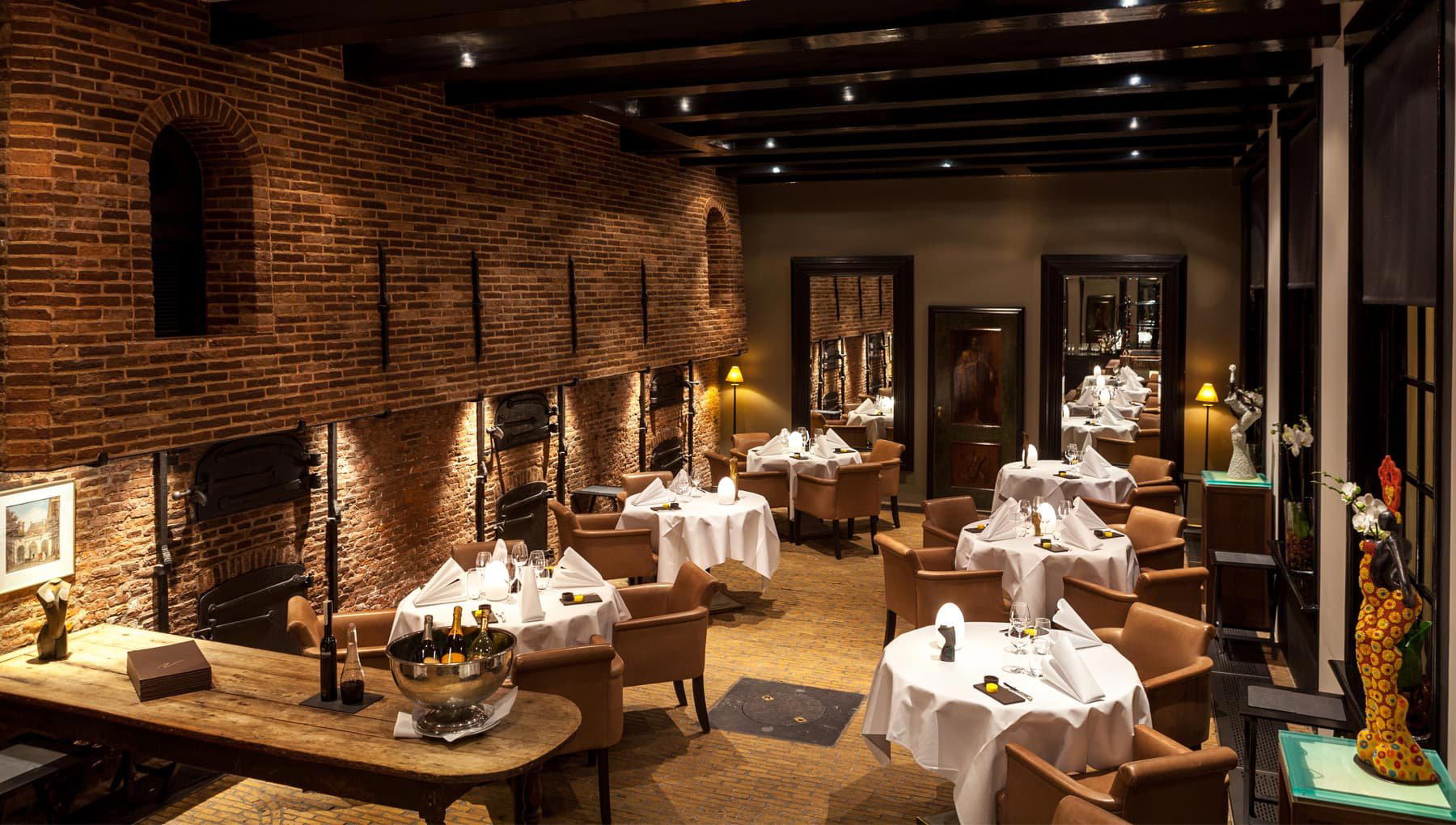
Bars in Amsterdam
Browse all →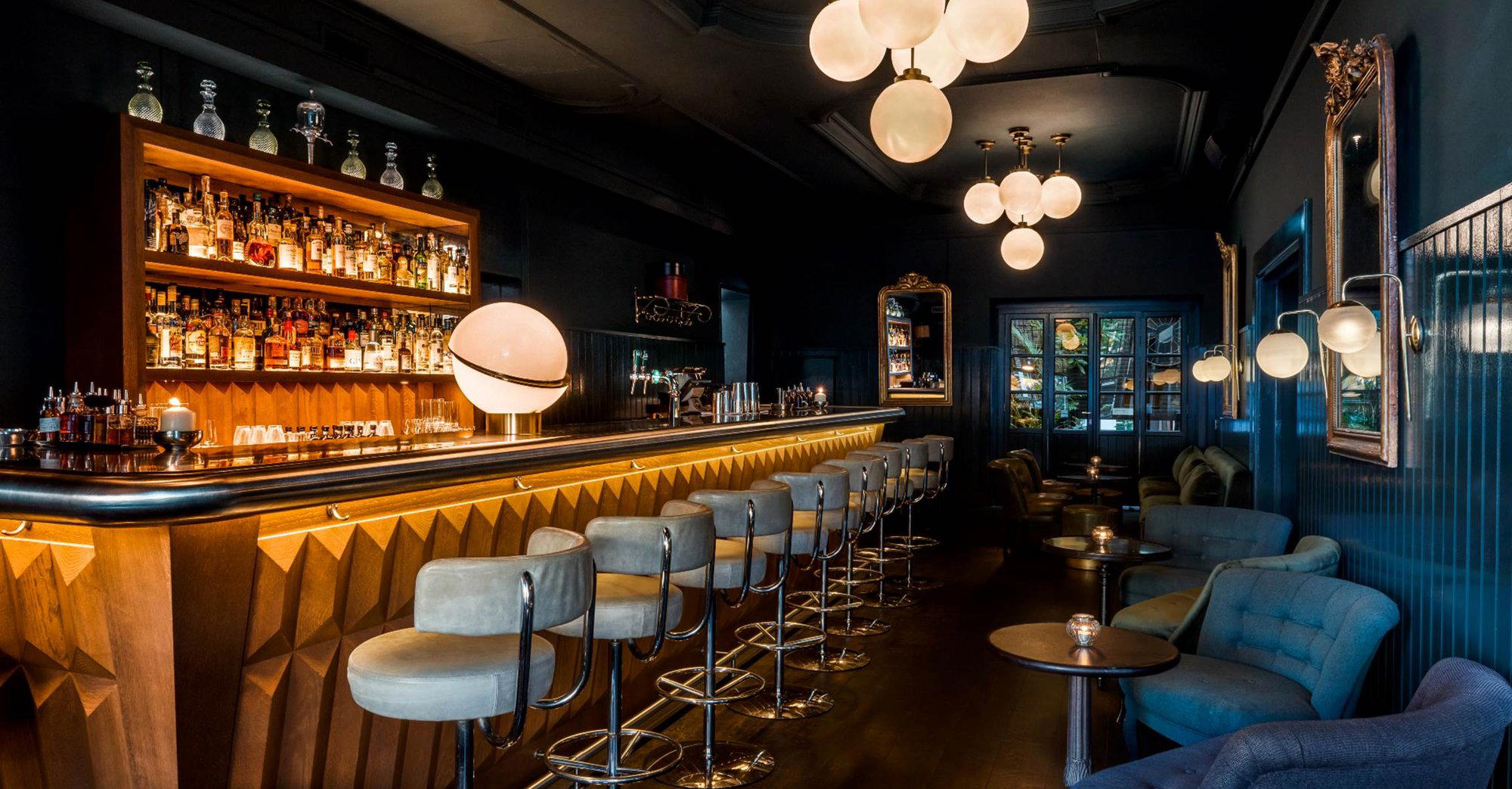
Hotels in Amsterdam
Browse all →
Wineries in Amsterdam
Browse all →
At a Glance
- Trendy
- Modern
- Intimate
- Energetic
- Date Night
- Brunch
- Casual Hangout
- Open Kitchen
- Craft Cocktails
- Waterfront
- Street Scene
Current opening hours
- Monday
- 5:30 PM–12 AM
- Tuesday
- 5:30 PM–12 AM
- Wednesday
- 5:30 PM–12 AM
- Thursday
- 5:30 PM–12 AM
- Friday
- 5:30 PM–12 AM
- Saturday
- 12:30 PM–12 AM
- Sunday
- 12:30 PM–12 AM
Hours can change for holidays and private events. Last verified .
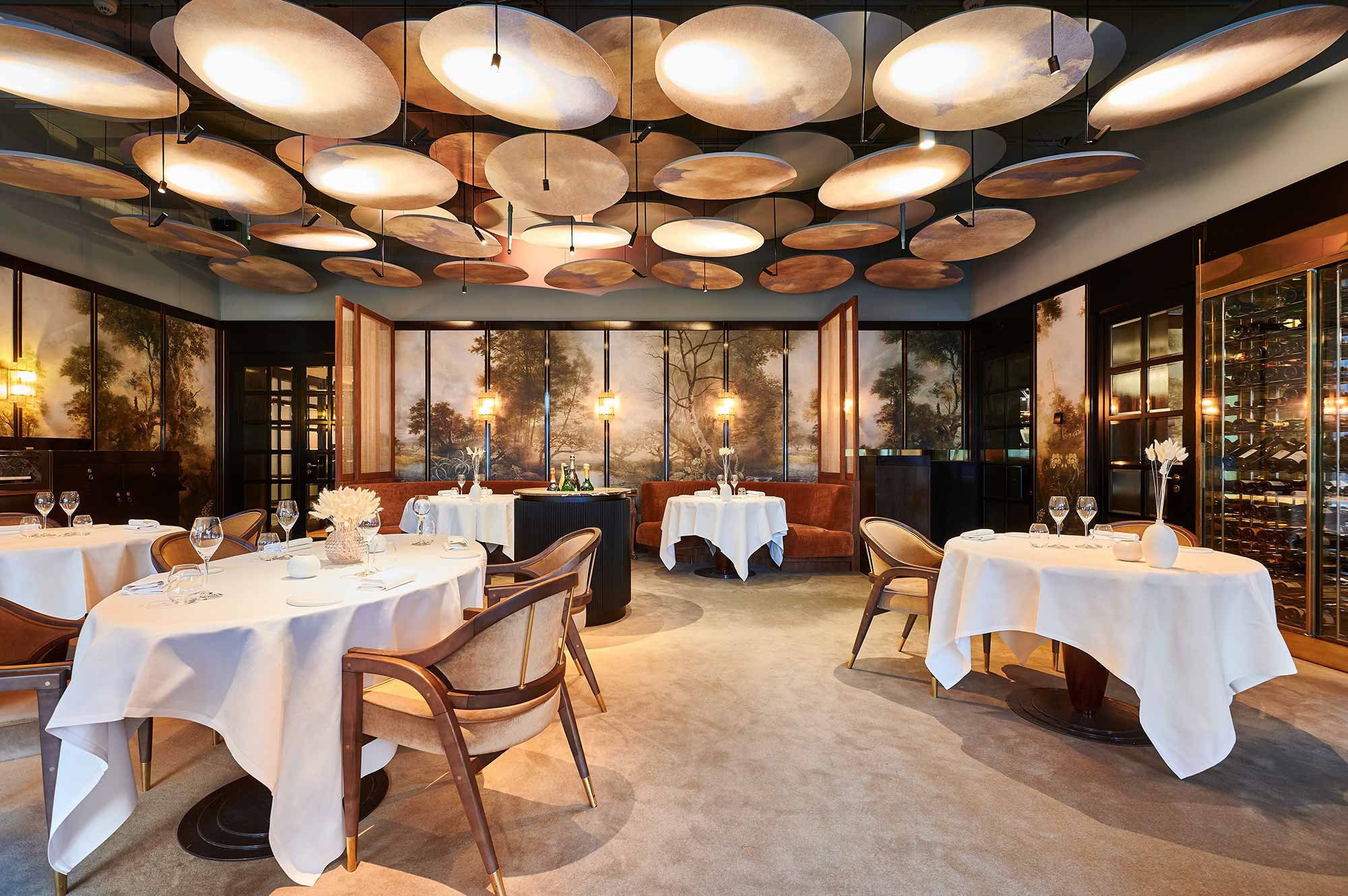
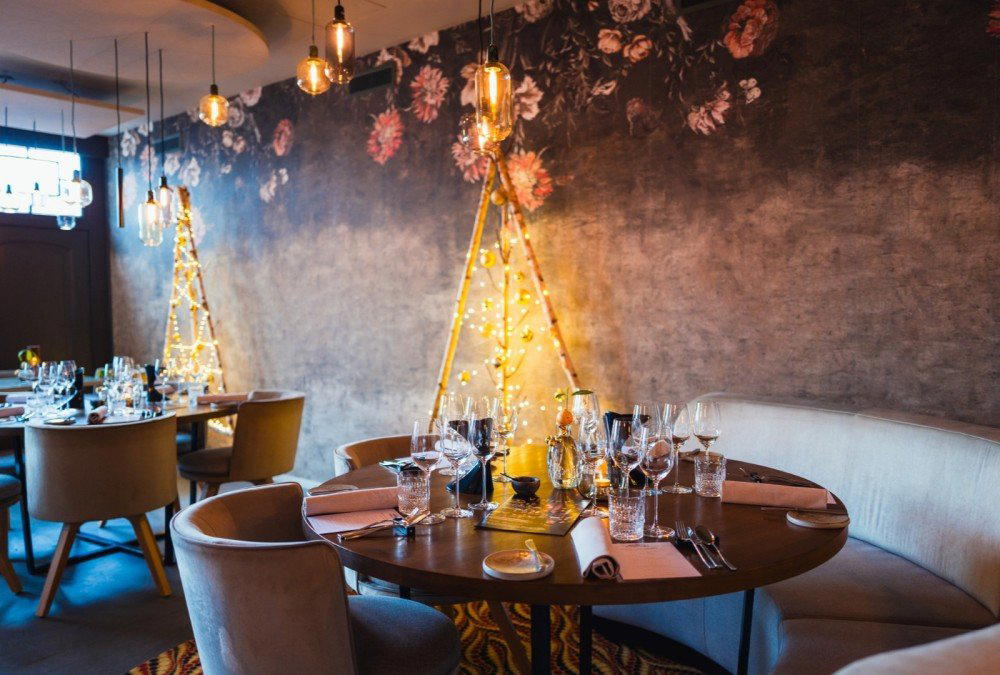
Intimate and energetic atmosphere with contemporary and vintage lighting, graphic upholsteries, and a long marble bar in a metal and oak-clad space.