Altesi
Altesi occupies a discreet address on East 64th Street in Manhattan's Upper East Side, placing it squarely within a neighbourhood defined by understated ambition and longstanding European dining traditions. The restaurant draws from Italian culinary roots in a context where that lineage competes with some of North America's most demanding fine-dining standards. For visitors plotting a serious meal in this corridor, Altesi warrants attention alongside the broader Upper East Side Italian canon.
Pearl is the En Primeur Club membership app — saves, bookings, and concierge access live there. Same editors, same standards.
- Address
- 26 E 64th St, New York, NY 10065
- Phone
- +12127598900
- Website
- altesinyc.com
- Directions
- Get directions
 Saves & bookings on Pearl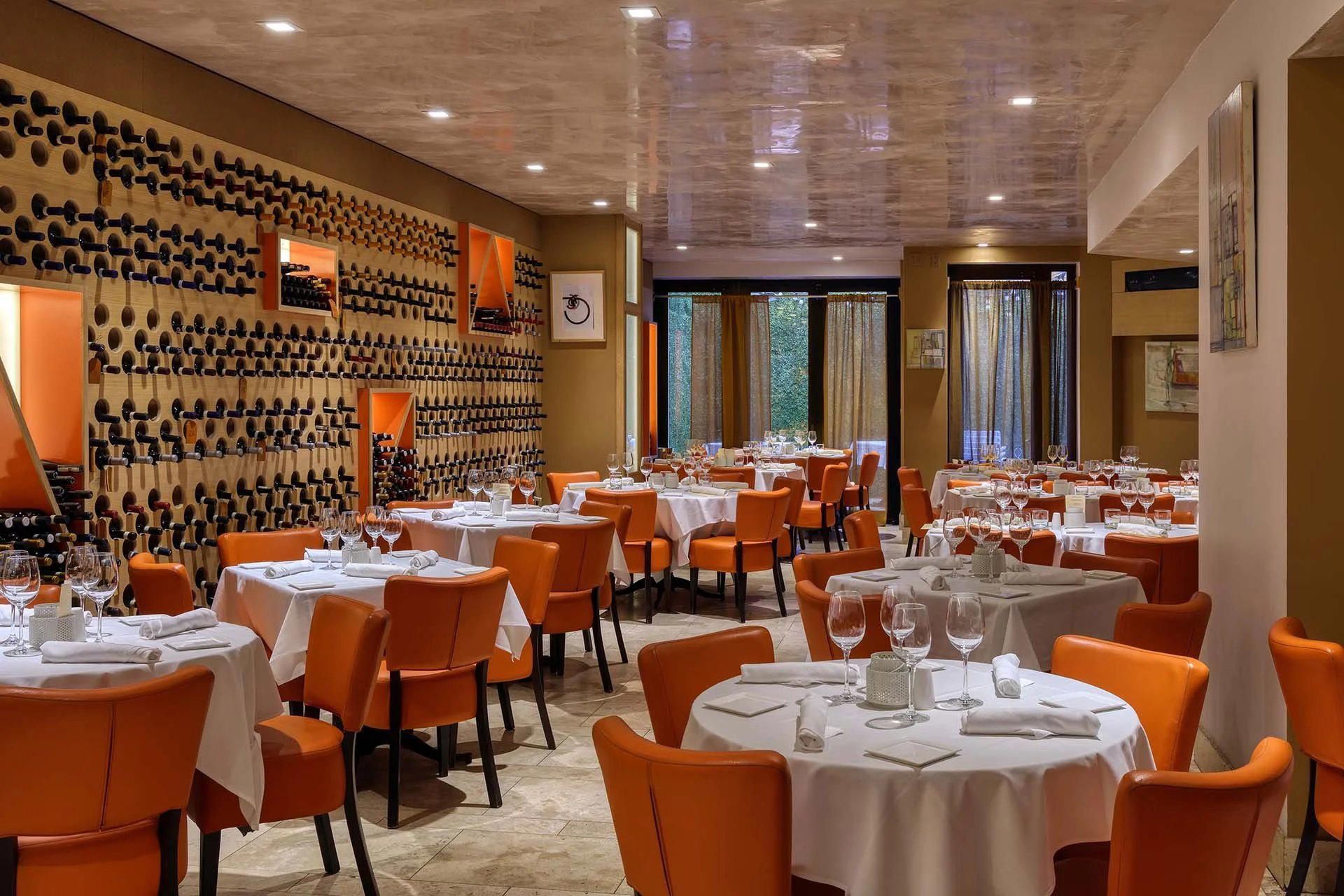
East 64th Street and the Weight of the Upper East Side's Italian Tradition
The Upper East Side has always maintained a different relationship with Italian fine dining than Midtown or the West Village. Where downtown neighbourhoods cycle through trends, the stretch between Lexington and Fifth along the 60s has historically supported rooms that reward return visits over novelty: places where the dining room itself signals commitment to a particular register of hospitality. At 26 East 64th Street, Altesi occupies exactly that kind of address, a limestone-corridor block where the built environment carries its own editorial weight before a single plate arrives.
This part of Manhattan grew its fine-dining identity through decades of European transplants who built restaurants in the image of Parisian or Roman dining rooms, prioritising spatial dignity over spectacle. That tradition is now under pressure from the column-inch dominance of tasting-menu counters in Midtown and NoMad, places like Atomix or Eleven Madison Park that have redefined what New York fine dining looks like at its upper tier. Against that backdrop, the Upper East Side's more classically European rooms operate as a counterargument: that a certain kind of considered, room-forward dining still has a constituency in this city.
The Physical Container: Reading the Room on East 64th
In Italian fine dining, the room has always done half the work. From Milanese establishments to the trattorias of Rome's historic centre, the spatial logic of the dining room, table spacing, ceiling height, the weight of upholstery, the quality of light, communicates the kitchen's ambitions before the menu is opened. New York's Italian rooms that sustain themselves across decades tend to share a set of spatial priorities: enough distance between tables to allow conversation at a register below a shout, materials that absorb rather than amplify noise, and a formality of layout that signals the meal is the primary event rather than the backdrop to something else.
East 64th Street's building stock, largely pre-war and built to residential scale, tends to produce dining rooms with lower noise ceilings than the double-height loft conversions that have defined restaurant design in downtown Manhattan. That constraint is also a feature: rooms that fit within brownstone or townhouse footprints tend toward intimacy by structural necessity, which aligns naturally with a cuisine tradition where service proximity and table-to-kitchen communication matter. The design choices within that envelope, what gets preserved, what gets stripped, where light is introduced, become the primary distinguishing variables between one room and the next.
For context, the highest-tier Italian rooms in New York that have held their positions over multiple decades tend to share an investment in materiality: stone, linen, leather, warm-spectrum lighting that flatters both plate and patron. These are not accidental choices. They reflect an understanding that the guest's physical comfort and sense of occasion are constitutive of the experience, not incidental to it. How Altesi deploys those tools within its East 64th Street address is the central question a first-time visitor should bring to the room.
Where Altesi Sits in the New York Italian comparable set
New York's Italian fine-dining tier occupies a specific competitive position. It sits above the neighbourhood trattoria market and below the prix-fixe tasting-menu tier dominated by French or fusion-forward kitchens. Restaurants in this bracket compete on service consistency, wine programme depth, and kitchen technique applied to classical Italian forms rather than on the conceptual novelty that drives the Per Se or Masa tier. The reference points are not abstract: Italian fine dining in New York has always benchmarked itself against the source, meaning the northern Italian dining rooms of Piedmont, Lombardy, and Emilia-Romagna where technique and ingredient quality do the talking without recourse to narrative or theatre.
Across the country, that Italian-rooted fine-dining tradition plays out differently depending on geography. Frasca Food and Wine in Boulder built its reputation on Friulian specificity; Blue Hill at Stone Barns in nearby Tarrytown pursues agricultural-driven tasting menus that draw on European classical structure without committing to any single national tradition. In New York itself, the competition for the serious Italian dining dollar is concentrated in a handful of rooms across the Upper East Side, Midtown East, and the West Village. The distinction between them is often made at the level of the room and the service culture before it registers in the food.
For the reader placing Altesi within that set, the relevant comparison is less with Le Bernardin's seafood precision or the plant-forward rigor of Eleven Madison Park, and more with the category of Italian rooms that have held serious clientele in the Upper East Side across multiple decades by combining genuine kitchen craft with a physical environment that justifies the price of admission on its own terms.
Planning Your Visit
The Upper East Side dining corridor operates at a different rhythm from Midtown. Lunch service tends to attract a neighbourhood client base; dinner shifts toward destination diners crossing from other parts of Manhattan or arriving from uptown hotels. Booking strategy for serious rooms in this area generally benefits from mid-week flexibility, as weekend pressure in the 60s corridor is real but less acute than at Midtown tasting counters.
| Venue | Cuisine | Price Tier | Format | Location |
|---|---|---|---|---|
| Altesi | Italian | Premium | À la carte / set | Upper East Side |
| Le Bernardin | French / Seafood | $$$$ | Prix fixe | Midtown |
| Per Se | French / Contemporary | $$$$ | Prix fixe | Columbus Circle |
| Atomix | Modern Korean | $$$$ | Tasting counter | NoMad |
| Eleven Madison Park | French / Vegan | $$$$ | Prix fixe | Flatiron |
Comparable Spots
Comparable venues nearby, for context on price, style, and recognition.
| Venue | Cuisine | Price | Notes |
|---|---|---|---|
| AltesiThis venue — the venue you are viewing | Tuscan-Inspired Italian | $$$ | Not listed |
| Serafina Osteria | Authentic Italian Trattoria | $$$ | Upper East Side-Carnegie Hill |
| Campagnola | Authentic Italian Countryside Trattoria | $$$ | Upper East Side-Lenox Hill-Roosevelt Island |
| Adria | Adriatic-Inspired Italian Seafood | $$$ | Upper East Side-Yorkville |
| Lucciola | Fine Dining Italian | $$$ | Upper West Side (Central) |
| Buco | Rustic Italian-Mediterranean | $$$ | Greenwich Village |
Continue exploring
More in New York City
Restaurants in New York City
Browse all →
Bars in New York City
Browse all →
Hotels in New York City
Browse all →
Wineries in New York City
Browse all →


At a Glance
- Elegant
- Sophisticated
- Modern
- Cozy
- Date Night
- Business Dinner
- Special Occasion
- Garden
- Open Kitchen
- Extensive Wine List
- Local Sourcing
- Garden
Current opening hours
- Monday
- 12–9:30 PM
- Tuesday
- 12–9:30 PM
- Wednesday
- 12–9:30 PM
- Thursday
- 12–9:30 PM
- Friday
- 12–9:30 PM
- Saturday
- 12–9:30 PM
- Sunday
- 12–9:30 PM
Hours can change for holidays and private events. Last verified .
Elegantly modern and sophisticated with clean, modern indoors and an urbane respite.