BOTTINO
On West Chelsea's 10th Avenue, Bottino has anchored the gallery district's dining scene since the mid-1990s, when the neighbourhood was industrial rather than art-world. The Italian kitchen and considered wine program draw a crowd that ranges from gallery owners to serious food regulars, making it one of the longer-standing independent operators in a corridor that has seen considerable turnover.
Pearl is the En Primeur Club membership app — saves, bookings, and concierge access live there. Same editors, same standards.
- Address
- 246 10th Ave, New York, NY 10001
- Phone
- +12122066766
- Website
- bottinonyc.com
- Directions
- Get directions
 Saves & bookings on Pearl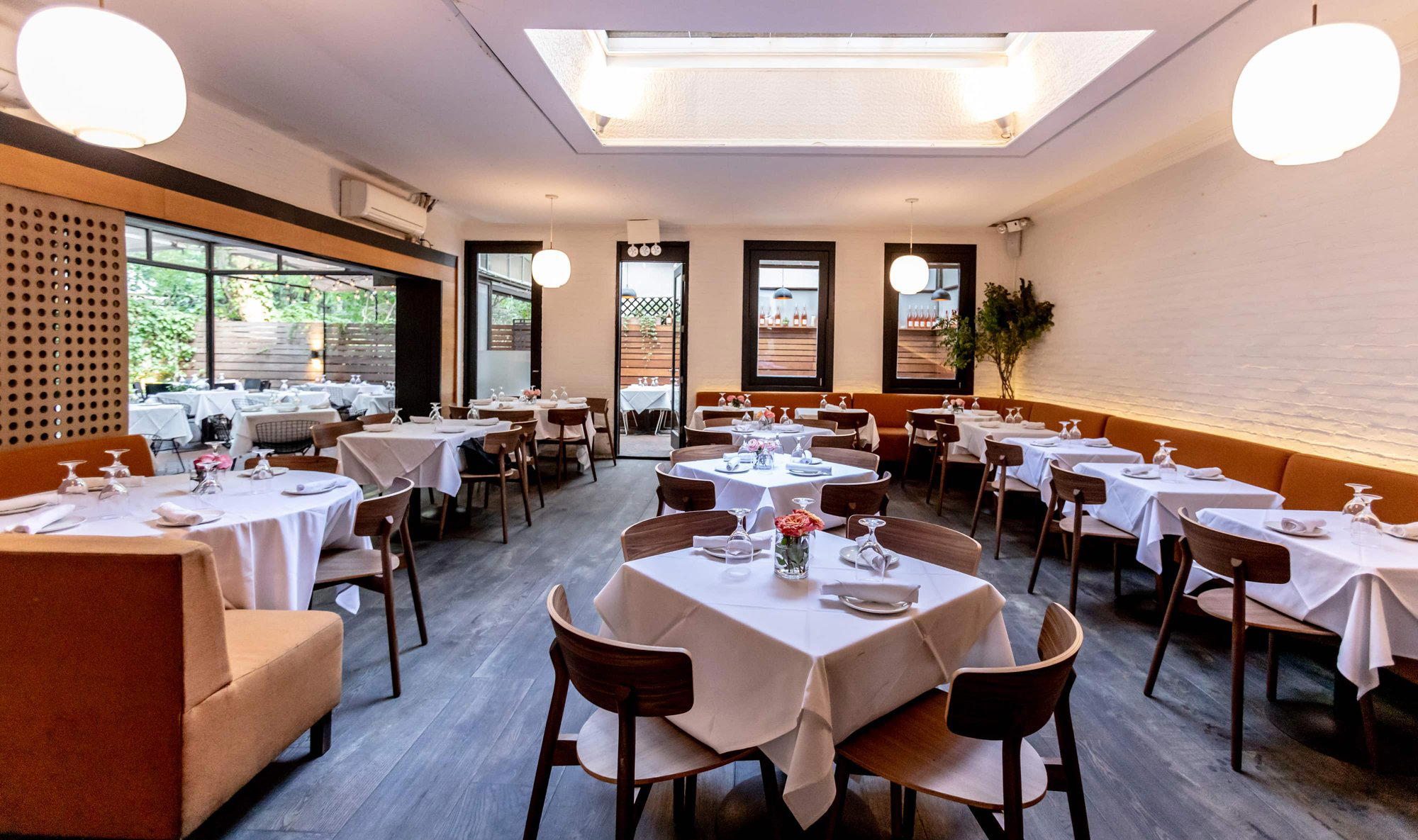
West Chelsea Before the Galleries Arrived
When Bottino opened on 10th Avenue in the mid-1990s, the blocks between the High Line's rusting infrastructure and the Hudson River were still defined by garages, warehouses, and the occasional wholesale meat operation. The Chelsea gallery migration was underway but far from complete, and the stretch of 10th Avenue around 24th Street had little of the foot traffic it would accumulate once Gagosian, Zwirner, and their peer spaces consolidated the area into one of the world's primary contemporary art markets. Bottino arrived early, which is a different credential than arriving famous. It is a Modern Tuscan Italian restaurant at 246 10th Ave in New York City, with. In a city where restaurants tend to cluster around proven dining corridors, planting an Italian kitchen and wine-forward room in an emerging industrial fringe required a read of where the neighbourhood was heading rather than where it already stood.
That timing matters for understanding what Bottino represents today. West Chelsea's dining scene has thinned and reshuffled repeatedly over the past three decades, with concepts opening and closing in the wake of gallery cycles, real estate pressure, and shifting foot traffic patterns. Independent restaurants that opened in the mid-1990s and are still operating in the same location are a small category in New York. Bottino belongs to it.
The Room and the Register
The address is 246 10th Avenue, which places it squarely in the block corridor that became the gallery district's working spine. The physical character of the room draws on the neighbourhood's industrial past rather than working against it: exposed brick, long proportions, a back garden that operates as one of Chelsea's more reliably functional outdoor dining spaces when the season allows. The interior doesn't perform the kind of aggressive Italian pastoral theatre common to higher-budget Italian openings elsewhere in Manhattan. It reads instead as a room built for people who are in the area regularly rather than for occasion visitors arriving from other boroughs.
That positioning places Bottino in a different competitive tier than the $$$$ tasting-menu rooms that define New York's upper dining register. Venues like Per Se, Eleven Madison Park, and Masa operate in a format and price structure that positions them as destination events rather than neighbourhood anchors. Le Bernardin and Atomix similarly occupy a formal register that presupposes advance planning. Bottino operates in the space that makes a neighbourhood actually function: a place where gallery staff, artists, and the area's working regulars can eat without a three-month lead time or a per-head commitment that requires occasion-level justification.
The Wine Program in Context
Italian restaurants in New York divide roughly into those that treat the wine list as a perfunctory appendage to the pasta program, and those that treat it as a parallel editorial commitment. The better operators in the latter category understand that Italian wine, with its regional complexity, the breadth of indigenous varieties, and the significant variation between producers within a single DOC, rewards a list built around point of view rather than volume coverage.
At the level where Bottino operates, the wine program is one of the primary signals of seriousness. A considered Italian cellar in this price tier involves choices: whether to go deep on Piedmont and Tuscany at the expense of southern Italy and the islands, how to handle Friuli and Alto Adige's white wine traditions, how aggressively to pursue smaller-production natural and low-intervention producers that have reshaped the Italian import market over the past fifteen years. Restaurants that get this right tend to hold their regulars in a way that food-only operations don't, because the wine program gives experienced drinkers a reason to return and explore rather than simply repeat.
This is the curatorial challenge that separates Italian wine programs worth tracking from those that default to recognisable label coverage. The same dynamic plays out at wine-serious Italian operations elsewhere in the country, from Frasca Food and Wine in Boulder, which has built its identity around Friuli as much as the kitchen, to farm-to-table operations like Blue Hill at Stone Barns in Tarrytown, where the beverage program is treated as an extension of the sourcing philosophy. The parallel holds: wine depth functions as an indicator of how seriously a room takes the full dining experience, not just the plate.
For Bottino's regulars in the gallery district, the wine list has historically been a working document rather than a trophy shelf, suited to the kind of extended midweek lunches and post-opening dinners that define how the art world actually eats in Chelsea. That context shapes what a good Italian wine program looks like here differently than it would at a destination room in Midtown or a tasting-menu counter downtown.
What the Neighbourhood Tells You
West Chelsea's current dining character is partly a function of its art-world visitor patterns: heavy on weekday afternoons during gallery hours, with spikes around openings and art fair weeks. That rhythm favours operators with flexibility, a reliable lunch trade, and outdoor space that can absorb the irregular surge. It also means that the area's most durable restaurants have tended to be those with genuine neighbourhood regulars rather than purely event-driven foot traffic, because art seasons have gaps and the galleries themselves have continued to spread into new corridors including the Far West Side around Hudson Yards.
Restaurants that have held ground in this corridor through multiple real estate cycles tend to share a common trait: they built a local constituency early rather than depending on the tourism and occasion-dining traffic that sustains different parts of the city. Bottino's three-decade presence in Chelsea puts it in that category.
The kind of independent longevity Bottino represents in a shifting urban neighbourhood has equivalents in places like Emeril's in New Orleans, where an independent operation has anchored its district through multiple hospitality cycles, or Smyth in Chicago, which has maintained a serious culinary position without the structural support of a large hospitality group. On the West Coast, Lazy Bear in San Francisco, Providence in Los Angeles, Addison in San Diego, and Single Thread Farm in Healdsburg each represent independent restaurants that have built durable identities in competitive markets. Internationally, the same patient operator logic applies to places like Dal Pescatore in Runate and Atelier Moessmer Norbert Niederkofler in Brunico, and closer to home, The Inn at Little Washington and The French Laundry in Napa demonstrate what independent longevity can accumulate in terms of institutional identity.
Planning Your Visit
Bottino sits at 246 10th Avenue in Chelsea. The back garden is a seasonal asset worth factoring into timing if outdoor dining is a priority. The restaurant recommends reservations, and its regular hours run Monday through Wednesday from 8 AM to 9 PM, Thursday through Saturday from 8 AM to 9:30 PM, and Sunday from 5 to 8:30 PM, with smart casual dress appropriate.
Quick reference: 246 10th Avenue, Chelsea, New York City. Modern Tuscan Italian, recommended reservations, smart casual.
Category Peers
Comparable venues nearby, for context on price, style, and recognition.
| Venue | Cuisine | Price | Notes |
|---|---|---|---|
| BOTTINOThis venue — the venue you are viewing | Modern Tuscan Italian | $$$ | Not listed |
| OLIO E PIÙ | Authentic Italian Trattoria | $$$ | West Village |
| Sardi's | Classic Italian-American Continental | $$$ | Midtown-Times Square |
| Casa D'Angelo New York | Traditional Neapolitan Italian | $$$ | SoHo-Little Italy-Hudson Square |
| Wayward Fare | Italian Trattoria with Mediterranean Influences | $$$ | Prospect Heights |
| Giuliana's Ristorante | Classic Italian Trattoria | $$$ | Great Kills-Eltingville |
Continue exploring
More in New York City
Restaurants in New York City
Browse all →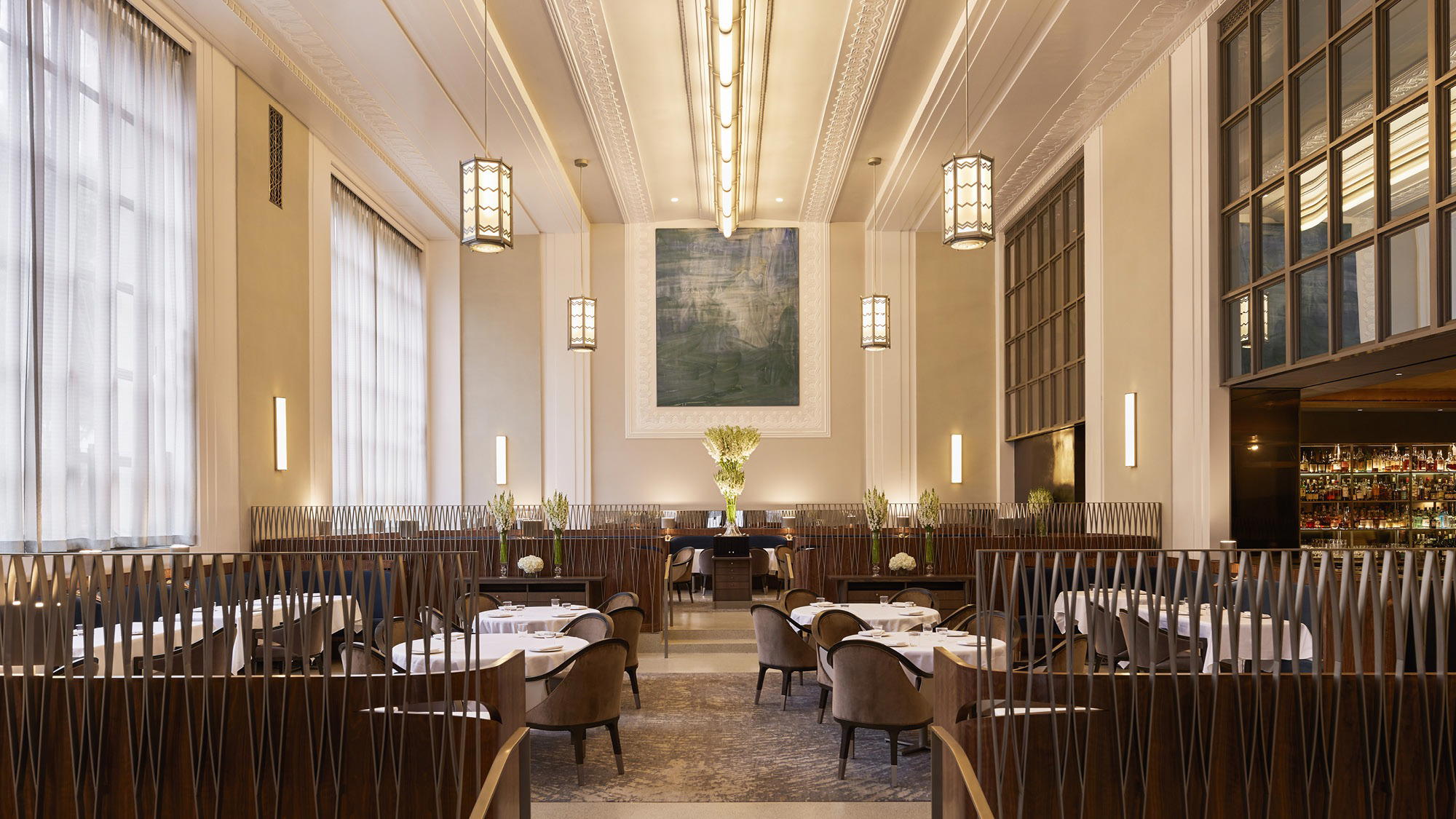
Bars in New York City
Browse all →
Hotels in New York City
Browse all →





At a Glance
- Romantic
- Elegant
- Sophisticated
- Modern
- Date Night
- Business Dinner
- Group Dining
- Celebration
- Special Occasion
- Private Event
- Garden
- Private Dining
- Terrace
- Courtyard
- Historic Building
- Design Destination
- Craft Cocktails
- Local Sourcing
- Garden
Current opening hours
- Monday
- 8 AM–9 PM
- Tuesday
- 8 AM–9 PM
- Wednesday
- 8 AM–9 PM
- Thursday
- 8 AM–9:30 PM
- Friday
- 8 AM–9:30 PM
- Saturday
- 8 AM–9:30 PM
- Sunday
- 5–8:30 PM
Hours can change for holidays and private events. Last verified .
Contemporary and sophisticated with warm lighting, featuring a spacious garden courtyard that creates a refreshing, upscale-casual atmosphere enhanced by mid-century modern architecture and an open kitchen.