Sant Ambroeus Lafayette
Our verdict
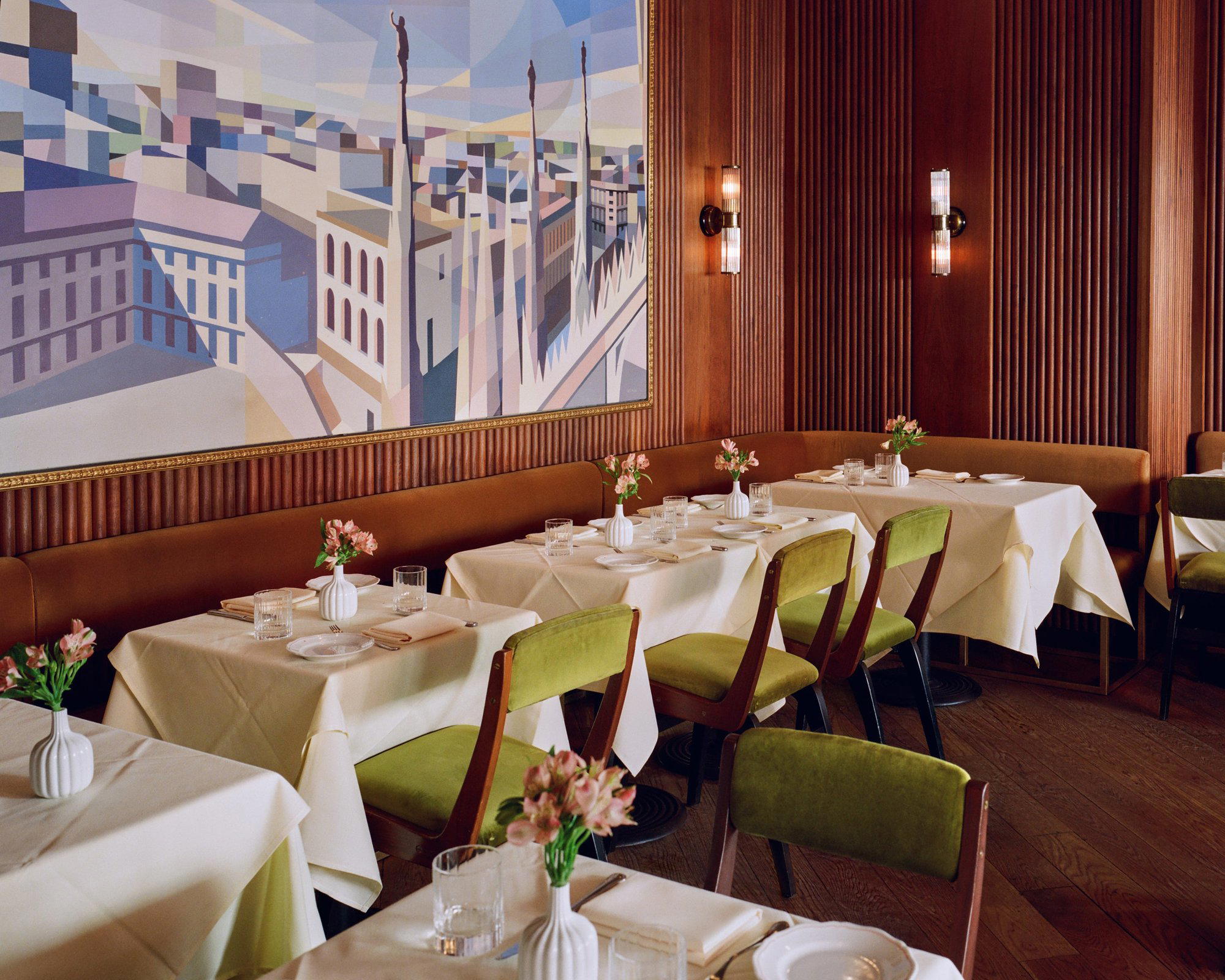
Sant Ambroeus Lafayette sits at 265 Lafayette Street in SoHo, bringing the Milanese café tradition to one of New York's most design-conscious neighbourhoods. The space operates within the larger Sant Ambroeus network, which has anchored Italian hospitality in Manhattan for decades. For those drawn to the Italian café format, the Lafayette address sits at the intersection of neighbourhood ritual and considered interior design.

Pearl is the En Primeur Club membership app, where members save venues, book tables and use the concierge.
The menu
What to order
- Vitello tonnato
- Cotoletta milanese
- Risotti
A SoHo Address Built Around the Ritual of the Italian Café
There is a specific grammar to the Milanese café that most American interpretations get wrong. The bar counter is not decorative; it is the social axis around which everything else organises. The pastry case is edited, not encyclopaedic. The coffee is short and precise. The midday crowd is local by habit, not by proximity. Sant Ambroeus, which has operated in New York since the 1980s, has spent longer than most in this city translating that grammar into a format that holds across multiple neighbourhoods. The Lafayette Street location, at 265 Lafayette in SoHo, is the iteration of that translation calibrated for a neighbourhood that takes its interiors seriously.
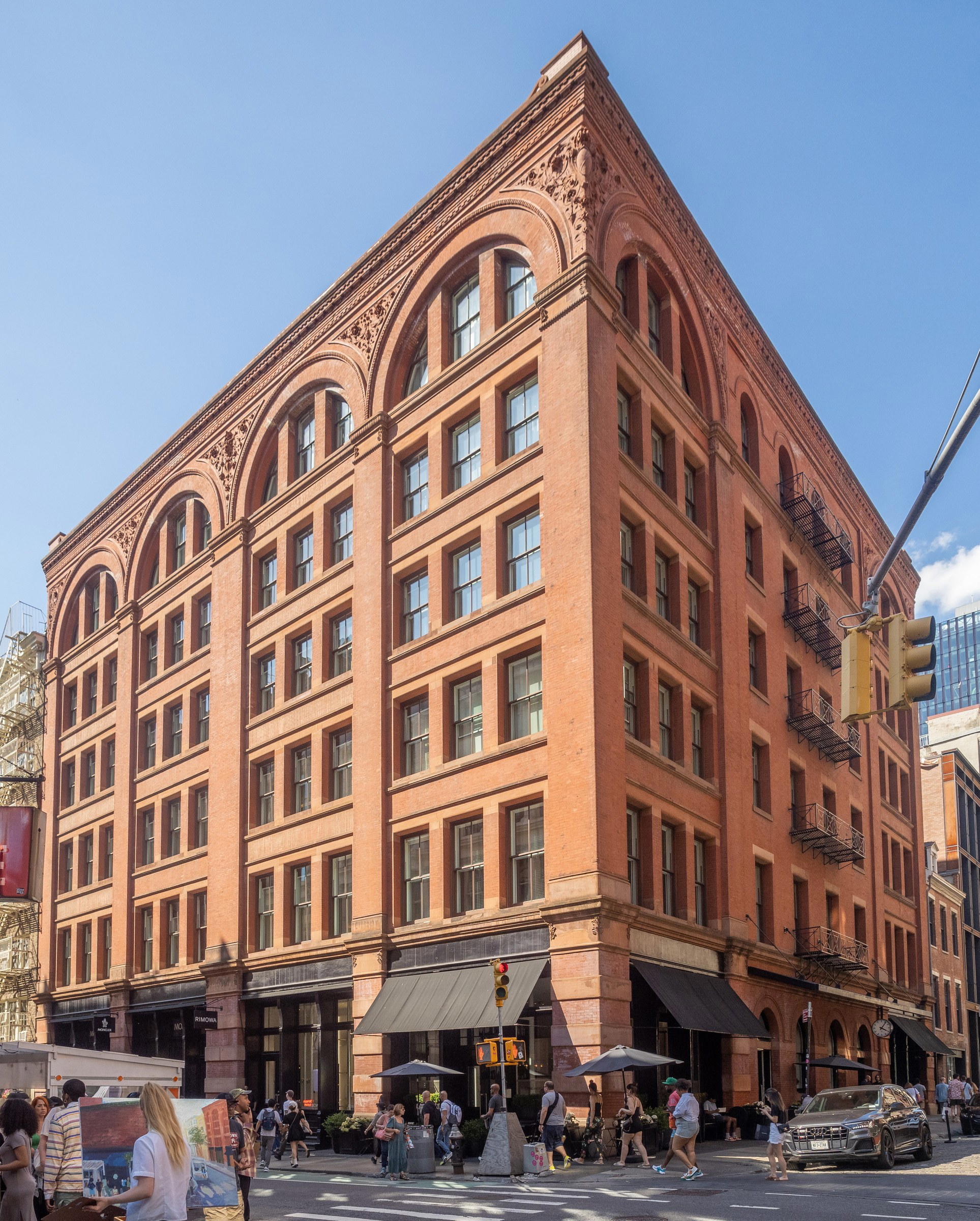
SoHo's cast-iron architecture sets a particular frame for any space on its streets. The ground floors of these buildings carry a ceiling height and structural vocabulary that rewards design restraint over decoration. Sant Ambroeus Lafayette works within that logic. The physical container itself communicates positioning before the menu does: this is a room that understands proportion, and proportion is one of the things the Italian café tradition has always done well. In a neighbourhood where the dining and retail spaces compete on design as much as on product, that coherence matters.
The Sant Ambroeus Network and What the Lafayette Address Signals
The Sant Ambroeus name carries specific weight in the Manhattan café-restaurant tier. The group's New York presence spans several locations, from the original Upper East Side address to West Village and beyond, each one adapting the same Milanese reference point to a distinct neighbourhood character. That network positioning is relevant context for understanding the Lafayette location: it operates within a proven institutional framework, which affects everything from pastry production consistency to the reliability of the espresso program.
Within New York's Italian café segment, Sant Ambroeus occupies a different tier from the neighbourhood espresso bar or the fast-casual Italian breakfast counter. The comparison set is closer to Caffe Panna or Via Carota's bar, spaces where the Italian reference is treated as a discipline rather than a theme. For readers who cross-reference against the city's higher-end dinner table, the Sant Ambroeus network sits in a separate category from destination tasting-menu addresses like Eleven Madison Park, Per Se, or Le Bernardin. The ambition here is not the progression of courses but the calibration of a single moment: espresso at the counter, a cornetto, the midmorning pause that the Italian café exists to make possible.
That distinction is useful because it shapes how you visit. The Sant Ambroeus format at Lafayette is not organised around the booking, the tasting arc, or the long table. It is organised around return visits and the accumulation of small, consistent pleasures. That is a different relationship to a dining room than what you bring to Atomix or Masa, and the space reflects that: accessible, composed, built for daily use by people who will be back next week.
The Design Register: Restraint as a Position
The editorial angle on Sant Ambroeus Lafayette is not the food in isolation but the space as an argument. Italian café design at its most coherent is an exercise in knowing what to leave out. The Milanese tradition, from which Sant Ambroeus draws its reference, tends toward pale marble, brass, dark wood, and light that flatters without performing. These are not choices that announce themselves; they are choices that compound over time, creating rooms that feel more comfortable on the fifth visit than the first.
In a SoHo streetscape dense with retail and restaurant concepts that use maximalist design to signal premium positioning, a room built around restraint reads as a counter-argument. The Lafayette location, by operating within an established institutional identity rather than constructing a new one, sidesteps the usual downtown pressure to declare novelty. That sidestep is itself a design decision. The space says: this is what we are, it is enough, come back.
For readers who use EP Club to track premium café and restaurant design across cities, the Sant Ambroeus model offers a useful reference point. It is distinct from the raw-concrete, exposed-pipe aesthetic that dominated downtown New York for a decade, and equally distinct from the maximalist hotel-lobby café approach. It belongs to a European tradition of institutional elegance that improves with familiarity. Comparable in design philosophy, if not in category, to the way Frasca Food & Wine in Boulder treats the Italian reference as a structural commitment rather than surface decoration, or how Smyth in Chicago uses spatial restraint to anchor a serious program.
Planning Your Visit: What to Know Before You Go
Sant Ambroeus Lafayette sits on Lafayette Street in SoHo, within walking distance of the Bleecker Street and Broadway-Lafayette subway stations, making it one of the more accessible addresses in the Sant Ambroeus network for visitors arriving from Midtown or Brooklyn. Because specific hours, booking policies, and current pricing for this location are best confirmed directly, checking the Sant Ambroeus website or a current reservation platform before visiting is the practical approach. The format, consistent with the group's other New York locations, generally accommodates walk-ins at the counter and bar, with table availability depending on time of day and foot traffic. Morning and midday tend to draw the neighbourhood crowd; arriving slightly before or after peak hours gives you the room at its most unhurried. For the broader New York dining picture, our full New York City restaurants guide covers the city's dining tiers in detail, from destination tasting rooms to neighbourhood institutions.
For readers whose travel circuit extends beyond New York, the Sant Ambroeus Lafayette visit works well alongside stops at other serious Italian-reference addresses in the city, and pairs conceptually with the kind of producer-focused or regionally grounded dining that you find at Blue Hill at Stone Barns in Tarrytown or, further afield, at Dal Pescatore in Runate and Atelier Moessmer Norbert Niederkofler in Brunico, both of which take Italian culinary tradition as a living framework rather than a nostalgic reference. The Sant Ambroeus approach is less monumental in ambition but no less coherent in its own terms.
Frequently asked questions
What should I order at Sant Ambroeus Lafayette?
Do they take walk-ins at Sant Ambroeus Lafayette?
What's the defining dish or idea at Sant Ambroeus Lafayette?
How does Sant Ambroeus Lafayette fit into SoHo's Italian dining scene compared to its other New York locations?
A Pricing-First Comparison
| Venue | Cuisine | Price | Awards | Notes |
|---|---|---|---|---|
| Sant Ambroeus LafayetteThis venue (the venue you are viewing) | Modern Milanese Italian | $50–100 | Not listed | Not listed |
| Le Bernardin | French Seafood Fine Dining | $300–500 | 3 Michelin Stars · World's 50 Best #13 | French, Seafood |
| Atomix | Modern Korean Tasting Menu | $300–500 | 2 Michelin Stars · World's 50 Best #7 | Modern Korean, Korean |
| Per Se | French Fine Dining Tasting Menu | $300–500 | 3 Michelin Stars · World's 50 Best #40 | French, Contemporary |
| Masa | Traditional Japanese Omakase | $500+ | 2 Michelin Stars · World's 50 Best #27 | Sushi, Japanese |
| Eleven Madison Park | Contemporary Plant-Based Fine Dining | $300–500 | 3 Michelin Stars · World's 50 Best #4 | French, Vegan |
Continue exploring
More in New York City
Restaurants in New York City
All restaurants in New York City →
Bars in New York City
All bars in New York City →





Details
- Elegant
- Sophisticated
- Classic
- Brunch
- Date Night
- Business Dinner
- Private Dining
- Extensive Wine List
- A La Carte
- Vegetarian Friendly
- Vegan Options
- Gluten Free Options
Current opening hours
- Monday
- 8 AM–11 PM
- Tuesday
- 8 AM–11 PM
- Wednesday
- 8 AM–11 PM
- Thursday
- 8 AM–11 PM
- Friday
- 8 AM–11 PM
- Saturday
- 9 AM–11 PM
- Sunday
- 9 AM–11 PM
Hours can change for holidays and private events. Hours as of .
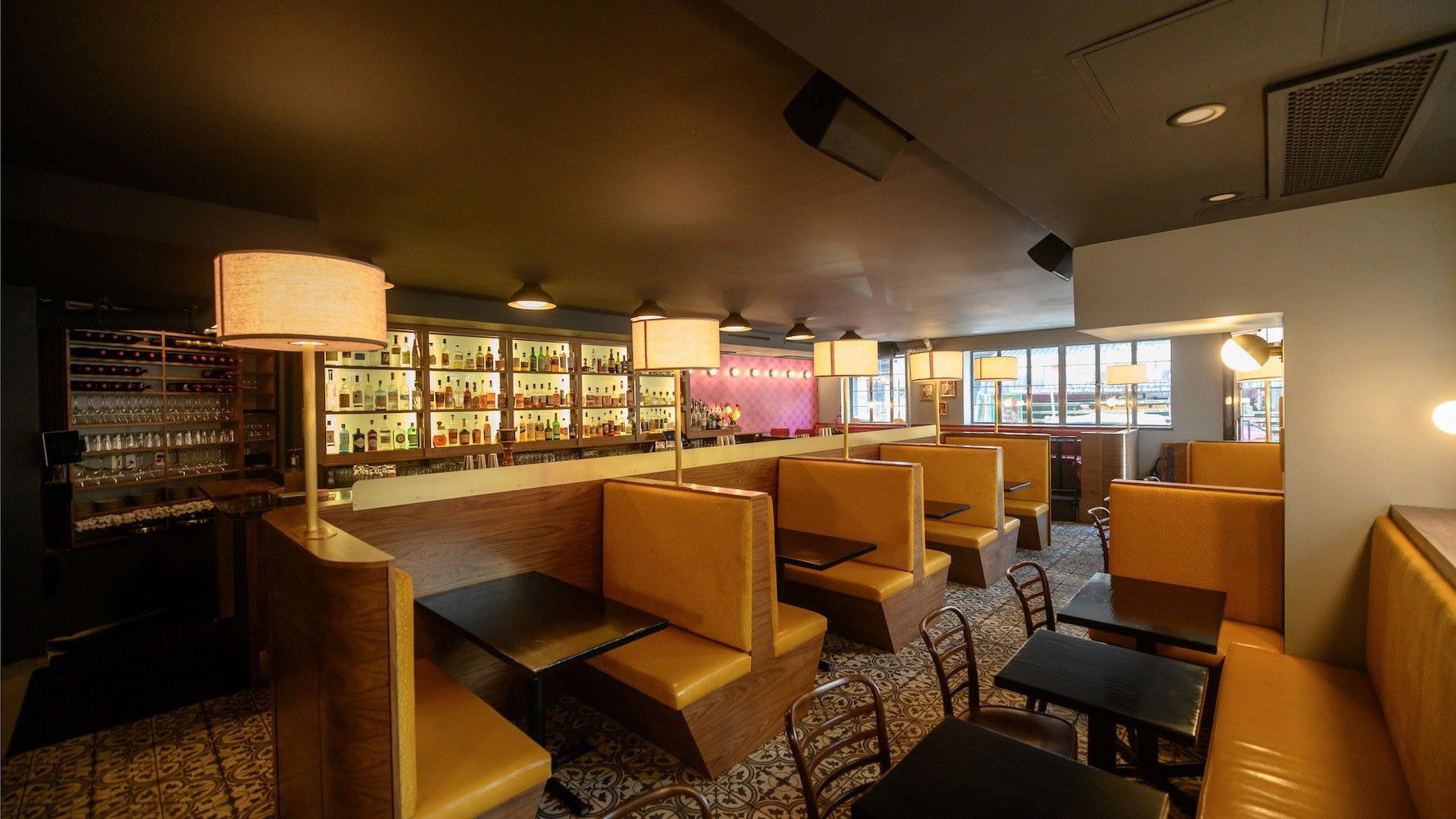
Inviting and elegant with leather banquettes, bright and cool interior, relaxed yet chic atmosphere transporting guests to Milan.