Balijepark
Balijepark sits at Augustusweg 32 in De Meern, a quiet residential edge of the Utrecht municipality where the cooking tradition leans toward produce-driven Dutch cuisine. Confirm current details directly before visiting.
Pearl is the En Primeur Club membership app — saves, bookings, and concierge access live there. Same editors, same standards.
- Address
- Augustusweg 32, 3453 KS Utrecht, Netherlands
- Phone
- +31306621254
- Website
- balijepark.nl
- Directions
- Get directions
 Saves & bookings on Pearl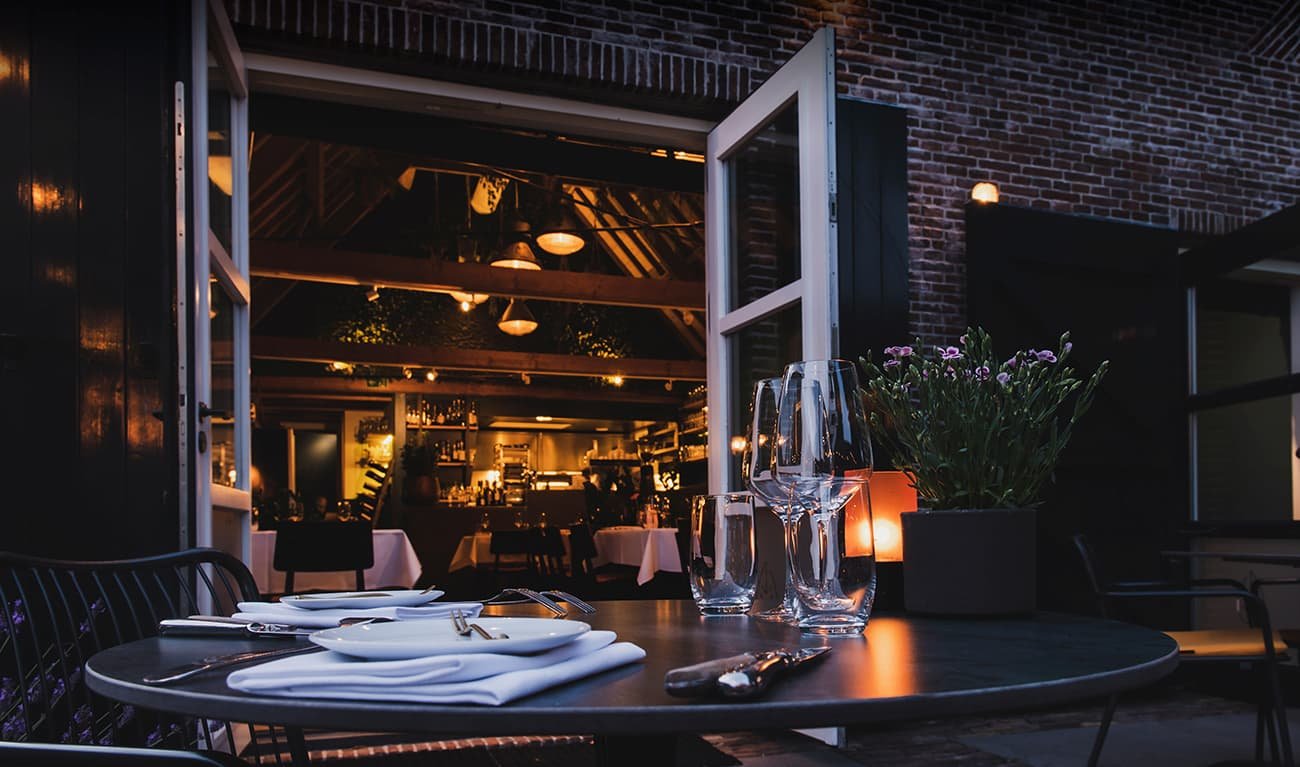
De Meern and the Utrecht Dining Corridor
Balijepark is a restaurant in Utrecht, Netherlands, serving Contemporary European with Dutch & Seafood cuisine at about $49 per person. Produce-driven cooking has found natural footing here: the polder agriculture that stretches west toward Woerden supplies the kind of short-supply-chain vegetables, dairy, and freshwater proteins that have become the defining raw material of the Dutch fine-dining generation.
Balijepark occupies Augustusweg 32, 3453 KS Utrecht, in the De Meern district. The setting itself signals something: kitchens positioned near green space in Dutch suburbia tend to draw on that proximity, whether through kitchen gardens, forager relationships, or a customer base that arrives expecting a connection between the landscape outside and the plate in front of them. That expectation has shaped a generation of Dutch chefs who came up through houses that treated sourcing as a first discipline rather than a branding decision.
The Sourcing Tradition This Address Belongs To
To understand what produce-led cooking looks like at its most considered in the Netherlands, it helps to map the comparable set. De Nieuwe Winkel in Nijmegen has made ingredient origin its central editorial statement, with a kitchen that operates on plant-forward principles tied directly to named local suppliers. De Groene Lantaarn in Staphorst works a similarly tight geography. These are not restaurants that talk about sourcing as an afterthought; sourcing is the architecture around which the menu is constructed each season.
Farther along the Dutch fine-dining spectrum, houses like De Librije in Zwolle and Inter Scaldes in Kruiningen have long demonstrated that Dutch kitchens can hold their own in the international conversation about technique and terroir. De Lindenhof in Giethoorn and De Lindehof in Nuenen represent the creative Dutch strand at a high level of execution, while Tribeca in Heeze and Brut172 in Reijmerstok show how regional ambition is pushing into smaller towns across the country.
What the Address Tells You About the Experience
Park-adjacent dining in the Netherlands occupies a distinct atmospheric register. There is typically a stillness to it that canal-centre or urban restaurant addresses cannot replicate: lower ambient noise, more considered pacing, and a clientele that has made a deliberate journey rather than stumbling in from a nearby bar. De Bokkedoorns in Overveen is one reference point for how Dutch kitchens in natural-edge settings have developed a particular cadence, one in which the room, the view, and the produce feel like a coherent argument rather than three separate decisions. De Treeswijkhoeve in Waalre operates with a similar spatial logic.
The Augustusweg address in De Meern suggests a setting that would reward visiting at a pace most urban restaurants make impossible. The park reserve that gives Balijepark its name is a functional part of the western Utrecht green infrastructure, not a decorative addition. Kitchens that maintain a physical and conceptual relationship with green space of that kind tend to operate with seasonal menus that shift more frequently than city-centre peers, because the supply relationships that underpin them are genuinely tied to what is growing and when.
Contextualising the Dutch Suburban Dining Shift
What has happened across the Utrecht region over the past fifteen years maps onto a broader Dutch pattern: the dispersal of serious cooking away from Amsterdam and Rotterdam into mid-sized cities and their satellite communities. Ciel Bleu in Amsterdam and FG in Rotterdam remain the headline addresses for international visitors, but the more interesting story in Dutch fine dining over the last decade has been this outward movement. Aan de Poel in Amstelveen and Central Park in Voorburg occupy the suburban ring around the Randstad in a way that parallels what De Meern represents for Utrecht: proximity to a major city without the rental pressures, pace, or compromises that come with it.
For comparison outside the Netherlands, the move toward producer-adjacent, lower-footprint dining has been articulated at different scales internationally. Lazy Bear in San Francisco built its reputation on a communal-format, sourcing-forward approach that prioritised depth over breadth. Le Bernardin in New York City demonstrates how produce mastery, in that case fish, can become the entire identity of a kitchen over decades. The Dutch version of that discipline tends to be quieter and less branded, but the underlying logic, knowing your supply chain well enough to let it lead the menu, is consistent across all of them.
Planning a Visit
Balijepark is located at Augustusweg 32, 3453 KS Utrecht, in the De Meern district. The restaurant is open Wednesday through Sunday from 12 PM to 12 AM and is closed Monday and Tuesday; reservations are recommended. 't Nonnetje in Harderwijk provides a useful comparison point for the kind of commitment a focused Dutch regional kitchen can require in terms of advance planning.
A Quick Peer Check
Comparable venues nearby, for context on price, style, and recognition.
| Venue | Cuisine | Price | Notes |
|---|---|---|---|
| BalijeparkThis venue — the venue you are viewing | Contemporary European with Dutch & Seafood | $$$ | Not listed |
| Johannes | Modern French Fine Dining | $$$ | Leidsegracht Noord |
| Restaurant Unique | Creative French Fine Dining | $$$ | Gouda Vest |
| Merlot | Modern French | $$$ | Industriekwartier |
| Inheems | Contemporary French Fine Dining | $$$ | Heemstede |
| De Witte Dame | Contemporary European Fine Dining | $$$ | Abcoude |
Continue exploring
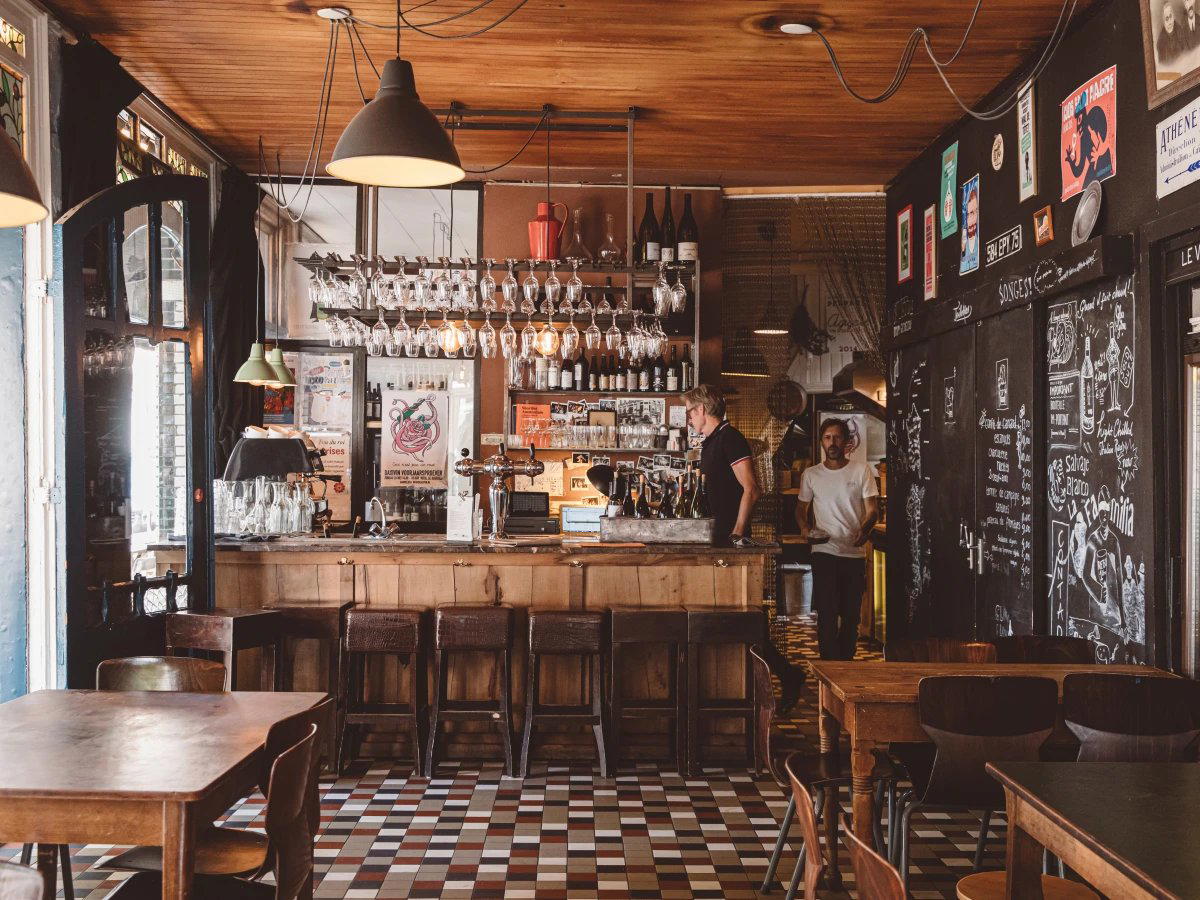
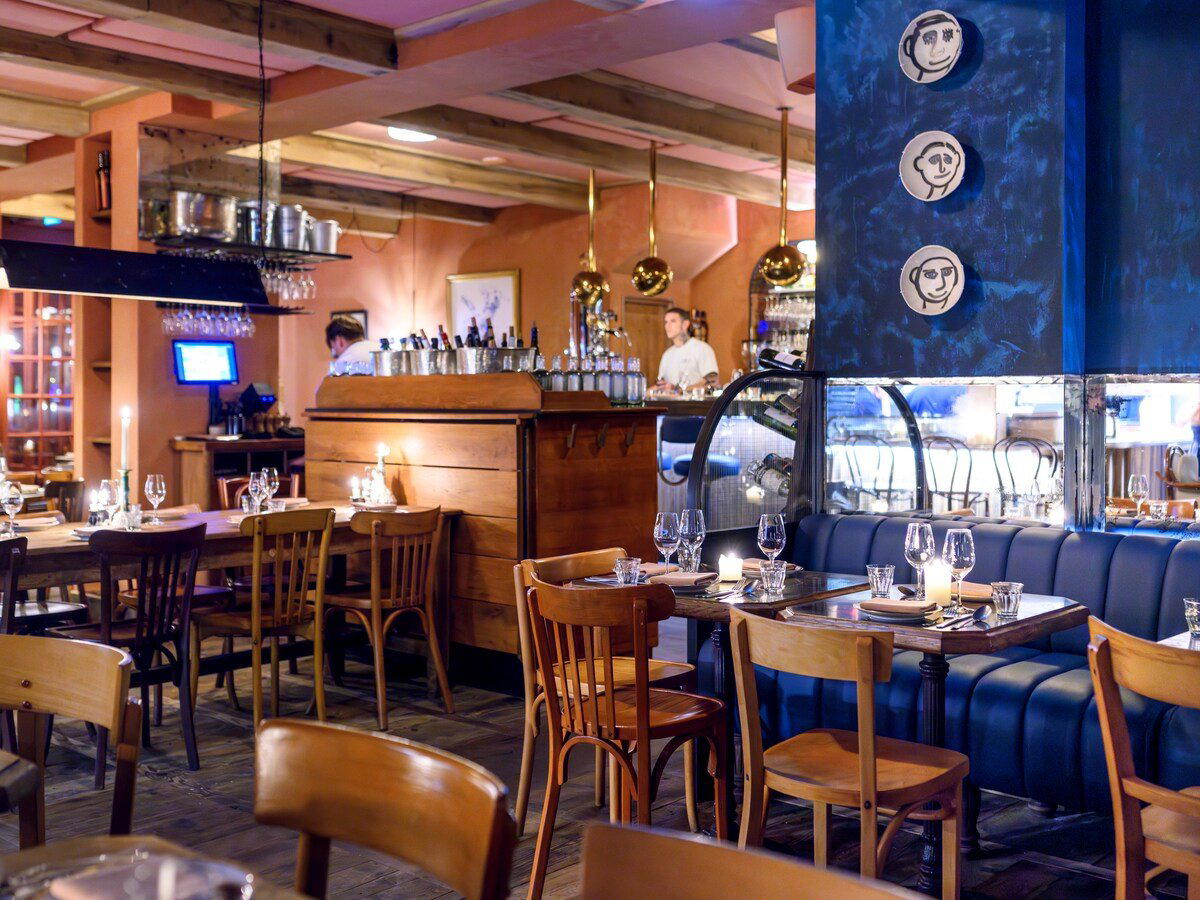
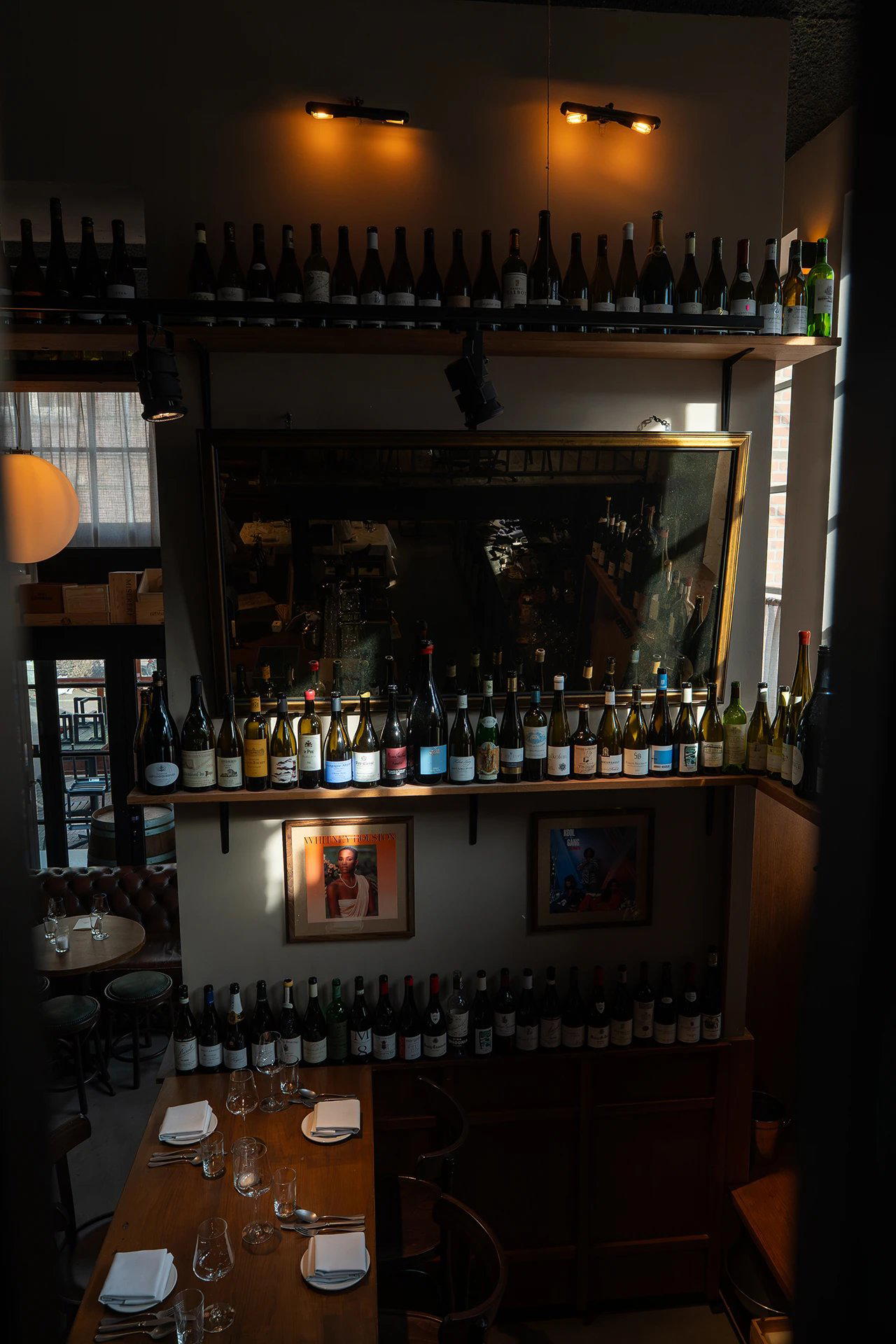
More in De Meern
Restaurants in De Meern
Browse all →
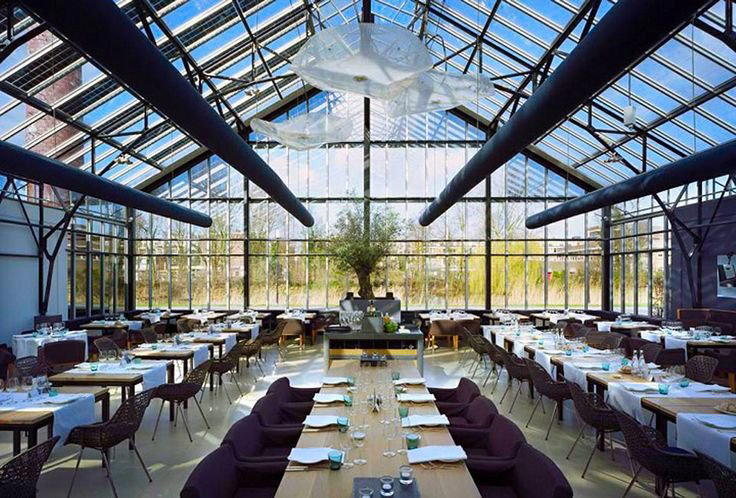
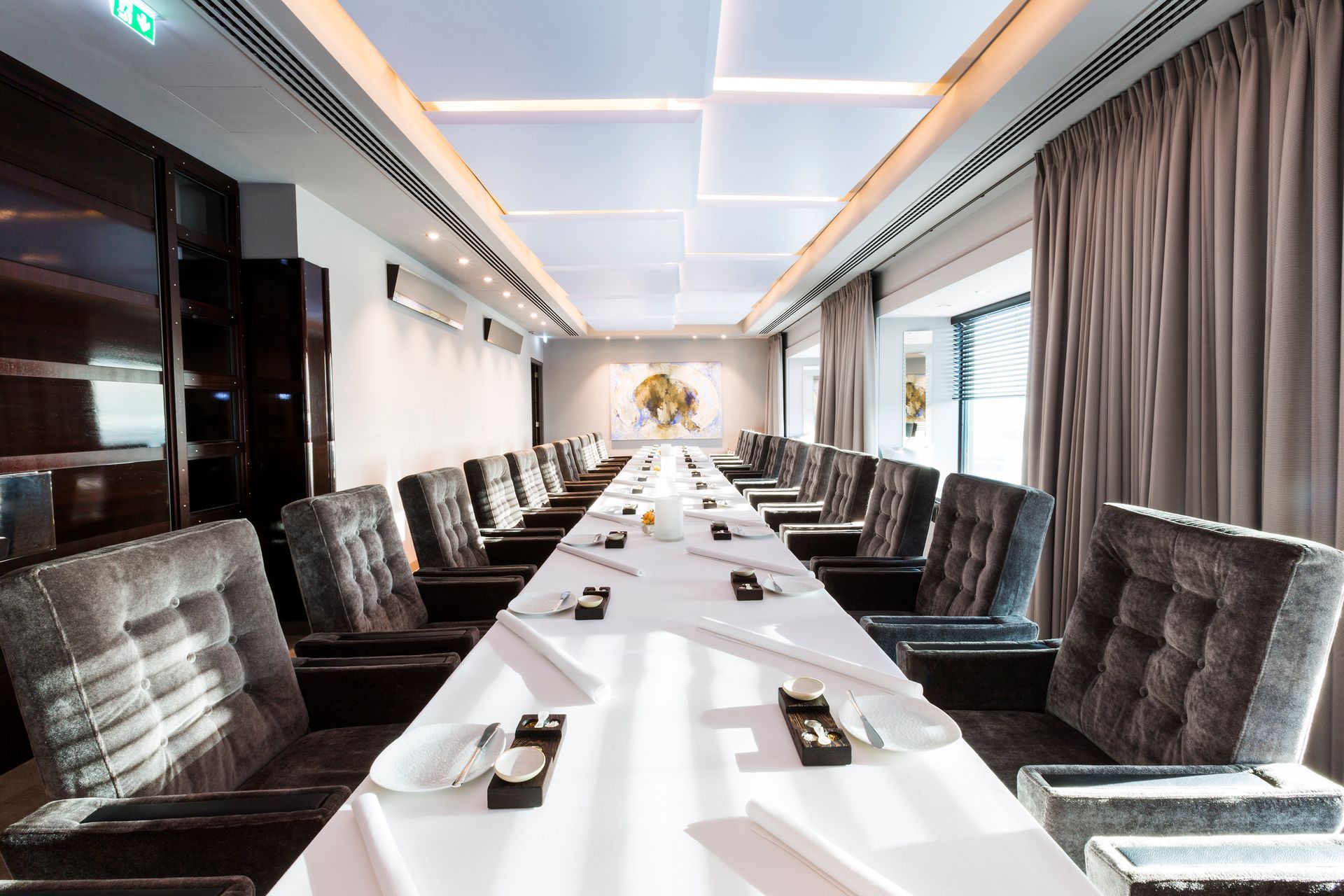
Bars in De Meern
Browse all →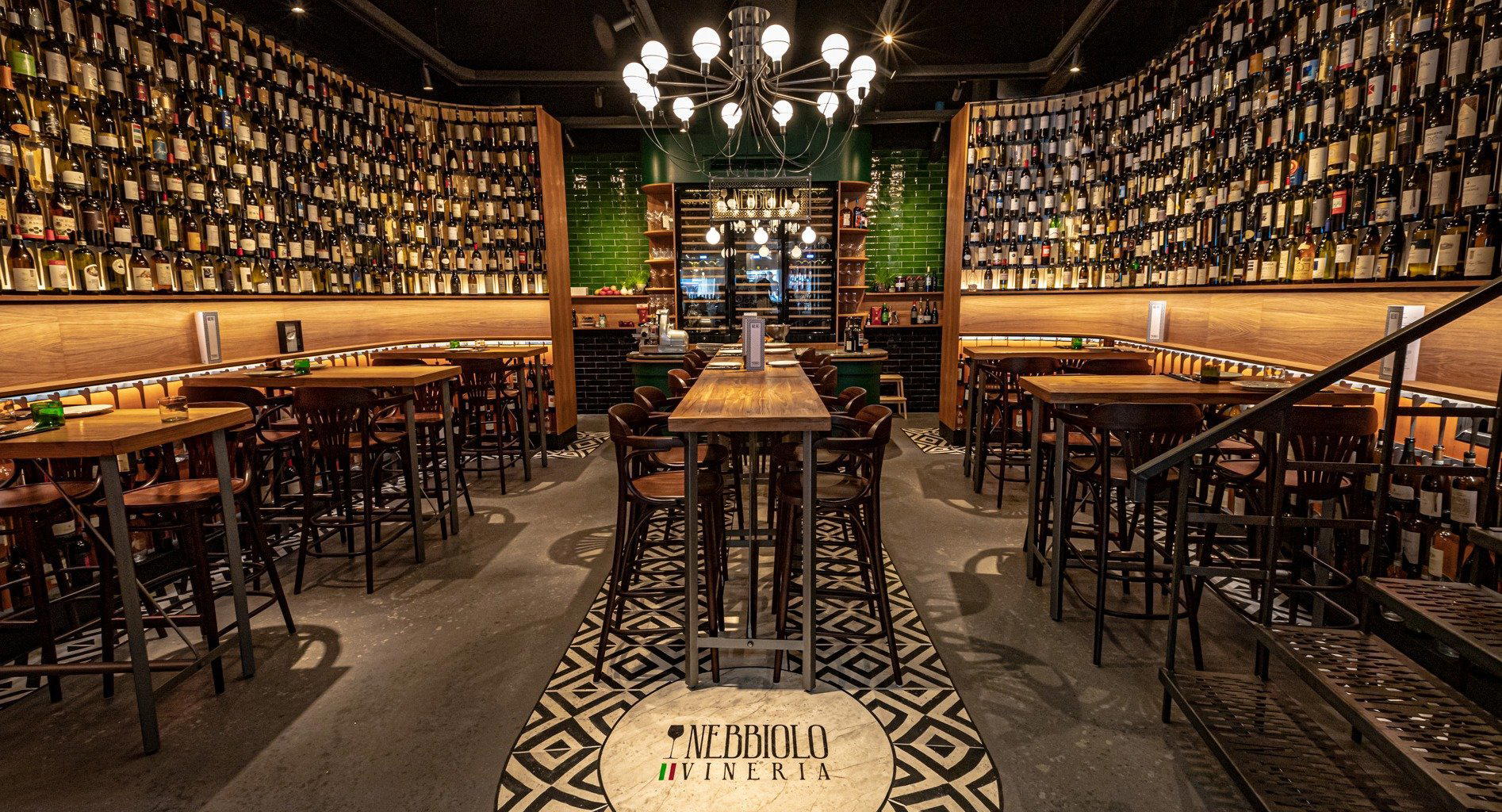
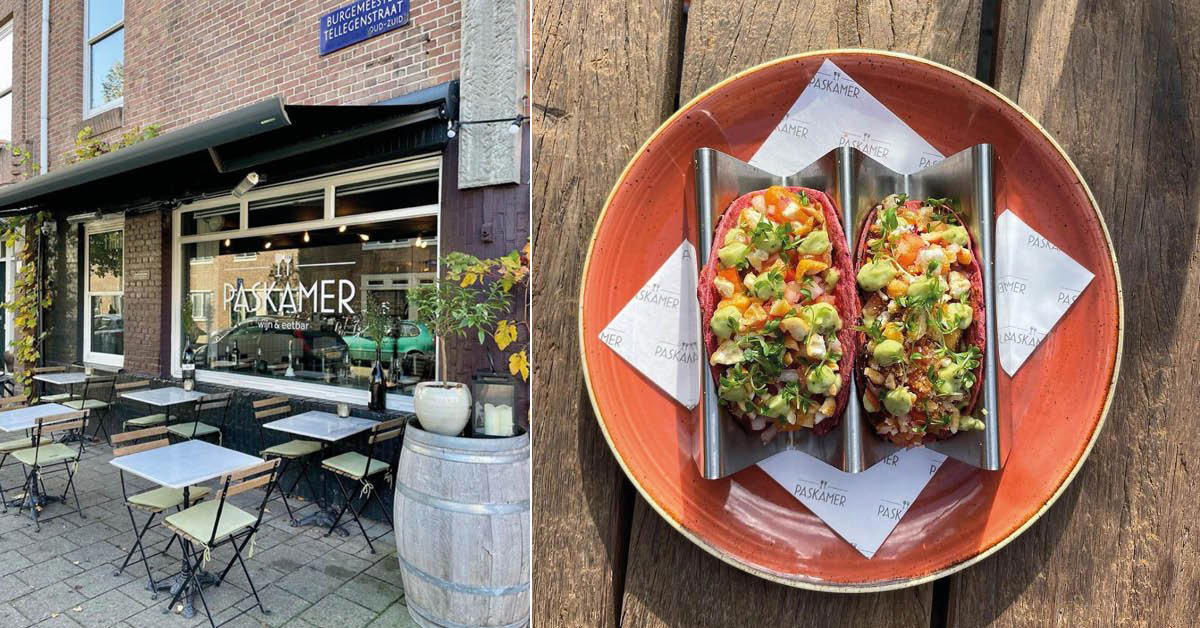
Hotels in De Meern
Browse all →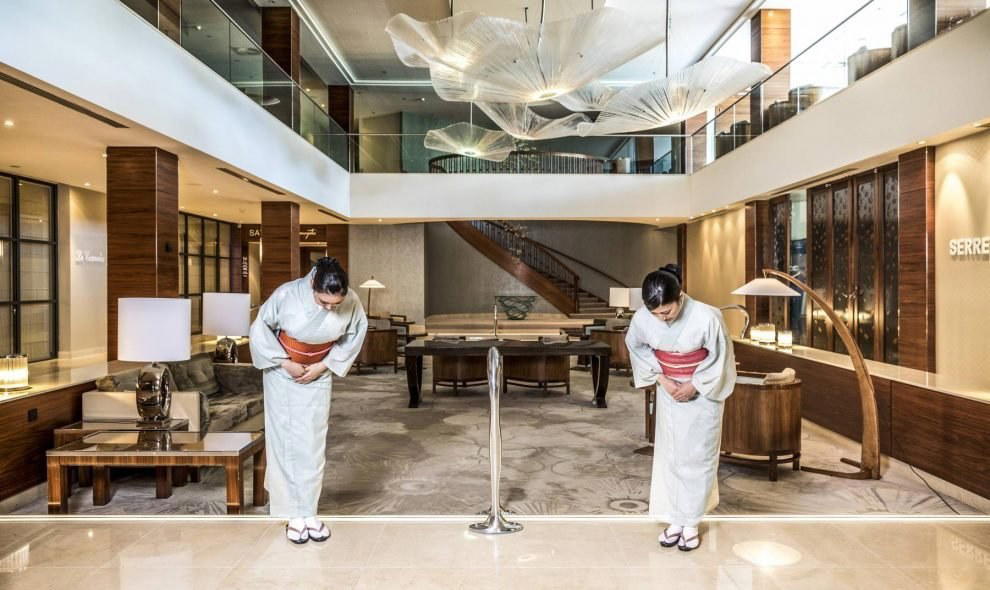
Wineries in De Meern
Browse all →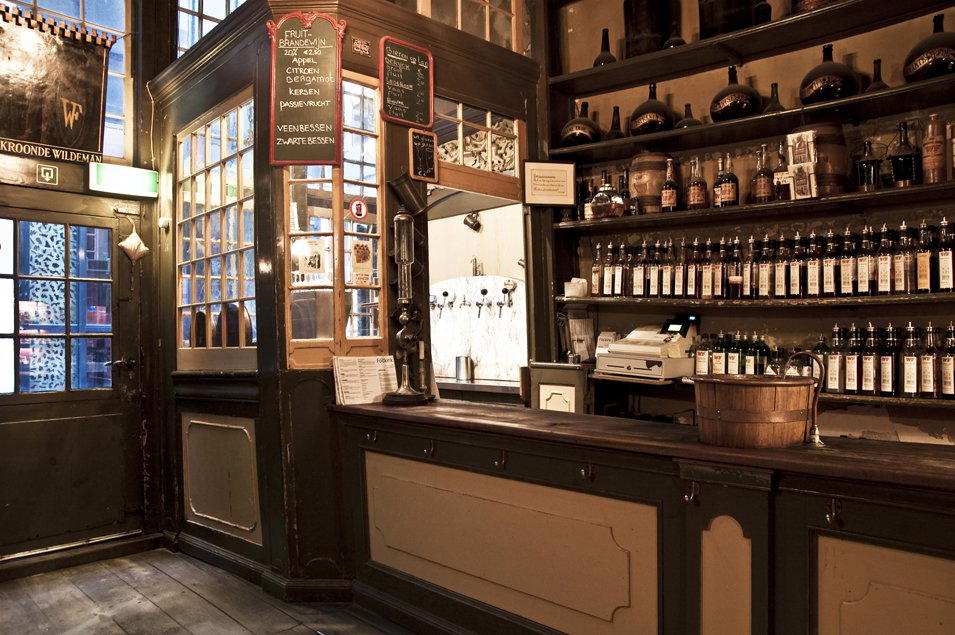
At a Glance
- Elegant
- Cozy
- Rustic
- Sophisticated
- Date Night
- Business Dinner
- Celebration
- Special Occasion
- Group Dining
- Open Kitchen
- Private Dining
- Terrace
- Garden
- Standalone
- Sommelier Led
- Local Sourcing
- Garden
Current opening hours
- Monday
- Closed
- Tuesday
- Closed
- Wednesday
- 12 PM–12 AM
- Thursday
- 12 PM–12 AM
- Friday
- 12 PM–12 AM
- Saturday
- 12 PM–12 AM
- Sunday
- 12 PM–12 AM
Hours can change for holidays and private events. Last verified .
Warm and refined atmosphere in a character-filled former farm building with high ceilings, visible beams, and views into the open kitchen; intimate terrace seating available in summer months.