De Witte Dame
De Witte Dame occupies a station-side address in Abcoude, a small municipality south of Amsterdam that punches above its size in serious dining. Set against the quiet rhythms of a village that has largely escaped urban sprawl, the restaurant draws guests who make a deliberate detour rather than stumbling in by accident. It sits within a Dutch provincial dining scene that increasingly values sourcing discipline and regional identity over imported culinary spectacle.
Pearl is the En Primeur Club membership app — saves, bookings, and concierge access live there. Same editors, same standards.
- Address
- Stationsplein 3, 1391 GS Abcoude, Netherlands
- Phone
- +31 294 269 475
- Website
- hoteldwd.nl
- Directions
- Get directions
 Saves & bookings on Pearl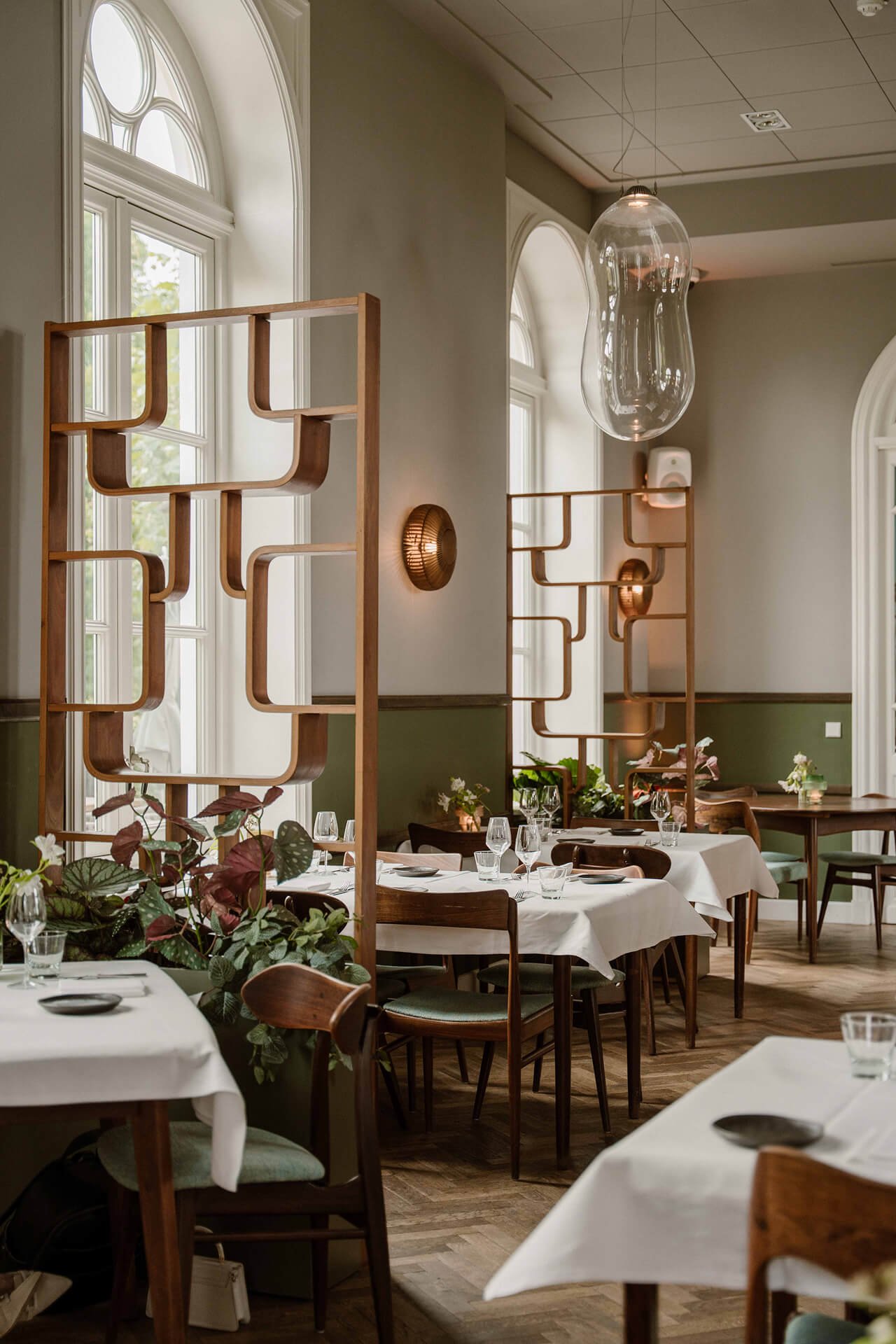
A Village Address That Rewards the Detour
Abcoude sits roughly fifteen kilometres south of Amsterdam's city centre, separated from the capital's restaurant density by the Amstel river corridor and a stretch of polderland that keeps the village genuinely quiet. Arriving at Stationsplein 3, the station square address of De Witte Dame, you step into a setting shaped by Dutch small-town architecture: modest scale, flat horizons, and a stillness that Amsterdam itself cannot offer. That context matters. Restaurants in villages of this size in the Netherlands tend to occupy one of two positions: they either serve the local population with familiar comfort food, or they make a deliberate argument for why a journey out of the city is worth the effort. De Witte Dame belongs to the second category, which is precisely what makes its location a signal rather than a limitation.
For context on the wider Abcoude dining picture, see our full Abcoude restaurants guide, which maps the town's growing reputation as a quiet counterpoint to Amsterdam's more crowded restaurant scene. Nearby, Acqua Farina represents a different register of the same village dining proposition.
Provincial Dutch Dining and the Sourcing Question
The most compelling development in Dutch fine dining over the past decade has not happened in Amsterdam. It has happened in places like Zwolle, Nuenen, and Overveen, where restaurants embedded in smaller communities have built reputations on proximity to agricultural supply chains that urban venues simply cannot replicate. De Librije in Zwolle made that argument definitively, and a generation of provincial Dutch kitchens has since followed the logic: being outside a major city is not a handicap if your access to producers, farms, and seasonal raw materials is stronger than anything your urban peers can claim.
This is the frame through which De Witte Dame is leading understood. The Netherlands has an unusually dense network of small-scale producers, market gardeners, and artisan suppliers operating in the agricultural belt between Amsterdam and Utrecht, the region in which Abcoude sits. Restaurants positioned within that belt have a structural sourcing advantage. The polder landscape around the Vecht and Amstel rivers has historically supported dairy farming, vegetable cultivation, and freshwater fishing, all of which feed directly into the kind of ingredient-led cooking that now defines the upper tier of Dutch provincial dining. De Nieuwe Winkel in Nijmegen has demonstrated how far that sourcing logic can go when taken to its conclusion, earning Michelin recognition for a kitchen built almost entirely on organic regional supply. The model is replicable in principle, though rarely matched in execution.
Comparable kitchens in the province, from De Lindenhof in Giethoorn to De Lindehof in Nuenen, have each built a version of this argument. What distinguishes one from another is usually the specificity of the sourcing relationship and the discipline of the kitchen in letting the ingredient lead rather than imposing technique over it. The question any informed visitor brings to De Witte Dame is the same one they would bring to De Bokkedoorns in Overveen or De Treeswijkhoeve in Waalre: how tight is the line between what is grown or raised nearby and what arrives on the plate?
Where This Fits in the Dutch Restaurant Map
Dutch dining has quietly reorganised itself around a few clear tiers. At the upper end sit venues with documented Michelin recognition and national profiles, places like Inter Scaldes in Kruiningen or Ciel Bleu in Amsterdam, which operate with the booking pressure and price points that international recognition creates. Below that, a productive middle tier of serious provincial restaurants serves guests who want cooking of comparable seriousness without the full ceremony or cost of a three-Michelin-star evening. This is also the tier where sourcing arguments tend to be most credibly made, because the kitchens are small enough to maintain genuine producer relationships.
De Witte Dame's station-square address in a village of this size places it in that middle tier by default. The comparison set is not FG in Rotterdam or 't Nonnetje in Harderwijk at the upper end, nor is it the everyday bistro end of the market. It sits alongside venues like Tribeca in Heeze, Brut172 in Reijmerstok, and De Groene Lantaarn in Staphorst, each of which has built a case for why a specific Dutch village or small town deserves a serious dining destination. Internationally, the dynamic of destination dining in small communities has parallels at venues like Lazy Bear in San Francisco, where format and sourcing philosophy drive the visit rather than urban foot traffic, and at focused tasting-menu operations like Le Bernardin in New York City, where ingredient sourcing is treated as foundational rather than decorative. The scale and cultural context differ, but the underlying argument, that where the food comes from matters as much as what is done with it, travels across formats.
For guests travelling from Amsterdam, the rail connection via Abcoude station makes the journey direct: direct trains run from Amsterdam Amstel and the journey takes under twenty minutes. That logistics point matters more than it might seem. A village restaurant that is genuinely accessible by public transport from a major city changes the calculus of the visit; it becomes a deliberate evening choice rather than a car-dependent expedition. Aan de Poel in Amstelveen, similarly accessible from Amsterdam by a short journey, demonstrates how that proximity can support a serious dining programme without the overhead of a capital city address.
Planning Your Visit
Stationsplein 3 in Abcoude is directly adjacent to the train station, which removes any ambiguity about arrival for guests coming by rail from Amsterdam or Utrecht. Given the limited public information currently available about opening hours, booking method, and current menu format, contacting the restaurant directly before travelling is the most reliable step. For a village of Abcoude's size, dinner services at this address are likely to operate on a schedule that rewards advance planning rather than walk-in visits, particularly on weekends when demand from Amsterdam-area guests tends to concentrate.
Comparable Spots, Quickly
| Venue | Cuisine | Price | Awards |
|---|---|---|---|
| De Witte DameThis venue — the venue you are viewing | This venue | Not listed | Not listed |
| De Librije | Modern Cuisine | €€€€ | Michelin 3 Star |
| De Nieuwe Winkel | Organic | €€€€ | Michelin 2 Star |
| De Lindenhof | Creative | €€€€ | Michelin 2 Star |
| De Lindehof | Contemporary Dutch, Creative | €€€€ | Michelin 2 Star |
| Fred | Creative French | €€€€ | Michelin 2 Star |
Continue exploring
More in Abcoude
Restaurants in Abcoude
Browse all →
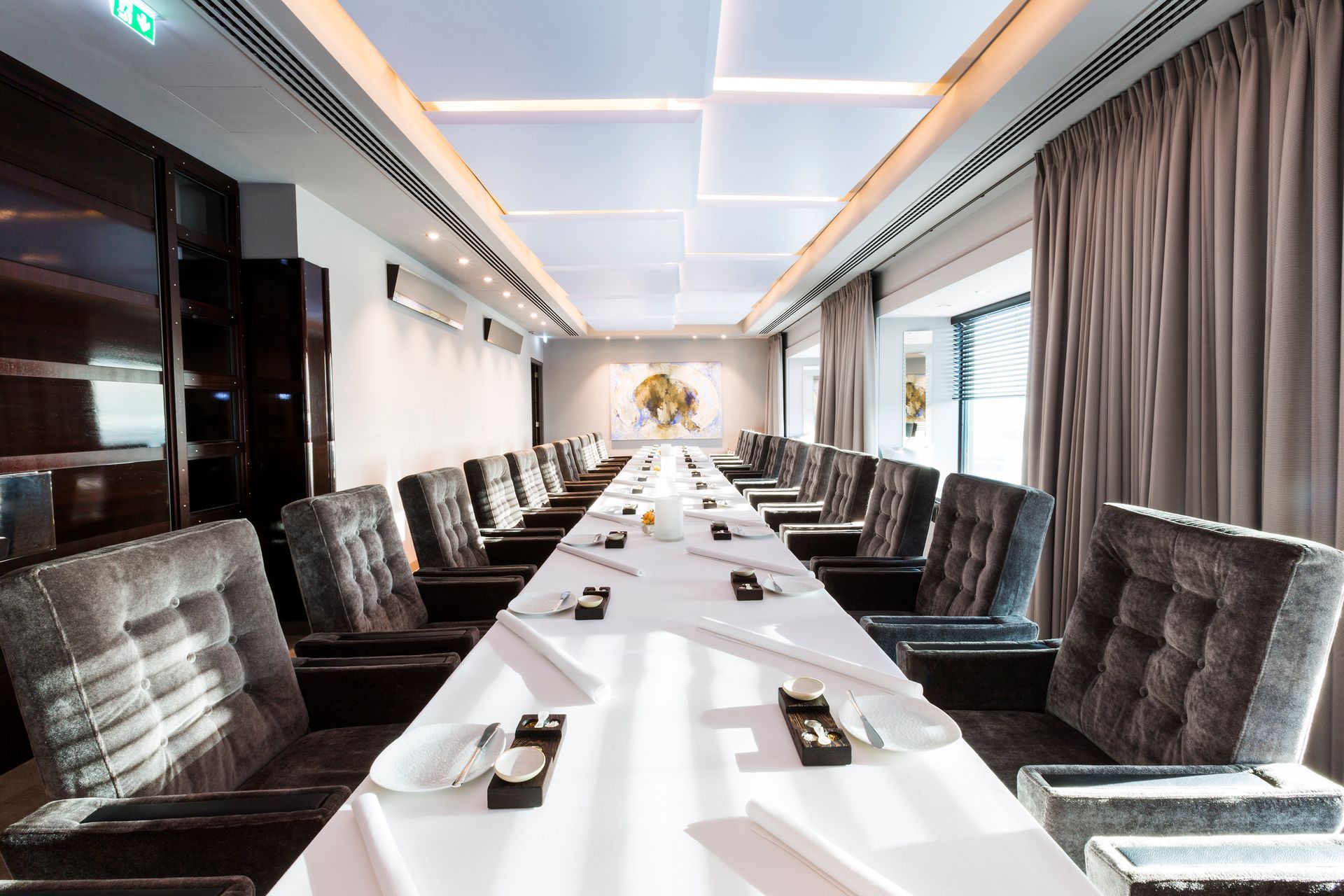
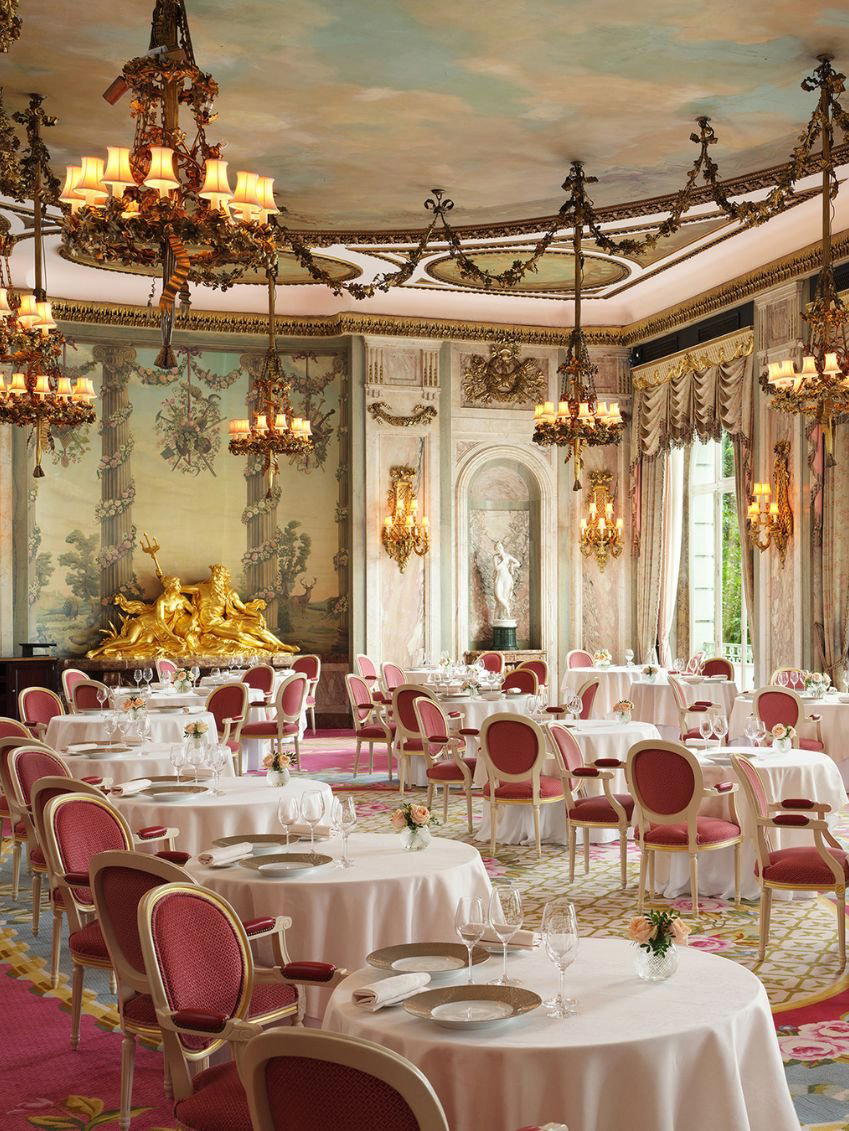
Bars in Abcoude
Browse all →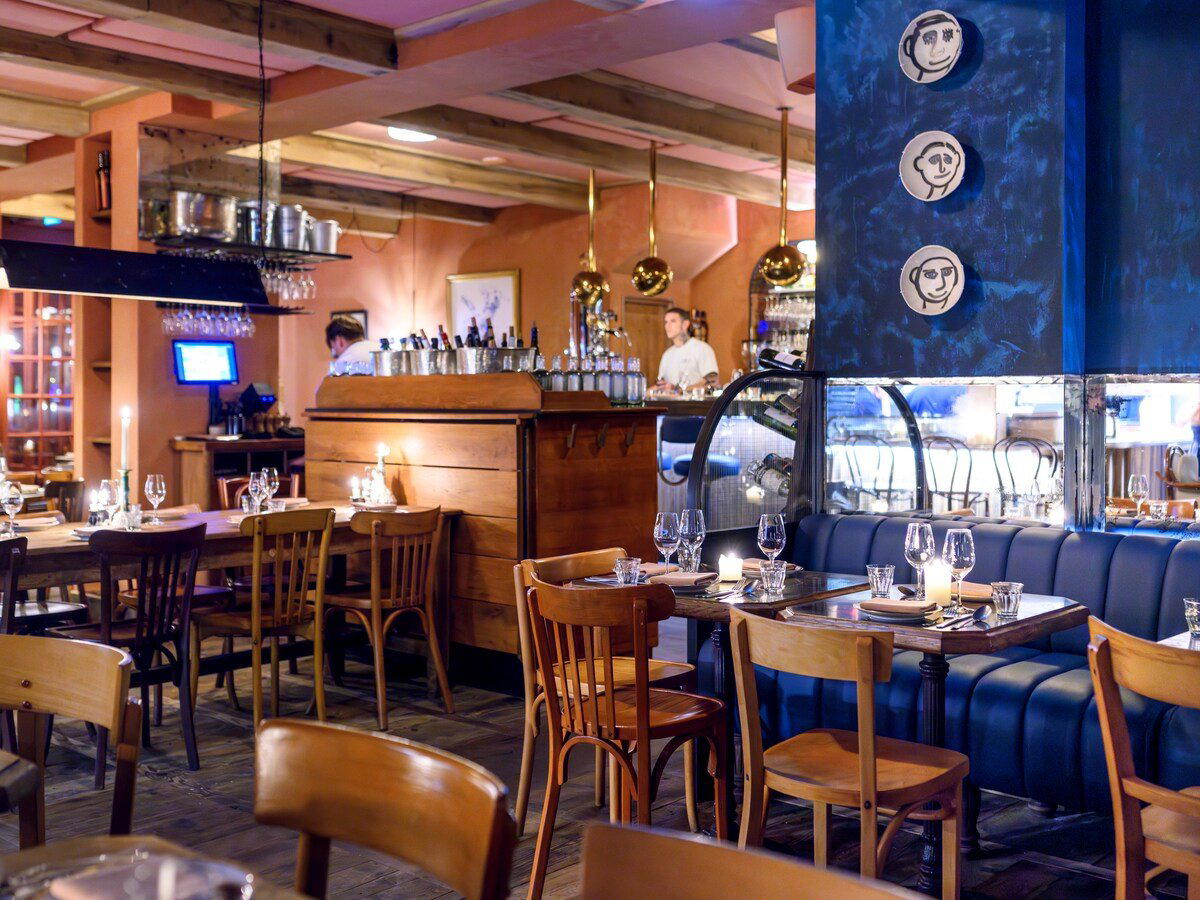
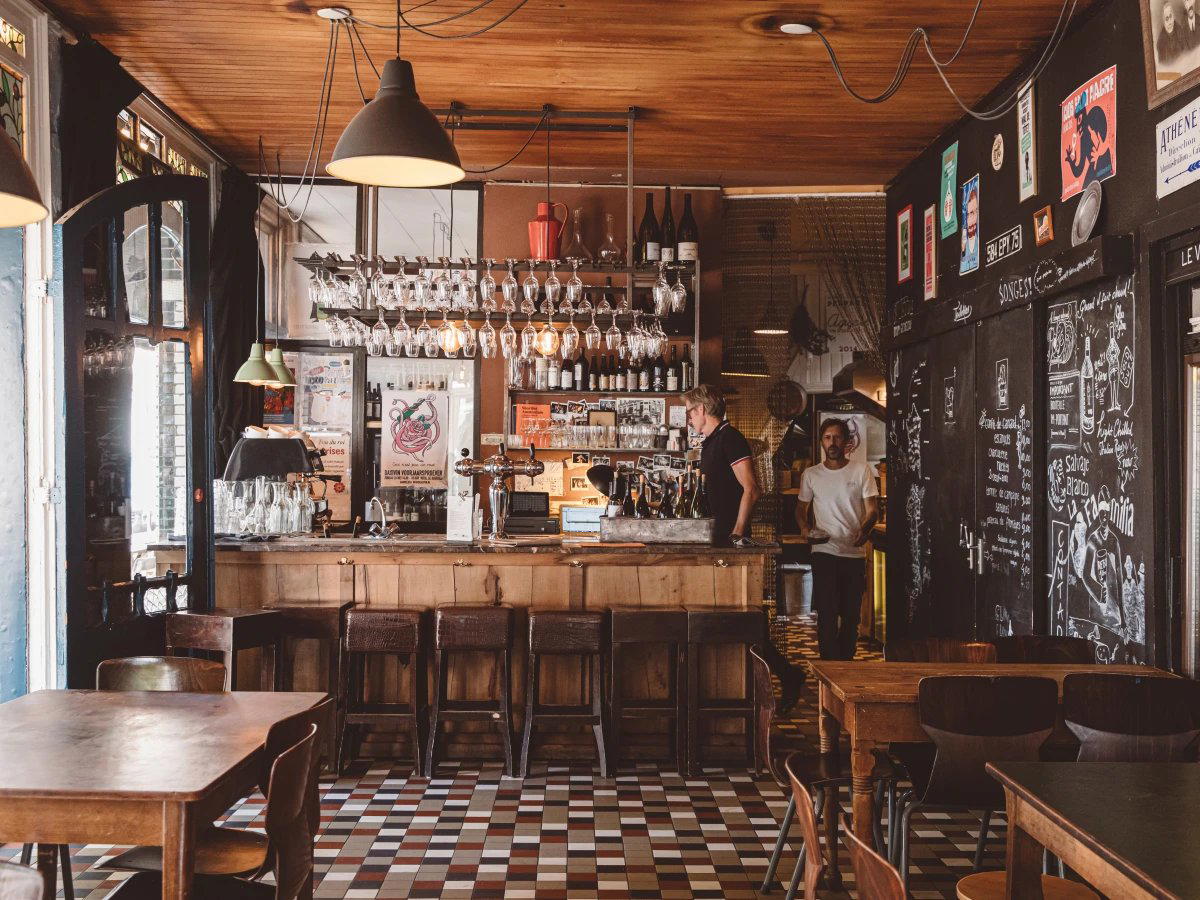
Hotels in Abcoude
Browse all →
Wineries in Abcoude
Browse all →
At a Glance
- Romantic
- Quiet
- Elegant
- Scenic
- Intimate
- Date Night
- Celebration
- Special Occasion
- Business Dinner
- Historic Building
- Garden
- Terrace
- Hotel Restaurant
- Waterfront
- Local Sourcing
- Garden
- Waterfront
Current opening hours
- Monday
- Closed
- Tuesday
- 5:30–11 PM
- Wednesday
- 5:30–11 PM
- Thursday
- 12–11 PM
- Friday
- 12–11 PM
- Saturday
- 12–11 PM
- Sunday
- 11 AM–6 PM
Hours can change for holidays and private events. Last verified .
Refined and tranquil with warm, hospitable atmosphere; stylish and charming setting with beautiful table linens and careful attention to detail throughout.
Know Before You Go
- Getting there
- Stationsplein 3, 1391 GS Abcoude, Netherlands