
Backerei TOKTARO Motoishikawa honten puts Yokohama’s suburban bakery culture in focus: early hours, take-out service, family-friendly use, and prices kept in the everyday bread-shop bracket. Its Tabelog Bread EAST “Tabelog 100” selections in 2020 and 2022 give the Aoba Ward address a credential that reaches beyond local routine.
Pearl is the En Primeur Club membership app — saves, bookings, and concierge access live there. Same editors, same standards.
- Address
- 6300-7 Motoishikawacho, Aoba Ward, Yokohama, Kanagawa 225-0004, Japan
- Phone
- +81 45-902-8511
- Website
- instagram.com
 Saves & bookings on Pearl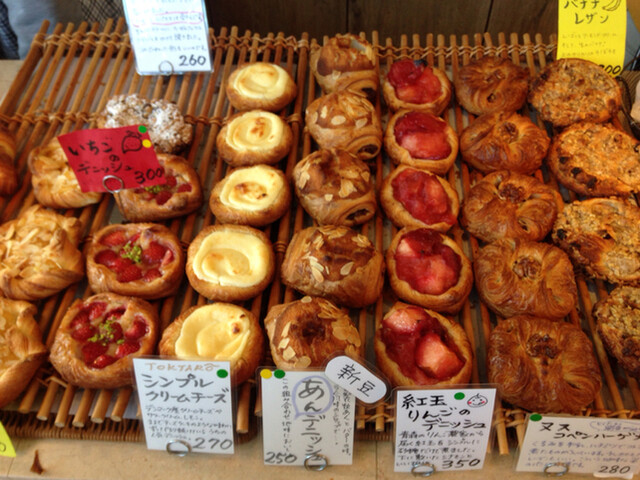
Approaching a serious suburban bakery in Japan differs from entering a city-center dining room. The cues are quieter: morning traffic, a short window before popular shelves thin, and regulars buying bread as domestic planning, not souvenir. In Yokohama’s Aoba Ward, Backerei TOKTARO Motoishikawa honten fits that rhythm. It is a bread-and-cafe address, not a formal destination restaurant, yet its reputation has travelled because it captures a precise part of Japanese food culture: European-style baking absorbed into neighborhood routine.
Yokohama is often read through Chinatown, bayside hotels, and date-night dining, but its western and northern wards tell another story. The Den-en-toshi corridor has long favored polished residential food businesses: bakeries, patisseries, coffee rooms, and small restaurants serving weekday households as much as weekend visitors. Here, a bakery is judged less by spectacle than repeatability, access, and the ability to hold local trust across ordinary mornings.
Aoba Ward's bakery circuit rewards planning, not ceremony
The useful way to read Backerei TOKTARO Motoishikawa honten is through logistics. Japan’s stronger bread shops often sit between retail and cafe, with service patterns that reward early movement and practical choices. This address is listed for take-out, children are welcome, and the price band sits under JPY 999, making it an everyday purchase rather than a special-occasion stop. That combination explains how a suburban bakery enters a serious Yokohama food itinerary without acting like a fine-dining room.
The recognition is not casual. Selection for Tabelog Bread EAST “Tabelog 100” in 2020 and 2022 places the bakery in a competitive eastern Japan frame, alongside regional bread specialists rather than only neighborhood peers. Its Tabelog score of 3.69 also signals sustained public approval in a category where small variations in quality, timing, and stock shape the experience. The point is not to treat a bakery like a tasting menu. It is that Japanese bread culture has its own hierarchy, and this address has been marked within it.
That hierarchy differs from Yokohama’s restaurant conversation. A yakitori counter such as 1000 (Yakitori (Grilled chicken skewers)) turns on smoke, sequence, and counter pacing. Older casual institutions such as Aichun, curry rooms like Ajowan, and local set-piece restaurants such as Alpenjiro Honten ask for another appetite. A bakery stop works around them: breakfast before a train day, provisions before hotel check-in, or a low-cost counterpoint to Yokohama’s heavier dining schedule.
The appeal is in the everyday price tier with serious recognition
Japan’s bread scene is easy to underestimate from abroad because the format looks modest. Serious shops rarely need luxury language. They compete on frequency: consistent neighborhood service, management of morning demand, and repeat custom outside holiday travel. Backerei TOKTARO Motoishikawa honten sits squarely there. The listed categories, Bread and Cafe, are plain, but the award history makes that plainness more interesting, showing how far Japanese bakery culture has moved from imported reference into local grammar.
Against the Yokohama comparison set, the value positioning is clear. Prologue and La Belle Colline also occupy the under-JPY 999 bakery bracket, while Berg no Shigatsu Honten is listed higher at JPY 2,000 to JPY 2,999 and Koguma higher again at JPY 3,000 to JPY 3,999. Mira! Tama Plaza belongs to a different dining tier, with lunch and dinner ranges well above a casual bread stop. For readers building a Yokohama day, that matters. Aoba Ward can support both planned meals and low-cost specialty stops, but they serve different purposes.
The better comparison is decision style, not only price. A restaurant meal asks for a time block. A bakery in this register asks for timing, route discipline, and restraint: arrive early, buy for the next few hours, and avoid treating the stop as a full lunch unless the day allows it. Reservations may be available, but the sharper advice is to think like a local bakery customer, not a tourist hunting one dramatic plate.
How to fit it into a Yokohama itinerary
The address sits in Motoishikawacho in Aoba Ward, away from the port-facing image of central Yokohama. That geography changes the visit. It pairs more naturally with a northern Yokohama or Tama Plaza plan than with a quick detour between Minato Mirai and Chinatown. The nearest-station information points to Tama Plaza, and the listed transport notes include bus access and a long walk from rail stations, so place it deliberately on the map. Treating it as a casual add-on from central Yokohama risks making the logistics larger than the meal.
For wider planning, use Our full Yokohama restaurants guide to balance bakery stops with sit-down meals, then check Our full Yokohama hotels guide if the route depends on where the night is based. Drinks-led travelers can cross-reference Our full Yokohama bars guide, while longer cultural itineraries sit better alongside Our full Yokohama experiences guide. Wine-focused readers can scan Our full Yokohama wineries guide, though the stronger pairing here is coffee, breakfast, and train timing rather than cellar depth.
Regional context helps. Kanagawa food days often stretch beyond Yokohama proper, from Kamakura dining such as -Grilled beef Sukiyaki- KAMAKURA TANUKIAN 鎌倉 たぬき庵 in Kamakura to Kawasaki options like (Shoku) Vietnam in Kawasaki. Tokyo and Osaka comparisons help for scale, not mood: 鮪と炭火焼き うお炭 秋葉原店 in Tokyo and.cafe in Osaka belong to different urban habits. Bread culture travels differently, more quietly, and often with less English-language fanfare.
The verdict is practical. Backerei TOKTARO Motoishikawa honten is not for a tight central Yokohama schedule, but suits travelers who take Japan’s bakery category as seriously as ramen, sushi, or yakitori. The value is the combination of neighborhood function, low price band, take-out format, and Tabelog Bread EAST “Tabelog 100” recognition. On a broader Japan food map, it can sit beside far-flung casual specialists such as Anzen Shokudo.know in Kumamoto, [Curry Senmon Ten] Maruyama Kyoju. in Sapporo, or, outside Japan, focused Japanese-format addresses such as Jōdo Saké Bar in Los Angeles and Onigiri Time in Pasadena. The common thread is not glamour, but the discipline of a narrow format done consistently enough to justify the detour.
Cuisine Lens
Comparable venues by cuisine and price in the same metro.
| Venue | Cuisine | Price | Notes |
|---|---|---|---|
| Backerei TOKTARO Motoishikawa hontenThis venue — the venue you are viewing | Neighborhood bakery | $ | Not listed |
| Cinnamon Garden Kannai ten | Sri Lankan Curry House | $ | Naka |
| Uchiki Pan | Japanese Bakery | $ | Naka |
| Pain de U | Bakery & café | $ | Kanagawa |
| boulangerie onni | Bakery Cafe | $$ | Kōnan |
| Gelato Firenze | Italian-style Gelato & Ice Cream | $ | Nishi |
Recognition history
Dated appearances from independent guides and award organizations, with the underlying list record or original source where available.
Tabelog 100 #97 · No. 97
Tabelog · Tabelog 100 - Bread - EAST - 2022
Continue exploring
More in Yokohama
Restaurants in Yokohama
Browse all →


Bars in Yokohama
Browse all →




Hotels in Yokohama
Browse all →




Wineries in Yokohama
Browse all →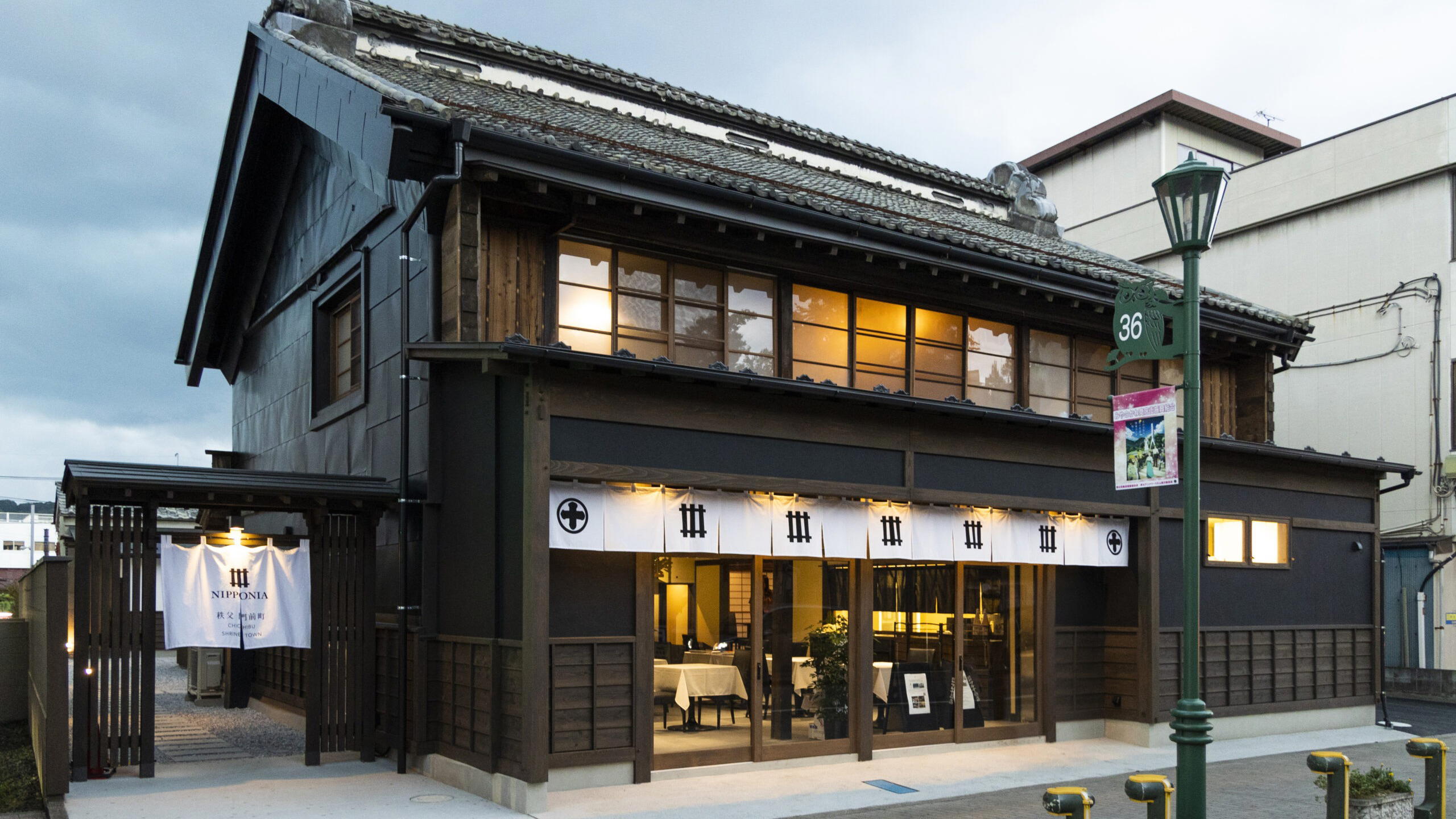
At a Glance
- Cozy
- Rustic
- Solo
- Family
- Casual Hangout
- Standalone
Current opening hours
- Monday
- 8 AM–4 PM
- Tuesday
- Closed
- Wednesday
- Closed
- Thursday
- 8 AM–3 PM
- Friday
- 8 AM–3 PM
- Saturday
- 8 AM–3 PM
- Sunday
- 8 AM–3 PM
Hours can change for holidays and private events. Last verified .
A modest, cozy take-out oriented bakery with simple rustic displays of bread and a relaxed neighborhood feel rather than a full sit-down café atmosphere.