Our verdict
On Soi Inthamara 47 in Din Daeng, Baan Yai Phad Thai represents the kind of neighbourhood institution that Bangkok's street food culture depends on. The name telegraphs focus: this is a kitchen built around pad thai, one of Thailand's most technically demanding single-dish formats. For visitors working through the city's broader dining scene, it anchors the local end of a spectrum that runs all the way up to Michelin-starred Thai contemporary.

Pearl is the En Primeur Club membership app — saves, bookings, and concierge access live there. Same editors, same standards.
- Address
- 110 Soi Inthamara 47, Ratchadaphisek, Din Daeng, Bangkok 10400, Thailand
- Phone
- +66896815838
- Hours
- Mon–Sat 10 AM–6 PMSun Closed
- Website
- web.facebook.com
- Directions
- Get directions
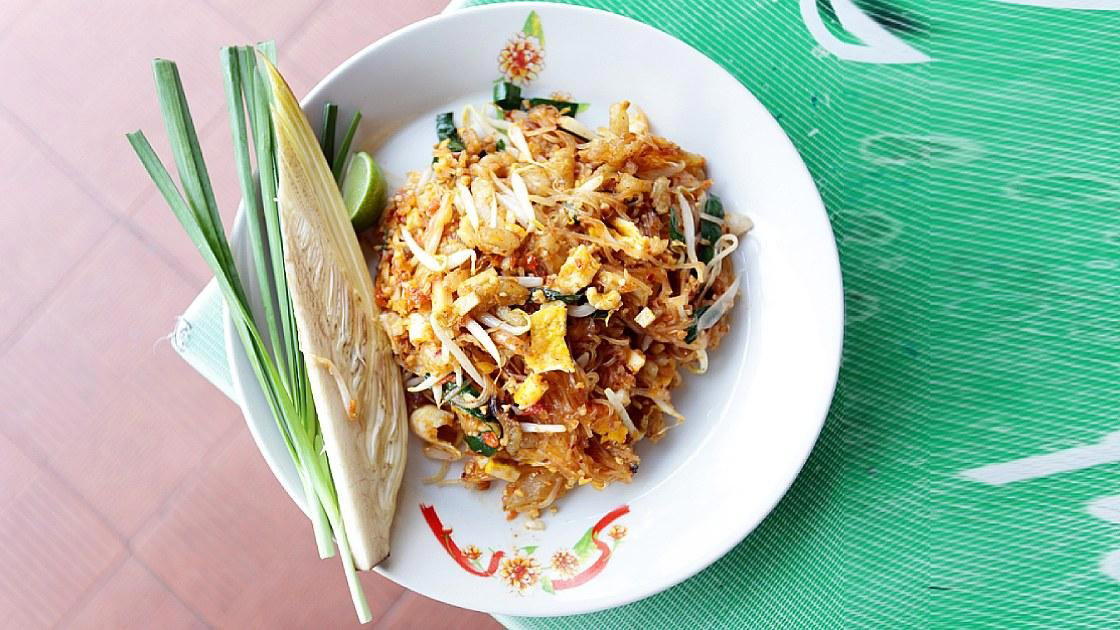
The menu
What to order
- Pad Thai with prawn
- Pad Thai with squid
- Pad Thai with pork crackling
Pad Thai as Discipline: Bangkok's Single-Dish Kitchen Tradition
Bangkok's food culture has always operated across registers simultaneously. At one end, tasting-menu kitchens like Sorn (Southern Thai) and Baan Tepa (Thai contemporary) apply multi-course formats to regional Thai traditions, pricing against imported fine dining at the ฿฿฿฿ tier. At the other, neighbourhood specialists have spent decades refining a single preparation to a level that the tasting-menu format cannot easily replicate. Baan Yai Phad Thai, on Soi Inthamara 47 in the Din Daeng district, belongs to that second category: a kitchen defined entirely by the discipline of one dish.
The name is not a marketing decision. In Thai restaurant culture, naming a venue after its signature preparation carries an implicit contractual obligation to the neighbourhood. It announces that the kitchen has chosen depth over breadth, that the wok technique, the noodle calibration, and the balance of tamarind, fish sauce, and palm sugar are the entire point. That kind of commitment is rarer than it sounds in a city where menus routinely run to forty items.
Din Daeng and the Geography of Bangkok's Street Food Seriousness
The Din Daeng and Ratchadaphisek corridor is not a neighbourhood that features prominently in tourist itineraries. That absence is instructive. This part of Bangkok functions primarily for residents, which means its restaurants compete on quality and price rather than on atmosphere designed for visitors. The address at 110 Soi Inthamara 47 places Baan Yai Phad Thai inside a zone where the customer base is local, repeat, and unforgiving about standards. A neighbourhood kitchen in this context survives by execution, not by position.
This dynamic appears across Bangkok's outer districts. Operations like AKKEE in Pak Kret and destination restaurants anchored in provincial centres such as Ayutthayarom in Phra Nakhon Si Ayutthaya share the same structural logic: proximity to an audience that cares about the food rather than the setting. Baan Yai Phad Thai sits in that tradition, within Bangkok's city limits but outside the tourist-facing districts of Sukhumvit, Silom, and Riverside.
What Pad Thai Actually Requires
The wider conversation about Thai food internationally has tended to frame pad thai as entry-level, the default order for visitors unfamiliar with the menu. That framing misreads what the dish demands technically. The foundation is sen chan noodles, a thin rice noodle from Chanthaburi province with a specific texture that breaks down irreversibly if the wok temperature drops at the wrong moment. The tamarind base requires calibration against the natural salinity of the fish sauce and the sweetness of palm sugar, proportions that shift with the quality and age of each ingredient. The egg integration, the protein timing, the crunch retention of bean sprouts added at the final second — each element has a narrow window.
International kitchens from Le Bernardin in New York City to Lazy Bear in San Francisco have long understood that technique applied to a single preparation can carry an entire menu. The premise is the same here, scaled to a neighbourhood format rather than a reservation-required tasting room. The editorial angle that places technique against tradition applies just as pointedly in Bangkok's street food tier as it does in the global fine dining conversation about indigenous products meeting imported methods.
Bangkok's most technically rigorous kitchens — whether at Gaa (Modern Indian), Sühring (German), or Côte by Mauro Colagreco at the ฿฿฿฿ end, have in common a commitment to sourcing ingredients precisely and applying consistent method. That same logic, applied to a single wok and a single noodle dish in Din Daeng, is what separates a specialist neighbourhood kitchen from a generalist one.
Thailand's Single-Dish Kitchen Tradition Beyond Bangkok
The single-dish specialist format recurs across Thailand. Baan Chik Pork Noodles in Udon Thani operates on the same principle in the northeast, as does the focused format of Baan Heng in Khon Kaen. In the south, coastal kitchen specialists like Baan Suan Lung Khai in Ko Samui anchor their identity around seafood preparations particular to their location. What connects these venues is the rejection of menu breadth as a signal of quality: the narrower the offering, the clearer the claim about what the kitchen actually does well.
Regional examples extend further. PRU in Phuket applies a farm-to-table sourcing framework at the fine dining tier, while operations like Banrimbung in Nakhon Pathom and Banmai Chay Nam in Nakhon Ratchasima reflect how provincial Thai dining maintains its own standards independently of Bangkok's restaurant industry. Anuwat in Phang Nga and The Spa in Lamai Beach further illustrate the range of formats operating outside the capital. Baan Yai Phad Thai places itself in this national tradition, with Bangkok's density and competitive pressure as its immediate context.
Planning a Visit: Practical Notes
Baan Yai Phad Thai operates in Din Daeng, a residential district most efficiently reached by taxi or motorcycle taxi from the MRT Ratchadaphisek or Huai Khwang stations. The address at 110 Soi Inthamara 47 is a soi address rather than a main road frontage, which means GPS navigation is more reliable than signage-based navigation on approach. No website or reservations platform is listed in the public record for this kitchen, which is consistent with the walk-in format that neighbourhood pad thai specialists in Bangkok typically operate under. Visit timing in Bangkok's cooler months, roughly November through February, makes outdoor or semi-open dining formats more comfortable. Wet season visits from May through October remain viable, but midday heat increases the ambient temperature around high-output wok stations considerably. For the broader Bangkok dining context, including tasting-menu options at contrasting price points and formats, the EP Club full Bangkok restaurants guide covers the city's current range.
Frequently asked questions
Where exactly is Baan Yai Phad Thai?
Baan Yai Phad Thai is located at 110 Soi Inthamara 47, Ratchadaphisek, Din Daeng, Bangkok 10400, Thailand, Bangkok.
Is Baan Yai Phad Thai in Din Daeng worth the detour from central Bangkok?
The Din Daeng and Ratchadaphisek corridor sits off the routes most visitors follow, which is precisely the condition that sustains single-dish kitchens like Baan Yai Phad Thai. The nearest MRT access point is Ratchadaphisek or Huai Khwang station, with motorcycle taxis covering the remaining distance to Soi Inthamara 47. For those tracking Bangkok's specialist kitchen tradition alongside names like Baan Chik Pork Noodles in Udon Thani, this format represents a discipline worth following across the city.
What dish is Baan Yai Phad Thai famous for?
Baan Yai Phad Thai operates as a single-dish kitchen focused entirely on pad thai. In Bangkok's food culture, this format signals a cook who has spent years refining one preparation rather than maintaining a broad menu. The Din Daeng address on Soi Inthamara 47 places it firmly in the working residential Bangkok that serious street food specialists tend to occupy.
Should I book Baan Yai Phad Thai in advance?
No booking contact is publicly listed for Baan Yai Phad Thai. Single-dish street kitchens in Bangkok's Din Daeng district typically operate on a walk-in basis, so arriving early in a service period is the standard approach. Queue length at specialist pad thai kitchens in residential Bangkok corridors can be a reliable indicator of local standing.
What is Baan Yai Phad Thai known for?
Baan Yai Phad Thai is known for concentrating entirely on pad thai at a time when the dish is often dismissed internationally as entry-level Thai cooking. Its location in Din Daeng, a residential district along the Ratchadaphisek corridor that rarely appears on tourist itineraries, reflects its orientation toward a local rather than visitor clientele. That geography is part of its credibility.
How does Baan Yai Phad Thai handle allergies?
No allergy policy is documented for Baan Yai Phad Thai. Pad thai as a dish typically contains shellfish-based sauces, egg, and peanuts, so guests with relevant allergies should communicate directly with the kitchen on arrival. No contact details are currently listed, making an in-person conversation the most reliable approach.
Peers You’d Cross-Shop
Comparable venues nearby, for context on price, style, and recognition.
| Venue | Cuisine | Price | Notes |
|---|---|---|---|
| Baan Yai Phad ThaiThis venue — the venue you are viewing | Charcoal-Grilled Pad Thai | $1–10 | Not listed |
| Phed Mark | Spicy Pad Krapao Specialist | $1–10 | Khlong Toei |
| Lukkaithong | Royal Thai-Chinese Cuisine | $30–50 | Watthana Khwaeng |
| Lai Rot | Authentic Royal Thai Cuisine | $1–10 | Sam Sen |
| Krua Pa & Ma Restaurant | Authentic Thai | $10–20 | Bom Phrap Satru Pai Khwaeng |
| Blue Elephant | Royal Thai Heritage Cuisine | $30–50 | Bang Rak Khwaeng |
Details
- Cozy
- Casual Hangout
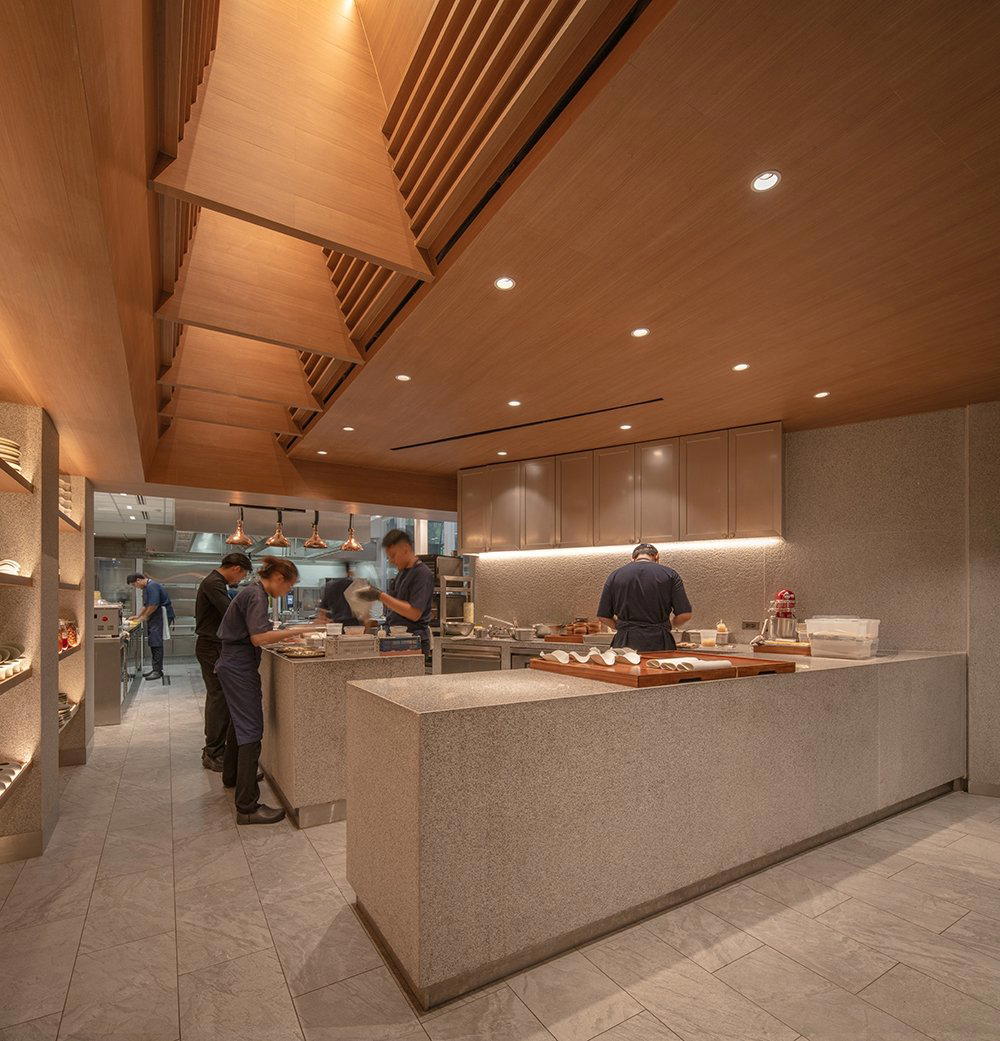
- Open Kitchen
- A La Carte
- Vegetarian Friendly
Current opening hours
- Monday
- 10 AM–6 PM
- Tuesday
- 10 AM–6 PM
- Wednesday
- 10 AM–6 PM
- Thursday
- 10 AM–6 PM
- Friday
- 10 AM–6 PM
- Saturday
- 10 AM–6 PM
- Sunday
- Closed
Hours can change for holidays and private events. Last verified .
Casual street-side spot with lively crowds waiting for smoky, flavorful noodles from a bustling charcoal kitchen.