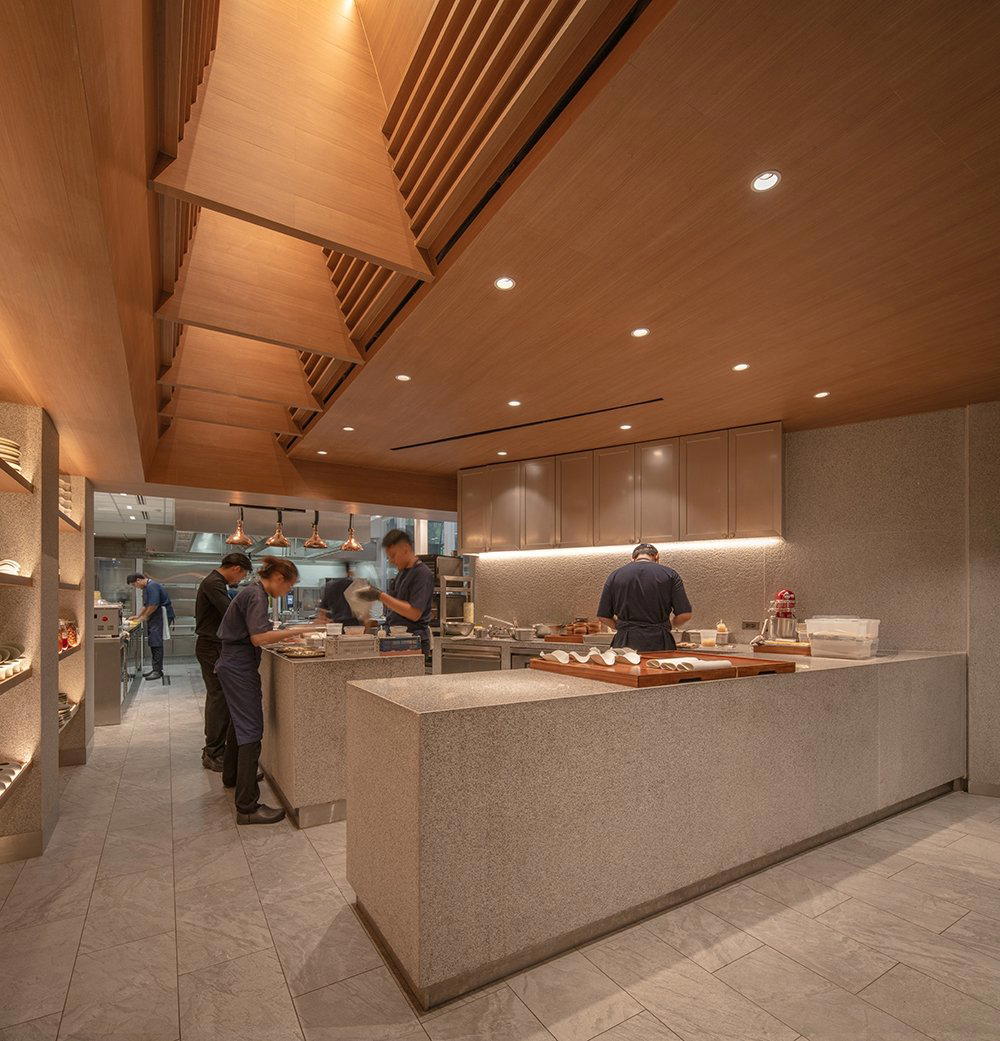
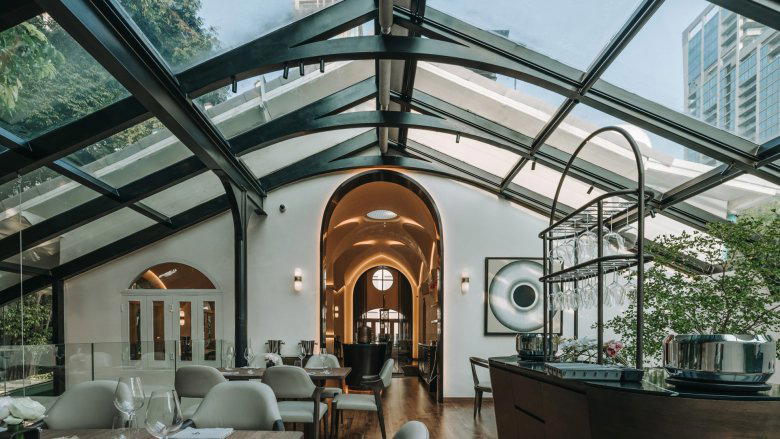
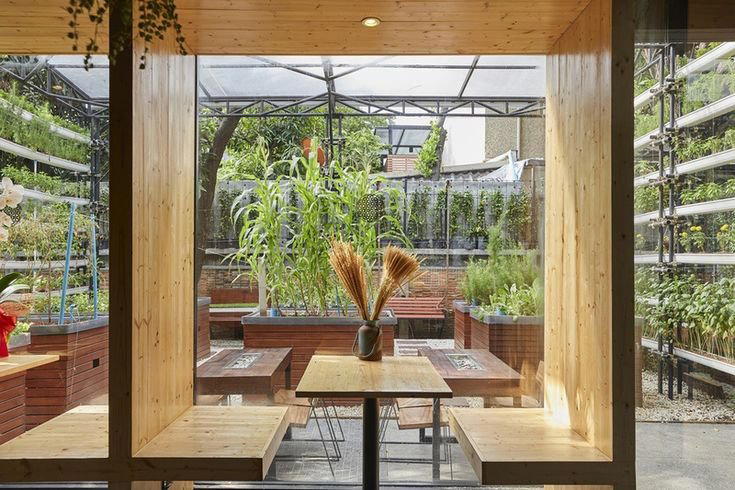
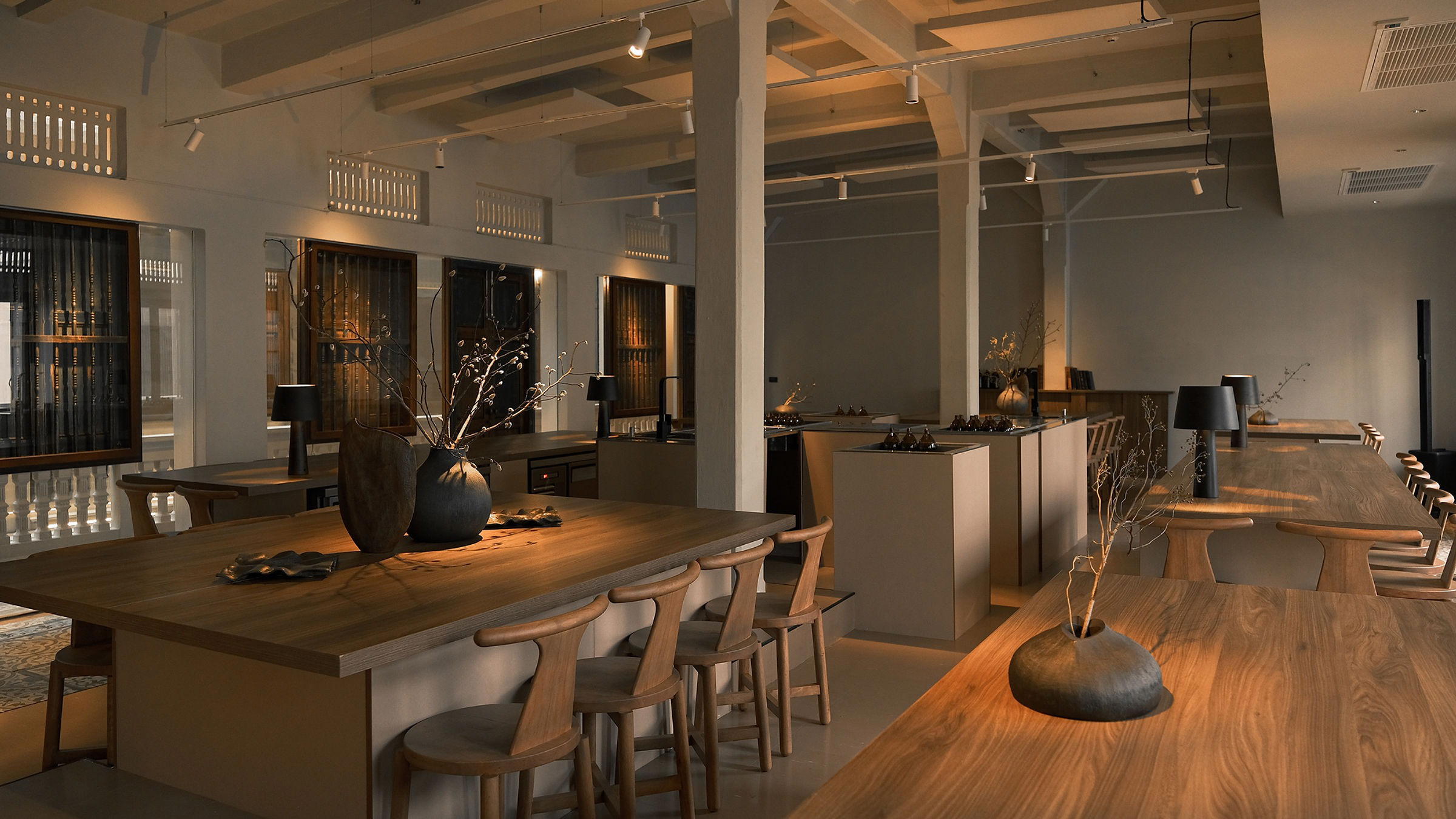
Lai Rot serves Authentic Royal Thai Cuisine in Phaya Thai, with local sourcing, a garden view, and an open kitchen suited to lunch or dinner.
Pearl is the En Primeur Club membership app — saves, bookings, and concierge access live there. Same editors, same standards.
- Address
- Phaya Thai, Bangkok 10400, Thailand
- Phone
- +6622792895
- Directions
- Get directions
 Saves & bookings on Pearl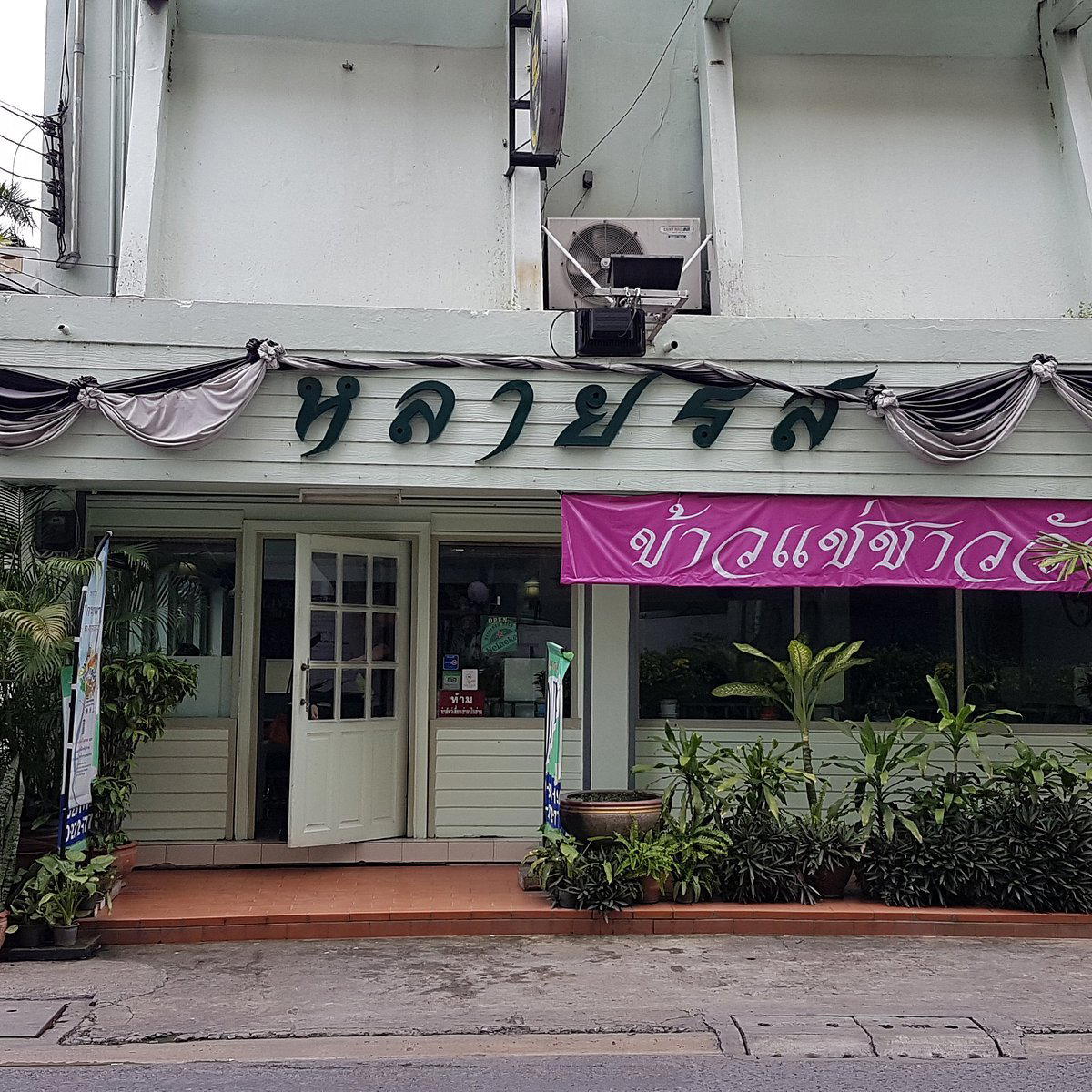
Phaya Thai and the Street-Kitchen Tradition
Lai Rot is a casual Thai restaurant in Phaya Thai, Bangkok, serving Authentic Royal Thai Cuisine. That transit character has, paradoxically, preserved a food culture rooted in regularity rather than spectacle: the kitchens here cook for the neighbourhood first, and for the curious outsider second. Lai Rot sits inside that tradition, a name that translates roughly as "many flavours" and signals, at the outset, a kitchen committed to the full register of Thai seasoning rather than any single regional accent.
Street-adjacent Thai cooking of this type operates on principles that the city's higher-price tier has spent the last decade attempting to codify and sell back to diners. Places like Sorn and Baan Tepa, both priced at ฿฿฿฿ and operating within tasting-menu formats, draw explicitly on regional Thai canon for legitimacy. The neighbourhood kitchen, by contrast, does not need to perform that connection. It is the source the fine-dining tier references.
What "Many Flavours" Actually Means in Thai Cooking
Thai cuisine's structural logic rests on simultaneous contrast: sour against sweet, heat against fat, the saline depth of fish sauce against the brightness of lime. These are not layered sequentially the way a classical French sauce builds, but held in balance within a single bite. A kitchen that earns the descriptor "lai rot" is making a claim about technical equilibrium, not mere variety. In practice, this means sourcing multiple paste components, maintaining fermented condiments, and adjusting seasoning to a moving target across dishes that span protein, vegetable, and grain.
That level of attention is easier to sustain in a kitchen feeding a fixed neighbourhood audience than in a dining room cycling through international tourists. The regulars know what the dish tasted like last Tuesday, and the kitchen knows the regulars. This feedback loop, compressed and daily, is what separates the reference-point street kitchen from the occasional-visit restaurant, regardless of either venue's price point.
Bangkok's broader dining map has spent considerable energy importing foreign frameworks: Côte by Mauro Colagreco brings Mediterranean and modern cuisine to the ฿฿฿฿ tier, while Sühring applies German technique to the same bracket. Gaa works modern Indian idiom through a fine-dining lens. These are legitimate and ambitious projects, but they occupy a different register than a kitchen whose authority derives from continuity with its own culinary tradition rather than transplantation from another.
Phaya Thai as a Food Neighbourhood
The area around Phaya Thai station and the Ratchathewi boundary is one of Bangkok's denser residential-commercial mixes, characterised by shophouse rows, fresh markets operating through mid-morning, and the kind of food-vendor density that makes sustained quality commercially viable. A kitchen in this context survives not through reviews or algorithm placement but through repeat custom from office workers, market traders, and apartment residents who eat in the neighbourhood five days a week.
This is a different competitive environment from Silom or Sathorn, where destination-dining venues cluster and compete for visitors willing to travel across the city. The Phaya Thai food scene is, in that sense, harder to sustain at a consistent standard: there is no tourist buffer, no novelty premium. What survives in that context tends to be genuinely good at its specific task.
Thailand Beyond Bangkok: Parallel Traditions
The cooking register that restaurant represents in Bangkok has parallels across Thailand that are worth understanding as a traveller. Cherng Doi Roast Chicken in Chiang Mai occupies an analogous position in the Northern Thai canon: a kitchen defined by a single technique executed at a level that resists comparison. Loet Rot, also in Chiang Mai, shares a naming structure with the restaurant that reflects a broader Thai culinary vocabulary around flavour complexity as a marker of kitchen quality.
Further afield, PRU in Phuket represents one end of the spectrum where regional Thai ingredients are processed through a fine-dining format, while AKKEE in Pak Kret, just north of Bangkok proper, shows how the Greater Bangkok area produces its own distinct food traditions outside the city's central dining circuits. Hoy Tord Chao Lay in Bangkok's Wattana district illustrates how a single-dish specialist can achieve neighbourhood authority through focus rather than breadth, a model common across Thai street cooking.
Among Bangkok's non-Thai kitchens, Hinata in Pathum Wan demonstrates how Japanese cooking has found genuine roots in the city's mid-market residential dining, a parallel process to the way Thai regional kitchens adapt to urban Bangkok's mixed-neighbourhood context.
Planning Your Visit
The restaurant is located in Phaya Thai, Bangkok 10400. The Phaya Thai BTS station and the Airport Rail Link interchange sit in the immediate area, making the neighbourhood straightforwardly reachable from both central Bangkok and Suvarnabhumi Airport without navigating a taxi across heavy traffic. The station's presence also means the area operates at a pace distinct from the car-dependent commercial zones further south.
Reservations are recommended. For visitors accustomed to booking windows measured in weeks, the shift in expectation is worth noting: the queue, if there is one, is the filtering mechanism. Arriving early in a service period, whether lunch or dinner, is the standard approach for popular neighbourhood kitchens of this type in Bangkok. The dress code is casual. The practical question is timing within the day, not what to wear.
For visitors using the Airport Rail Link as their Bangkok transit spine, the area is one of the more accessible neighbourhood food destinations without a significant detour.
Price and Positioning
Comparable venues nearby, for context on price, style, and recognition.
| Venue | Cuisine | Price | Notes |
|---|---|---|---|
| Lai RotThis venue — the venue you are viewing | Sam Sen, Authentic Royal Thai Cuisine | $$ | Not listed |
| Yoong Khao Hom | Wang Mai, Authentic Southern Thai | $$ | Not listed |
| Somtum Der | Si Lom, Authentic Isan Thai | $$ | Not listed |
| Thapthim Krop Wat Sutthi | Sathon, Thai Dessert Shop | $$ | Not listed |
| Somyos | Not listed | $$ | Ban Song Krathiam, Thai with Chinese influences |
| à¹à¸à¹à¸à¸à¸´à¸£à¸±à¸à¸à¸£à¹ - ZAABNIRAN One Bangkok | Not listed | $$ | Suan Lumphini, Modern Spicy Thai Noodle Shop |

At a Glance
- Classic
- Cozy
- Casual Hangout
- Garden
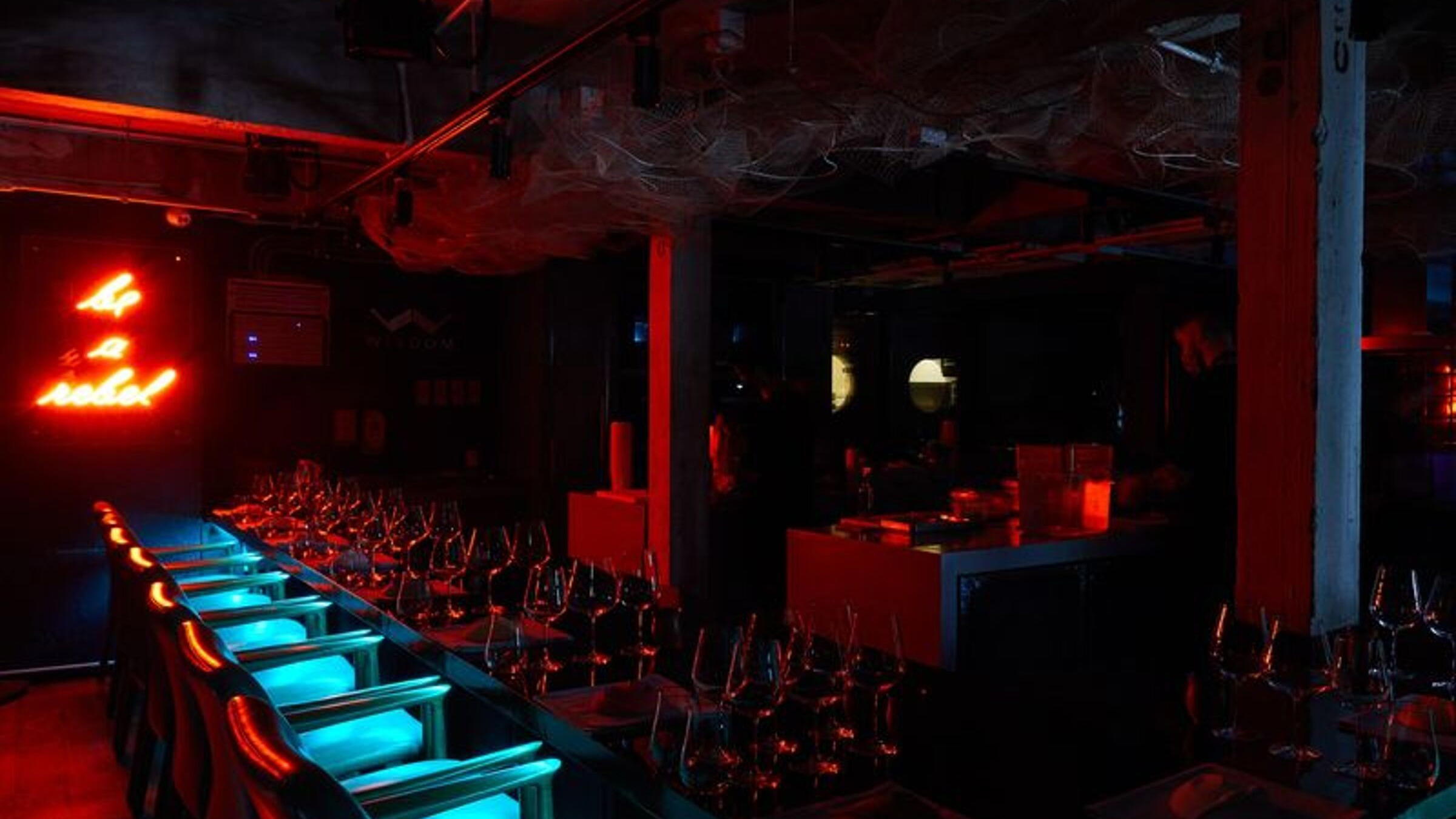
- Open Kitchen
- Local Sourcing
- Garden
Current opening hours
- Monday
- 11 AM–2 PM
- Tuesday
- 11 AM–9 PM
- Wednesday
- 11 AM–9 PM
- Thursday
- 11 AM–9 PM
- Friday
- 11 AM–9 PM
- Saturday
- 11 AM–9 PM
- Sunday
- 11 AM–9 PM
Hours can change for holidays and private events. Last verified .
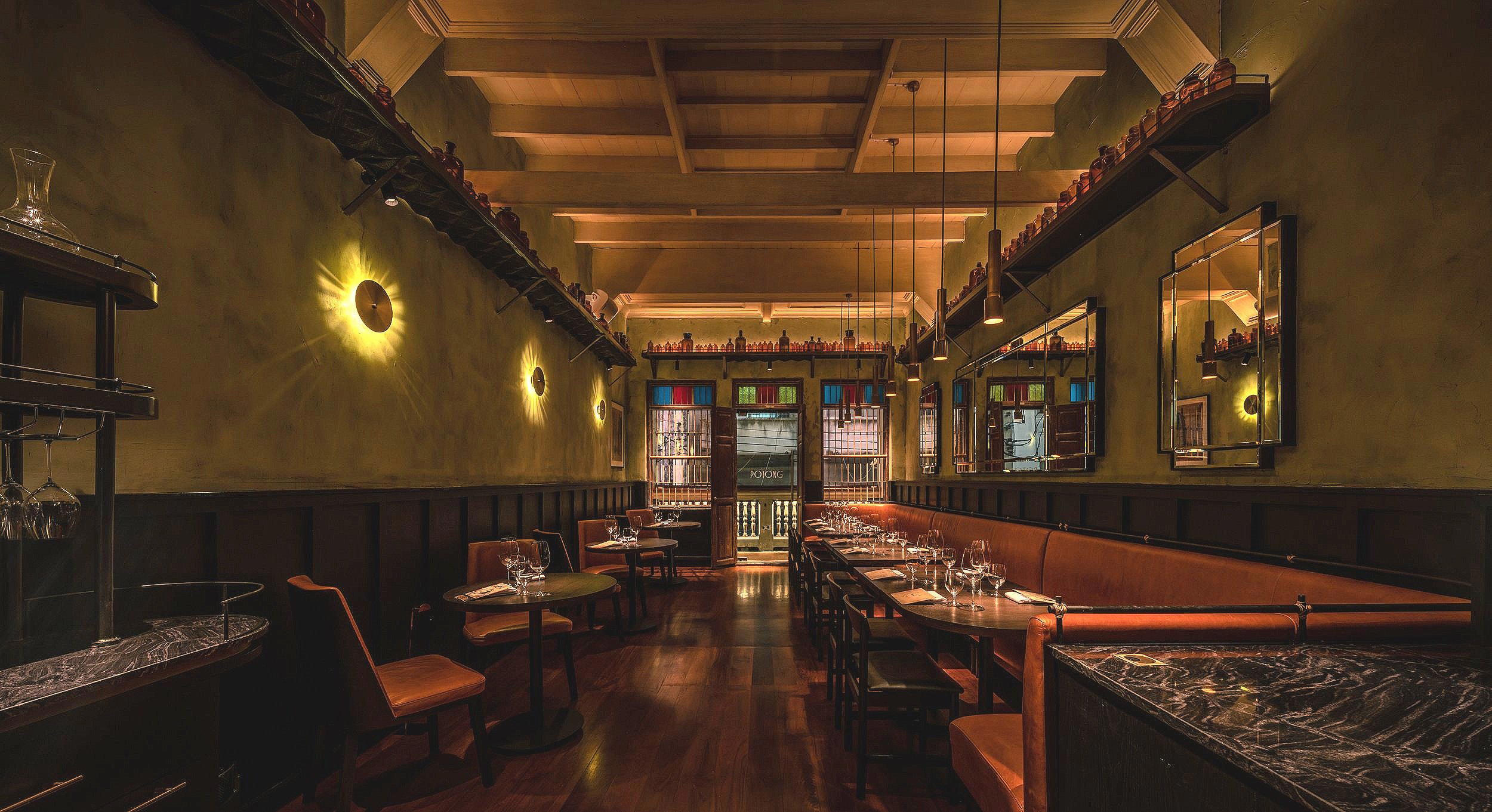
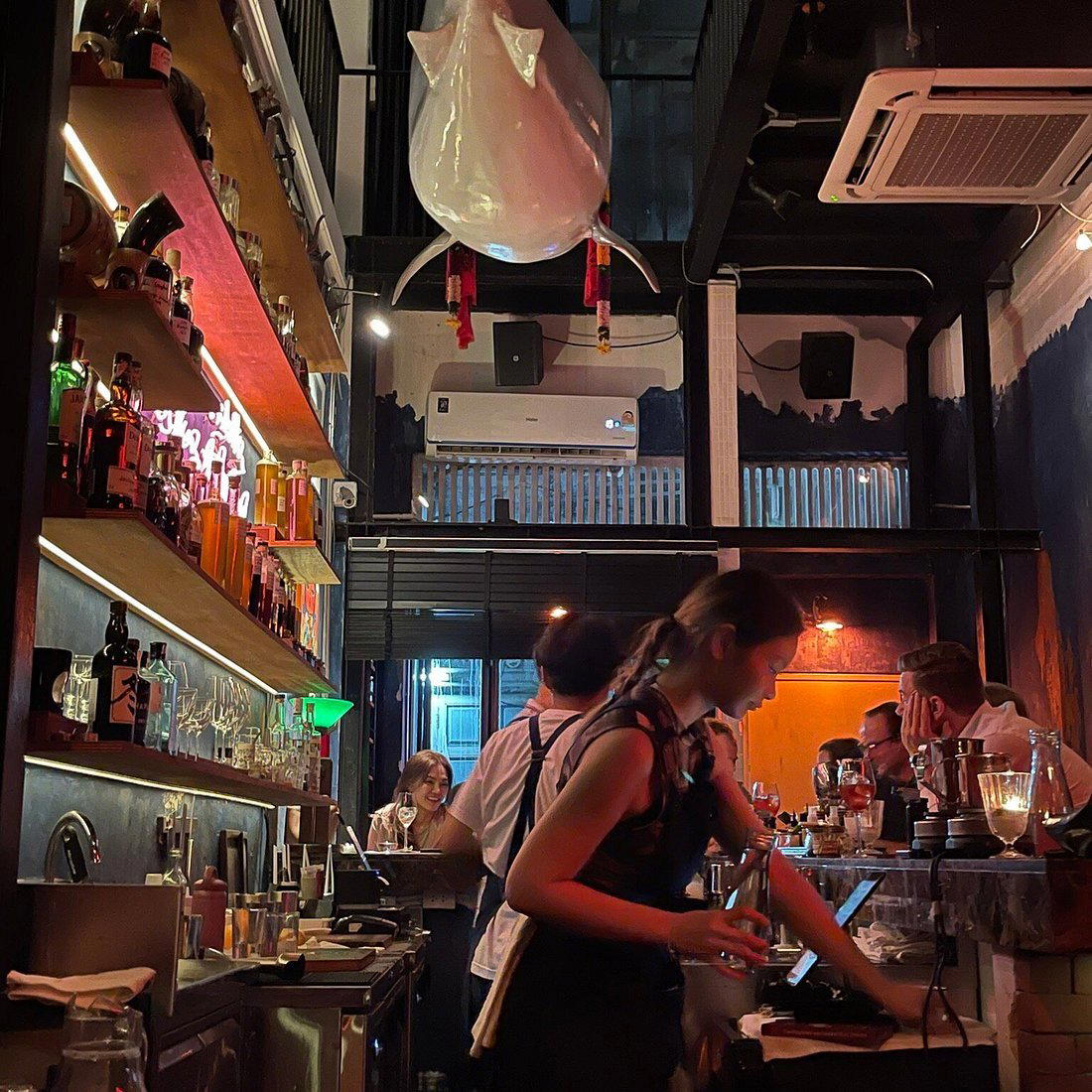
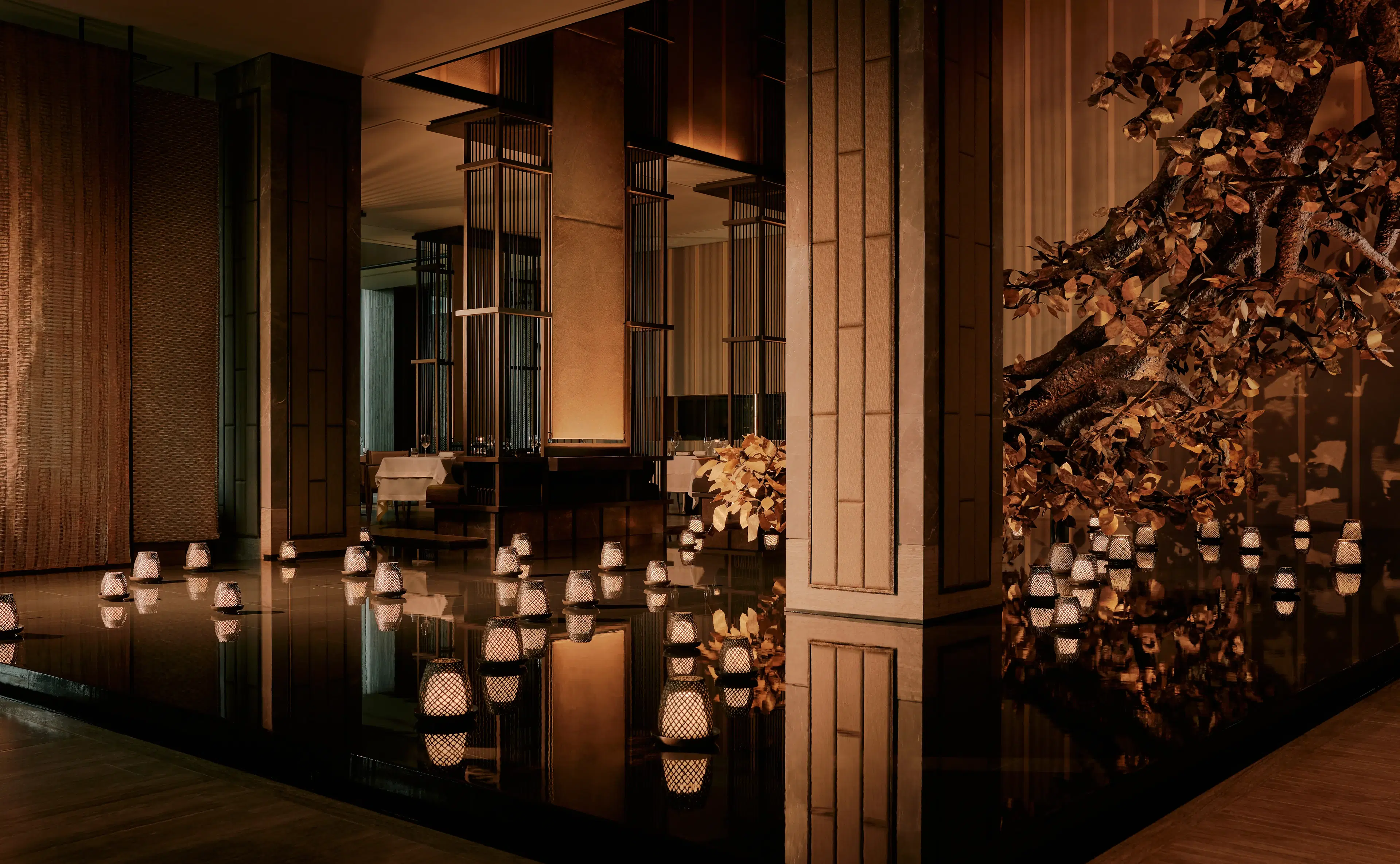
A cozy, traditional Thai restaurant with a charming outdoor garden and conversational atmosphere.