Our verdict
A Ginza address at 4 Chome-10-13 places 亦禅庵 inside one of Tokyo's most concentrated corridors for serious Japanese dining. The venue operates in a district where reservation difficulty functions as its own form of credentialing, and where the gap between walk-in availability and planned access is wide enough to define the entire experience. Plan accordingly.

Pearl is the En Primeur Club membership app — saves, bookings, and concierge access live there. Same editors, same standards.
- Address
- 4 Chome-10-13 Ginza, Chuo City, Tokyo 104-0061, Japan
- Phone
- +81335415344
- Hours
- Daily 12–3 PM, 6–10 PM
- Directions
- Get directions
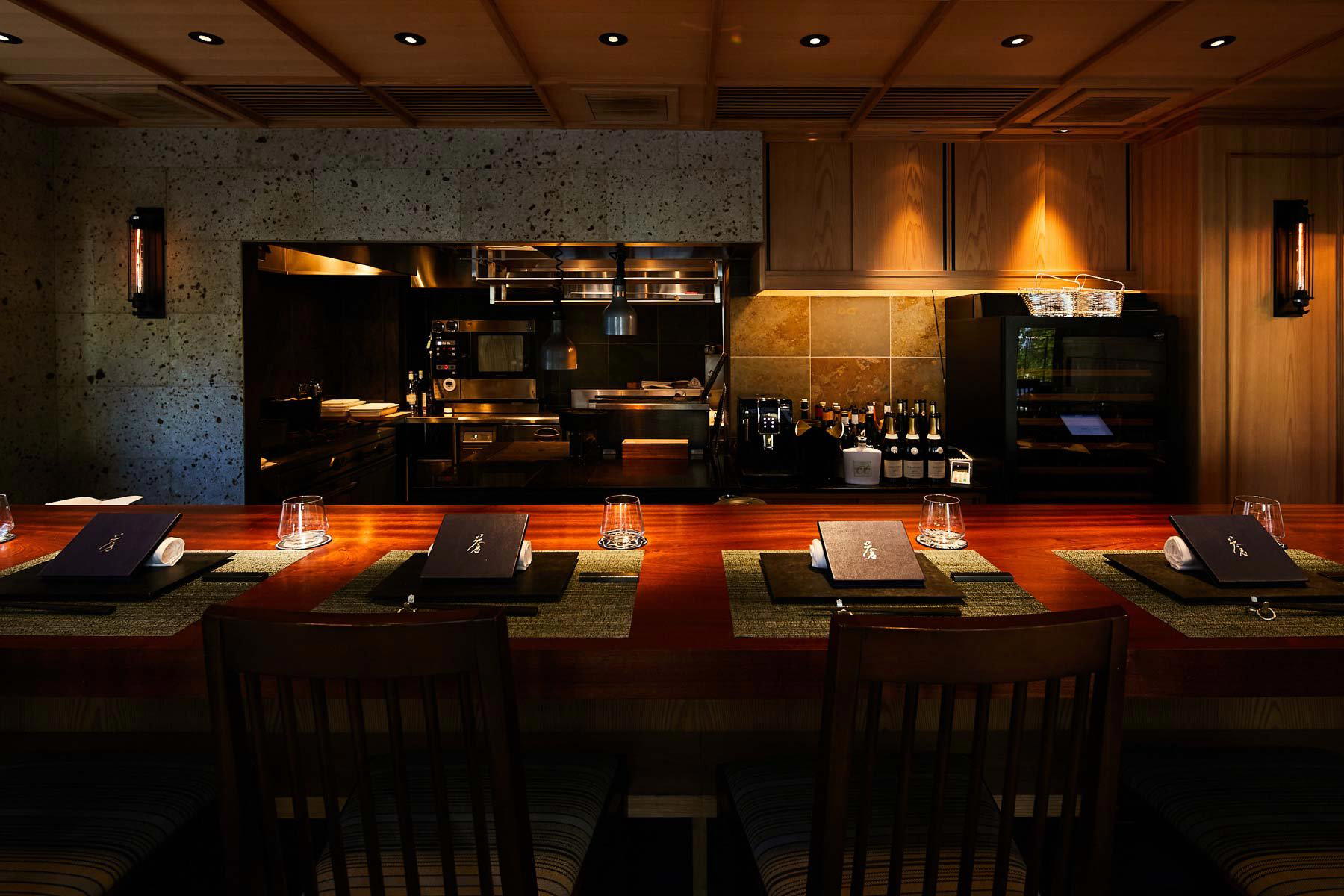
The Ginza Tier and What It Demands of a Visitor
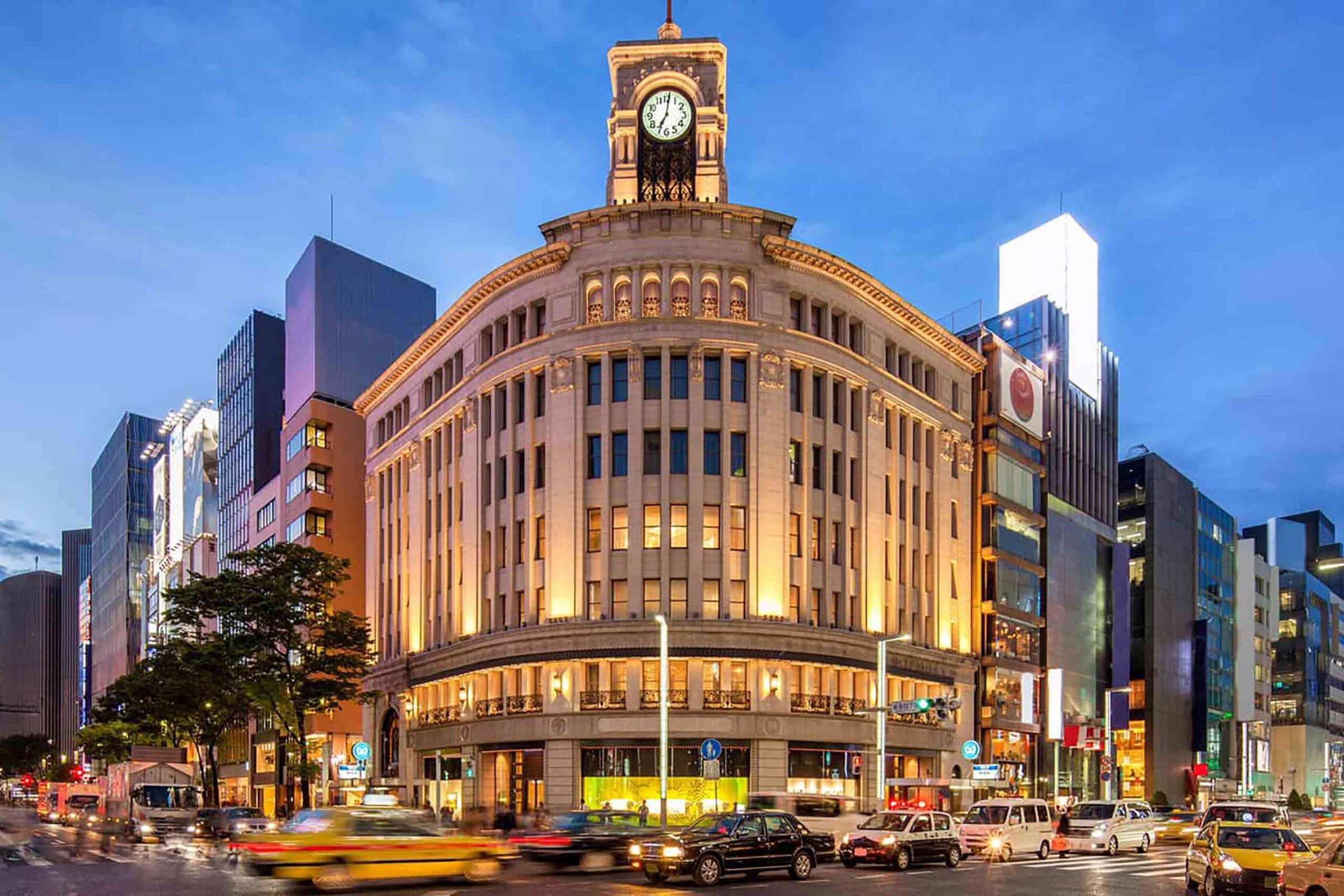
Ginza's dining corridor, particularly the blocks around 4-chome, runs at a different register from most of Tokyo. This is the part of the city where the concentration of Michelin-starred counters per square kilometre is high enough that even well-travelled visitors can misjudge what arrival without a reservation actually means. The area does not reward spontaneity. It rewards preparation, lead time, and a working knowledge of how the reservation infrastructure operates across different cuisine formats.
亦禅庵 sits within this geography at 4 Chome-10-13 Ginza, Chuo City — a location that places it among peers including high-investment sushi omakase counters, multi-course French programmes, and kaiseki sequences that have been running in the district for decades. The address alone signals a particular kind of seriousness. In Ginza, real estate at this density functions as a trust signal in its own right.
Booking as the First Discipline
Tokyo's premium dining tier has developed a reservation culture that differs structurally from comparable cities. In New York, many serious rooms run through digital platforms with real-time availability. In Ginza specifically, a significant share of leading counters still operate primarily through telephone booking, sometimes in Japanese, often through referral or existing customer relationships. The practical implication for an international visitor is that the barrier to entry is procedural before it is financial.
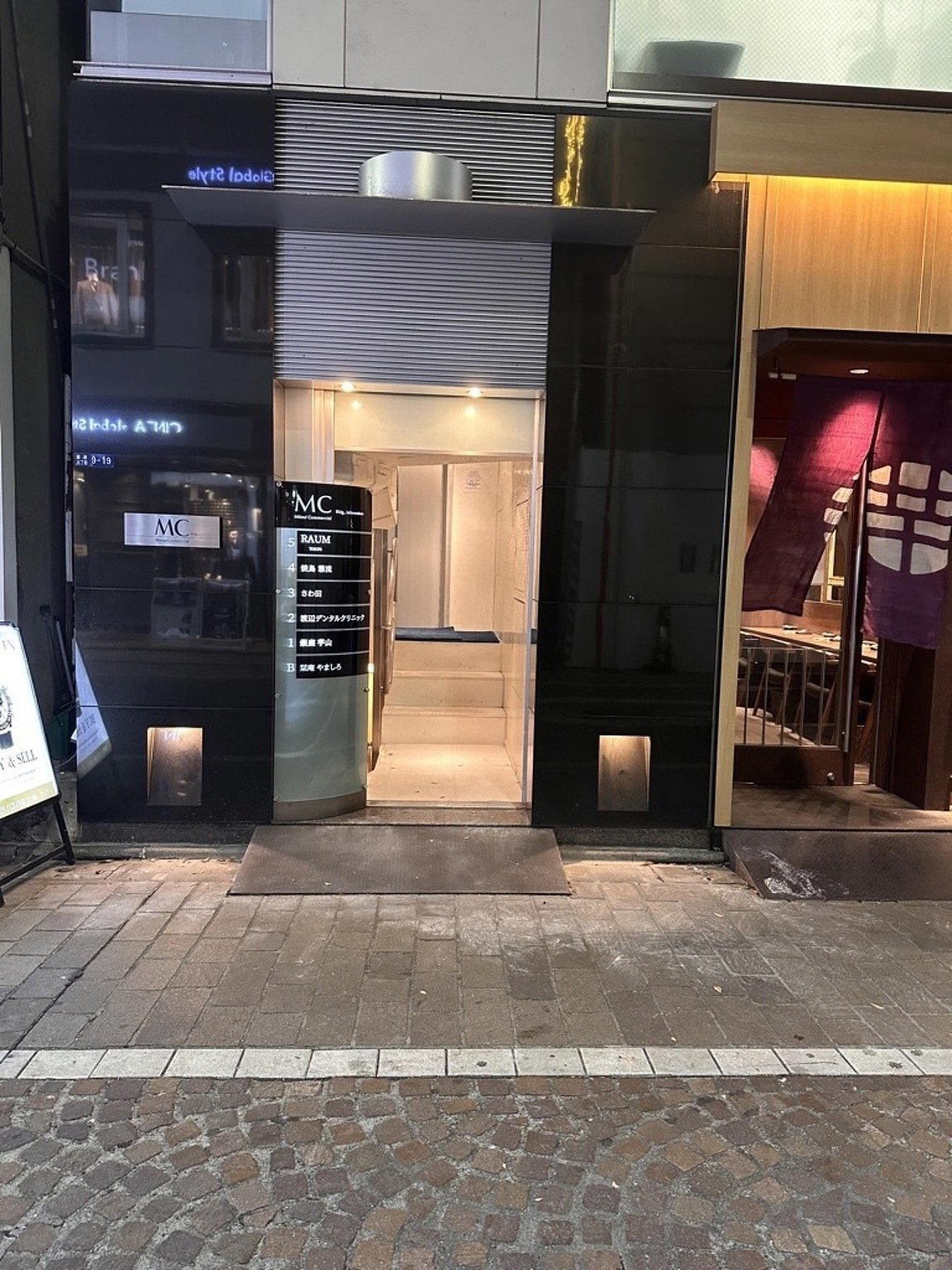
For 亦禅庵, as with comparable venues in the 4-chome radius, the working assumption should be that walk-in access is unlikely. The area's dining rooms, particularly those operating counter formats or small-seat configurations, fill through advance booking rather than floor capacity. Visitors from outside Japan who are planning around this address should consider building in contact lead time of at least four to six weeks, and ideally working through a hotel concierge with established local restaurant relationships. Properties in the Ginza and Marunouchi corridors often maintain these connections as a core concierge function, and a well-placed call from a known hotel contact can meaningfully improve access where direct outreach would not.
The contrast here with high-volume formal dining in other global cities is instructive. At Le Bernardin in New York City or Lazy Bear in San Francisco, digital booking systems and publicly accessible reservation windows have standardised the access pathway. In Ginza's upper tier, the system still depends on relationship density in ways that can feel opaque from the outside — but which reward visitors who approach the logistics systematically.
The Neighbourhood Frame: What Ginza's Dining Scene Actually Is
Understanding 亦禅庵's position requires some clarity on what Ginza has become as a dining district. It is not a neighbourhood defined by emerging chefs or experimental formats. It is a district where longevity, technical credentialing, and financial seriousness compound over time. The venues that persist here do so because they perform consistently at a level that justifies Ginza real estate costs and sustains a clientele of regulars who have other options.
That competitive set is worth mapping. Harutaka represents Ginza sushi at the omakase counter tier. RyuGin situates kaiseki within a framework that speaks to both Japanese tradition and international recognition. L'Effervescence and Sézanne demonstrate that French-trained programmes have established genuine authority in Tokyo's premium tier. Crony occupies the innovative-French corner of a market that has become more formally competitive over the past decade. 亦禅庵 operates within this context, against peers who are themselves operating at significant levels of investment and credentialing.
Tokyo in Relation to Japan's Broader Premium Circuit
Ginza is the most visible node in a national network of serious dining that extends well beyond Tokyo. Visitors building itineraries around premium Japanese experiences increasingly move between cities with a level of specificity that would have been unusual ten years ago. HAJIME in Osaka represents a different approach to Japanese fine dining at three-star level. Gion Sasaki in Kyoto operates within a kaiseki tradition rooted in the city's seasonal and ceremonial identity. akordu in Nara, Goh in Fukuoka, Abon in Ashiya, affetto akita in Akita, Aji Arai in Oita, Ajidocoro in Yubari District, and Akakichi in Imabari each demonstrate how Japan's premium dining culture distributes across regions in ways that Tokyo-centric itineraries often miss. aki nagao in Sapporo makes the case for Hokkaido as a serious dining destination in its own right. The Ginza address of 亦禅庵 places it at the apex of this network's visibility, but not necessarily at the apex of every category within it. See our full Tokyo restaurants guide for broader context across the city's dining tiers.
Know Before You Go
| Address | 4 Chome-10-13 Ginza, Chuo City, Tokyo 104-0061, Japan |
| Booking | Advance reservation strongly advised. Contact via hotel concierge recommended for international visitors. Walk-in availability unlikely. |
| Lead Time | Plan four to six weeks ahead as a working minimum; longer lead times are advisable for peak travel seasons. |
| Phone / Website | Not publicly listed. Concierge contact recommended. |
| Nearest Transit | Ginza Station (Tokyo Metro Ginza, Marunouchi, and Hibiya lines) serves the 4-chome block directly. |
Frequently asked questions
What's the address for äºè鮨?
äºè鮨 is located at î4 Chome-10-13 Ginza, Chuo City, Tokyo 104-0061, Japan, Tokyo.
What's the must-try dish at 亦禅庵?
Dish-level guidance for 亦禅庵 can change from publicly documented sources, so prescribing a single order is not responsible here. What the 4-chome Ginza address does signal is a kitchen operating within the concentrated, technically exacting tier that defines this block — where the menu itself tends to be the framework, and individual dishes are positioned within a deliberate sequence rather than as standalone selections. Check the venue's official channels for the latest details.
Do they take walk-ins at äºè鮨?
Reservations are recommended for äºè鮨 in Tokyo. Confirm current policy via the venue's official channels.
Do they take walk-ins at 亦禅庵?
At the 4-chome Ginza level, walk-in access is structurally unlikely. Rooms in this corridor, whether sushi, kaiseki, or contemporary Japanese, almost uniformly operate on advance reservation — often weeks or months out. Arriving without a booking at 亦禅庵's Chuo City address carries a high probability of no availability.
The Short List
A short peer table to compare basics side-by-side.
| Venue | Cuisine | Price | Awards | Notes |
|---|---|---|---|---|
| äºè鮨This venue — the venue you are viewing | Not listed | Not listed | Not listed | Not listed |
| Harutaka | Edo-Style Omakase Sushi | $200–300 | 3 Michelin Stars · World's 50 Best #76 | Sushi |
| L'Effervescence | Modern French with Japanese Influences | $200–300 | 3 Michelin Stars · World's 50 Best #69 | French |
| RyuGin | Modern Kaiseki | $500+ | 3 Michelin Stars · World's 50 Best #41 | Kaiseki, Japanese |
| Crony | Modern French with Japanese Influences | $150–200 | 2 Michelin Stars · World's 50 Best #34 | Innovative, French |
| Den | Modern Japanese Kaiseki | $150–200 | 2 Michelin Stars · World's 50 Best #51 | Innovative, Japanese |
Details
Current opening hours
- Monday
- 12–3 PM, 6–10 PM
- Tuesday
- 12–3 PM, 6–10 PM
- Wednesday
- 12–3 PM, 6–10 PM
- Thursday
- 12–3 PM, 6–10 PM
- Friday
- 12–3 PM, 6–10 PM
- Saturday
- 12–3 PM, 6–10 PM
- Sunday
- 12–3 PM, 6–10 PM
Hours can change for holidays and private events. Last verified .