


1 Michelin Star · Relais Chateaux Award
Our verdict
Inside the Plaza e de Russie hotel on Viareggio's promenade, Lunasia holds a Michelin star for creative cooking that draws from the Versilian coast and Tuscan hinterland in equal measure. Three tasting formats, including fish, vegetable, and meat paths, allow guests to build the meal around their own logic rather than a fixed sequence. An 800-label wine list, with a notably generous by-the-glass programme, reinforces the restaurant's position at the top of the local fine-dining tier.

Pearl is the En Primeur Club membership app — saves, bookings, and concierge access live there. Same editors, same standards.
- Address
- Viale Daniele Manin, 4a, 55049 Viareggio LU, Italy
- Phone
- +39 0584 44449
- Website
- lunasiaristorante.com
- Directions
- Get directions
- Booking
- Book on TheFork
The menu
What to order
- Tortelli di Patate
- Branzino al Sale
Where the Promenade Meets the Plate
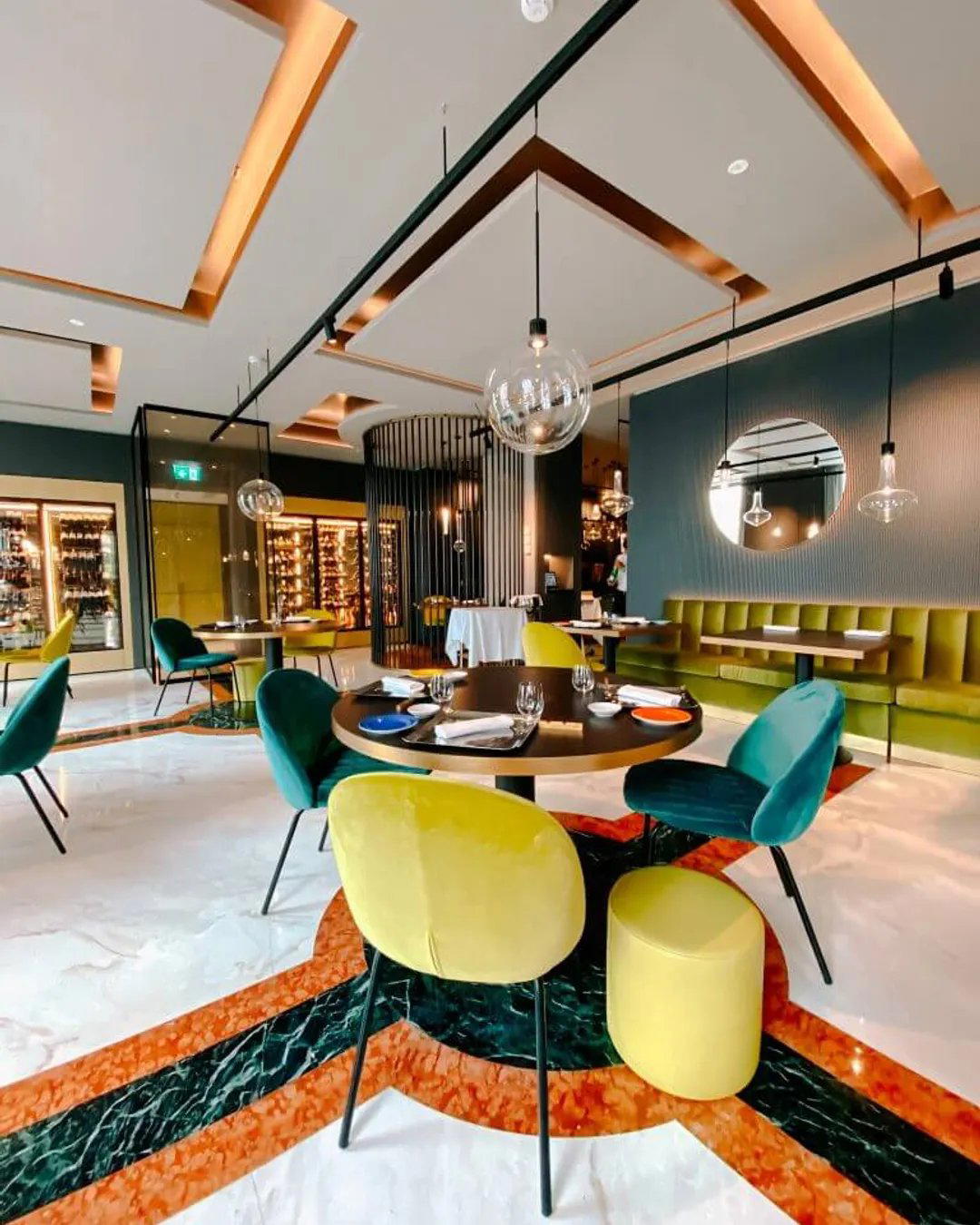
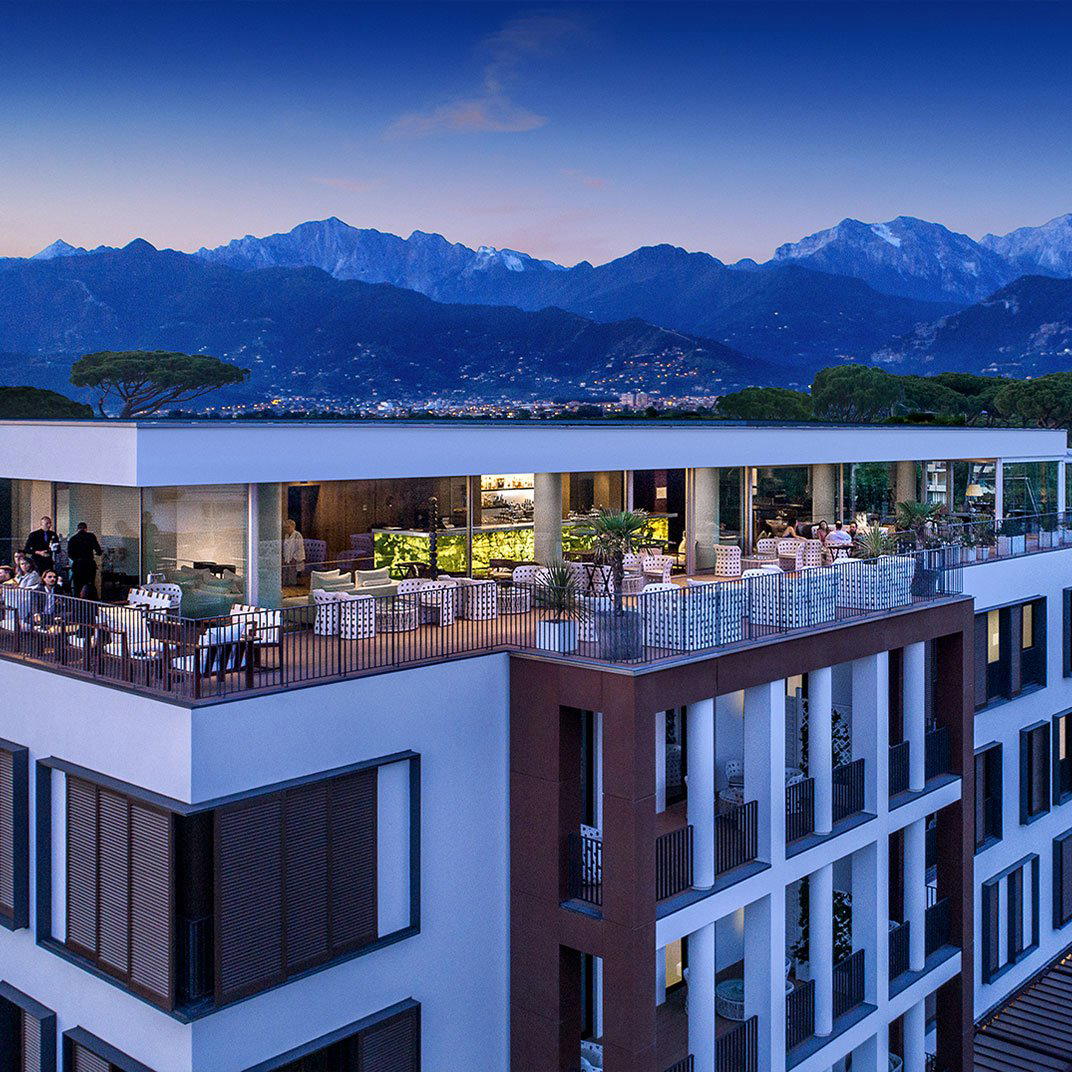
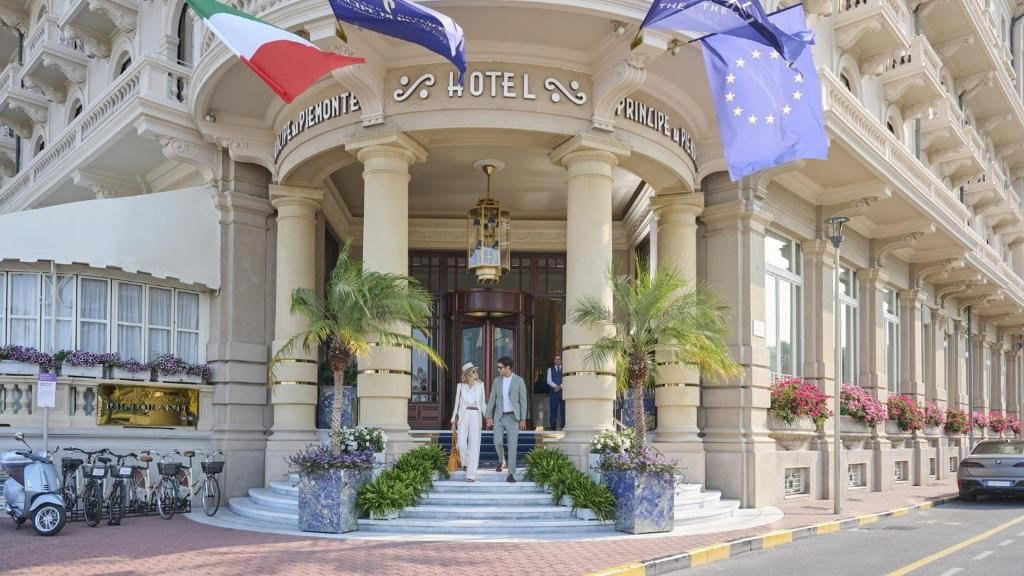
The Viareggio seafront has always operated on a particular frequency: broad avenues, Liberty-style architecture, and a resort culture that has drawn Italian and international visitors since the early twentieth century. The Plaza e de Russie hotel belongs to that tradition, its facade facing the famous promenade, and Lunasia occupies the dining room that looks out toward it. The setting is modern and deliberately lit, with an openness that connects the meal to the street scene beyond the glass rather than sealing it away from it. In a coastal town where seafood trattorias at the water's edge compete for attention with hotel restaurants inland, Lunasia operates from a different premise: that the hotel dining room, when positioned carefully, can be the address that earns the critical recognition the trattorias rarely do.
That recognition has arrived in the form of a Michelin star, held in both 2024 and 2025, which places Lunasia at the top of a local fine-dining tier that includes Il Piccolo Principe and Henri Restaurant at the €€€€ price point, alongside seafood-focused options such as Romano and, at lower price registers, Da Miro alla Lanterna and MaMe Restaurant. The Michelin designation comes with an additional tag for creative cooking, which is not a standard award but a signal that the kitchen's approach is considered distinctive enough to warrant a label beyond the star itself.
The Architecture of the Meal
The editorial angle that makes Lunasia worth examining closely is not the individual dish but the structure of the meal as a designed object. Italian fine dining at this level has increasingly moved toward tasting menus as the default mode, following patterns established by rooms like Osteria Francescana in Modena or Enoteca Pinchiorri in Florence. Lunasia takes a different structural position: three tasting paths exist, one anchored in fish, one combining seafood and vegetables, and one focused on meat, but each is also available as an à la carte source, allowing guests to select across paths rather than follow a single sequence.
This is a form of communal-meal logic applied to the fine-dining counter. Where a traditional Italian banquet builds around a shared table and dishes that pass between diners, Lunasia's format allows a group to commission different paths and then share laterally, constructing something closer to a composed feast than a uniform procession. For two people, it means the fish path and the meat path can sit on the same table simultaneously. For a larger group, the possibilities multiply. The kitchen's willingness to allow this kind of mixing is, in itself, an editorial statement about how the meal is meant to be experienced, less as a single auteur argument and more as a conversation between the kitchen's range and the table's preferences.
The cooking draws on local seafood from the Tyrrhenian coast and inland Tuscan products, with sourcing weighted toward small producers. A circular cooking approach, designed to reduce waste, operates in the background of the menu, though its effects appear in the courses themselves rather than being announced as a philosophy. This positions Lunasia alongside a broader movement in Italian fine dining, shared by addresses such as Atelier Moessmer Norbert Niederkofler in Brunico, where the supply chain is treated as part of the creative work rather than a separate operational concern.
Chef Luca Landi and the Versilian Frame
Michelin's description of Luca Landi as one of the most imaginative and original figures in Versilia is a regional credential worth reading carefully. Versilia, the coastal strip running from Viareggio north toward Forte dei Marmi and Pietrasanta, has a distinct gastronomic identity built around Tyrrhenian seafood, local olive oil, and Lucchese inland produce. For a chef to be positioned at the top of that particular hierarchy, rather than simply within the broader Tuscan fine-dining conversation, suggests a focus that is genuinely local in its sourcing logic rather than aspirationally international. That distinction matters when comparing Lunasia to rooms like Enrico Bartolini in Milan, which operates across a wider national and international competitive set, or Quattro Passi in Marina del Cantone, which addresses a similar coastal luxury context in the south.
The creativity label from Michelin also places Lunasia in a small peer group internationally. Rooms that earn creative cooking recognition alongside a star are operating in territory that fish-forward fine-dining destinations at similar coastal positions, from Le Bernardin in New York City to Jatak in Copenhagen, tend to approach from a product-led rather than technique-led direction. The question that creative recognition always raises is whether the imagination serves the ingredient or overshadows it. Michelin's accompanying note, that the creativity is substantial rather than merely for show, suggests the kitchen has made that calculation correctly.
The Wine List as a Parallel Argument
An 800-label wine list in a one-star Versilian restaurant is a document that requires its own paragraph. The depth and the geographic emphasis are both signal-bearing: Piedmont and Tuscany anchor the Italian selections, which is expected at this level, but the sustained focus on Burgundy places the list in conversation with rooms that treat wine as a parallel editorial programme rather than a supporting cast. Dal Pescatore in Runate is one of the Italian references that has treated its cellar as a destination in itself; Lunasia's list operates in that same category of intent, if from a different regional starting point.
The by-the-glass programme is described as notably distinctive in range and selection, which at this price tier is an unusual commitment. Most rooms at €€€€ tilt their by-the-glass offering toward accessible entry points and reserve depth for the bottle list. A by-the-glass programme that earns specific mention in critical assessments suggests either a broader range of producers represented, or an approach to preservation and service that allows more expensive wines to be poured without full-bottle commitment. Either reading benefits the guest who is composing a lateral meal across multiple tasting paths, since matching different wines to different courses drawn from different paths is a more complex task than pairing a single list to a single sequence.
Planning the Visit
Lunasia operates Thursday through Sunday, with service beginning at 7:30 PM and running to 10:30 PM. The restaurant is closed Monday, Tuesday, and Wednesday. This four-day schedule is characteristic of one-star rooms that operate as genuine kitchen projects rather than volume operations, and it concentrates demand into a shorter weekly window. The Opinionated About Dining ranking, which placed Lunasia at 134th in 2025 and 174th in 2024 among casual dining addresses in North America despite its Italian location, is a cross-market signal that the room has built recognition beyond its immediate regional audience.
The hotel setting at the Plaza e de Russie on Viale Daniele Manin means the restaurant is accessible from the promenade on foot, with the coastal walkway serving as both approach and context. For visitors combining dinner with a broader stay in Versilia, our full Viareggio hotels guide maps the accommodation options across price tiers. Those building a longer itinerary around the dining scene should consult our full Viareggio restaurants guide, our full Viareggio bars guide, our full Viareggio wineries guide, and our full Viareggio experiences guide for a complete picture of the town's offer at different registers.
Frequently asked questions
Is Lunasia expensive?
Pricing at Lunasia is listed as €€€€.
Is Lunasia award-winning?
Lunasia has received recognition including: One of the most imaginative and original chefs in Versilia, offering a showcase restaurant inside the luxurious Plaza e de Russie hotel. In a modern and bright dining room overlooking the famous Viareggio promenade, Luca Landi's menu featur….
What's the signature dish at Lunasia?
Michelin and Opinionated About Dining both single out the structural range of Luca Landi's three tasting menus — fish, seafood-and-vegetables, and meat — rather than a single headline dish. The kitchen's approach to circular cooking, drawing on local Versilian seafood and inland producers, runs through every course. EP Club does not confirm specific dish names without a verified source, so the menu composition itself is the most reliable guide to what defines the experience.
A Tight Comparison
| Venue | Cuisine | Price | Awards | Notes |
|---|---|---|---|---|
| LunasiaThis venue — the venue you are viewing | Modern Italian Seafood | Not listed | 1 Michelin Star · Relais Chateaux Award | Not listed |
| Il Piccolo Principe | Modern Italian Seafood Fine Dining | $300–500 | 2 Michelin Stars · La Liste Top Restaurants | Italian, Creative |
| Romano | Modern Italian Seafood | $100–150 | 1 Michelin Star · La Liste Top Restaurants | Italian Seafood, Seafood |
| Da Miro alla Lanterna | Traditional Viareggio Seafood Trattoria | $50–100 | Michelin Plate | Seafood |
| Henri Restaurant | Modern Italian Fine Dining | $100–150 | Michelin Plate | Italian Contemporary |
| MaMe Restaurant | Modern Italian Seafood | $50–100 | Michelin Plate | Seafood |
Recognition history
Dated appearances from independent guides and award organizations, with the underlying list record or original source where available.
Michelin 1 Star
Michelin
Relais Chateaux Award
Relais Chateaux
Opinionated About Dining Casual in North America Ranked #134
Opinionated About Dining
Full recognition history (8 entries)
Michelin 1 Star
Michelin
Relais Chateaux Award
Relais Chateaux
Michelin 1 Star
Michelin
Opinionated About Dining Casual in North America Ranked #174
Opinionated About Dining
Opinionated About Dining Casual in North America Recommended
Opinionated About Dining
Continue exploring
More in Viareggio
Restaurants in Viareggio
Browse all →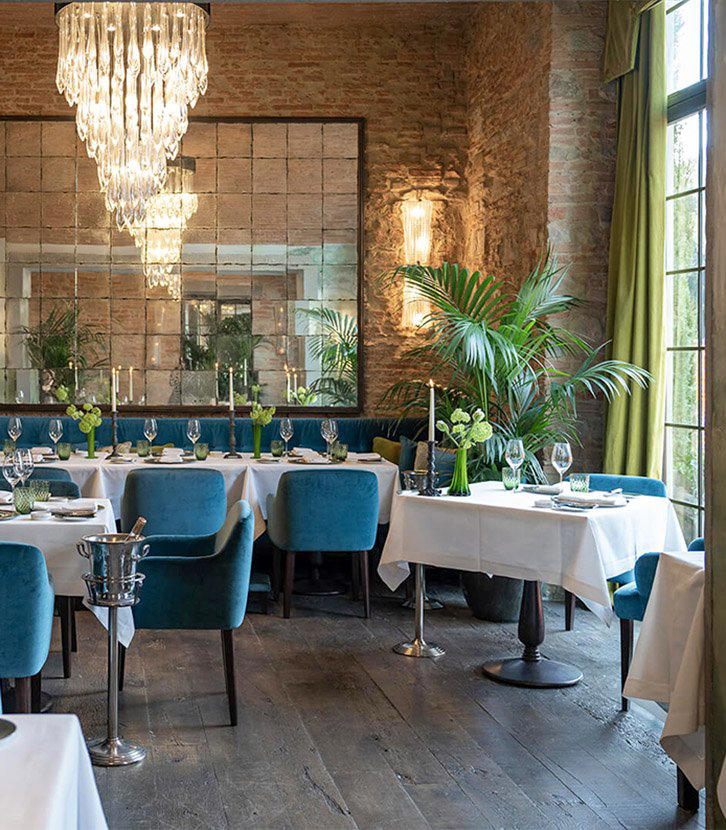
Bars in Viareggio
Browse all →
Hotels in Viareggio
Browse all →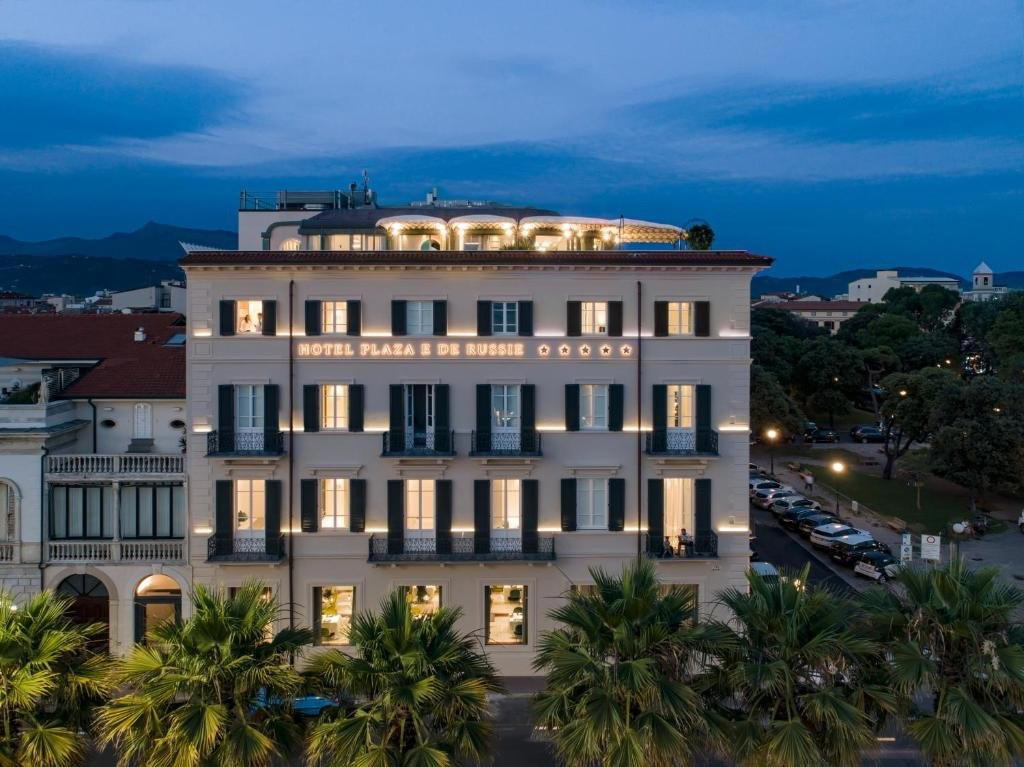

Details
- Elegant
- Sophisticated
- Modern
- Special Occasion
- Date Night
- Hotel Restaurant
- Open Kitchen
- Extensive Wine List
- Sommelier Led
- Local Sourcing
- Street Scene
- Tasting Menu
- A La Carte
- Vegetarian Friendly
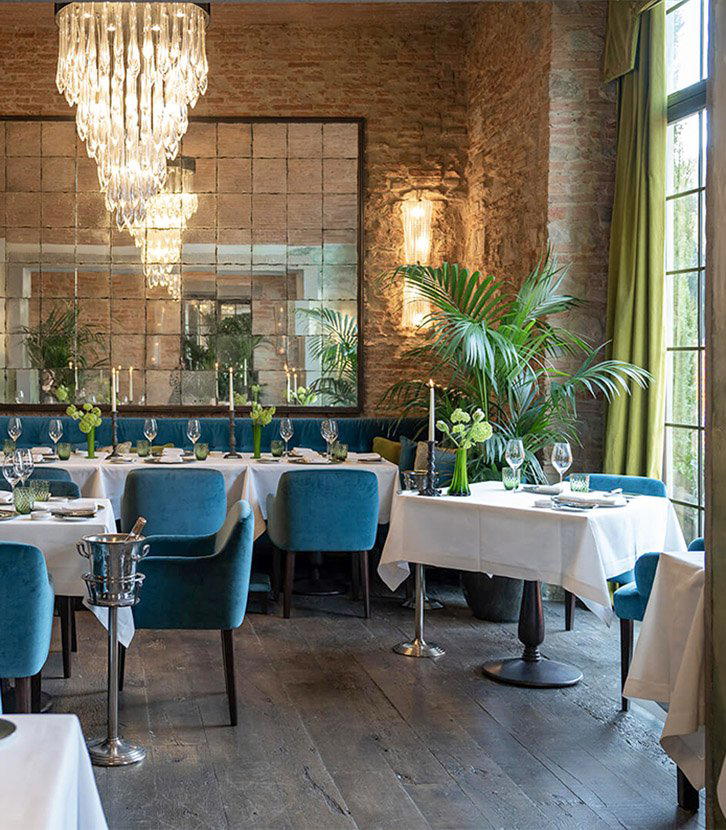
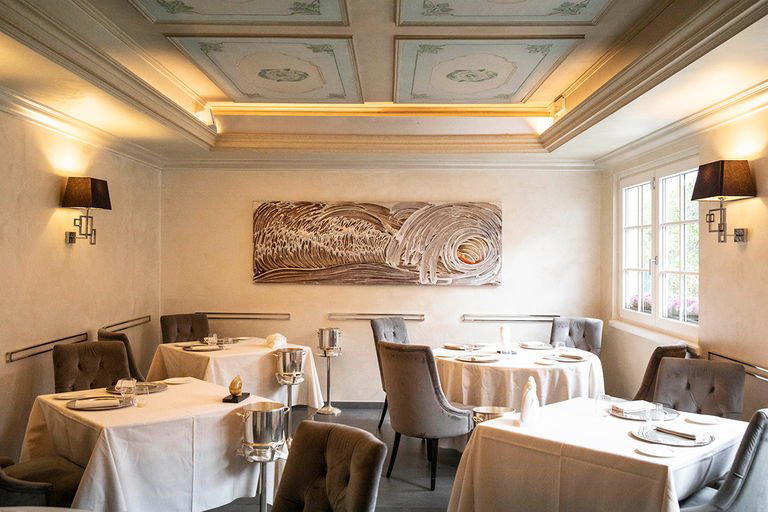
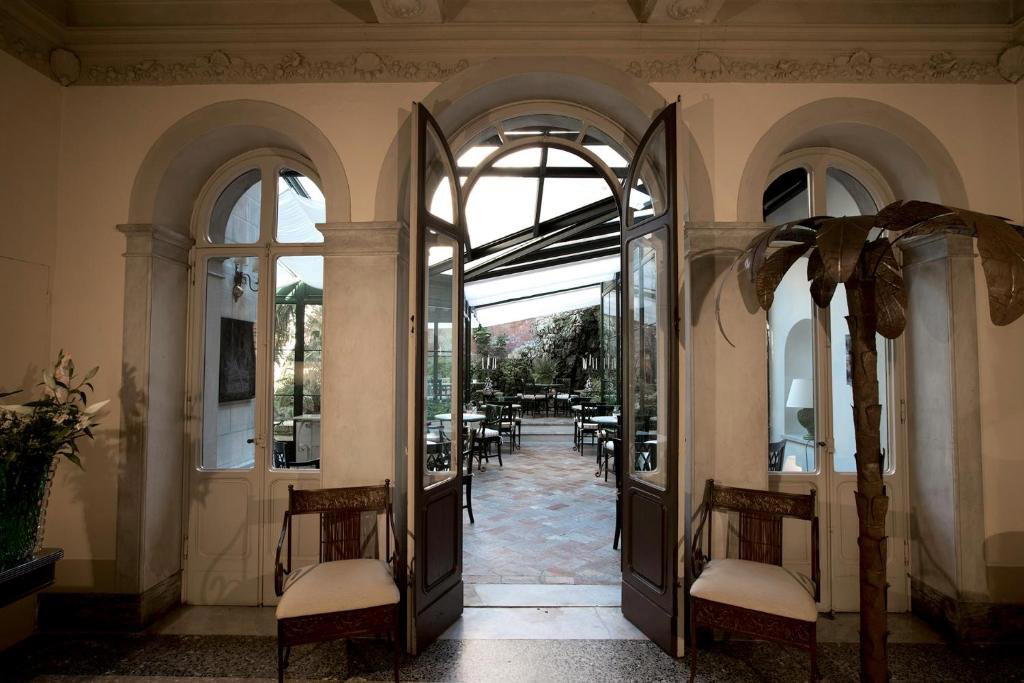
Refined contemporary dining room with plant tones, sea blue decor, large windows on promenade, warm and inviting atmosphere.