Av. Paul Deschanel
Av. Paul Deschanel sits in Schaarbeek, one of Brussels' most culturally layered communes, where the dining scene draws from the neighbourhood's dense mix of communities and market traditions. The address places it within reach of the city's broader Belgian restaurant conversation, from brasserie classics to the creative tasting-menu tier that has made Belgium one of Europe's most decorated dining countries.
 Discover on Pearl
Pearl is the En Primeur Club membership app — saves, bookings, and concierge access live there. Same editors, same standards.
Schaarbeek and the Brussels Dining Radius
Belgium punches well above its geographic weight in fine dining. The country has accumulated more Michelin stars per capita than almost anywhere else in Europe, and the pressure of that density is felt even in communes like Schaarbeek, where the dining conversation runs parallel to the more publicised circuits of central Brussels, Uccle, and Anderlecht. Av. Paul Deschanel is a Classic Belgian Brasserie in Schaarbeek, Brussels, priced at about $25 per person.
Schaarbeek developed as a working commune through the late nineteenth and early twentieth centuries, and its markets and neighbourhood commerce have always been defined by direct sourcing. The area's covered and open-air markets draw produce from Belgian farms, seasonal vegetables from the Flemish hinterland, and suppliers who operate at a local rather than wholesale scale. That proximity to primary sourcing is something the neighbourhood shares with other Brussels communes where food culture has remained tied to the daily market rather than the curated import chain.
Where Sourcing Defines the Table
Belgian cuisine often circles back to provenance. At the upper tier, restaurants like Hof van Cleve - Floris Van Der Veken in Kruishoutem and Boury in Roeselare have built reputations in part by anchoring menus to Belgian agricultural specificity: grey shrimp from the North Sea coast, white asparagus from sandy Flemish soils in spring, Ardennes game in autumn. These are not decorative sourcing claims but structural ones, where the ingredient calendar dictates what appears on the plate.
That same logic operates at street and neighbourhood level throughout Brussels, where the leading tables often succeed because they sit close to supply. The Wednesday and Saturday markets that run through Schaarbeek and adjacent communes give a direct line to growers who do not distribute widely. For a neighbourhood address on Av. Paul Deschanel, that proximity is a practical advantage that more central, higher-footfall addresses do not automatically have.
Across Belgium, the sourcing conversation has matured. The farm-to-table framing that felt fresh a decade ago is now a baseline expectation at any restaurant taking its food seriously, from the €€€€ tasting-menu tier represented by Vrijmoed in Gent and La Durée in Izegem down to neighbourhood bistros working with a single trusted butcher or a small collective of vegetable growers. What separates the tables that do this well from those that merely claim it is specificity: named suppliers, seasonal menu shifts that track the actual harvest, and a willingness to drop a dish when the ingredient is no longer at its moment.
The Brussels Neighbourhood Dining Pattern
Brussels does not have a single dining centre. The city's restaurant culture is distributed across communes that each carry distinct social and culinary identities. Anderlecht has La Paix, a brasserie with deep roots in the commune's market and abattoir history. Uccle holds Le Chalet de la Forêt, operating at the upper end of the city's fine-dining spectrum within a forested residential setting. The central city offers Bozar Restaurant, positioned around the cultural institution it occupies.
Schaarbeek fits a different pattern. It is a commune where food culture has historically been community-facing rather than destination-oriented. The neighbourhood's demographic density, with large communities of Moroccan, Turkish, and southern European heritage alongside longer-established Belgian families, has produced a food scene that is plural by default. The street markets reflect this: you can move within a few stalls from Belgian endive and local butter to North African spices and flatbreads made to order. This is not a curated multicultural proposition but an organic one, and it gives the area's food addresses access to a range of ingredients that more homogeneous neighbourhoods lack.
For context on how Belgium's finest addresses translate sourcing into decorated results, the comparison set extends well beyond Brussels. Zilte in Antwerp, Willem Hiele in Oudenburg, and De Jonkman in Sint-Kruis each demonstrate how Belgian regional produce, handled with technical discipline, produces cooking that competes at an international level. The gap between that tier and a neighbourhood address in Schaarbeek is primarily one of format and price point, not necessarily of ingredient quality at the source.
Planning a Visit to the Area
Schaarbeek is accessible from central Brussels by tram and metro, with connections that make it a practical rather than effortful addition to a Brussels itinerary. The commune sits northeast of the city centre, adjacent to Saint-Josse-ten-Noode and Evere, and shares the broader Brussels food culture with the five or six surrounding communes that together form the city's real dining fabric. Visitors who limit themselves to the tourist-facing quarters miss the neighbourhood texture that makes Belgian urban food culture worth exploring.
Belgium's wider dining scene extends into addresses across the country. Ralf Berendsen in Neerharen, Castor in Beveren, Cuchara in Lommel, d'Eugénie à Emilie in Baudour, and La Table de Maxime in Our each represent the country's distributed fine-dining reach, from Wallonia to Limburg.
At-a-Glance Comparison
Comparable venues nearby, for context on price, style, and recognition.
| Venue | Cuisine | Price | Awards | Notes |
|---|---|---|---|---|
| Av. Paul DeschanelThis venue — the venue you are viewing | Classic Belgian Brasserie | $$ | , | |
| Chalet Robinson | Traditional Belgian Brasserie | $$ | , | Boendael |
| Vizier | Modern Belgian with French and worldly influences | $$ | , | Edegem |
| Chez Jacky | Belgian Neighborhood Bistro | $$ | , | Châtelain |
| Fredo | Seasonal Belgian Vegetable-Focused | $$ | , | Berchem |
| Chez Eddy | Traditional Belgian Brasserie | $$ | , | Rhode-Saint-Genese |
Continue exploring
More in Schaarbeek
Restaurants in Schaarbeek
Browse all →
Bars in Schaarbeek
Browse all →
At a Glance
- Cozy
- Classic
- Elegant
- Casual Hangout
- Family
- Group Dining
- Terrace
- Street Scene
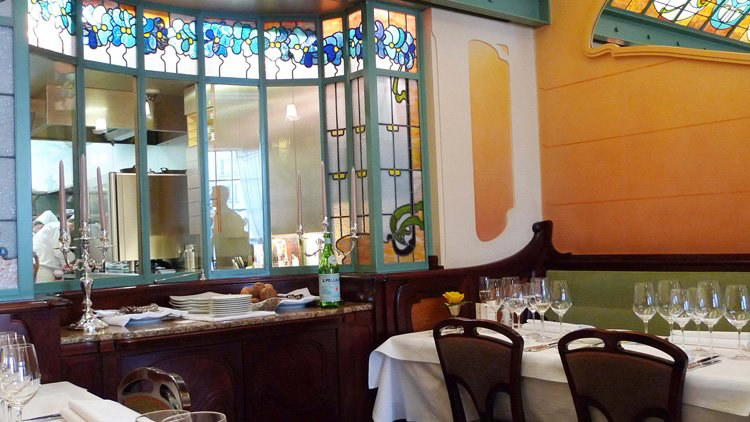
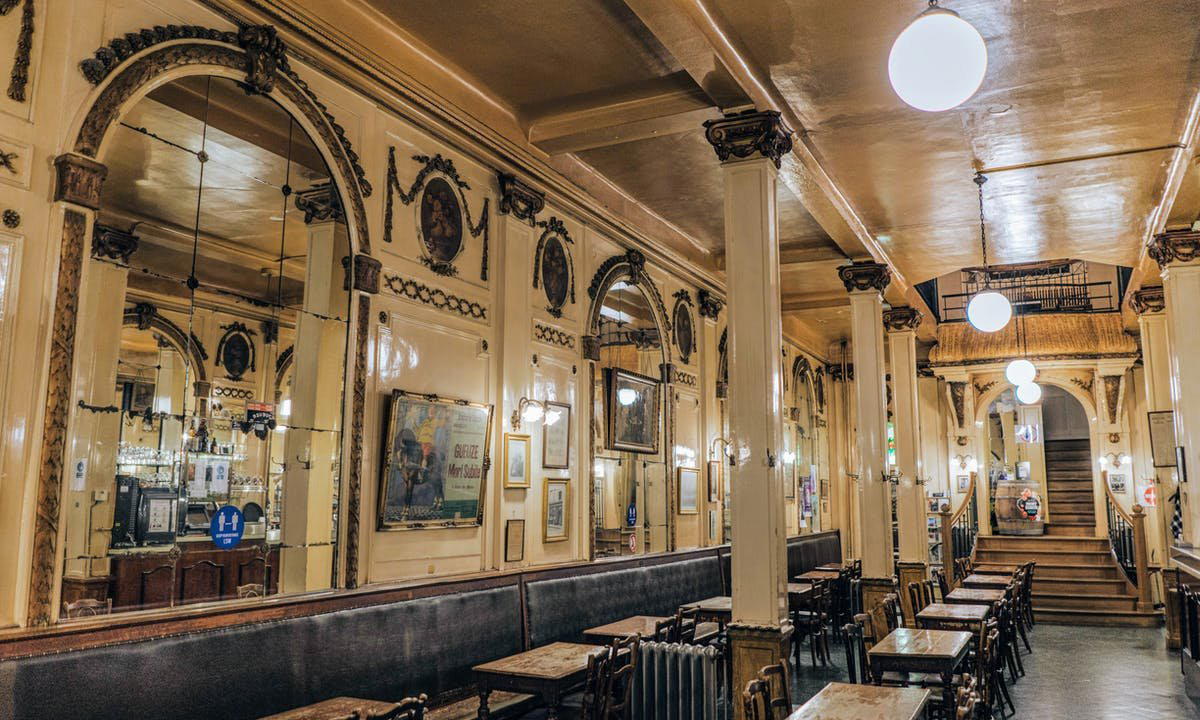
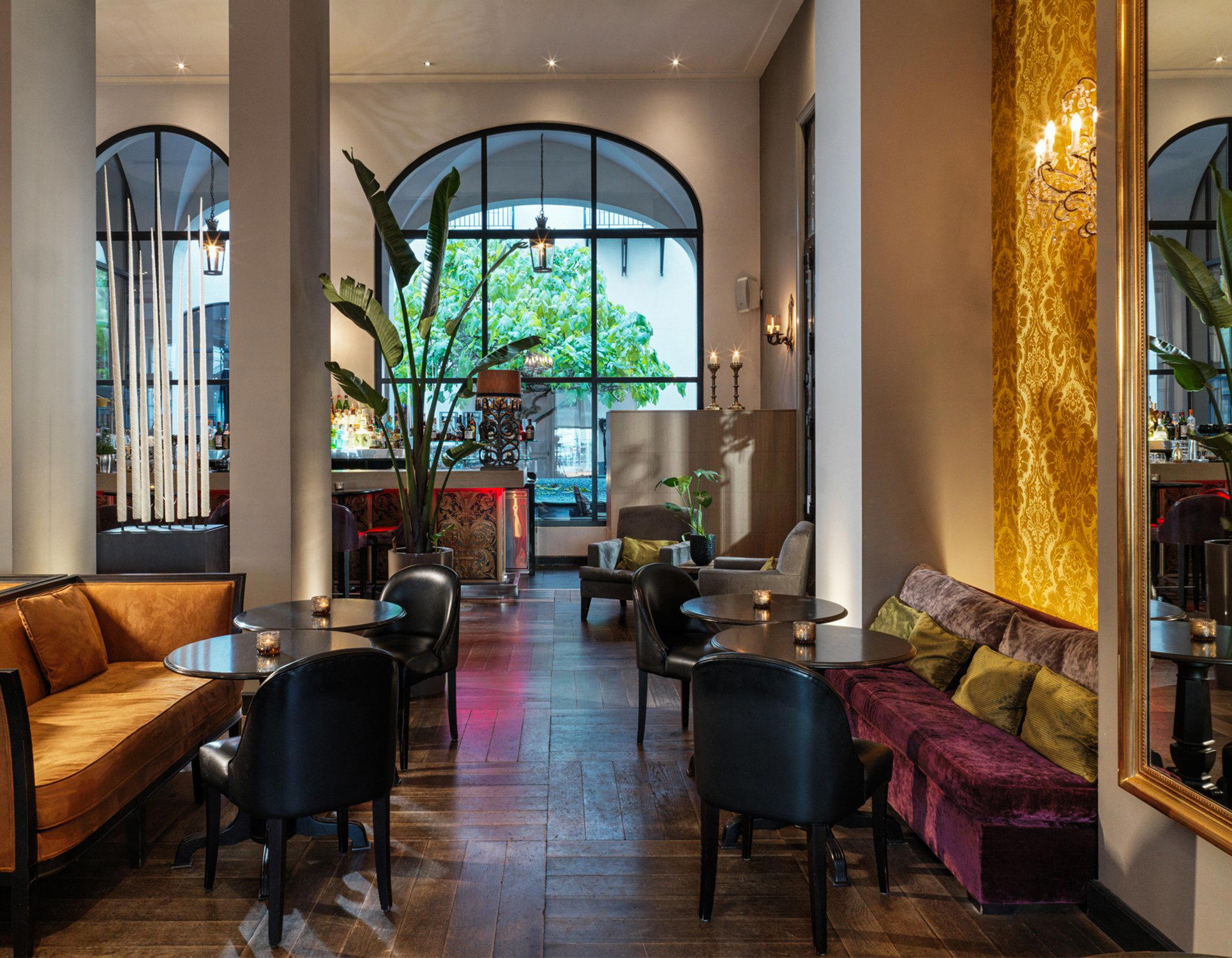
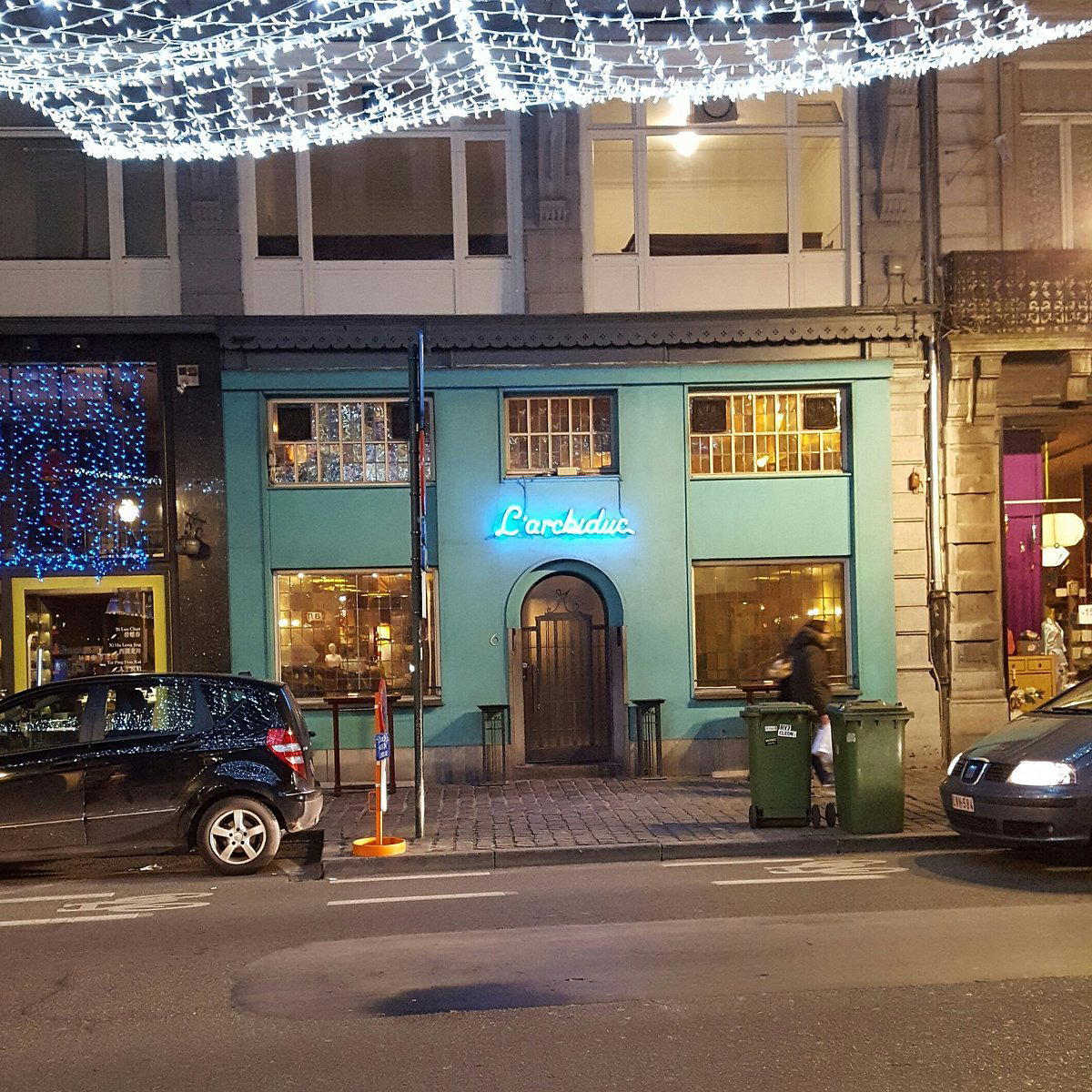
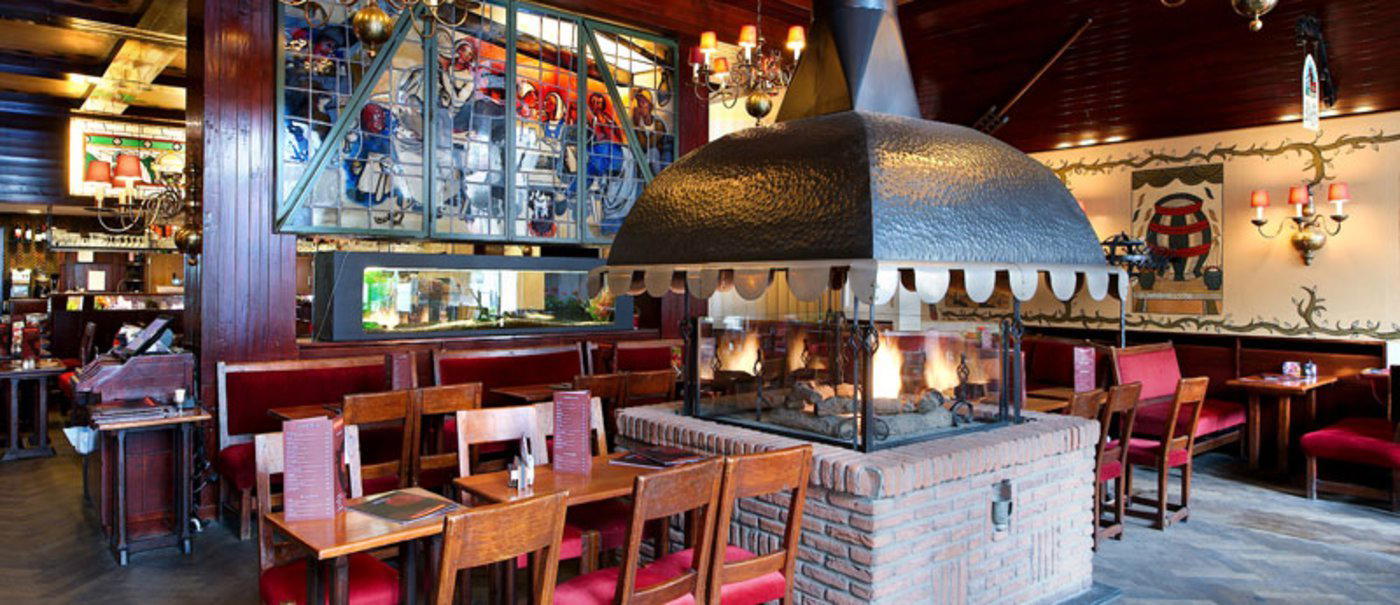
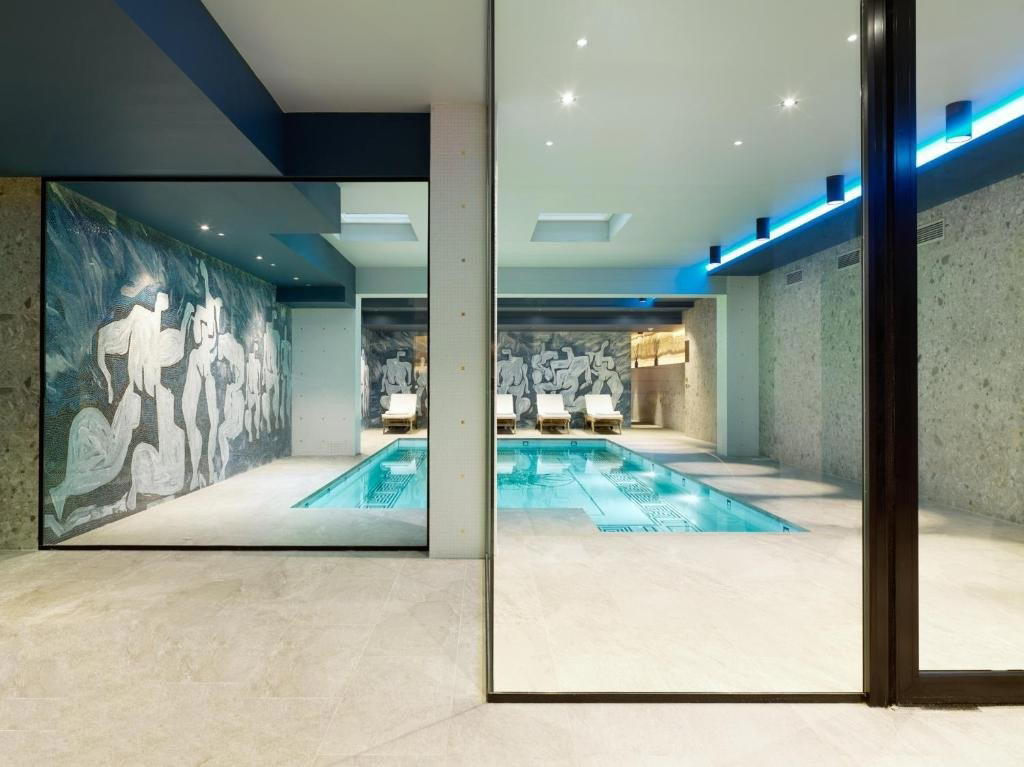
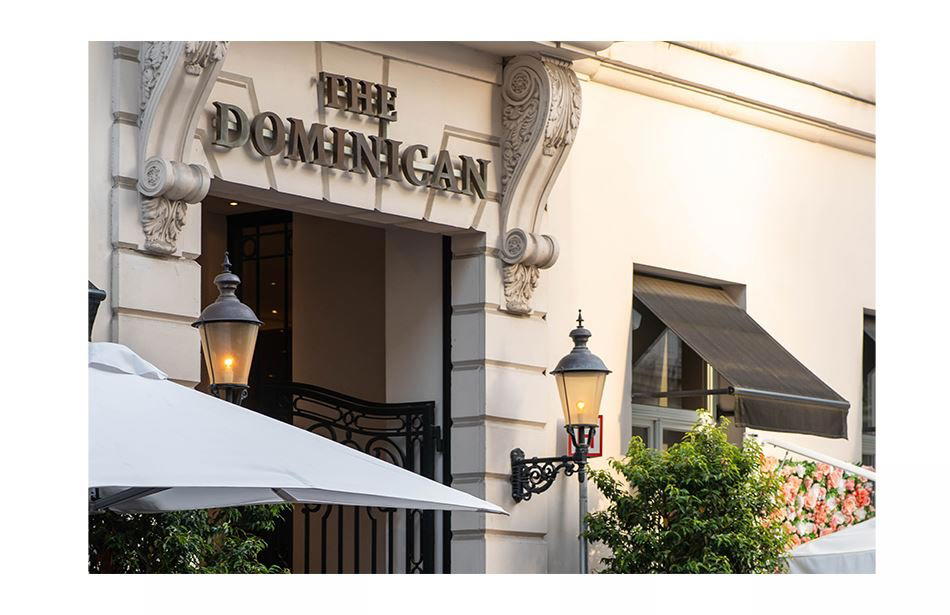
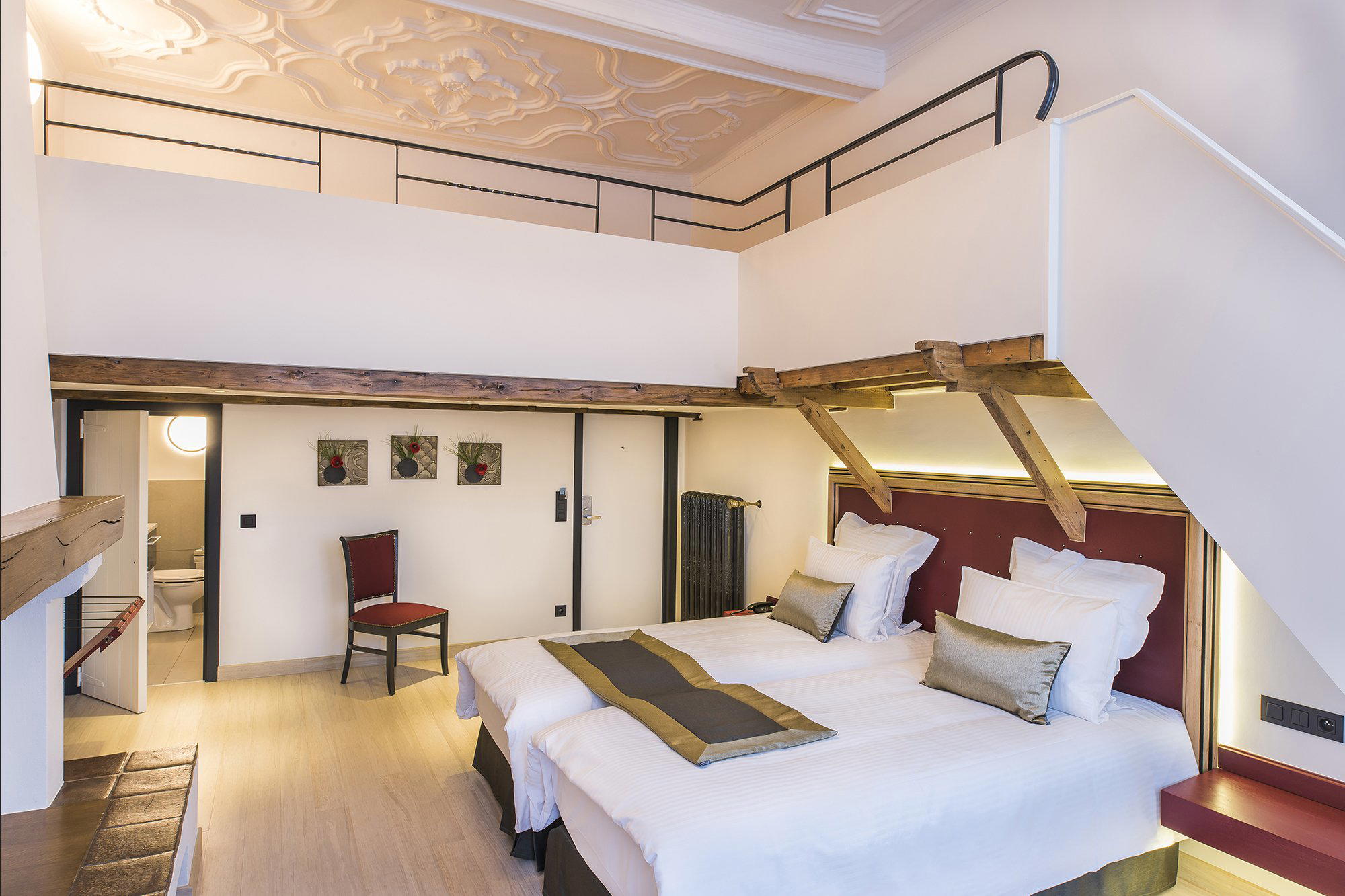
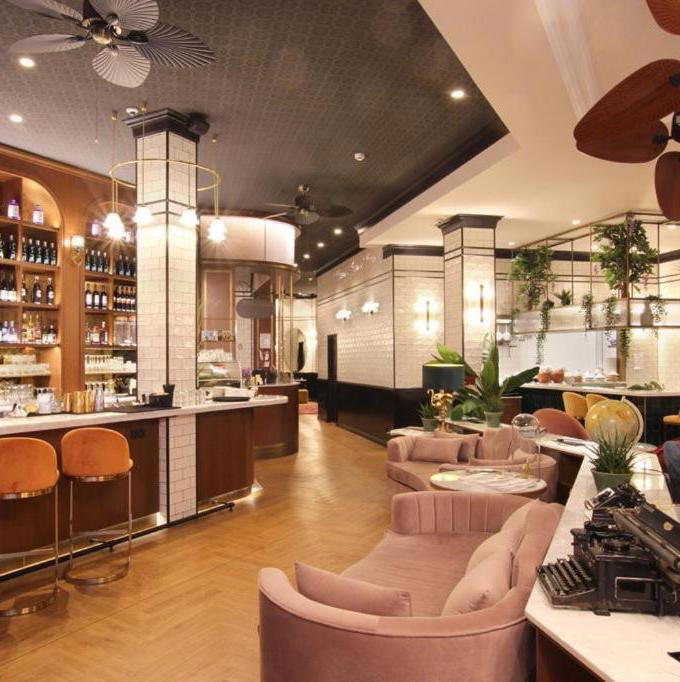
Cozy and stylish interior with a warm, elegant Parisian brasserie atmosphere, featuring art nouveau elements and a grande terrasse for sunny evenings.