Fredo occupies a residential stretch of Gitschotellei in Antwerp's Berchem district, operating in a register that sits apart from the city's Michelin-chasing fine-dining circuit. Where much of Antwerp's restaurant scene has moved toward tasting menus and creative cuisine, Fredo holds a quieter position — the kind of neighbourhood address that sustains itself on local regulars rather than destination diners.
Pearl is the En Primeur Club membership app — saves, bookings, and concierge access live there. Same editors, same standards.
- Address
- Gitschotellei 149, 2600 Antwerpen, Belgium
- Phone
- +32487471421
- Website
- restaurantfredo.be
- Directions
- Get directions
 Saves & bookings on Pearl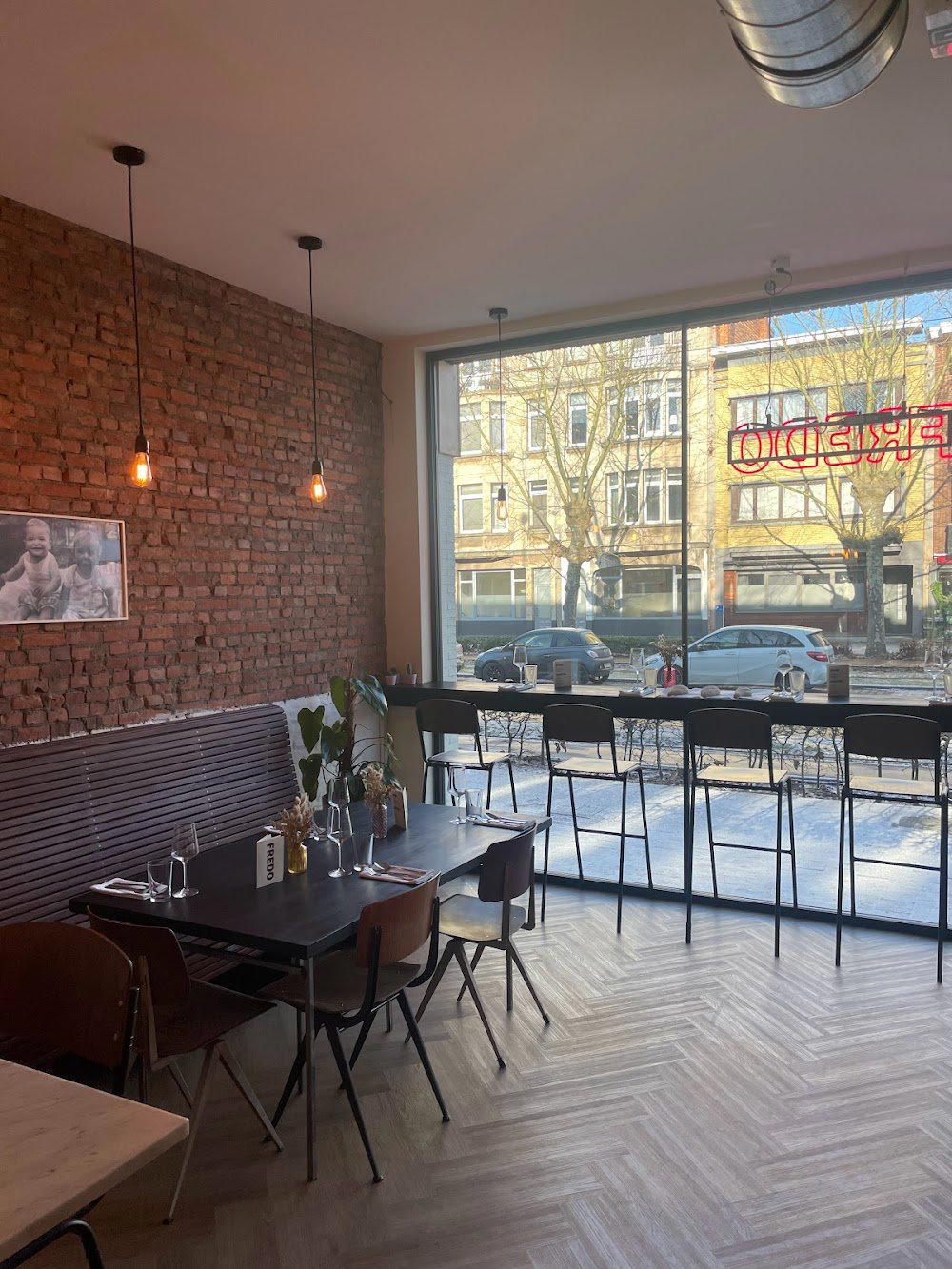
A Different Register: Antwerp's Neighbourhood Dining Scene
Antwerp's dining culture has, over the past decade, split into two legible tiers. The upper bracket — addresses like Zilte and Hertog Jan at Botanic — competes on Michelin recognition, creative tasting menus, and destination appeal. Below that, a quieter layer of neighbourhood restaurants operates on different terms: consistency over spectacle, repeat clientele over tourist traffic, and a physical setting that reads residential rather than theatrical. Fredo, on Gitschotellei 149 in the Berchem district, belongs to this second tier, and that positioning tells you more about what to expect than any single menu item would.
Berchem is not Antwerp's showpiece neighbourhood. It lacks the diamond-quarter glamour of the centre or the design-hotel density of the southern districts. What it has instead is a lived-in, low-theatre quality that tends to produce exactly this kind of address: a restaurant sustained by the street it sits on rather than by its ranking in a city guide. That demographic reality shapes everything from the pace of service to the ambient noise level, expect conversation-weight sound, not the hush of a tasting-menu room.
The Physical Environment
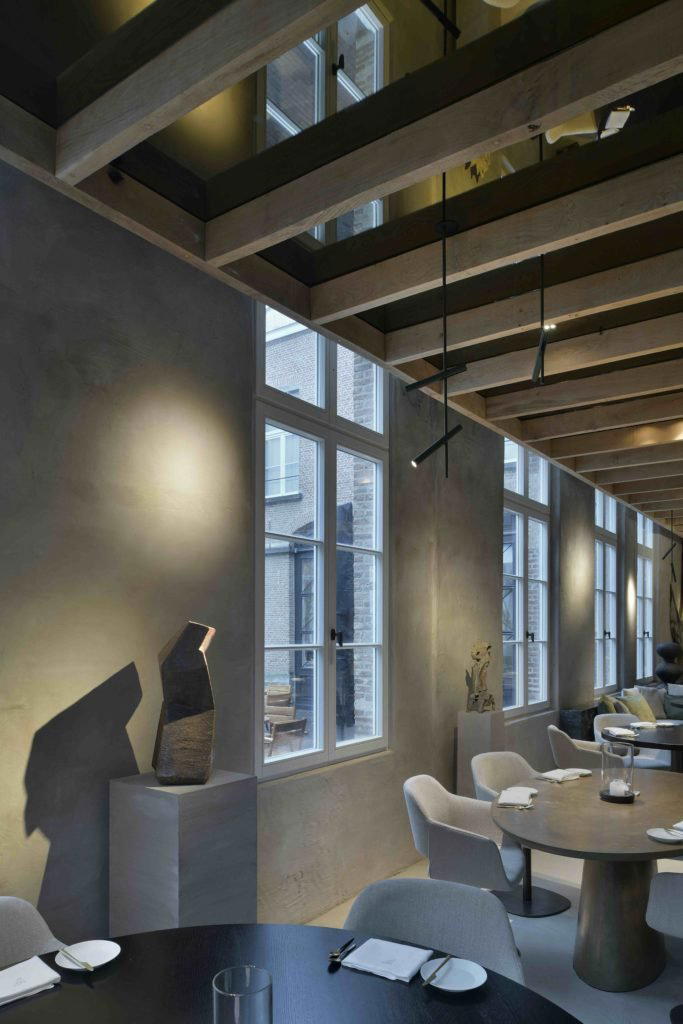
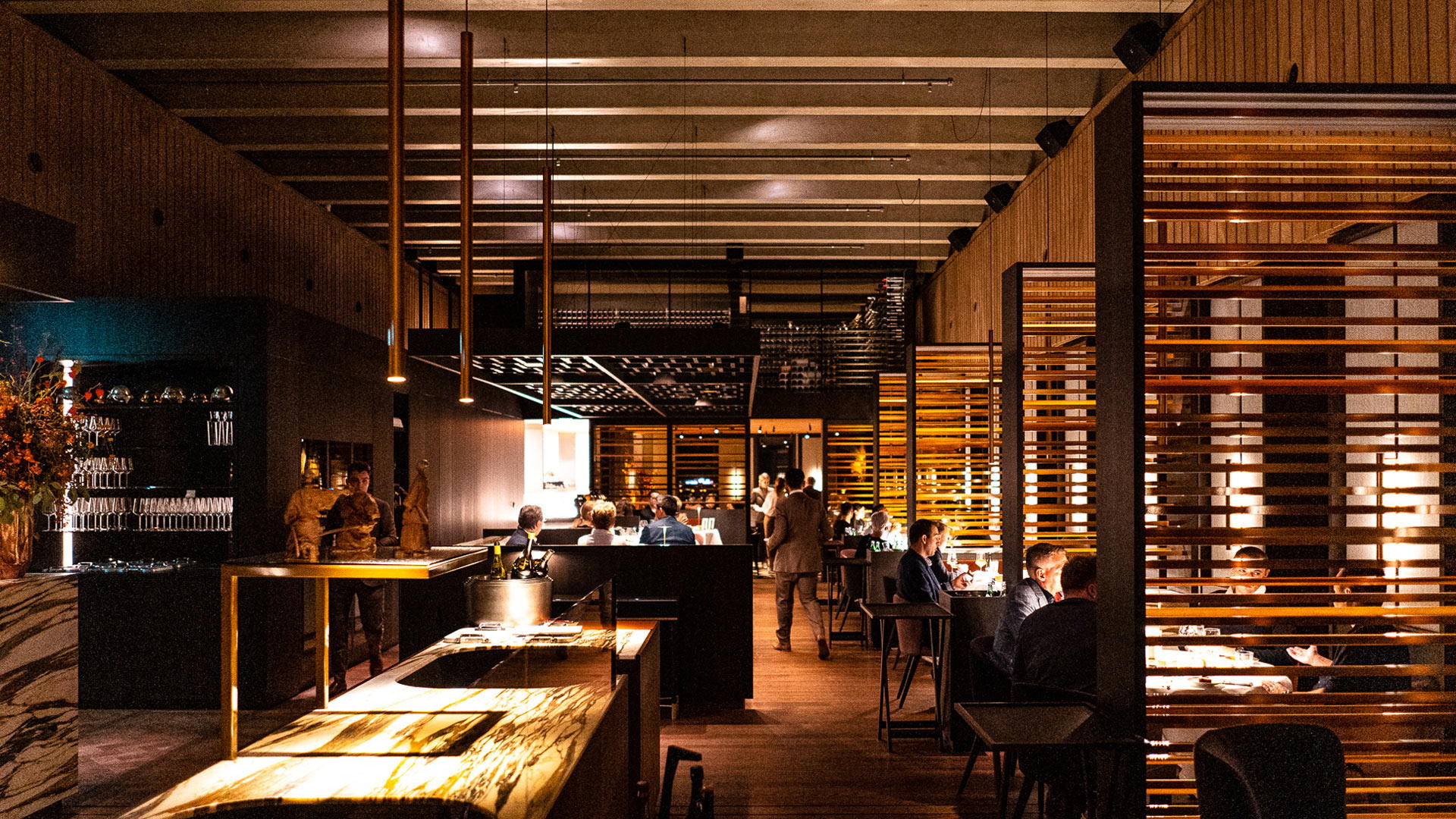
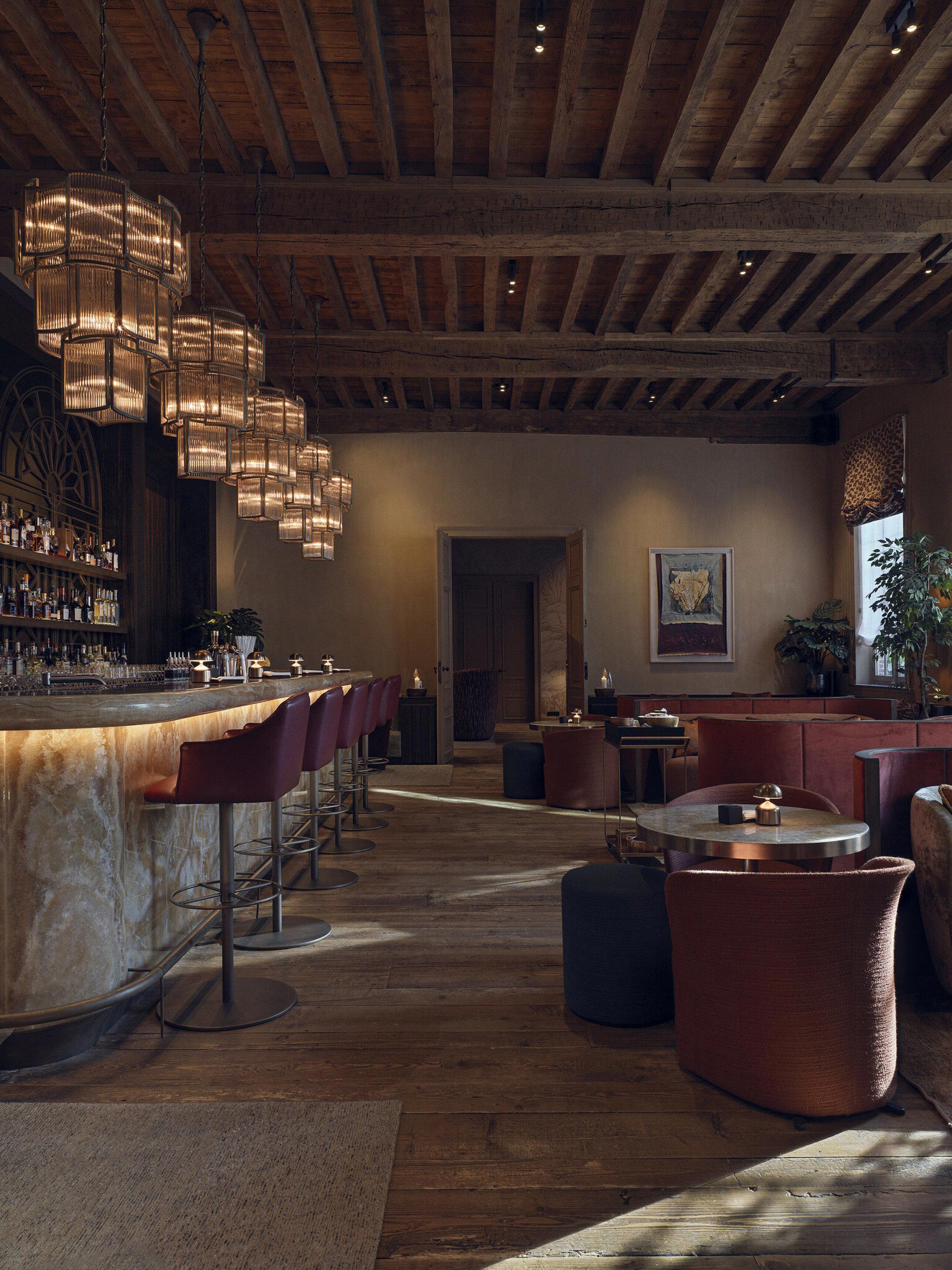
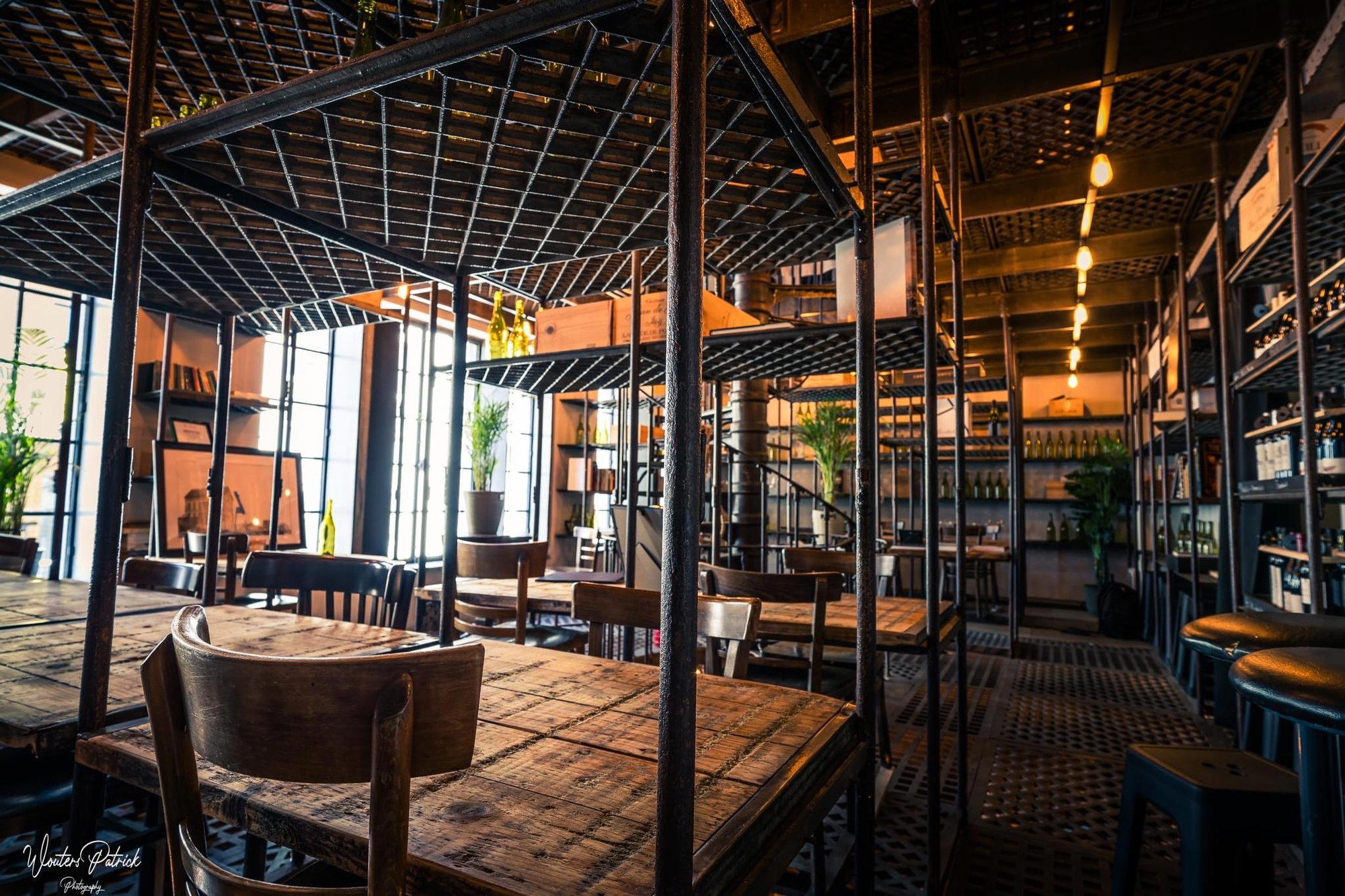
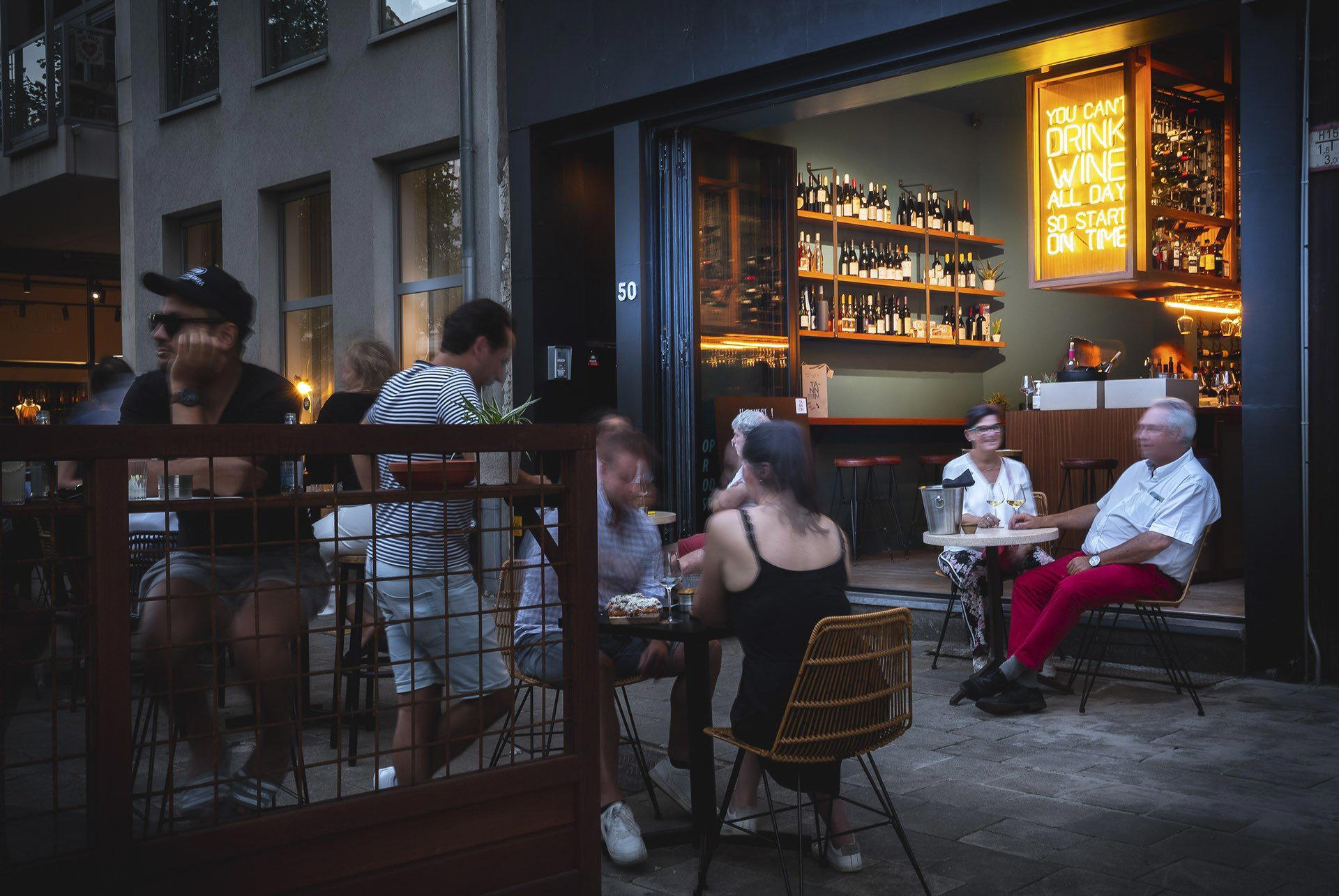
Approaching Gitschotellei 149, the setting signals neighbourhood rather than destination. The street itself is a long residential artery connecting Berchem to the broader urban fabric, trams pass, locals walk dogs, and the buildings are the kind of mid-century brick that defines this part of the city. Fredo sits inside that texture rather than against it. There is no grand entrance architecture, no theatrical lighting scheme visible from the pavement. The draw is internal, which means the room does the work once you are inside.
In this category of Antwerp restaurant, mid-register, neighbourhood-anchored, without the design budget of a hotel-backed operation, the sensory experience tends to be built from warmth and familiarity rather than visual drama. The sound profile at addresses like this typically runs toward the convivial: the background hum of occupied tables, the clatter of a working kitchen close enough to hear but not to dominate. Compare that to the calibrated quiet of 't Fornuis, where the room enforces a certain formality, or the open energy of Bistrot du Nord, which imports a French brasserie rhythm. Fredo's register sits somewhere in its own position, specific to its street and its regulars.
Where Fredo Sits in the Antwerp Pecking Order
Antwerp's restaurant map rewards visitors who understand the distinction between its creative fine-dining circuit and its working neighbourhood tables. These are destination restaurants in the fullest sense, drawing from outside the city and competing with addresses in Brussels, Roeselare, and beyond. Boury in Roeselare and Hof van Cleve in Kruishoutem represent that same nationally competitive tier from other Belgian cities.
Fredo does not compete in that bracket. Without published awards, a documented tasting menu format, or the kind of chef-driven narrative that drives national press, it operates as a local proposition. That is not a diminishment, it is a category description. Belgian dining culture has long supported this intermediate tier: restaurants that are neither casual brasseries nor Michelin-aspirant, but something in between, valued by the people who eat there regularly over the people who visit once for a special occasion. Our full Antwerp restaurants guide maps the full range of these tiers across the city.
The Sensory Case for Neighbourhood Tables
There is a broader argument to be made for restaurants like Fredo that the destination-dining conversation tends to crowd out. The most formally awarded rooms in any city, and Belgium has more per capita than almost any other country in Europe, demand a particular mode of engagement: the long evening, the tasting-menu pacing, the performance of attention that comes with a multi-course format. This is the register of Willem Hiele in Oudenburg or Vrijmoed in Gent, and it is a genuinely different experience from a neighbourhood room where you order from a shorter list and the kitchen is feeding regulars rather than constructing a narrative arc across twelve courses.
The sensory experience of a neighbourhood restaurant is, in its own way, harder to manufacture than the precision of a tasting counter. The smell of a kitchen cooking for a full room rather than calibrating micro-portions; the sound of a dining room where most people know each other; the absence of design-led artifice, these qualities are accumulated over years of service, not installed during a fit-out. They are also, for many travellers arriving in Antwerp after a day of diamond-quarter architecture or port-side museums, exactly the register they want for an evening meal. For comparison to how this plays out in other cities at a higher price point, the community-dining ethos is explored at length in venues like Lazy Bear in San Francisco.
Practical Considerations
Fredo's address on Gitschotellei in Berchem is accessible by tram from Antwerp's city centre, with several lines connecting the district to the main rail hub. For visitors arriving by train at Antwerpen-Centraal, Berchem sits a short journey south, the kind of distance that rewards those willing to leave the tourist-density zones of the historic centre. This also applies to any dietary requirements, in the absence of a published menu or allergy protocol, direct communication in advance is the practical baseline for any address at this tier.
For context on what neighbouring restaurants in this part of Belgium charge and offer: Bistrot du Nord operates at €€€, while the creative and Japanese-inflected venues at €€€€ represent the upper range. Fredo's positioning, given its neighbourhood character and the absence of formal awards documentation, likely sits at or below the mid-range mark, though this should be confirmed before visiting.
The Essentials
A compact comparison to help you place this venue among nearby peers.
| Venue | Cuisine | Price |
|---|---|---|
| FredoThis venue — the venue you are viewing | Not listed | Not listed |
| Hertog Jan at Botanic | Modern Flemish, Creative | €€€€ |
| Bistrot du Nord | French, Traditional Cuisine | €€€ |
| DIM Dining | Japanese, Asian | €€€€ |
| Dôme | Modern French, Classic French | €€€€ |
| Fine Fleur | Modern European, Creative | €€€€ |
At a Glance
- Cozy
- Casual
- Casual Hangout
- Open Kitchen
- Terrace
- Natural Wine
- Local Sourcing
Current opening hours
- Monday
- Closed
- Tuesday
- 6–11 PM
- Wednesday
- 12–3 PM, 6–11 PM
- Thursday
- 12–3 PM, 6–11 PM
- Friday
- 12–3 PM, 6–11 PM
- Saturday
- 6–11 PM
- Sunday
- Closed
Hours can change for holidays and private events. Last verified .
Cozy atmosphere with an open kitchen and feelgood vibe as described in guest reviews.
Know Before You Go
- Getting there
- Gitschotellei 149, 2600 Antwerpen, Belgium