
Our verdict
Augustiner-Keller is one of Munich's oldest and most deeply rooted beer gardens, occupying a sprawling chestnut-canopied courtyard on Arnulfstraße. It operates as a direct extension of the Augustiner brewery tradition that has shaped Bavarian drinking culture for centuries. For visitors tracing authentic Munich hospitality rather than tourist facsimiles, it sits at the centre of that conversation.

Pearl is the En Primeur Club membership app, where members save venues, book tables and use the concierge.

The menu
What to order
- Schweinebraten
- Spanferkel
- Apfelstrudel
- Dampfnudeln
Under the Chestnuts: Munich's Beer Garden Tradition and Where Augustiner-Keller Fits
The beer garden is not an amenity in Bavaria. It is a civic institution, a social contract written in linden and chestnut shade, with roots reaching back to nineteenth-century royal decrees permitting brewers to sell their wares beneath the trees that kept their underground cellars cold. When Munich residents talk about where they spend a warm Tuesday evening in May or a golden Saturday in September, they are not choosing between hospitality concepts, they are selecting a cultural mode of being. Augustiner-Keller, at Arnulfstraße 52 near the Hauptbahnhof, represents one of the oldest and most coherent expressions of that mode in the city.
Approaching the site from the street, the experience has a quality that is almost theatrical in its straightforwardness: a broad, slightly worn courtyard opens behind what appears to be an unremarkable exterior, and suddenly you are under an old canopy of chestnut trees with perhaps a thousand people around you, most of them holding litre steins and talking at a volume that suggests genuine enjoyment rather than performed sociability. This is the atmospheric register of the classic Munich Biergarten, and Augustiner-Keller executes it with the authority of a place that has not needed to reinvent itself.
What the Augustiner Brewery Tradition Means in Context
Augustiner-Bräu occupies a particular position in Munich's brewing hierarchy. Unlike the larger Bavarian breweries that have expanded into international distribution and corporate structures, Augustiner has remained privately held and Munich-focused, a fact that carries cultural weight among locals who read brewery ownership as a proxy for authenticity. The beer served at Augustiner-Keller is Augustiner's own, drawn from wooden barrels in the traditional manner for certain formats, and the relationship between brewery and Keller is literal: this site functioned historically as a storage and serving facility connected to the brewing operation.
Munich's beer garden scene has diversified considerably over the past two decades. The English Garden's Chinesischer Turm attracts a high proportion of tourists; the Hirschgarten draws families with its deer enclosure; rooftop and designer garden concepts have appeared in the Glockenbach and Maxvorstadt quarters. Against this range, Augustiner-Keller tends to attract a clientele that skews local and knowledgeable, people who understand that the wooden barrel service represents a different production and serving tradition from the standard pressurised systems used at most venues. That reputation carries forward even as Munich's hospitality offerings have grown more complex.
The Keller Experience: Format and Conventions
The beer garden format at Augustiner-Keller follows the conventions that Bavarian law and custom have established: guests may bring their own food to the self-service sections, purchasing only drinks from the venue, while the restaurant section operates with table service and a food menu. This dual-format structure, common across traditional Munich beer gardens, has a democratic character that distinguishes it from hospitality models elsewhere in Europe. A family bringing a picnic basket to share a table with strangers and a corporate group ordering full meals from the kitchen can occupy the same space without social friction.
Food in the served sections follows the standard Bavarian Biergarten repertoire: roasted chicken, grilled fish, pretzels, radishes, and the various cold plates that pair sensibly with a half-litre or litre of lager. This is not the territory of Munich's fine dining conversation, that sits with JAN (Creative), Tantris, Tohru in der Schreiberei, Alois - Dallmayr Fine Dining, and Atelier, but it represents something those venues cannot: the unmediated, centuries-old Bavarian drinking meal, consumed outdoors in the company of whoever happens to sit down across from you.
Seasonal Timing and Practical Approach
The beer garden season in Munich runs broadly from late April through October, contingent on weather. Augustiner-Keller is an outdoor-primary venue, and visiting outside the warm months means experiencing a significantly reduced version of the site. The weeks immediately surrounding Oktoberfest bring maximum crowds and occasionally altered serving dynamics at beer-focused venues across the city; visiting in May, June, or early September tends to produce the most relaxed experience of the Keller format at its characteristic pace.
Getting to Augustiner-Keller is direct from the Hauptbahnhof, which is within comfortable walking distance, Arnulfstraße runs west from the main station area, and the venue sits in the first stretch of that road. For visitors combining Augustiner-Keller with Munich's fine dining tier, the proximity to the city centre makes sequencing direct: an early evening at the Keller before a later reservation elsewhere is a pattern some regular Munich visitors use to access both registers of the city's food and drink culture in a single evening.
No advance booking is required or typically available for the self-service beer garden sections. The restaurant portion may have different arrangements, particularly during high-season weekends. Arriving by mid-afternoon on a warm day secures seating without difficulty; arriving after 18:00 on a Friday in July may require patience.
Where This Sits in Germany's Broader Hospitality Picture
Germany's highest-profile dining is scattered across the country rather than concentrated in one city. Three-star experiences such as Schwarzwaldstube in Baiersbronn, Aqua in Wolfsburg, and Vendôme in Bergisch Gladbach draw international visitors to destinations that are not major urban centres. Others, like CODA Dessert Dining in Berlin, Victor's Fine Dining by christian bau in Perl, ES:SENZ in Grassau, Schanz in Piesport, Waldhotel Sonnora in Dreis, Restaurant Haerlin in Hamburg, and Bagatelle in Trier define the upper tier of serious dining across the German-speaking world. Augustiner-Keller is not in conversation with any of them on culinary grounds. It sits in a different category entirely, one defined by historical continuity, cultural function, and the specific pleasures of Bavarian communal drinking rather than kitchen ambition.
For visitors constructing a Munich itinerary that covers the city's full hospitality range, Augustiner-Keller belongs in the picture not as a concession to casual dining but as a genuine expression of what Munich's food and drink culture has looked like, structurally and socially, for the better part of two centuries. The full shape of that picture, including where to eat at every tier, is covered in our full Munich restaurants guide. For reference points outside Germany, the kind of institutionally rooted communal dining that Augustiner-Keller represents finds loose analogues in places like Le Bernardin in New York City or Lazy Bear in San Francisco only in the sense that all three operate from a fixed, legible identity, though the categories and price points are entirely different.
Frequently asked questions
Is Augustiner-Keller suitable for children?
Bavarian beer garden law and custom have long accommodated families: children are permitted in the non-service areas where guests bring their own food, and the open-air setting at Arnulfstraße 52 gives them room to move. The format is inherently informal, with bench seating and shared tables the norm. That said, the venue is fundamentally a beer garden, so the social dynamic skews toward adults, particularly in the evenings.
What is the atmosphere like at Augustiner-Keller?
The atmosphere at Augustiner-Keller is defined by the classic Munich beer garden format: long communal benches under mature chestnut trees, shared tables between strangers, and the particular low-grade roar of several thousand people in conversation. It reads less as a tourist attraction and more as a functioning civic space, which is partly what separates Augustiner-Keller from the more theatrical options around Marienplatz. The energy shifts noticeably between a weekday afternoon and a weekend evening.
Can you bring your own food to Augustiner-Keller, and how does that work?
Augustiner-Keller follows a provision enshrined in Bavarian beer garden ordinance: guests are permitted to bring their own food to the self-service areas of the garden, provided they purchase drinks from the venue. This applies to the non-table-service sections, where you collect your beer at the counter and seat yourself on the communal benches. The rule does not extend to the waiter-service restaurant section on the premises, which operates under standard restaurant conventions.
What's the must-try dish at Augustiner-Keller?
Bavarian beer garden staples, pretzels, Obatzda, radishes, cold meats, are the conventional pairing with Augustiner-Bräu's lager, and any food order here should be understood as secondary to the beer itself, which is the brewery's principal offering.
Where is Augustiner-Keller in Munich?
Augustiner-Keller is located at Arnulfstraße 52, 80335 München, Germany, Munich.
Booking and Cost Snapshot
A short peer table to compare basics side-by-side.
| Venue | Cuisine | Price | Awards | Notes |
|---|---|---|---|---|
| Augustiner-KellerThis venue (the venue you are viewing) | Traditional Bavarian Beer Garden | $20–30 | Not listed | Not listed |
| Tantris | Modern French Fine Dining | $300–500 | 2 Michelin Stars · World's 50 Best #73 | Modern French, French Contemporary |
| Tohru in der Schreiberei | Modern Japanese-European Fusion Fine Dining | $300–500 | Michelin Plate · La Liste Top Restaurants | Modern German - Japanese, Modern Cuisine |
| Alois - Dallmayr Fine Dining | Modern Bavarian Fine Dining with French and Nordic Influences | $300–500 | 2 Michelin Stars · La Liste Top Restaurants | Creative |
| Atelier | Modern German with Asian Influence | $200–300 | 2 Michelin Stars · La Liste Top Restaurants | Creative French |
| Acquarello | Modern Italian Fine Dining | $100–150 | 1 Michelin Star | Italian - Mediterranean, Italian |
Recognition history
Dated appearances from independent guides and award organizations, with the underlying list record or original source where available.
Opinionated About Dining Newly Added European Restaurants
Opinionated About Dining
Full recognition history (2 entries)
Opinionated About Dining Casual in Europe Recommended
Opinionated About Dining
Continue exploring
More in Munich
Restaurants in Munich
All restaurants in Munich →
Details
- Rustic
- Cozy
- Classic
- Lively
- Group Dining
- Casual Hangout
- Celebration
- Historic Building
- Live Music
- Beer Program
- Local Sourcing
- A La Carte
- Beer Program
- Vegetarian Friendly
- Gluten Free Options
Current opening hours
- Monday
- 10 AM–12 AM
- Tuesday
- 10 AM–12 AM
- Wednesday
- 10 AM–12 AM
- Thursday
- 10 AM–12 AM
- Friday
- 10 AM–12 AM
- Saturday
- 10 AM–12 AM
- Sunday
- 10 AM–12 AM
Hours can change for holidays and private events. Hours as of .
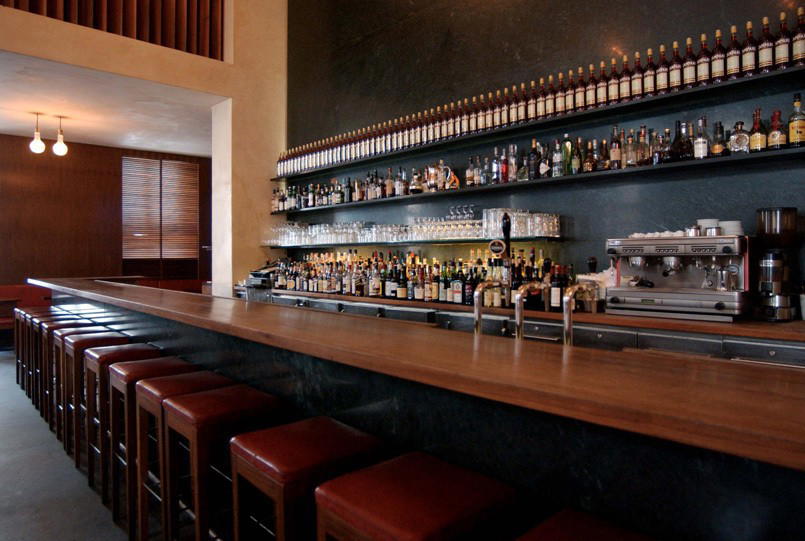
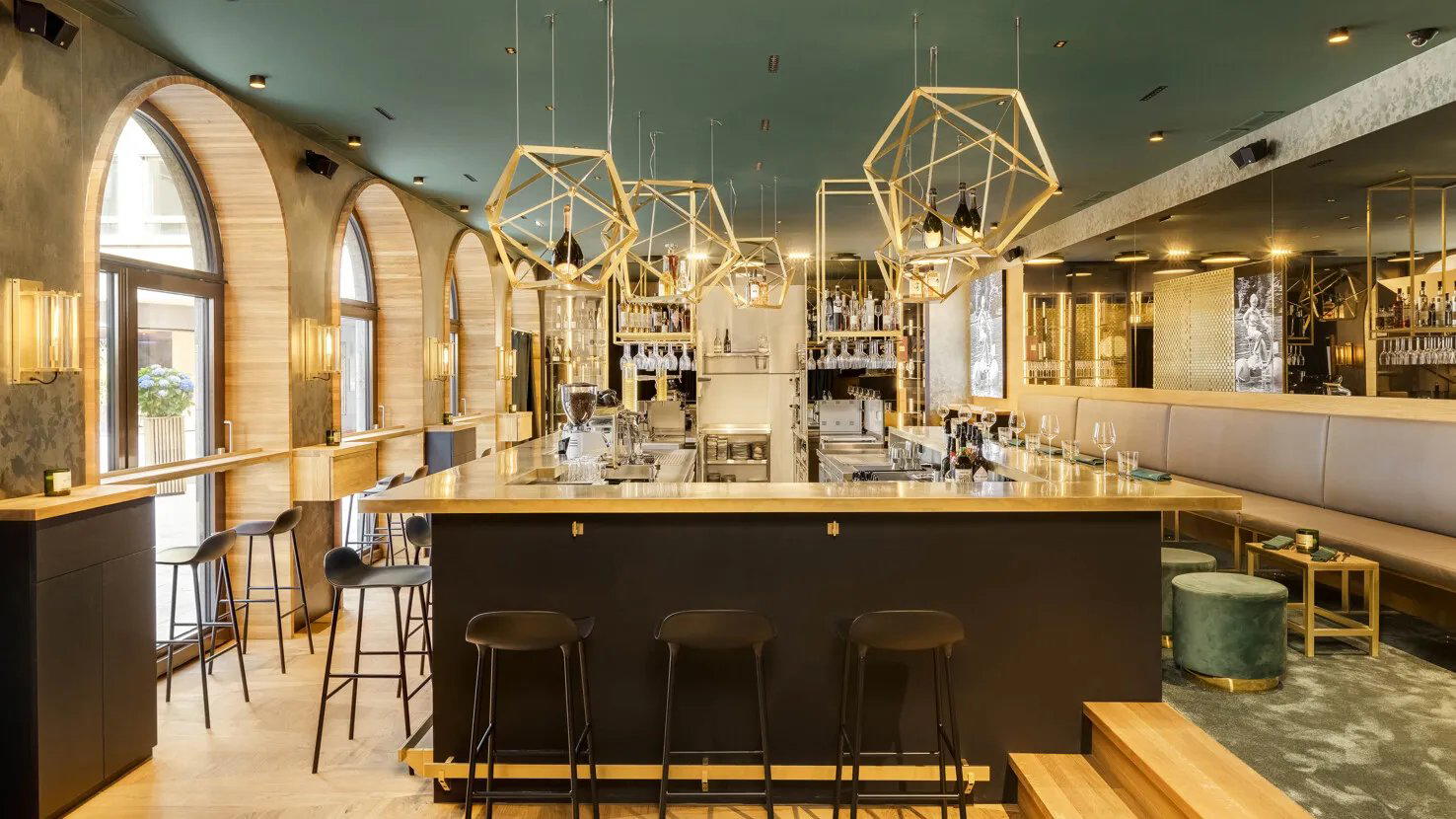
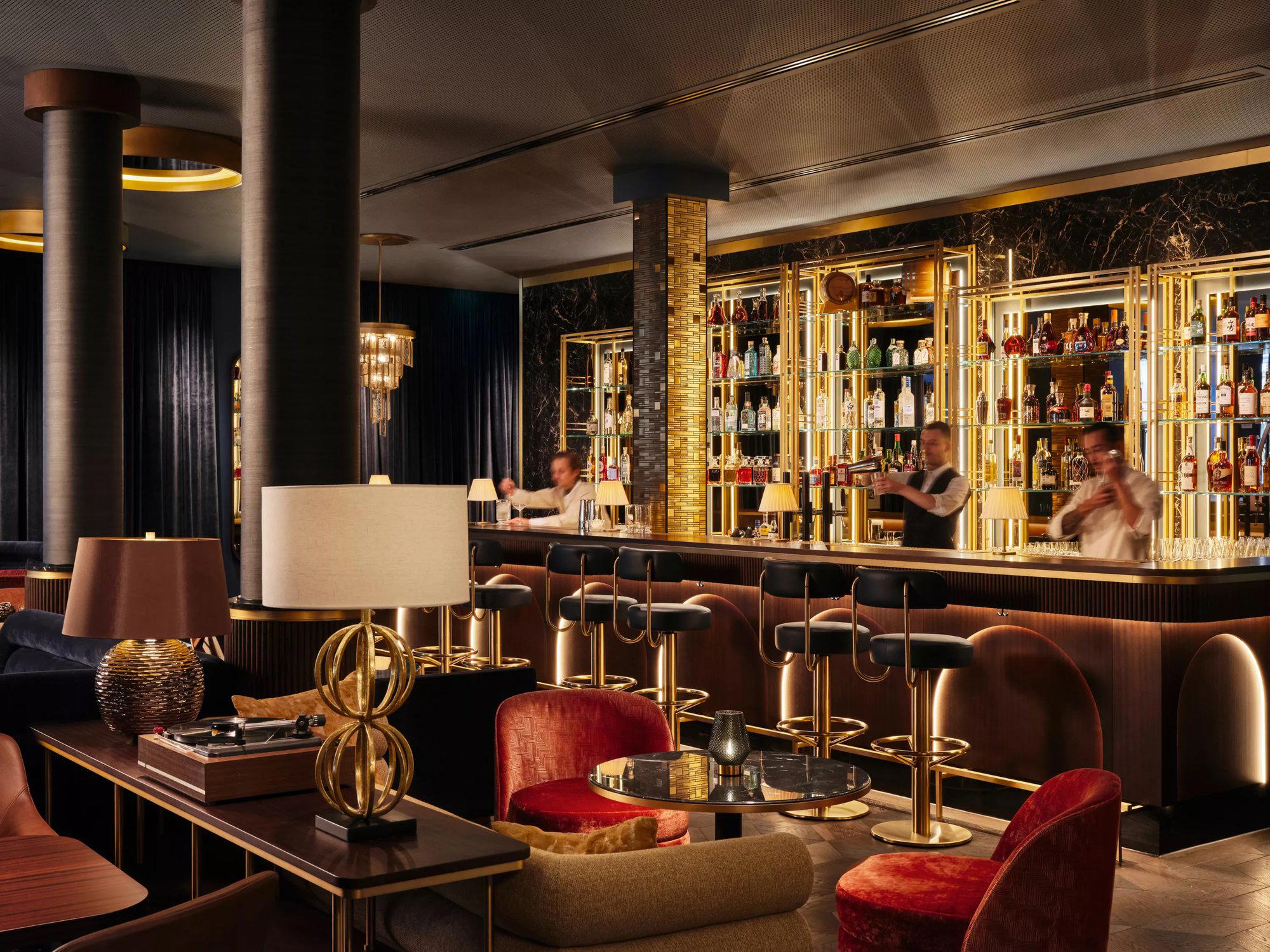
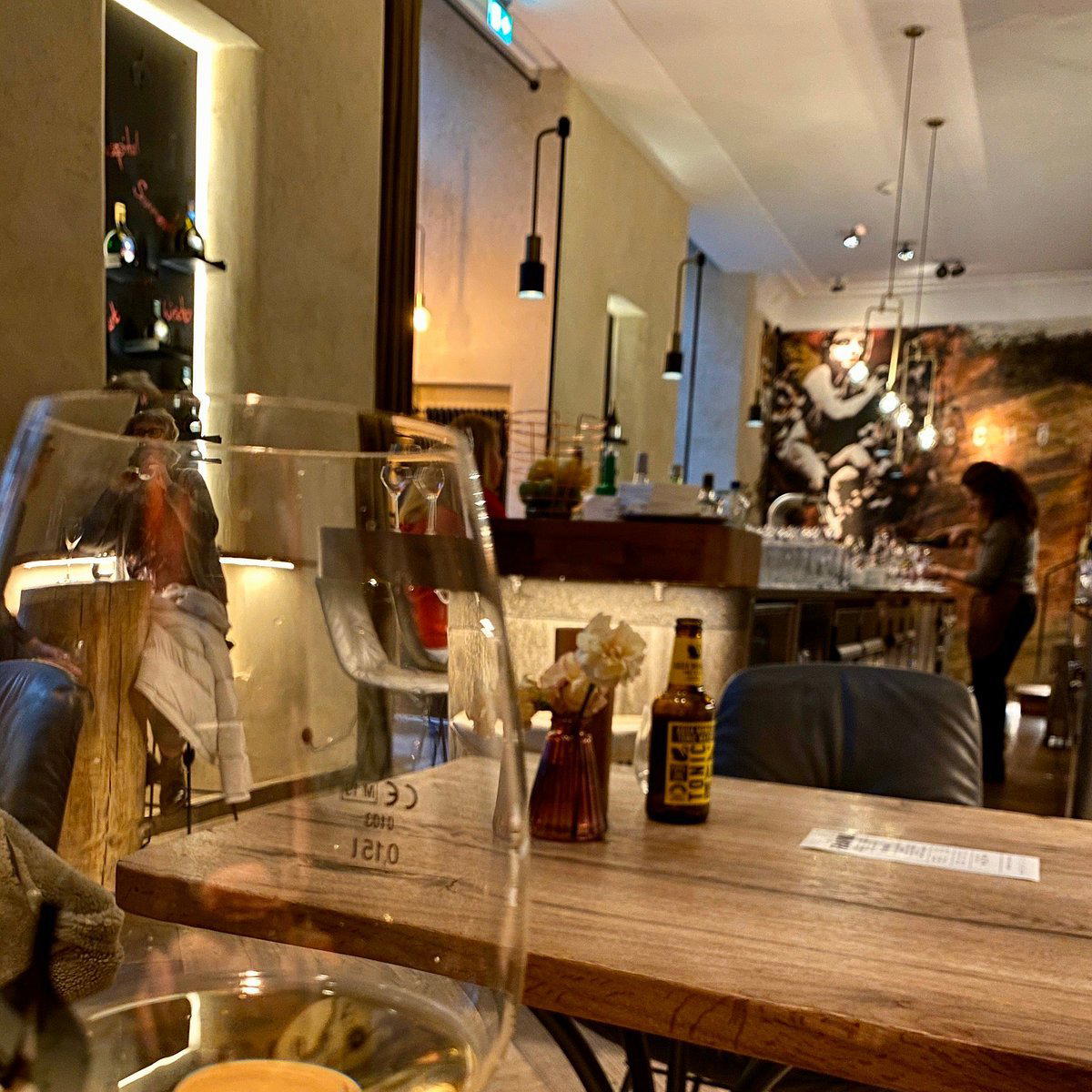
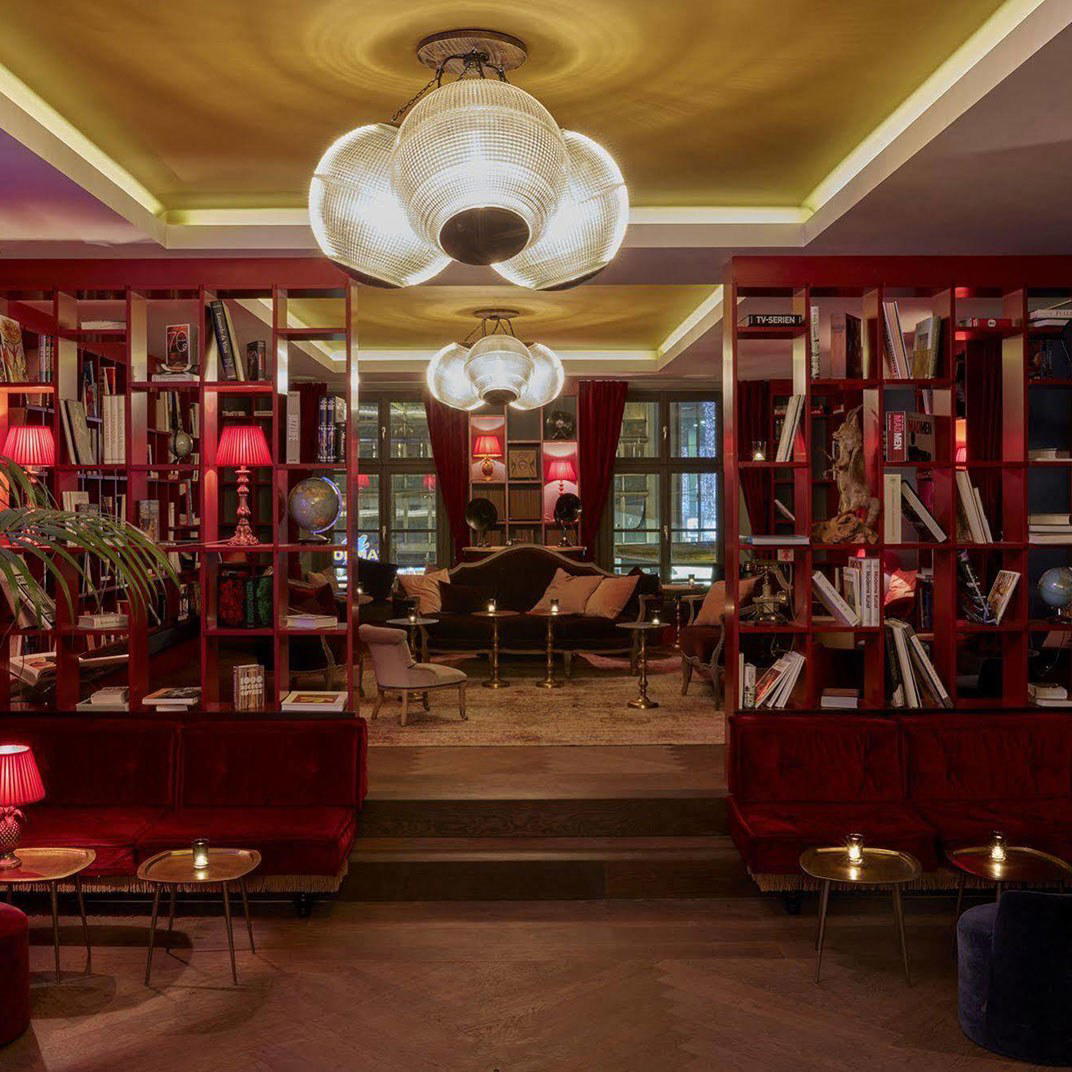
Cozy traditional Bavarian atmosphere with varied rooms from intimate Bierstüberl to vaulted cellar and large lively beer garden.